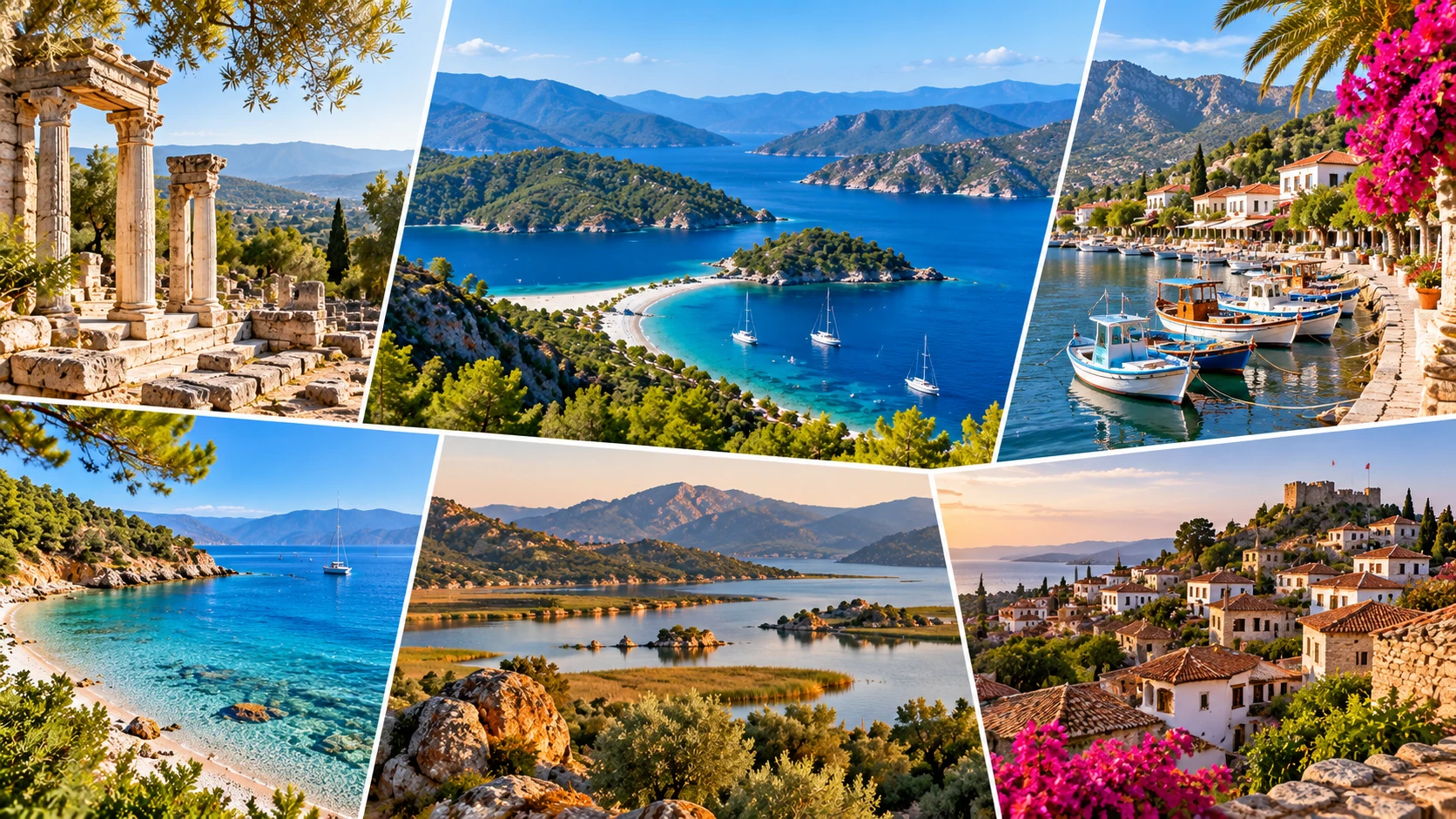
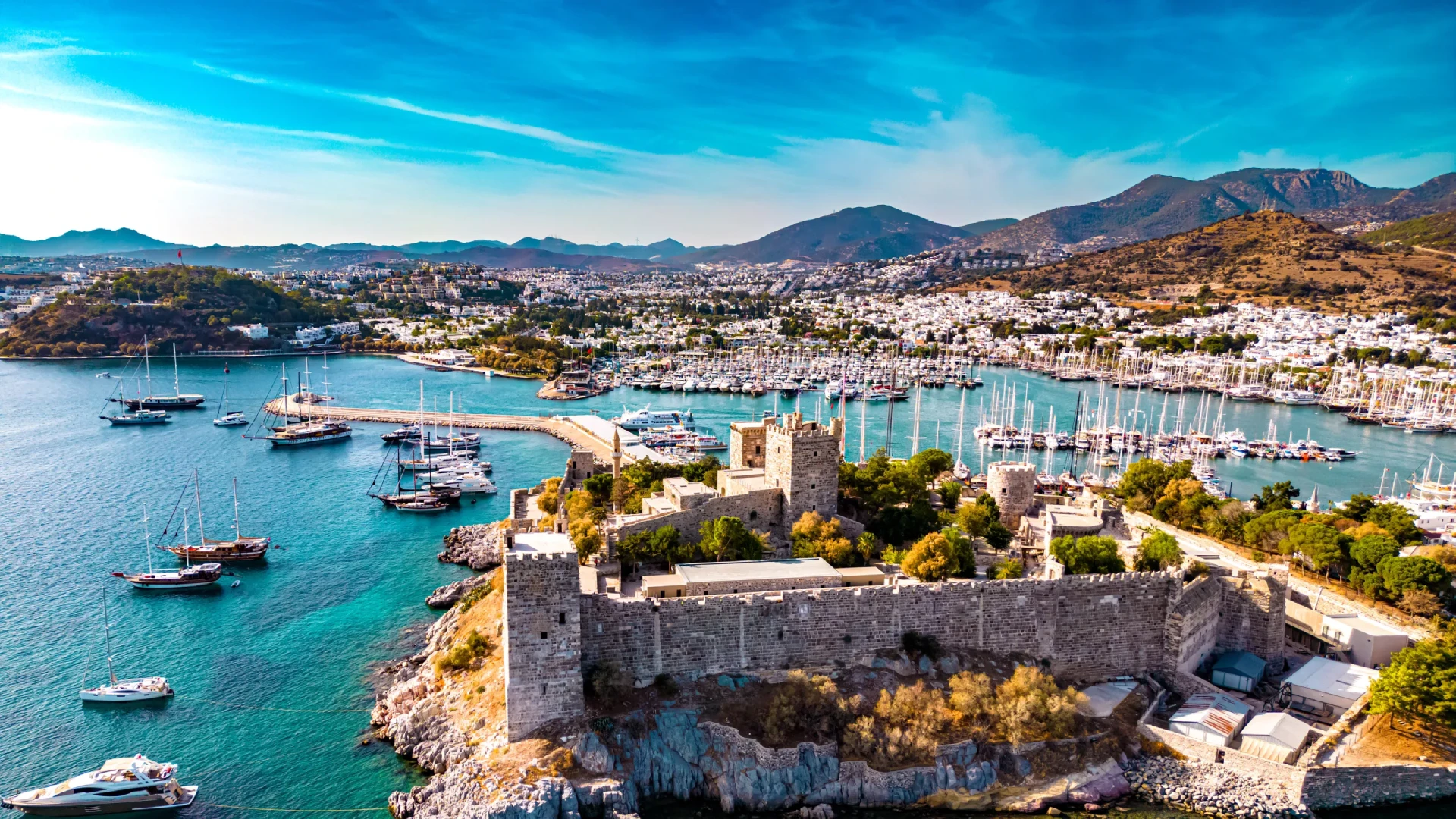
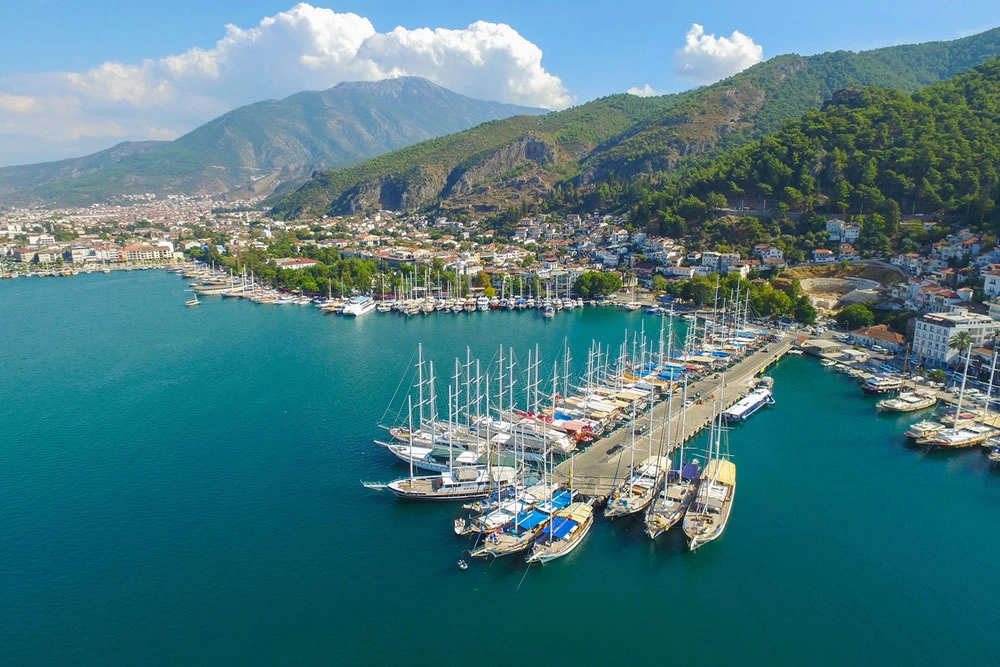
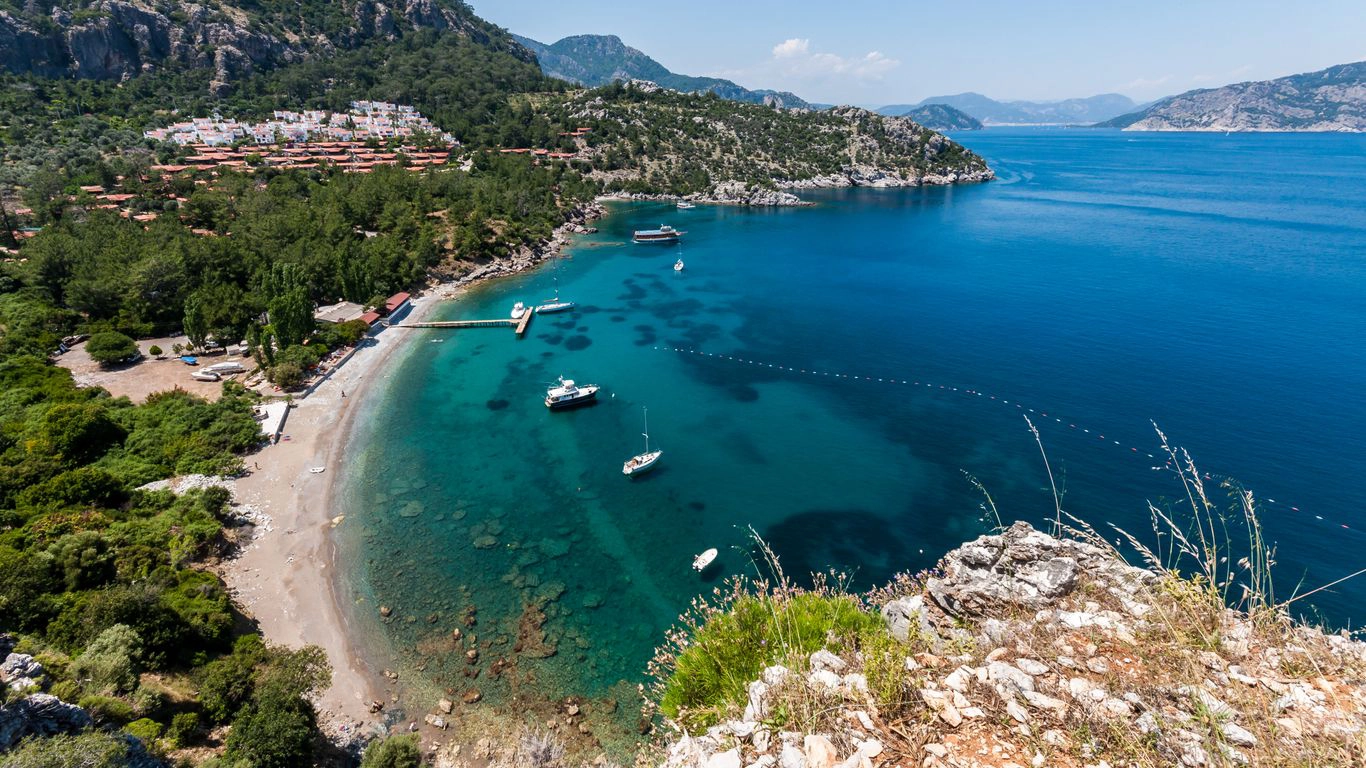
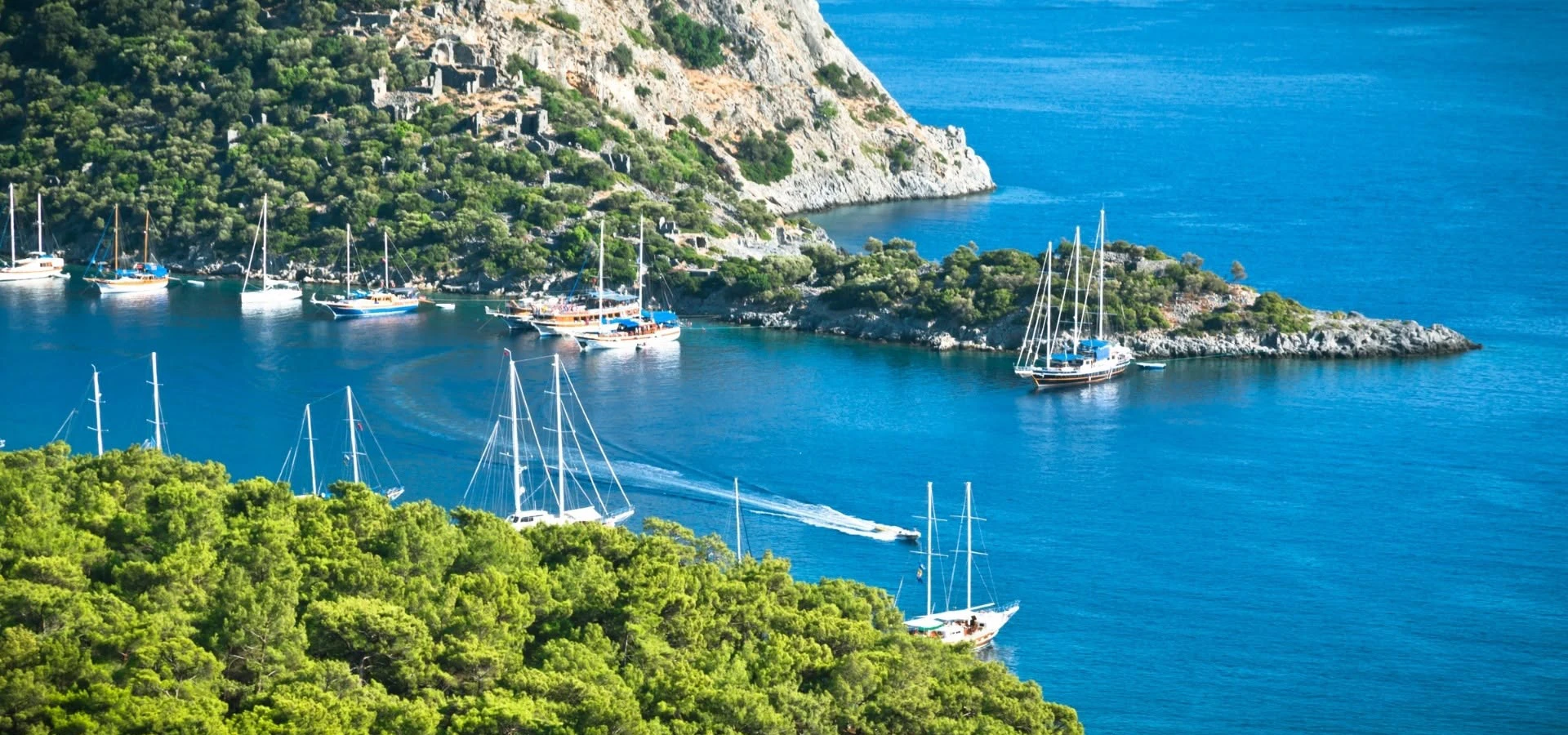
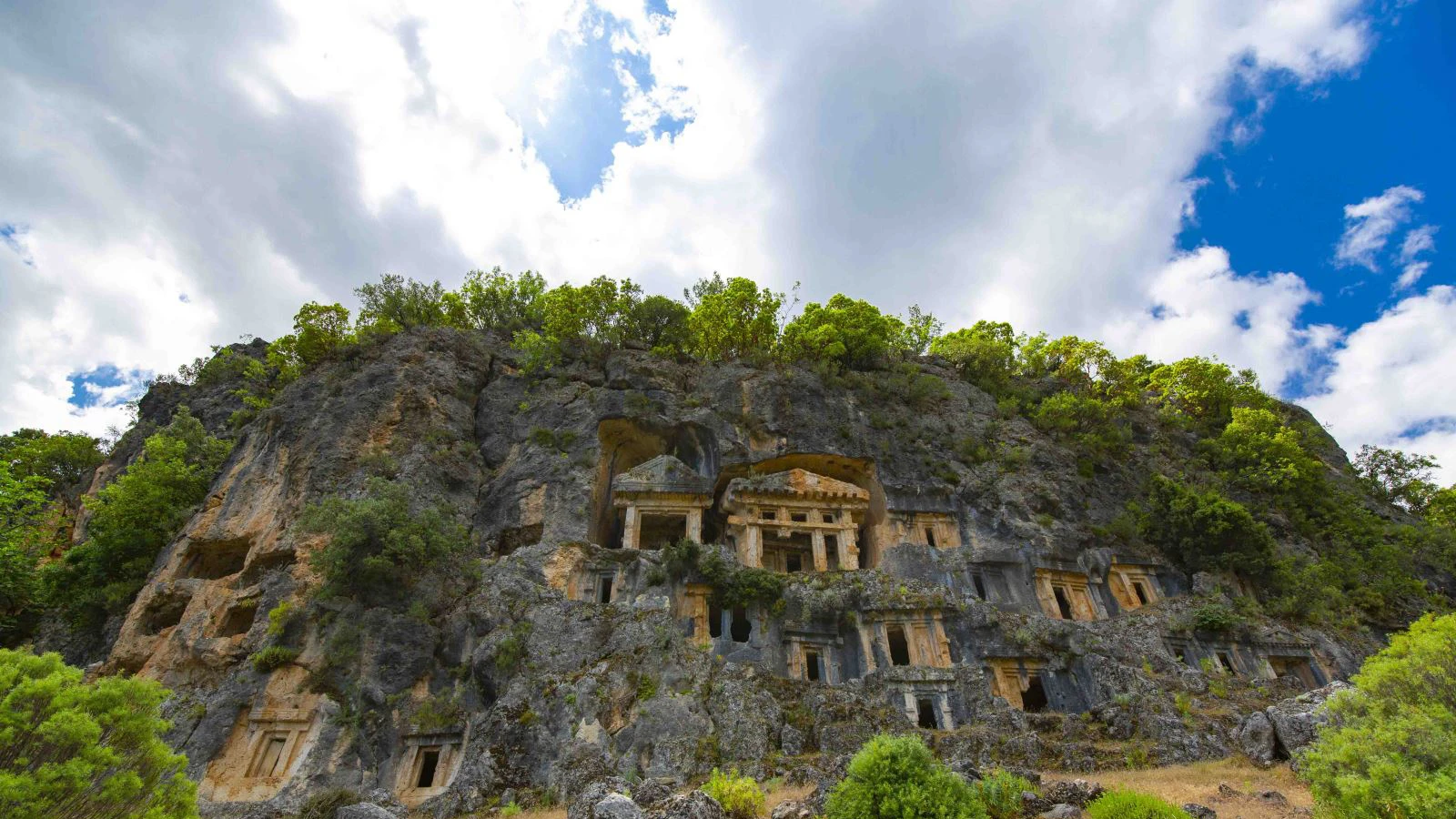
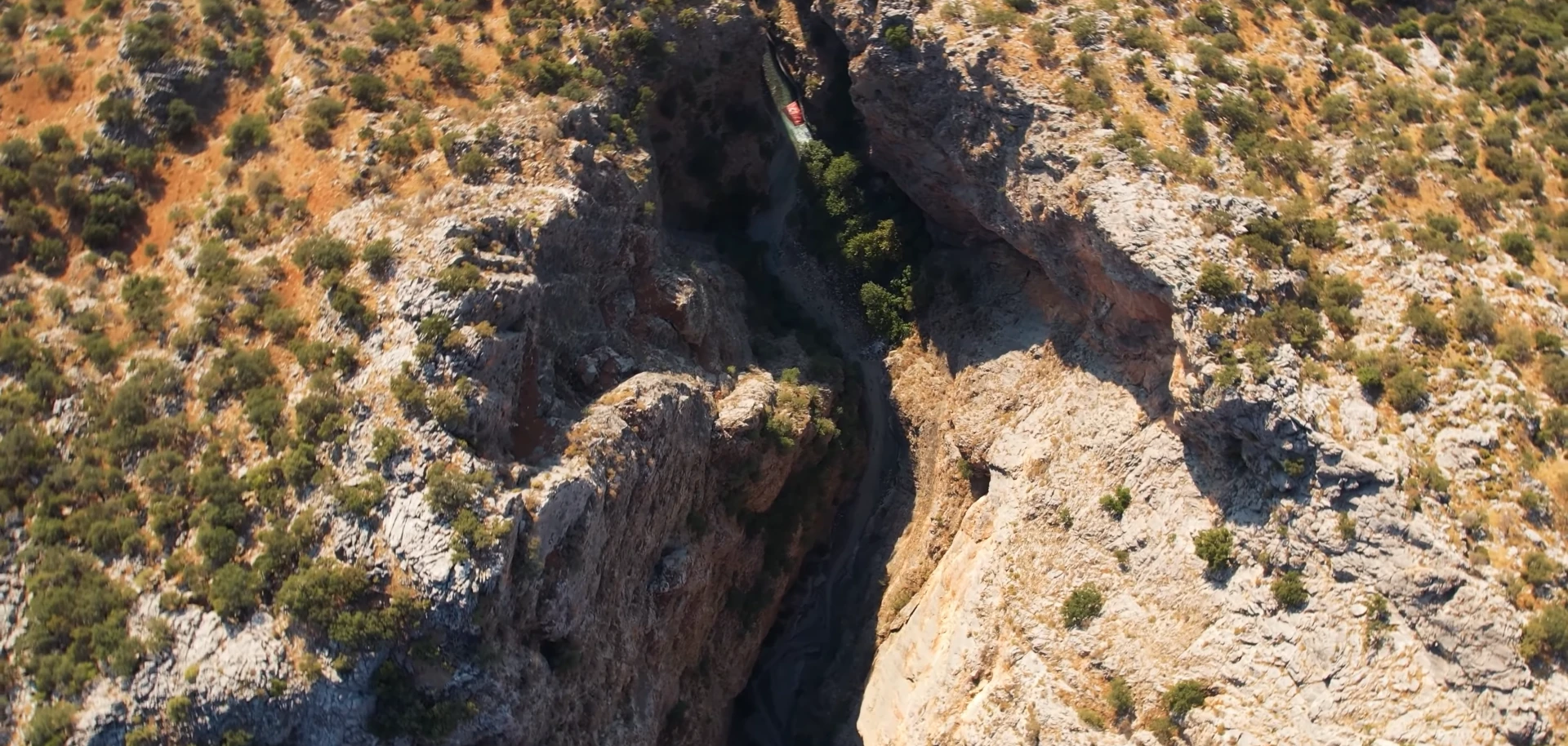
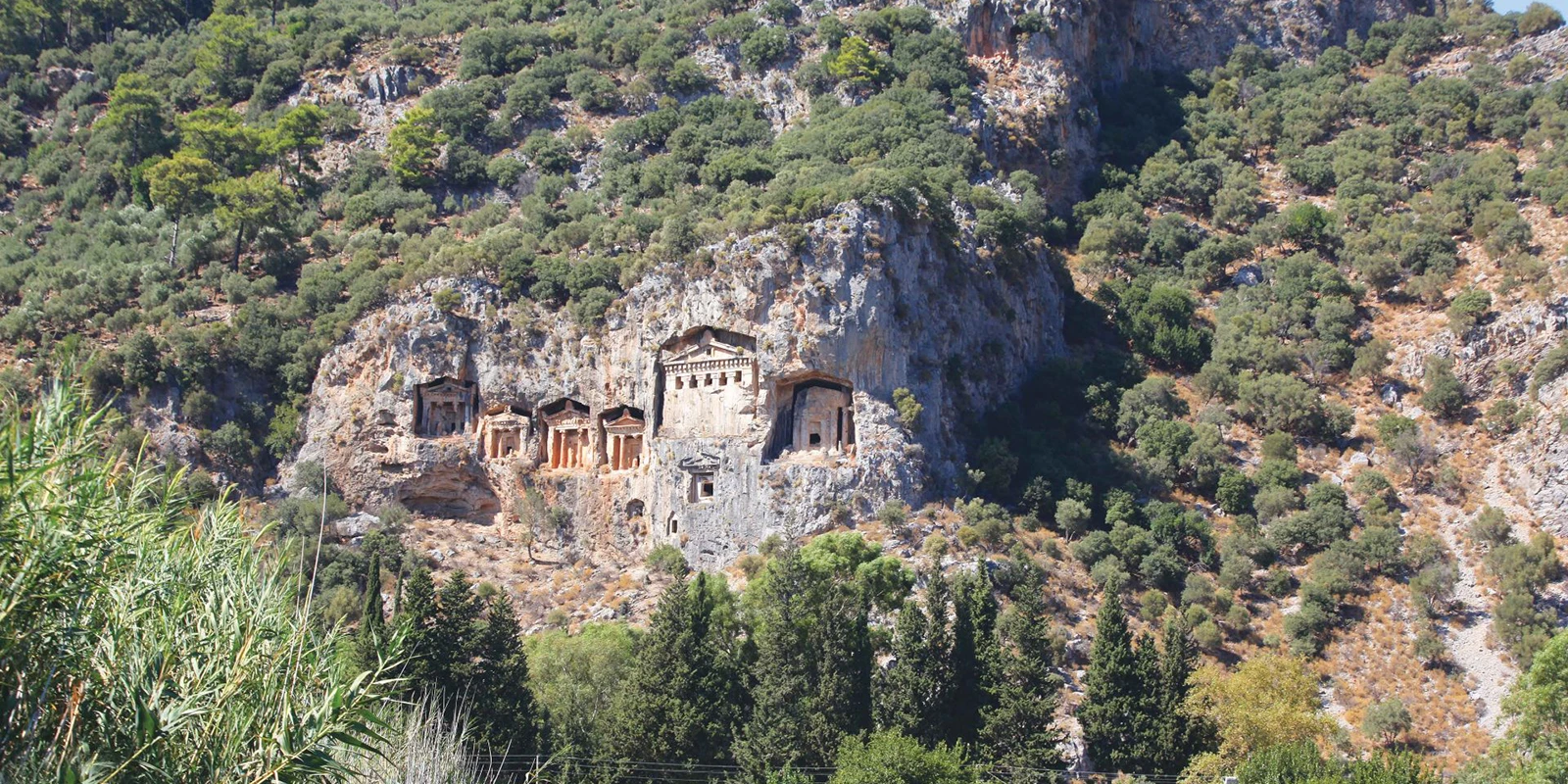
Mugla Turkey with Bodrum, Fethiye, Marmaris, Datca, Akyaka, Dalyan, ancient cities, beaches, bays and regional food
Wow Cappadocia Turkey Travel Guide

Muğla Travel Guide – Best Places to Visit

Discover the best places to visit in Muğla, from Bodrum, Fethiye, Marmaris, Datça, Akyaka, Dalyan and Göcek to the ancient cities and sanctuaries of Caria and Lycia, turquoise bays, protected wetlands, mountain gorges, historic villages and one of Turkey’s richest collections of local Aegean food traditions.

Bodrum, Fethiye & MarmarisCaria, Lycia & Ancient Harbors Beaches, Bays, Rivers & IslandsOlive Oil, Honey & Local Food

Discover Muğla Beyond the Famous Resorts

Muğla Province occupies Turkey’s extraordinary southwestern corner, where the Aegean and Mediterranean worlds meet. It contains some of the country’s most famous holiday destinations, including Bodrum, Marmaris, Fethiye, Ölüdeniz, Datça, Göcek, Dalyan and Akyaka, yet the province is far more than beaches and resort towns.


This is also one of Anatolia’s great archaeological regions. Halicarnassus, Labraunda, Euromos, Iasos, Stratonikeia, Lagina, Knidos, Kaunos, Tlos, Letoon and Pınara reveal the histories of Caria, Lycia, the Rhodian Peraea, Hellenistic kingdoms, Rome, Byzantium and the Turkish periods. Medieval Beçin, historic Muğla houses and Ottoman monuments add equally important later layers.


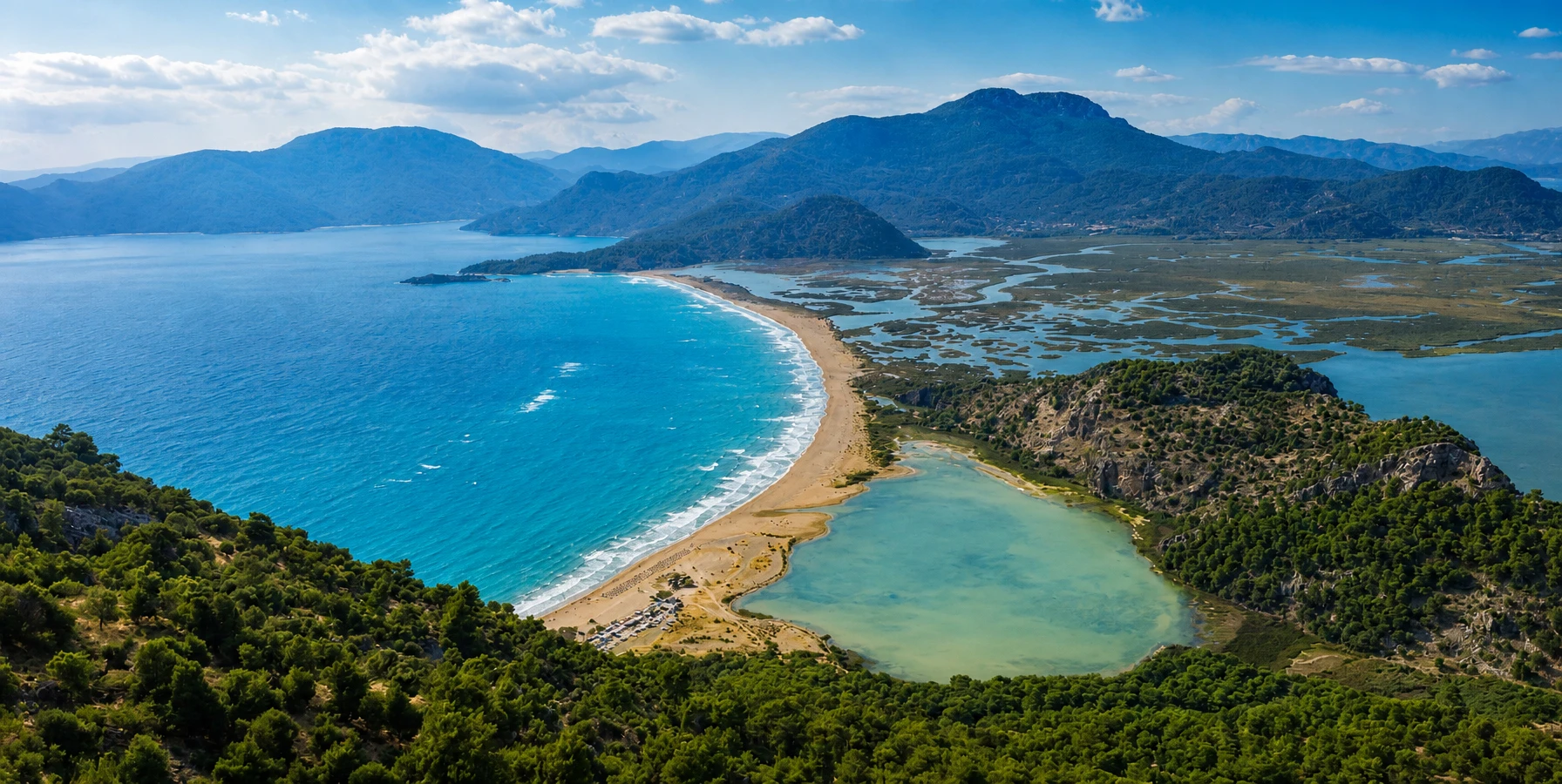
Nature is just as varied. Ölüdeniz, Butterfly Valley, Saklıkent Canyon, Akyaka and the Azmak River, Sedir Island, Köyceğiz Lake, İztuzu Beach, Gökova Gulf, Bafa Lake and the bays of Datça, Marmaris, Göcek and Dalaman create a province of lagoons, wetlands, islands, forests, canyons and mountain-backed coast. Muğla Köftesi, Sulu Kebab, Milas olive oil, Marmaris pine honey, Datça almonds, Bodrum mandarin and dozens of traditional dishes make food an equally important part of the journey.


Quick Visitor Information

  • Best for: beaches, archaeology, road trips, sailing, ancient Caria and Lycia, nature, villages and regional food
  • Suggested stay: 3 days for one regional base; 7–10 days or more for a multi-region Muğla road trip
  • Main highlights: Bodrum, Fethiye–Ölüdeniz, Dalyan–Kaunos, Marmaris, Datça–Knidos, Akyaka–Gökova and Milas archaeology
  • Best regional trips: Bodrum–Milas, Akyaka–Sedir Island, Marmaris–Bozburun, Datça–Knidos, Fethiye–Seydikemer and Dalyan–Köyceğiz
  • Best seasons: Spring and autumn for archaeology and road trips; summer for beaches and boats; winter for quieter town and heritage travel
  • Airports: Milas–Bodrum Airport for the northwest; Dalaman Airport for Fethiye, Göcek, Dalyan, Köyceğiz and much of the southeast
Muğla’s Signature Story

Where Ancient Caria, Lycia and the Turquoise Coast Meet

Muğla’s identity comes from the relationship between sea routes and mountain landscapes. Ancient Carian communities built sanctuaries and cities around Halicarnassus, Mylasa, Labraunda, Euromos, Iasos, Stratonikeia and Lagina, while the southern Xanthos Valley belonged to the Lycian world of Tlos, Pınara, Sidyma and Letoon. Harbors at Knidos, Kaunos, Iasos and Loryma connected these landscapes with the wider Mediterranean.


The modern province retains the same geographic variety. Bodrum and Marmaris look toward island-dotted seas; Datça stretches along a long peninsula to Knidos; Fethiye rises from an ancient harbor beneath Lycian tombs; Dalyan and Köyceğiz are shaped by water and wetlands; Akyaka opens onto Gökova; and inland Milas, Yatağan and Menteşe preserve some of the province’s deepest archaeological and cultural heritage.

Explore Muğla’s Major Travel Regions

Muğla works best as a collection of distinct travel regions. Choose a base first, then build day trips around it.

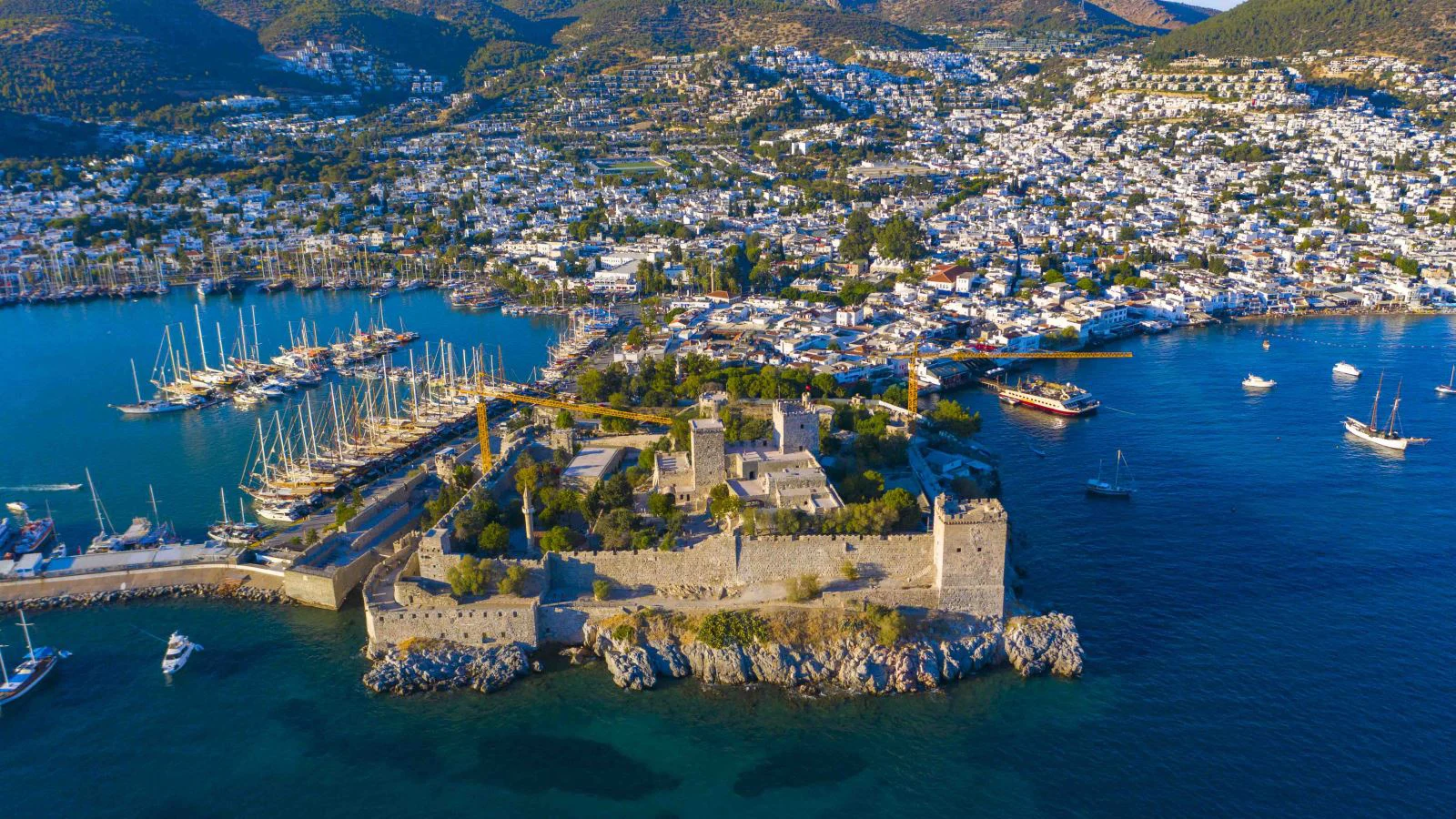
Bodrum Mugla Turkey

Bodrum & Milas

Ancient Caria & Aegean Coast

Combine Bodrum’s castle, Halicarnassus and peninsula life with Milas, Beçin, Labraunda, Euromos, Iasos and the Bafa–Latmos landscape.

BodrumMilasCariaArchaeology
  • Outstanding archaeology from Hecatomnid Caria to medieval Beçin
  • Beaches, villages and coastal drives
  • Best served by Milas–Bodrum Airport
Fethiye and Oludeniz Mugla Turkey

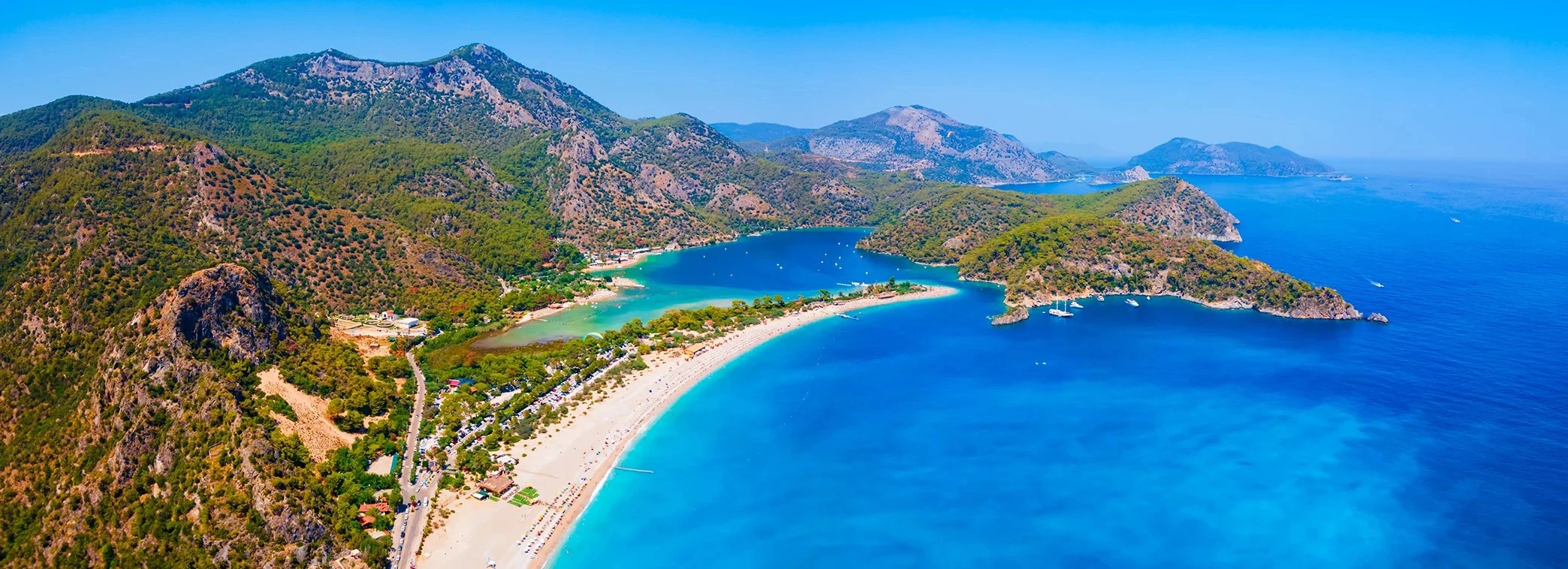
Fethiye, Ölüdeniz & Seydikemer

Lycia, Mountains & Turquoise Coast

Explore Ölüdeniz, Babadağ, Kayaköy, Gemiler Island and Butterfly Valley before heading inland to Tlos, Letoon, Pınara and Saklıkent.

FethiyeÖlüdenizLyciaSaklıkent
  • Iconic coast and major Lycian heritage
  • Paragliding, hiking, beaches and boat trips
  • Best served by Dalaman Airport
Marmaris Datca Akyaka and Gokova Mugla Turkey

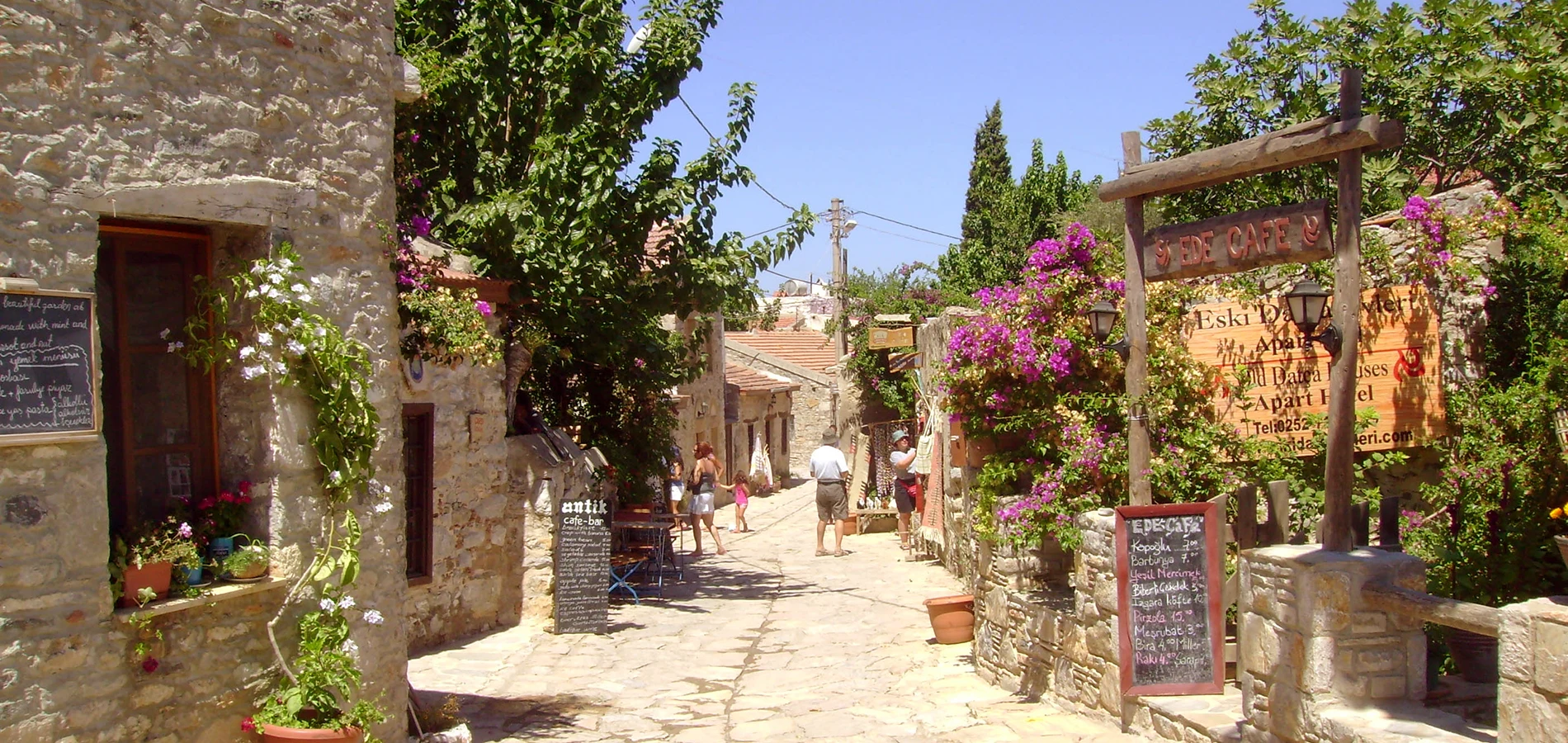
Marmaris, Datça, Akyaka & Dalyan

Peninsulas, Bays & Wetlands

Follow the coast through Marmaris and Bozburun, continue to Datça and Knidos, or turn toward Akyaka, Köyceğiz and the protected Dalyan delta.

MarmarisDatçaAkyakaDalyan
  • Some of Muğla’s best scenic road trips
  • Island boats, hidden bays and ancient ports
  • Excellent for a multi-base coastal itinerary

Choose Muğla by Travel Style

The province is large enough to feel like several destinations in one. Start with the experience that matters most to you.

Best for Ancient Caria

Bodrum, Milas, Stratonikeia & Lagina

Follow Hecatomnid rulers, ancient sanctuaries, temples, harbors and fortified cities across one of Anatolia’s richest Carian landscapes.

Best for Beaches & Sea

Ölüdeniz, Datça, Göcek & Bozburun

Choose from famous lagoons, long beaches, yacht harbors, hidden coves and peninsula roads surrounded by turquoise water.

Best for Nature

Dalyan, Akyaka, Köyceğiz & Saklıkent

Explore wetlands, rivers, lakes, protected turtle beaches, gorges, mountain forests and the clear waters of Gökova.

Best for Food & Living Culture

Muğla, Milas, Bodrum, Datça & Marmaris

Taste registered regional specialties, olive products, honey, almonds and traditional village dishes while exploring historic towns and markets.

Ancient Muğla

Caria, Lycia and One of Turkey’s Richest Archaeological Landscapes

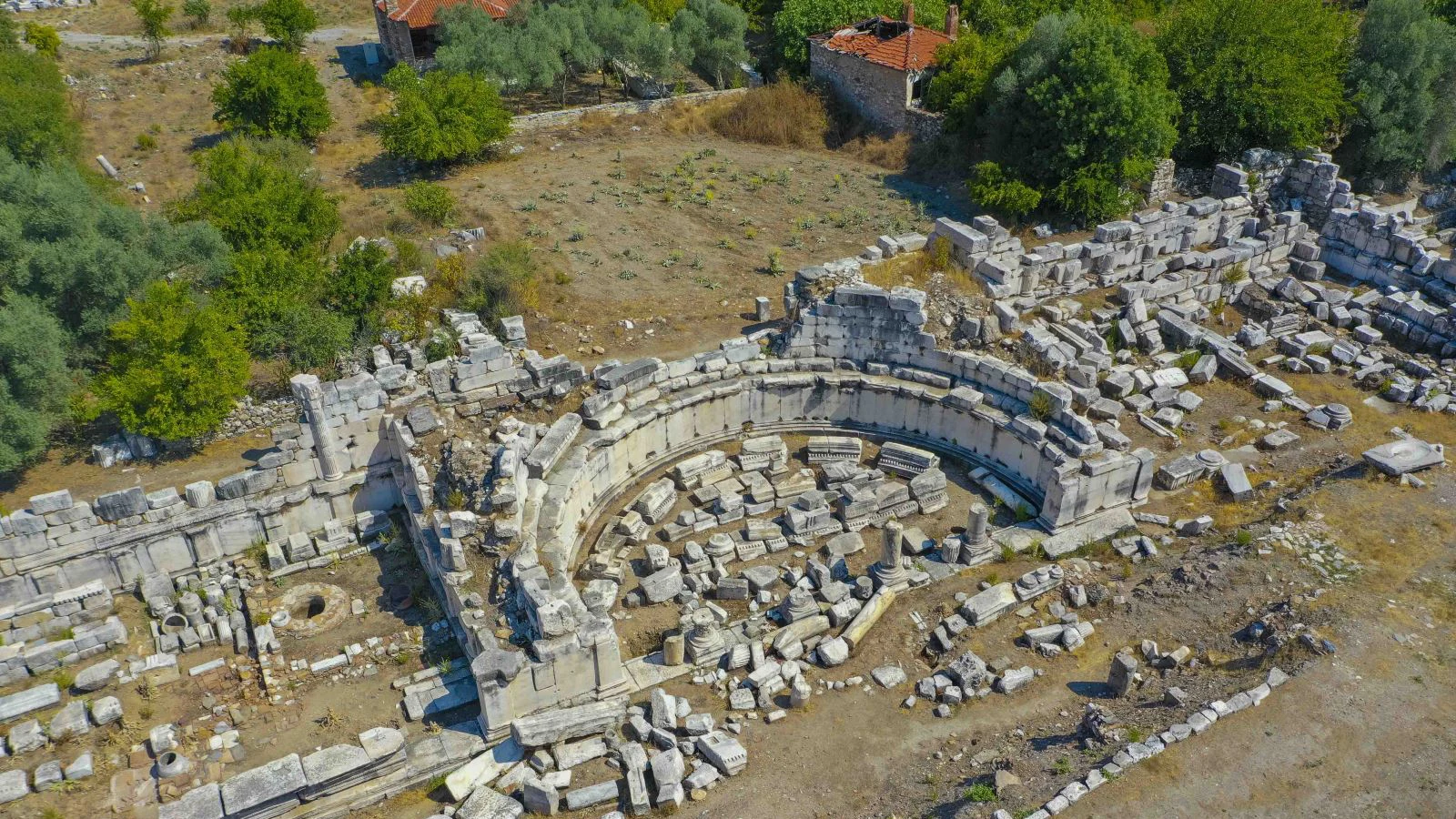
Much of modern Muğla corresponds to the heartland of ancient Caria. Halicarnassus became the capital of the Hecatomnid dynasty, while Mylasa and its mountain sanctuary at Labraunda, Euromos, Iasos, Stratonikeia, Lagina, Knidos and Kaunos developed distinctive urban, sacred and maritime traditions. The region’s archaeology is therefore not a collection of isolated ruins but a connected cultural landscape.


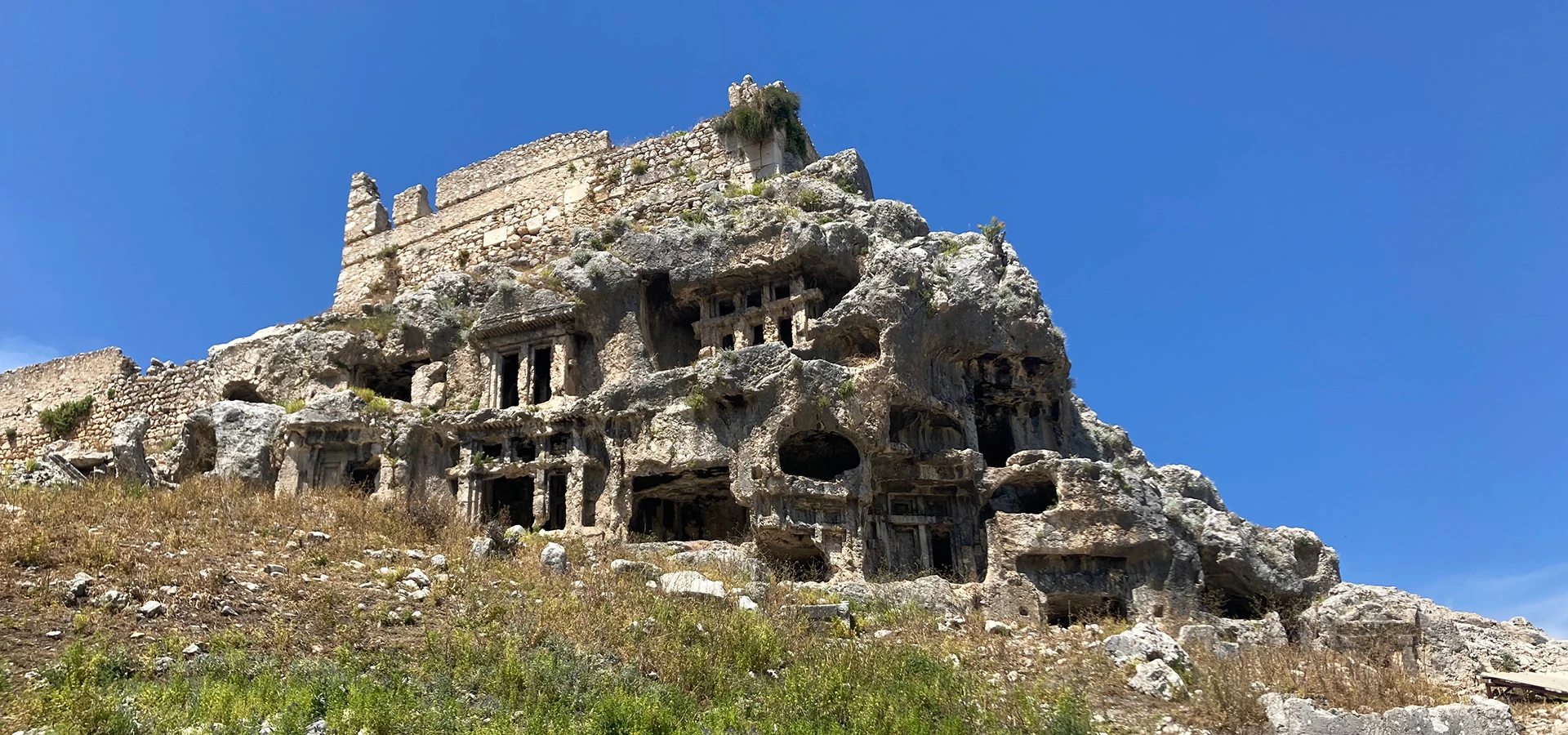
Further southeast, the province enters the Lycian world. Tlos, Pınara, Sidyma and Letoon preserve rock-cut tombs, acropolises, theatres and sacred architecture, while Telmessos survives beneath modern Fethiye. Smaller sites across Milas, Marmaris, Datça and Dalaman make Muğla particularly rewarding for travelers who enjoy going well beyond the standard highlights.

Gökova’s Signature Landscape

Akyaka, Azmak River & Sedir Island

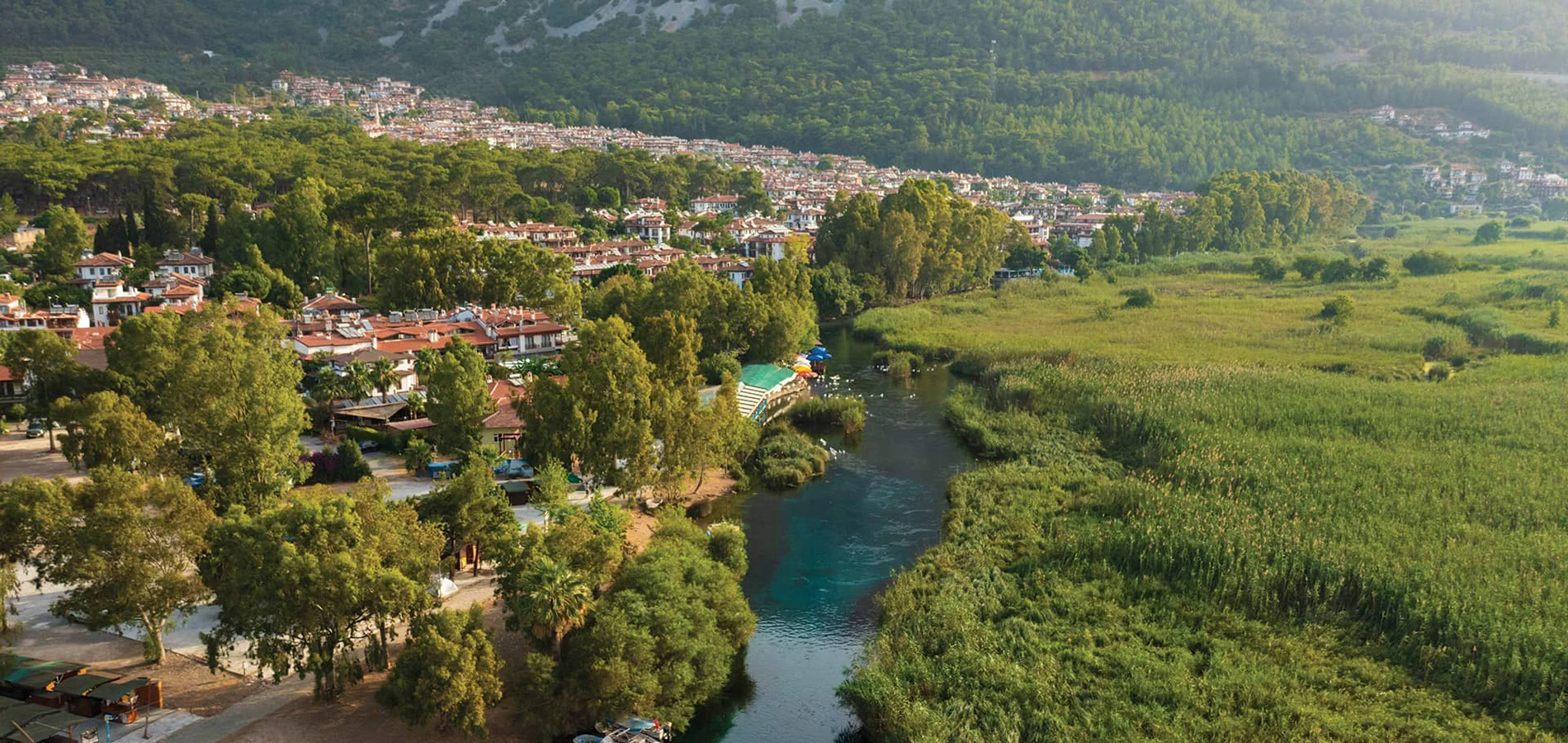
Akyaka is one of the best places to slow down in Muğla. Its distinctive architecture, waterfront, beach and clear Azmak River sit beneath forested slopes at the eastern end of the Gulf of Gökova. Short river trips, walking, cycling and water sports make it an easy nature base between Muğla city and Marmaris.


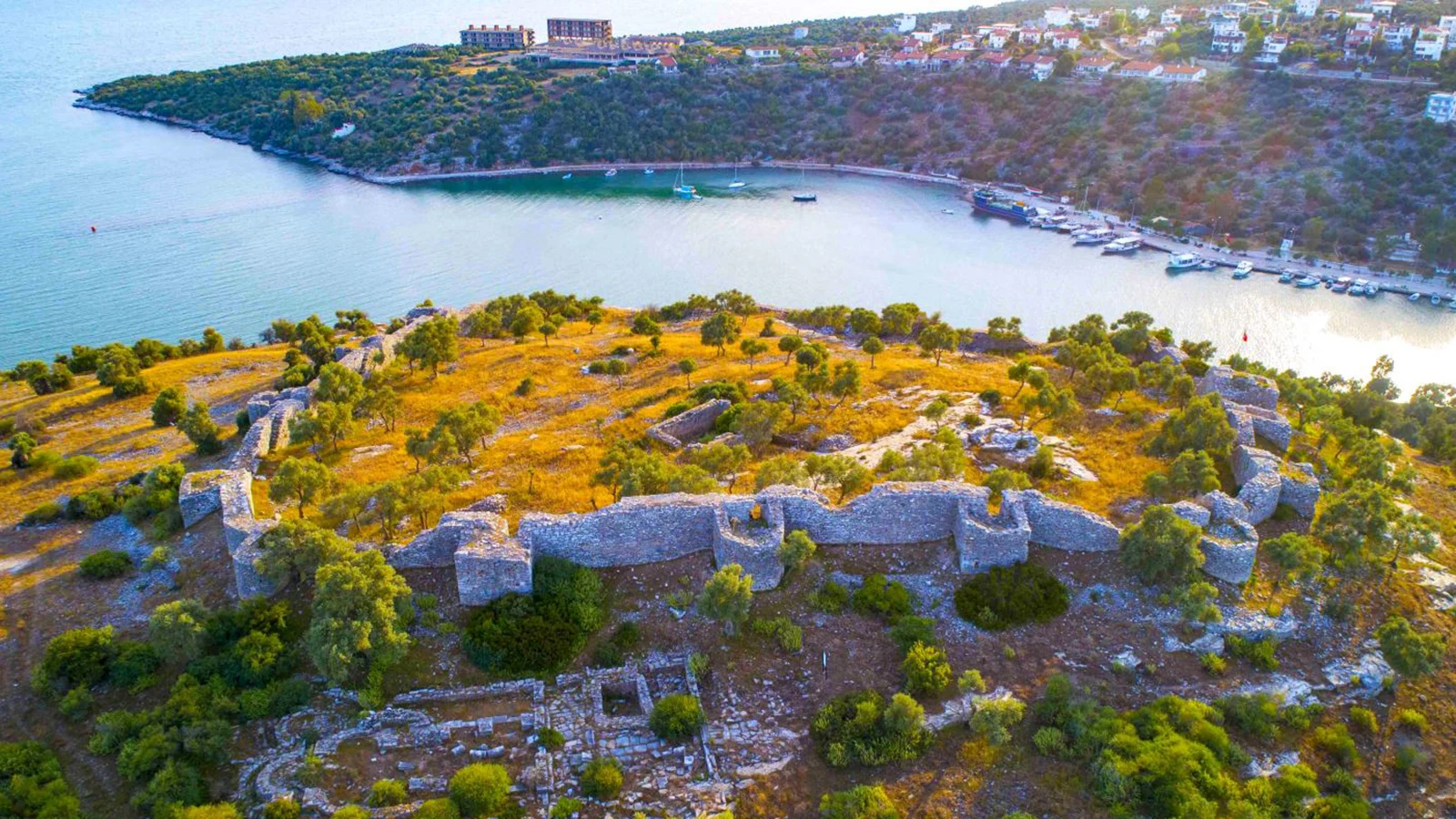
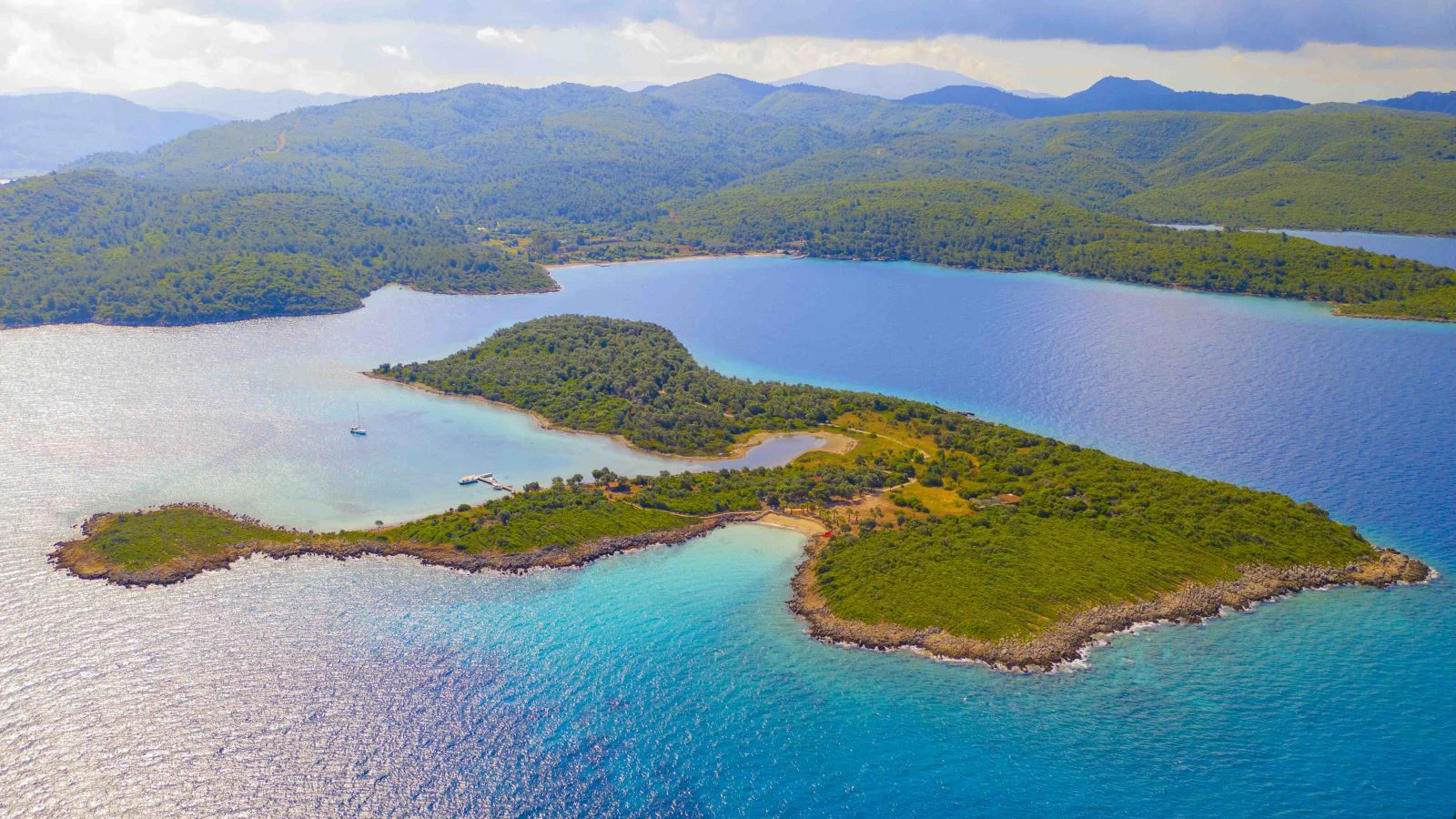
Offshore, Sedir Island adds archaeology to the landscape through ancient Kedrai, its theatre, fortifications, sacred areas and harbor remains. The island’s protected Cleopatra Beach and unusual golden sand make this one of the rare places where swimming and ancient history genuinely belong to the same excursion.

Muğla’s Lycian Coast

Fethiye, Ölüdeniz, Kayaköy & the Xanthos Valley

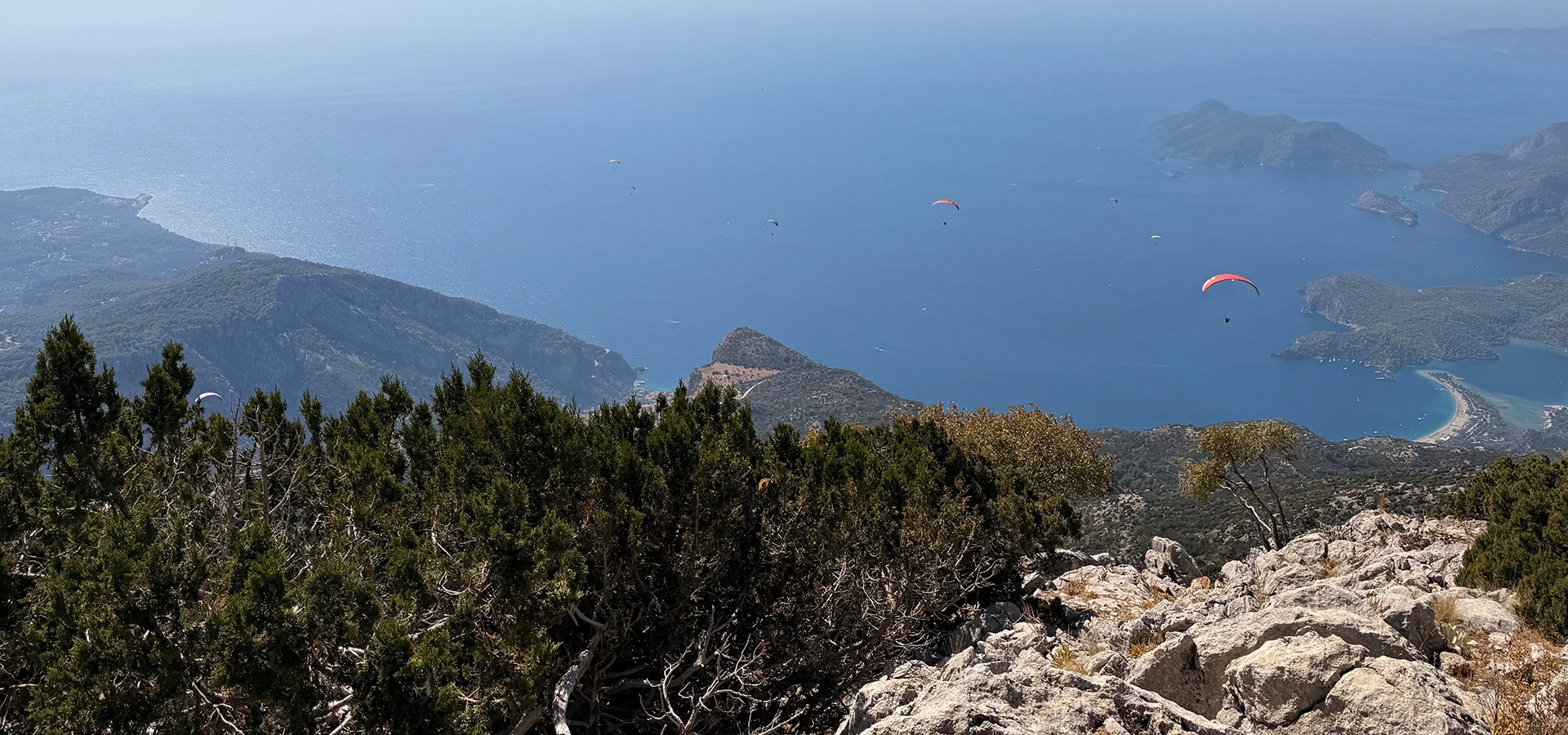
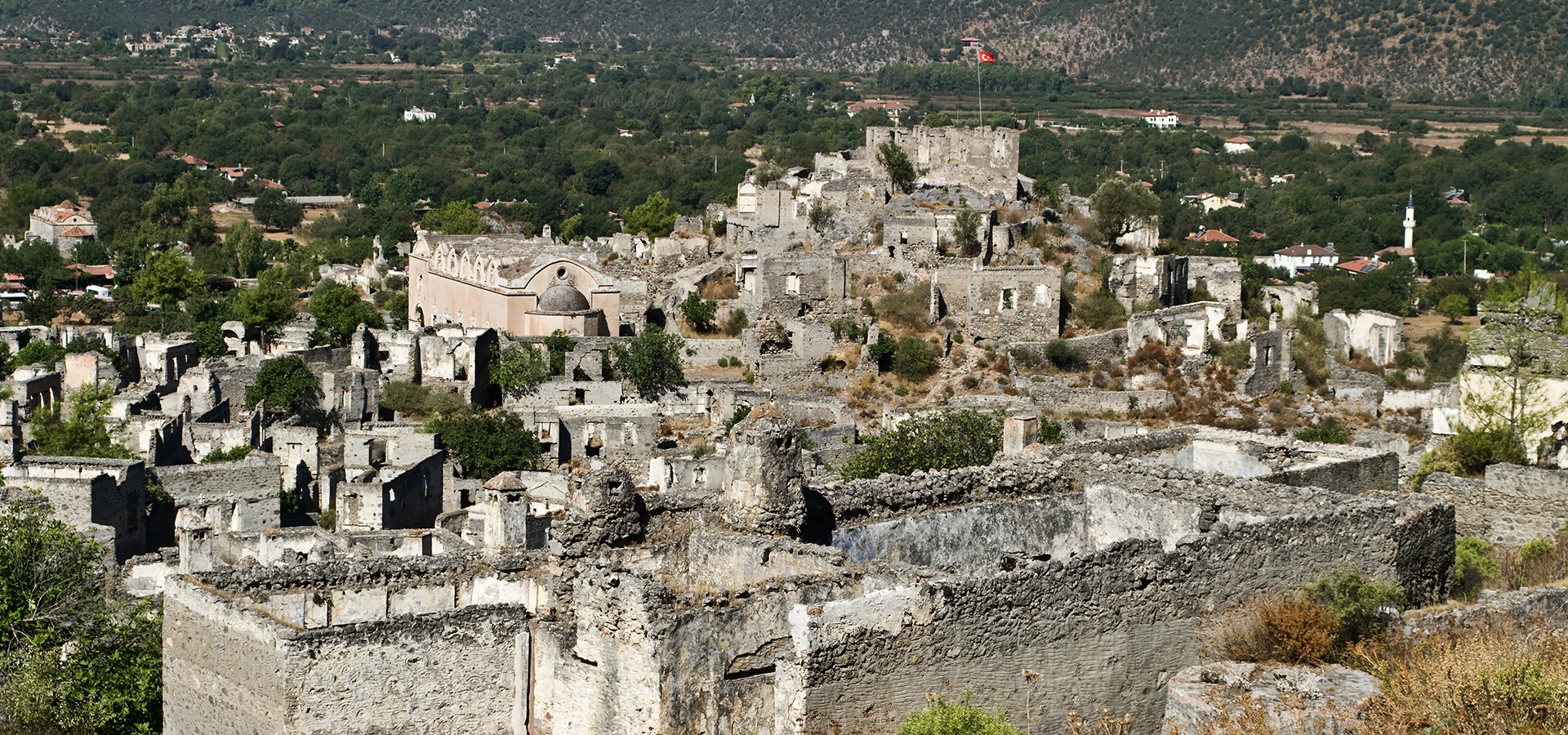
Fethiye is far more than a beach base. The ancient city of Telmessos survives in rock-cut tombs and the theatre around the modern town, while Kayaköy preserves the abandoned stone settlement of Livissi. Gemiler Island adds an exceptional concentration of Early Christian and Byzantine remains, and Babadağ rises directly above the famous lagoon of Ölüdeniz.


Inland, Seydikemer opens onto a different landscape. Tlos, Letoon, Pınara and Sidyma form one of the strongest Lycian archaeological circuits in Turkey, while Saklıkent Canyon provides a dramatic nature stop. Together, the Fethiye–Seydikemer area can easily fill several days without repeating the same kind of experience.

Explore All Muğla Attractions

Browse Muğla by Bodrum, Milas, Menteşe, Yatağan, Akyaka and Gökova, Marmaris, Datça, Fethiye, Seydikemer, Dalyan, Köyceğiz, Göcek and Dalaman, plus archaeology, beaches, nature and regional food.

Best Day Trips and Regional Routes in Muğla

Distances are significant, so the best Muğla journeys are built around geographic clusters rather than a single province-wide day trip.

Ancient Caria

Bodrum, Milas, Labraunda & Euromos

Build a heritage-rich route through Halicarnassus, Hecatomnid monuments, sacred Labraunda, Euromos, Beçin and Iasos.

Gökova Coast

Akyaka, Azmak & Sedir Island

Combine riverside Akyaka with Gökova scenery and an island journey to ancient Kedrai and Cleopatra Beach.

Lycian Muğla

Fethiye, Ölüdeniz, Tlos & Letoon

Move from iconic coast and mountain panoramas into rock tombs, ancient cities, sacred centers and the Xanthos Valley.

Southwestern Peninsula

Marmaris, Bozburun & Datça

Slow down through harbor towns, remote bays, ancient Loryma, village roads and the spectacular peninsula journey to Knidos.

Muğla Food Culture

From Muğla Köftesi and Sulu Kebab to Milas Olive Oil, Pine Honey and Datça Almonds

Muğla Köftesi, Muğla Saraylısı, Muğla Göce Tarhanası and Muğla Sulu Kebab provide a strong province-wide starting point, while district kitchens make the inventory much richer. Bodrum contributes Çökertme Kebabı and its aromatic mandarin; Marmaris is closely associated with pine honey and local peanuts; Datça is famous for its Nurlu almond; and Fethiye adds tarhana and Kaya figs.


Milas deserves its own culinary journey. Kanlı Kavurma, Çaykaması, Çıntar Kavurması, Tepsi Böreği, Milas Köftesi, Vekilharcı and Ekşili Köfte sit alongside an important olive culture represented by Milas Zeytinyağı, Yağlı Zeytini, Ekşili Zeytini and olive-oil soap. The olive landscape is not merely agricultural; it is one of the defining cultural threads of inland Muğla.

Traditional home cooking adds kabak çiçeği dolması, keşkek, döş dolması, ekşili tavuk, mürdümük çorbası or pava, oğlak yahni, sündürme, herb-filled pastries, octopus dishes and a large repertoire of seasonal Aegean greens. This is why Muğla’s food section deserves to be treated as a destination guide in its own right rather than a short list beneath the beaches.

How Many Days Do You Need in Muğla?

Muğla is one of Turkey’s largest tourism provinces. A good itinerary focuses on regions instead of trying to cross the entire province quickly.

One Day

Choose One Regional Cluster

Muğla is too large for a meaningful one-day province tour. Focus on Bodrum, Fethiye, Dalyan, Marmaris, Akyaka or one Milas archaeology circuit.

Three Days

Explore One Base Properly

Use three days for Bodrum–Milas, Fethiye–Seydikemer, Marmaris–Bozburun, or Dalyan–Köyceğiz–Akyaka rather than rushing across the province.

Five Days

Combine Neighboring Regions

Link Bodrum with Milas, Fethiye with Dalyan and Köyceğiz, or Marmaris with Datça and Akyaka for a balanced archaeology-and-coast journey.
Seven to Ten Days+

Build a Muğla Road Trip

A longer stay allows several peninsulas, major ancient cities, mountain and wetland landscapes, beaches, local food and slower village stops.

Suggested Bodrum Heritage Route

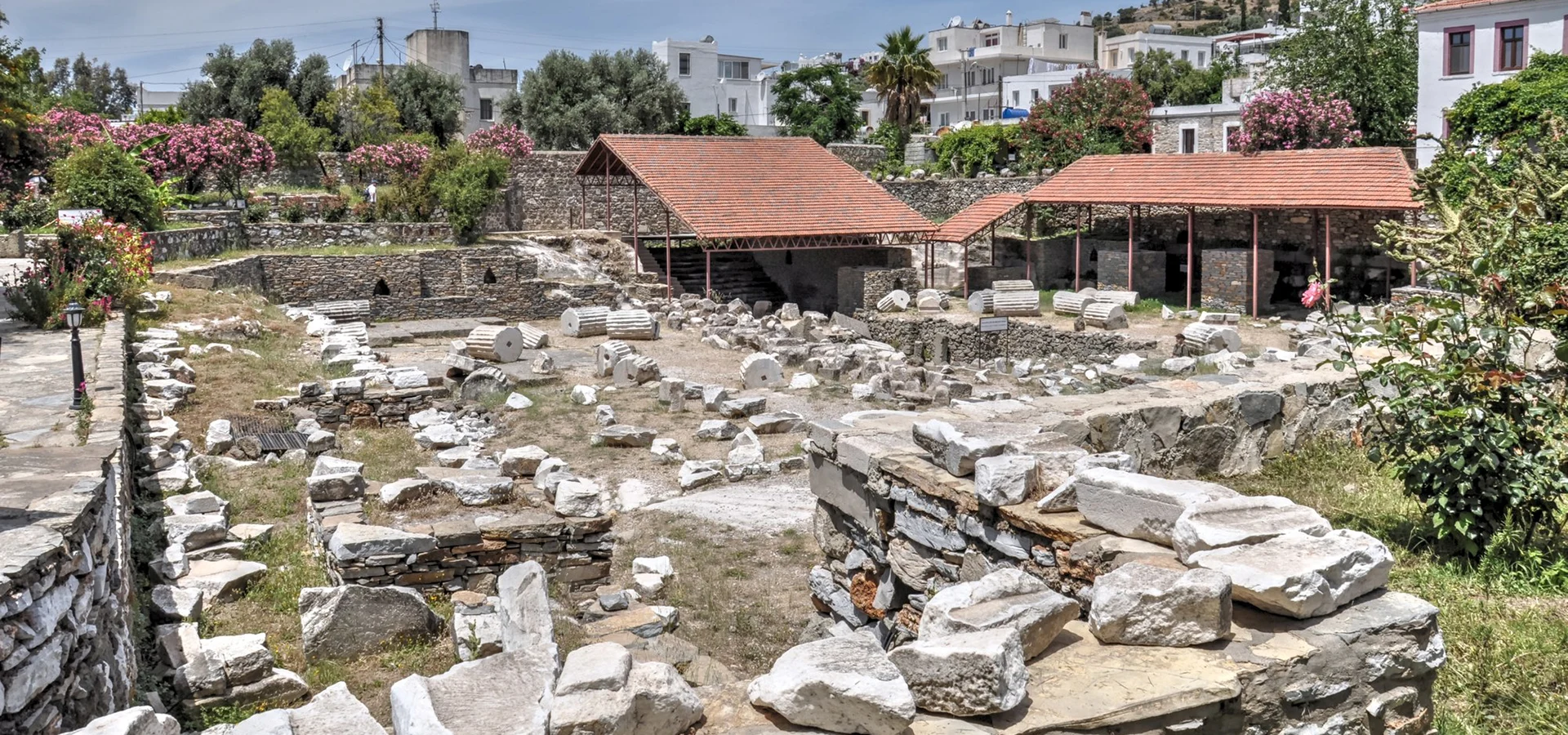
Halicarnassus, Bodrum Castle, Mausoleum, Theatre & Myndos Gate

Start with the Mausoleum at Halicarnassus and the ancient theatre to understand the city of Mausolus, then continue to Myndos Gate and the surviving traces of ancient Halicarnassus. Finish at Bodrum Castle and the Museum of Underwater Archaeology, where shipwreck discoveries reconnect the peninsula with the maritime networks of the ancient Mediterranean.


With additional time, add Pedasa, Gümüşlük and ancient Myndos, or use a second day for the western Bodrum Peninsula. This route works particularly well outside the hottest midday hours because several archaeological stops are exposed.

Suggested Ancient Caria Route

Milas, Hecatomnus, Labraunda, Euromos, Beçin & Iasos

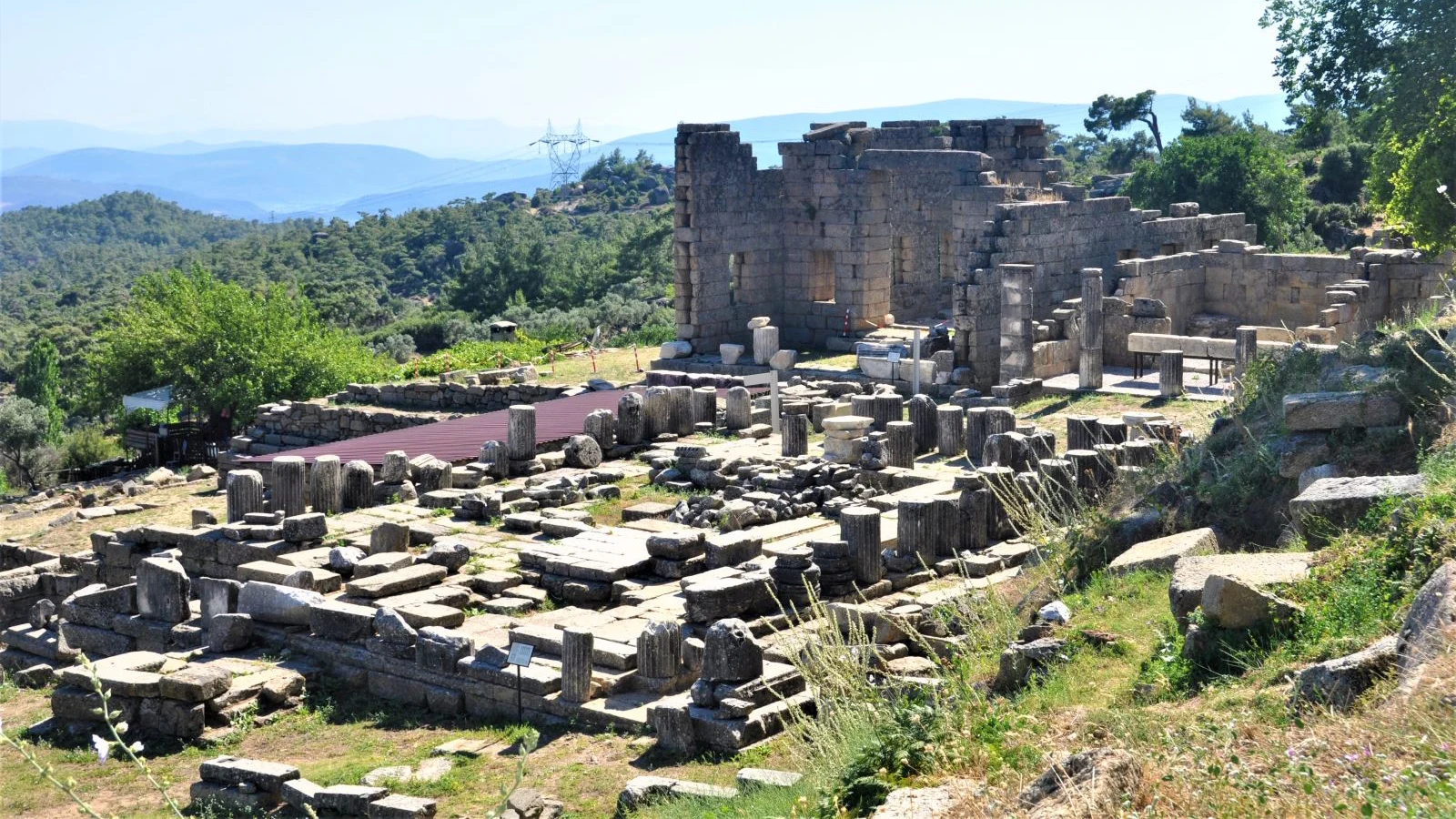
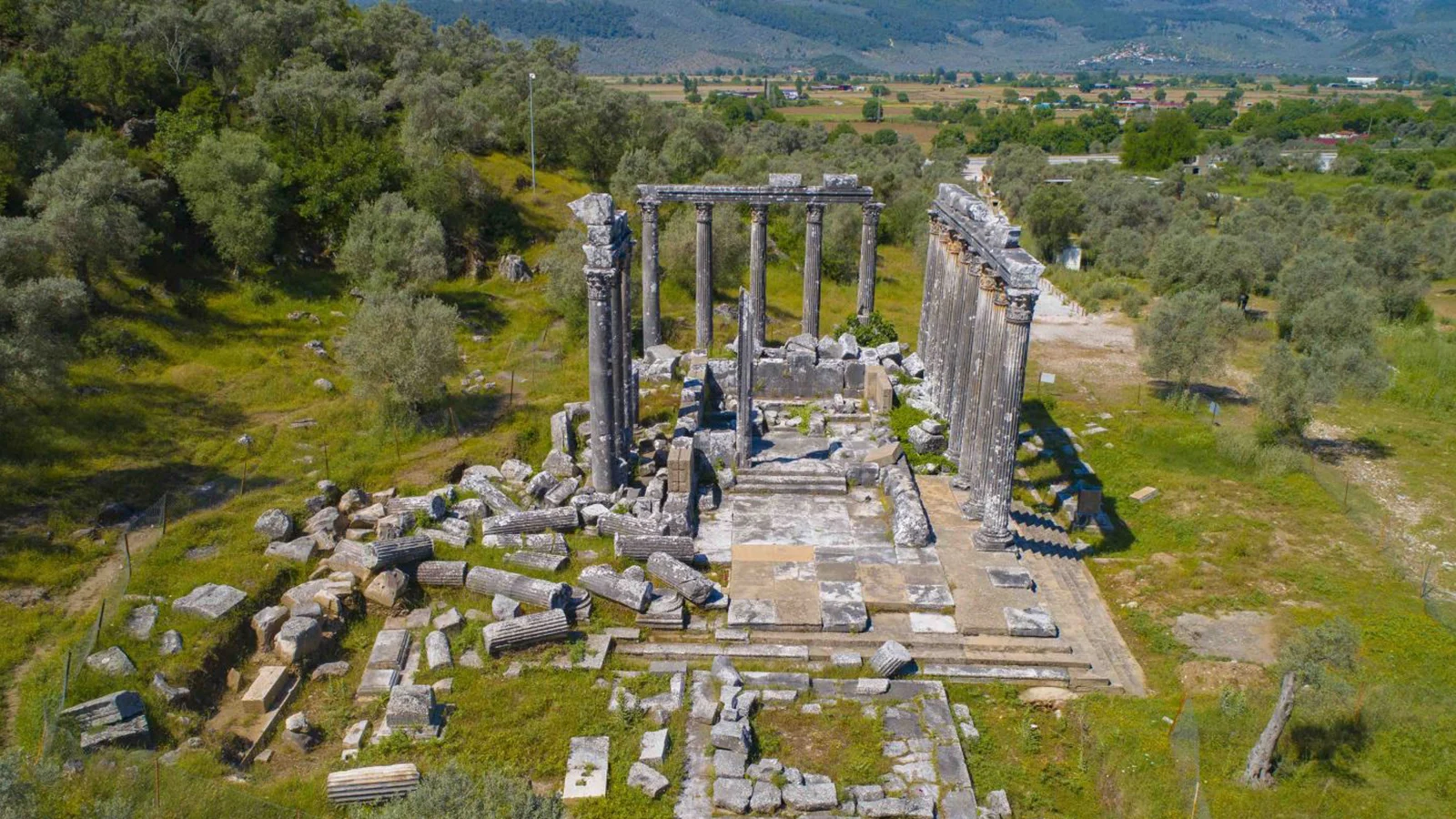
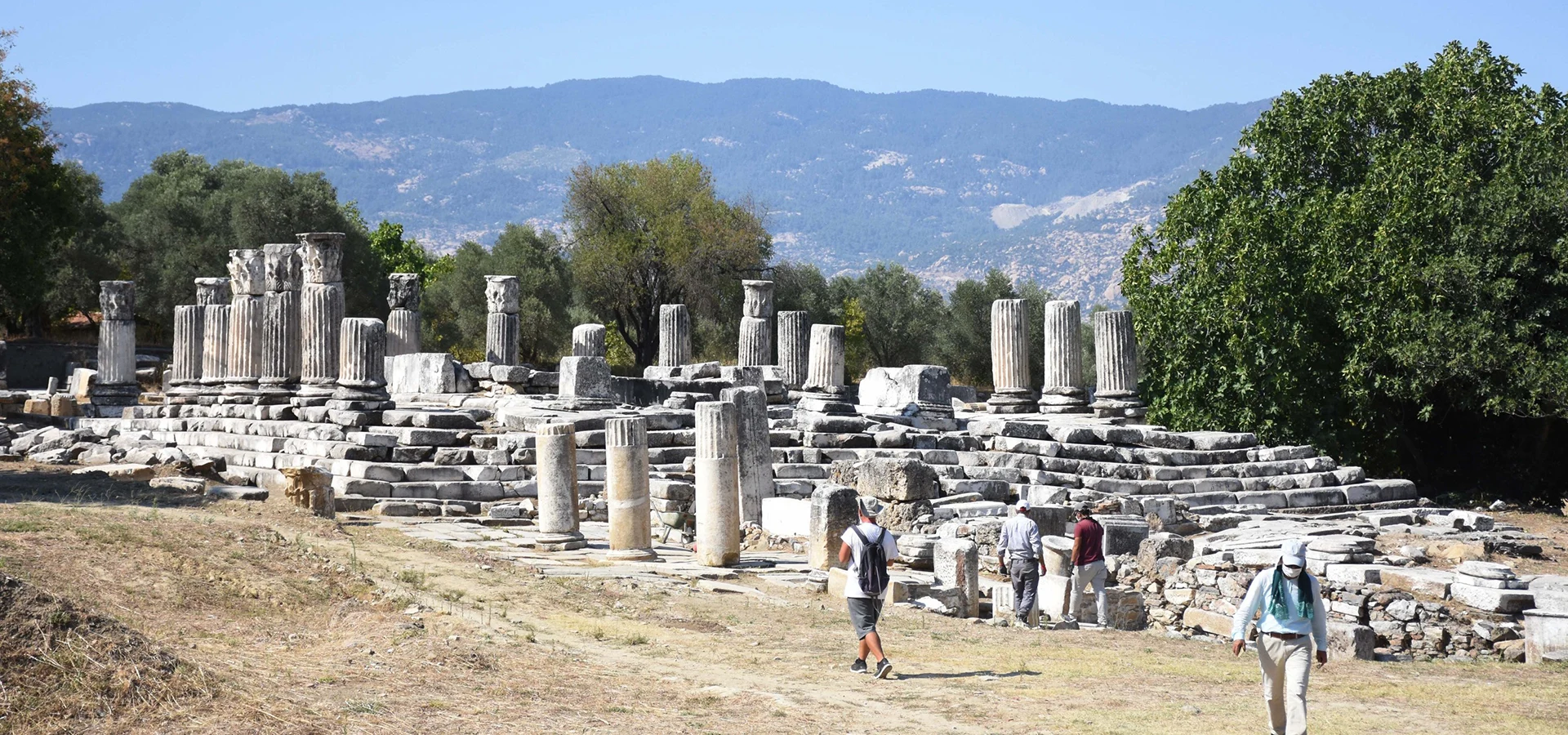
Begin in Milas with the Hecatomnus complex, Gümüşkesen and the historic center before climbing toward Labraunda, the mountain sanctuary of Zeus Labraundos. Continue to Euromos for the Temple of Zeus Lepsynos and then choose between medieval Beçin or coastal Iasos.


This is one of the strongest archaeology days in all of Muğla, but trying to include every site can make the route rushed. Travelers interested in deeper exploration should add separate time for Heracleia, Latmos rock art, Bafa Lake, Gökçeler Canyon and the smaller Carian settlements around Milas.

Suggested Sacred Caria Route

Stratonikeia, Lagina & the Sacred Landscapes of Yatağan

Explore Stratonikeia slowly, moving between its ancient streets and monumental buildings, Byzantine remains, Ottoman-era houses and later village fabric. Continue to Lagina, the famous sanctuary of Hecate that was connected with Stratonikeia by a sacred road.


Travelers with a specialist interest in Carian religion can investigate Panamara and other lesser-known sacred landscapes, but access and visitor infrastructure can be far more limited than at Stratonikeia and Lagina.

Suggested Gökova Route

Akyaka, Azmak River, Idyma & Sedir Island

Begin in Akyaka with a walk through the town and along the Azmak River, then explore the broader Gökova landscape. Archaeology-minded travelers can add the remains associated with ancient Idyma before taking a boat excursion toward Sedir Island.


On Sedir Island, ancient Kedrai and Cleopatra Beach create an unusual combination of theatre, fortifications, sacred remains and protected coastal geology. Boat schedules and sea conditions are seasonal, so this route should be planned around local operating conditions.

Suggested Marmaris & Bozburun Route

Marmaris Castle, Amos, Orhaniye, Selimiye & Bozburun

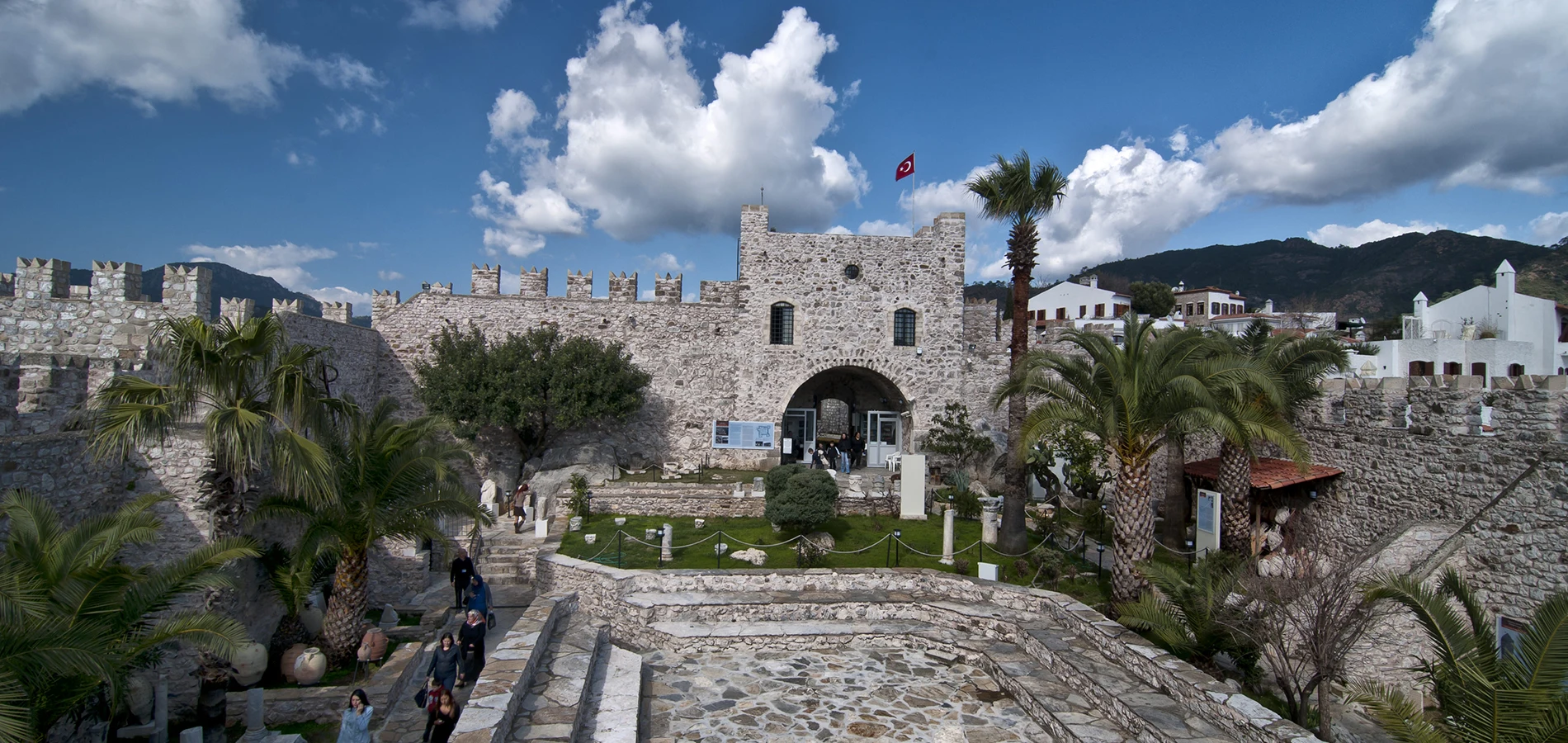
Start in central Marmaris with the castle, archaeology museum and old streets, then head south and west toward Turunç, Kumlubük and ancient Amos. Continue around the peninsula through Orhaniye and Kızkumu toward Selimiye and Bozburun.


A separate boat or hiking day is better for remote Loryma and Bozukkale. The Bozburun Peninsula is most rewarding when treated as a scenic journey rather than a checklist, with time for village harbors, viewpoints, swimming and local meals.

Suggested Datça Peninsula Route

Old Datça, Burgaz, Peninsula Bays & Knidos

Begin with Old Datça and the archaeological remains at Burgaz before following the peninsula road west. Palamutbükü, Hayıtbükü, Ovabükü, Kurubük and other coves can be added according to season and swimming plans.


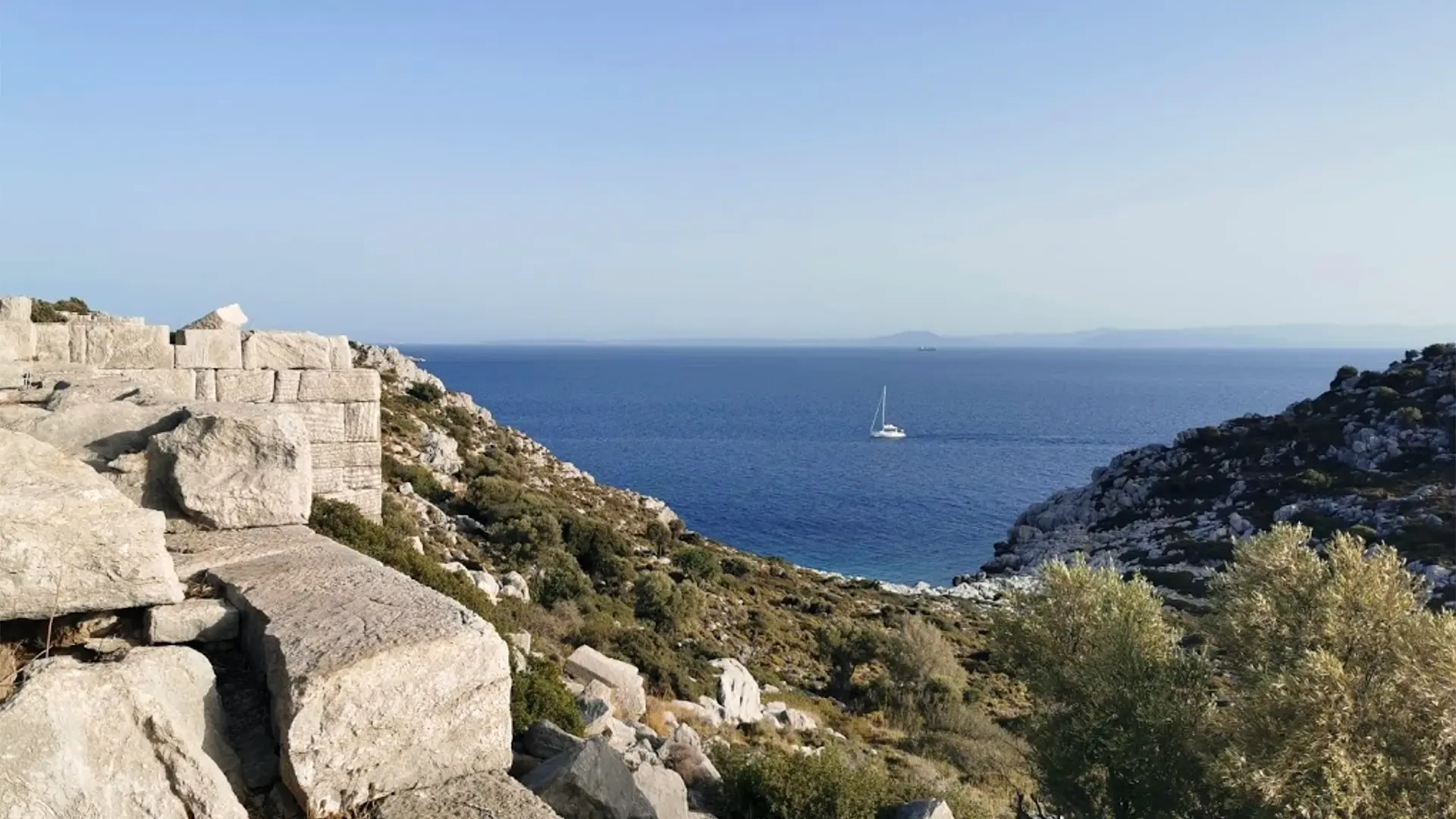
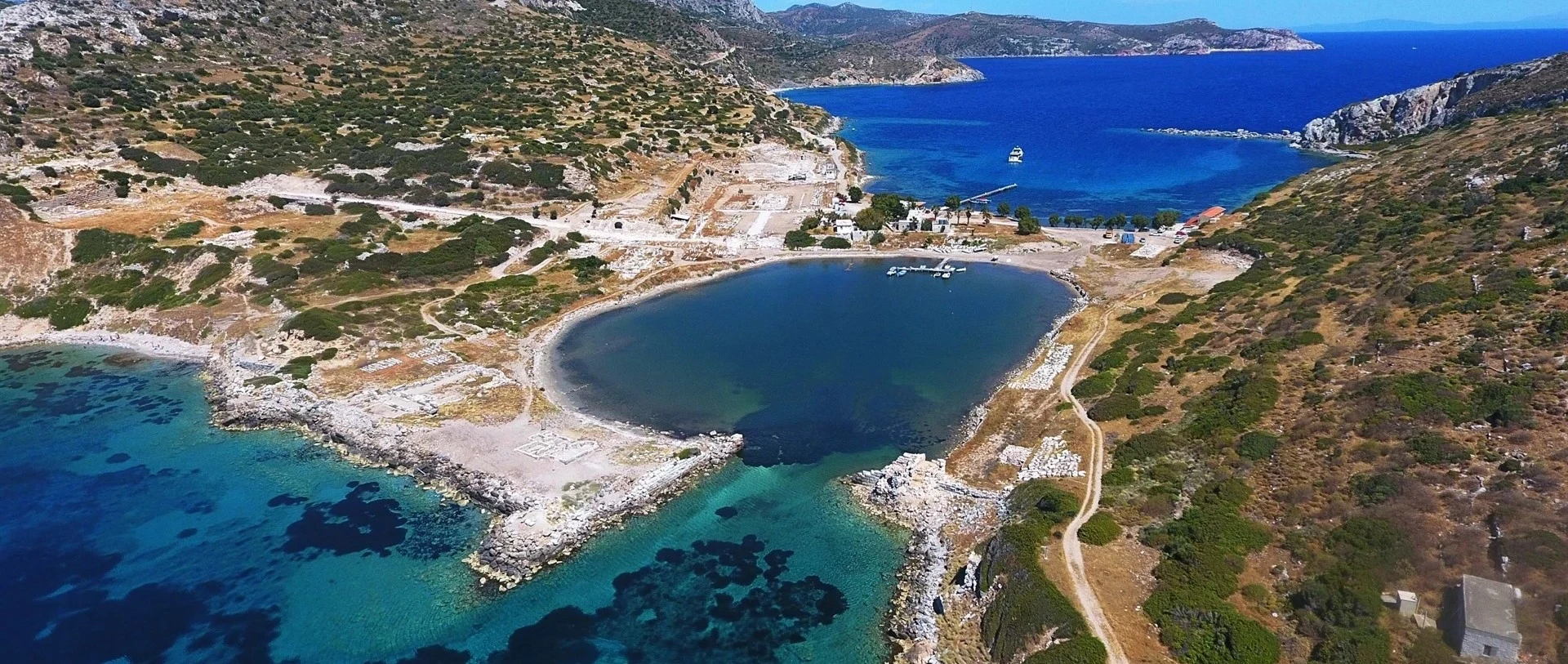
Finish at Knidos if daylight allows, giving the ancient city enough time for its terraces, theatres, harbors and sea views. Because the peninsula road is long and winding, Knidos should never be treated as a quick detour from Marmaris.

Suggested Fethiye Coast Route

Telmessos, Kayaköy, Ölüdeniz, Babadağ & Gemiler

Start in Fethiye with the Tomb of Amyntas and the remains of ancient Telmessos, then continue to Kayaköy. From there, move toward Ölüdeniz for lagoon scenery and, weather permitting, Babadağ for high mountain views or paragliding.


Gemiler Bay and Gemiler Island work well as a separate half-day or boat excursion. Butterfly Valley can also be incorporated by sea, while visitors who prefer a slower pace should divide Fethiye’s coast and historical sites across two days.

Suggested Lycian Heritage Route

Tlos, Saklıkent, Letoon, Pınara & Sidyma

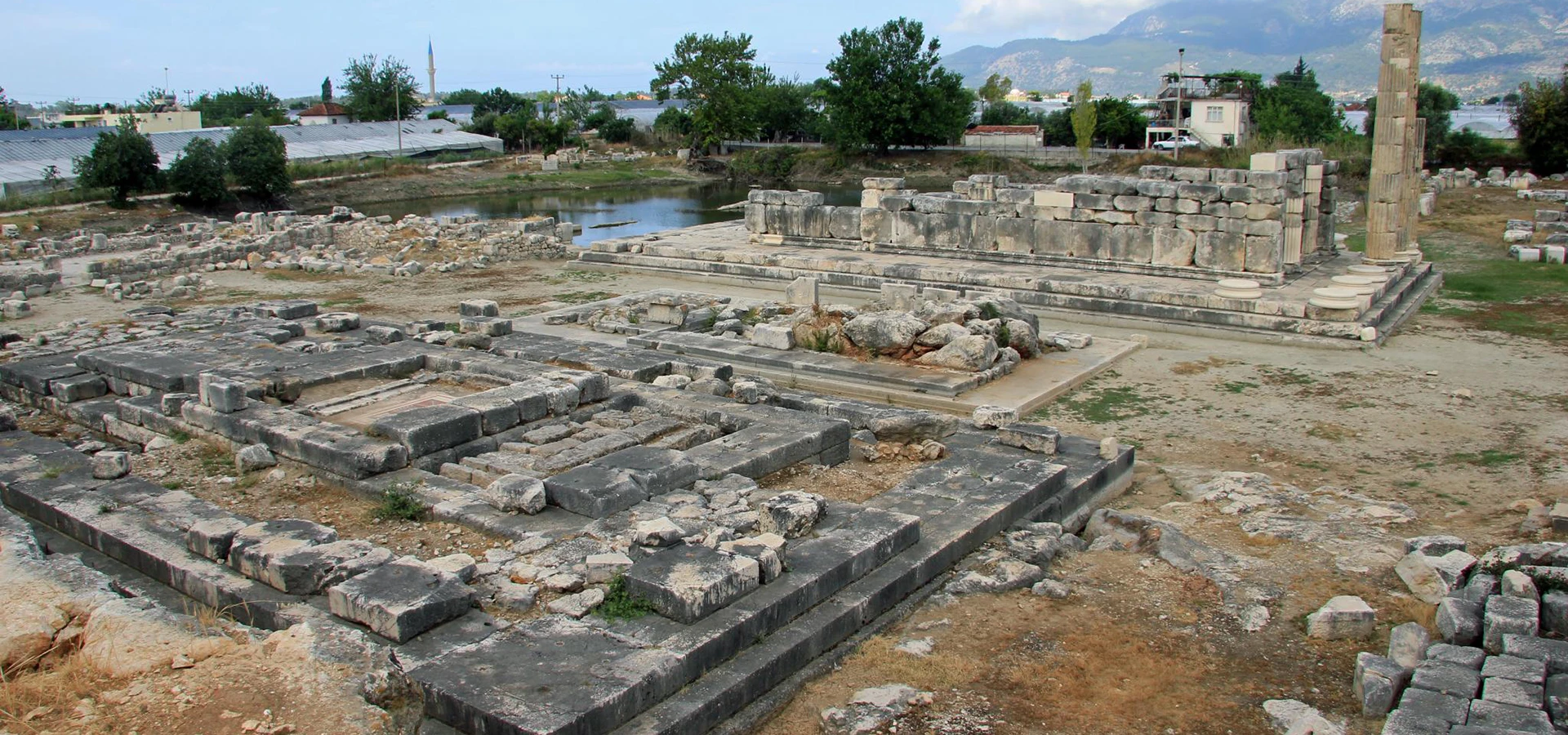
Use Seydikemer as the gateway to Muğla’s inland Lycian world. Tlos provides the most monumental starting point, while Saklıkent adds a dramatic natural contrast. Letoon introduces the sacred and political landscape of Lycia through its temples and inscriptions.


Pınara and Sidyma are best reserved for travelers with additional time and a deeper interest in archaeology. Their quieter settings and more limited facilities are part of their appeal, but they require more careful route planning than major headline attractions.

Suggested Dalyan & Köyceğiz Route

Kaunos, Dalyan Delta, İztuzu, Köyceğiz Lake & Sultaniye

Dalyan is one of Muğla’s best examples of archaeology and nature sharing the same landscape. Visit Kaunos, see the rock-cut tombs above the channel and continue through the reed-lined delta toward protected İztuzu Beach.


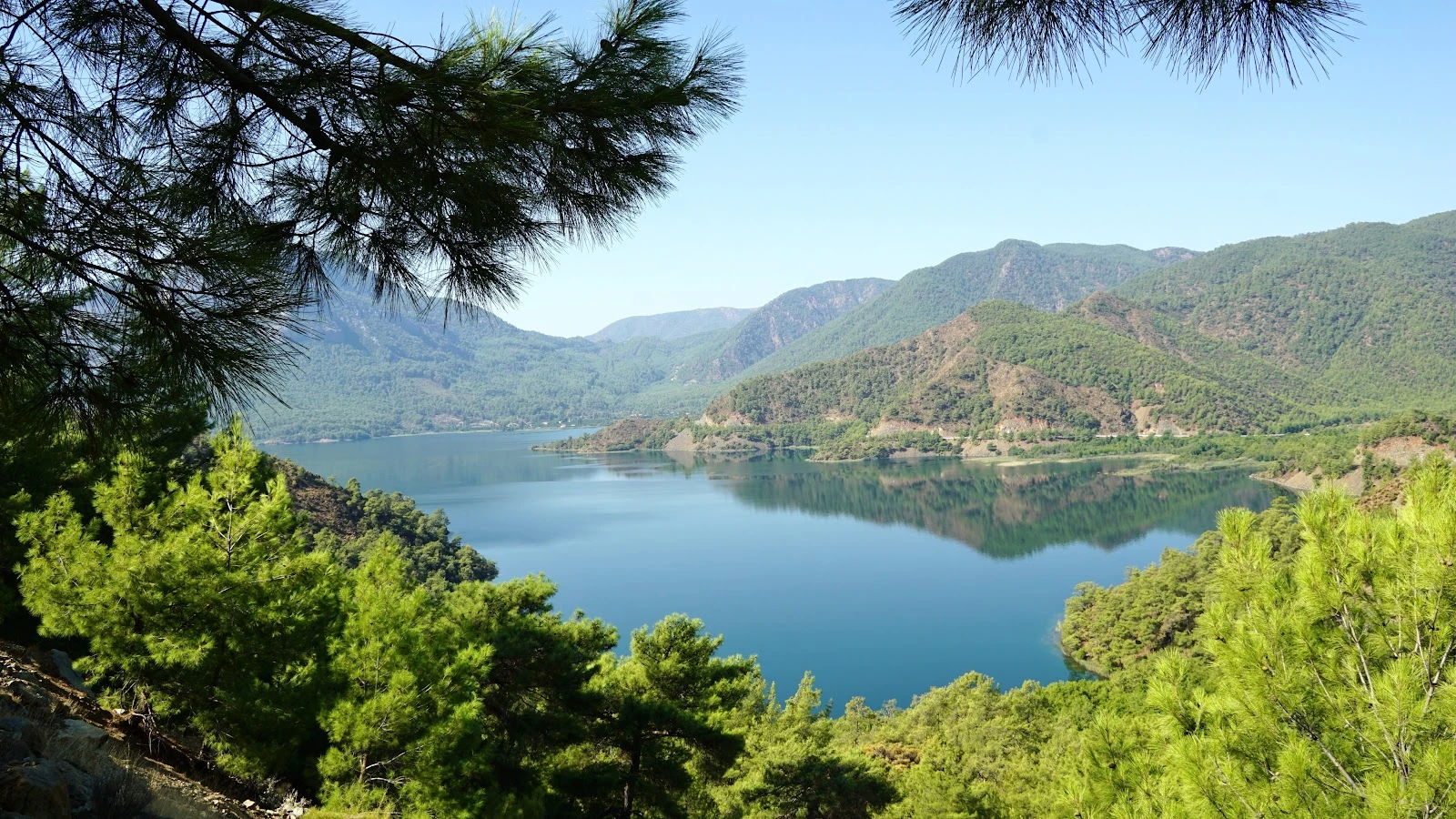
A second day can focus on Köyceğiz Lake, Sultaniye hot springs, Yuvarlakçay or Ekincik Bay. Boat routes, wildlife protections and seasonal conditions should guide the schedule rather than trying to force every stop into one day.

Planning Advice

Practical Tips for Exploring Muğla

  • Distances: Muğla is very large; plan by region rather than assuming Bodrum, Fethiye, Marmaris and Datça are close together
  • Driving: A private vehicle is the easiest way to reach archaeological sites, villages, peninsula bays and mountain landscapes
  • Airports: Milas–Bodrum Airport suits Bodrum and Milas; Dalaman Airport is generally better for Fethiye, Göcek, Dalyan and Köyceğiz
  • Summer: Ancient sites can be extremely hot and exposed at midday; start early and carry water
  • Boat trips: Island and bay excursions depend on season, weather, sea conditions and local operating schedules
  • Protected nature: Follow local rules carefully at İztuzu, Sedir Island and other environmentally sensitive areas
  • Small sites: Access, excavation status and visitor facilities can vary considerably at remote archaeological locations
  • Food: Look beyond resort menus and try district specialties in Muğla city, Milas, Bodrum, Datça, Marmaris, Fethiye and Köyceğiz

Best Routes at a Glance

  • Ancient Caria: Bodrum + Milas + Labraunda + Euromos
  • Sacred Caria: Stratonikeia + Lagina
  • Gökova: Akyaka + Azmak + Sedir Island
  • Marmaris Peninsula: Marmaris + Amos + Orhaniye + Selimiye + Bozburun
  • Datça: Old Datça + peninsula bays + Knidos
  • Fethiye coast: Telmessos + Kayaköy + Ölüdeniz + Babadağ
  • Lycia: Tlos + Saklıkent + Letoon + Pınara
  • Dalyan nature: Kaunos + delta + İztuzu + Köyceğiz

Why Visit Muğla?

Muğla is one of Turkey’s most complete travel provinces because it offers major archaeology, exceptional coastline, protected nature and living local culture in the same region. Bodrum, Marmaris, Fethiye, Datça, Göcek and Dalyan are internationally known, but each becomes far more rewarding when connected with the ancient and rural landscapes behind the coast.


The archaeological depth is extraordinary. Halicarnassus and the Mausoleum, Labraunda, Euromos, Iasos, Stratonikeia, Lagina, Knidos, Kaunos, Tlos, Letoon and Pınara represent only the beginning. Medieval Beçin, Muğla’s historic neighborhoods, Byzantine Gemiler Island and the abandoned settlement of Kayaköy add completely different periods and stories.


Nature completes the experience through Ölüdeniz, Butterfly Valley, Saklıkent, the Dalyan delta, İztuzu, Köyceğiz Lake, Akyaka and Azmak, Sedir Island, Gökova, Bafa Lake and dozens of bays along the Datça, Bozburun and Göcek coasts. Add Muğla’s remarkable olive, honey, almond, citrus and village-food traditions and the province can support weeks of meaningful travel rather than a single resort holiday.

Muğla Travel Questions

Frequently Asked Questions About Muğla

Bodrum, Fethiye and Ölüdeniz, Marmaris, Datça and Knidos, Dalyan and Kaunos, Akyaka and the Azmak River, Labraunda, Euromos, Stratonikeia, Lagina, Tlos, Letoon, Saklıkent, İztuzu Beach and Köyceğiz Lake are among the strongest places to begin.

Three days are useful for one regional base such as Bodrum, Fethiye or Marmaris. Seven to ten days are far better for combining several regions, while travelers who want archaeology, beaches, villages and nature can easily spend two weeks or more.

Milas–Bodrum Airport is generally the most convenient gateway for Bodrum and Milas. Dalaman Airport is normally better for Fethiye, Göcek, Dalyan, Ortaca and Köyceğiz. Marmaris and Datça can be reached from Dalaman, but road transfer times are longer.

Major sites include Halicarnassus, Pedasa, Myndos, Labraunda, Euromos, Iasos, Heracleia at Latmos, Stratonikeia, Lagina, Idyma, Kedrai, Amos, Loryma, Knidos, Kaunos, Telmessos, Kadyanda, Tlos, Letoon, Pınara and Sidyma.

No. Muğla has one of Turkey’s richest archaeological inventories, important medieval and Ottoman heritage, historic towns and villages, mountain landscapes, wetlands, rivers, local crafts and a substantial food culture in addition to its famous coastline.

Ölüdeniz, Butterfly Valley, Saklıkent Canyon, Akyaka and the Azmak River, Gökova Gulf, Sedir Island, Dalyan Delta, İztuzu Beach, Köyceğiz Lake, Bafa Lake, Babadağ and the bays of Datça, Bozburun, Göcek and Dalaman are excellent choices.

Muğla is known for Muğla Köftesi, Sulu Kebab, Muğla Saraylısı, Göce Tarhanası, Bodrum Çökertme Kebabı, Milas dishes and olive products, Marmaris pine honey, Datça almonds, Bodrum mandarin, Fethiye tarhana and Kaya figs, along with many herb, pastry and seafood traditions.

Major resort centers have public transport, but a private vehicle is strongly recommended for a wider province itinerary, especially for archaeological sites around Milas and Yatağan, the Datça and Bozburun peninsulas, rural villages and multi-stop nature routes.

Spring and autumn are especially good for archaeology, hiking and road trips. Summer is ideal for beaches and boat travel but can be very hot at exposed ruins. Winter is much quieter and works well for towns, food and heritage, although some seasonal coastal businesses reduce operations.

Ready to Explore Muğla Beyond the Resorts?

Tell us your travel dates, arrival airport and interests, and we will help you build a private Turkey itinerary that can include Bodrum, Fethiye, Marmaris, Datça, Akyaka, Dalyan, Göcek and the archaeological landscapes of Caria and Lycia.

WhatsApp Us for Muğla Planning