Useful Questions
Frequently Asked Questions About Cumalıkızık
What is Cumalıkızık famous for?
Cumalıkızık is famous for its preserved early Ottoman village plan, colourful timber-and-adobe houses, stone streets, enclosed courtyards, village breakfast culture, local products, and UNESCO World Heritage status.
Where is Cumalıkızık?
The village is in Bursa’s Yıldırım district on the northern slopes of Uludağ, approximately 10–12 kilometres east of central Bursa.
How old is Cumalıkızık?
The settlement is generally associated with the early Ottoman period and is commonly described as having around seven centuries of history.
Is Cumalıkızık a real village or an open-air museum?
It is a living residential neighbourhood. Many historic houses are still used by local families, while some operate as cafés, guesthouses, shops, museums, or breakfast houses.
Is Cumalıkızık a UNESCO World Heritage Site?
Yes. It is a component of the serial property “Bursa and Cumalıkızık: the Birth of the Ottoman Empire,” inscribed in 2014.
Why is Cumalıkızık important to Ottoman history?
It preserves the rural side of the waqf system that connected agricultural villages with the charitable complexes and commercial institutions of early Ottoman Bursa.
What does Cumalıkızık mean?
The most popular explanation connects “Cuma,” meaning Friday, with the Kızık villages, because people are said to have gathered here for Friday prayer. Other oral traditions also exist.
How many historic houses are in Cumalıkızık?
Official and tourism sources commonly cite around 270 historic houses, with many still used as residences. Counts and use may change with restoration and classification.
What are Cumalıkızık houses made from?
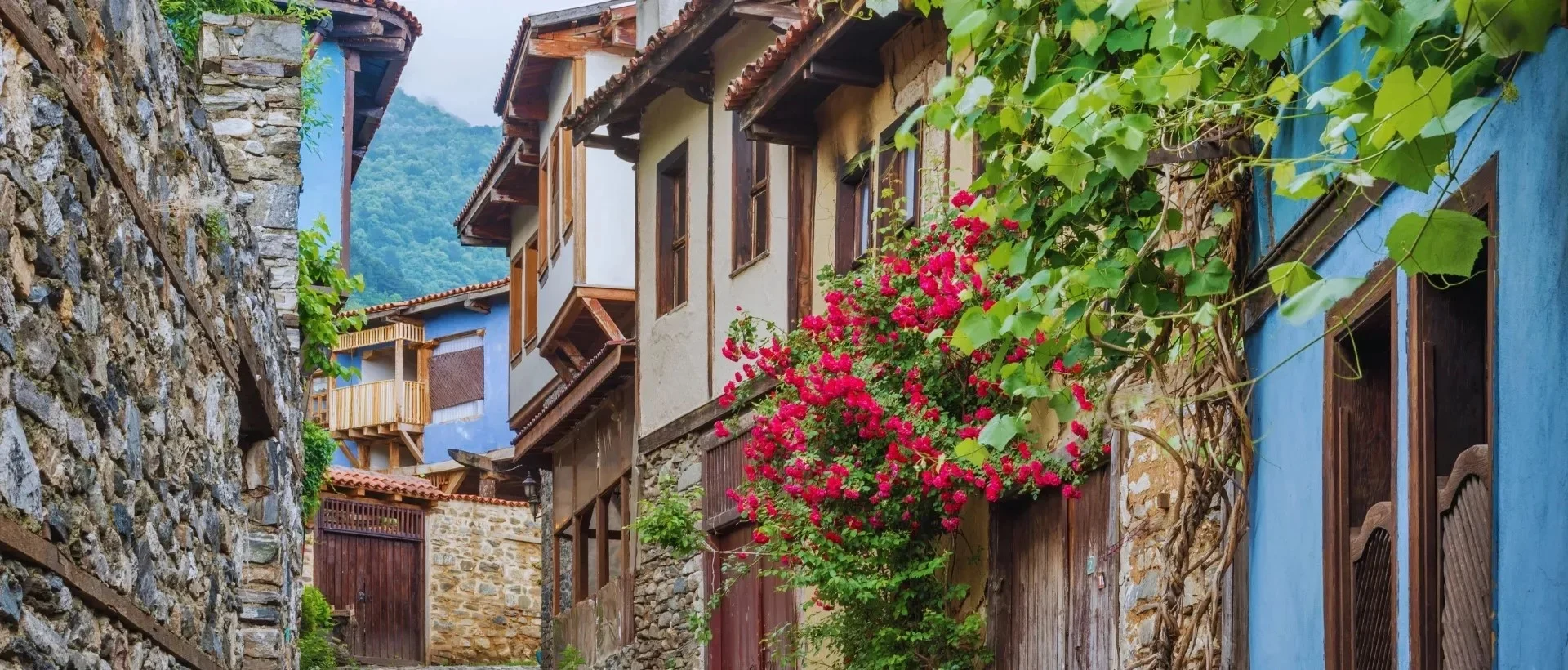
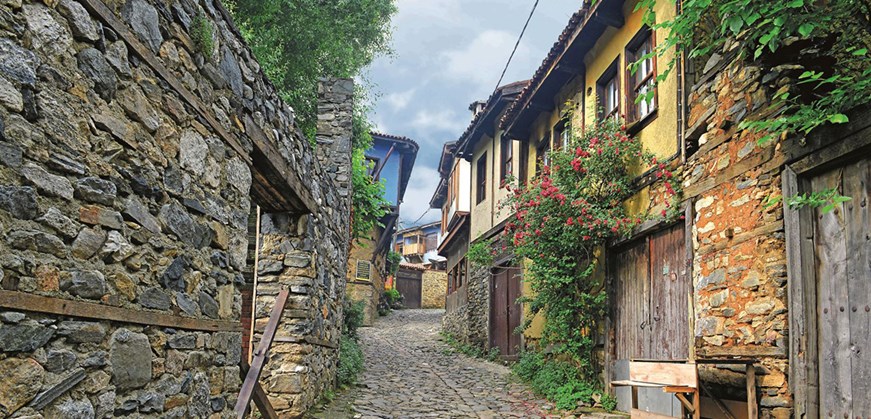
Traditional houses generally combine rubble stone, timber framing, adobe infill, plaster, wooden bay windows, and pitched roofs covered with tiles.
Why are the streets channelled in the middle?
The slightly lowered centre helps guide rainwater and spring water through the sloping village while protecting house façades and supporting local water management.
What can I see in Cumalıkızık?
Highlights include the village square, stone lanes, traditional houses, Village Museum, mosque, Zekiye Hatun Fountain, historic bath, plane trees, market stalls, courtyards, and foothill landscape.
Is there an entrance fee for Cumalıkızık?
No general ticket is required to walk through the public village. Museums, parking, meals, guided tours, and private venues may have separate charges.
What are the opening hours?
The village has no single gate or universal timetable. Museums, restaurants, stalls, and the mosque operate independently, so confirm a specific venue before travelling.
When is the best time to visit Cumalıkızık?
Weekday mornings are usually best for fewer crowds, cooler temperatures, soft photography light, and easier movement through narrow streets.
How long should I spend in Cumalıkızık?
Allow approximately two to three hours for the museum, streets, houses, monuments, local products, photographs, and a meal.
Is Cumalıkızık crowded on weekends?
It can become very busy, especially during breakfast hours, holidays, good weather, and the main tourism season.
Can I have breakfast in Cumalıkızık?
Yes. Village breakfast is one of the best-known experiences, with cheeses, olives, eggs, breads, pastries, preserves, honey, vegetables, and regional dishes.
What local products can I buy?
Common products include jams, seasonal fruit, tarhana, village noodles, pickles, dried foods, textiles, handicrafts, and small souvenirs.
Can I enter the historic houses?
Only enter buildings clearly open as museums, restaurants, guesthouses, shops, or visitor attractions. Most historic houses remain private.
Can I take photographs?
Yes in public areas, but ask before photographing residents closely, avoid looking into private windows or courtyards, and never block narrow streets or doorways.
What should I wear?
Wear comfortable clothing and shoes with good grip. Modest dress is required when entering the active village mosque.
Is Cumalıkızık accessible for wheelchairs?
Some lower areas may be manageable with assistance, but steep slopes, uneven stones, narrow lanes, steps, and historic thresholds make full access difficult.
How do I reach Cumalıkızık by public transport?
A practical route is BursaRay toward Kestel to Cumalıkızık–Değirmenönü station, followed by a local minibus, bus, or taxi. Check current connections before departure.
Can I visit Cumalıkızık from Istanbul in one day?
Yes, it can be included in a long full-day Bursa trip from Istanbul, especially with private transportation or a well-planned ferry and road connection.
What should I combine with Cumalıkızık?
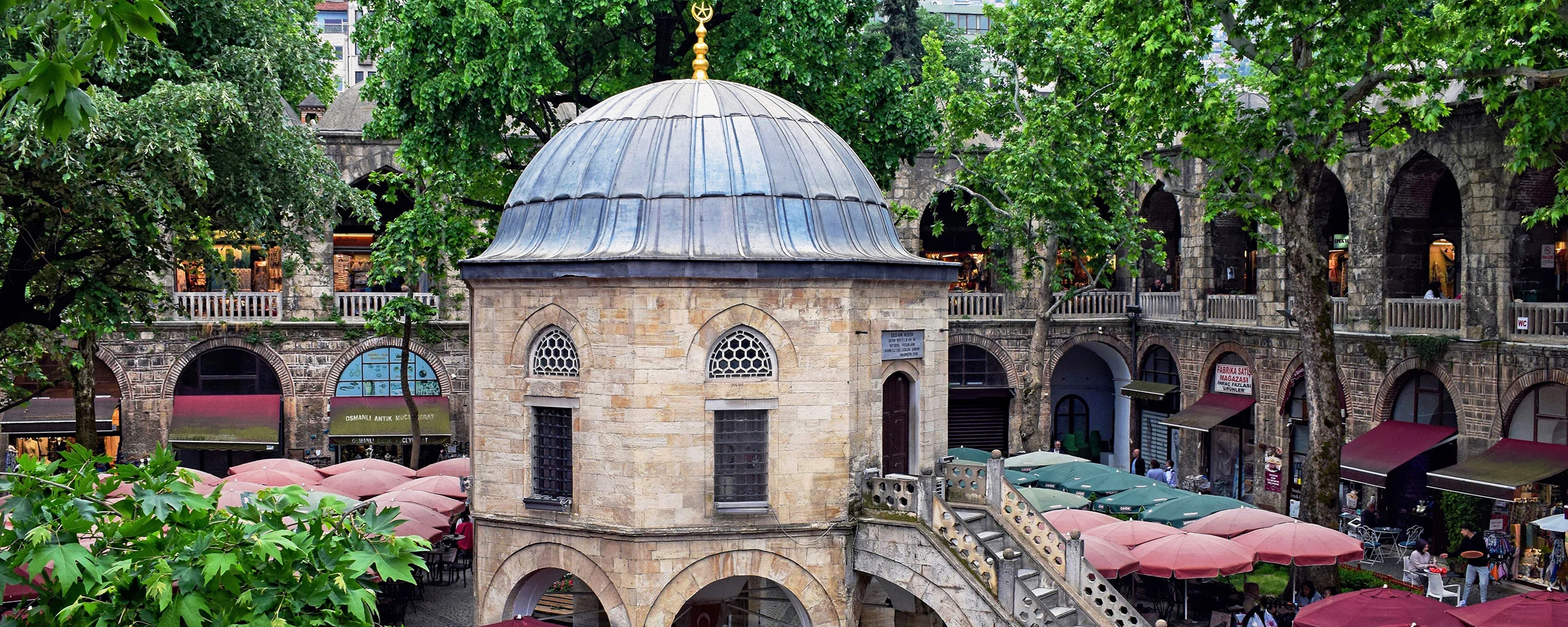
Green Mosque and Green Tomb, Bursa Grand Mosque, Koza Han, Tophane, Muradiye, Yıldırım Külliye, and Uludağ are natural additions.
Is Cumalıkızık worth visiting?
Yes. It offers one of the clearest experiences of early Ottoman rural architecture and living village culture close to a major Turkish city.