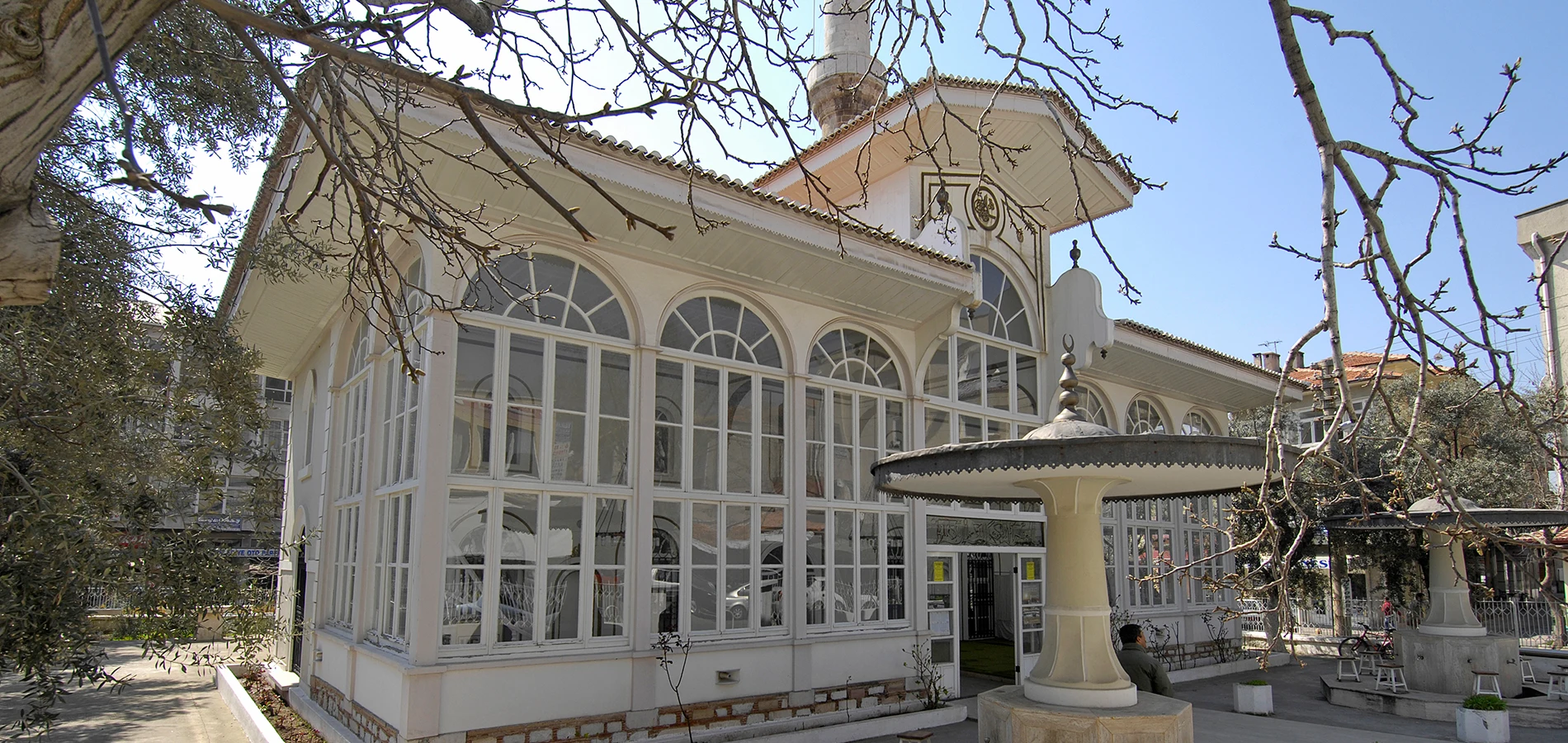
Private Kurşunlu Mosque in Muğla Programme
Tell us your dates, group size and interests. We will check access and plan a sensible route.
Request Your Private Programme





Kurşunlu Mosque is part of the religious and architectural heritage of Muğla’s historic centre. Its lead-covered dome gives the building its familiar Turkish name, while the surrounding streets connect it to the old commercial town.
The mosque is a functioning place of worship, so a visit is different from entering a museum. Its historical significance is best approached with attention to architecture, religious use and local community life.
Pair it with the Arasta and Yağcılar Han on a short walking route, while allowing for prayer times and any local restrictions.
A key part of the visit: The roof covering is central to the name Kurşunlu, meaning leaded or lead-covered.
A key part of the visit: Observe the proportions and the relationship between the central space and its entrances, where public access is allowed.
A key part of the visit: The mosque belongs to the same historic pedestrian network as the bazaar and nearby civic monuments.
A key part of the visit: The site’s active role shapes when and how visitors can enter; respectful conduct matters more than completing a checklist.
Essential orientation for an informed visit.
Menteşe historic centre, Muğla
Historic mosque and living place of worship
Late Ottoman-era modifications to an earlier mosque
Historic Muğla
Short exterior visit; interior when appropriate
Confirm current opening and permitted routes before travelling
Kurşunlu Mosque in Muğla deserves attention because it makes a particular chapter of Historic Muğla tangible. Its historic mosque and living place of worship cannot be separated from the routes, communities and environment around it.
The most revealing features are lead-covered dome and urban setting. Together they connect the physical setting with the wider historical and cultural narrative, helping visitors understand more than a single famous viewpoint.
For a useful visit, begin with the location and its wider context, then look carefully at the surviving evidence. The strongest interpretation distinguishes what can be seen today from traditions or reconstructions that cannot be independently verified.
Local histories commonly place the mosque’s origins in the late fifteenth century, with later repairs and additions shaping its present appearance. Specific dates should be checked against the building’s inscription and conservation records rather than assumed from simplified travel accounts.
Its dome and associated architectural elements illustrate how Ottoman religious buildings contributed to the town’s skyline. Interior decoration and later modifications form additional layers of history.
As a living mosque, the building continues to serve the surrounding community. This continuity is as important as the architectural form.
The location around Menteşe historic centre, Muğla shapes the experience of Kurşunlu Mosque in Muğla. Pay attention to continuing religious use as a way to understand the surroundings, rather than separating the attraction from its environment.
The broader Historic Muğla landscape provides clues to access, settlement and the ways people used the area. Consider the relationship between slopes, water, roads and the surrounding communities rather than viewing any one structure or feature in isolation.
Changing weather, vegetation and modern development can affect what is visible. Where a site has archaeological or environmental protections, use authorised viewpoints and avoid disturbing the surroundings.
The roof covering is central to the name Kurşunlu, meaning leaded or lead-covered.
The detail called lead-covered dome is a useful starting point for interpreting Kurşunlu Mosque in Muğla. Consider how it relates to prayer-hall architecture and what can actually be inferred from the evidence, rather than treating a picturesque view as a complete explanation.
For lead-covered dome, observe details from a respectful distance and check current conditions. The feature may be fragile, privately used or seasonally inaccessible, and photographs do not establish a right of entry.
Observe the proportions and the relationship between the central space and its entrances, where public access is allowed.
The detail called prayer-hall architecture is a useful starting point for interpreting Kurşunlu Mosque in Muğla. Consider how it relates to urban setting and what can actually be inferred from the evidence, rather than treating a picturesque view as a complete explanation.
For prayer-hall architecture, observe details from a respectful distance and check current conditions. The feature may be fragile, privately used or seasonally inaccessible, and photographs do not establish a right of entry.
The mosque belongs to the same historic pedestrian network as the bazaar and nearby civic monuments.
The detail called urban setting is a useful starting point for interpreting Kurşunlu Mosque in Muğla. Consider how it relates to continuing religious use and what can actually be inferred from the evidence, rather than treating a picturesque view as a complete explanation.
For urban setting, observe details from a respectful distance and check current conditions. The feature may be fragile, privately used or seasonally inaccessible, and photographs do not establish a right of entry.
The site’s active role shapes when and how visitors can enter; respectful conduct matters more than completing a checklist.
The detail called continuing religious use is a useful starting point for interpreting Kurşunlu Mosque in Muğla. Consider how it relates to lead-covered dome and what can actually be inferred from the evidence, rather than treating a picturesque view as a complete explanation.
For continuing religious use, observe details from a respectful distance and check current conditions. The feature may be fragile, privately used or seasonally inaccessible, and photographs do not establish a right of entry.
The story of Kurşunlu Mosque in Muğla intersects with the cultural geography of Historic Muğla. Its characteristic features, especially prayer-hall architecture, help explain how this part of the province developed and how people adapted to its conditions.
Muğla contains a dense mixture of Carian cities, Byzantine heritage, Ottoman townscapes and working villages. Kurşunlu Mosque in Muğla adds its own perspective to this regional history and makes a worthwhile contrast with more familiar beach destinations.
A good itinerary connects nearby sites by geography and theme rather than simply combining the maximum number of stops. Time spent understanding one place is often more rewarding than collecting several rushed photographs.
Interpretation is strongest when observation is tied to evidence. At Kurşunlu Mosque in Muğla, compare lead-covered dome with urban setting, noting both the differences and any practical relationship between them.
Start with the most clearly identifiable feature, lead-covered dome, and ask how it relates to prayer-hall architecture. A good guide can explain the limits of what survives as well as the historical context.
Use inscriptions, official interpretation boards and museum collections where available. Be cautious with confident claims about unlabelled stones, uncertain dates or legendary founders; not every appealing story is an archaeological fact.
On site, give this feature time and context: The roof covering is central to the name Kurşunlu, meaning leaded or lead-covered. Where it is not open or visible, ask for an authorised alternative viewpoint.
On site, give this feature time and context: Observe the proportions and the relationship between the central space and its entrances, where public access is allowed. Where it is not open or visible, ask for an authorised alternative viewpoint.
On site, give this feature time and context: The mosque belongs to the same historic pedestrian network as the bazaar and nearby civic monuments. Where it is not open or visible, ask for an authorised alternative viewpoint.
On site, give this feature time and context: The site’s active role shapes when and how visitors can enter; respectful conduct matters more than completing a checklist. Where it is not open or visible, ask for an authorised alternative viewpoint.
Kurşunlu Mosque is an important part of Muğla's Ottoman architectural heritage and the historic urban fabric of Menteşe. Its traditional architectural character and longstanding religious function make it a meaningful stop while exploring the old town. Visitors should remember that the building continues to serve the local community as a place of worship, and religious activities always take priority over sightseeing.
Wear comfortable walking shoes suitable for the surrounding historic streets, and bring drinking water and sun protection during warmer months. Consider combining your visit with nearby Muğla Arasta, Yağcılar Han, and the historic Saburhane neighborhood. Interior access and accessibility may vary, so allow flexibility in your itinerary and follow any instructions provided by mosque staff.
Begin with an orientation to Menteşe historic centre, Muğla and identify the legal public approach. Look first for lead-covered dome before moving to prayer-hall architecture, provided both can be reached safely and are open to visitors.
Allow time to appreciate urban setting and the surrounding setting. If conditions are poor or access is restricted, shorten the route rather than entering unmarked areas.
Finish with a nearby stop chosen for historical or geographic relevance. A private itinerary can make this easier, but a realistic day still needs breaks and time for the journey between locations.
Spring and autumn often offer comfortable temperatures for exploring inland Muğla. Summer can be very hot, especially on exposed stone and open paths; winter rain may make surfaces slippery.
For photography and comfort, morning or late afternoon light can be pleasant, but these are not guarantees of access. Check seasonal opening policies, daylight hours and local weather before travelling.
Photograph the wider Historic Muğla setting as well as individual details. A wide view often explains why a building, settlement or natural feature occupies this particular place.
Close-ups should be made without touching fragile surfaces or entering restricted areas. If residents, worshippers or craftspeople are present, ask permission before taking portraits.
For the hero image of this page, use an original or properly licensed photograph of Kurşunlu Mosque in Muğla; the current HTML contains a placeholder path, not a supplied image file.
Terrain and visitor facilities vary across historic mosque and living place of worship locations. Uneven surfaces, steps, slopes, narrow historic streets or the absence of a developed visitor route may affect accessibility.
Anyone with limited mobility should ask the local authority or tour operator about step-free access and practical alternatives before booking. Avoid promising a fully accessible visit without confirmation.
For longer or specialist routes, plan suitable footwear, water, shade breaks and an option to turn back safely.
Kurşunlu Mosque in Muğla is associated with Menteşe historic centre, Muğla. Use an up-to-date map and confirm the actual public entrance or meeting point; a generic place pin may not mark a safe approach.
For dispersed archaeological remains or rural locations, private transport and a locally knowledgeable guide may be more practical than assuming frequent public transport. Do not rely on unverified driving times.
If combining several sites, group them by region and allow extra time for narrow roads, parking, walking and seasonal traffic.
Explore the historic commercial heart of Menteşe, where traditional bazaar streets, local shops, and Yağcılar Han reflect Muğla's longstanding trading heritage. An excellent addition to a walking tour of the old town.
Wander through the atmospheric streets of Saburhane, known for its traditional whitewashed houses, distinctive Muğla chimneys, wooden architectural details, and beautifully preserved residential character.
Discover Muğla's historic clock tower, a recognizable landmark of the old town. Its architectural character and surrounding streets provide another perspective on the city's late Ottoman urban heritage.
Plan your exploration of Muğla with our comprehensive travel guide, covering historic neighborhoods, Ottoman architecture, traditional bazaars, ancient cities, regional cuisine, and cultural attractions across southwestern Türkiye.
Kurşunlu Mosque in Muğla is in Menteşe historic centre, Muğla, in Muğla Province, southwestern Türkiye.
It offers a chance to explore historic mosque and living place of worship in the setting of Historic Muğla. The most useful details to notice are lead-covered dome and prayer-hall architecture.
The key historical context is late ottoman-era modifications to an earlier mosque. The area may also contain remains or traditions from other periods, which should be distinguished carefully.
A sensible initial allowance is short exterior visit; interior when appropriate. Exact time depends on access, walking conditions and how deeply you want to explore.
That depends on current access and the terrain. A knowledgeable local guide is particularly helpful where remains are dispersed, signage is limited or conservation rules apply.
Do not rely on a generic schedule or an old ticket price. Confirm current opening, any admission charge and permitted visitor areas with the responsible authority shortly before travelling.
Yes. The wider Historic Muğla area has related cultural and natural attractions, but routes should allow realistic driving and walking time.
Respect barriers, conservation areas and any directions given by site staff.
Dress modestly, remove shoes if entering the prayer hall, remain quiet and do not enter during prayers without clear permission.
Keep private entrances clear, ask before photographing people and support local businesses fairly.
Take away rubbish and avoid disturbing wildlife, vegetation, rock surfaces or historic material.
Ask Wow Cappadocia / Venere Travel to design a private, tailor-made route with a licensed guide and suitable vehicle, subject to confirmed access, with no compulsory shopping stops.
Combine archaeology, village culture and natural landscapes at your preferred pace.
Tell us your dates, group size and interests. We will check access and plan a sensible route.
Request Your Private Programme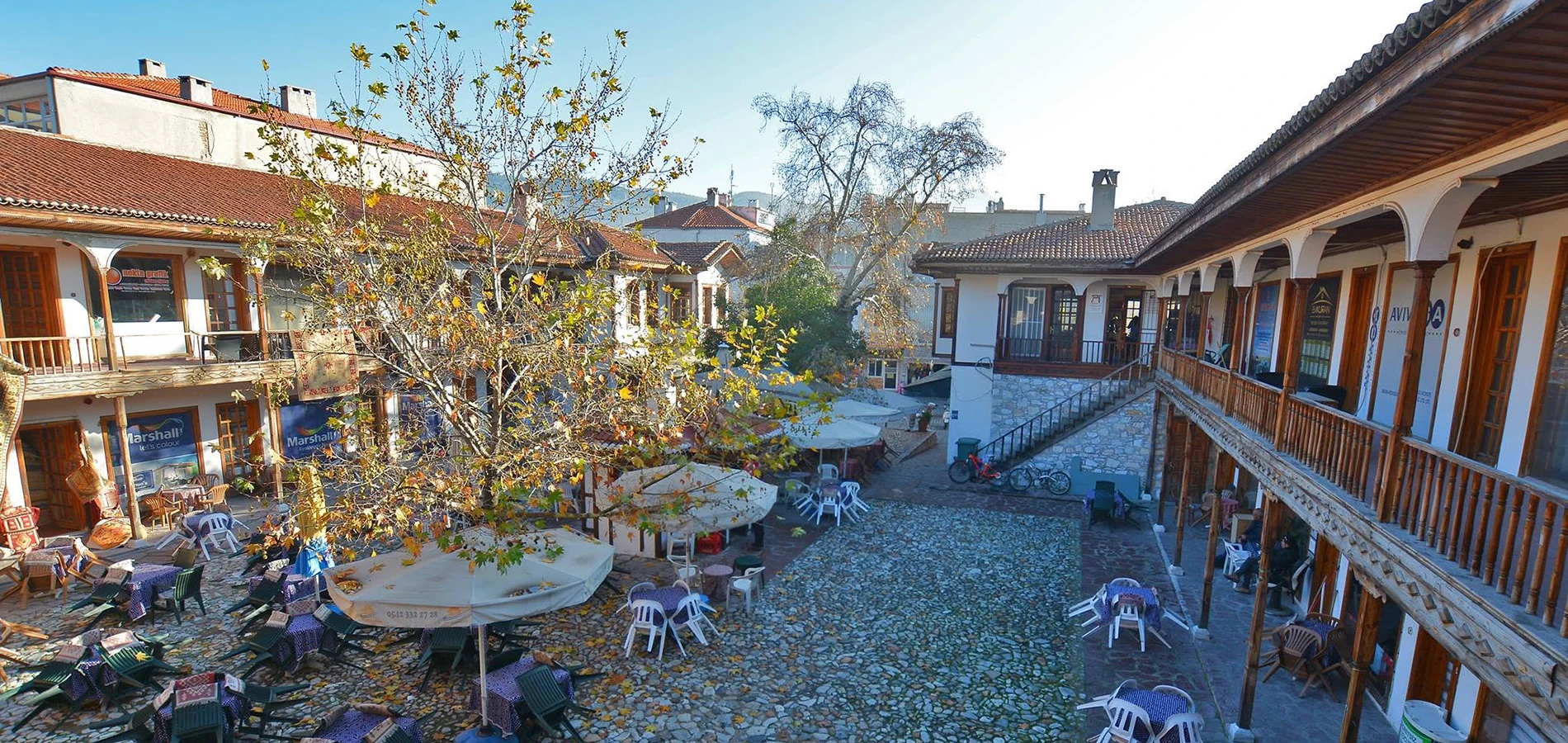
Continue your journey with a related historical or natural destination.
Read the Nearby Guide