Plan a Private Muğla Experience
Tell us your interests and travel dates so we can suggest a practical regional route.
Request Your Private Programme





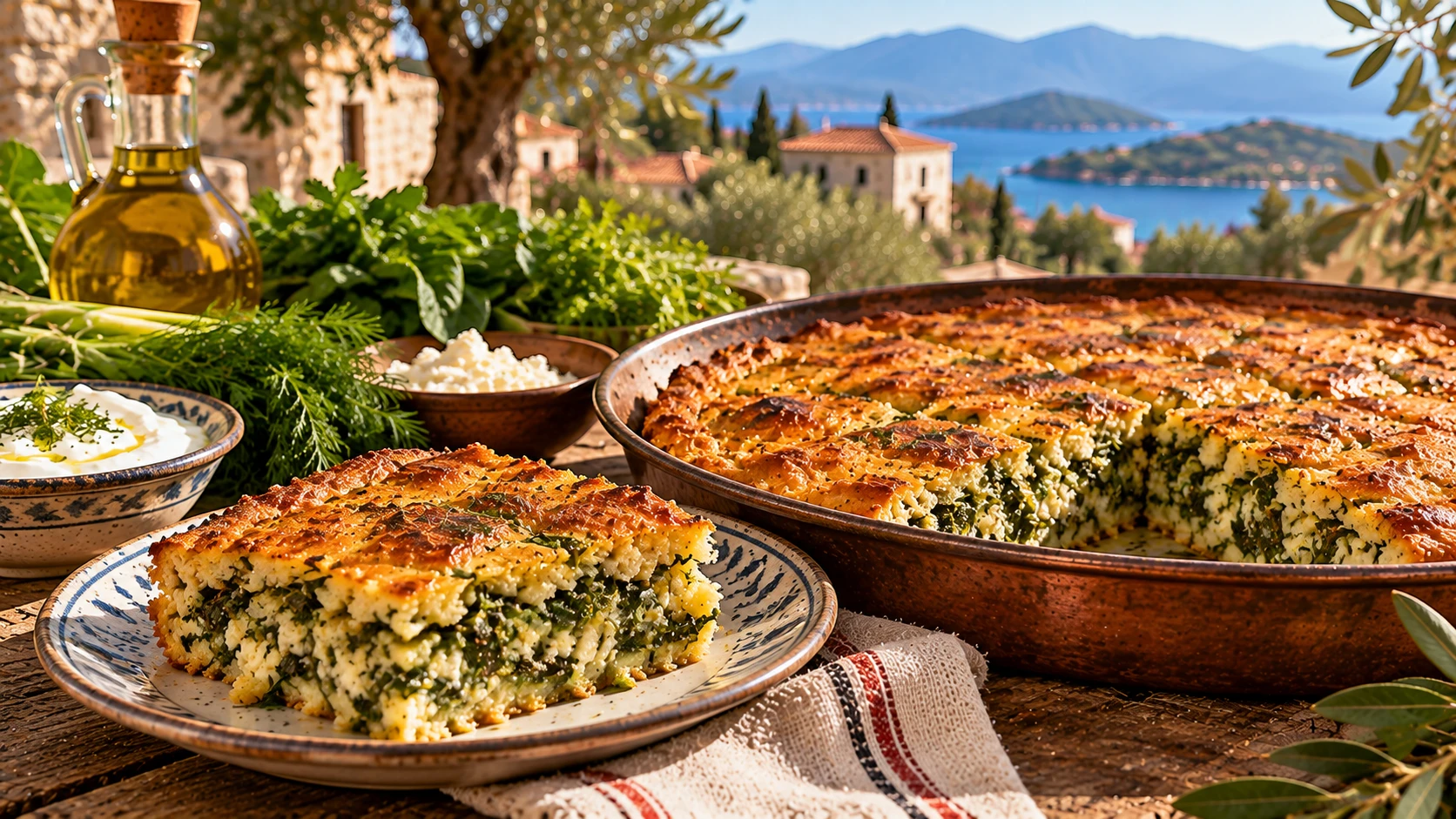
Çaykama is a Milas speciality built around seasonal greens, cheese and a pourable or soft dough mixture. It is more rustic than a finely layered börek and often looks like a herb-rich tray bake. The flavour depends on the balance of greens and the quality of the olive oil.
Recipes associated with Milas use a mixture of leafy vegetables and wild herbs, fresh cheese or çökelek, wheat flour and sometimes corn flour. The precise herb blend changes with the season and the cook, which is why a fixed list should not be treated as universal.
Mix a soft batter or dough and prepare the chopped greens with cheese and olive oil. Spread the components in a well-oiled tray, keeping the greens evenly distributed. Bake until the edges colour and the centre is set, then cut into squares.
Wild and cultivated greens make the flavour. Some cooks include nettle, wild leek or other seasonal leaves, but the selection depends on local knowledge.
Fresh crumbly cheese adds a tangy, savoury element and helps bind the greens.
Unlike many phyllo pastries, çaykama may be made with a loose mixture spread or poured into the tray.
Regional olive oil is used generously; it contributes aroma and helps crisp the edges.
A closer look at the ingredients, preparation and cultural setting of a distinctive regional speciality.
Milas, Muğla
Regional cuisine and food heritage
wheat flour and sometimes corn flour, olive oil, yoghurt and eggs in some recipes
The herb mixture; Çökelek cheese
Most distinctive when fresh local greens are plentiful, especially in cooler and spring months.
A rustic herb-filled bake with soft batter and local olive oil
Çaykama is a Milas speciality built around seasonal greens, cheese and a pourable or soft dough mixture. It is more rustic than a finely layered börek and often looks like a herb-rich tray bake. The flavour depends on the balance of greens and the quality of the olive oil.
Its place in local food culture is equally important: Recipes associated with Milas use a mixture of leafy vegetables and wild herbs, fresh cheese or çökelek, wheat flour and sometimes corn flour. The precise herb blend changes with the season and the cook, which is why a fixed list should not be treated as universal.
A regional dish can change from one household to another. Compare the ingredient list and preparation method with what is served, and enjoy the variations without assuming that one modern presentation defines the entire tradition.
Recipes associated with Milas use a mixture of leafy vegetables and wild herbs, fresh cheese or çökelek, wheat flour and sometimes corn flour. The precise herb blend changes with the season and the cook, which is why a fixed list should not be treated as universal.
Regional food traditions are passed on through kitchens, family occasions and local markets. Milas Çaykama (Herb Tray Pastry) is best understood in that context, not as a fixed restaurant product invented for visitors.
wheat flour and sometimes corn flour, olive oil, yoghurt and eggs in some recipes, çökelek or another fresh cheese
Mix a soft batter or dough and prepare the chopped greens with cheese and olive oil. Spread the components in a well-oiled tray, keeping the greens evenly distributed. Bake until the edges colour and the centre is set, then cut into squares.
Milas, Muğla
Check the ingredients and current availability with the kitchen; local recipes are not identical.
The ingredients tell a geographical story. wheat flour and sometimes corn flour, olive oil, yoghurt and eggs in some recipes, çökelek or another fresh cheese are central to the preparation. Local climate, farming and seasonal availability influence how the dish is cooked and served.
Muğla contains coastal communities, olive-growing valleys and upland settlements. Not every ingredient comes from the same village, and restaurant supply chains differ from home kitchens. Ask about provenance when it matters to you.
The following six details explain what makes this preparation distinctive.
Wild and cultivated greens make the flavour. Some cooks include nettle, wild leek or other seasonal leaves, but the selection depends on local knowledge.
A useful tasting question is how the kitchen balances this element with the other ingredients. Eat warm or at room temperature with tea or yoghurt. Traditional versions often contain wheat, eggs and dairy.
Fresh crumbly cheese adds a tangy, savoury element and helps bind the greens.
The detail is part of a wider cooking sequence: Mix a soft batter or dough and prepare the chopped greens with cheese and olive oil. Spread the components in a well-oiled tray, keeping the greens evenly distributed. Bake until the edges colour and the centre is set, then cut into squares.
Unlike many phyllo pastries, çaykama may be made with a loose mixture spread or poured into the tray.
A useful tasting question is how the kitchen balances this element with the other ingredients. Eat warm or at room temperature with tea or yoghurt. Traditional versions often contain wheat, eggs and dairy.
Regional olive oil is used generously; it contributes aroma and helps crisp the edges.
The detail is part of a wider cooking sequence: Mix a soft batter or dough and prepare the chopped greens with cheese and olive oil. Spread the components in a well-oiled tray, keeping the greens evenly distributed. Bake until the edges colour and the centre is set, then cut into squares.
A broad pan allows the surface to brown evenly. The best texture combines a tender middle with a lightly crisp perimeter.
A useful tasting question is how the kitchen balances this element with the other ingredients. Eat warm or at room temperature with tea or yoghurt. Traditional versions often contain wheat, eggs and dairy.
It works as a breakfast, lunch or picnic food. Leftovers may be reheated, but the herb aroma is strongest when fresh.
The detail is part of a wider cooking sequence: Mix a soft batter or dough and prepare the chopped greens with cheese and olive oil. Spread the components in a well-oiled tray, keeping the greens evenly distributed. Bake until the edges colour and the centre is set, then cut into squares.
Muğla’s cuisine draws on olive-growing, pastoral food traditions, cultivated vegetables and wild seasonal ingredients. Milas Çaykama (Herb Tray Pastry) represents one expression of this diversity rather than a recipe followed identically in every home. Look for family-run breakfast places and traditional kitchens in Milas, especially where seasonal greens are on the menu.
The district’s food heritage is connected to everyday shopping, village harvests and celebrations. Food travellers can learn more by visiting markets respectfully, speaking with producers and trying small portions of several specialities.
For a wider introduction, see the Muğla Travel Guide and compare related foods below.
When tasting Milas Çaykama (Herb Tray Pastry), notice the way the ingredients are handled, not only the final seasoning. Wild and cultivated greens make the flavour. Some cooks include nettle, wild leek or other seasonal leaves, but the selection depends on local knowledge. Unlike many phyllo pastries, çaykama may be made with a loose mixture spread or poured into the tray.
The best way to compare versions is to ask about ingredients, texture and serving temperature. A variation is not necessarily inauthentic; it may reflect a family, village or seasonal method.
Avoid judging the dish by a photograph alone. Portion size, the type of cooking vessel and the amount of garnish can all vary.
These details can help you understand what the cook is trying to achieve. They are descriptive, not a rigid checklist of authenticity.
Wild and cultivated greens make the flavour. Some cooks include nettle, wild leek or other seasonal leaves, but the selection depends on local knowledge.
Fresh crumbly cheese adds a tangy, savoury element and helps bind the greens.
Unlike many phyllo pastries, çaykama may be made with a loose mixture spread or poured into the tray.
Regional olive oil is used generously; it contributes aroma and helps crisp the edges.
A broad pan allows the surface to brown evenly. The best texture combines a tender middle with a lightly crisp perimeter.
It works as a breakfast, lunch or picnic food. Leftovers may be reheated, but the herb aroma is strongest when fresh.
Eat warm or at room temperature with tea or yoghurt. Traditional versions often contain wheat, eggs and dairy.
Look for family-run breakfast places and traditional kitchens in Milas, especially where seasonal greens are on the menu.
Menus, ingredients, prices and availability change. Ask about current portions, preparation time and allergens before ordering. Some regional foods are cooked only for gatherings or on particular days.
Mix a soft batter or dough and prepare the chopped greens with cheese and olive oil. Spread the components in a well-oiled tray, keeping the greens evenly distributed. Bake until the edges colour and the centre is set, then cut into squares.
The sequence matters: Wild and cultivated greens make the flavour. Some cooks include nettle, wild leek or other seasonal leaves, but the selection depends on local knowledge. Regional olive oil is used generously; it contributes aroma and helps crisp the edges.
This is a cultural preparation overview, not a tested home recipe with exact weights and temperatures. If cooking at home, follow a complete verified recipe and food-safety guidance.
Most distinctive when fresh local greens are plentiful, especially in cooler and spring months.
A dish associated with a season can still appear outside it, particularly where ingredients are preserved. Ask whether the version is made with fresh, dried or stored ingredients; that choice can change the flavour.
Festival and holiday periods can increase demand, so a special order may be needed.
A natural side light can show the dish’s texture without making the colours look artificial. Photograph the serving as it arrives, then try a close detail of the herb mixture or çökelek cheese.
Ask permission before photographing cooks, markets or other guests. Avoid rearranging food that is being served communally, and do not interrupt the kitchen for a staged image.
For website publishing, use an authentic photograph of the actual dish rather than an unrelated generic food image.
Traditional ingredients include wheat flour and sometimes corn flour, olive oil, yoghurt and eggs in some recipes, çökelek or another fresh cheese, chard, spinach, parsley, dill and seasonal wild greens, water and salt. This list is descriptive; restaurant and household recipes can differ.
If you have an allergy, ask the kitchen directly about ingredients, shared utensils and cross-contact. “Local” and “homemade” are not guarantees of allergen-free preparation.
When in doubt, confirm whether meat stock, dairy, eggs, nuts or wheat are present before tasting.
Look for family-run breakfast places and traditional kitchens in Milas, especially where seasonal greens are on the menu.
A market visit can introduce ingredients, but it does not guarantee a ready-to-eat version of the dish. Traditional kitchens may prepare some specialities only when enough people order.
Combine food stops with nearby cultural visits at a relaxed pace, allowing time for markets and meal service.
Explore related regional flavours and their different ingredients, preparation methods and cultural settings.
A complementary regional flavour to compare with Milas Çaykama (Herb Tray Pastry). Look for differences in ingredients and preparation rather than assuming all local dishes are the same.
A complementary regional flavour to compare with Milas Çaykama (Herb Tray Pastry). Look for differences in ingredients and preparation rather than assuming all local dishes are the same.
A complementary regional flavour to compare with Milas Çaykama (Herb Tray Pastry). Look for differences in ingredients and preparation rather than assuming all local dishes are the same.
Çaykama is a Milas speciality built around seasonal greens, cheese and a pourable or soft dough mixture. It is more rustic than a finely layered börek and often looks like a herb-rich tray bake. The flavour depends on the balance of greens and the quality of the olive oil.
Milas Çaykama (Herb Tray Pastry) is associated with Milas, Muğla. Recipes associated with Milas use a mixture of leafy vegetables and wild herbs, fresh cheese or çökelek, wheat flour and sometimes corn flour. The precise herb blend changes with the season and the cook, which is why a fixed list should not be treated as universal.
The principal ingredients are wheat flour and sometimes corn flour, olive oil, yoghurt and eggs in some recipes, çökelek or another fresh cheese. Recipes vary between households and restaurants.
Mix a soft batter or dough and prepare the chopped greens with cheese and olive oil. Spread the components in a well-oiled tray, keeping the greens evenly distributed. Bake until the edges colour and the centre is set, then cut into squares.
Eat warm or at room temperature with tea or yoghurt. Traditional versions often contain wheat, eggs and dairy.
Look for family-run breakfast places and traditional kitchens in Milas, especially where seasonal greens are on the menu.
Most distinctive when fresh local greens are plentiful, especially in cooler and spring months.
Check the actual recipe before eating. Ingredients may include wheat, dairy, eggs, meat or nuts depending on the dish and the kitchen; a local name alone does not guarantee allergen safety.
Compare it with Milas Tray Pastry, Vekilharç, Milas Ekşili Olives. The region has different traditions for pastry, meat, vegetables and olive products.
Choose established producers and restaurants, respect home cooks and ask before photographing preparation. When buying preserved foods, check safe packaging, ingredients and storage instructions.
Local culinary heritage is best supported by fair purchases, curiosity and care. Do not assume that a dish with the same name has exactly the same ingredients everywhere.
If you have specific dietary needs, verify them with the kitchen.
Ask Wow Cappadocia / Venere Travel about a tailored cultural and culinary itinerary with realistic travel times and no compulsory shopping stops.
Combine Milas Çaykama (Herb Tray Pastry) with a comfortable selection of nearby cultural stops and local flavours.
Tell us your interests and travel dates so we can suggest a practical regional route.
Request Your Private Programme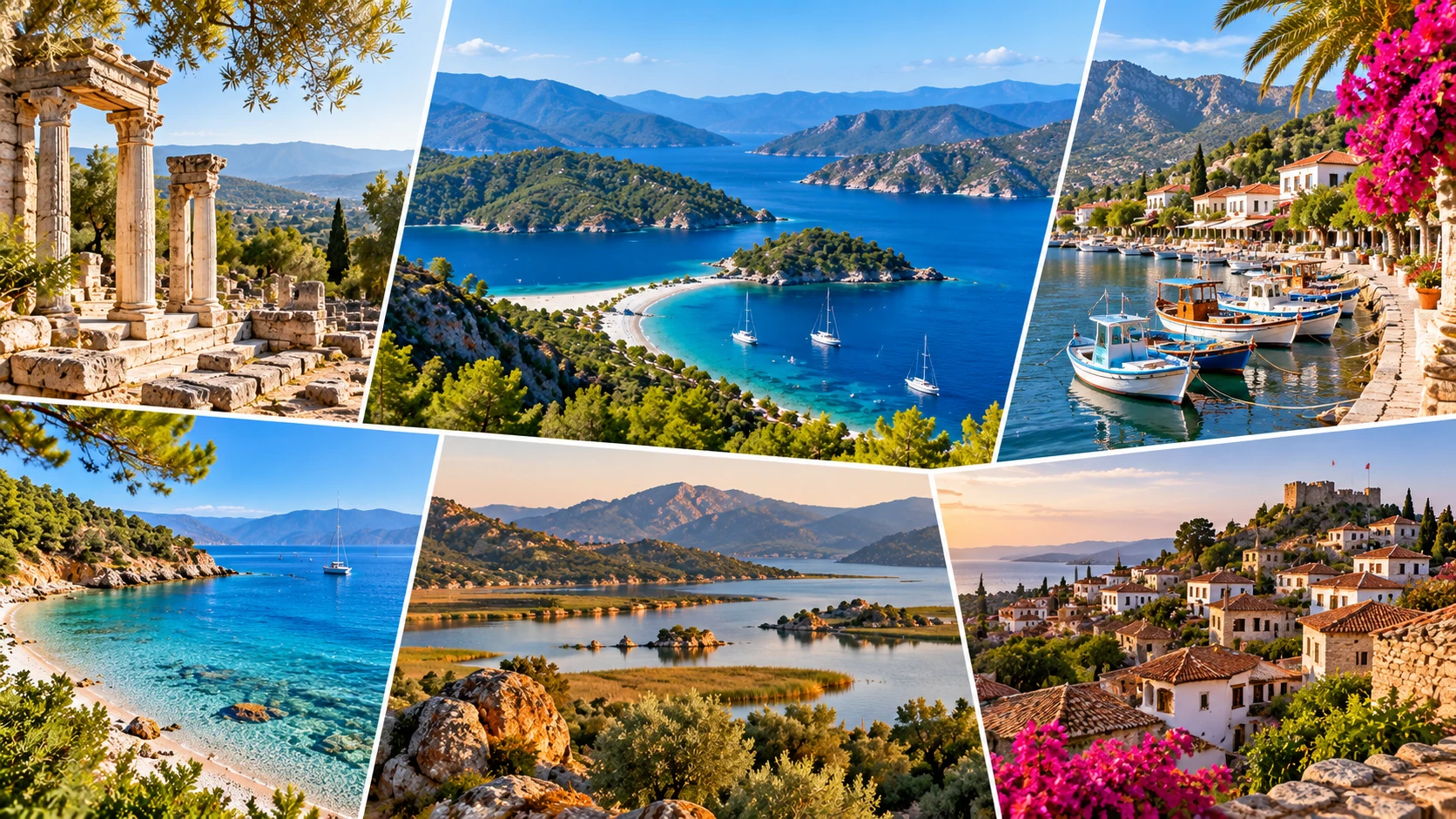
Discover ancient cities, villages, protected nature and regional food traditions.
View the Muğla Travel Guide