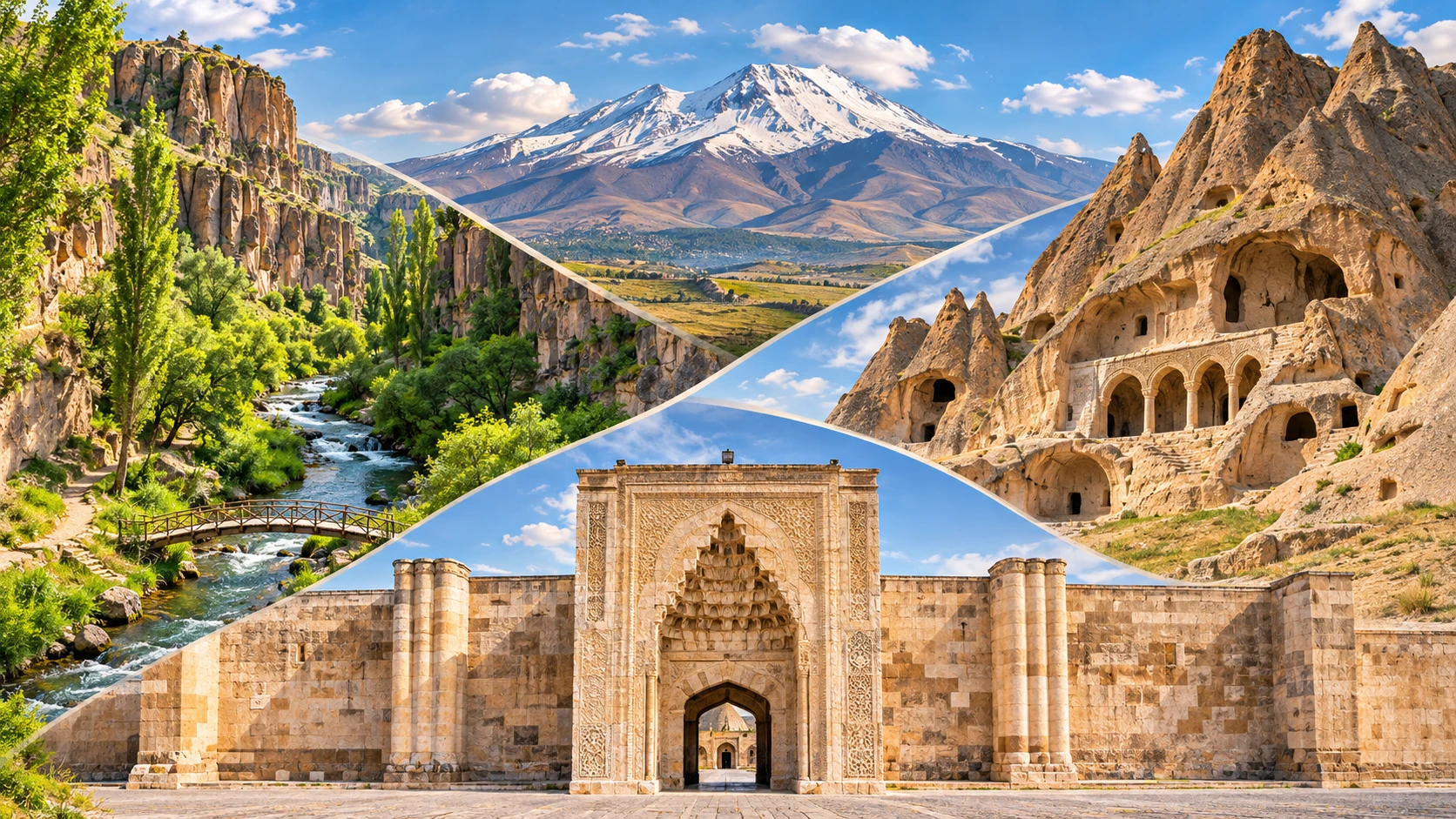
Illustrated panorama of Aksaray with Ihlara-like canyon, mountain landscape and rock-cut architecture
Wow Cappadocia Turkey Travel Guide

Aksaray Travel Guide – Best Places to Visit

Discover the best places to visit in Aksaray, from Ihlara Valley, Selime Monastery and Güzelyurt to Aşıklı Höyük, Sultanhanı Caravanserai, Mount Hasan, Seljuk monuments, underground cities, volcanic lakes and the remarkable salt landscapes of Lake Tuz.

Ihlara ValleySelime MonasteryAşıklı HöyükSeljuk Caravanserais

Discover Aksaray: Ancient Settlements, Christian Valleys and Seljuk Caravan Routes

Aksaray sits on the southeastern side of the central Anatolian plateau, connecting the volcanic landscapes of Cappadocia with historic roads running west and south. The district’s history stretches from the prehistoric communities of Aşıklı Höyük and Güvercinkayası through the Bronze Age city at Acemhöyük, late antique settlement, Byzantine monastic communities and the Seljuk trading world.


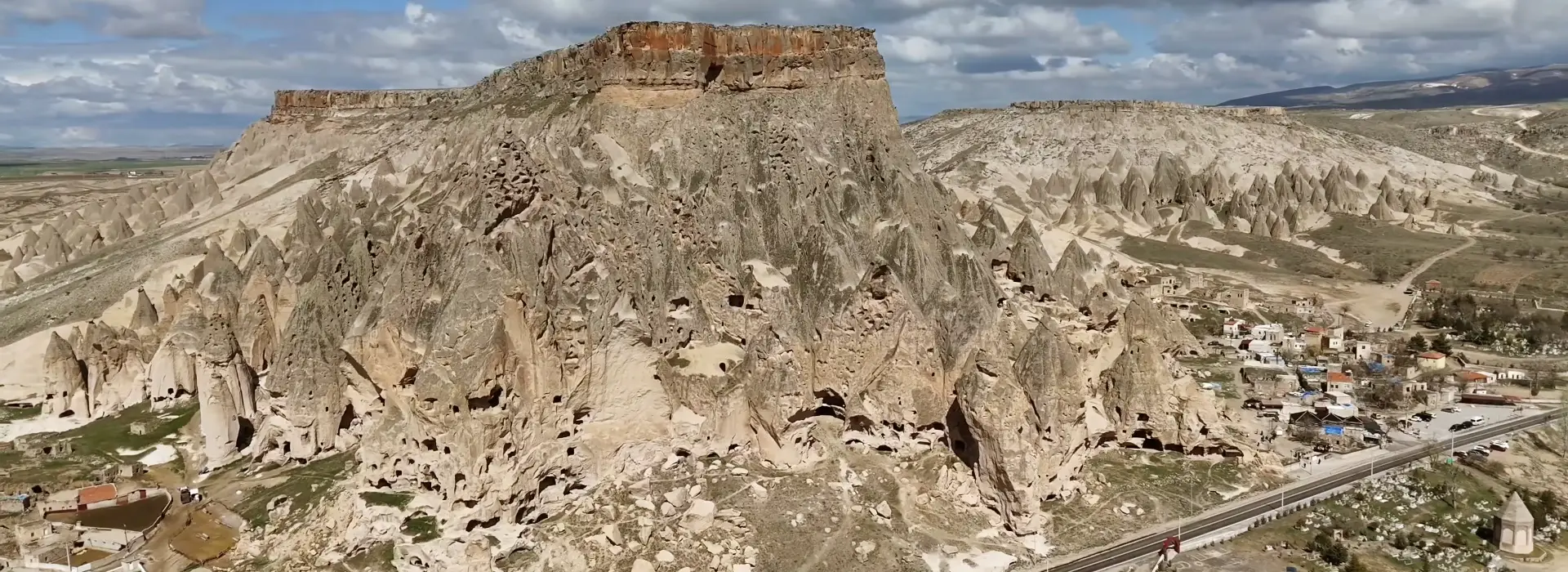
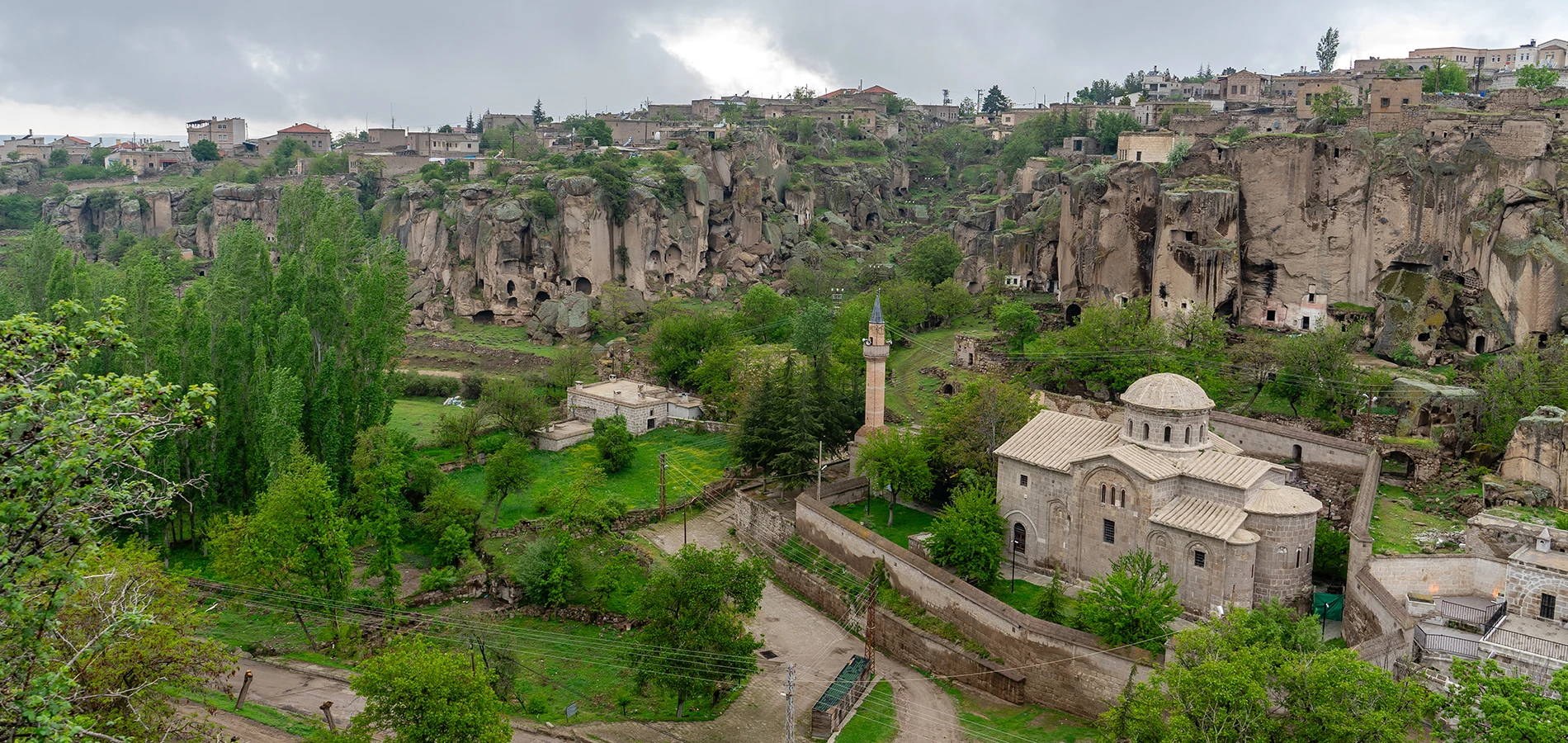
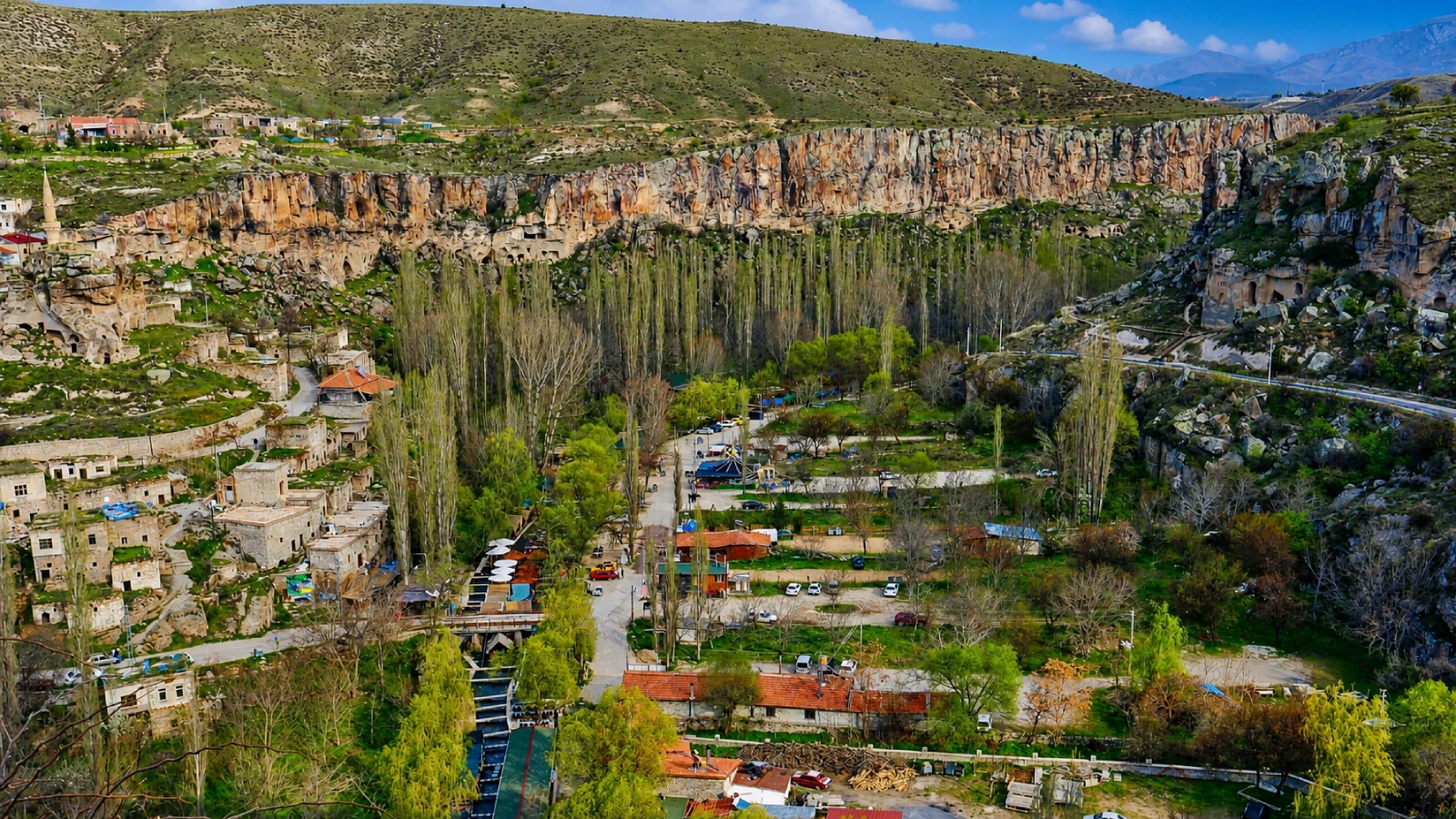
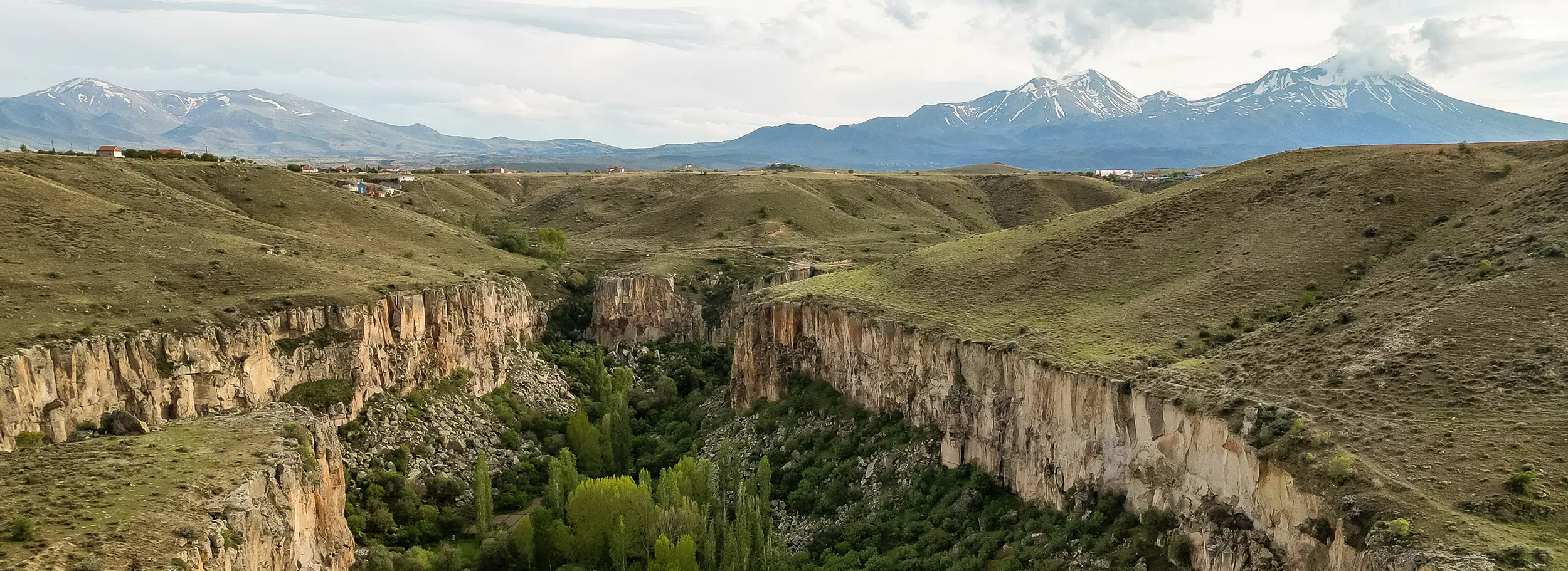
The Ihlara Valley, known in historical references by forms of Peristrema, is Aksaray’s most memorable meeting of geology and religious art. The Melendiz Stream carved its dramatic gorge through volcanic deposits; communities later excavated churches, dwellings and monastic spaces into the canyon walls. Nearby, Selime and Güzelyurt preserve a wider network of churches, houses, tunnels and historical layers.


In the city, Eğri Minaret, Ulu Mosque, Zinciriye Medrese and Somuncu Baba heritage tell other chapters of Anatolian history. To the west, Sultanhanı and Ağzıkarahan demonstrate the sophistication of Seljuk caravan travel, while Mount Hasan, Lake Tuz and Narlıgöl broaden the province’s appeal for nature lovers.

Quick Visitor Information

  • Best for: Byzantine churches, early archaeology, Seljuk architecture, volcanic scenery and hiking
  • Suggested stay: 2 days for highlights; 3–5 days for city, valleys, archaeology and district routes
  • Main highlights: Ihlara, Selime, Güzelyurt, Aşıklı Höyük, Sultanhanı and Mount Hasan
  • Best day trips: Ihlara–Belisırma–Selime; Güzelyurt–Monastery Valley; city–Aşıklı; Sultanhanı–Ağzıkarahan
  • Best seasons: Spring and autumn for walking; winter requires special care on mountain routes
  • Food identity: Gelveri bread, Eşmekaya yogurt, şerbetli pide, tulum kebab, tahini and sweet pastries
Aksaray’s Signature Story

From Aşıklı’s First Village to Cappadocia’s Painted Churches

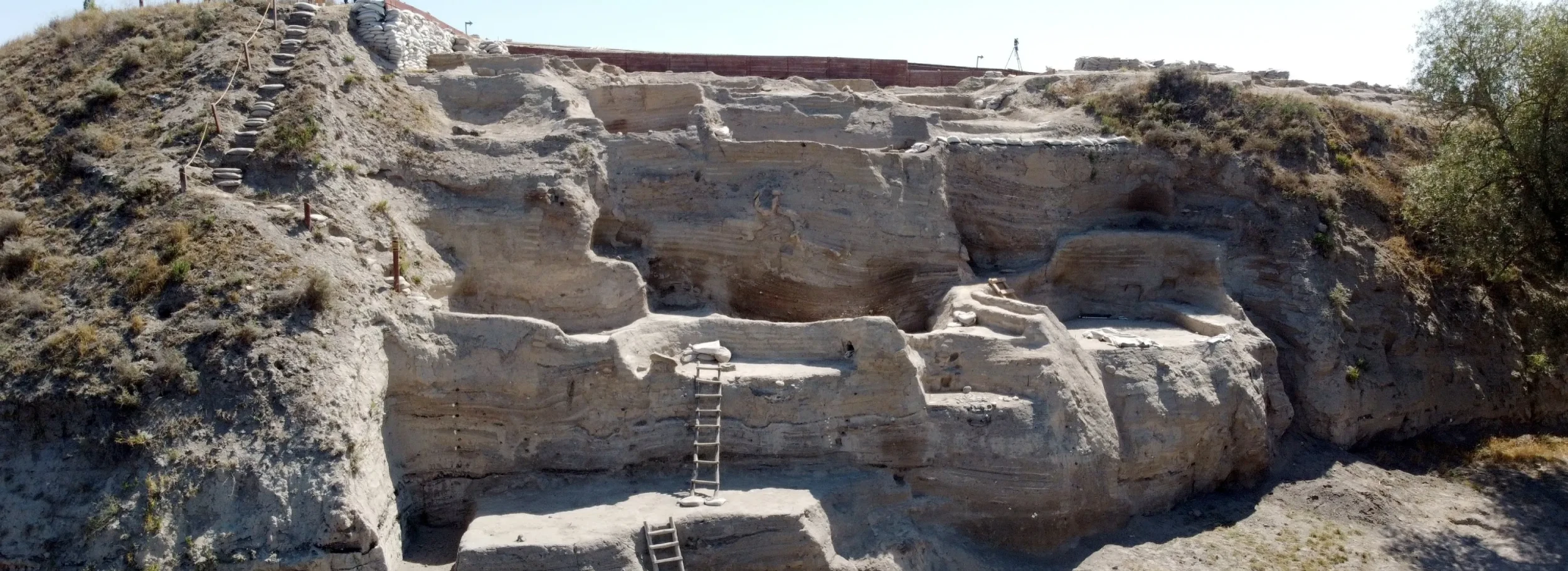
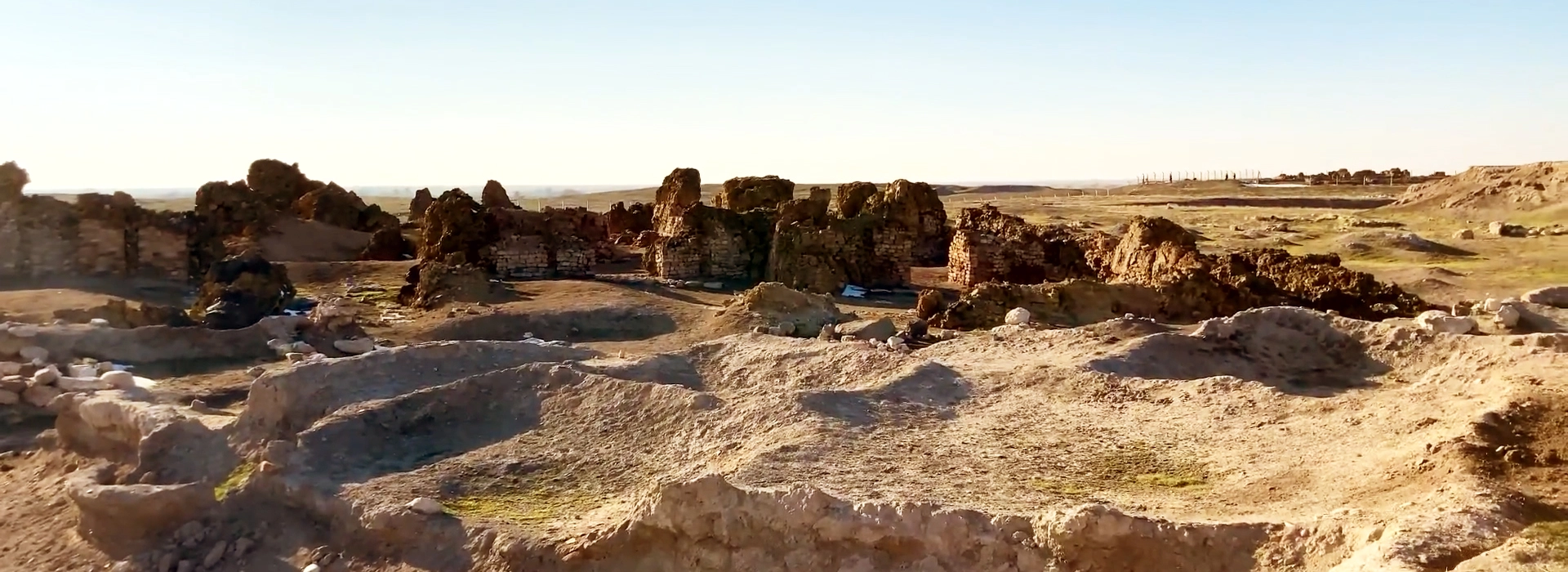
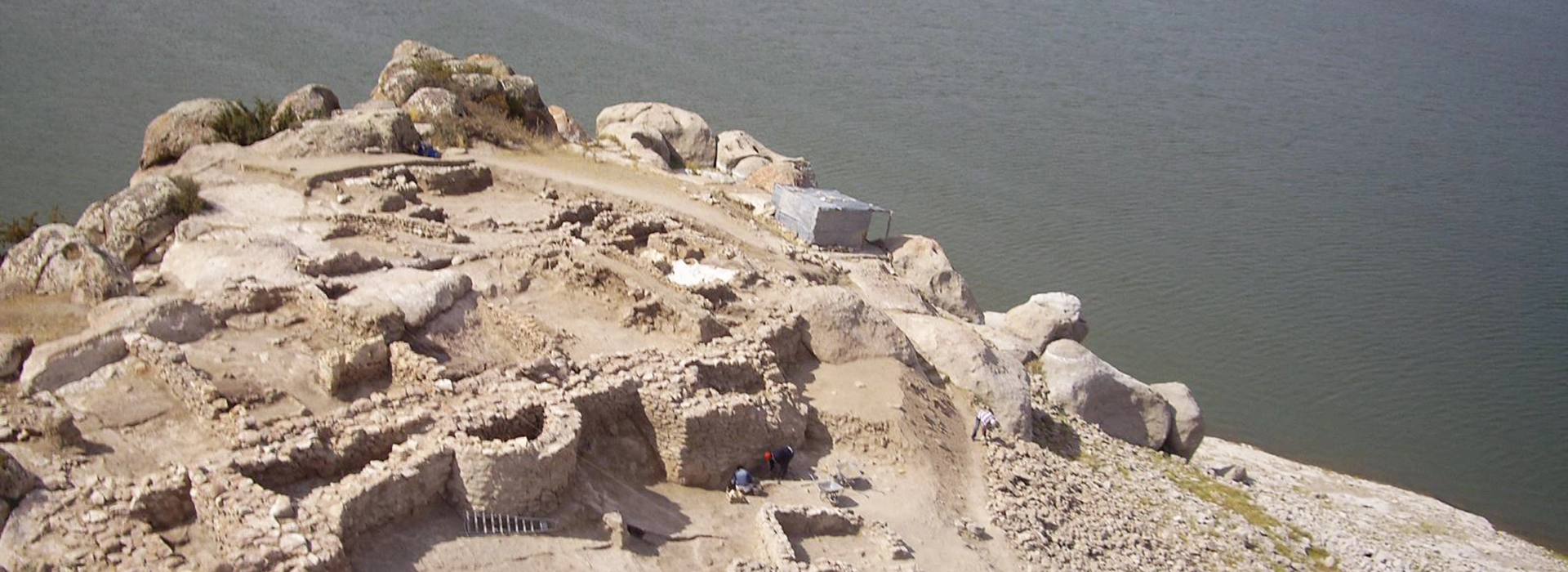
Aksaray has an unusually long archaeological timeline. Aşıklı Höyük preserves early Neolithic houses and evidence for settled life, while Güvercinkayası reveals the organization of Chalcolithic communities. Farther across the plateau, Acemhöyük flourished during the Bronze Age, at the time of long-distance exchange and the Assyrian trading networks of Anatolia.


The region later belonged to the landscape of Roman and Byzantine Cappadocia. The rock-cut churches of Ihlara, Selime and Güzelyurt express a varied sacred history. Their paintings, spaces for communal life and changing settlement patterns should be read within their particular centuries, rather than treating every church as equally ancient.


In the medieval centuries, Aksaray became an important Seljuk urban and trading center. Sultanhanı and Ağzıkarahan stand as lasting witnesses to the movement of merchants, animals and goods across Anatolia.

Choose Aksaray by Travel Style

Match your interests to one of Aksaray’s remarkable combinations of history, landscapes and local culture.

Best for Christian Heritage

Ihlara, Selime & Güzelyurt

Frescoed rock churches, monastic valleys, a monumental rock-cut settlement and historic religious architecture.

Best for Archaeology

Aşıklı, Acemhöyük & Güvercinkayası

Trace early Anatolian settlement, Bronze Age networks and the emergence of organized communities.

Best for Architecture

Seljuk Aksaray & Caravanserais

Travel from Eğri Minaret, Ulu Mosque and Zinciriye Medrese to medieval merchants’ inns.

Best for Landscapes

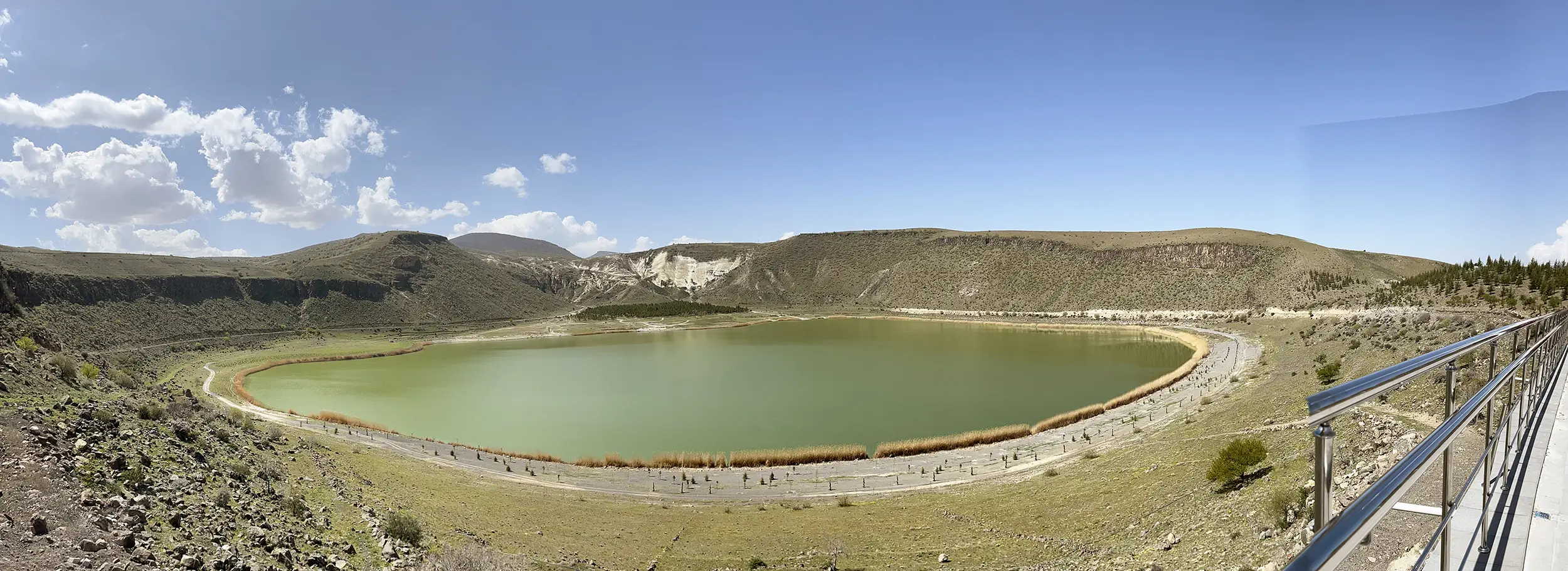
Mount Hasan, Lake Tuz & Narlıgöl

Enjoy volcanic ridges, crater scenery, wide saline plains, seasonal birdlife and photography.

Byzantine & Christian Heritage

The Ihlara Valley and the Art of Cappadocian Christianity

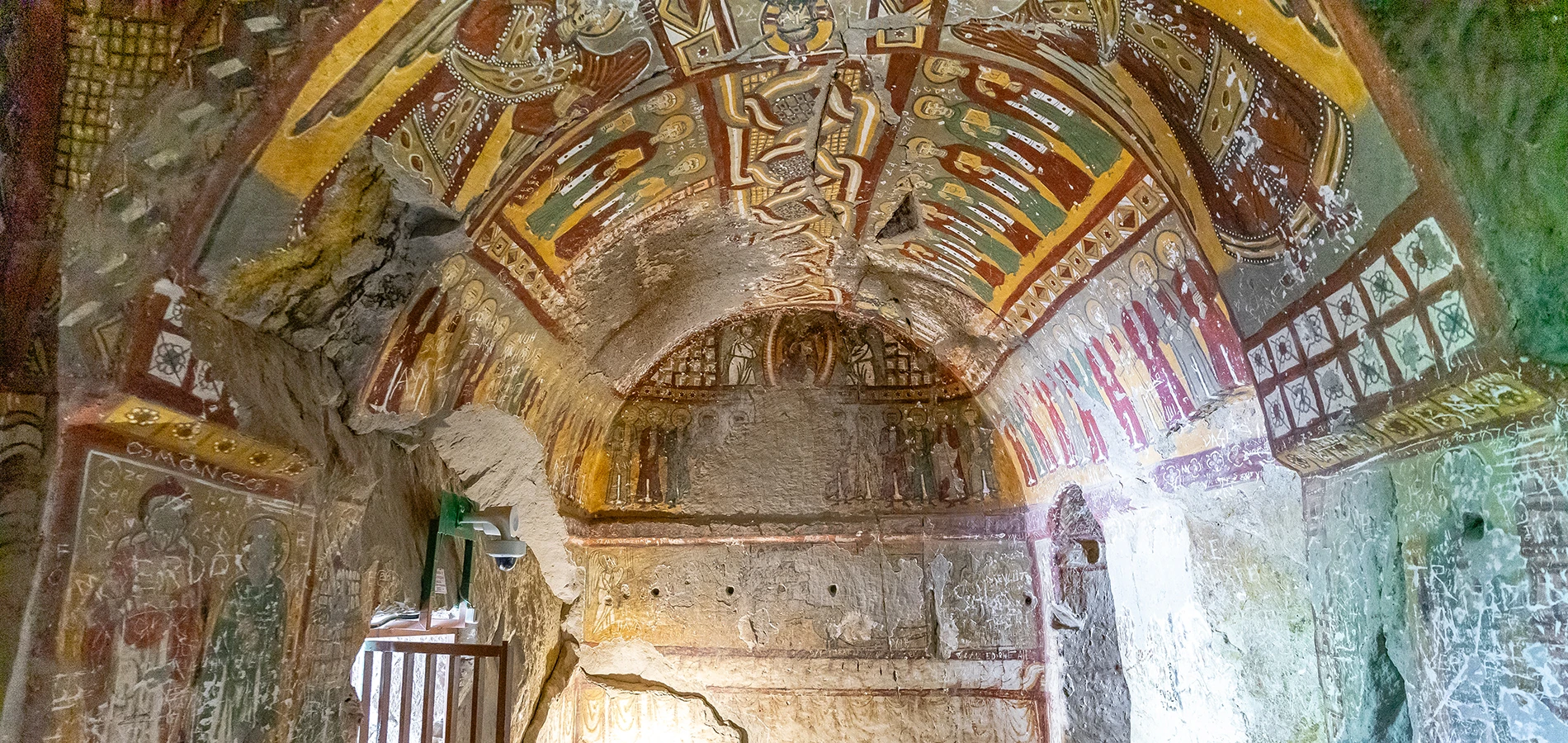
Ihlara’s dramatic canyon shelters an unusually rich concentration of rock-cut churches. Some painted interiors preserve biblical episodes and iconographic programs, while the surrounding spaces reveal worship, shelter and daily activities. Important churches include Ağaçaltı, Yılanlı and Sümbüllü, along with other churches spread across different stretches of the gorge.


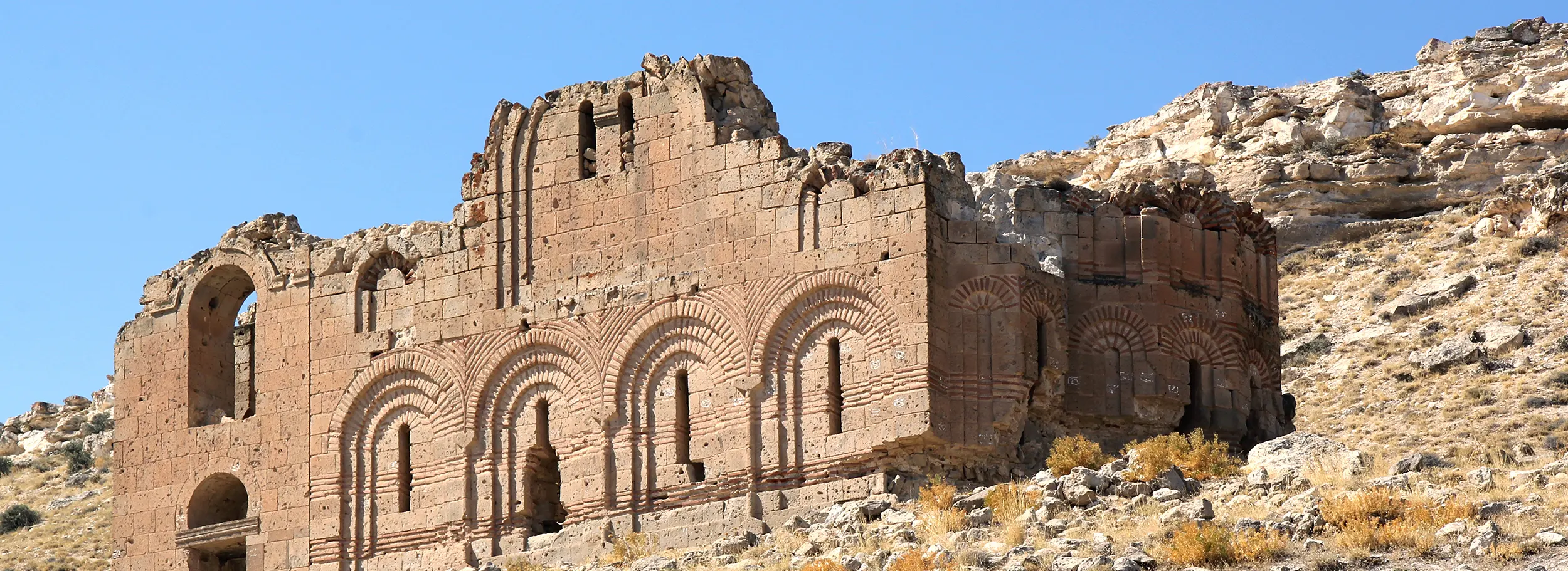
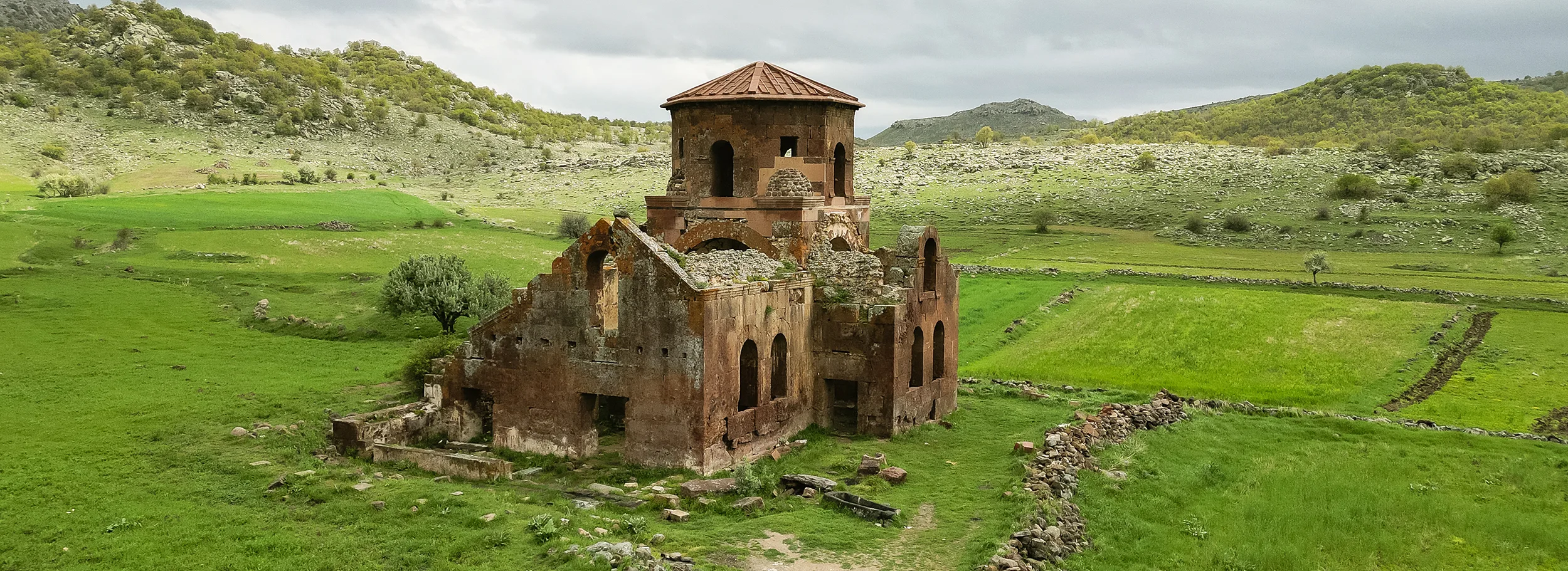
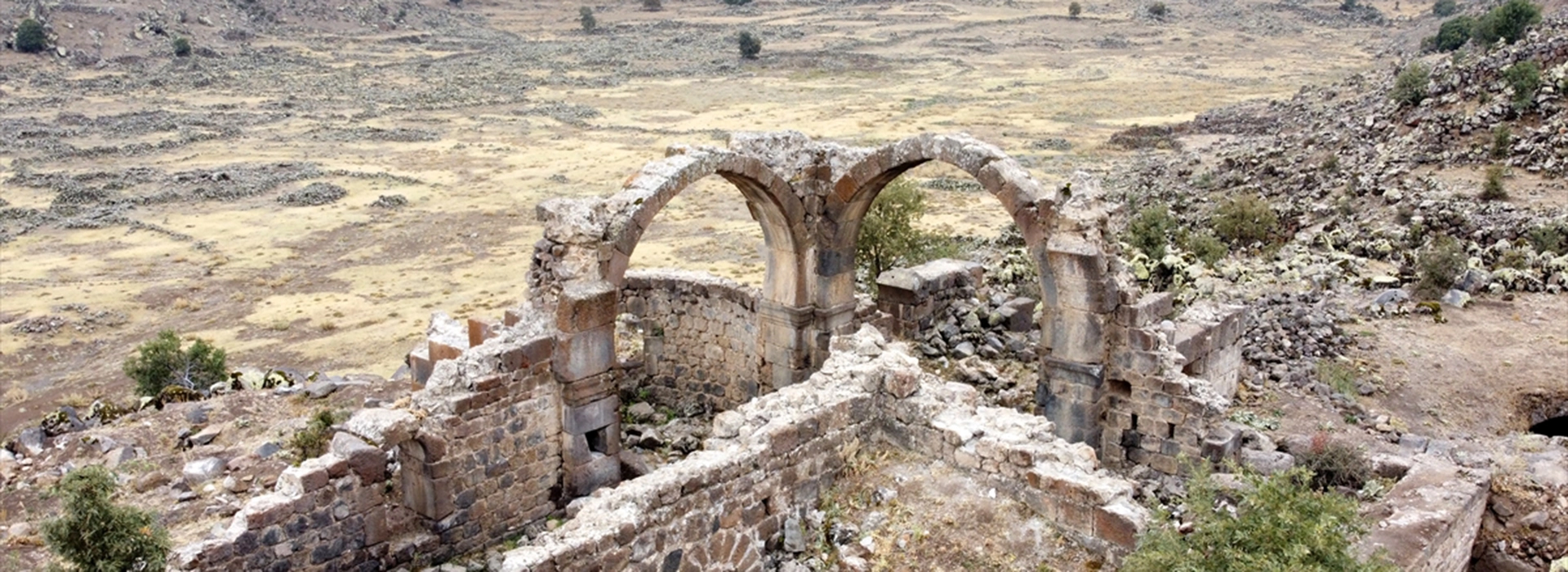
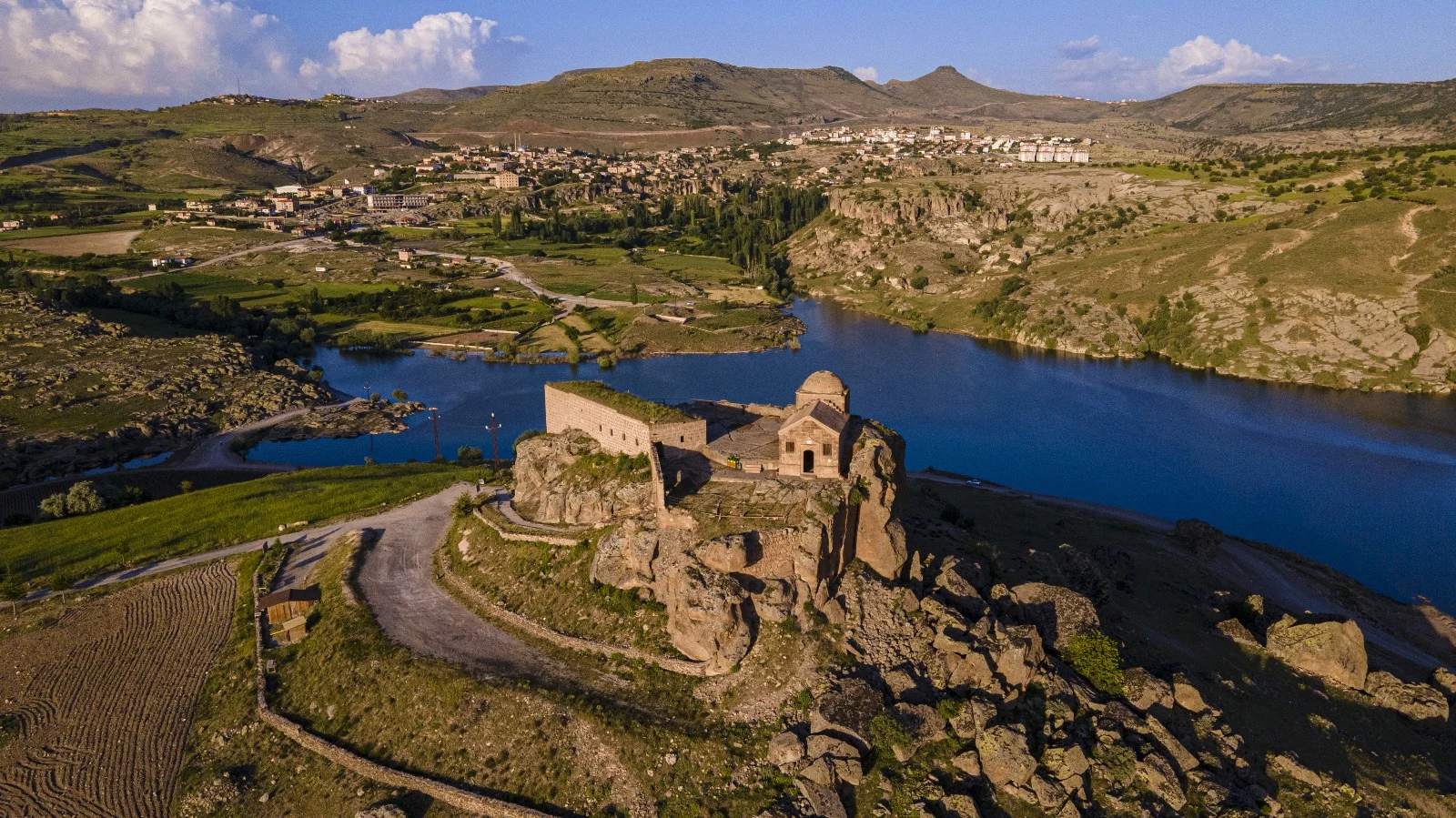
Selime provides a contrasting monumental example: spaces of exceptional scale were carved into the rock above the gorge. Güzelyurt, Manastır Valley, Kızıl Kilise and Çanlı Church illustrate how medieval religious life extended beyond the main tourist corridor.


Accessibility is not uniform: some churches or fragile structures may be closed, and visitors should not assume unrestricted entry to remote ruins. A slow day with a knowledgeable guide offers more depth than a hurried sequence of photo stops.

Best Day Trips and Regional Routes in Aksaray

Design your itinerary by area: the province is much larger than a single sightseeing loop.

Route 1

Aksaray’s Historic Centre

Museum, Eğri Minaret, Ulu Mosque, Zinciriye Medrese and Somuncu Baba heritage.

Route 2

Ihlara, Belisırma & Selime

Canyon walk, rock churches, waterside pause and monumental rock-cut monastery.

Route 3

Güzelyurt & Byzantine Heritage

Historic stone town, Monastery Valley, Red Church and rural church landscapes.

Route 4

Aşıklı, Acemhöyük & Seljuk Roads

A long archaeology-and-trade circuit across the plateau, best planned in separate segments.

What to Eat & Buy in Aksaray

From sourdough Gelveri bread to Aksaray’s distinctive pastries, confectionery and meat dishes, regional food is an essential part of the experience.

Local Products & Meat Dishes

Aksaray Food & Local Crafts

Stone-Oven Bread, Yogurt, Tulum Kebab and Traditional Sweets

In Güzelyurt, Gelveri bread reflects a long stone-oven and sourdough tradition, while Eşmekaya yogurt is associated with the region’s pastoral identity. Aksaray’s culinary heritage combines grain, dairy, meat, tahini and techniques preserved in local households.


Try the unusual şerbetli pide, şeker böreği, İncelek dessert, traditional flour cookies, tulum kebab and köpük helvası. Several products have geographical-indication traditions, but their recipes and production rules vary by locality.


For travellers, food is a meaningful cultural link between the historic town, rural districts and the communities who continue to make these specialties.

How Many Days Do You Need in Aksaray?

One day can reveal the highlights; multi-day trips reward travellers interested in Aksaray’s deeper heritage.

1 Day

Ihlara & Selime

Choose a focused canyon itinerary with a manageable walk, important churches and Selime.

2 Days

Add Güzelyurt & City

Spend a second day with historic Aksaray, Güzelyurt or nearby prehistoric heritage.

3 Days

Archaeology & Seljuk History

Introduce Aşıklı, Acemhöyük, Sultanhanı and Ağzıkarahan on a carefully planned circuit.

4–5 Days

Explore the Whole Province

Add Mount Hasan, Lake Tuz, Narlıgöl and quieter district landscapes at a relaxed pace.

Historic City Walk

Eğri Minaret, Ulu Mosque, Zinciriye Medrese & Aksaray Museum

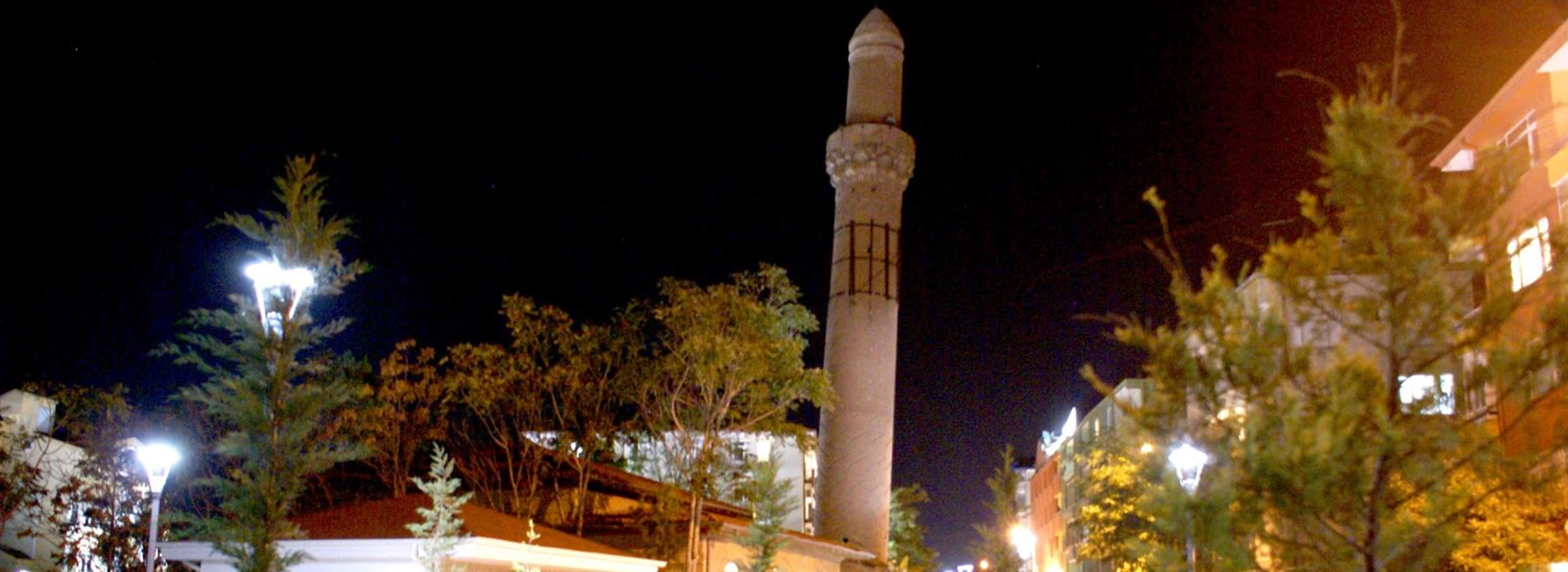
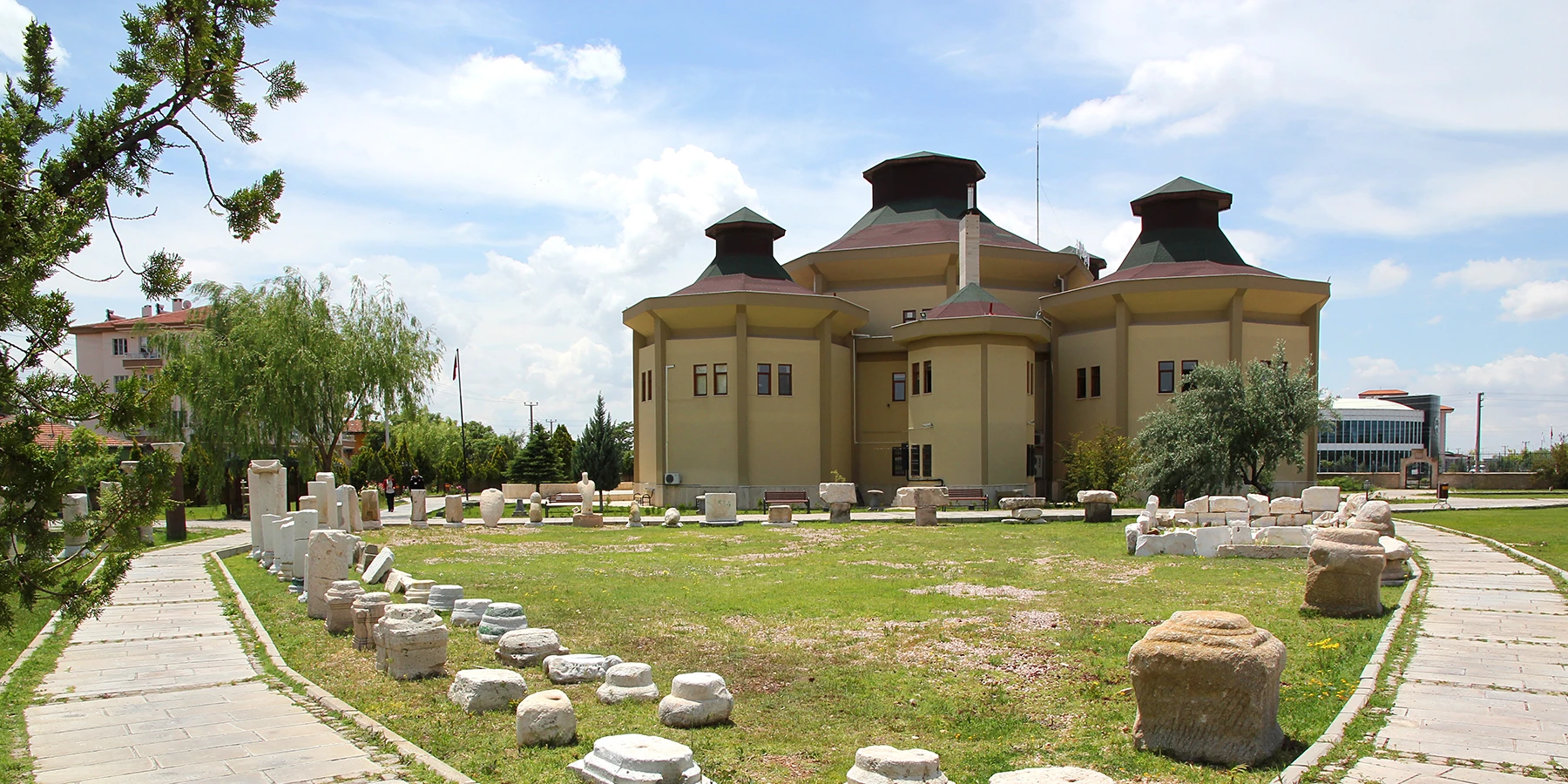
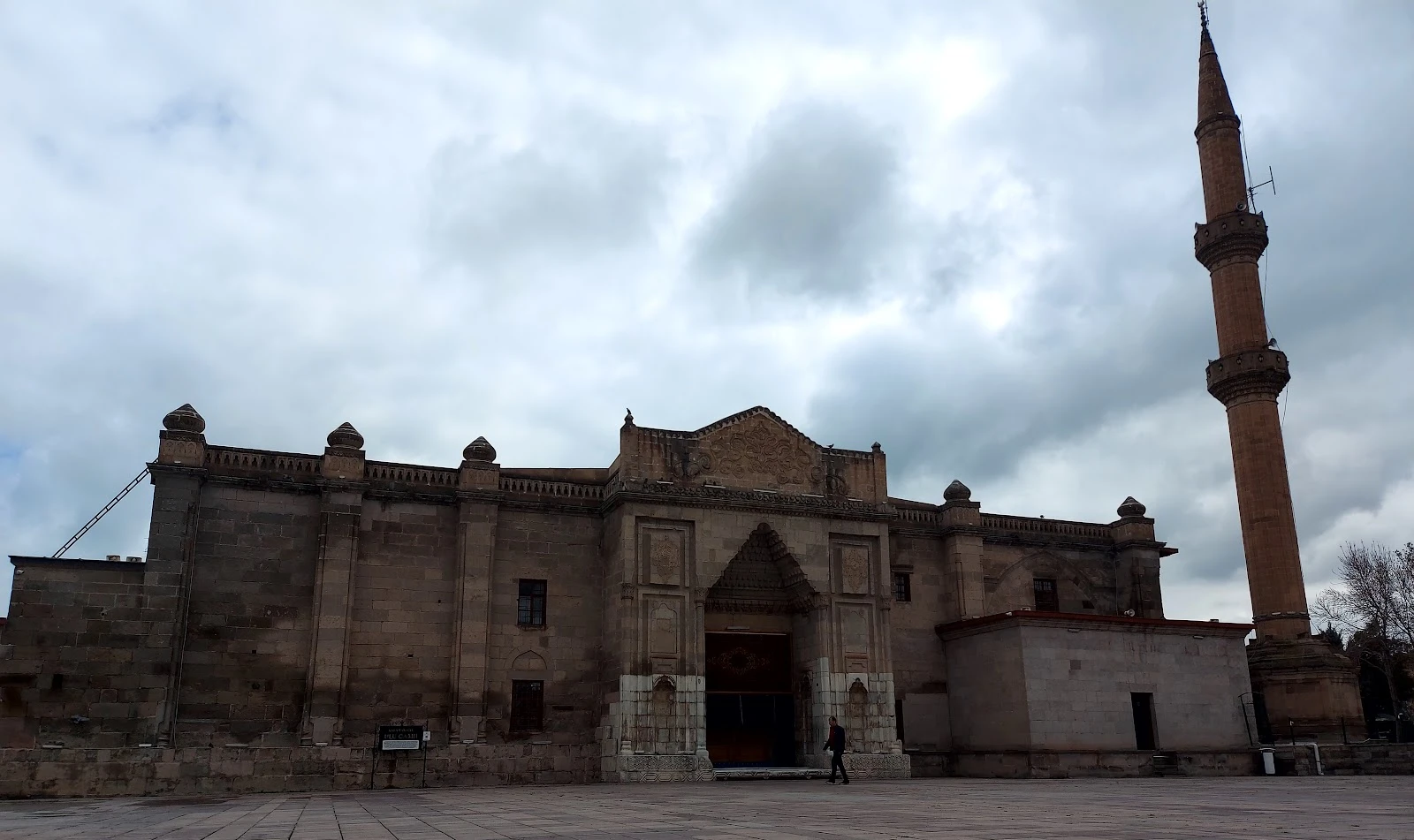
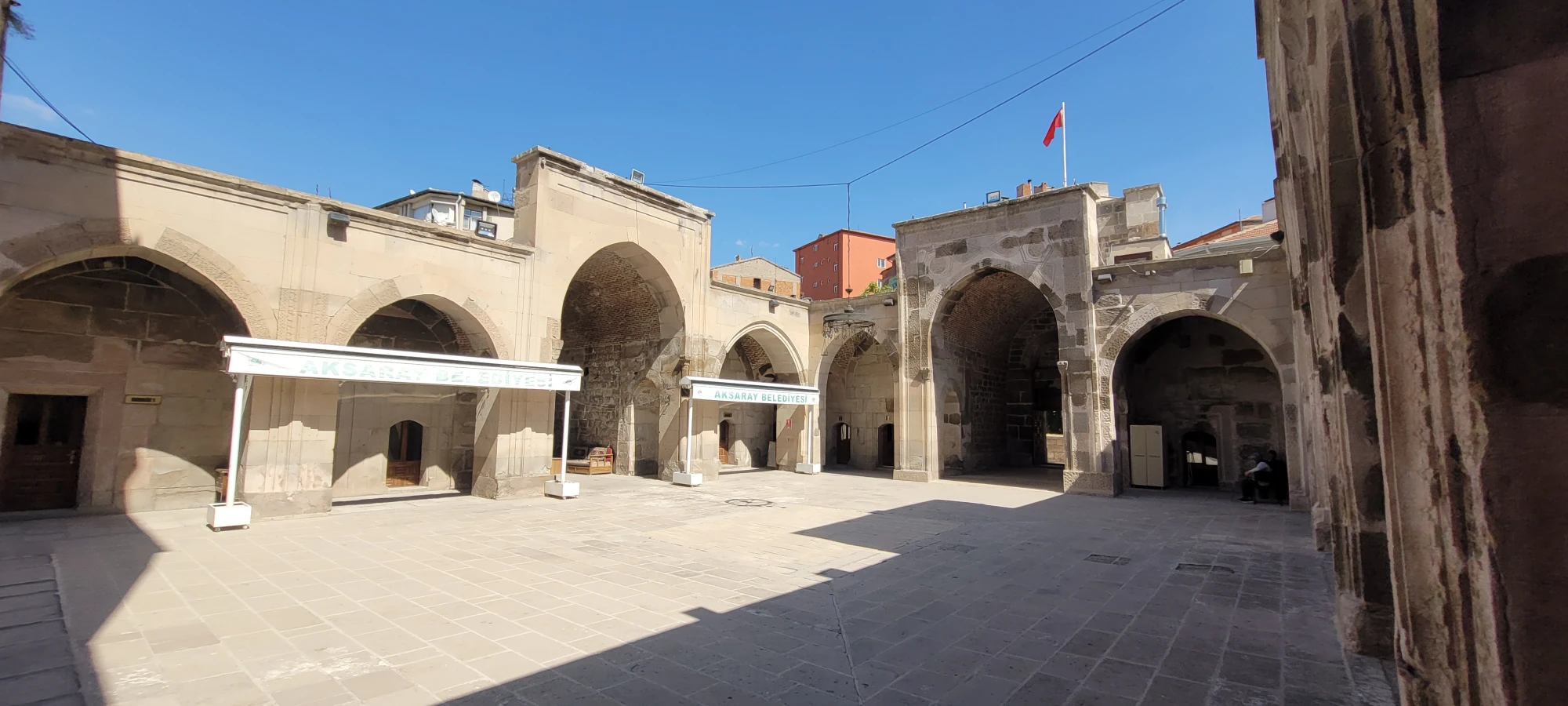
Start in central Aksaray, where Eğri Minaret marks the city’s Seljuk past. Continue toward Ulu Mosque and Zinciriye Medrese, then introduce the region’s much longer history inside the archaeological museum.


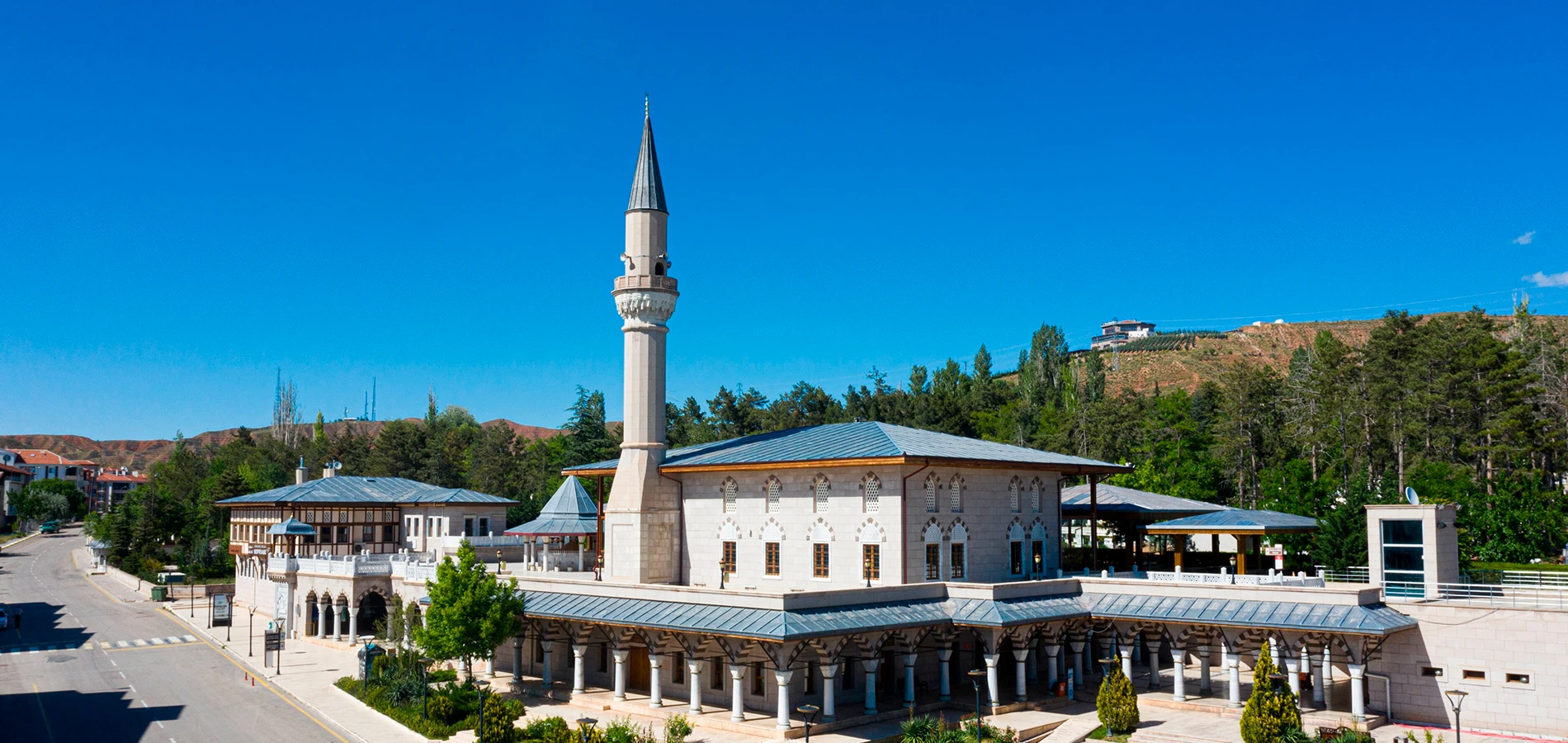
The route can also include the memory of Somuncu Baba, historic bath buildings and traces of older urban commerce. Individual opening times and prayer arrangements should be checked on the day of travel.

South Cappadocia Canyon Route

Ihlara Valley, Painted Churches, Belisırma and Selime

Allow time for a selected walk in Ihlara Valley, taking in the riverside path and several of its frescoed rock churches rather than attempting to rush its entire length. The valley’s historic landscape is often described as about 14 kilometres long, but the experience is better divided into suitable walking sections.


Pause at Belisırma before continuing to Selime Monastery. Be prepared for uneven rock-cut stairs and seasonal changes in the river corridor.

Byzantine Heritage Route

Güzelyurt, Manastır Valley, Red Church and Underground Cities

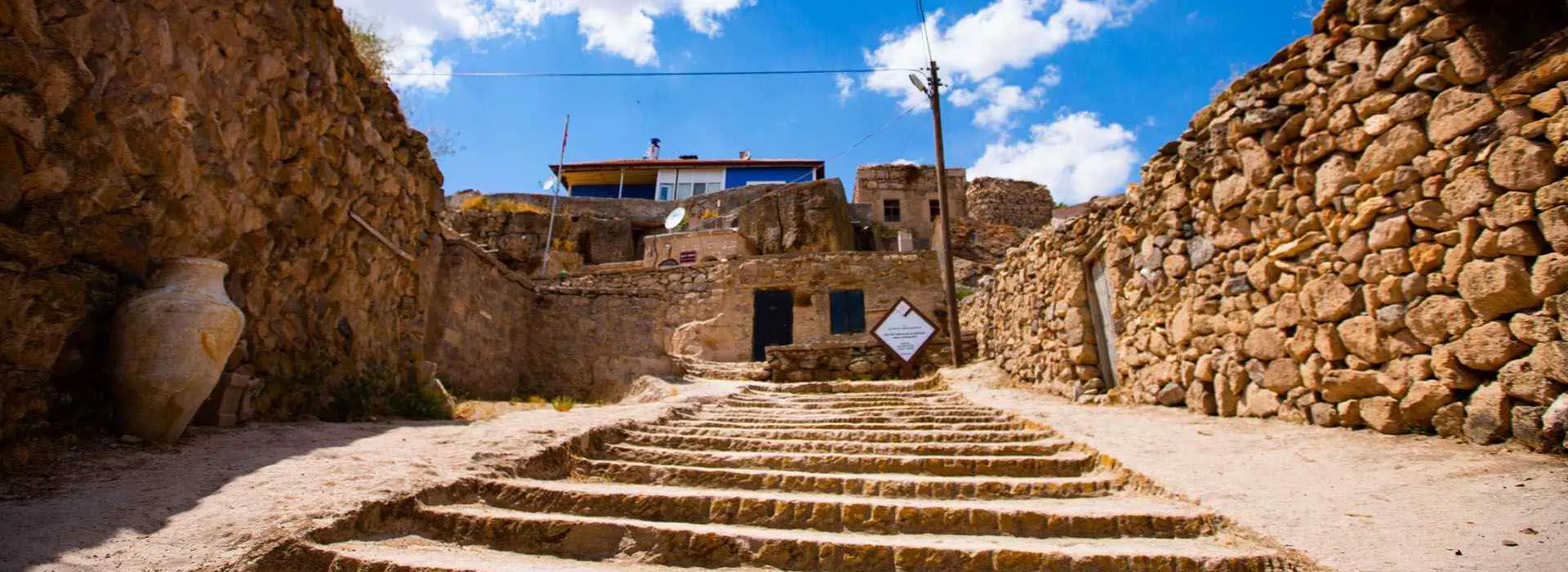
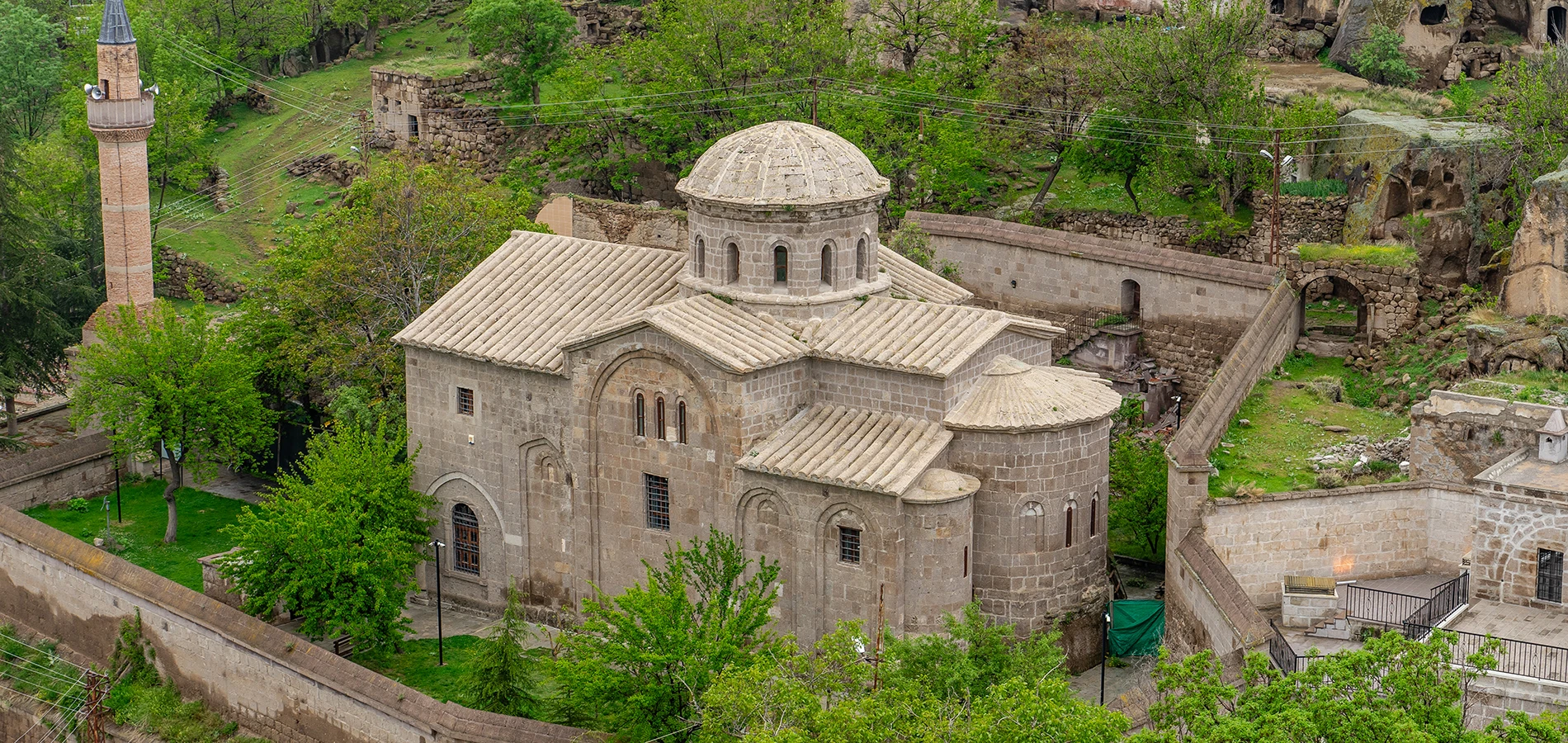
Trace Güzelyurt’s historic stone architecture and the former Church of St Gregory, then walk selected parts of Monastery Valley, where Christian sacred spaces are cut into the volcanic terrain.


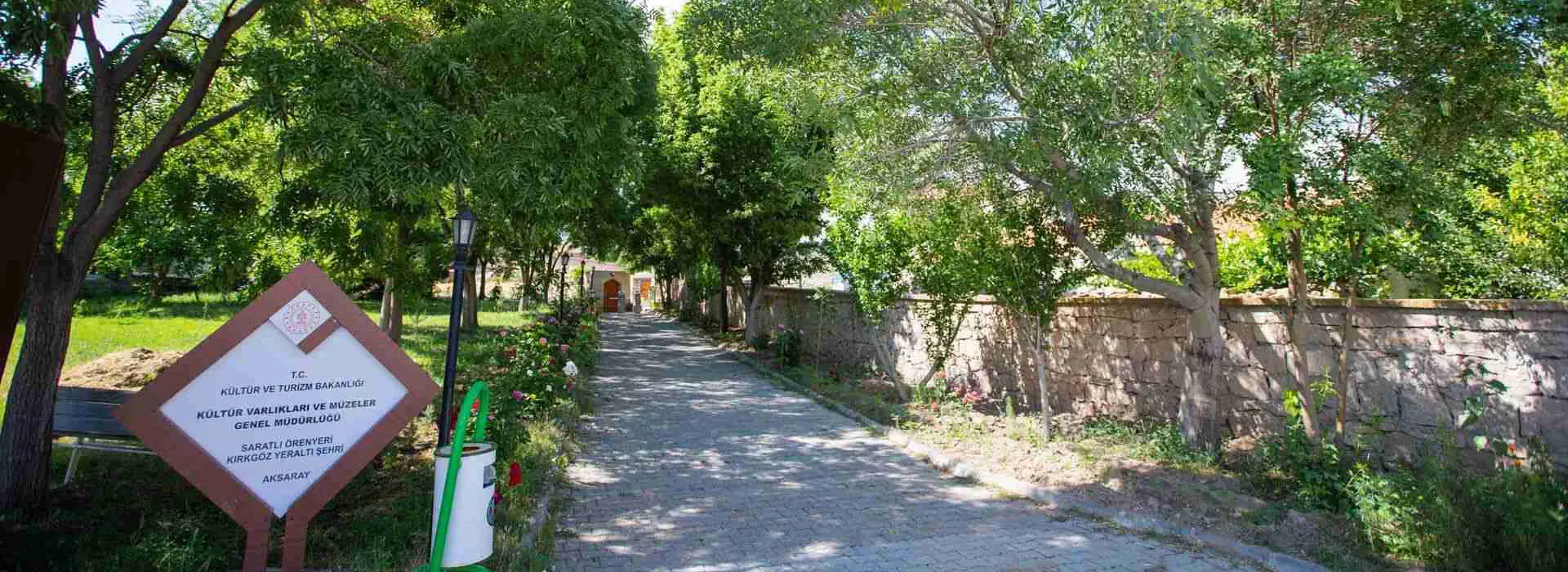
Continue toward Kızıl Kilise, the outstanding stone-built Red Church, or add the underground heritage of Saratlı and Saint Mercurius if the sites are open.

Ancient Anatolia Route

Aşıklı Höyük, Acemhöyük and Güvercinkayası

The archaeology of Aksaray spans millennia. Aşıklı Höyük is central to understanding early settled life, while Acemhöyük illuminates a complex Bronze Age society and its connections beyond the plateau.


Güvercinkayası adds another chapter in Chalcolithic community planning and defensive architecture. These sites are geographically dispersed and their visitor facilities vary; group them carefully rather than attempting all of them with a full Ihlara tour.

Seljuk Caravan Route

Sultanhanı, Ağzıkarahan and Medieval Aksaray

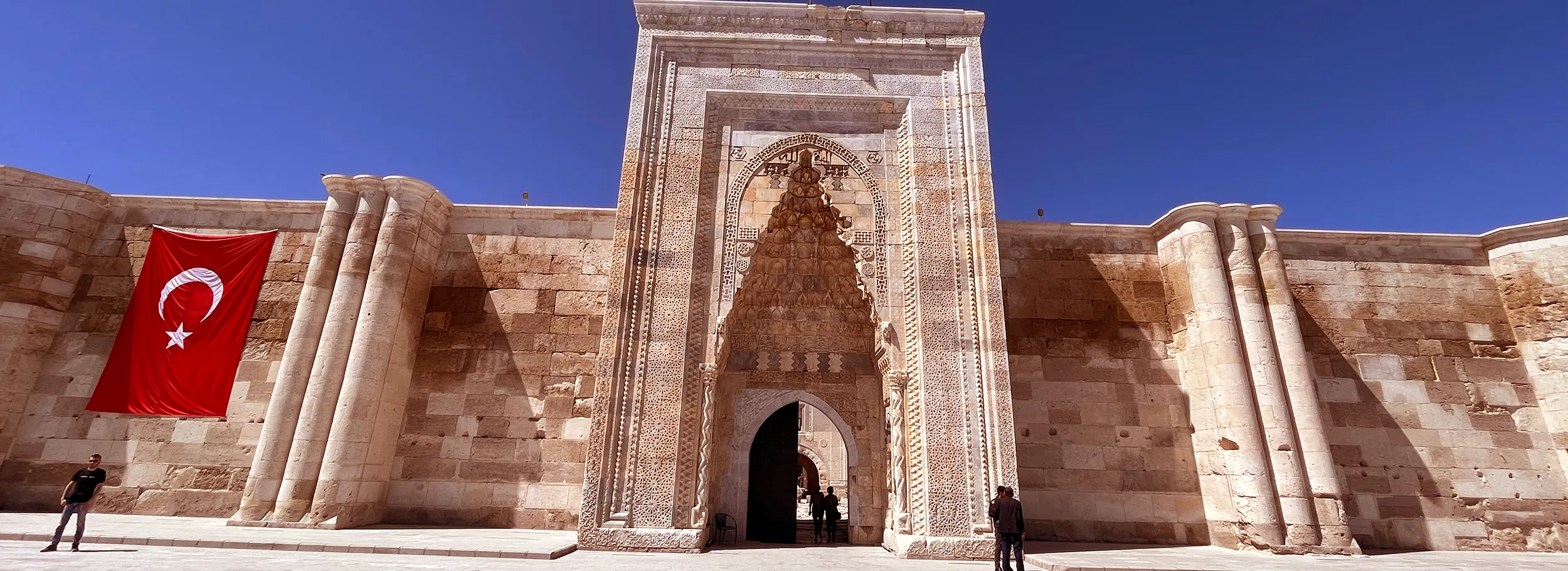
Follow sections of Anatolia’s historic commerce routes to Sultanhanı, a spectacular example of 13th-century Seljuk caravanserai architecture. Study the stone portals, courtyard, covered hall and the functional logic of a roadside lodging complex.


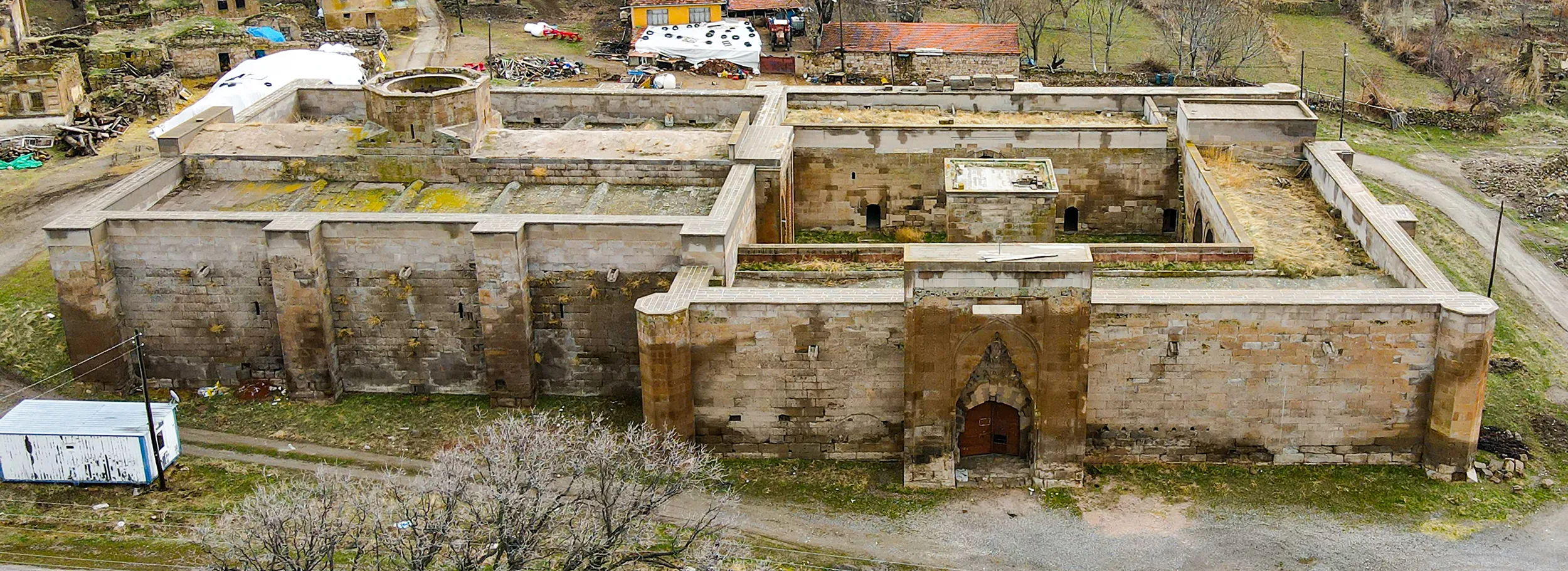
Compare it with Ağzıkarahan and then revisit the city’s medieval architecture at Eğri Minaret and Ulu Mosque. These buildings connect political patronage, travel and urban economies.

Hasan Dağı & Helvadere

Volcanic Geology, Mountain Views and Nora Ruins

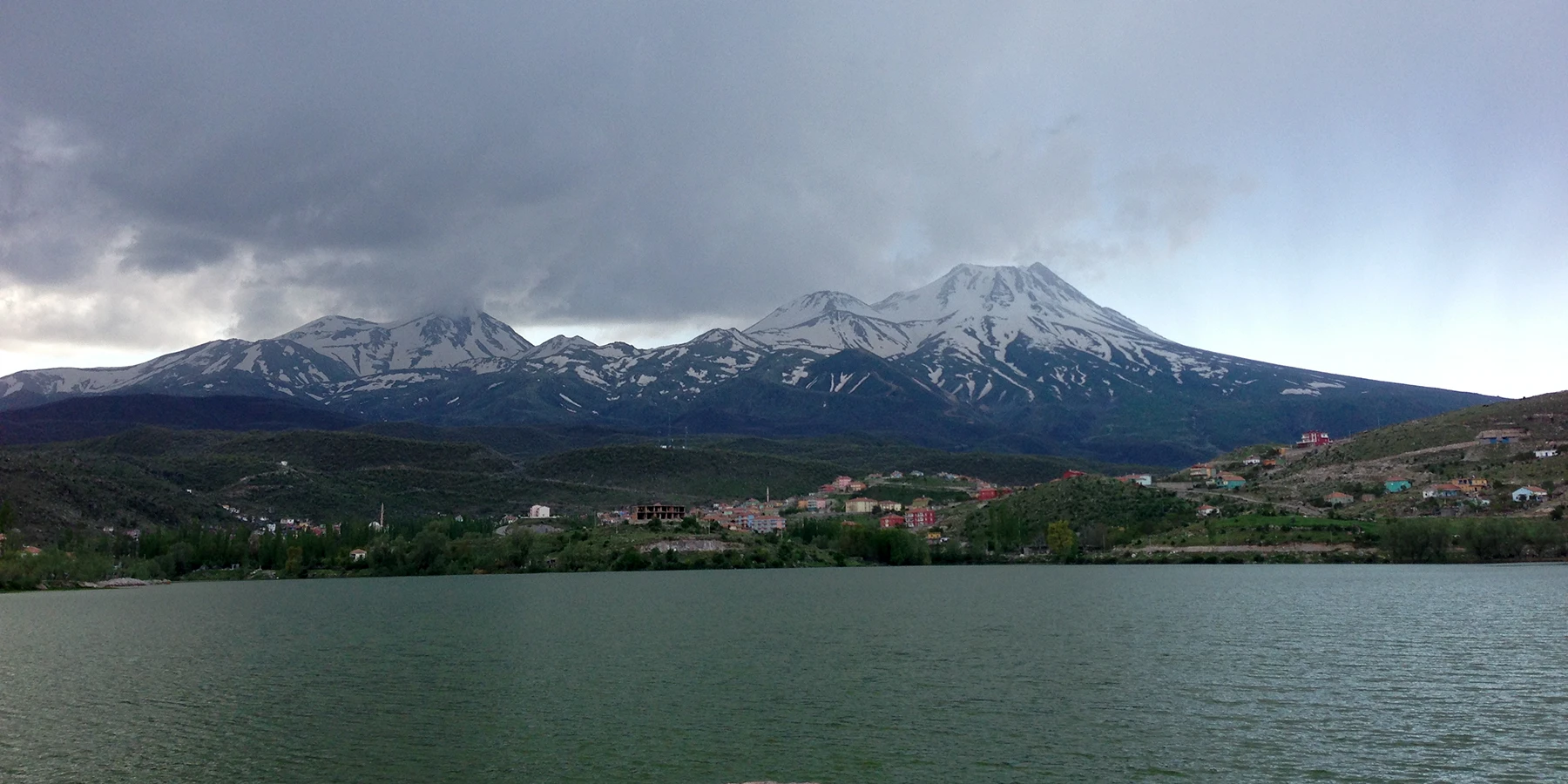
Mount Hasan dominates the southern Aksaray skyline. Its volcanic deposits form part of the geological background to the wider Cappadocian landscape, and the mountain offers outstanding views in clear weather.


The Helvadere area and Nora ruins add cultural stops to a landscape excursion. Summit routes are high-altitude mountain trips, not casual short walks, and require suitable equipment, weather forecasts and experience.

Salt Lake & Wetland Route

Lake Tuz, Eskil and Seasonal Birdwatching

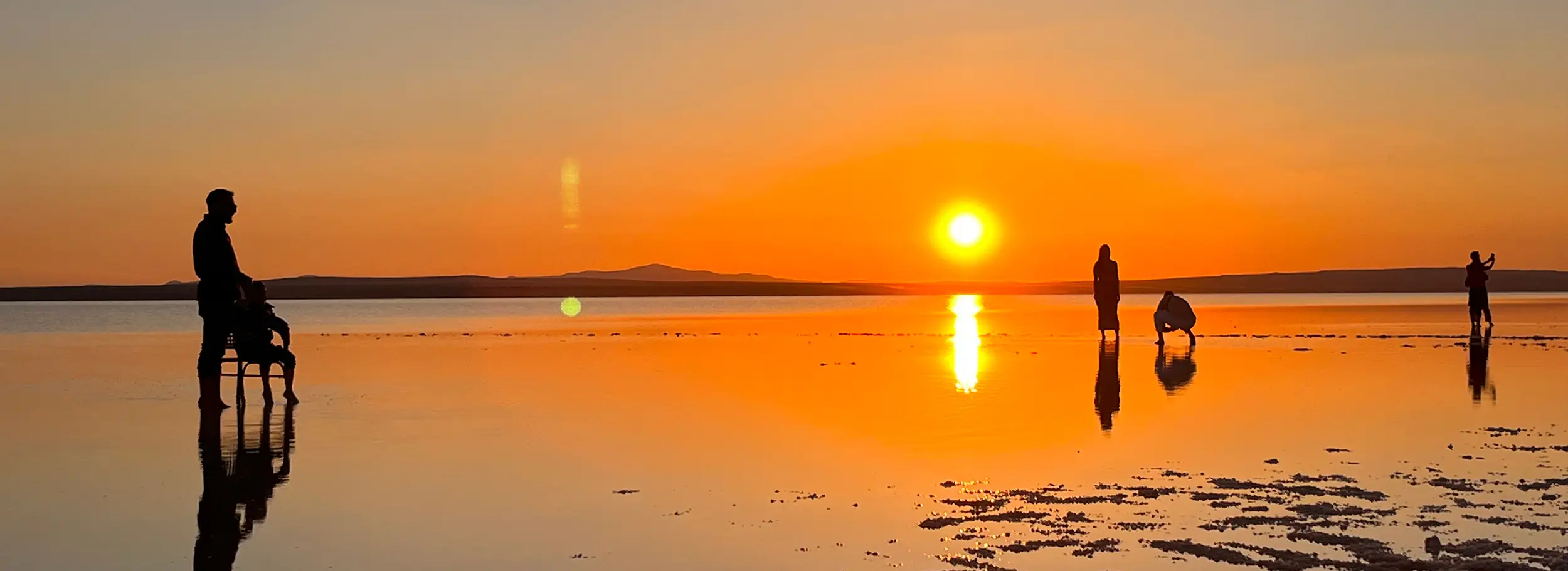
The Aksaray-side wetlands and salt landscapes around Lake Tuz offer a dramatic change of scenery. Seasonal fluctuations, reflective surfaces and delicate ecology make the visit highly dependent on weather and water levels.


Choose safe, authorized access points and keep distance from nesting or feeding birds. Flamingo sightings are seasonal, and a sighting should never be guaranteed.

Important Visitor Note

Remote Churches, Archaeological Mounds and Seasonal Landscapes: Check Access

Some of Aksaray’s most historically significant sites are not conventional staffed attractions. Remote churches can be fragile, prehistoric mounds may be active archaeological landscapes, and abandoned structures should not be entered without authorization.


Use reliable local guidance, respect conservation restrictions and avoid removing stones or artifacts. Winter mountain routes, shorelines around salt pans and volcanic slopes require additional caution. Descriptions on this page are for historical orientation rather than guarantees of current public opening.

Planning Your Aksaray Visit

Treat Aksaray city centre, Ihlara–Selime, Güzelyurt, Sultanhanı and Mount Hasan as separate travel zones. The best itinerary combines one focused group at a time, especially if you are travelling from Göreme or another Cappadocia base.


Spring and autumn usually provide the most comfortable combination of temperatures and conditions for walking. Summer afternoons can be hot in the open valley, and winter brings snow, ice or restricted access at higher elevations. The archaeological sites range from maintained exhibits to remote ruins with limited services.

Practical Aksaray Travel Tips

  • Transport: A private vehicle is often best for visiting multiple districts
  • Ihlara: Choose entry and exit points before setting out on a walk
  • Churches: Respect fragile frescoes and posted conservation rules
  • Mount Hasan: High-altitude hikes are weather-dependent and demanding
  • Lake Tuz: Seasonal water levels and wildlife conditions change significantly
  • Archaeology: Do not assume rural excavation sites have opening facilities
  • Food: Look for local Gelveri bread, tulum kebab and regional sweets
  • Opening conditions: Check latest access rules before visiting museums and ruins

Why Visit Aksaray?

Aksaray combines a remarkable 10,000-year-old prehistoric record, Byzantine sacred architecture, Seljuk stonework and the striking landscapes of south Cappadocia. Aşıklı Höyük offers insight into some of Anatolia’s earliest settlements; Acemhöyük illuminates Bronze Age international exchange; and the Ihlara–Selime landscape reveals medieval Christian art in a distinctive geological setting.


The caravanserais of Sultanhanı and Ağzıkarahan are monumental reminders of Aksaray’s place in long-distance travel, while city landmarks such as Eğri Minaret, Ulu Mosque and Zinciriye Medrese invite deeper discovery of Turkish-Islamic heritage.


Beyond the architecture, Mount Hasan, Lake Tuz, Narlıgöl and traditional cuisine make the province especially rewarding for visitors who enjoy slow travel, varied scenery and the history that links nature with human settlement.

Frequently Asked Questions About Aksaray

Explore More of Turkey

Continue Planning Your Central Anatolia Journey

Connect Aksaray with the landscapes of Cappadocia, Kayseri and Konya, from the Neolithic period to the Seljuk world.

Ready to Explore Aksaray, Ihlara Valley and Ancient Cappadocia?

Share your dates, interests and starting point, and our local specialists can help you plan a private experience of Ihlara, Selime, prehistoric sites, Seljuk monuments and other highlights across the province.