The Best-Preserved Roman Theatre in Türkiye

Aspendos Theater & Ancient City – Complete Visitor Guide

Step inside one of the ancient world’s most remarkable theatres,
then explore the acropolis, monumental ruins and Roman aqueducts of Aspendos.

Discover Aspendos

Discover One of the Greatest Roman Monuments in the Mediterranean

Aspendos Theater and Ancient City is one of the most impressive historical places to visit in Antalya. Located near the Köprüçay River in the ancient region of Pamphylia, Aspendos is internationally famous for its extraordinarily well-preserved 2nd-century Roman theatre.

The theatre is only the beginning of the experience. Visitors can also climb to the ancient acropolis to see the remains of the basilica, agora, nymphaeum, odeion and other civic buildings, before continuing toward the remarkable Roman aqueducts. Together, these monuments reveal the wealth, engineering ability and cultural importance of ancient Aspendos.

Exceptional Roman Theatre

Enter one of the best-preserved theatres from the ancient world, complete with seating, galleries and a monumental stage building.

Remarkable Acoustics

Experience the carefully designed auditorium that allowed voices and music to carry throughout the theatre.

Ancient City on the Acropolis

Explore the less-visited ruins of Aspendos above the theatre, including the basilica, agora and monumental fountain.

Roman Aqueduct Engineering

See one of the most important surviving ancient water-supply systems, famous for its rare hydraulic siphon towers.

Plan Your Visit

Aspendos Theater & Ancient City – Quick Facts

Here are the essential details for planning a visit to one of Antalya’s most important archaeological sites.

📍

Location

Located in Belkıs, Serik, approximately 45 km east of Antalya city center and close to the Köprüçay River.

🏛️

Date

The famous Roman theatre was built during the reign of Emperor Marcus Aurelius, around AD 160–180.

Visit Duration

Allow around 1.5 to 2.5 hours for the theatre, acropolis ruins and nearby aqueduct viewpoints.

Main Highlights

Roman theatre, monumental stage building, covered gallery, acropolis, basilica, nymphaeum and aqueducts.


From Pamphylia to the Roman Empire

Aspendos History & Significance

Discover how a prosperous river city became home to one of the ancient world’s greatest surviving theatres.

Aspendos stood beside the ancient Eurymedon River, today known as the Köprüçay, in the historical region of Pamphylia. The river was once navigable and connected the city with the Mediterranean, helping Aspendos develop through agriculture, trade and regional commerce. Archaeological and historical evidence shows that the settlement had already become important by the 5th century BC.

According to ancient tradition, Aspendos was founded by Argive colonists led by the hero Mopsos after the Trojan War. The city later came under Persian control, entered the sphere of Alexander the Great and passed through the Hellenistic kingdoms. Its most prosperous architectural period arrived under Roman rule, when monumental civic buildings, water systems and the celebrated theatre were constructed.

The theatre was built during the reign of Emperor Marcus Aurelius in the 2nd century AD. Inscriptions identify its architect as Zenon, son of Theodorus, and record that the building was presented to the city by two wealthy brothers, Curtius Crispinus and Curtius Auspicatus. Its integrated stage building, semicircular auditorium and covered upper gallery make it one of the finest surviving examples of Roman theatre design.

Aspendos continued to be used during the Byzantine and Seljuk periods. In the 13th century, the theatre was repaired and adapted during the Seljuk era, probably serving for a time as a palace or caravanserai-related residence. These repairs played an important role in its exceptional survival. Mustafa Kemal Atatürk visited Aspendos in 1930 and encouraged its restoration and continued cultural use.

In 2015, The Theatre and Aqueducts of the Ancient City of Aspendos were added to Türkiye’s UNESCO World Heritage Tentative List. The nomination recognizes both the architectural preservation of the theatre and the technological importance of the aqueduct system.


What to See at Aspendos Theater & Ancient City

Explore the theatre’s monumental architecture, walk through the upper city and discover one of the Roman world’s most sophisticated water systems.

The Roman Theatre

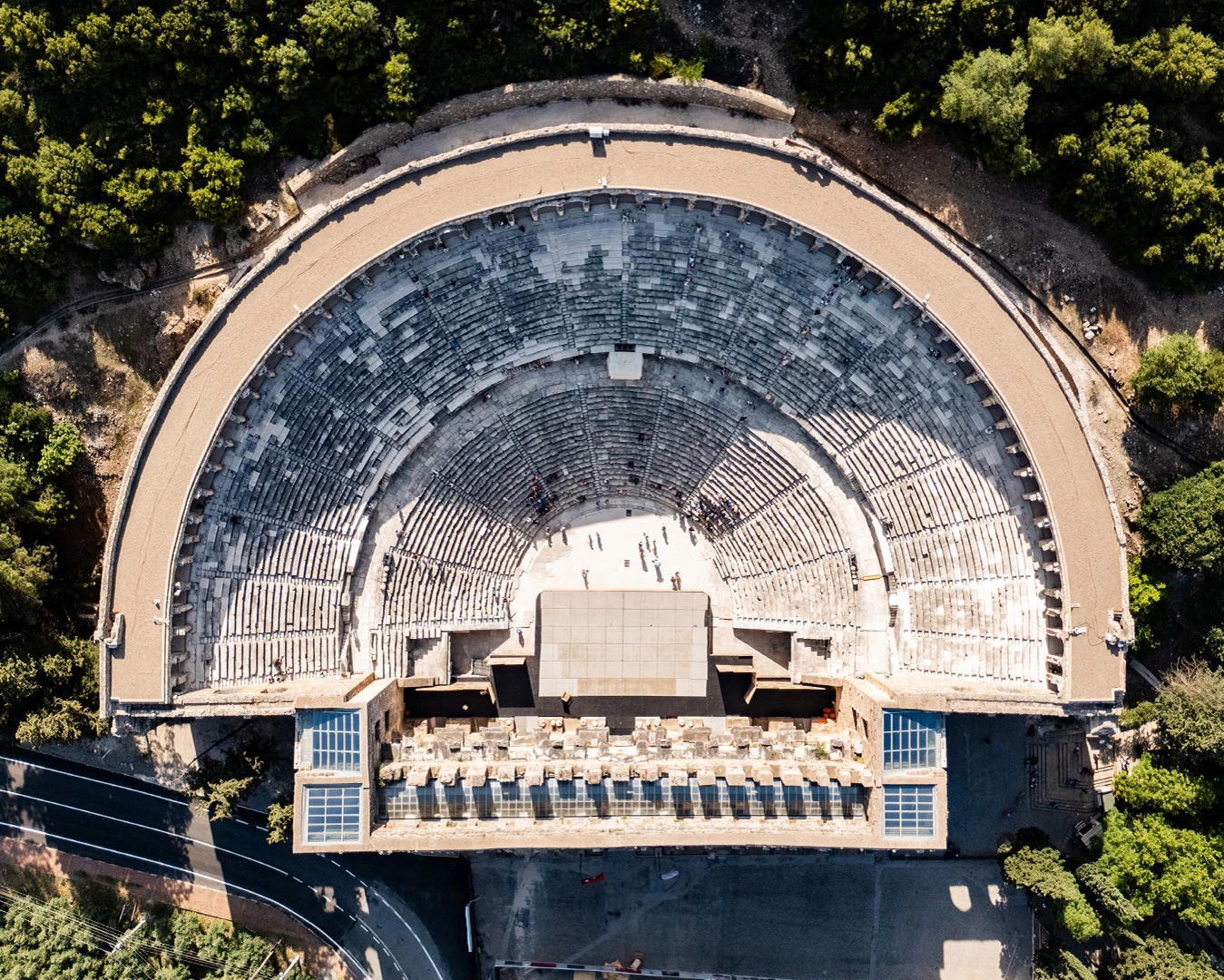
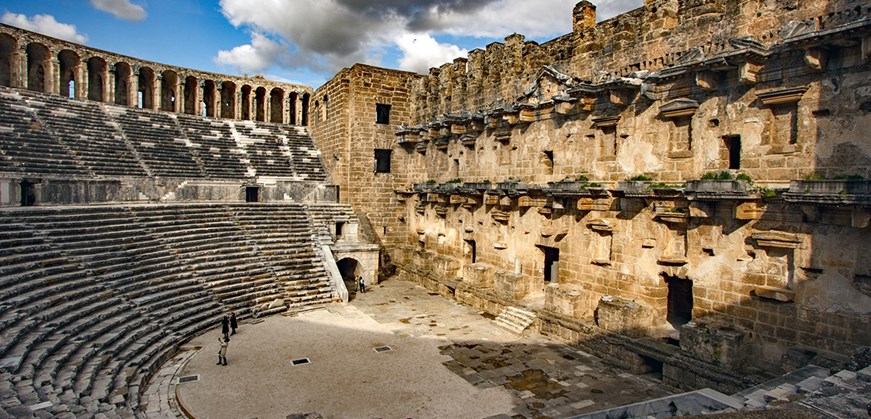
The theatre is the unforgettable centerpiece of Aspendos. Its enclosed architectural form, steep seating rows and remarkably complete stage building allow visitors to understand how a major Roman performance venue looked and functioned nearly two thousand years ago.

  • Built: During the reign of Marcus Aurelius, around AD 160–180
  • Architect: Zenon, son of Theodorus
  • Why special: One of the best-preserved ancient theatres in the world

The Monumental Stage Building

The multi-level stage building remains standing to an extraordinary height. Niches, columns, architectural projections and window openings help visitors imagine the richly decorated Roman façade that once formed the visual background for performances.

  • Function: Performance backdrop, entrances and service spaces
  • Preservation: Among the theatre’s most remarkable surviving elements
  • Later history: Adapted and protected during the Seljuk period

Orchestra & Famous Acoustics

Aspendos is celebrated for the way sound travels through its auditorium. The relationship between the orchestra, stage building and rising seating rows created a powerful performance environment long before modern amplification.

  • Best viewpoint: From the orchestra facing the seating rows
  • Why interesting: A memorable example of ancient performance design
  • Modern use: The theatre continues to host selected cultural events

The Acropolis & Upper City

Many visitors see only the theatre, but the ancient city continues on the flat-topped hill behind it. The acropolis contains the remains of Aspendos’ civic center and offers a quieter archaeological experience with open views over the surrounding plain.

  • Main remains: Agora, basilica, odeion, streets and civic buildings
  • Best for: Archaeology lovers and travelers with extra time
  • Access: Uphill walking on exposed and uneven ground

Roman Aqueducts & Siphon Towers

Aspendos’ aqueducts carried water from mountain sources to the city across the Pamphylian plain. The surviving system is especially important for its rare inverted siphons and high pressure towers, which demonstrate advanced Roman hydraulic engineering.

  • Importance: One of the ancient city’s greatest engineering achievements
  • UNESCO focus: Included with the theatre on the Tentative List
  • Tip: Some of the best aqueduct views require a short drive or walk beyond the theatre

Tickets & Entrance Fees

An entrance ticket is required to visit Aspendos Archaeological Site. The standard visit includes the famous Roman theatre and access to the archaeological remains on the acropolis. Ticket prices and pass conditions can change, so checking the official museum listing shortly before your visit is recommended.

International Visitor Ticket (2026)

15 Euro per person for non-Turkish visitors aged 8 and above.

Children

Non-Turkish children under the age of 8 are currently admitted free of charge.

Museum Cards

MüzeKart is valid for eligible Turkish citizens. International pass validity should be confirmed under the current official rules.

Visit Type

You can visit independently or join a guided Antalya tour combining Aspendos with Perge, Side and nearby natural attractions.

Opening Hours & Best Time to Visit

Aspendos Archaeological Site is open every day. Opening times can change seasonally, during night-museum periods and on performance days, so visitors should confirm the official schedule before travelling.

Current Daytime Schedule (2026) 08:00 – 18:45
Night Museum Schedule 19:00 – 21:30 on participating days
Closed Days Open every day
Best Time to Visit Early morning or late afternoon, especially in summer

Important: Concerts, festivals and special performances may temporarily change daytime or evening access to the theatre. Always check the current official announcement when visiting on an event date.

Why Visit Aspendos Theater & Ancient City?

Aspendos is one of the most rewarding historical excursions from Antalya. It combines an immediately impressive Roman monument with a wider ancient city, advanced water engineering and a fascinating history of continued use.

One of the World’s Best-Preserved Roman Theatres

The surviving stage building and auditorium create a far more complete impression than most ancient theatre ruins.

Architecture You Can Truly Experience

Visitors can stand in the orchestra, look up toward the seating rows and appreciate the theatre’s scale and enclosed design.

More Than Only a Theatre

The acropolis and aqueducts reveal Aspendos as a prosperous, carefully planned ancient city rather than a single isolated monument.

Perfect for an Antalya Day Tour

Aspendos combines naturally with Perge, Side and a waterfall stop for a balanced full-day historical route.


For travelers who want to see monumental Roman architecture, powerful history and ancient engineering, Aspendos is one of the essential places to visit on the Turkish Mediterranean coast.

How to Get to Aspendos

Aspendos is located in Belkıs, within the Serik district of Antalya Province. It is easiest to reach by car, private transfer or organized tour.

From Antalya City Center

Aspendos is approximately 45 km east of central Antalya. The drive usually takes around 45 to 60 minutes depending on traffic.

From Belek

The archaeological site is around 20 km from the Belek resort area and is normally reached in approximately 20 to 30 minutes.

From Side / Manavgat

Aspendos is roughly 35 to 45 km west of Side and Manavgat, making it easy to combine with the ancient city of Side.

GPS & Address

Belkıs Mahallesi, Serik, Antalya. Approximate coordinates: 36.9383, 31.1734.

By Public Transport

Travel usually requires reaching Serik first and continuing by local minibus or taxi. Connections can be limited and may involve walking.

By Tour

A guided Perge–Aspendos–Side tour is the simplest option for hotel pickup, transport, tickets and historical explanation in one day.

Visitor Tips

Do Not Stop at the Theatre

Walk up to the acropolis after seeing the theatre. The upper city is quieter and reveals the wider scale of ancient Aspendos.

Wear Supportive Shoes

The theatre steps and acropolis paths are ancient, steep and uneven. Shoes with good grip make the visit much more comfortable.

Bring Water and Sun Protection

Much of the site is exposed, and the stone surfaces can become very hot during summer afternoons.

Check the Event Calendar

Performances can create a memorable opportunity, but they may also change access times and restrict parts of the theatre.

Allow Time for the Aqueducts

The most impressive aqueduct remains are not all immediately beside the theatre, so include extra time if you want to explore them properly.

Visit with a Guide for Deeper Context

The theatre becomes even more impressive when its inscriptions, Roman design, Seljuk repairs and hydraulic system are explained.

Who Should Visit Aspendos?

History & Archaeology Lovers

Ideal for travelers who want to see one of the most complete and visually powerful Roman monuments in Türkiye.

Architecture & Engineering Enthusiasts

The theatre and aqueduct system offer exceptional examples of Roman construction, acoustics and hydraulic technology.

First-Time Antalya Visitors

Aspendos is a classic regional highlight and fits perfectly into a full-day route with Perge and Side.

Families & Cultural Travelers

The theatre is immediately engaging for all ages, although children should be supervised carefully on the steep ancient steps.

Frequently Asked Questions

What is Aspendos famous for?

Aspendos is famous for its exceptionally well-preserved Roman theatre, monumental stage building, impressive acoustics and sophisticated ancient aqueduct system.

When was Aspendos Theater built?

The theatre was built during the reign of Roman Emperor Marcus Aurelius, approximately between AD 160 and 180.

Who built Aspendos Theater?

Inscriptions identify the architect as Zenon, son of Theodorus. The building was financed by two wealthy local brothers, Curtius Crispinus and Curtius Auspicatus.

Is Aspendos an amphitheatre or a theatre?

Aspendos is technically a Roman theatre, with a semicircular auditorium facing a stage building. An amphitheatre has a fully enclosed oval arena, like the Colosseum in Rome.

How many people could Aspendos Theater hold?

Capacity estimates vary according to the seating method used. The official museum description commonly gives approximately 12,000 spectators, while detailed UNESCO documentation presents lower measured estimates when modern seating widths are applied.

How long does it take to visit Aspendos?

Around 45 to 60 minutes is enough for the theatre alone. Allow 1.5 to 2.5 hours to include the acropolis and aqueduct remains.

Is Aspendos a UNESCO World Heritage Site?

The Theatre and Aqueducts of Aspendos have been on Türkiye’s UNESCO World Heritage Tentative List since 2015. Aspendos is not yet a fully inscribed UNESCO World Heritage Site.

Is Aspendos Theater still used for performances?

Yes. Selected concerts, festivals and cultural performances are still held at the theatre. Event schedules vary, and access may be restricted before or during a performance.

What are the opening hours of Aspendos?

The current 2026 official listing shows daytime visiting from 08:00 to 18:45, with night-museum access from 19:00 to 21:30 on participating days. Seasonal schedules and event dates may change these times.

Best Photo Spots at Aspendos

Aspendos offers powerful architectural compositions, dramatic stone textures and wide historical landscapes. Early or late daylight usually creates the most attractive contrast across the theatre and acropolis.

From the Orchestra

Stand near the center and photograph the rising semicircle of seats for the theatre’s most iconic view.

The Stage Building

Frame the surviving niches, windows and architectural details that make Aspendos so visually distinctive.

Upper Seating Area

Higher viewpoints reveal the theatre’s geometry, scale and relationship between the orchestra and stage.

Covered Gallery

The arched upper passage creates strong depth, repeating shapes and atmospheric architectural photographs.

Acropolis Panorama

The upper city offers wide views across the Pamphylian plain and the landscape surrounding ancient Aspendos.

Aqueduct & Siphon Towers

The surviving Roman water system is especially photogenic when viewed against the fields and Taurus Mountains.

Best Time to Visit Aspendos

Aspendos can be visited throughout the year, but the theatre and acropolis are largely exposed to the weather. Spring and autumn usually provide the most comfortable balance of pleasant temperatures, clear views and manageable visitor numbers.

Spring (April – June)

One of the best periods for comfortable walking, green landscapes and combining Aspendos with a full Antalya sightseeing day.

Summer (July – August)

Visit early in the morning or later in the afternoon. Midday heat can be intense inside the stone theatre and on the acropolis.

Autumn (September – October)

Excellent temperatures and warm light make autumn ideal for archaeology, photography and longer walks around the site.

Winter (November – March)

Usually quieter and cooler, but rain and shorter opening hours may affect the acropolis and aqueduct sections.


Best Overall Months

April – June & September – October

Best Time of Day

Opening time or late afternoon for softer light and more comfortable temperatures

Summer Travel Tip

Carry water, wear a hat and explore the acropolis before the hottest part of the day

Our Tours Including Aspendos Theater

Visit Aspendos with professional guidance and comfortable transportation on a carefully planned route combining the most important historical highlights of the Antalya region.

Shared Day Tour from Antalya

A balanced full-day experience for travelers who want to visit Perge, Aspendos, Side and a scenic waterfall stop.

Private Day Tour

Ideal for travelers who prefer a flexible pace, personal guide and private transportation throughout the day.