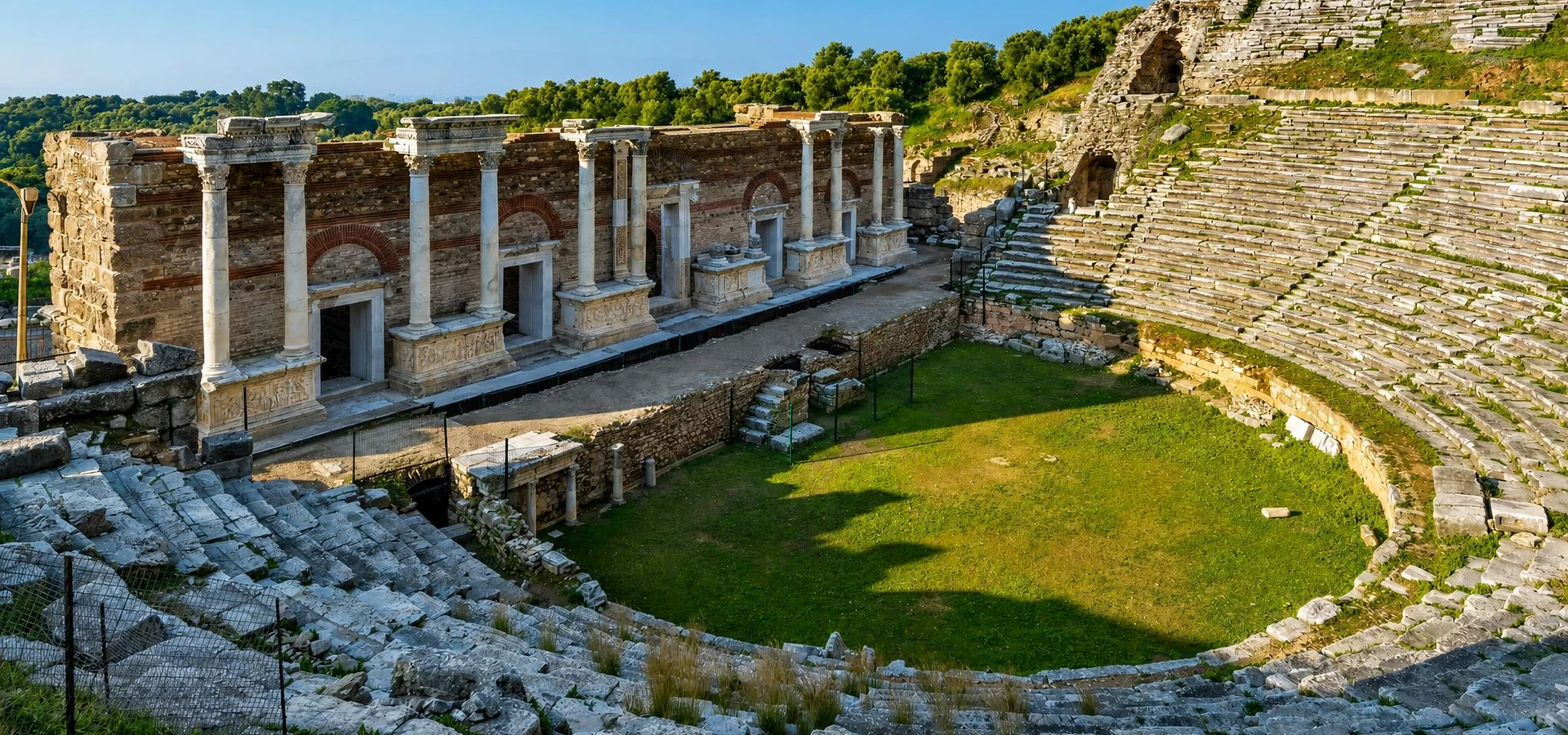
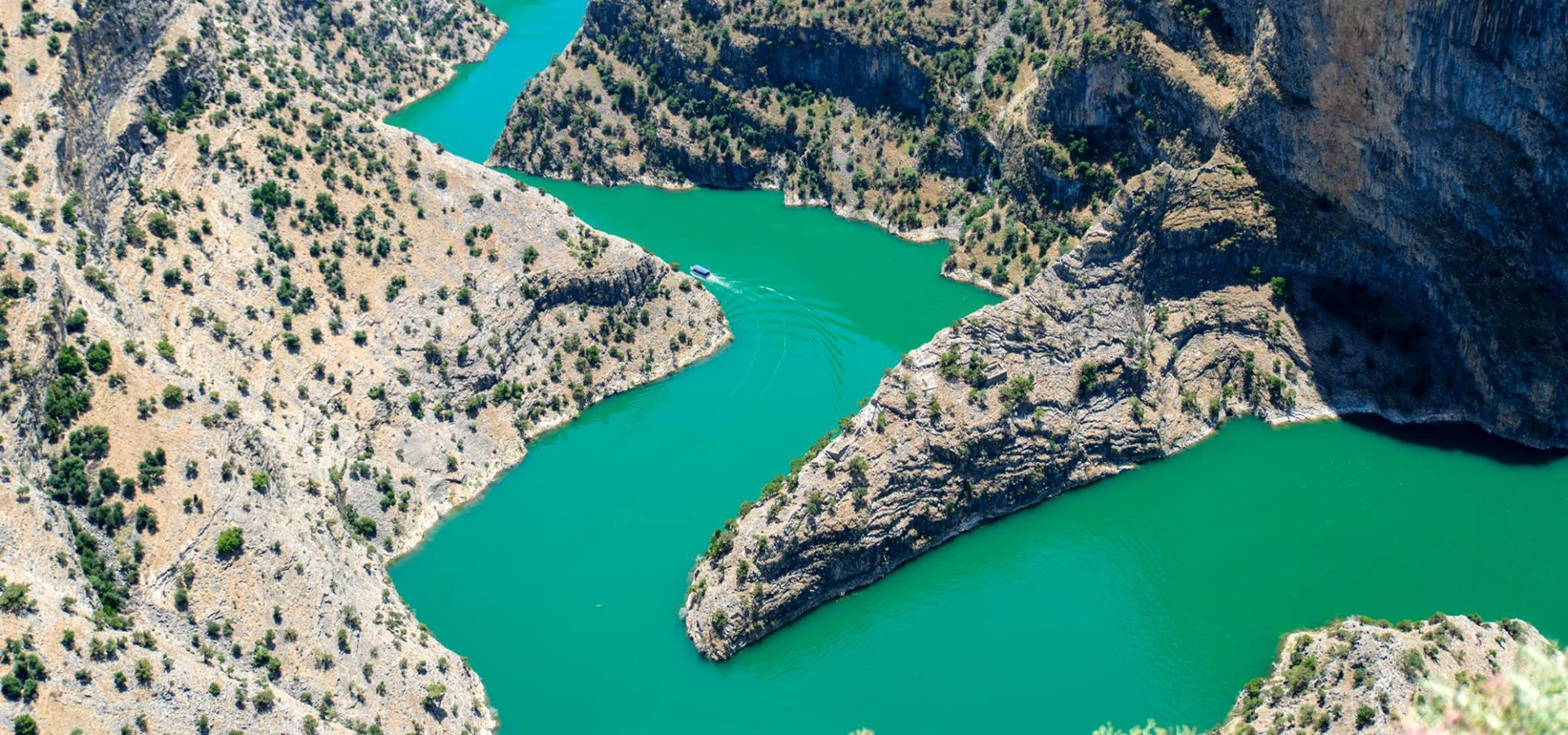
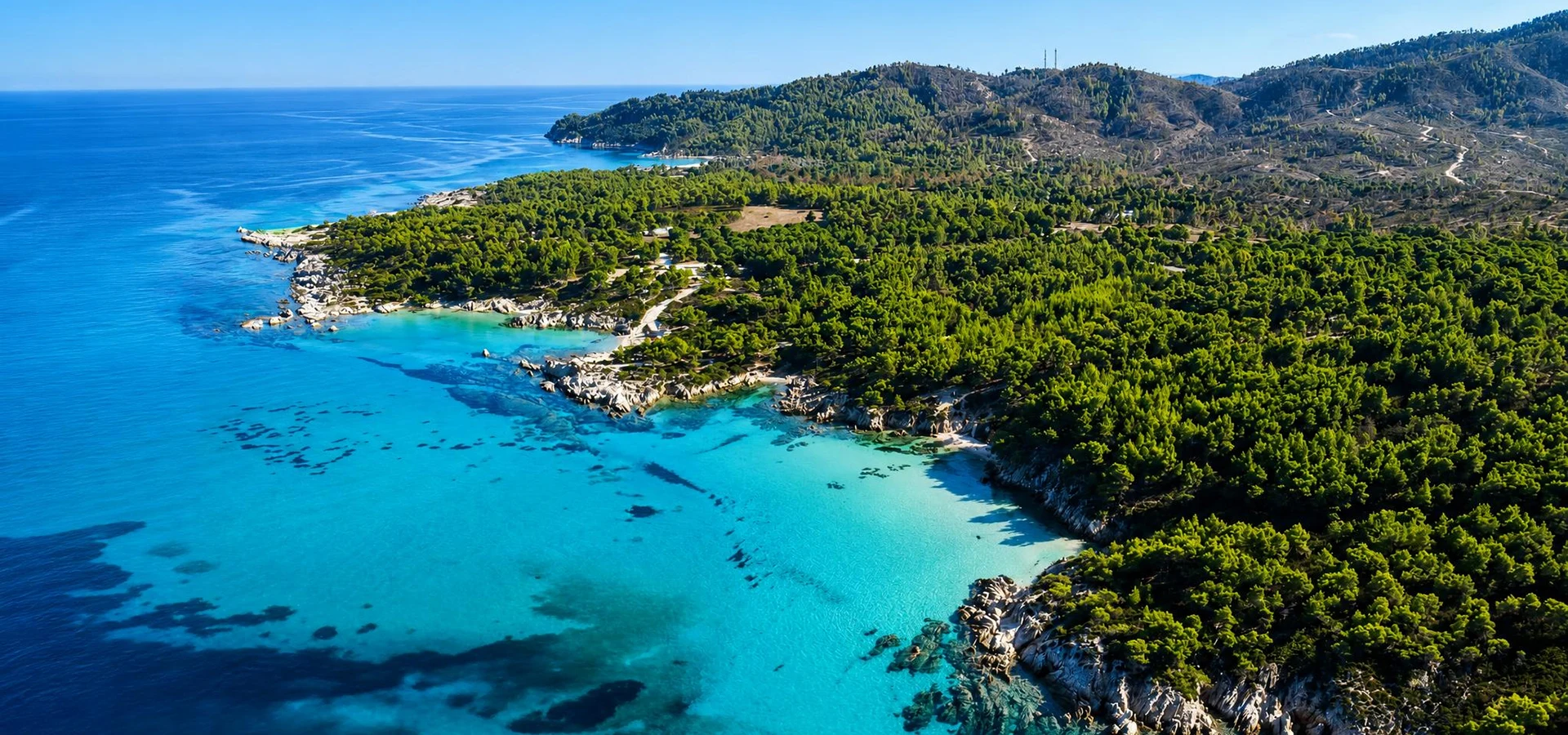
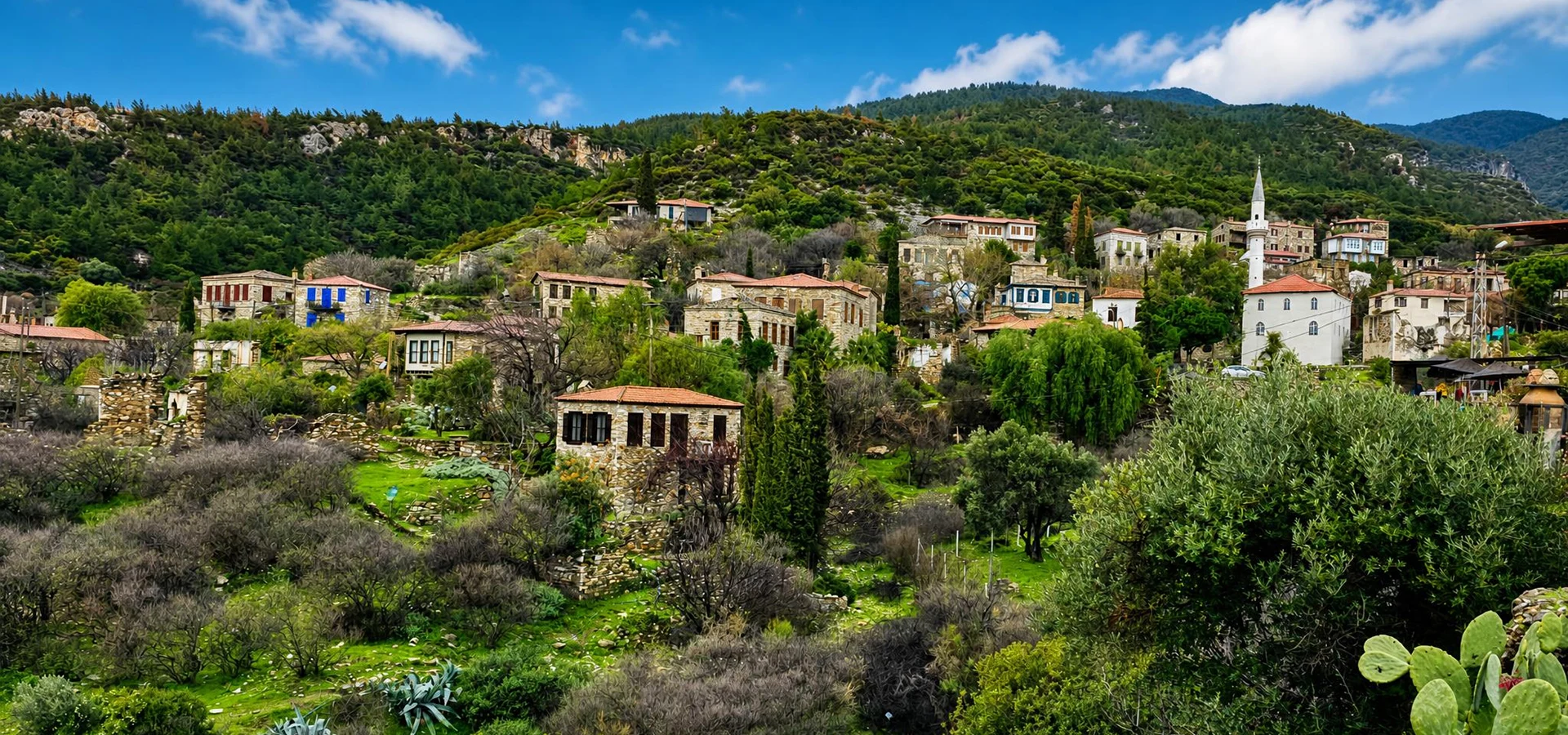
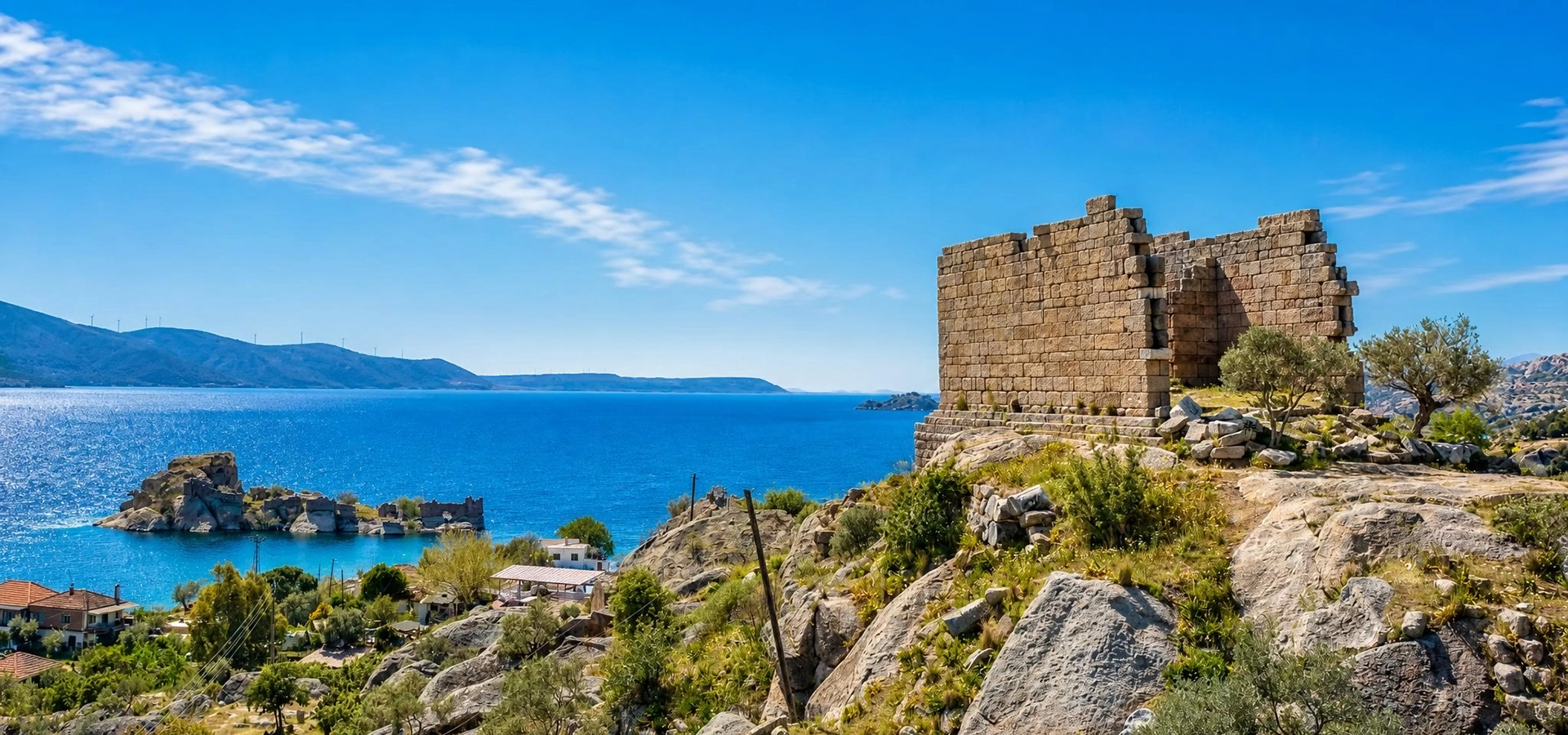
Aydın Turkey with Aphrodisias, Miletus, Priene, Didyma, Kuşadası, Dilek Peninsula, Nysa and Aegean landscapes
Wow Cappadocia Turkey Travel Guide

Aydın Travel Guide – Best Places to Visit

Discover the best places to visit in Aydın, from UNESCO-listed Aphrodisias and the ancient cities of Tralleis, Nysa, Miletus, Priene, Didyma, Magnesia, Alabanda and Alinda to Kuşadası, Dilek Peninsula National Park, Old Doğanbey Village, Arapapıştı Canyon, Lake Bafa and one of the Aegean region’s richest food and agricultural traditions.

Aphrodisias & Ancient CariaMiletus, Priene & Didyma Kuşadası & Dilek PeninsulaFigs, Olive Oil & Aegean Food

Discover Aydın, the Büyük Menderes Valley and the Southern Aegean

Aydın Province stretches from the Aegean coast around Kuşadası and Didim through the broad Büyük Menderes Valley to mountain towns, fertile agricultural districts and some of western Anatolia’s most important archaeological landscapes. Ancient Ionia and Caria meet here, while later Byzantine, Turkish beylik, Ottoman and modern republican history add further layers.


The province is exceptionally rich in archaeology. Aphrodisias, Miletus, Priene and Didyma are internationally important, but Aydın also preserves Tralleis, Nysa, Magnesia ad Maeandrum, Alabanda, Alinda, Mastaura, Gerga, Amyzon, Myus, Akharaka, Harpasa, Orthosia and other ancient settlements.


Aydın is equally rewarding beyond its ruins. Kuşadası, Dilek Peninsula–Büyük Menderes Delta National Park, Old Doğanbey, Zeus Cave, Arapapıştı Canyon and Lake Bafa add coastline, wetlands, villages, canyons and wildlife. Figs, olives, chestnuts, strawberries, citrus, pide, keşkek and regional meat dishes make food an essential part of the journey.

Quick Visitor Information

  • Best for: Archaeology, Aegean coast, ancient Caria and Ionia, nature, food, villages and road trips
  • Suggested stay: 2–3 days for selected highlights; 5–7 days for a wider province itinerary
  • Main highlights: Aphrodisias, Kuşadası, Miletus, Priene, Didyma, Nysa, Dilek Peninsula and Tralleis
  • Best regional trips: Aydın–Nysa, Karacasu–Aphrodisias, Söke–Priene–Miletus, Kuşadası–Dilek Peninsula and Çine–Alinda
  • Best seasons: Spring and autumn for touring; summer for the coast; winter for quieter archaeology and food travel
  • Local identity: Aydın figs, Memecik olives and olive oil, chestnuts, pide, keşkek, yuvarlama, çöp şiş, strawberries and citrus
Aydın’s Signature Story

Ancient Caria, the Meander Valley and a Living Aegean Landscape

Aydın is shaped by the Büyük Menderes River, whose valley connected the Aegean coast with inland Anatolia for thousands of years. Cities such as Miletus, Priene, Magnesia, Tralleis and Nysa developed along this wider corridor, while the mountains to the south preserve the powerful Carian world of Aphrodisias, Alabanda, Alinda, Gerga and Amyzon.


The modern province remains just as varied. Kuşadası and Didim bring visitors to the Aegean shore; Söke opens toward the Büyük Menderes Delta and the Dilek Peninsula; Karacasu leads into the mountains around Aphrodisias; Nazilli and Sultanhisar follow the fertile eastern valley; and Çine, Karpuzlu, Bozdoğan and Koçarlı reveal quieter archaeological and rural landscapes.

Choose Aydın by Travel Style

Aydın combines several different travel worlds in one province. Choose the style that interests you most.

Best for Archaeology

Aphrodisias, Miletus, Priene, Nysa & Caria

Follow the Meander Valley and the mountains of ancient Caria for one of Turkey’s densest networks of archaeological sites.

Best for Coast & Nature

Kuşadası, Dilek Peninsula, Didim & Lake Bafa

Choose the western and southern districts for beaches, national-park landscapes, wetlands, caves, coves and Aegean scenery.

Best for Hidden Heritage

Mastaura, Gerga, Amyzon, Alinda & Doğanbey

Go beyond the major sites to discover mountain cities, rare Roman architecture, historic villages and rural cultural landscapes.

Best for Food

Figs, Olive Oil, Pide, Keşkek & Local Produce

Follow district specialties from Söke and Nazilli to Bozdoğan, Çine, Sultanhisar, Germencik, Karacasu and Aydın center.

Aydın’s UNESCO Masterpiece

Aphrodisias – Sculpture, Marble and One of Anatolia’s Great Ancient Cities

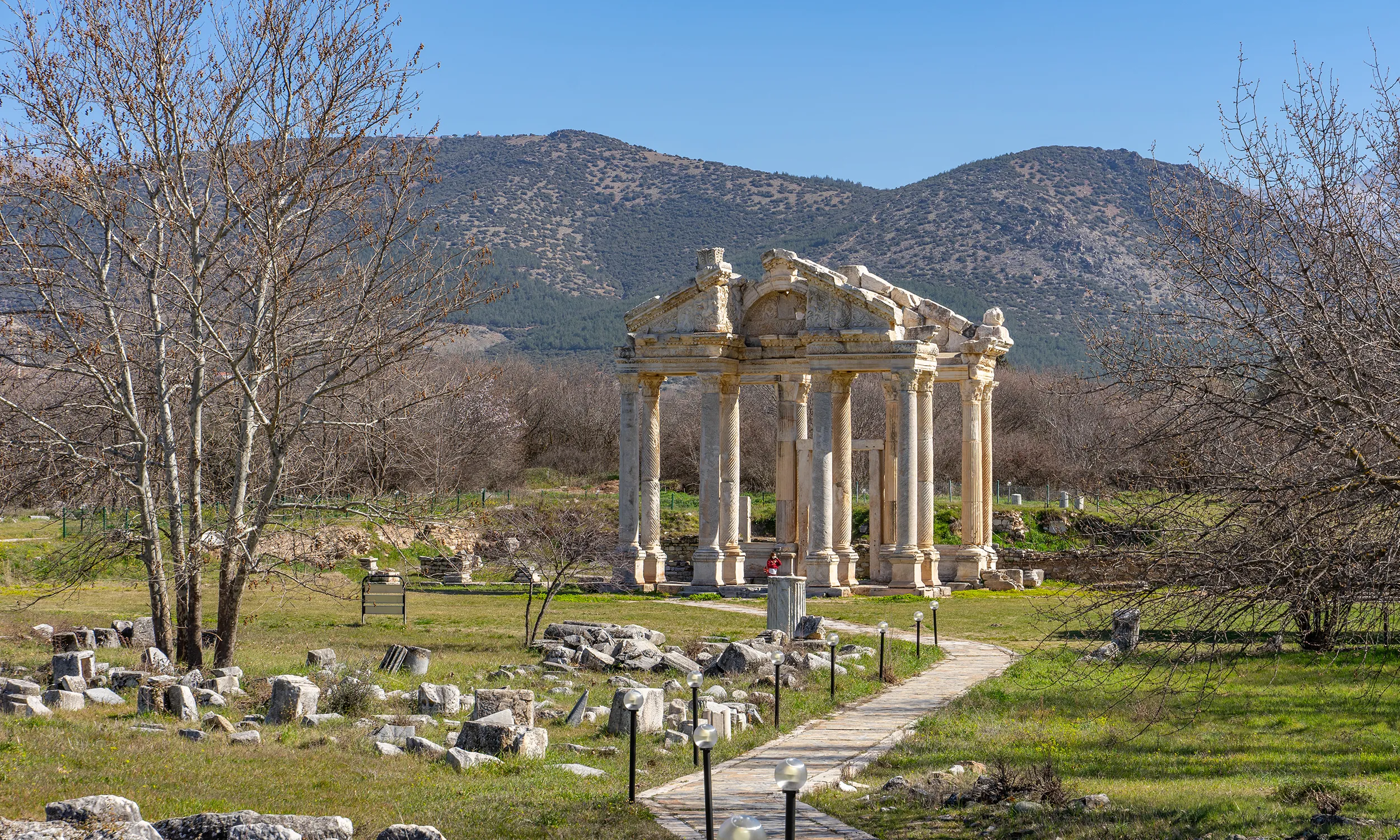
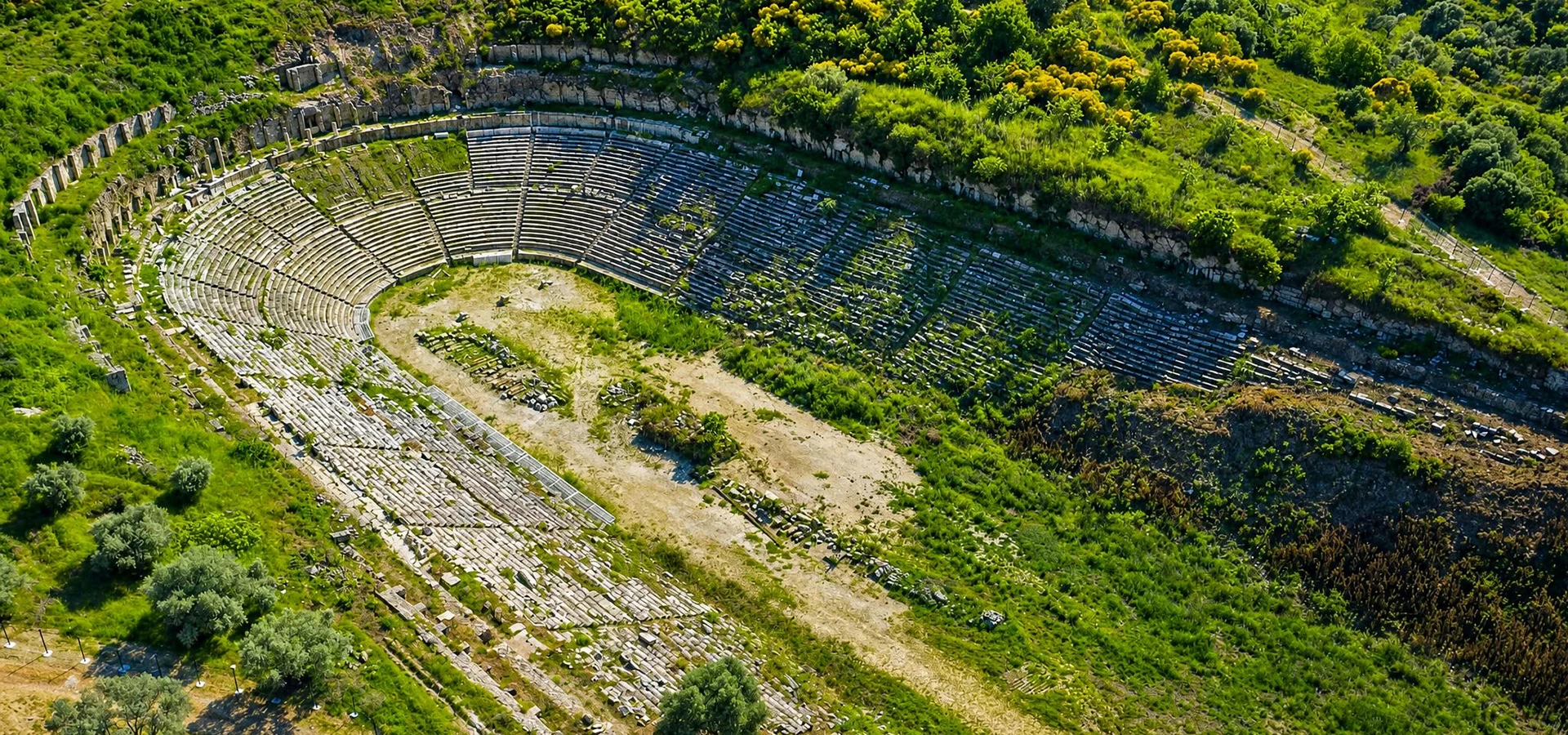
Aphrodisias deserves a full excursion rather than a rushed stop. The city’s fame rested partly on nearby marble resources and a celebrated sculpture tradition. The Tetrapylon, Sebasteion, theatre, baths and extraordinary stadium make the archaeological site unusually rewarding.


The museum is an essential part of the experience because sculpture is central to understanding the city. Karacasu and its surrounding mountain landscape add local context, and the district can be connected with traditional food, pottery and village culture for a deeper full-day route.

Explore All Aydın Attractions

Browse Aydın by city-center heritage, Aphrodisias and Karacasu, Söke and the lower Meander, Kuşadası and Dilek Peninsula, Didim, the eastern valley, ancient Caria, nature, museums and food.

Best Day Trips and Regional Routes in Aydın

Aydın Province is too large to understand through one itinerary. Its strongest experiences fall into distinct travel clusters.

UNESCO & Mountain Route

Karacasu & Aphrodisias

Explore Aphrodisias in depth, then add Karacasu, local crafts, regional food and the mountain landscapes of southern Aydın.

Classical Archaeology Route

Priene, Miletus & Didyma

Follow three of western Anatolia’s great ancient centers through the lower Meander and the Didim peninsula.

Coast & National Park Route

Kuşadası, Güzelçamlı & Doğanbey

Combine Kuşadası heritage with Dilek Peninsula, Zeus Cave, delta landscapes and the stone village of Old Doğanbey.

Hidden Caria Route

Alabanda, Alinda, Gerga & Amyzon

Head inland for quieter mountain archaeology, fortified Carian cities and landscapes rarely seen on conventional Turkey itineraries.

Ancient Aydın

One of Western Anatolia’s Richest Archaeological Provinces

Aydın’s archaeological identity reaches far beyond the four famous names of Aphrodisias, Miletus, Priene and Didyma. Tralleis and Nysa dominate the central and eastern Meander corridor; Magnesia sits toward the western entrance of the valley; and Mastaura adds one of Anatolia’s rare ancient amphitheatre stories.


South of the valley, Alabanda, Alinda, Gerga and Amyzon reveal ancient Caria in a very different setting of mountains, fortified hills and rural roads. Myus, Panionion, Akharaka, Harpasa, Orthosia, Antiocheia ad Maeandrum and Piginda deepen the inventory further. Visitor access and excavation conditions at smaller sites can change.

A Rare Roman Discovery

Mastaura and Its Amphitheatre

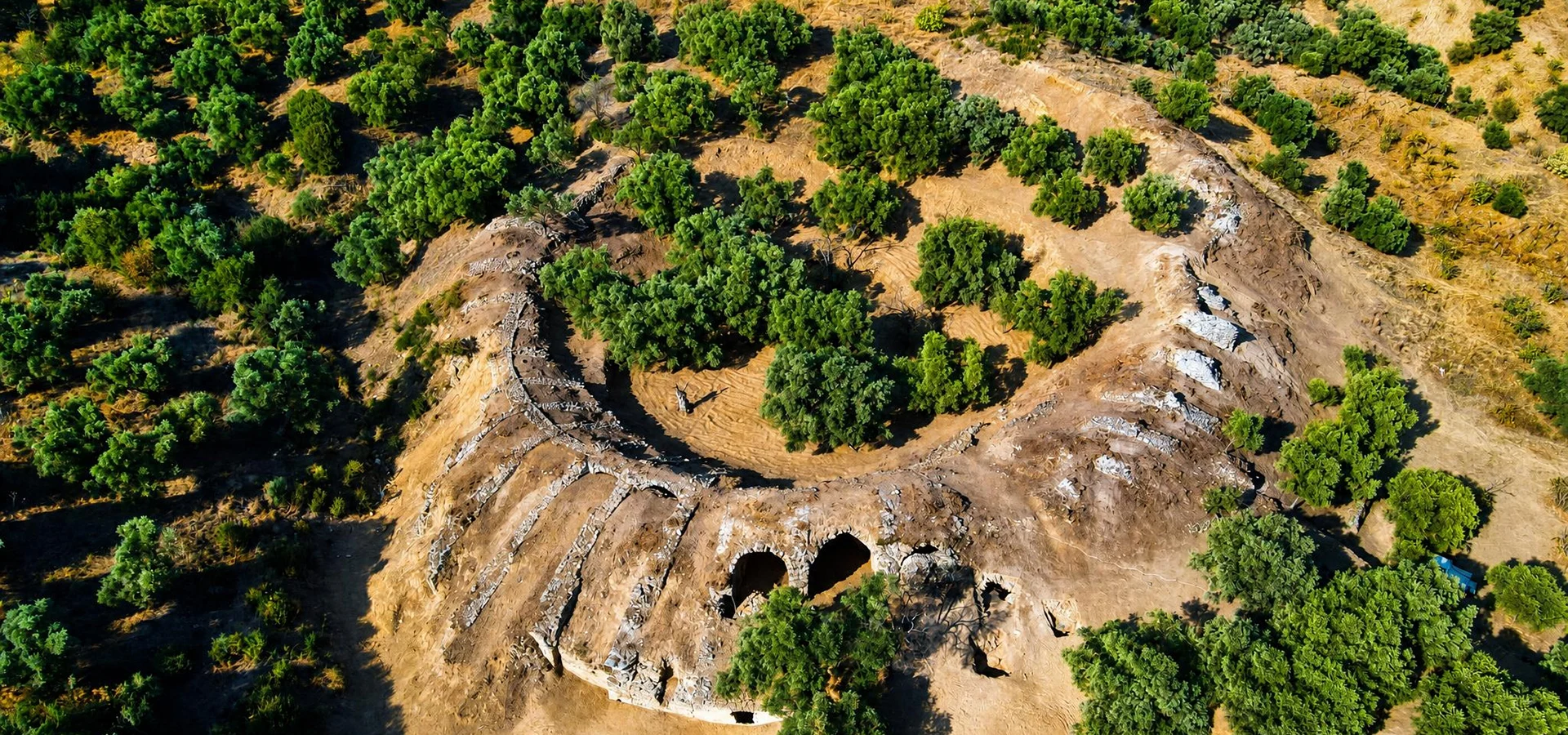
Mastaura, near Nazilli, has become one of the most intriguing archaeological names in Aydın because of its approximately 1,800-year-old Roman amphitheatre. Amphitheatres designed for arena spectacles are far less common in Anatolia than theatres, making the structure especially important.


The ancient city occupied a narrow valley on the route linking the Aegean coast with the interior. Combine Mastaura with Nysa, Nazilli and Arpaz for a strong eastern Aydın archaeology day.

Important Geographic Note

Lake Bafa Is an Aydın–Muğla Border Landscape

Lake Bafa belongs naturally in an Aydın travel guide because the lake and protected landscape extend along Aydın’s southern edge and are easily reached from Söke. It is one of the most beautiful nature areas in the wider lower-Meander region.


However, travelers should distinguish the lake from Herakleia at Latmos. The ancient settlement around Kapıkırı lies on the Muğla side of the provincial boundary. We therefore present Herakleia as a nearby extension to the Lake Bafa journey.

Aydın Food Culture

Figs and Olive Oil Are Only the Beginning

Aydın’s most recognizable agricultural symbols are figs, Memecik olives and olive oil, but the province has a much wider food identity. Chestnuts, strawberries, oranges, artichokes, pine nuts and honey connect individual districts to distinct agricultural landscapes, while Söke’s grain tradition supports a remarkable group of breads, pides and baked specialties.


Local cooking is equally varied. Yuvarlama, keşkek, paşa böreği, bolama, cilav, çingene pilavı, kabak çiçeği dolması, börülce, arapsaçı, sarmaşık and kedirgen belong to a broader Aegean tradition. District specialties such as Ortaklar Çöp Şiş, Çine Köftesi, Nazilli Pidesi, Söke Tahinli Pidesi and İncirliova Deve Sucuğu make food-focused travel especially rewarding.


Aydın’s official geographical-indication inventory has expanded significantly, so this section should keep growing as we build individual product pages. The goal is to connect each food to the town, agricultural landscape and local tradition that produced it.

How Many Days Do You Need in Aydın?

Aydın’s main attractions are spread from the Aegean coast to mountain districts and the eastern Büyük Menderes Valley.

One Day

Aydın Center, Tralleis & Nysa

Explore Tralleis and the Aydın Archaeology Museum, then continue east to Nysa for a strong introduction to the Meander Valley.

Two Days

Add Aphrodisias

Dedicate a full second day to UNESCO-listed Aphrodisias and its museum, with Karacasu and local food if time permits.

Three Days

Add Priene, Miletus & Didyma

Use the third day for the great lower-Meander archaeology route, moving from Priene to Miletus and the Temple of Apollo at Didyma.

Five Days+

Add Kuşadası, Dilek Peninsula & Caria

Extend to Kuşadası, Old Doğanbey, the national park, Arapapıştı Canyon or the hidden Carian sites around Çine, Karpuzlu and Koçarlı.

Suggested Aydın Center Route

Tralleis, Aydın Archaeology Museum & Historic City Monuments

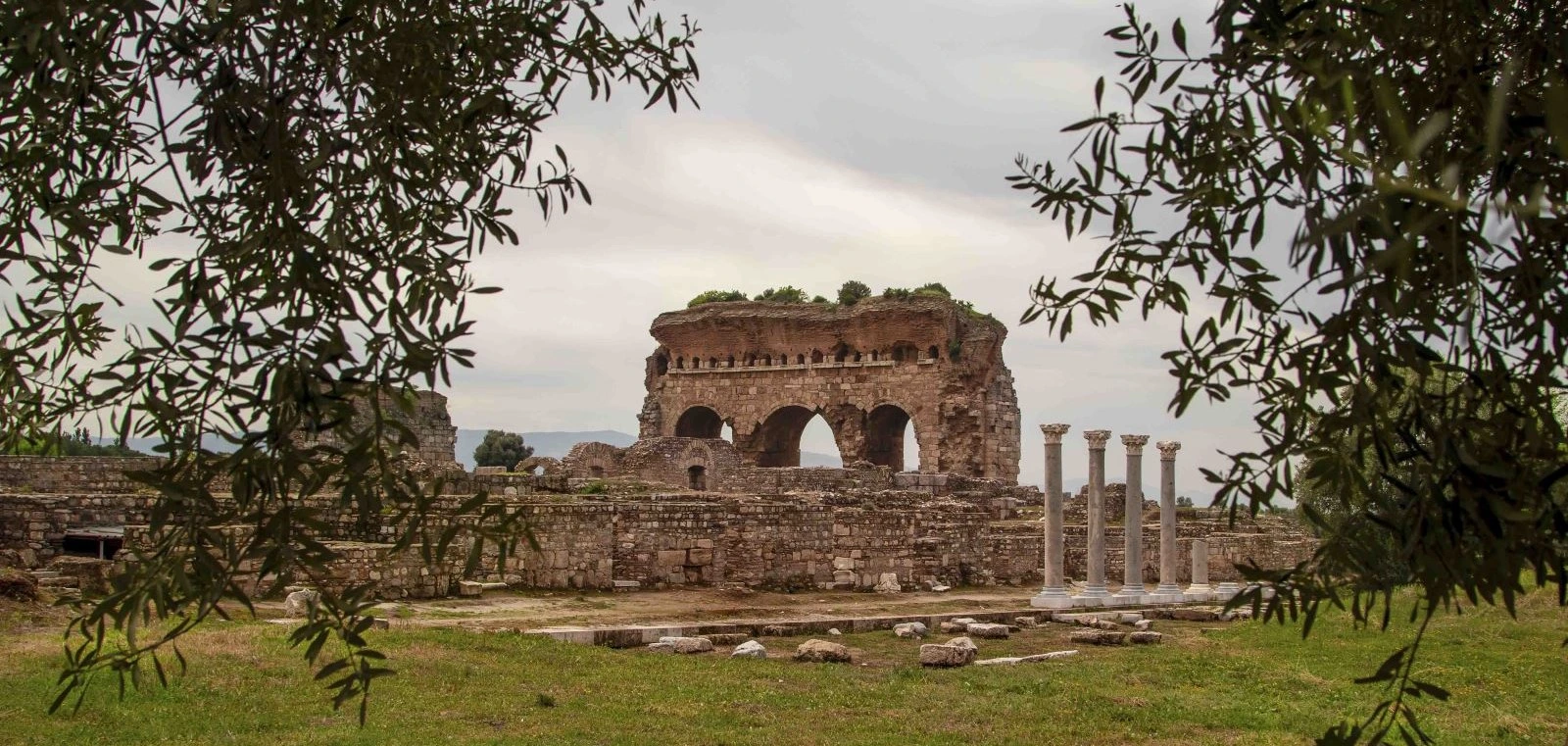
Begin with Tralleis Ancient City, where the monumental Üç Gözler structure provides the clearest visual connection between modern Aydın and its ancient predecessor. Continue to the Aydın Archaeology Museum for regional context before exploring Ottoman-era religious and civic monuments in the city center.


Cihanoğlu Mosque, Ramazan Paşa Mosque and Nasuh Paşa Complex can be combined according to available time. Travelers interested in local identity should also look beyond monuments to the Efe and Zeybek traditions deeply associated with Aydın.

Suggested UNESCO Route

Karacasu, Aphrodisias & Mountain Aydın

Make Aphrodisias the focus of the day and allow enough time for the archaeological site and museum. The Tetrapylon, Sebasteion reliefs, theatre, baths, agora areas and stadium are not a destination to rush.


Continue into Karacasu for traditional food and local crafts. Travelers with additional time and suitable transport can add rural stops or Sırtlanini Cave, balancing world-class archaeology with the quieter mountain character of southern Aydın.

Suggested Lower Meander Route

Söke, Priene, Miletus, İlyas Bey & Old Doğanbey

Begin at Priene beneath Mount Mycale, then continue through the lower Meander landscape toward Miletus. Miletus deserves substantial time for its theatre and extensive urban remains, while the nearby Milet Museum and İlyas Bey Mosque add important archaeological and Turkish architectural context.


Finish at Old Doğanbey Village for stone architecture and views toward the delta, or continue toward Lake Bafa for a longer nature-oriented day.

Suggested Coast & Nature Route

Kuşadası, Güvercinada, Zeus Cave & Dilek Peninsula

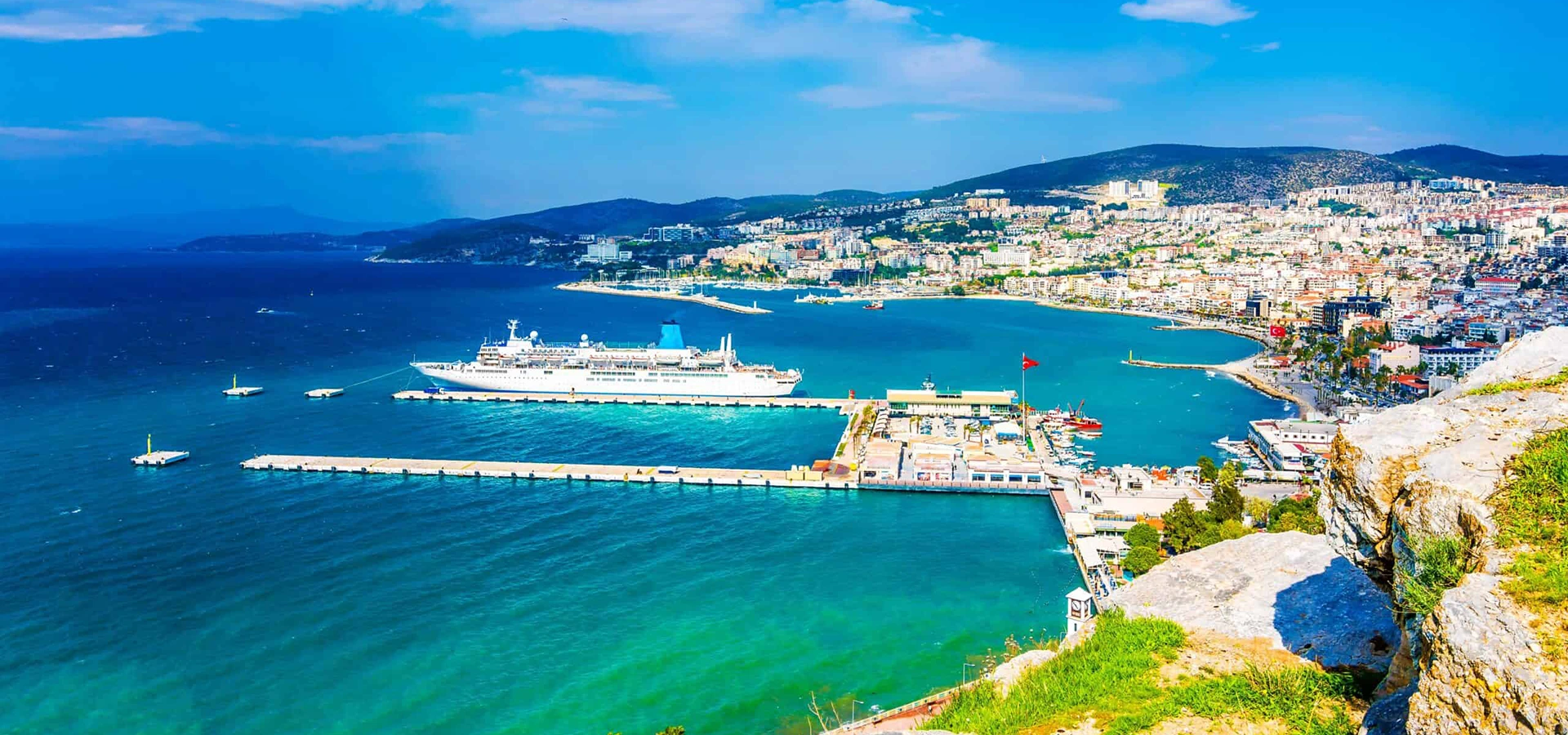
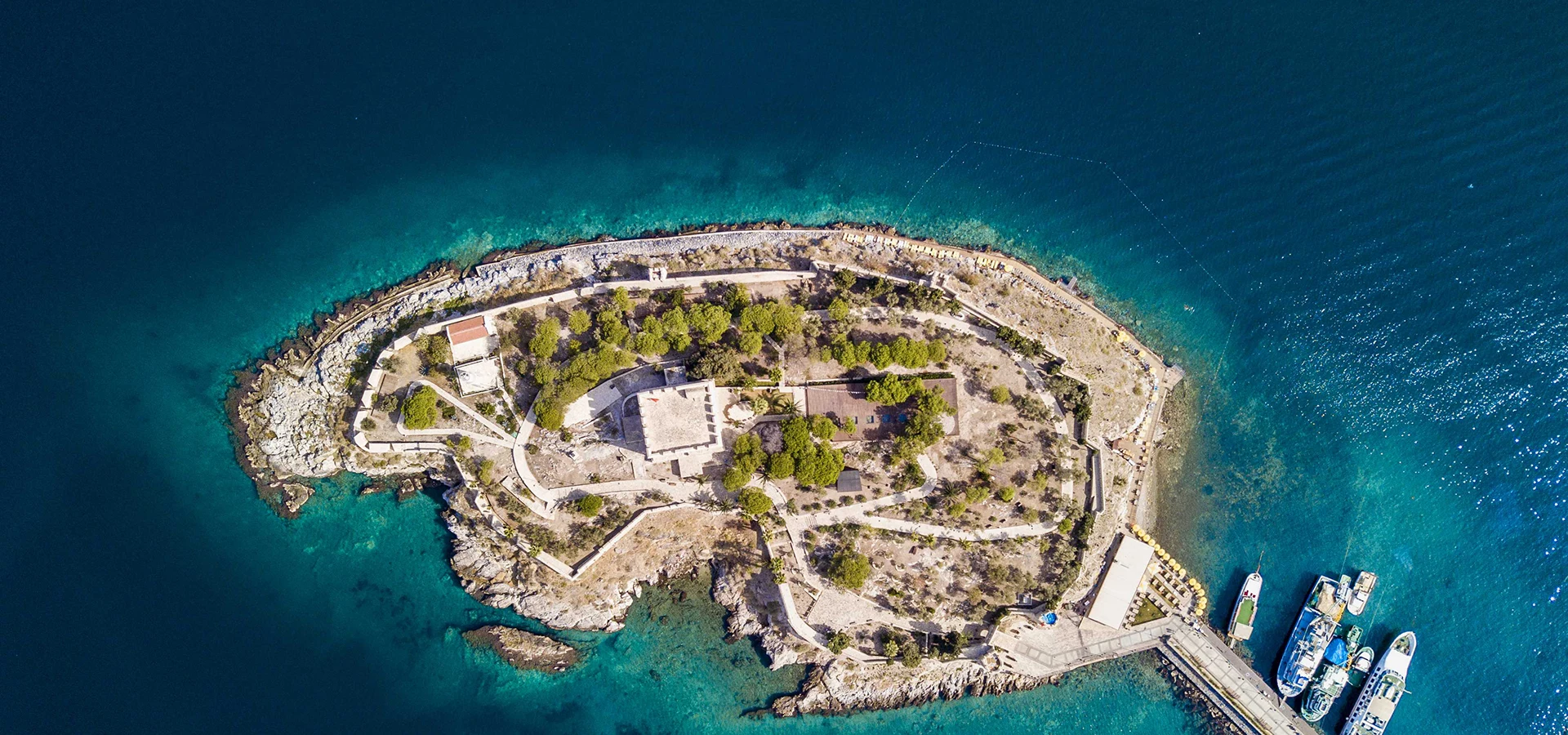
Explore the historic side of Kuşadası through Güvercinada Castle, the harbour and Öküz Mehmet Paşa Caravanserai, then continue south to Güzelçamlı. Zeus Cave provides a quick natural stop before entering Dilek Peninsula–Büyük Menderes Delta National Park.


The national park can occupy the rest of the day with beaches, forest scenery and viewpoints. Old Doğanbey can be added for travelers who prefer stone-village heritage and delta landscapes to a longer beach stop.

Suggested Classical Aydın Journey

Priene, Miletus, Didyma & the Lower Meander

This route links three of Aydın’s essential classical destinations. Start with Priene for its hillside setting and planned urban form, continue to Miletus for the monumental theatre and the story of one of ancient Ionia’s great port cities, then finish at Didyma.


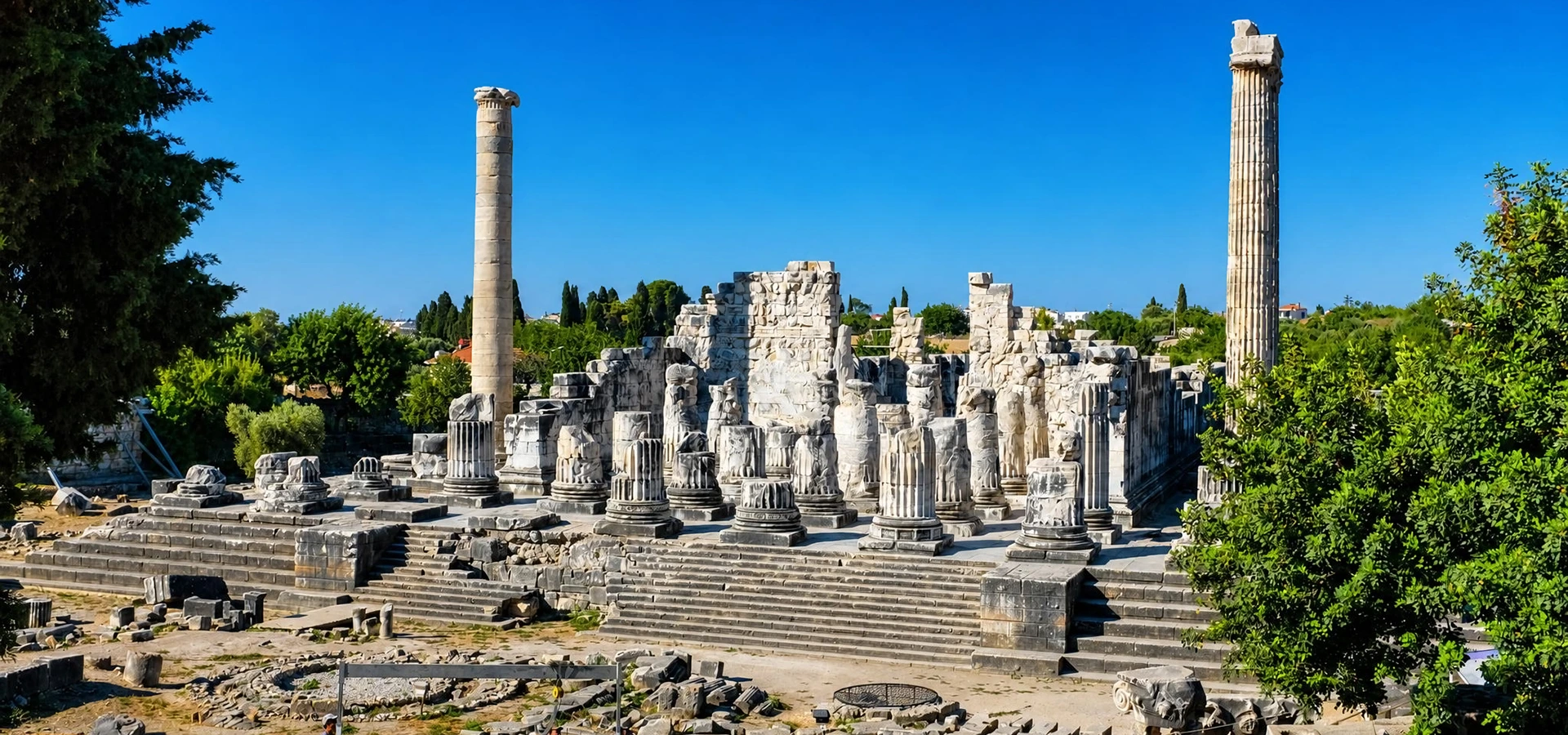
The Temple of Apollo at Didyma provides a dramatic end to the day and completes the religious relationship with Miletus. Travelers with more time can add Milet Museum, İlyas Bey Mosque, Myus or Panionion.

Suggested Eastern Meander Route

Nysa, Mastaura, Nazilli, Arpaz & Yörük Ali Efe

Start at Nysa Ancient City near Sultanhisar, where the library, theatre, civic buildings and valley-spanning structures make it one of Aydın’s most rewarding archaeological sites. Continue toward Nazilli and Mastaura for a very different Roman story centered on its amphitheatre.


Arpaz Castle / Bey Mansion adds Ottoman-period rural architecture, while the Yörük Ali Efe Museum introduces the regional Efe tradition and the War of Independence.

Suggested Ancient Caria Route

Alabanda, Alinda, Gerga & Amyzon

Aydın’s inland Carian sites are among the most distinctive additions to a deep province itinerary. Alabanda provides a broad ancient-city landscape near Çine, while Alinda rises above Karpuzlu with fortifications, theatre and a powerful multi-storey market structure.


Gerga is stranger and more remote, while Amyzon occupies a high mountain position near Koçarlı. These are not mass-tourism sites, and access conditions should be checked before departure.

Suggested Nature Route

Dilek Peninsula, Büyük Menderes Delta, Arapapıştı Canyon & Lake Bafa

For coast and biodiversity, the Dilek Peninsula–Büyük Menderes Delta National Park is Aydın’s signature protected landscape. Forested slopes, beaches and wetlands make it a very different experience from the province’s exposed archaeological sites.


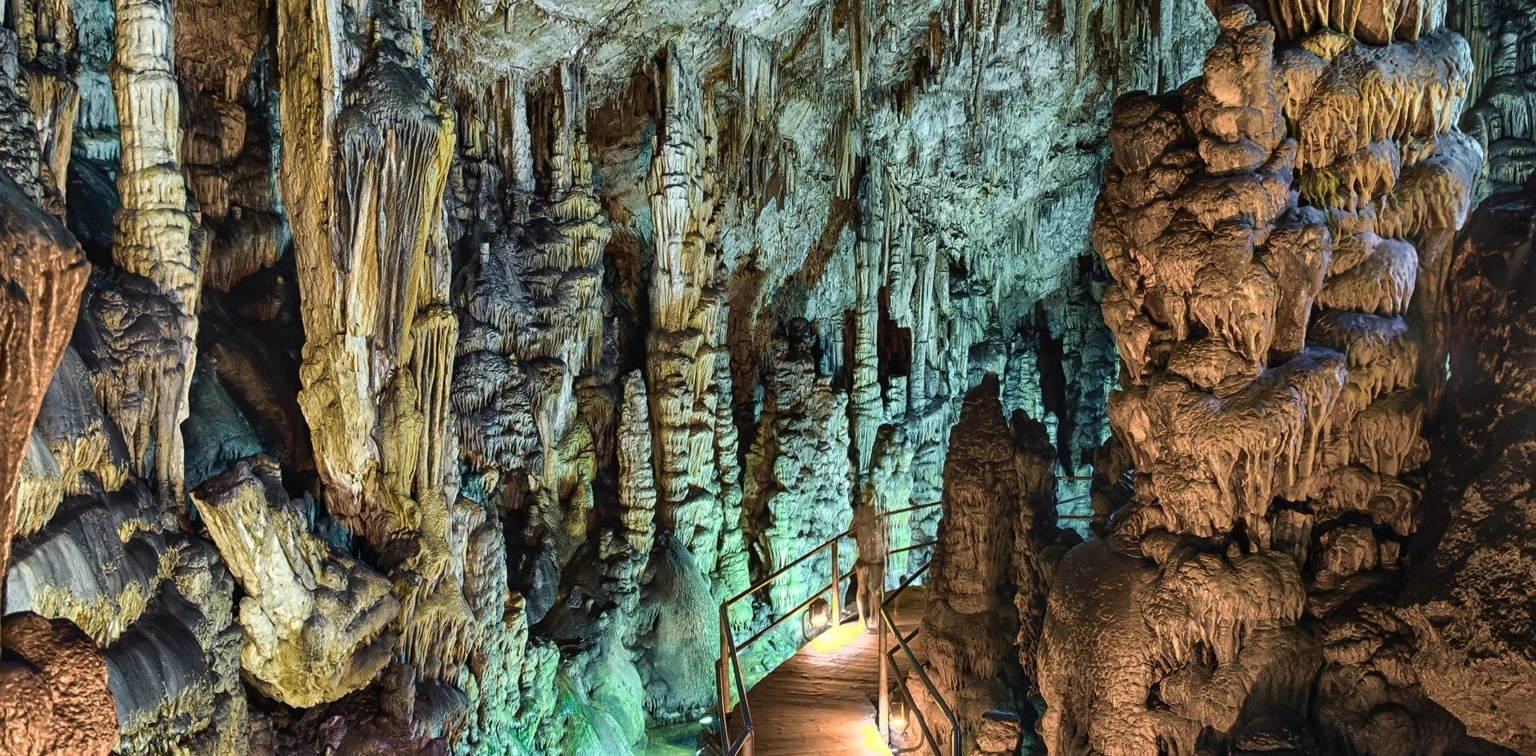
Inland, Arapapıştı Canyon offers dramatic reservoir and canyon scenery around Kemer Dam, while Lake Bafa creates a different wetland and mountain environment at the southern edge of the province. Zeus Cave, Sırtlanini Cave and thermal areas around Germencik and Davutlar provide additional nature-focused options.

Planning Your Aydın Visit

Aydın Province is geographically broad. Kuşadası and Söke, Didim, Aydın city, Karacasu, Nazilli and the inland Carian districts are separate travel zones, so trying to connect too many in one day usually creates more driving than sightseeing. A private vehicle is especially useful for Aphrodisias, smaller ancient cities, mountain villages, Arapapıştı Canyon and rural nature areas.


Summer can be extremely hot at exposed archaeological sites, while Kuşadası, Didim and the national-park beaches are busiest during the main holiday season. Spring and autumn are generally the most comfortable periods for archaeology and road trips. Access, opening arrangements and excavation zones should be checked before dedicated journeys to smaller archaeological sites.

Practical Aydın Travel Tips

  • Transport: A car or private vehicle is best for a province-wide itinerary
  • Archaeology: Carry water, sun protection and suitable shoes; many sites are exposed
  • Aphrodisias: Give the site and museum enough time rather than treating it as a short photo stop
  • Western route: Priene, Miletus and Didyma can form one full archaeology day
  • Summer: Expect heavier demand around Kuşadası, Didim and coastal beaches
  • Small sites: Visitor access and excavation conditions may change
  • Food: Try district specialties instead of limiting meals to the major coastal resorts
  • Nature: Check seasonal, road and boat conditions for canyon, wetland and remote mountain excursions

Why Visit Aydın?

Aydın is one of the best provinces in Turkey for travelers who want major archaeology without giving up the Aegean coast. You can stand in the stadium of Aphrodisias, walk through the planned streets of Priene, explore Miletus and Didyma, then spend another day beside the sea in Kuşadası or among the forests and beaches of Dilek Peninsula.


The province is equally rewarding for travelers who prefer lesser-known places. Nysa, Mastaura, Alabanda, Alinda, Gerga, Amyzon, Akharaka and the smaller Meander Valley sites reveal an archaeological inventory far beyond the famous names, while Old Doğanbey, Arapapıştı Canyon, Lake Bafa and the Büyük Menderes Delta add entirely different landscapes.


Aydın’s food culture completes the experience. Figs, Memecik olives and olive oil are internationally recognizable, but the deeper story includes pide traditions, Söke breads, keşkek, yuvarlama, çöp şiş, Çine köfte, chestnuts, strawberries, citrus, artichokes, pine nuts, honey and seasonal Aegean vegetables.

Aydın Travel Questions

Frequently Asked Questions About Aydın

Aphrodisias, Miletus, Priene, Didyma, Kuşadası, Dilek Peninsula National Park, Nysa, Tralleis, Old Doğanbey, Arapapıştı Canyon, Magnesia, Alabanda and Alinda are among the strongest places to begin.

Two to three days are enough for selected major highlights, while five to seven days allow a broader journey covering Aphrodisias, the lower-Meander ancient cities, Kuşadası, the national park and inland Aydın.

Yes. Aphrodisias is near Geyre in the Karacasu district of Aydın Province and has been on the UNESCO World Heritage List since 2017.

Major archaeological destinations include Aphrodisias, Tralleis, Nysa, Miletus, Priene, Didyma, Magnesia ad Maeandrum, Alabanda, Alinda and Mastaura, with smaller sites including Gerga, Amyzon, Myus, Akharaka, Harpasa, Orthosia, Antiocheia ad Maeandrum and Piginda.

Dilek Peninsula–Büyük Menderes Delta National Park, Arapapıştı Canyon, Lake Bafa, Zeus Cave and the Büyük Menderes Delta are among the province’s strongest nature destinations.

Aydın is especially famous for figs, Memecik olives and olive oil, chestnuts, yuvarlama, keşkek, Ortaklar Çöp Şiş, regional pide, Çine Köftesi, Söke Tahinli Pidesi, local breads, strawberries and citrus products.

Lake Bafa spans the Aydın–Muğla border landscape, but the ancient settlement of Herakleia around Kapıkırı is on the Muğla side. It works well as a nearby extension to an Aydın Lake Bafa route.

Public transport serves major towns, but a private vehicle is strongly recommended for a flexible itinerary involving Aphrodisias, smaller ancient sites, mountain districts, villages, canyons and multi-stop regional routes.

Spring and autumn are excellent for archaeology and road trips. Summer is best for the coast but can be very hot at exposed ancient sites. Winter is quieter and works well for cultural travel, food and lower-elevation sightseeing.

Ready to Explore Aydın and the Southern Aegean?

Tell us your travel dates, starting point and interests, and we will help you build a private Turkey itinerary that can include Aphrodisias, Miletus, Priene, Didyma, Kuşadası, Nysa, Dilek Peninsula and other destinations across western Turkey.

WhatsApp Us for Aydın Planning