Best places to visit in Cappadocia including valleys, fairy chimneys, underground cities, rock churches and historic villages
Wow Cappadocia Turkey Travel Guide

Places to Visit in Cappadocia – Complete Travel Guide

Discover the best places to visit in Cappadocia, from Göreme Open Air Museum, fairy chimneys and panoramic valleys to underground cities, Byzantine churches, monasteries, historic villages, archaeological sites and the remarkable landscapes of wider Cappadocia.

UNESCO Heritage Fairy Chimneys Underground Cities Rock-Cut Churches

Discover Cappadocia – Valleys, Cave Settlements, Churches & Underground Cities

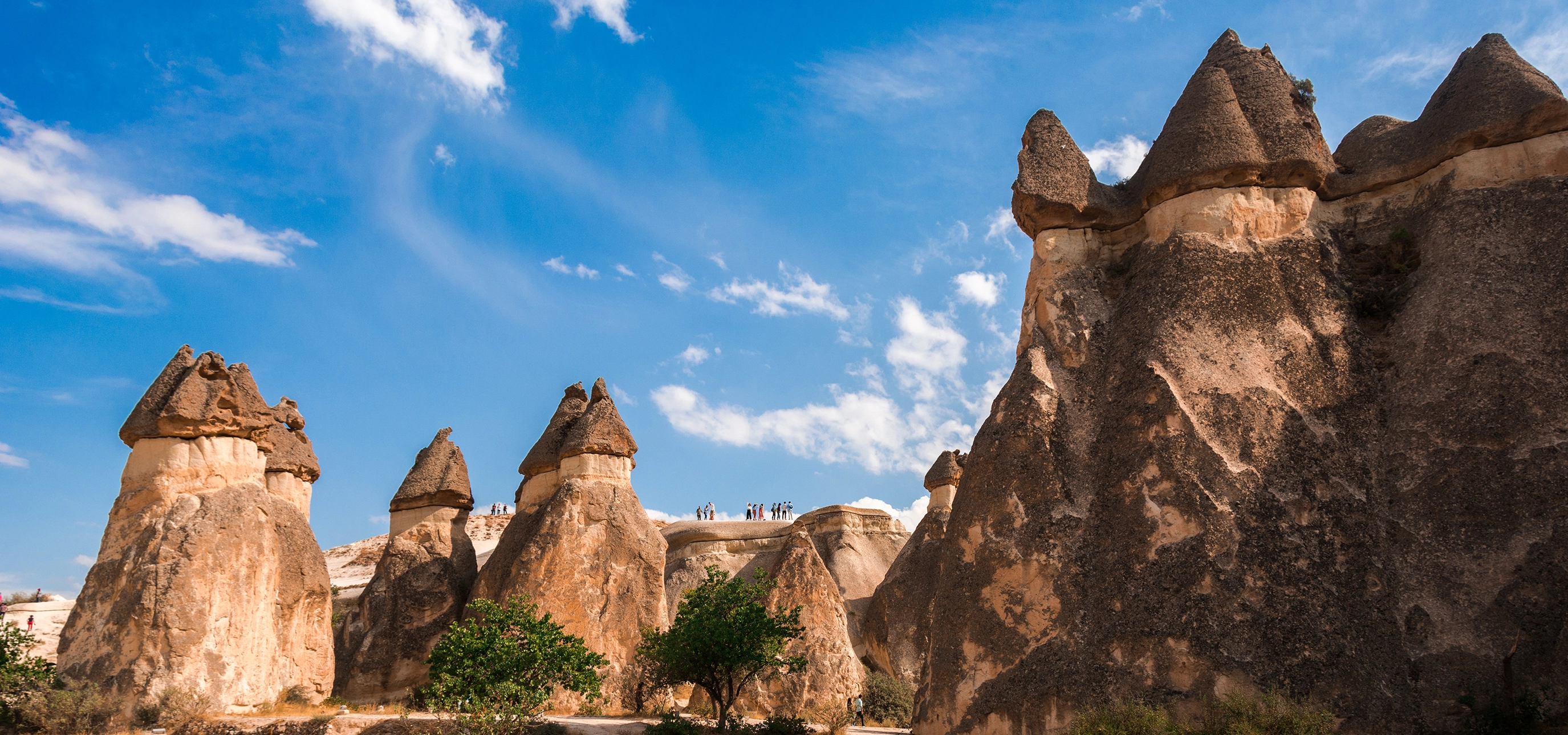
Cappadocia is one of the world’s most extraordinary cultural landscapes. Volcanic deposits shaped by erosion created the region’s famous fairy chimneys, valleys, pinnacles and soft rock formations, while generations of communities carved homes, churches, monasteries, pigeon houses and entire underground settlements directly into the landscape.


The heart of Cappadocia lies around Göreme, Uçhisar, Ürgüp, Avanos, Ortahisar and Çavuşin, where many of the region’s best-known valleys and rock-cut monuments are concentrated. Beyond these famous centers, places such as Gülşehir, Mustafapaşa, Soğanlı, Güzelyurt and Ihlara reveal a quieter and equally fascinating side of Cappadocia.


This guide also looks beyond the standard tourist circuit. The historical geography of Cappadocia reaches into modern Nevşehir, Aksaray, Kayseri, Niğde and Kırşehir, where prehistoric settlements, Hittite monuments, Byzantine churches, Seljuk caravanserais, underground cities and volcanic landscapes add further layers to the story.

Quick Visitor Information

  • Best for: History, photography, hiking, archaeology, Byzantine heritage, landscapes and culture
  • Suggested stay: 3 days minimum; 4–6 days for a deeper Cappadocia experience
  • Main highlights: Göreme, Uçhisar, Paşabağ, valleys, underground cities and rock churches
  • Best hidden gems: Gülşehir, Açıksaray, Gomeda, Üzengi, Soğanlı, Güzelyurt and Pancarlık
  • Best seasons: Spring and autumn for walking; every season offers a different landscape
  • Travel style: Combine famous landmarks with quieter valleys and historic villages
Cappadocia’s Signature Story

Volcanoes, Byzantine Monasticism & a Civilization Carved into Stone

Cappadocia’s remarkable appearance began with volcanic activity across Central Anatolia. Thick layers of volcanic material were gradually shaped by wind, water and erosion into the valleys, ridges and fairy chimneys that define the region today.


The same soft volcanic rock that produced this landscape could also be carved relatively easily. Over centuries, communities created houses, storage rooms, wineries, chapels, churches, monasteries and extensive underground settlements. Cappadocia therefore became a place where geology and human history developed together.


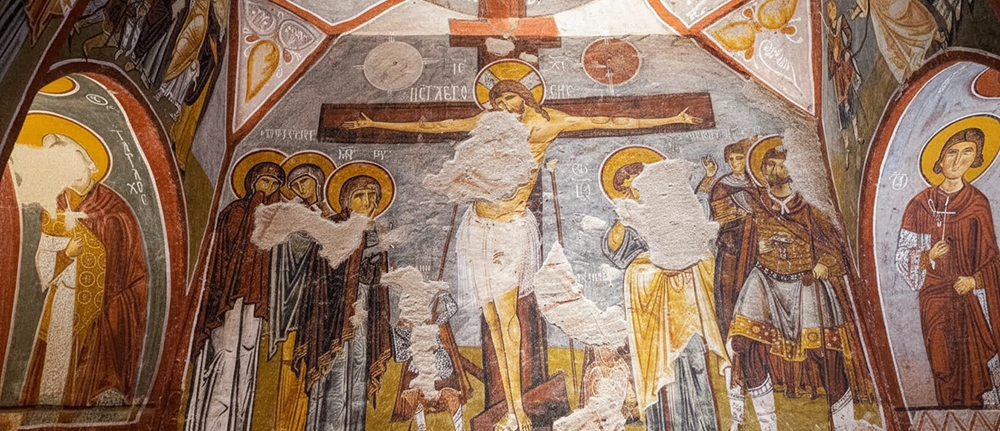
During the Byzantine period, Cappadocia became particularly important for Christian monasticism and religious art. The valleys around Göreme, Soğanlı, Güzelyurt and Ihlara preserve hundreds of rock-cut sacred spaces, ranging from simple chapels to richly decorated churches containing extraordinary cycles of fresco painting.

Choose Cappadocia by Travel Style

Cappadocia can feel completely different depending on whether you focus on Byzantine art, hiking, underground cities, photography or quieter historic villages.

Best for History

Churches, Monasteries & Ancient Settlements

Explore Göreme, Tokalı Church, Soğanlı, Keşlik, Güzelyurt, Selime, Açıksaray and the archaeological landscapes beyond the main tourist circuit.

Best for Hiking

Valleys & Hidden Trails

Walk through Pigeon, Love, White, Meskendir, Red & Rose, Gomeda, Üzengi, Ihlara and the quieter valleys around southern Cappadocia.

Best for Photography

Fairy Chimneys & Panoramas

Photograph Uçhisar, Paşabağ, Three Beauties, Love Valley, Devrent, Red Valley and the dramatic sunrise landscape around Göreme.

Best for Hidden Gems

Gülşehir, Güzelyurt & Quiet Cappadocia

Go beyond the standard routes to discover Açıksaray, Gülşehir, Mustafapaşa, Pancarlık, Gomeda, Soğanlı, Güzelyurt and remote rock-cut heritage.

UNESCO Cappadocia

Göreme National Park & the Rock Sites of Cappadocia

Cappadocia’s UNESCO World Heritage property brings together both the region’s extraordinary volcanic landscape and its remarkable human heritage. Rock-cut churches, cave dwellings, monastic spaces and underground settlements survive within one of the world’s most distinctive cultural landscapes.


The World Heritage property includes Göreme National Park, Karain, Karlık, Yeşilöz, Soğanlı, Kaymaklı Underground City and Derinkuyu Underground City. Together they represent different aspects of Cappadocia’s settlement history, religious traditions and relationship between people and the volcanic environment.


Göreme is particularly important for its rock-cut Christian sanctuaries and post-Iconoclastic Byzantine painting, while Soğanlı and the smaller rock sites preserve quieter examples of the same broad cultural landscape. Kaymaklı and Derinkuyu demonstrate the extraordinary subterranean dimension of Cappadocian life.

Explore All Cappadocia Attractions

Browse Cappadocia by valleys, underground cities, Byzantine churches, historic towns, archaeology, UNESCO heritage and the wider landscapes of Nevşehir, Aksaray, Kayseri, Niğde and Kırşehir.

Best Regional Routes Beyond Central Cappadocia

Once you have seen Göreme, Uçhisar and the famous fairy chimneys, Cappadocia opens into a much larger landscape of monasteries, historic villages, archaeology and volcanic scenery.

Canyon & Churches

Ihlara, Belisırma & Selime

Walk beside the Melendiz River, explore rock-cut churches and finish among the monumental formations of Selime.

Monastic Heritage

Güzelyurt & Manastır Valley

Discover historic stone houses, Saint Gregory traditions, rock-cut churches and one of Cappadocia’s quieter monastic valleys.

UNESCO & Quiet Valleys

Soğanlı & Southern Cappadocia

Explore churches, monasteries, dovecotes and traditional village landscapes far from the busiest central routes.

Hidden History

Gülşehir & Açıksaray

Combine St. Jean Church with the extraordinary rock-cut façades and complexes of Açıksaray.

Early Christianity

Niğde & Gümüşler

Explore Eski Gümüşler Monastery, Andaval, Tyana and the rich archaeological heritage of southern Cappadocia.

Volcano & Wetlands

Kayseri & Mount Erciyes

Combine Seljuk Kayseri, Koramaz Valley, historic Talas, Mount Erciyes and the remarkable Sultan Marshes.

Prehistoric Cappadocia

Aşıklı Höyük & Acemhöyük

Travel far beyond the Byzantine period into the prehistoric and Bronze Age landscapes of western Cappadocia.

Archaeology & Underground Heritage

Kırşehir & Kaman

Discover Kaman Kalehöyük, unusual underground cities, medieval monuments and the wetlands of Seyfe Lake.

Understanding Cappadocia

Three Landscapes That Define Cappadocia

Cappadocia becomes easier to understand when its natural landscape, rock-cut architecture and underground world are seen together.

Fairy Chimneys & Volcanic Valleys

  • Paşabağ Fairy Chimneys
  • Devrent Valley
  • Love Valley
  • White Valley
  • Red & Rose Valleys
  • Three Beauties
  • Uçhisar panoramas

Rock-Cut Christian Cappadocia

  • Göreme Open Air Museum
  • Tokalı Church
  • Dark Church
  • Soğanlı Valley
  • Keşlik Monastery
  • Güzelyurt & Manastır Valley
  • Eski Gümüşler Monastery

Underground Cappadocia

  • Kaymaklı
  • Derinkuyu
  • Mazı
  • Özkonak
  • Tatlarin
  • Saint Mercurius
  • Gaziemir

These three worlds are closely connected. The same volcanic geology that created the valleys also provided soft stone for churches, homes and underground settlements. For this reason, Cappadocia should not be understood only as a collection of scenic formations. It is a cultural landscape where nature, architecture, faith, agriculture and daily life evolved together.

How Many Days Do You Need in Cappadocia?

Two days can cover the principal highlights, but three or more days give you much more time for valleys, villages and quieter historical sites.

One Day

Cappadocia Essentials

Focus on Göreme Open Air Museum, Uçhisar, Paşabağ, Zelve, Devrent and one panoramic valley viewpoint.

Two Days

Add Underground Cappadocia

Use your second day for Kaymaklı or Derinkuyu, Ihlara Valley and Selime, or a shorter southern Cappadocia route.

Three Days

Add Valleys & Historic Villages

Explore Red & Rose Valleys, Mustafapaşa, Gomeda, Üzengi, Pancarlık, Ortahisar or Çavuşin.

Four–Six Days

Discover Deeper Cappadocia

Add Gülşehir, Açıksaray, Soğanlı, Güzelyurt, Hacıbektaş, Niğde or other regional heritage routes.

Suggested Classic Cappadocia Route

Göreme, Uçhisar, Paşabağ, Zelve, Avanos & Devrent

A classic first-day route can begin with Göreme Open Air Museum, where Cappadocia’s rock-cut churches and Byzantine frescoes provide an essential historical introduction to the region.


Continue toward Paşabağ and Zelve to explore fairy chimneys and abandoned rock-cut settlements before visiting Avanos and the surreal landscape of Devrent Valley. Uçhisar Castle and nearby panoramic viewpoints provide an excellent finish to a full introduction to central Cappadocia.

Suggested Hiking Route

Love Valley, White Valley, Pigeon Valley, Meskendir & Red–Rose Valleys

Cappadocia is best understood on foot. Around Göreme and Uçhisar, Love Valley, White Valley and Pigeon Valley can be combined into rewarding walks through changing volcanic formations, vineyards, orchards and historic pigeon houses.


On the opposite side of Göreme, Meskendir, Red Valley and Rose Valley create one of the region’s richest hiking areas. Trails pass rock-cut churches, tunnels, narrow gullies and viewpoints that become particularly dramatic in the late afternoon.

Suggested Byzantine & Early Christian Route

Göreme, Tokalı, Çavuşin, Gülşehir, Güzelyurt & Soğanlı

Travelers interested in Byzantine art and early Christianity should begin with Göreme Open Air Museum and Tokalı Church, before looking beyond the standard sightseeing circuit. Çavuşin preserves important rock-cut religious heritage, while Gülşehir adds St. Jean Church and the remarkable Açıksaray complex.


A deeper specialist itinerary can continue toward Güzelyurt, Manastır Valley, Ihlara and Soğanlı. Together these areas reveal Cappadocia as a broad monastic landscape rather than a single collection of churches around Göreme.

Suggested Southern Cappadocia Route

Underground City, Ihlara Valley, Belisırma & Selime

Begin with either Kaymaklı or Derinkuyu Underground City to explore Cappadocia’s remarkable subterranean architecture. These complexes contain living spaces, storage areas, ventilation shafts, defensive doors and corridors extending through multiple underground levels.


Continue toward Ihlara Valley for a riverside walk through a canyon filled with rock-cut churches. Belisırma provides a natural break along the route before continuing to the monumental rock formations and monastic spaces of Selime.

Suggested Wider Cappadocia Route

From Nevşehir to Aksaray, Kayseri, Niğde & Kırşehir

Travelers with a strong interest in archaeology and regional history can look beyond central Cappadocia to explore the wider historical landscape. Aşıklı Höyük, Acemhöyük, Kültepe, Göllüdağ, Tyana and Kaman Kalehöyük reveal human activity extending far beyond the Byzantine era.


Kayseri adds major Seljuk architecture, Koramaz Valley and Mount Erciyes; Niğde contributes monasteries, ancient Tyana and mountain landscapes; Aksaray contains Ihlara, Güzelyurt, caravanserais and prehistoric sites; while Kırşehir preserves underground settlements, medieval monuments and significant archaeological heritage.

Before You Visit

Planning Around Cappadocia’s Distances, Trails & Historic Sites

Central attractions around Göreme, Uçhisar, Avanos and Ürgüp are relatively close together, but Ihlara, Soğanlı, Güzelyurt, Niğde and other regional sites require considerably more driving. Avoid trying to place too many distant areas into a single day.


Valley trails can include loose stone, steep descents, narrow passages and uneven surfaces. Good walking shoes, drinking water and suitable clothing are important, particularly during warm summer afternoons or winter conditions.


Opening hours, restoration projects, excavation work, weather conditions and access rules can change at museums, churches and archaeological sites. Check current conditions before traveling to remote attractions.

Practical Tips for Visiting Cappadocia

Getting Around

Do Not Judge Distance by the Map Alone

Central sights are close, but Ihlara, Soğanlı, Güzelyurt and regional archaeological sites can require significant driving time.

Valley Walks

Wear Proper Shoes

Cappadocia’s volcanic trails can be sandy, steep and uneven. Comfortable walking shoes make valley exploration much easier.

Underground Cities

Expect Narrow Passages

Underground cities contain low ceilings, stairs and confined tunnels and may not suit travelers uncomfortable in enclosed spaces.

Sunrise

Balloon Flights Depend on Weather

Balloon operations are controlled according to weather and aviation conditions, so a flight should never be treated as guaranteed.

Best Places to Visit in Cappadocia, Türkiye

Cappadocia is one of Türkiye’s most remarkable travel destinations for visitors interested in fairy chimneys, underground cities, Byzantine churches, hiking, archaeology, photography and historic villages. The best-known attractions are concentrated around Göreme, Uçhisar, Ürgüp and Avanos, but the region becomes even more rewarding when travelers explore beyond the standard sightseeing routes.


Göreme Open Air Museum, Uçhisar Castle, Paşabağ, Zelve and Devrent Valley form an excellent introduction to central Cappadocia. Pigeon Valley, Love Valley, Red & Rose Valleys and White Valley show how dramatically the volcanic landscape changes within a relatively small area.


Underground Cappadocia adds an entirely different experience. Kaymaklı and Derinkuyu are the best-known examples, while Mazı, Özkonak, Tatlarin, Saint Mercurius, Saratlı and Gaziemir demonstrate that underground settlement was widespread across the region.


Cappadocia is equally important for Christian and Byzantine heritage. Göreme preserves some of the region’s greatest fresco cycles, while Soğanlı, Ihlara, Güzelyurt, Gülşehir, Keşlik, Pancarlık and Eski Gümüşler provide opportunities to explore monastic and religious history in very different settings.


Travelers searching for hidden places in Cappadocia should consider Açıksaray, Gomeda Valley, Üzengi Valley, Meskendir Valley, Mustafapaşa, Gülşehir, Güzelyurt, Soğanlı and Pancarlık. These attractions can provide a quieter and more personal experience than the busiest central landmarks.


The wider historical region extends the story even further. Prehistoric settlements such as Aşıklı Höyük, Bronze Age centers such as Acemhöyük and Kültepe, Hittite monuments, Roman Tyana, Seljuk caravanserais and historic cities across Kayseri, Niğde and Kırşehir demonstrate that Cappadocia is far more than a landscape of fairy chimneys.

Frequently Asked Questions About Cappadocia

Essential attractions include Göreme Open Air Museum, Uçhisar Castle, Paşabağ, Zelve, Pigeon Valley, Love Valley, Red and Rose Valleys and either Kaymaklı or Derinkuyu Underground City.

Three days is an excellent minimum for a first visit. Four to six days allow time for hiking, Ihlara, Soğanlı, Güzelyurt and lesser-known historical sites.

Yes. Göreme National Park and the Rock Sites of Cappadocia form a UNESCO World Heritage property that includes Göreme, Karain, Karlık, Yeşilöz, Soğanlı and the underground cities of Kaymaklı and Derinkuyu.

Kaymaklı and Derinkuyu are the most famous choices. Derinkuyu is particularly impressive for its depth, while Kaymaklı offers an extensive network of interconnected spaces. Smaller underground cities can be excellent alternatives for travelers seeking quieter experiences.

Pigeon Valley, Love Valley, White Valley, Red and Rose Valleys and Meskendir are excellent central options. Gomeda, Üzengi, Ihlara and Soğanlı are ideal for travelers looking for quieter landscapes.

Paşabağ is one of the best places to see classic multi-headed fairy chimneys at close range. Love Valley, Zelve, Devrent and the Three Beauties near Ürgüp also contain distinctive formations.

Göreme Open Air Museum and Tokalı Church are essential. Ihlara, Soğanlı, Gülşehir, Pancarlık, Güzelyurt and Eski Gümüşler are excellent additions for travelers with a deeper interest in Byzantine art.

Açıksaray, Gomeda Valley, Üzengi Valley, Pancarlık, Gülşehir, Güzelyurt, Soğanlı, Cemil and several smaller churches and monasteries provide quieter alternatives to the main sightseeing circuit.

Yes. Ihlara combines canyon scenery, the Melendiz River, hiking and numerous rock-cut churches. It is particularly worthwhile for travelers who want both nature and history.

Yes. Soğanlı preserves an atmospheric valley landscape with rock-cut churches, monastic spaces and traditional village life and is usually much quieter than central Cappadocia.

Yes. Göreme, Uçhisar and several nearby valleys can be explored independently. Private transportation becomes particularly useful for Ihlara, Soğanlı, Güzelyurt and remote archaeological sites.

Göreme is convenient for walking and valley access, Uçhisar offers dramatic panoramas, Ürgüp has a strong restaurant and hotel scene, and Ortahisar can provide a quieter atmosphere. The best choice depends on your travel style.

Yes. Several central valleys connect naturally with one another. Love Valley, White Valley and Pigeon Valley can form longer walking routes, while Meskendir connects with Red and Rose Valleys.

No. Balloon operations depend on weather and aviation approval. Travelers should ideally allow more than one morning in Cappadocia if a balloon flight is an important part of their trip.

Yes. The wider historical and geographical region includes important heritage across modern Nevşehir, Aksaray, Kayseri, Niğde and Kırşehir, although the best-known tourism area is centered on Nevşehir.

Ready to Explore Cappadocia?

Tell us your travel dates, hotel and interests, and we will help you create a private Cappadocia itinerary combining famous landmarks, hidden valleys, underground cities, Byzantine churches, local villages and the places that best match your travel style.

WhatsApp Us for Cappadocia Planning