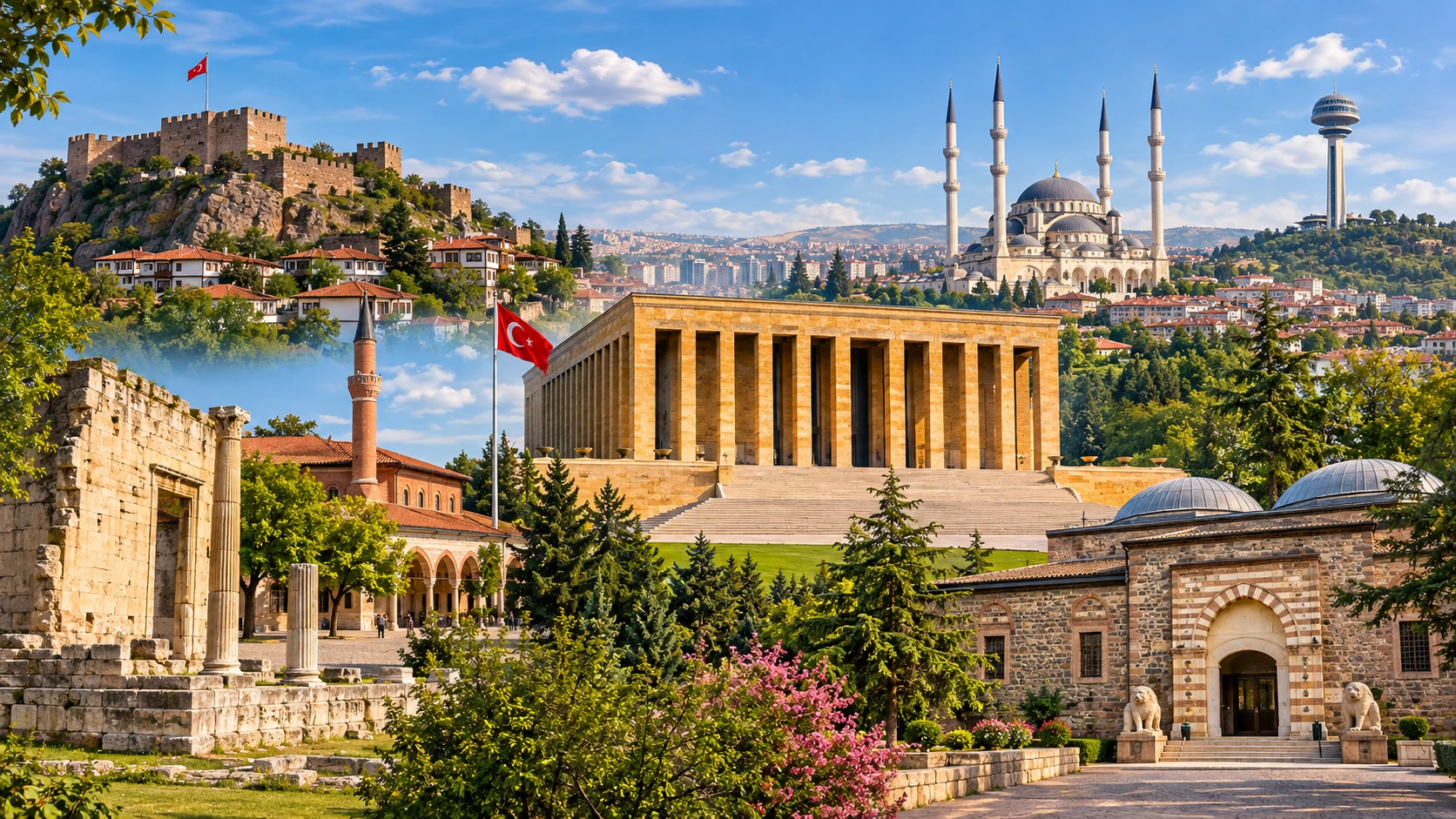
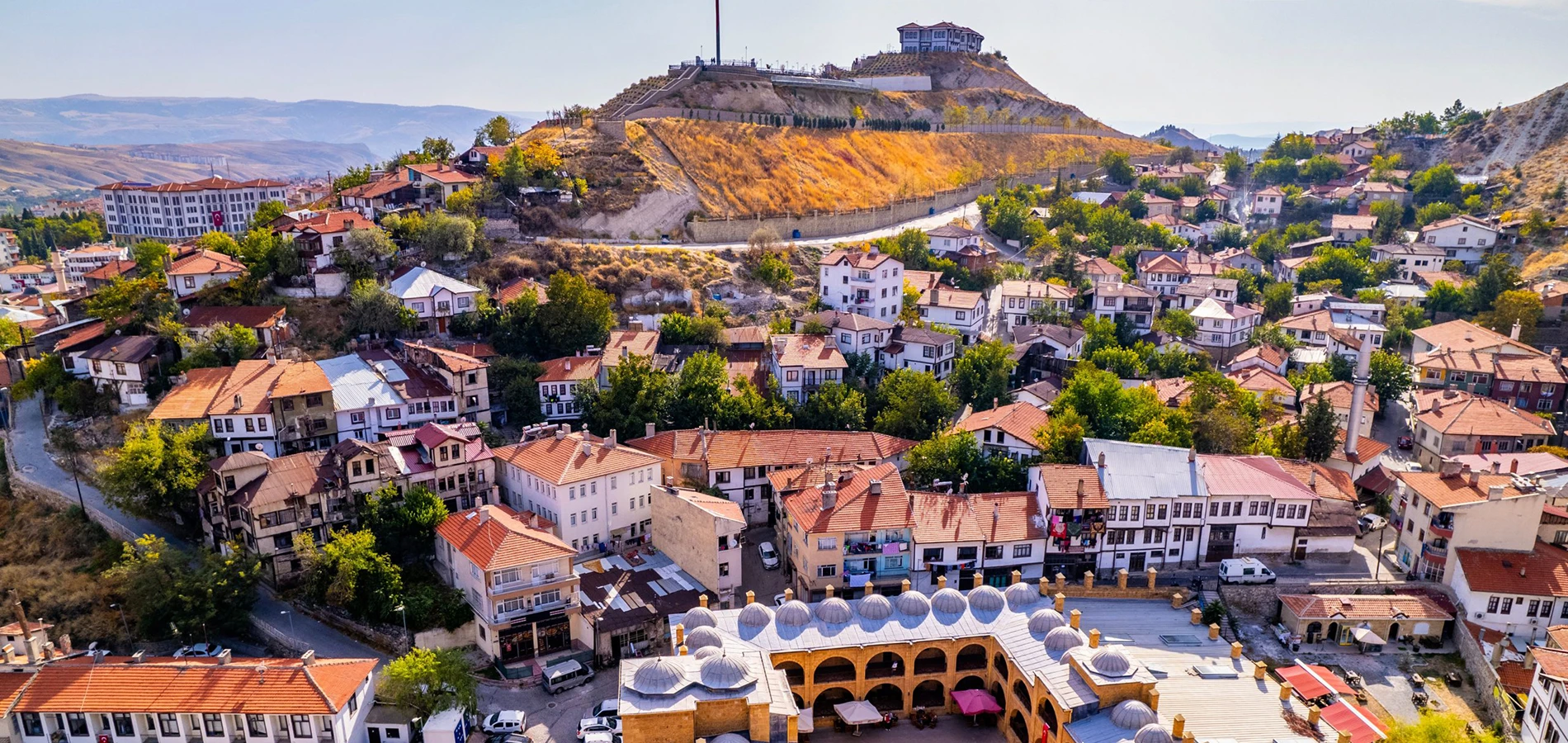
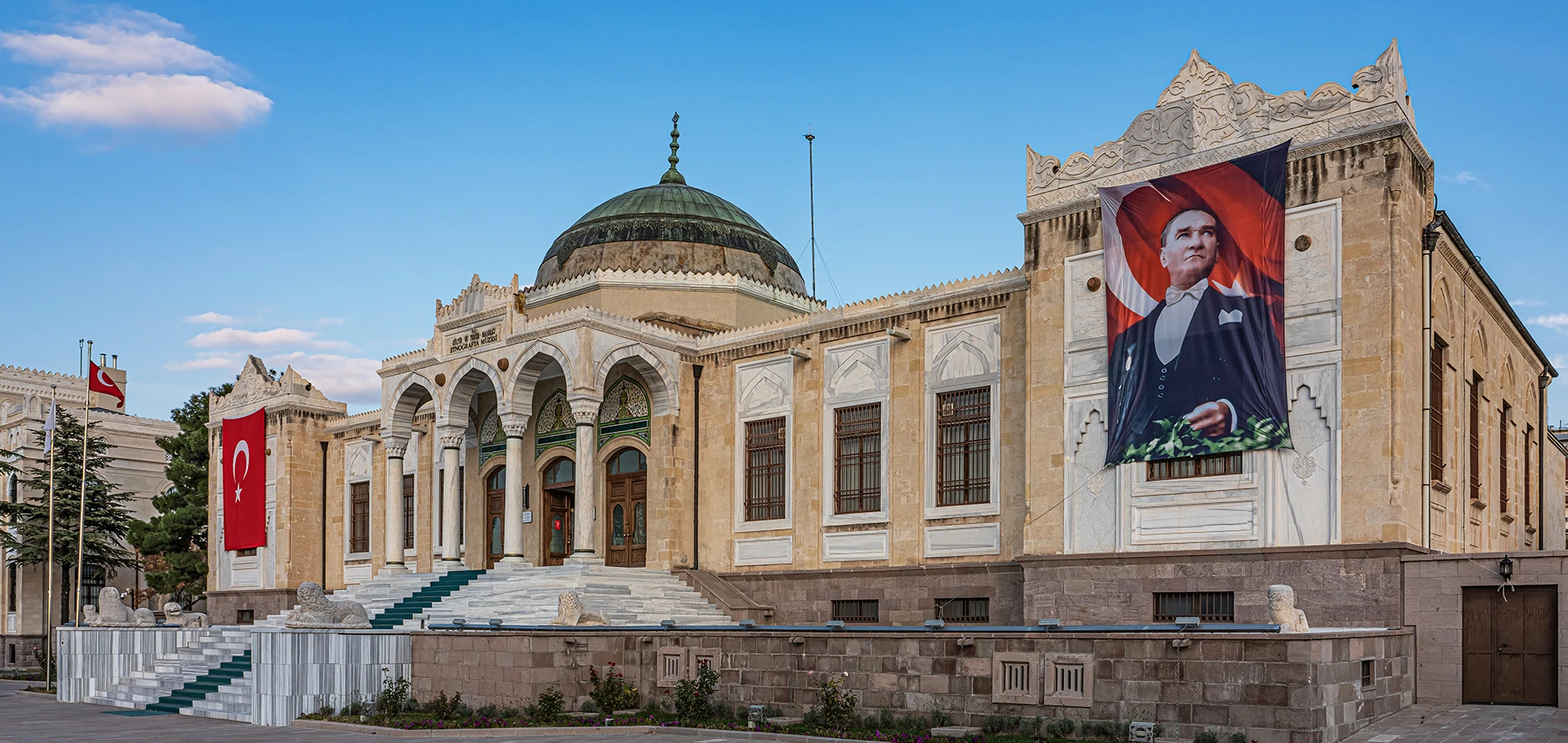
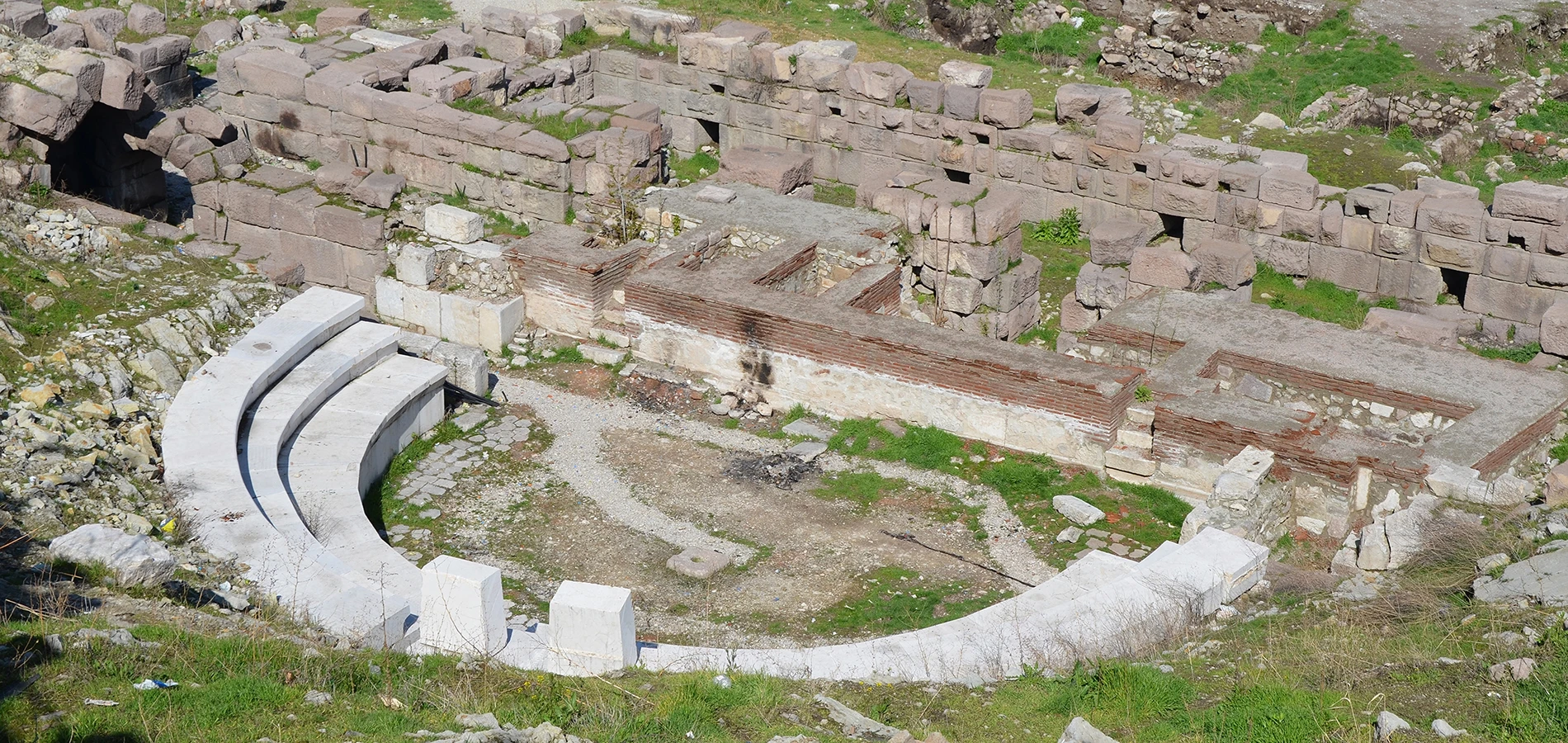
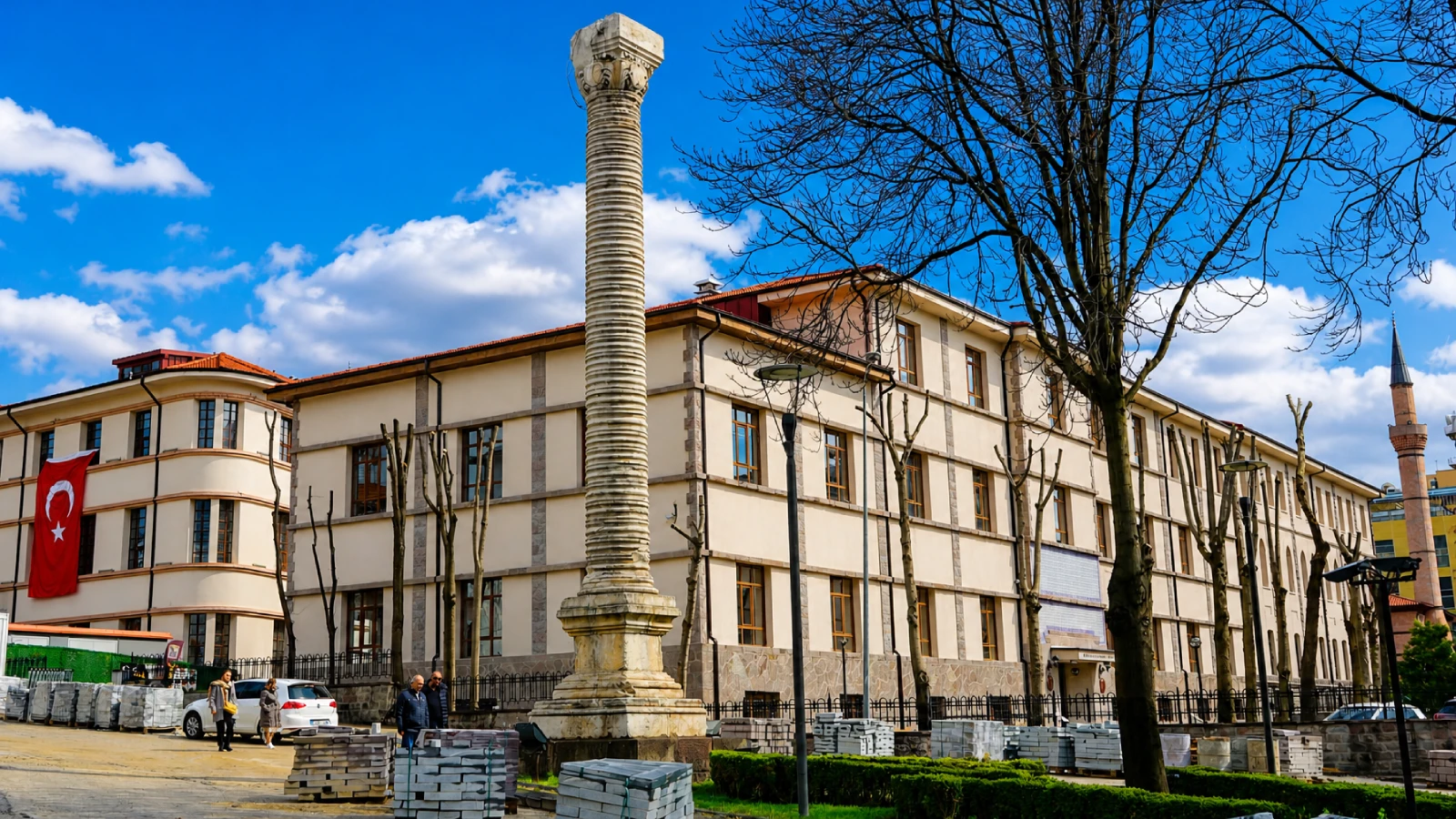
Ankara Turkey with Anitkabir, Ankara Castle, Roman heritage, Haci Bayram Veli Mosque, Gordion and historic Beypazari
Wow Cappadocia Turkey Travel Guide

Ankara Travel Guide – Best Places to Visit

Discover the best places to visit in Ankara, from Anıtkabir, Ankara Castle and the Museum of Anatolian Civilizations to the Roman remains of ancient Ancyra, UNESCO-listed Gordion and Aslanhane Mosque, historic Beypazarı, Hamamönü, lakes, national parks and the distinctive food culture of Türkiye’s capital.

Anıtkabir Ankara Castle Roman Ancyra UNESCO Gordion

Discover Ankara, Ancient Ancyra and the Capital of Modern Türkiye

Ankara lies in the heart of Central Anatolia and is one of Türkiye’s most historically layered cities. Long before becoming the national capital in 1923, the area was shaped by Phrygian, Galatian, Roman, Byzantine, Seljuk, Ahi, Ottoman and early Republican history.


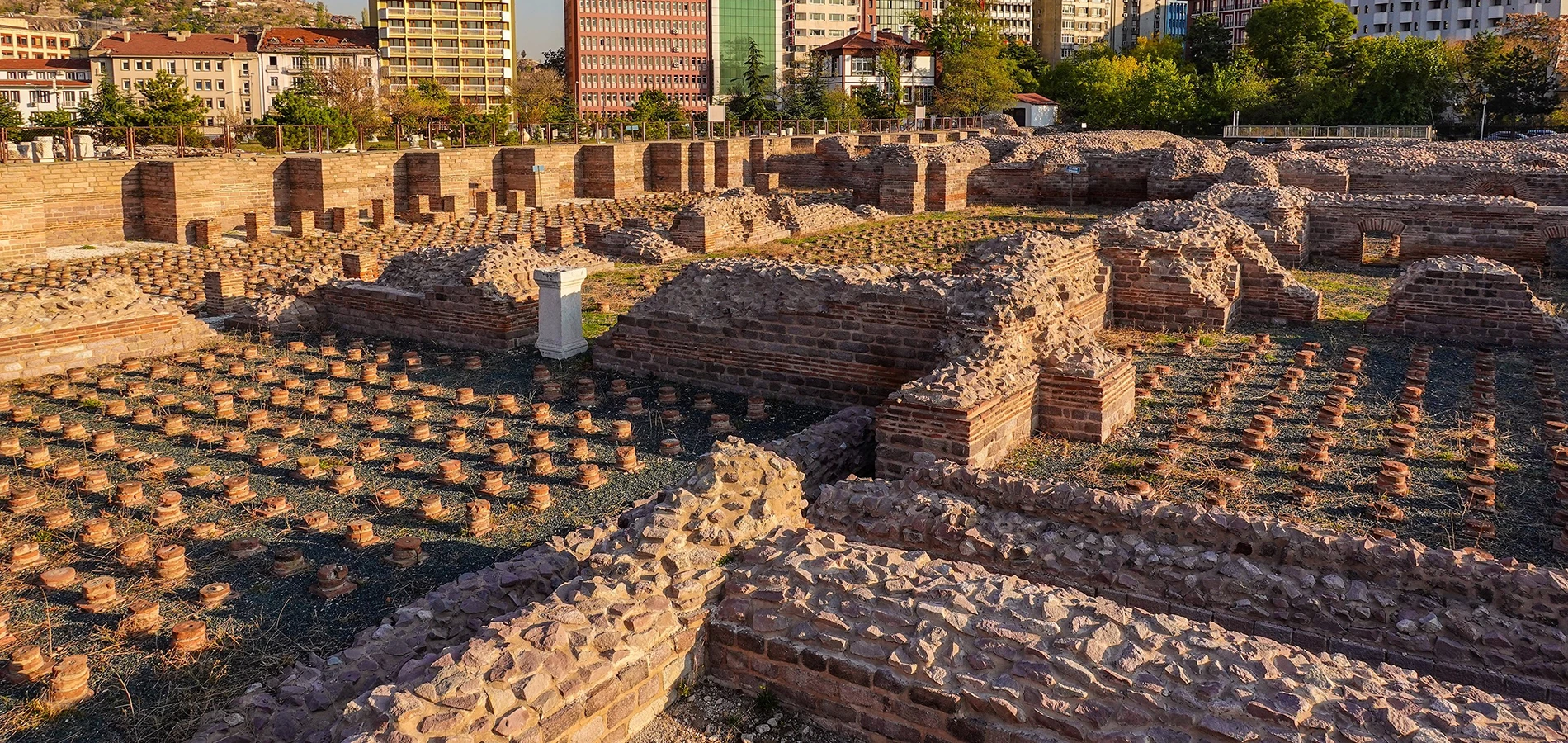
The historic center around Ulus, Ankara Castle and Hacı Bayram brings many of these layers together. Roman baths, the Temple of Augustus and Rome, the Column of Julian and the Roman Theatre survive close to Ottoman mosques, traditional quarters, museums and the buildings where the Turkish Republic was established.


Beyond the city center, Ankara province becomes an outstanding destination for archaeology and regional travel. Gordion, Beypazarı, İnözü Valley, Kızılcahamam, Soğuksu National Park, Nallıhan Bird Sanctuary, Eymir Lake and Mogan Lake reveal a side of the capital that many visitors never see. Ankara also has a rich food culture built around simit, döner, Ankara tava, pickles, traditional breads, Beypazarı specialties and district recipes.

Quick Visitor Information

  • Best for: Archaeology, museums, Roman history, Republican history, architecture, food and day trips
  • Suggested stay: 2 days for major city highlights; 3–5 days with Gordion, Beypazarı and nature routes
  • Main highlights: Anıtkabir, Museum of Anatolian Civilizations, Ankara Castle, Hacı Bayram, Roman Ankara and Gordion
  • Best regional trips: Gordion–Polatlı, Beypazarı–İnözü, Kızılcahamam–Soğuksu and Nallıhan
  • Best seasons: Spring and autumn for walking and archaeology; winter for museums; summer for early starts and regional routes
  • Local identity: Ankara Simidi, Ankara Döneri, Ankara Tava, Çubuk Turşusu, Beypazarı cuisine and Kalecik grapes
Ankara’s Signature Story

From Phrygian Gordion and Roman Ancyra to the Birth of the Republic

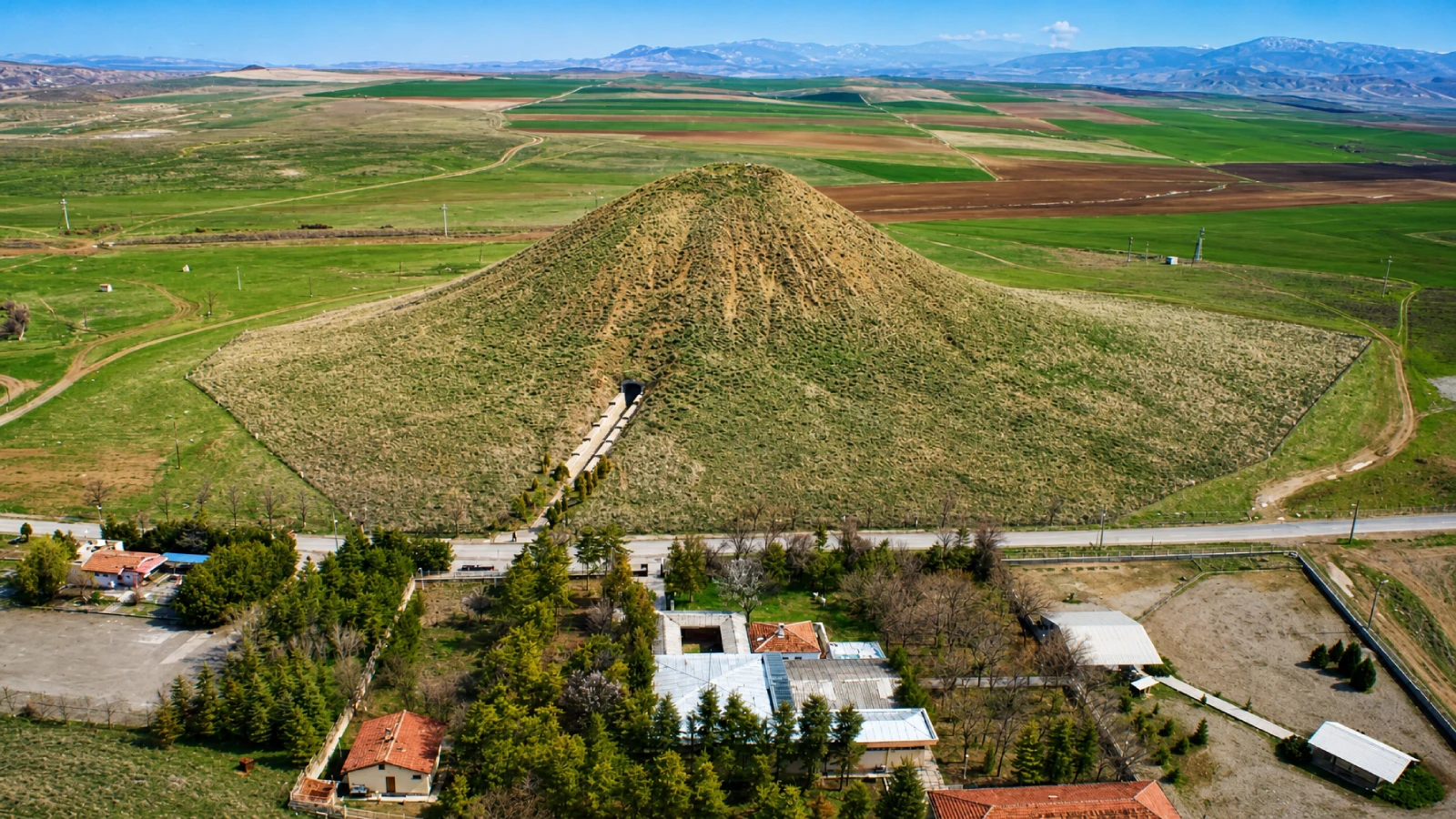
Ankara is unusual because its greatest stories belong to very different periods. To the west of the modern capital, Gordion preserves one of the most important archaeological landscapes of ancient Phrygia, including a monumental citadel and the great tumulus traditionally associated with King Midas.


In the historic center, ancient Ancyra survives through the Temple of Augustus and Rome, Roman Baths, Roman Theatre and Column of Julian. Ankara later developed important Seljuk and Ahi monuments, including Aslanhane Mosque, today part of a UNESCO World Heritage property.


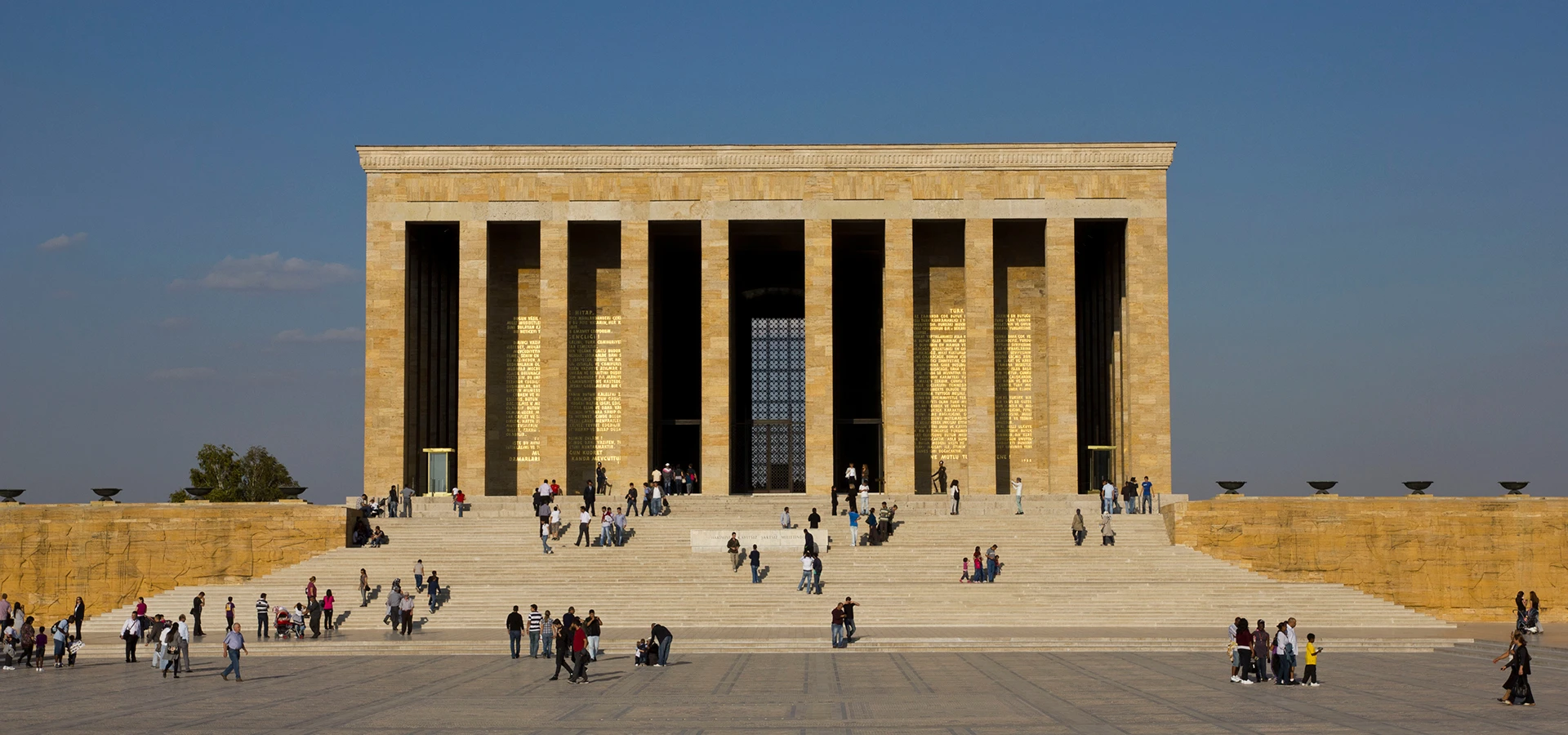
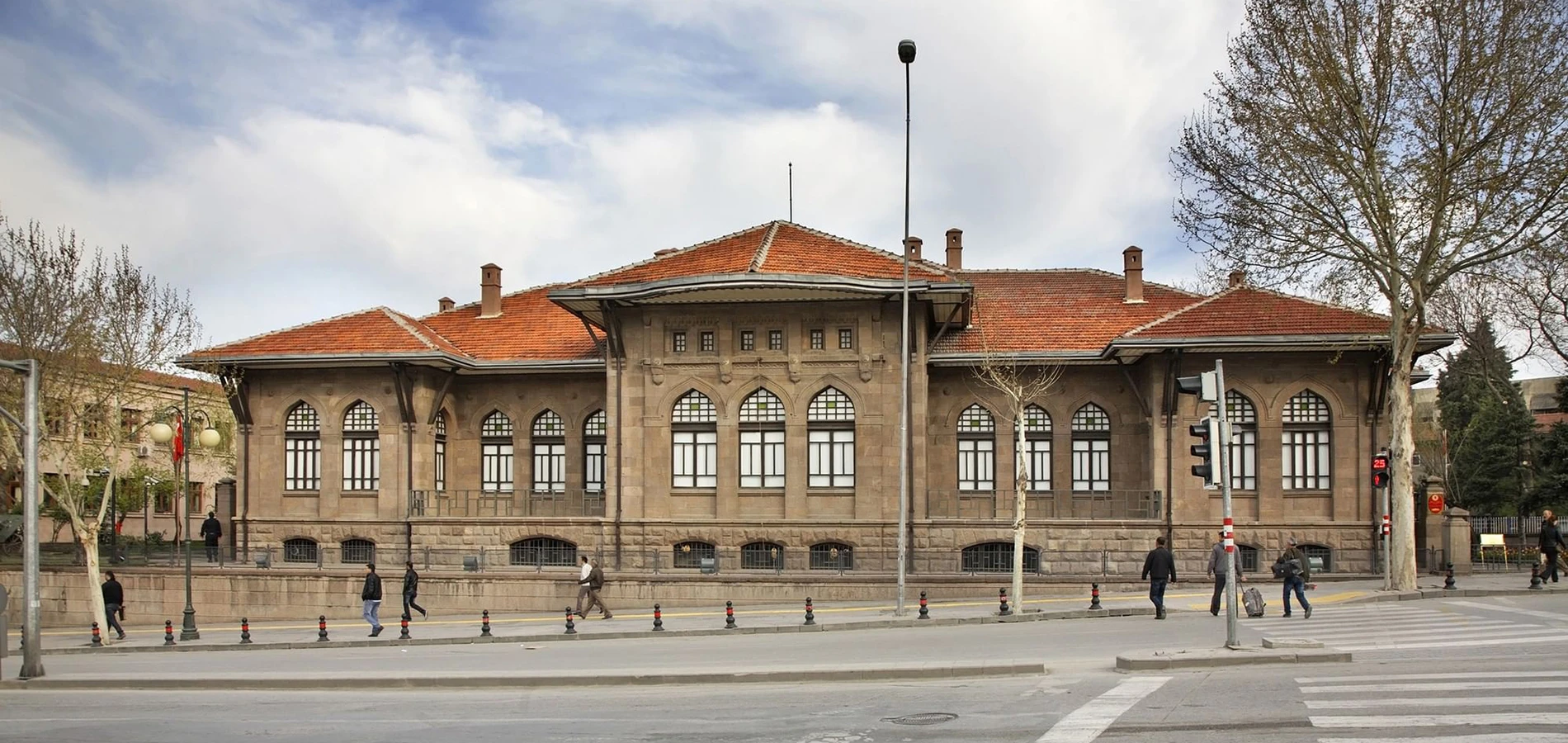
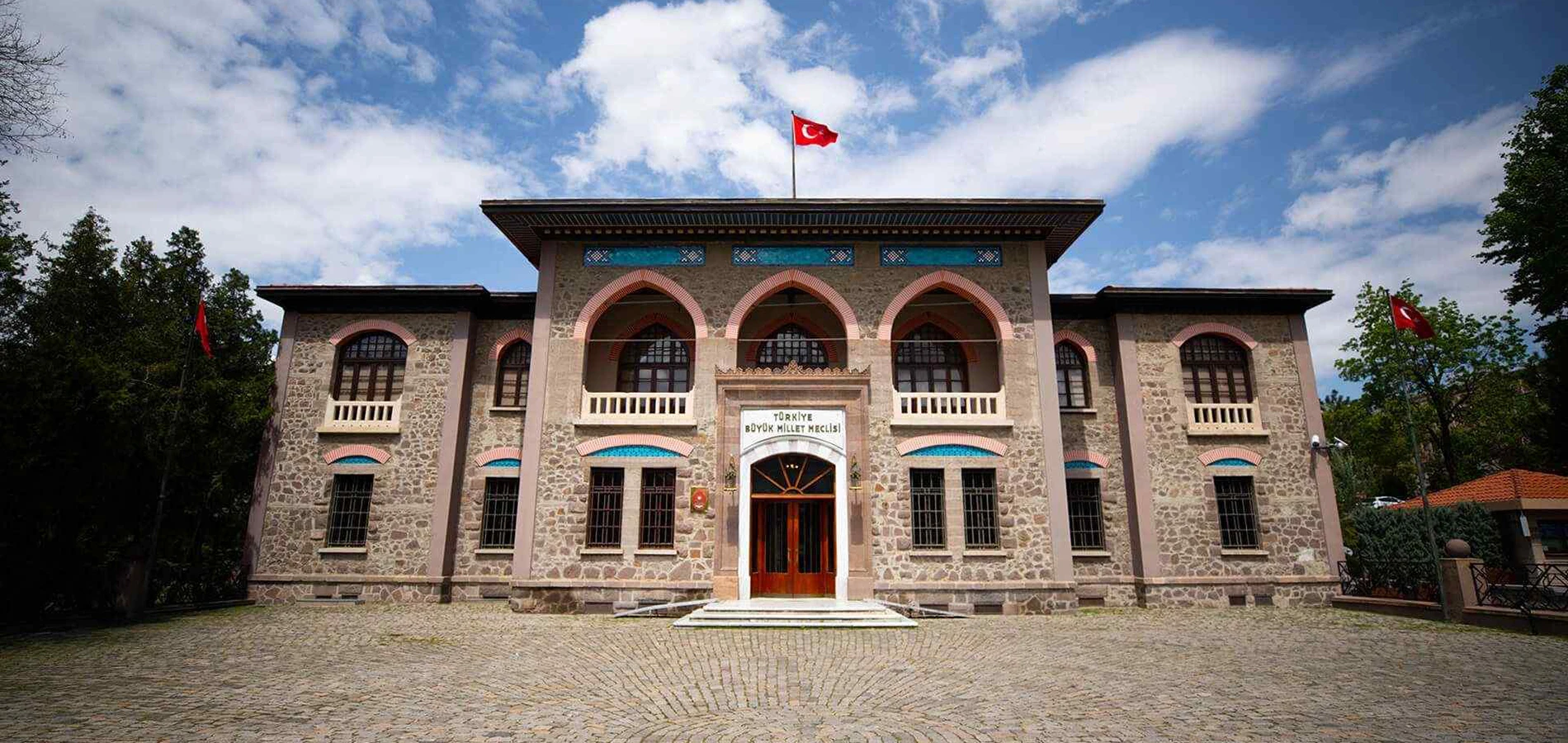
Ankara’s third great chapter began during the Turkish War of Independence. Mustafa Kemal Atatürk arrived in Ankara in 1919, the Grand National Assembly opened here in 1920, and the city became the capital on 13 October 1923. Anıtkabir, the First and Second Parliament buildings and other Republican landmarks preserve this transformation.

Choose Ankara by Travel Style

Ankara combines world-class archaeology, Roman monuments, Republican history, traditional neighborhoods, major museums, UNESCO heritage, regional food and nature.

Best for Archaeology

Gordion & Anatolian Civilizations

Explore UNESCO-listed Gordion and one of Türkiye’s finest archaeology museums, then follow the Roman remains of ancient Ancyra.

Best for History

Anıtkabir & the Parliament Museums

Follow Ankara’s transformation into the center of the War of Independence and the capital of the Turkish Republic.

Best for Old Ankara

Castle, Ulus & Hamamönü

Walk between historic houses, markets, mosques, Roman monuments, museums and traditional neighborhoods.

Best for Food

Simit, Döner, Tava & Beypazarı

Discover Ankara’s famous city foods together with pickles, regional breads, village recipes and Beypazarı specialties.

UNESCO Ankara

Gordion & Aslanhane Mosque – Two Remarkable UNESCO Stories

Ankara province contains two very different UNESCO World Heritage stories. Gordion, inscribed in 2023, is one of the most important archaeological sites for understanding ancient Phrygian civilization. Its fortified citadel, monumental architecture and extensive tumulus landscape make it one of Central Anatolia’s great archaeological destinations.


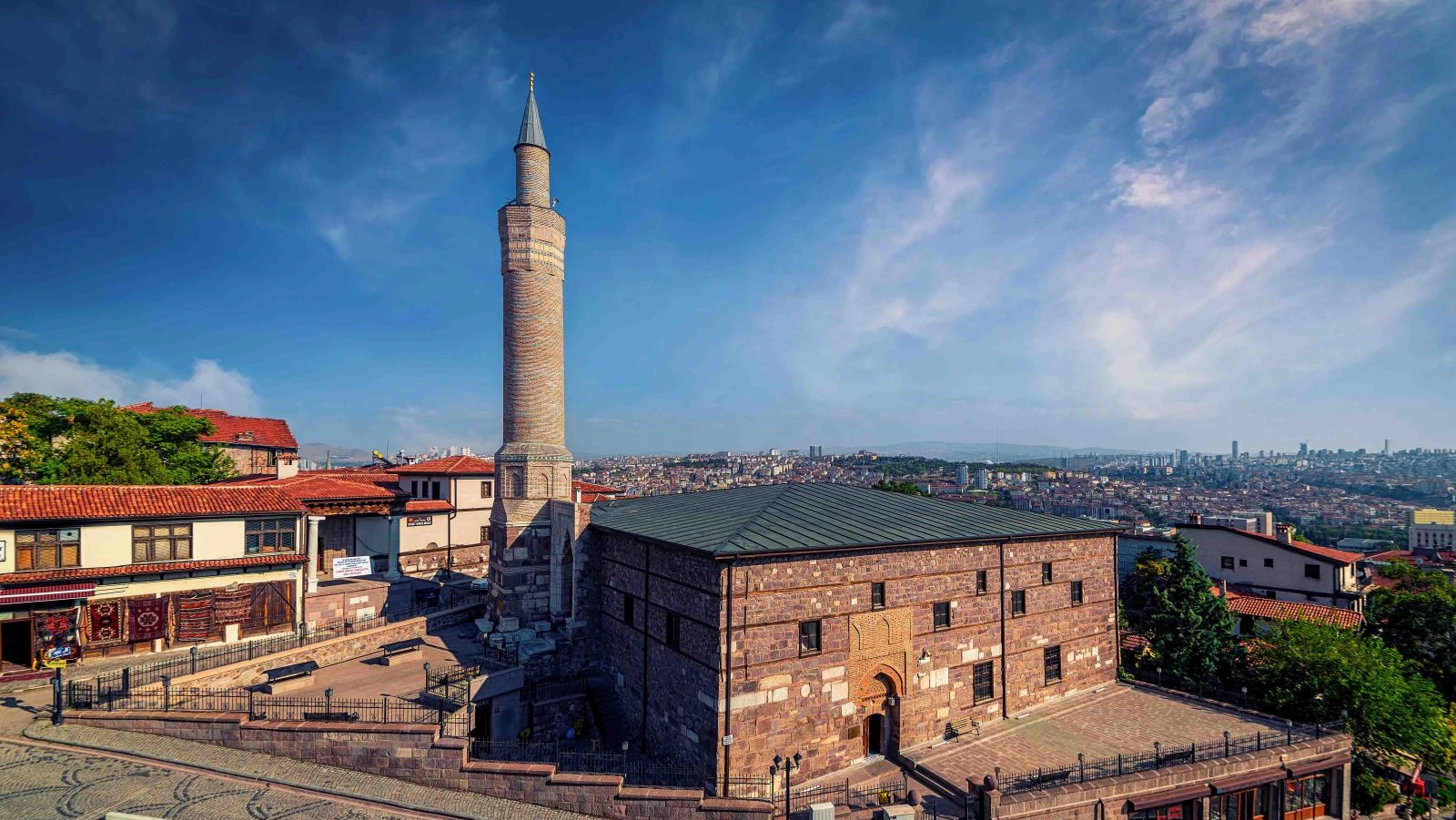
In the historic city center, Aslanhane Mosque forms part of the UNESCO-listed Wooden Hypostyle Mosques of Medieval Anatolia. Built in the late 13th century, its rows of wooden columns and timber roof preserve an outstanding example of medieval Anatolian mosque architecture.


Together they demonstrate Ankara’s extraordinary historical range: an Iron Age capital of the Phrygians and a medieval Islamic monument separated by almost two thousand years of Anatolian history.

Explore All Ankara Attractions

Browse Ankara by historic Ulus, Roman Ancyra, Republican heritage, museums, UNESCO sites, Beypazarı, nature destinations and regional food.

Best Day Trips and Regional Routes from Ankara

Ankara province extends far beyond the capital center, with UNESCO archaeology, historic towns, forests, valleys, wetlands and distinctive district cultures.

UNESCO Archaeology

Gordion & Polatlı

Explore the Phrygian citadel, Midas Tumulus and Gordion Museum on Ankara’s strongest archaeology-focused day trip.

Historic Town

Beypazarı & İnözü Valley

Combine Ottoman houses, museums, markets and regional food with the dramatic natural scenery of İnözü Valley.

Forest & Thermal

Kızılcahamam & Soğuksu

Escape into pine forests, walking routes and mountain scenery, with Kızılcahamam’s thermal identity nearby.

Birdwatching

Nallıhan Bird Sanctuary

Discover one of Ankara’s most distinctive nature destinations, combining birdlife with colorful geological landscapes.

Close to the City

Eymir & Mogan Lakes

Choose a relaxed half-day for walking, cycling, lakeside scenery, birdwatching and a break from the city center.

Ancient Capital

Roman Ancyra

Follow the Temple of Augustus, Roman Baths, Roman Theatre and Column of Julian through historic Ulus.

National History

Republican Ankara

Connect Anıtkabir with the First and Second Parliament museums for a focused journey through modern Turkish history.

Historic Streets

Castle & Hamamönü

Spend a day among traditional neighborhoods, historic houses, museums, mosques, markets and Ankara Castle.

What to Eat & Buy in Ankara

Ankara cuisine reaches far beyond the capital center, combining famous city foods with Beypazarı specialties, Çubuk pickles, traditional breads, soups, grape products and district recipes.

Ankara Food Culture

From Ankara Simidi and Döner to Çubuk Turşusu and Beypazarı Cuisine

Ankara’s food culture reflects both the urban traditions of the capital and the agricultural landscapes of its surrounding districts. Ankara Simidi, Ankara Döneri and Ankara Tava are among the best-known city specialties, while breads, soups, meat dishes and preserved vegetables remain important across the province.


Çubuk Turşusu is one of Ankara’s most recognizable regional products, while Kızılcahamam is associated with bazlama and Kalecik with the celebrated Kalecik Karası grape. Akyurt and Çubuk preserve a number of highly local dishes that rarely appear on international travel guides.


Beypazarı deserves special attention as a food destination in its own right. Beypazarı Kurusu, Güveç, Yaprak Sarması, Baklava, Havuç Lokumu and local carrot products make a visit to the historic town as rewarding for food travelers as it is for architecture and history.

How Many Days Do You Need in Ankara?

Ankara’s major city attractions are relatively concentrated, but Gordion, Beypazarı, Kızılcahamam and Nallıhan deserve separate regional days.

One Day

Ankara Essentials

Visit Anıtkabir, the Museum of Anatolian Civilizations, Ankara Castle and the Hacı Bayram–Augustus Temple area.

Two Days

Add Roman & Republican Ankara

Add the Roman Baths, Roman Theatre, Parliament museums, Hamamönü, Ethnography Museum and Aslanhane Mosque.

Three Days

Add Gordion or Beypazarı

Use your third day for UNESCO-listed Gordion and its tumuli, or explore historic Beypazarı and İnözü Valley.

Four–Five Days

Explore Ankara Province

Add both Gordion and Beypazarı, then choose Kızılcahamam, Nallıhan, Eymir–Mogan or additional museum time.

Suggested Historic Ankara Route

Ankara Castle, Museum of Anatolian Civilizations & Old Ulus

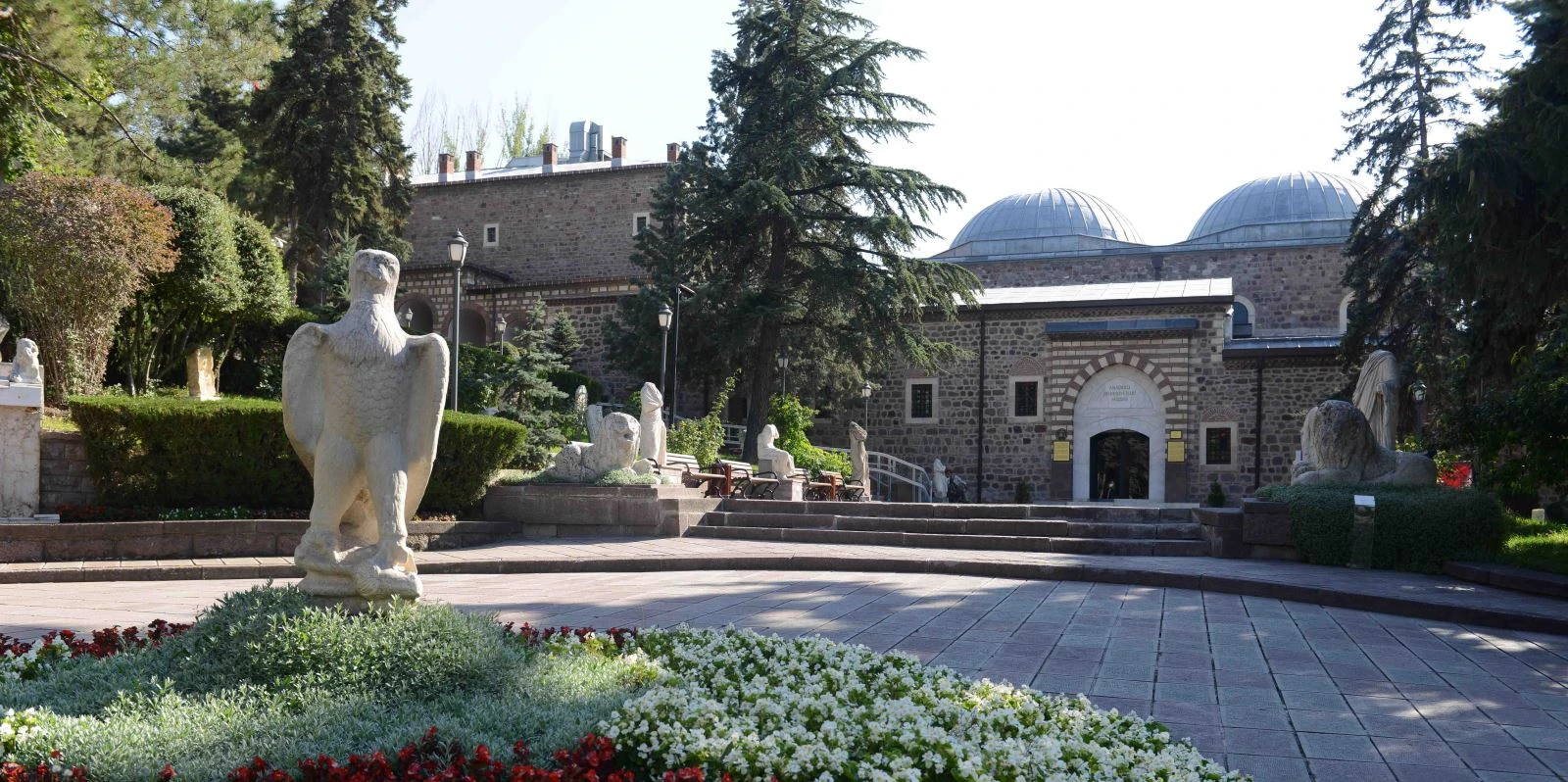
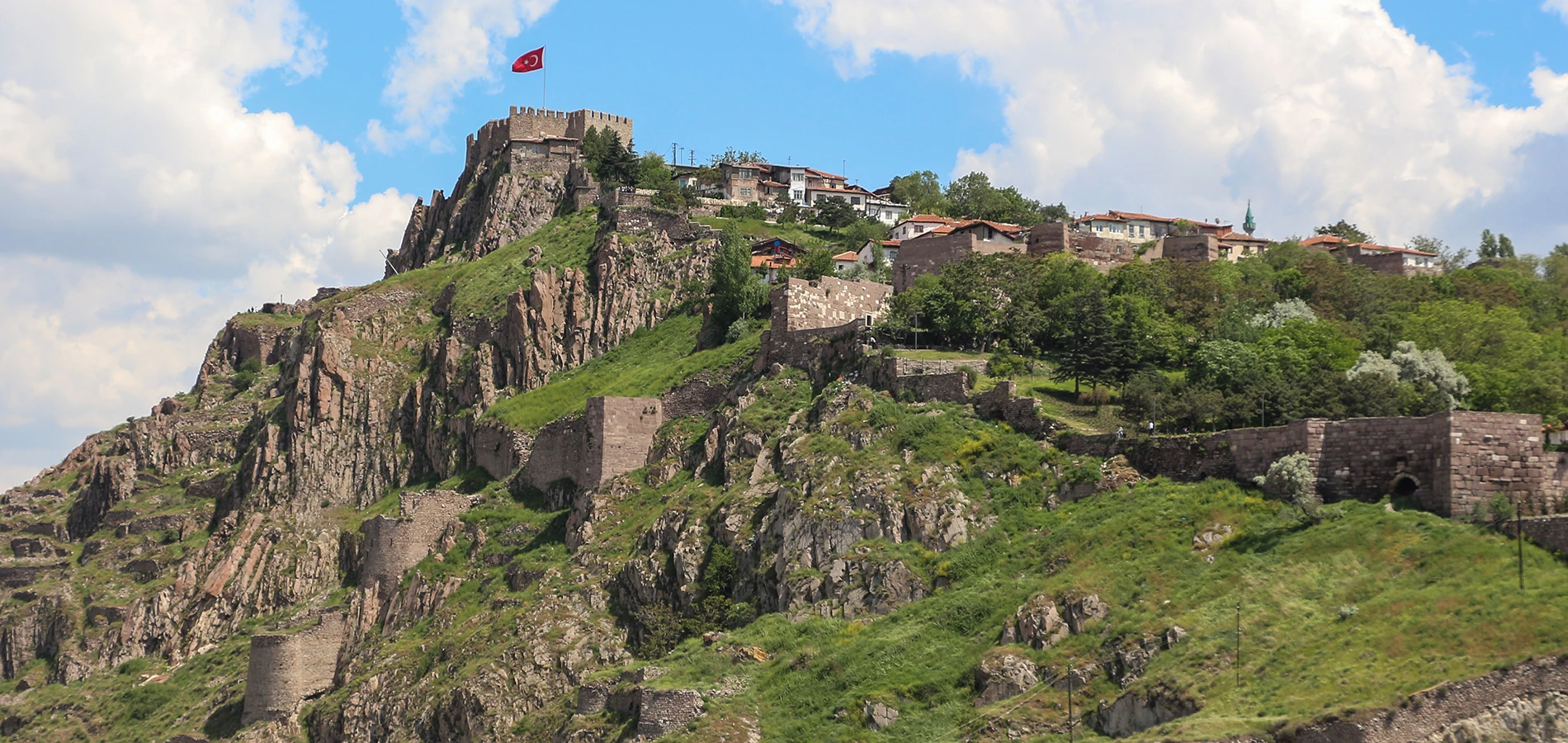
Begin at the Museum of Anatolian Civilizations for an overview of thousands of years of Anatolian history. From the museum, continue uphill toward Ankara Castle, exploring the historic streets and traditional houses around the citadel.


Visit Aslanhane Mosque below the castle, then continue through the old commercial quarter toward Ulus. Travelers interested in museums can add the Rahmi M. Koç Museum and Erimtan Archaeology and Art Museum, both located conveniently close to the castle.

Suggested Roman Ankara Route

Augustus Temple, Roman Baths, Theatre & Julian’s Column

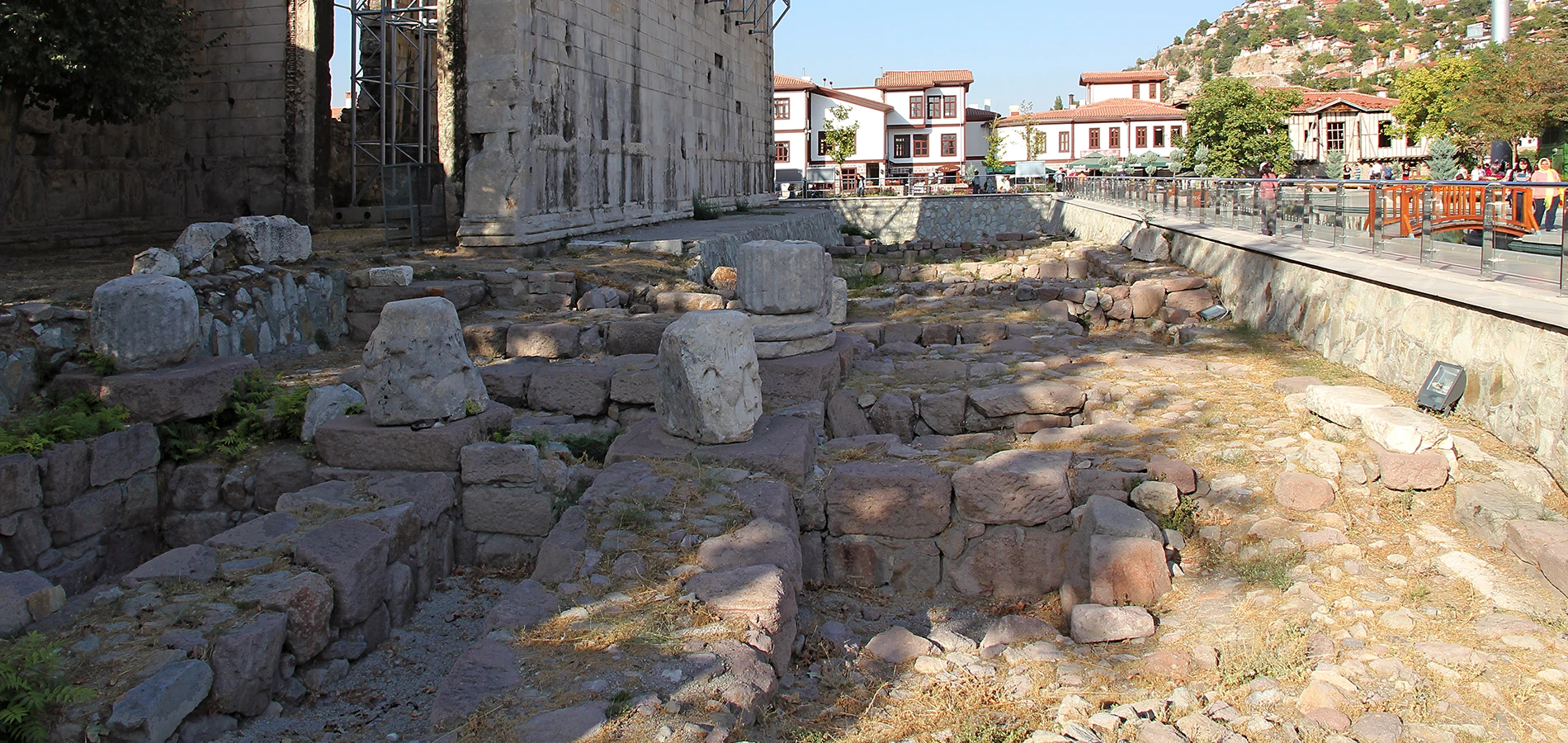
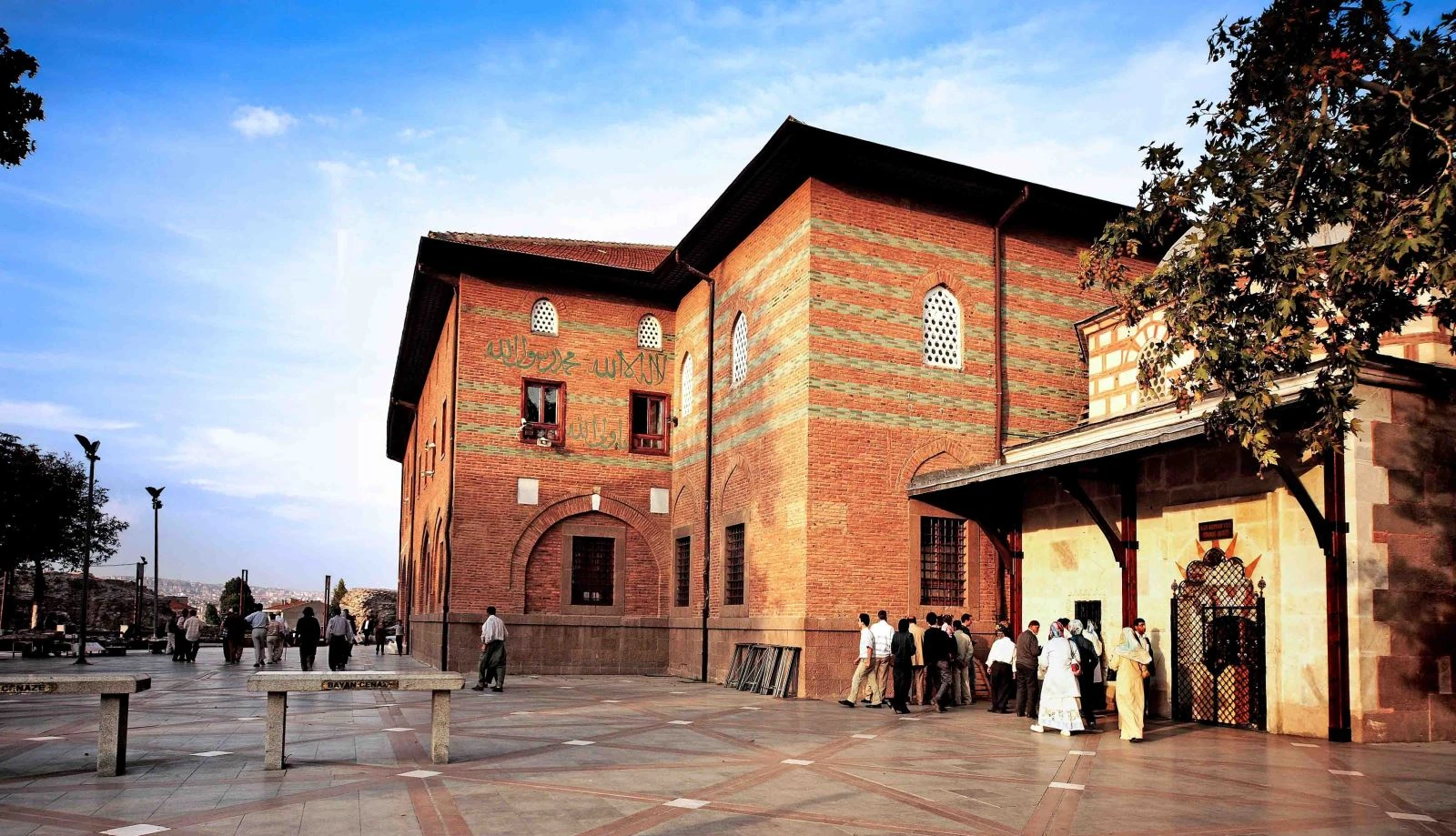
Roman Ankara can be explored largely around historic Ulus. Begin beside Hacı Bayram Veli Mosque at the Temple of Augustus and Rome, where the surviving walls preserve one of the ancient world’s most important texts connected with Emperor Augustus.


Continue to the Column of Julian, the Roman Baths and Open-Air Museum, and the Roman Theatre beneath Ankara Castle. Together these monuments reveal the scale and importance of ancient Ancyra as a major Roman city in central Anatolia.

Suggested Republican History Route

Anıtkabir, First Parliament & Second Parliament

Begin at Anıtkabir, allowing enough time for the ceremonial grounds and the Atatürk and War of Independence Museum. The complex provides essential context for understanding Mustafa Kemal Atatürk, the national struggle and the reforms of the early Republic.


Continue to Ulus for the War of Independence Museum in the First Parliament building and the nearby Republic Museum in the Second Parliament building. Together these three sites form Ankara’s strongest route for modern Turkish history.

Suggested Culture & Walking Route

Hamamönü, Mehmet Akif Ersoy & Ankara’s Museum Quarter

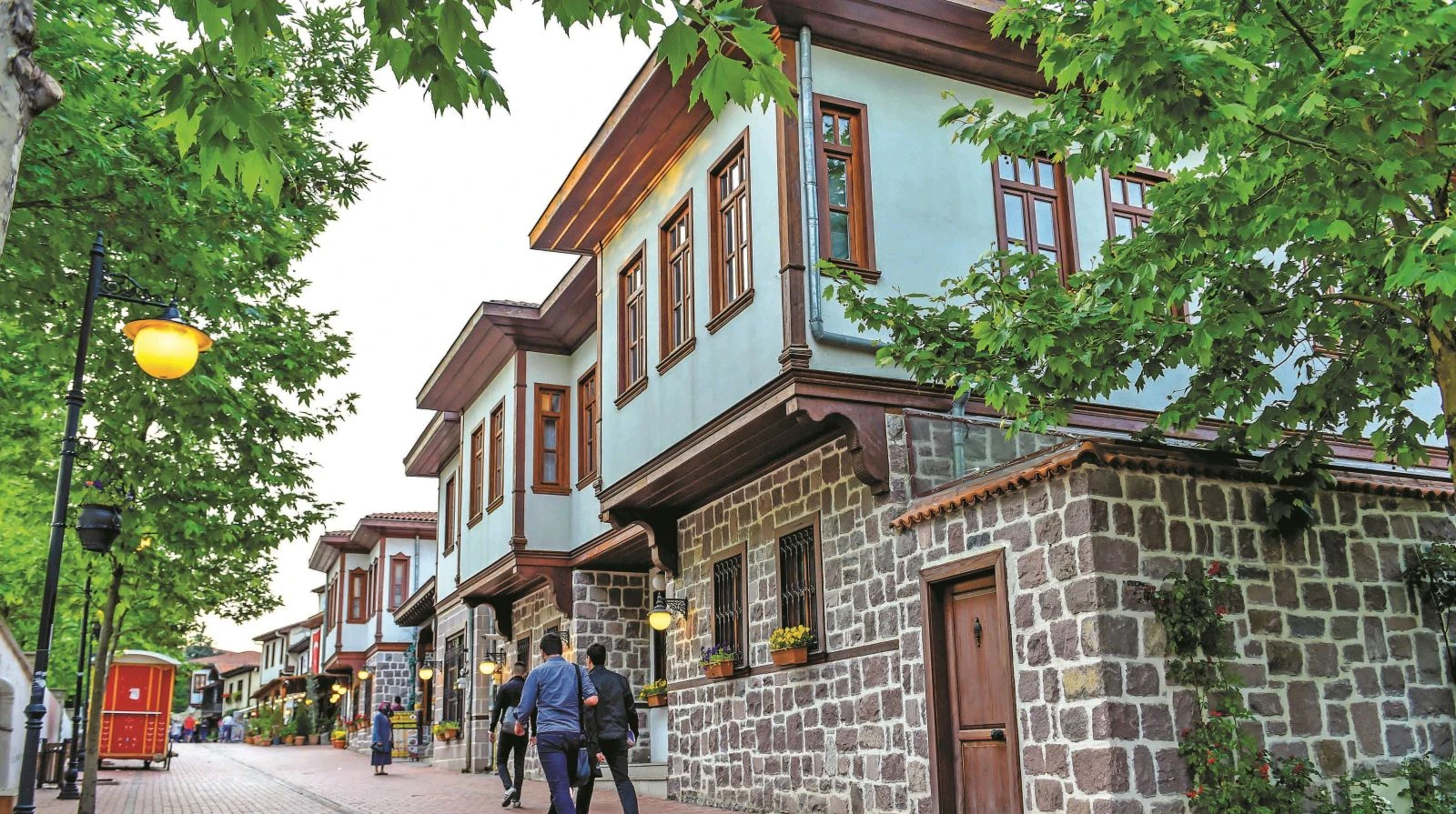
Spend a slower half-day walking through Hamamönü, where restored traditional houses, small shops, restaurants and cultural spaces preserve a more intimate side of old Ankara.


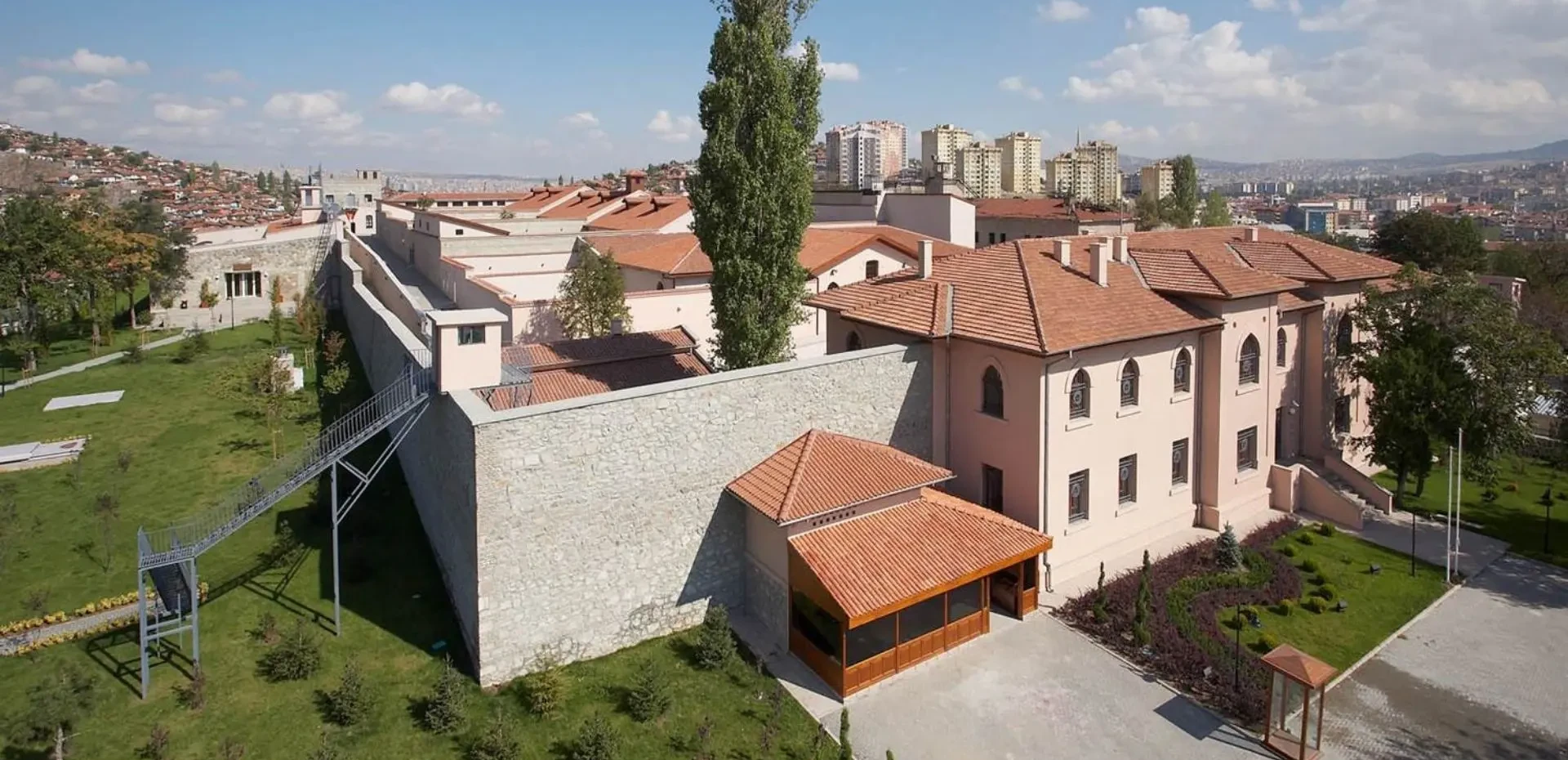
Visit the Mehmet Akif Ersoy Museum House in the Taceddin Dergâhı area, then continue toward the Ethnography Museum and State Art and Sculpture Museum. Ulucanlar Prison Museum can also be added for travelers interested in twentieth-century political and social history.

Suggested UNESCO Archaeology Route

Gordion, Midas Tumulus & Ancient Phrygia

Drive west from Ankara toward Polatlı and the archaeological site of Gordion. Explore the fortified citadel, monumental gateways, building remains and the landscape that once formed the political center of ancient Phrygia.


Continue to the monumental burial mound traditionally known as the Midas Tumulus and visit the Gordion Museum. Travelers with a serious interest in archaeology should allow a full day, particularly if they want to explore the wider tumulus landscape rather than treating Gordion as a brief roadside stop.

Suggested Historic Town Route

Beypazarı Houses, Markets, Museums & İnözü Valley

Beypazarı rewards a full day. Begin among the restored traditional houses and historic bazaar streets, where local crafts, silverwork, food shops and small museums preserve the town’s distinctive cultural identity.


Taste local dishes such as Beypazarı Güveci, Yaprak Sarması, Beypazarı Kurusu and carrot-based specialties before continuing to İnözü Valley. The combination of historic architecture, regional cuisine and dramatic natural scenery makes Beypazarı one of Ankara’s most complete day trips.

Suggested Nature Route

Eymir, Mogan, Soğuksu & Nallıhan

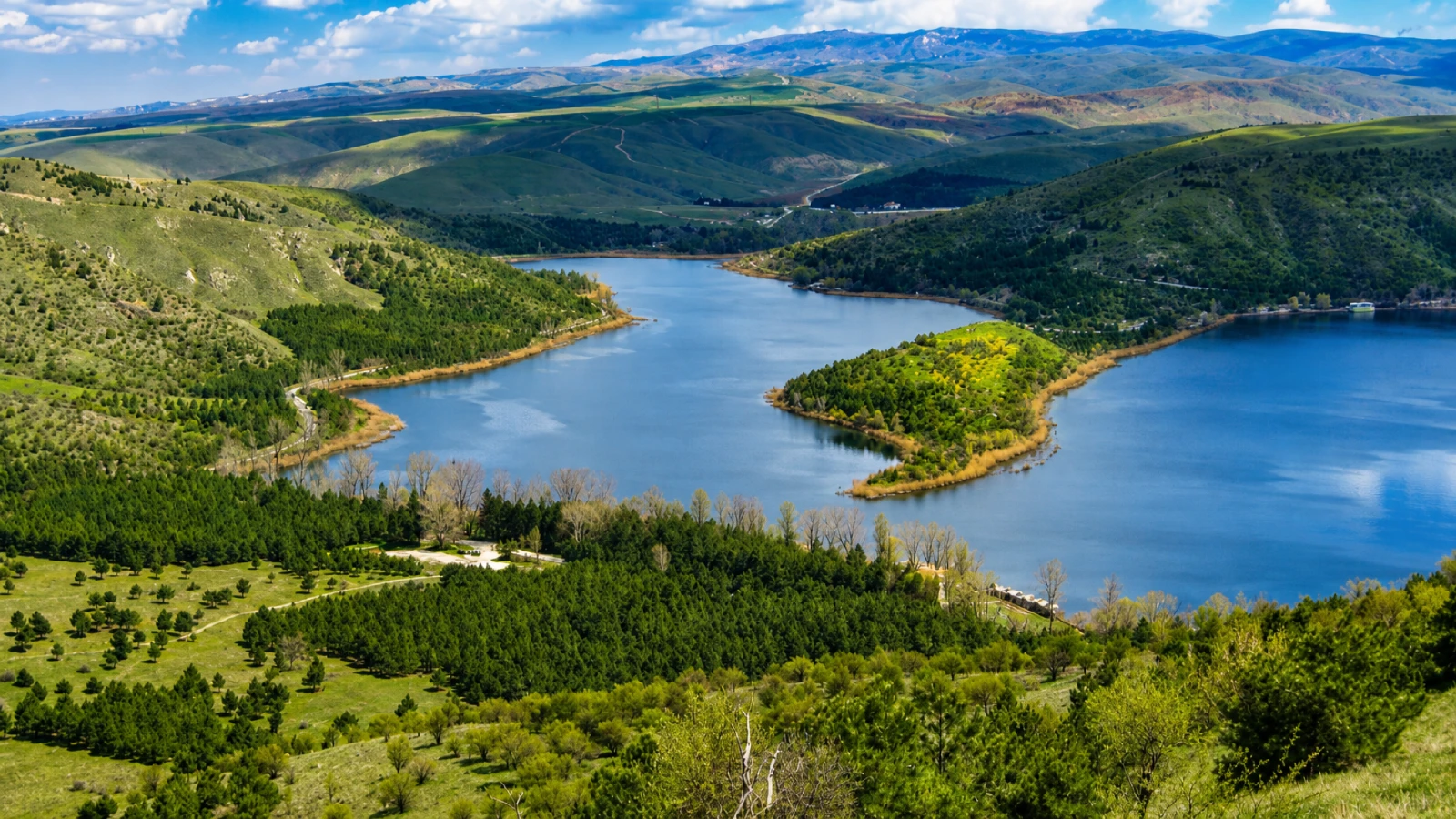
For nature close to central Ankara, choose Eymir Lake and Mogan Lake for walking, cycling and lakeside scenery. They work especially well when travelers want a slower half-day after several museum-heavy days.


For a full-day escape, head north toward Kızılcahamam and Soğuksu National Park for forest scenery and walking, or west toward Nallıhan Bird Sanctuary for birdwatching, photography and one of Ankara province’s most unusual landscapes.

Suggested Modern Ankara Route

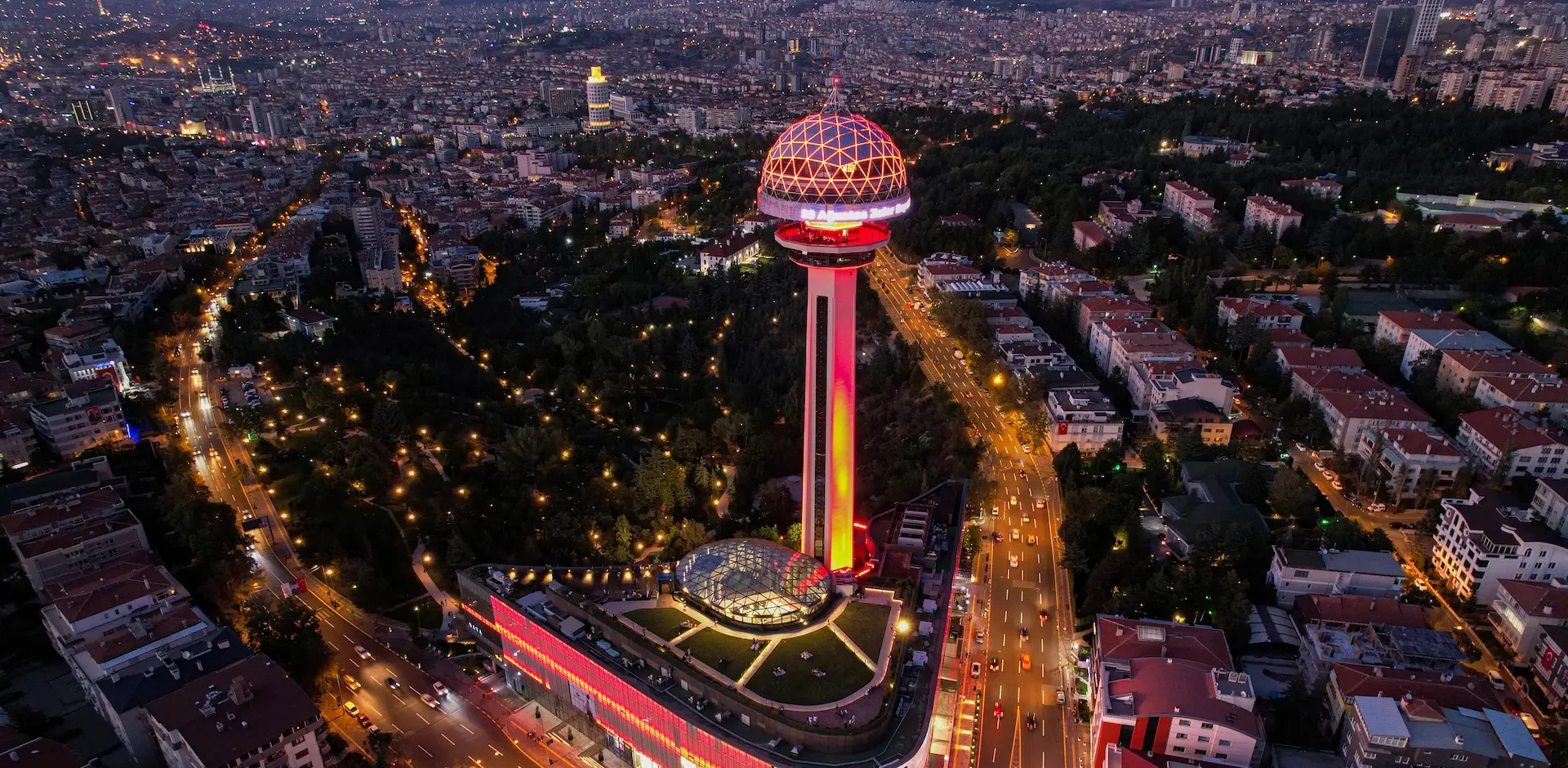
Çankaya, Atakule, Tunalı Hilmi & Kuğulu Park

Ankara is not only a historic destination. In Çankaya, travelers can explore a more contemporary side of the capital around Atakule, Botanik Park, Tunalı Hilmi Street and Kuğulu Park.


This route works particularly well in the late afternoon or evening, when shops, cafés and restaurants become part of the experience. It offers a useful contrast after the archaeology and historic architecture of Ulus and Ankara Castle.

Important Visitor Note

Check Current Museum Hours, Restoration Work & Site Access

Ankara contains many active museums and archaeological conservation areas. Opening hours, weekly closing days, restoration works and accessible sections can change, particularly at archaeological monuments and historic buildings.


Before planning a fixed day around several museums, check current visitor information. The same applies to outdoor destinations such as Eymir Lake, where vehicle-entry rules and access arrangements may change.

Planning Your Ankara Visit

Ankara is a large capital, but many of its strongest historic attractions are clustered around Ulus, Ankara Castle, Hacı Bayram and Hamamönü. These areas work well as walking-based routes, while Anıtkabir and Çankaya require separate transfers.


Gordion, Beypazarı, Kızılcahamam and Nallıhan should normally be treated as separate day trips. A private vehicle makes regional exploration far easier, particularly for travelers who want to combine archaeology, landscapes and smaller district attractions.

Practical Ankara Travel Tips

  • Historic center: Ulus, Hacı Bayram and the Castle can be combined efficiently
  • Museums: Allow proper time for the Museum of Anatolian Civilizations and Anıtkabir
  • Roman Ankara: Combine Augustus Temple, Julian Column, Roman Baths and Theatre
  • Gordion: Plan a dedicated half or full day rather than rushing the site
  • Beypazarı: Allow time for lunch and the historic market, not only sightseeing
  • Nature: Spring and autumn are ideal for lakes, parks and walking routes
  • Transport: Metro and taxis work well centrally; a vehicle is useful for provincial trips
  • Opening conditions: Check current museum hours and restoration status before travel

Why Visit Ankara?

Ankara is far more than the administrative capital of Türkiye. It is one of the country’s most rewarding destinations for travelers interested in Anatolian archaeology, Roman history, the Turkish War of Independence, Republican architecture, museums and traditional urban culture. Few cities allow visitors to move so quickly between an ancient Roman temple, a medieval wooden mosque, Ottoman neighborhoods and the monuments of a modern republic.


The historic core around Ankara Castle contains the outstanding Museum of Anatolian Civilizations, Aslanhane Mosque and several specialist museums. Nearby Ulus preserves the Temple of Augustus, Roman Baths, Roman Theatre, Column of Julian and the First and Second Parliament buildings. Hamamönü adds traditional architecture, literary history and an atmospheric walking district.


Beyond the city, UNESCO-listed Gordion makes Ankara a major archaeological destination, while Beypazarı offers traditional houses, crafts and one of the province’s richest food traditions. Soğuksu National Park, Nallıhan Bird Sanctuary, İnözü Valley, Eymir and Mogan show that Ankara also rewards travelers interested in nature and photography.


Ankara’s culinary identity adds another reason to explore slowly. Ankara Simidi, Ankara Döneri, Ankara Tava, Çubuk Turşusu, Kızılcahamam Bazlaması, Kalecik Karası and the many specialties of Beypazarı, Akyurt and Çubuk reveal a regional kitchen much broader than most visitors expect.

Frequently Asked Questions About Ankara

Ankara is famous as the capital of Türkiye and for Anıtkabir, Ankara Castle, the Museum of Anatolian Civilizations, Roman Ancyra, Gordion, its Parliament museums and regional foods such as Ankara Simidi.

Two days are ideal for Ankara’s major city sights. Three days allow time for Gordion or Beypazarı, while four to five days give travelers time to explore both regional history and nature.

The essential sights are Anıtkabir, the Museum of Anatolian Civilizations, Ankara Castle, Hacı Bayram Veli Mosque, the Temple of Augustus, the First and Second Parliament museums and UNESCO-listed Gordion.

Yes. Gordion is one of the most important Phrygian archaeological sites in the world and has been a UNESCO World Heritage Site since 2023. The archaeological site, great tumulus and museum make an excellent day trip.

Important Roman remains include the Temple of Augustus and Rome, Roman Baths, Roman Theatre and Column of Julian, all located around the historic Ulus district.

The temple is especially important because its walls preserve Greek and Latin versions of the Res Gestae of Emperor Augustus, sometimes called the Monumentum Ancyranum.

Yes. Aslanhane, or Ahi Şerafettin Mosque, is one of five mosques forming the UNESCO World Heritage property called the Wooden Hypostyle Mosques of Medieval Anatolia.

Yes. Beypazarı combines traditional Ottoman-style houses, historic markets, museums, crafts and a particularly rich regional cuisine. İnözü Valley can also be included in the same day.

Ankara is especially known for Ankara Simidi, Ankara Döneri, Ankara Tava and Çubuk Turşusu. Beypazarı Kurusu, Beypazarı Güveci, Kızılcahamam Bazlaması and Kalecik Karası are also important regional specialties.

Traditional houses can be seen around Ankara Castle and Hamamönü. For a larger concentration of historic houses, Beypazarı is one of the best destinations in Ankara province.

Yes. Eymir and Mogan Lakes are close to the city, while Soğuksu National Park, İnözü Valley and Nallıhan Bird Sanctuary provide excellent full-day nature options.

Spring and autumn are generally the most comfortable seasons for sightseeing, archaeology and day trips. Ankara has cold winters and hot, dry summers, although its many museums make it a worthwhile year-round destination.

Yes. Ankara combines naturally with Cappadocia on an overland Central Anatolia itinerary. Travelers can explore Ankara’s museums and Republican history before continuing toward Cappadocia through the central Anatolian landscape.

Ready to Explore Ankara, Gordion and Central Anatolia?

Tell us your travel dates, starting point and interests, and we will help you build a private Türkiye itinerary that can include Ankara, Anıtkabir, Gordion, Beypazarı, Cappadocia, Konya and other destinations across Central Anatolia.

WhatsApp Us for Ankara Planning