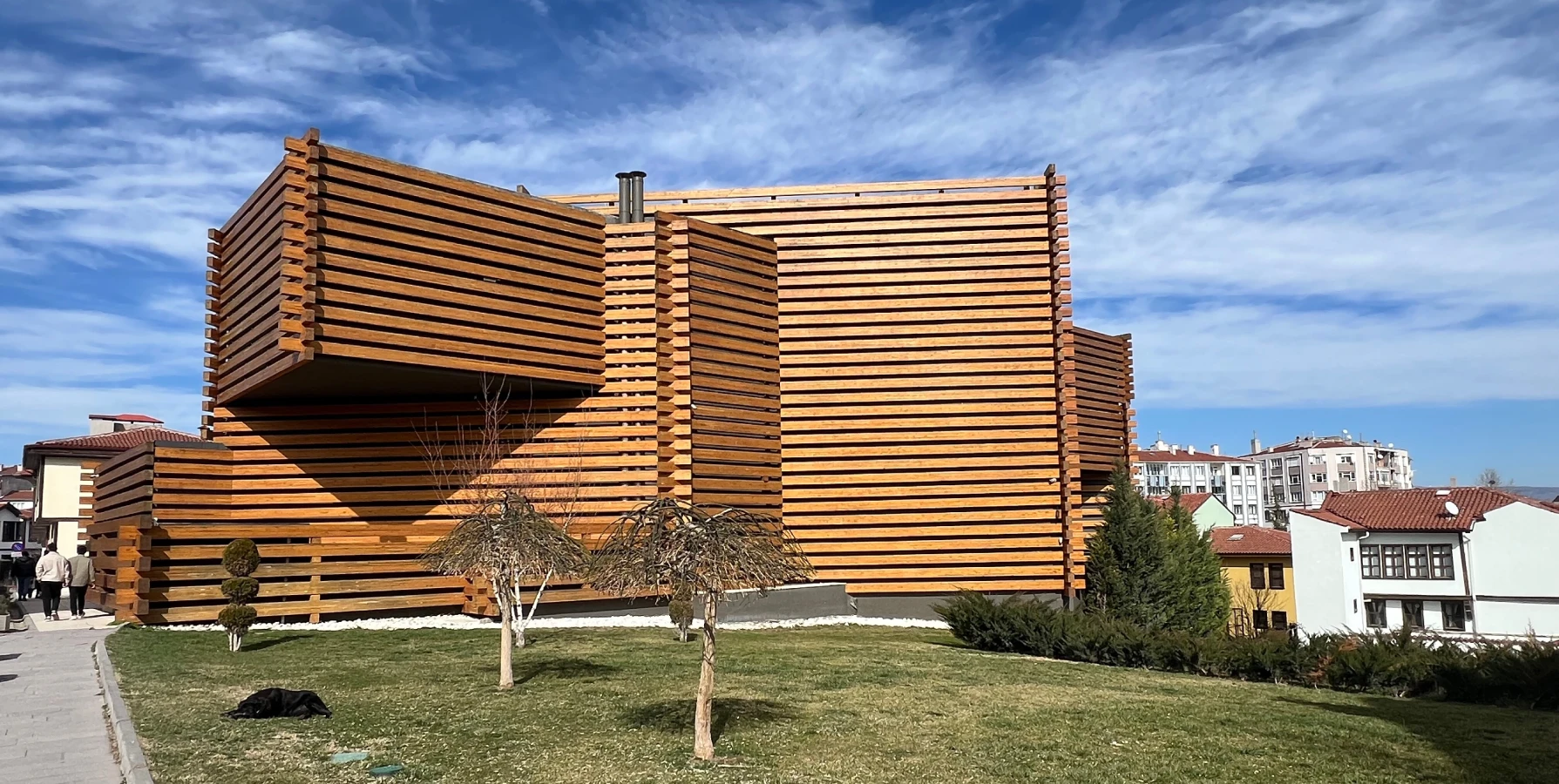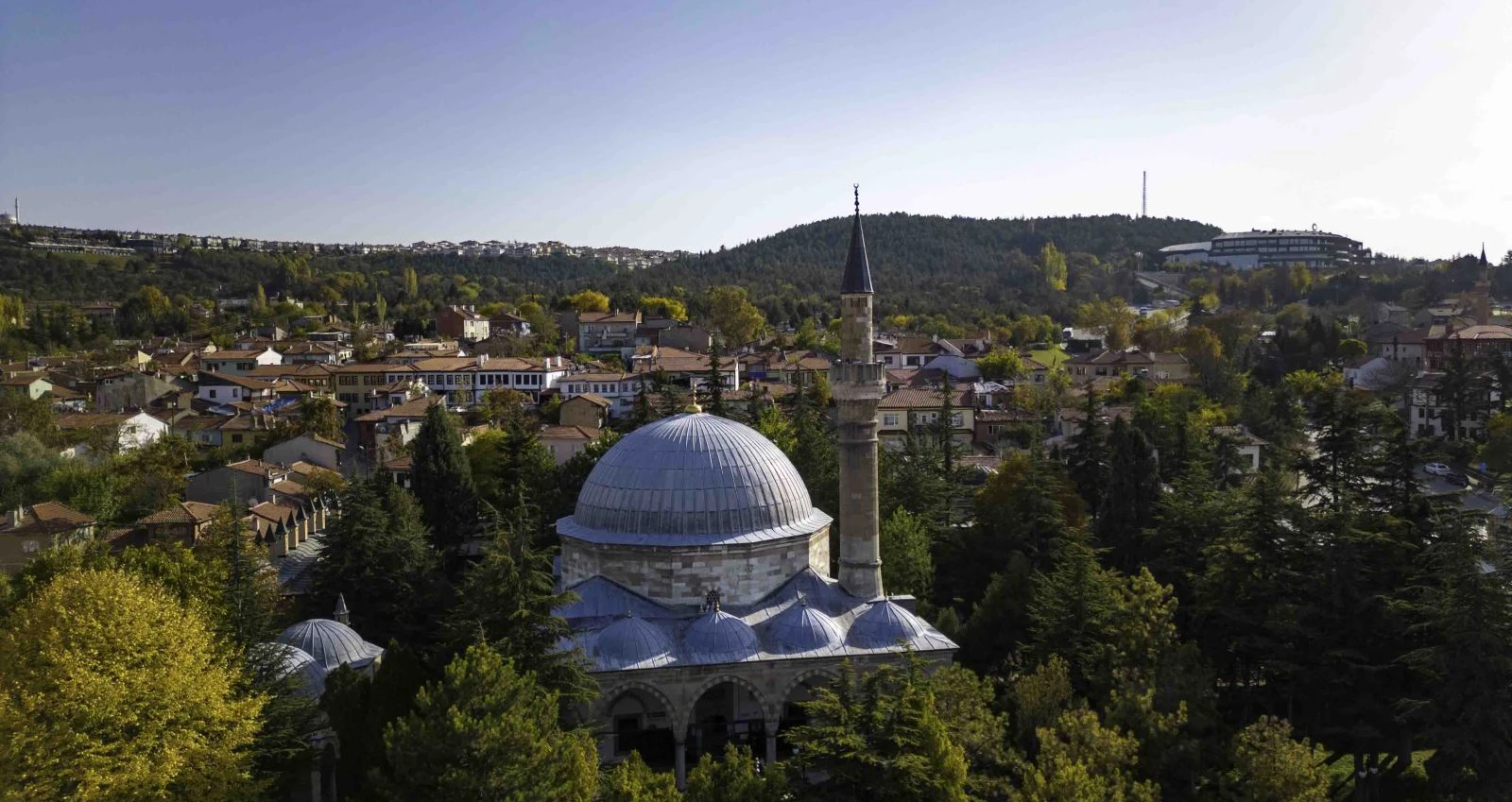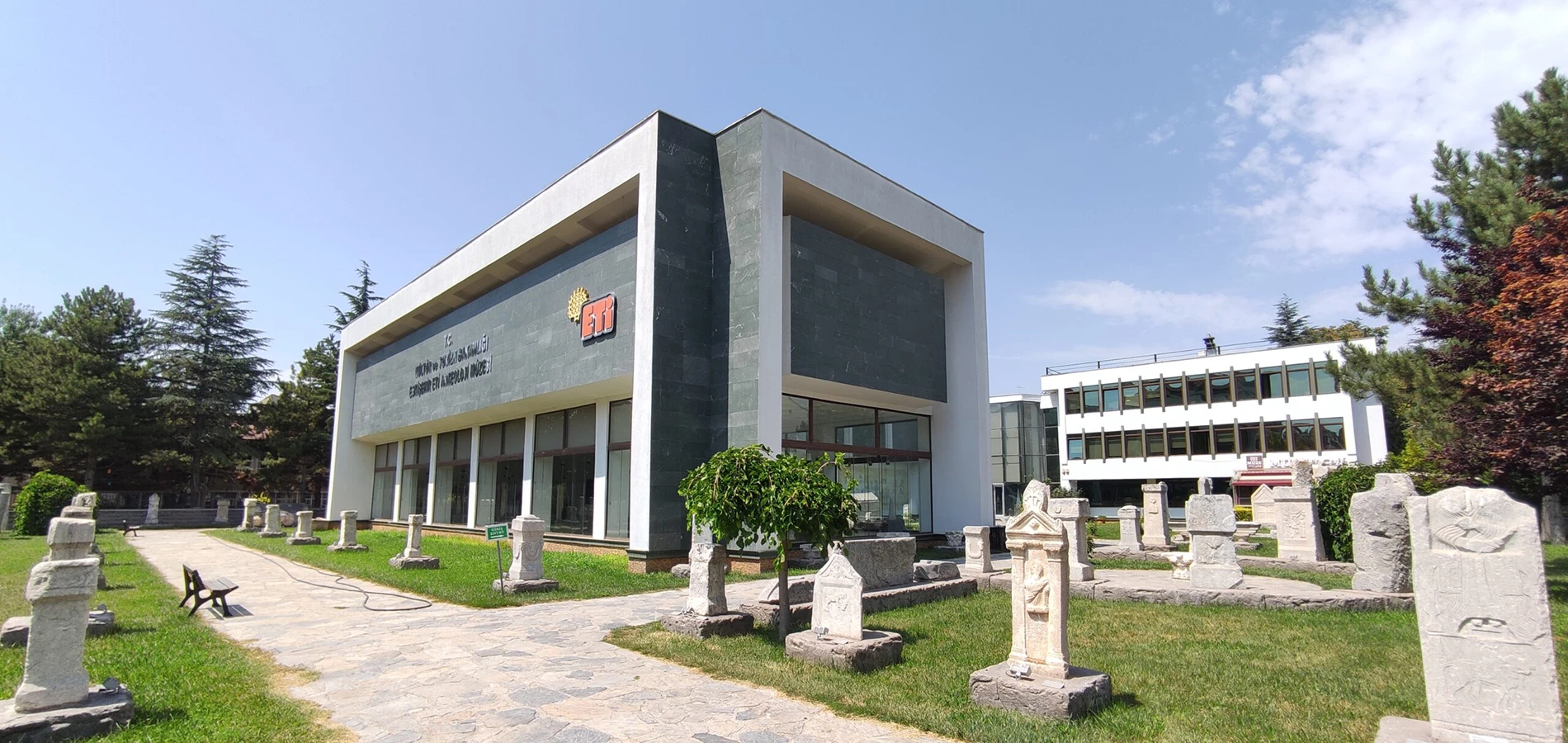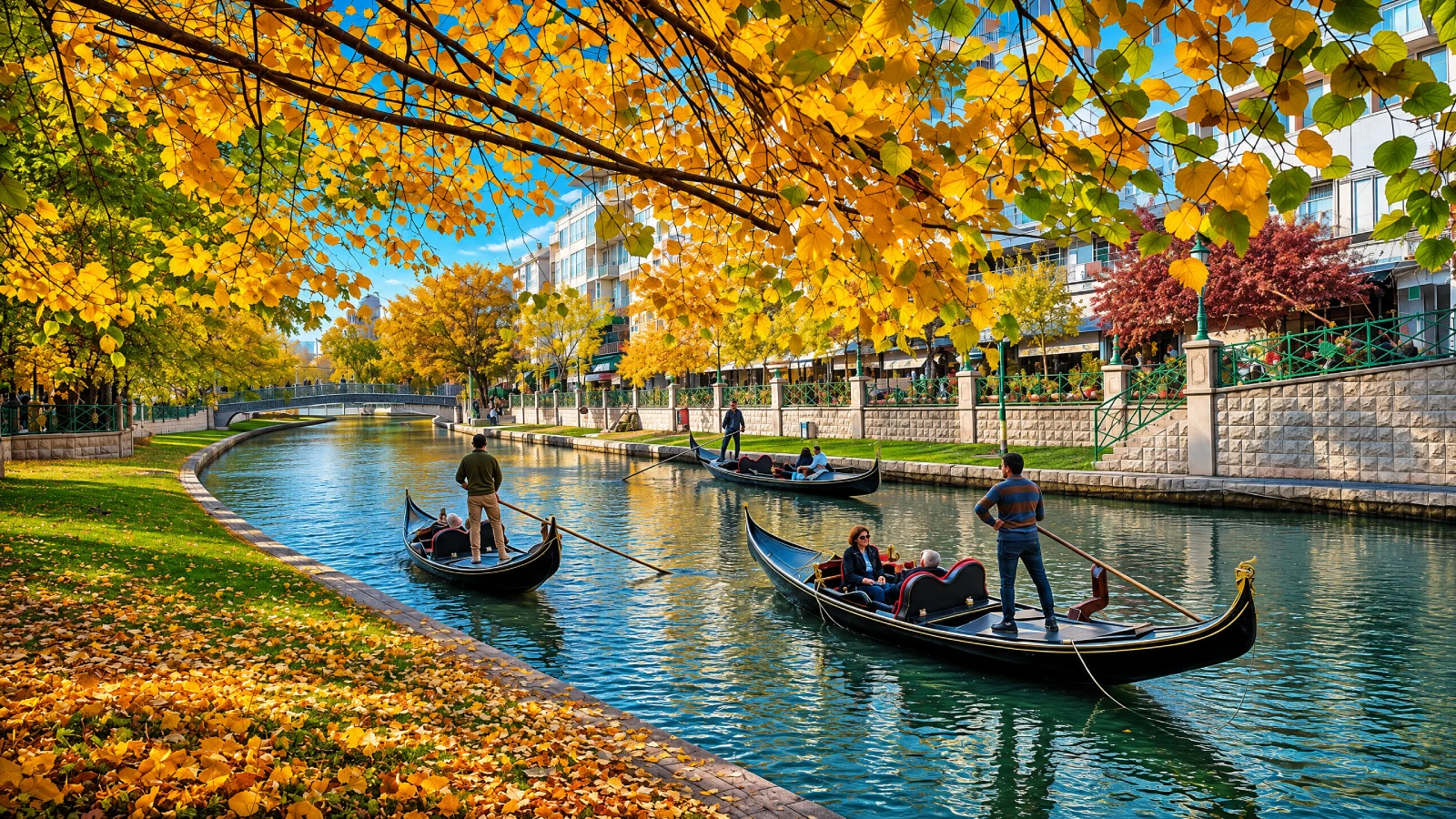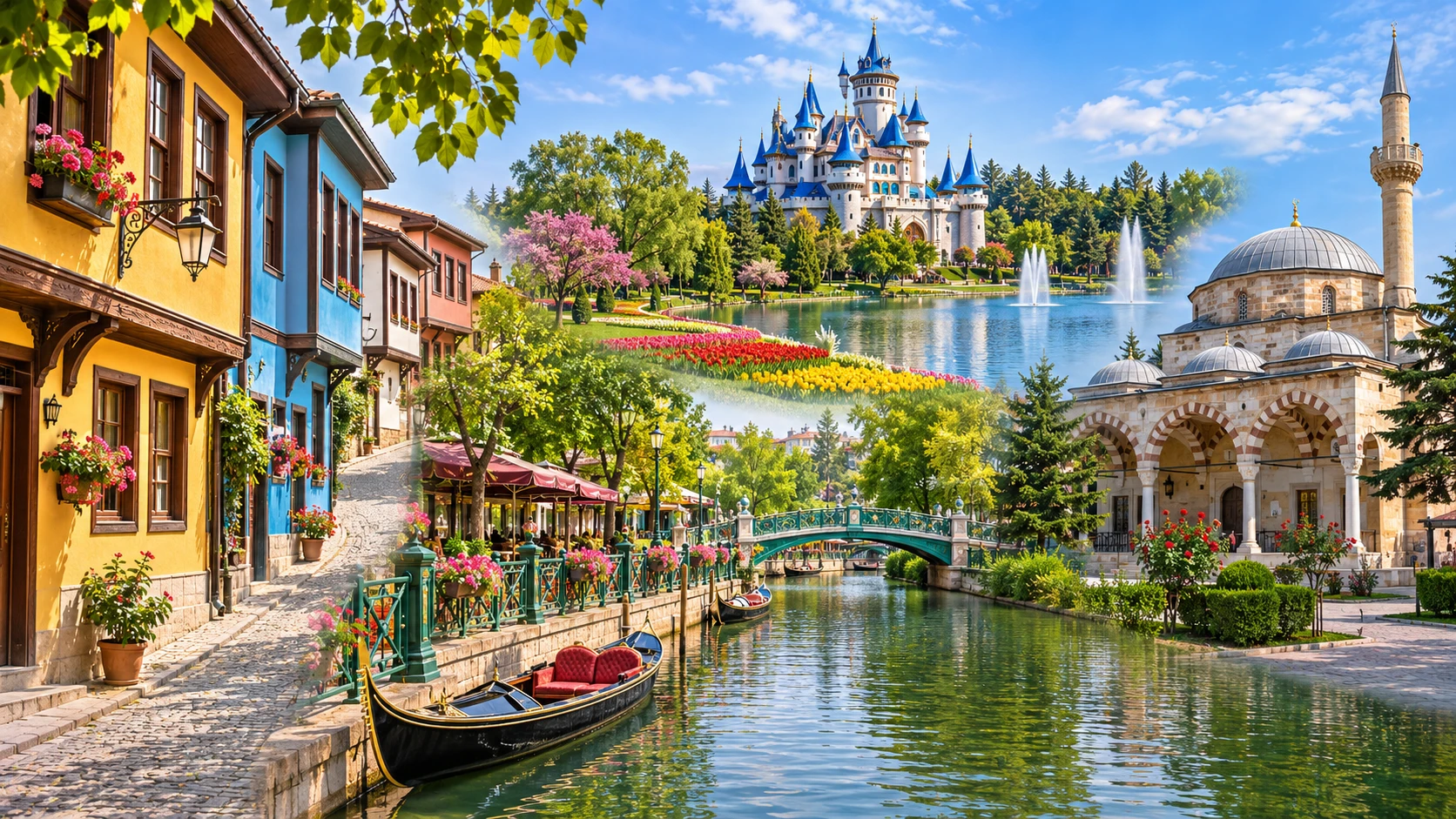
Eskişehir panorama with Odunpazarı, Porsuk River and the Phrygian landscape
Wow Cappadocia Turkey Travel Guide

Eskişehir Travel Guide – Best Places to Visit

Explore the best places to visit in Eskişehir, from the historic houses of Odunpazarı, contemporary museums, Porsuk River and Sazova Park to the extraordinary rock monuments of Mountainous Phrygia, Pessinus, Sivrihisar, Seyitgazi and the province’s traditional cuisine.

OdunpazarıMountainous PhrygiaSivrihisar UNESCOPorsuk River

Discover Eskişehir: A Contemporary City with a Deep Anatolian Past

Eskişehir lies along the Porsuk River in northwestern Central Anatolia. Famous today for its university life, arts venues, riverside cafés and renewed public spaces, the city also belongs to one of the most archaeologically varied landscapes in the country. The province includes prehistoric settlement mounds, Phrygian religious monuments, Hellenistic and Roman sites, medieval religious foundations, Ottoman neighborhoods and pioneering Republican industrial heritage.

The story begins well before the rise of the Phrygians. Bronze Age and earlier remains at sites such as Demircihöyük document settlement across the plain; the later ancient city of Dorylaion is associated with Şarhöyük near the modern city. In the highlands to the south, Phrygian communities created ceremonial rock façades, fortified plateaus and inscriptions. Their material culture persisted through changing Persian, Hellenistic, Roman and Byzantine political systems.

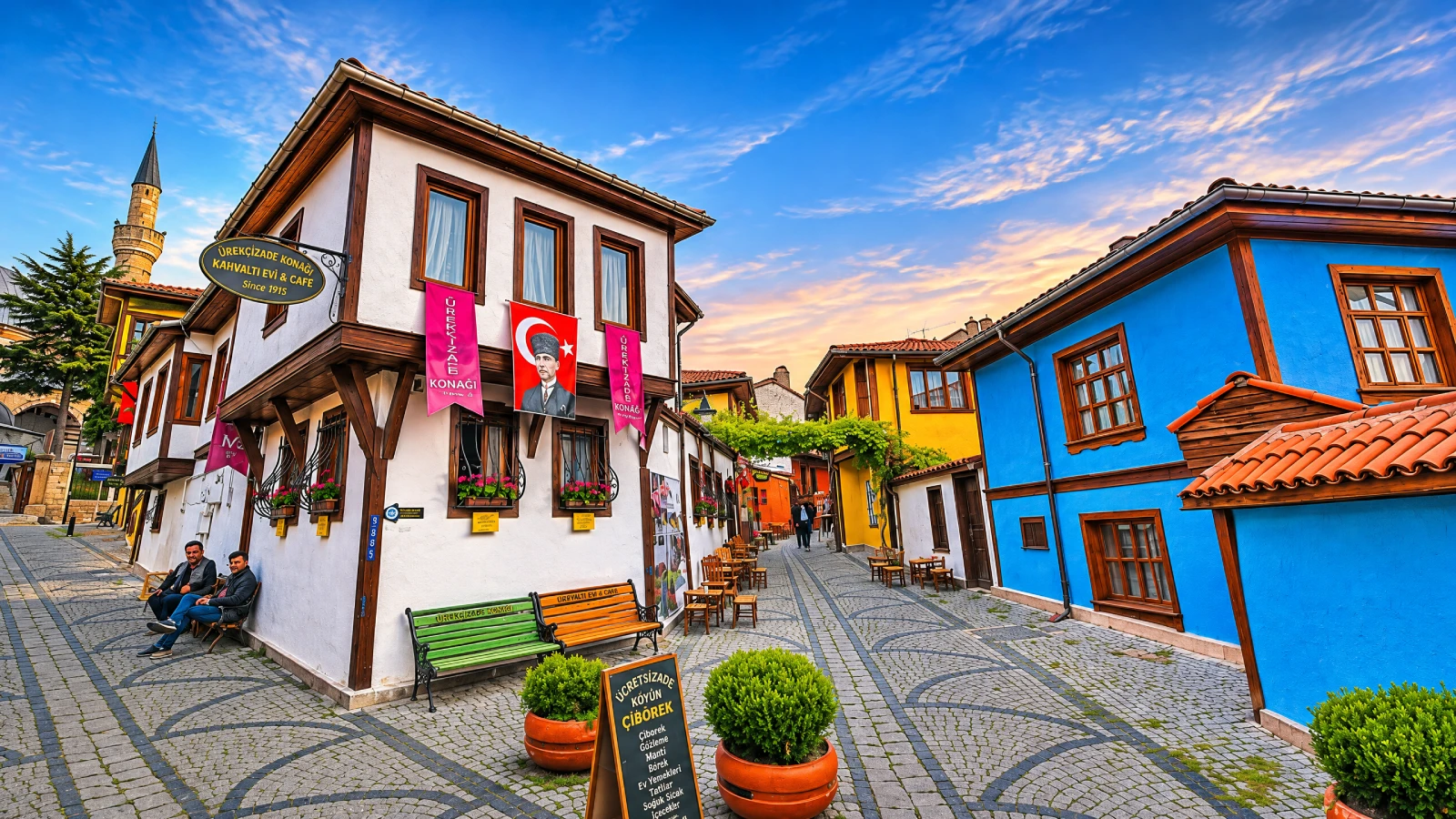
Eskişehir rewards several kinds of travel. In Odunpazarı, historic streets sit beside contemporary museum architecture and lületaşı craftsmanship. Beyond the centre, Sivrihisar, Seyitgazi, Han, Çifteler and Mihalıççık offer very different cultural and natural landscapes. A thoughtful itinerary connects these places without assuming that everything can be visited in one afternoon.

Quick Visitor Information

  • Best for: Archaeology, Phrygian rock art, historic neighborhoods, museums, family attractions and food
  • Suggested stay: 2 days for the city; 3–5 days with Sivrihisar, Seyitgazi or the Phrygian valleys
  • City highlights: Odunpazarı, OMM, ETİ Archaeology Museum, Porsuk, Sazova and Devrim
  • Rural highlights: Midas Monument, Pessinus, Sivrihisar Grand Mosque and Seyyid Battal Gazi Complex
  • Best seasons: Spring and autumn for outdoor archaeology; city museums suit year-round trips
  • Food identity: Çibörek, Balaban, met helvası, boza, pastries and Circassian/Balkan influences
Eskişehir’s Signature Story

From the Phrygian Mother Goddess to Contemporary Art

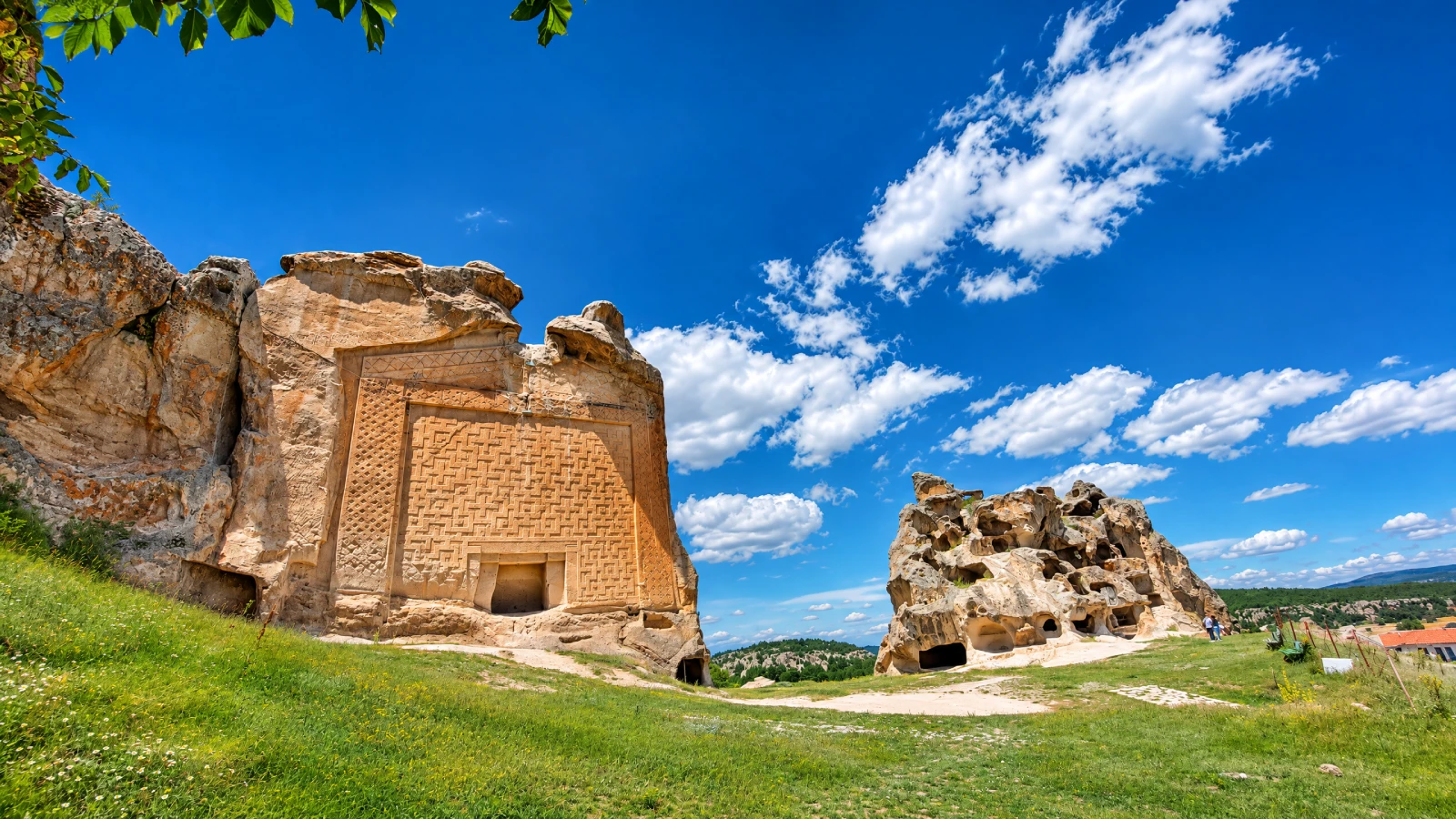
One of Eskişehir’s most distinctive contrasts is the meeting of ancient rock-cut sacred landscapes and a lively modern cultural city. Near Yazılıkaya, the so-called Midas Monument has a façade carved to resemble architecture and inscriptions in Old Phrygian. It is a cult monument, not a royal tomb. Nearby Areyastis and other façades add further evidence of Phrygian religious life; the precise interpretation of individual images and inscriptions remains a subject for specialist study.

At Pessinus, the cult of the Mother Goddess became intertwined with the larger Hellenistic and Roman world. In the medieval period, the city’s frontier zones witnessed new religious and political institutions, visible today in Seljuk woodwork at Sivrihisar and the Seyitgazi complexes.

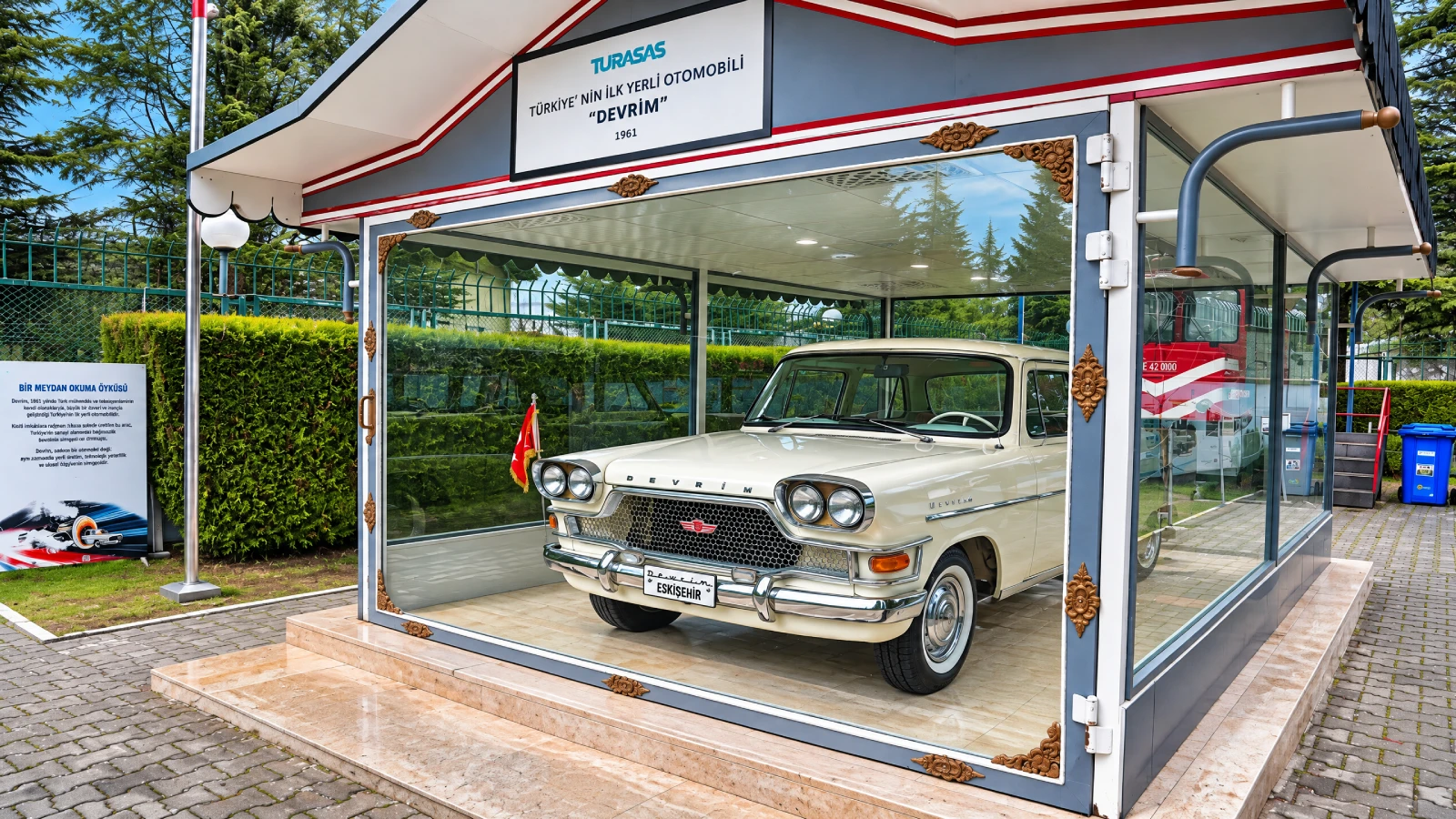
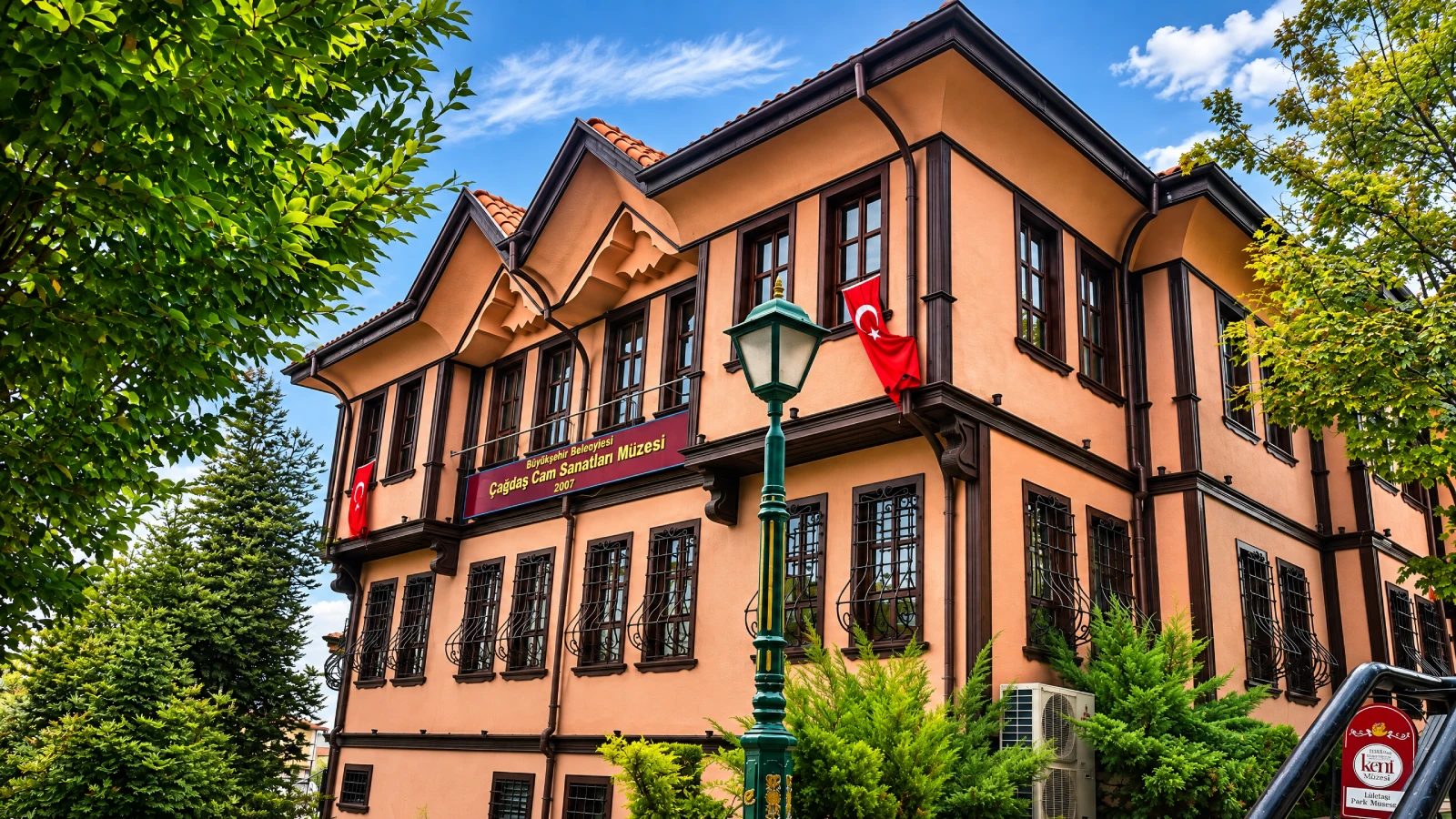
Modern Eskişehir expresses a different tradition of creativity. The Odunpazarı Modern Museum, Contemporary Glass Arts Museum, meerschaum workshops and the story of Devrim connect artistic ambition with craft, industry and public life. These many layers are what make the province an outstanding destination for travelers who want more than a single landmark.

Choose Eskişehir by Travel Style

Build your days around areas and interests rather than trying to cover the entire province in a single route.

For Art Lovers

Odunpazarı & Museums

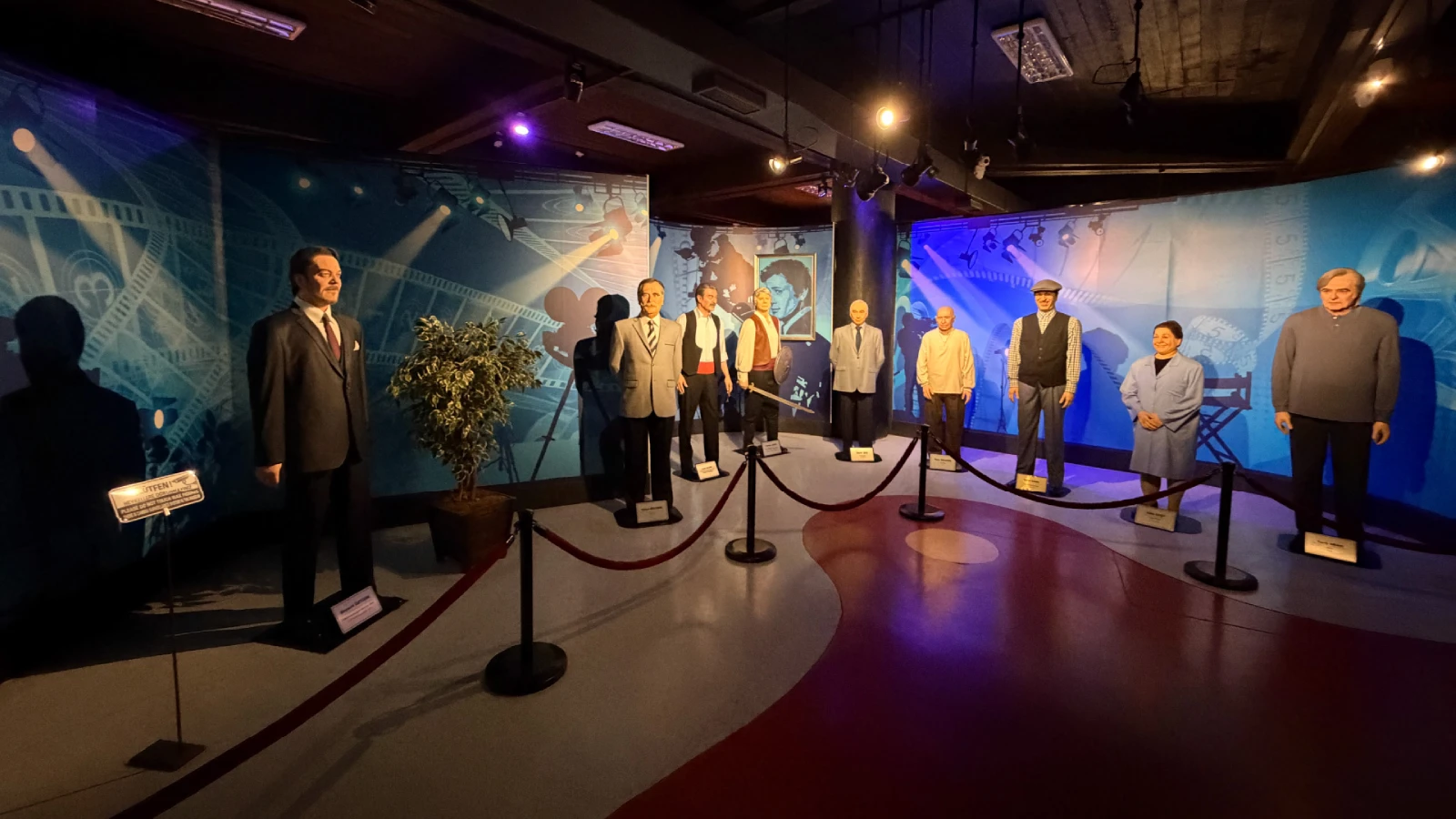
Traditional homes, OMM, wax figures, glass, meerschaum, archaeology and design make a strong city walking route.

For Ancient History

Phrygian Highlands & Pessinus

See cult façades, rock tombs, ancient inscriptions and a celebrated Hellenistic–Roman religious centre.

For Family Travel

Sazova & Riverside Eskişehir

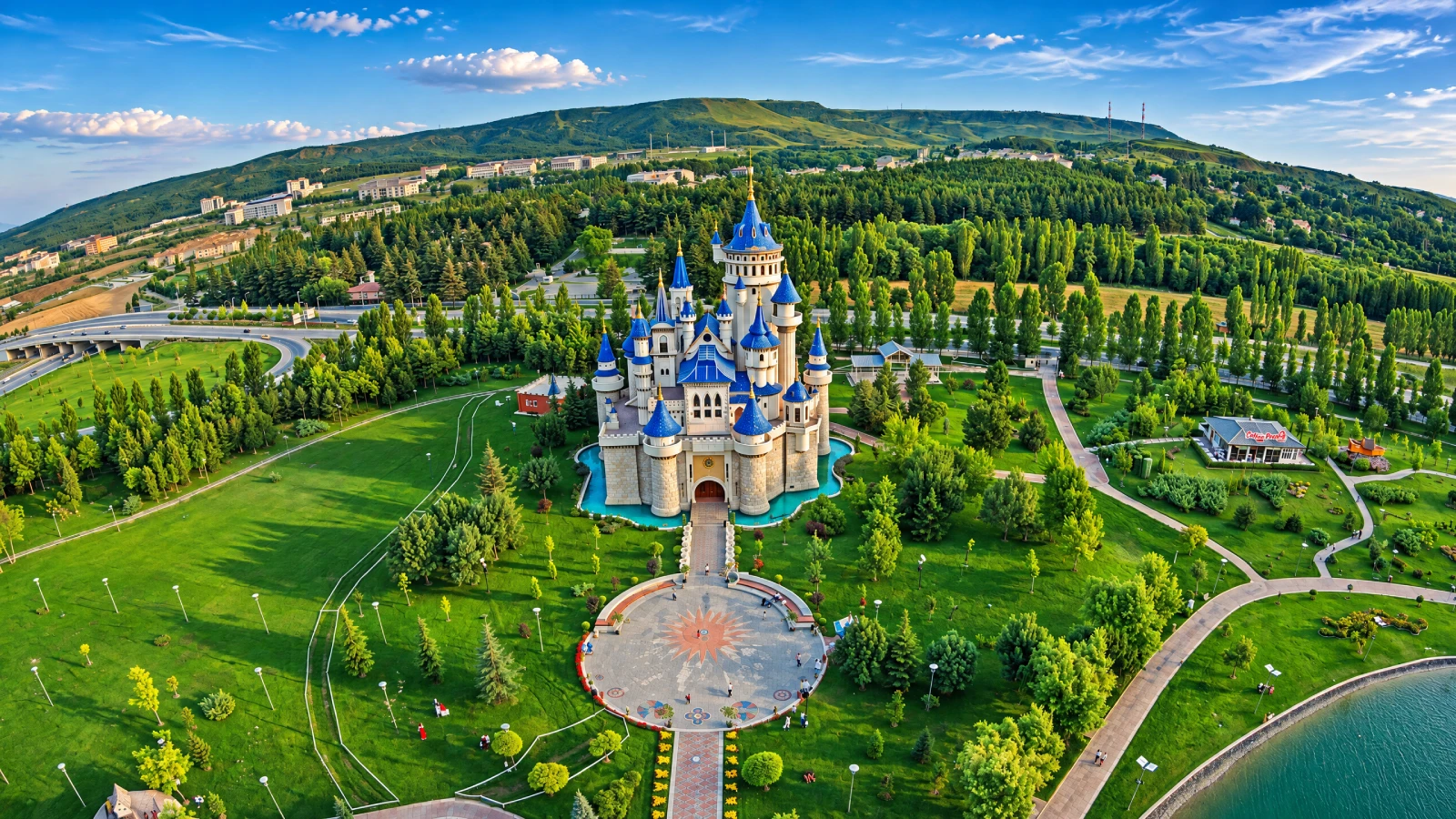
Choose themed park experiences, science activities, the riverfront and spacious urban parks.

For Culture & Faith

Sivrihisar and Seyitgazi

Explore UNESCO-listed medieval timber architecture, Armenian heritage, religious foundations and historic houses.

Phrygia, Dorylaion & Pessinus

Reading Eskişehir’s Archaeological Timeline

Prehistory and the Bronze Age: Demircihöyük and other settlement mounds demonstrate the depth of human occupation in the Eskişehir plain. These communities long predate the Iron Age Phrygian monuments that now define the region’s tourism identity.

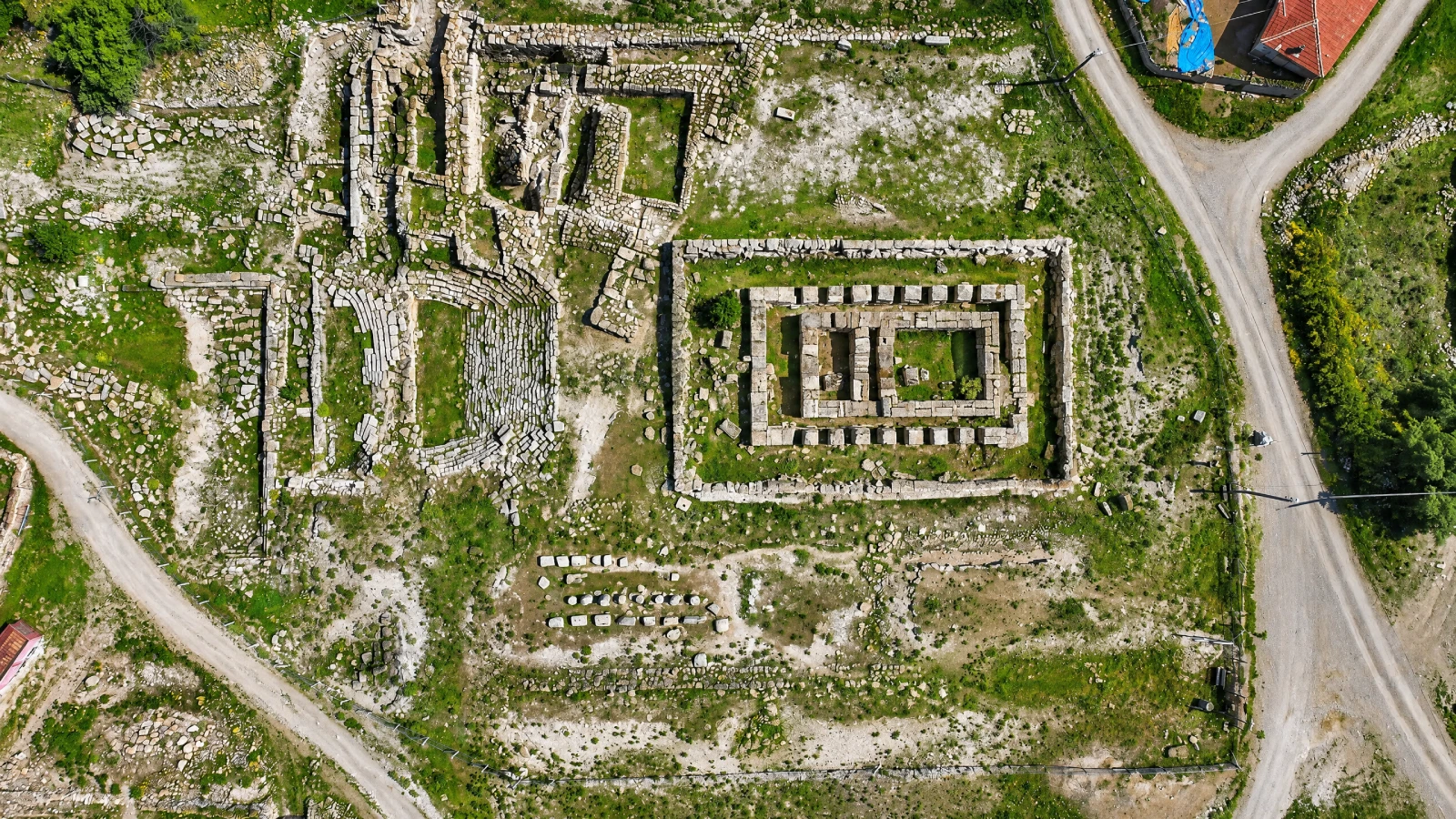
Phrygian and Classical periods: After the collapse of Hittite imperial power, Phrygian culture flourished in central and western Anatolia. In Mountainous Phrygia, communities carved architecturally detailed façades and inscriptions into tuff cliffs; many are associated with the Mother Goddess, called Matar in Phrygian contexts. Pessinus later became a major sanctuary and urban centre; the Greek, Roman and Phrygian strands of its history should be examined separately.

Roman and Byzantine centuries: Dorylaion occupied an important route through northwestern Anatolia. Ancient remains at Şarhöyük illuminate the city’s longer history, while valley settlements and rock-cut spaces show changing use over centuries. Medieval Dorylaion also enters the narrative of Byzantine–Seljuk conflicts, including the First Crusade in 1097.

Turkish and Republican eras: Settlement and building traditions around Odunpazarı, Seljuk patronage in Sivrihisar and religious complexes around Seyitgazi reveal later phases. In the nineteenth and twentieth centuries, railways, industry, education and republican modernization shaped the contemporary city.

Explore All Eskişehir Attractions

Browse the province by district and theme, from city museums to remote Phrygian rock sites. Plan additional time for rural travel.

Best Day Trips and Regional Routes in Eskişehir

These are thematic routes, not guaranteed one-day circuits. Distances, road conditions, museum schedules and conservation restrictions matter.

Route 1

Old Odunpazarı & Museums

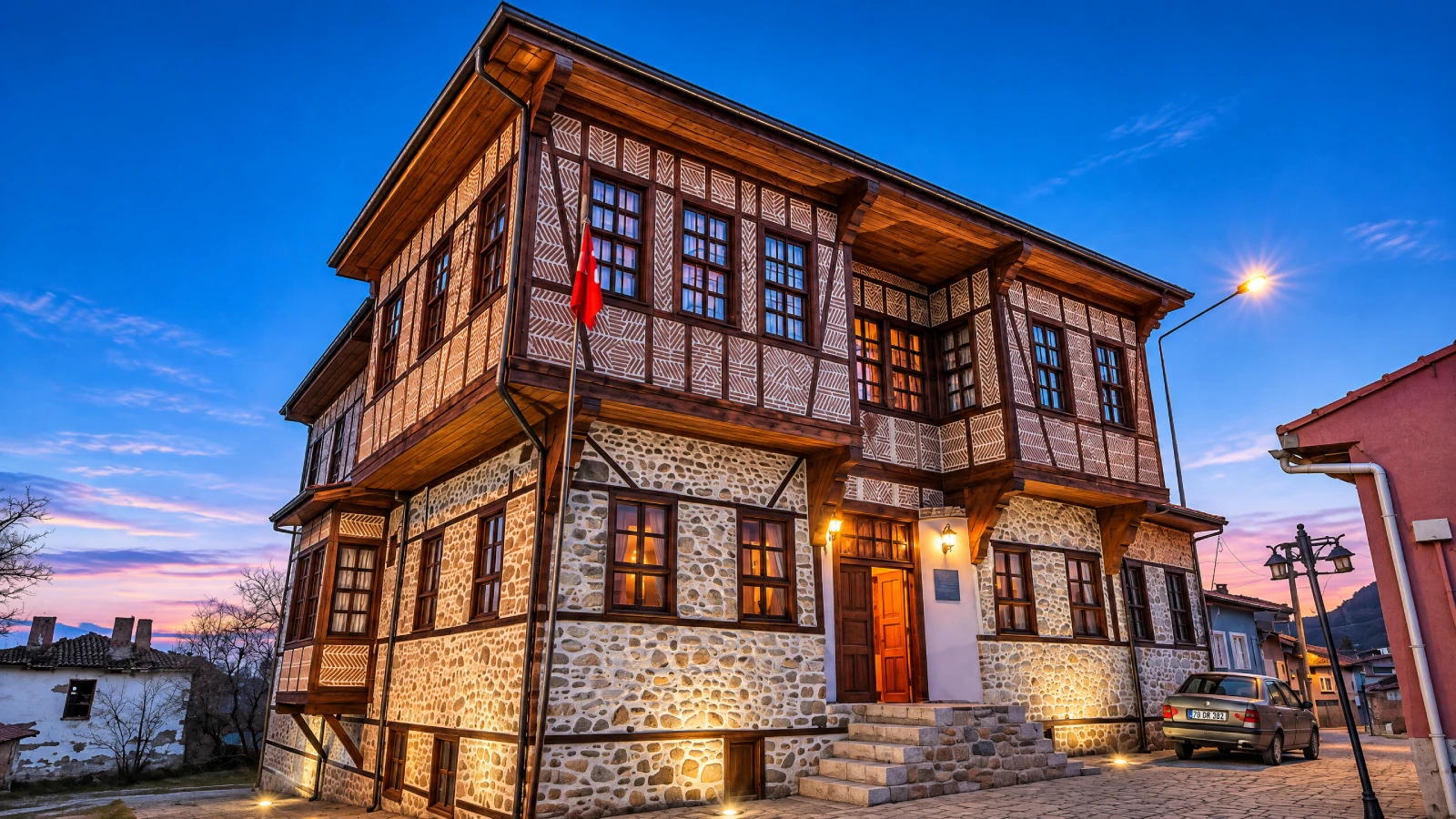
Start with the traditional houses and Kurşunlu Complex, then visit OMM, lületaşı craft stops, Glass Arts and one or two additional museums. Finish with local food in the historic quarter.

Route 2

Porsuk, Devrim & Sazova

Walk the Porsuk riverfront, add the Devrim automobile and railway heritage where accessible, then devote the afternoon to selected Sazova attractions.

Route 3

Yazılıkaya & Mountainous Phrygia

Focus on the Midas Monument and the surrounding Yazılıkaya plateau. Add Areyastis, Gerdekkaya or a suitable valley stop only if roads, site access and daylight permit.

Route 4

Sivrihisar & Pessinus

Combine the historic houses, UNESCO Grand Mosque (subject to restoration access), Holy Trinity Church and Alemşah Tomb with the excavated landscape of Pessinus near Ballıhisar.

Route 5

Seyitgazi, Han & Rock Heritage

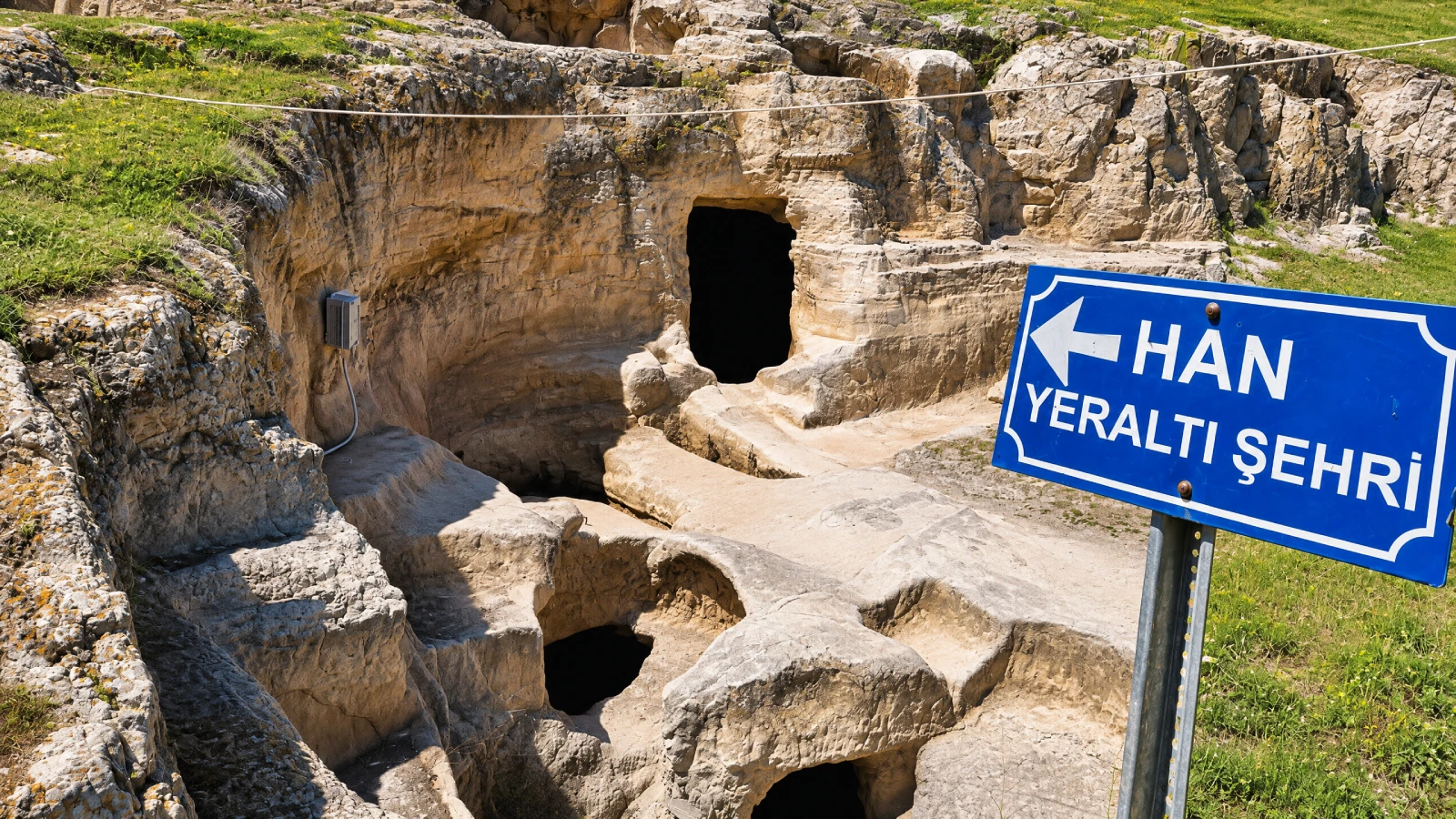
Explore Seyyid Battal Gazi Complex and nearby heritage, then decide between Han and the underground settlement or a dedicated rock-monument excursion.

Route 6

Wetlands, Springs & Forests

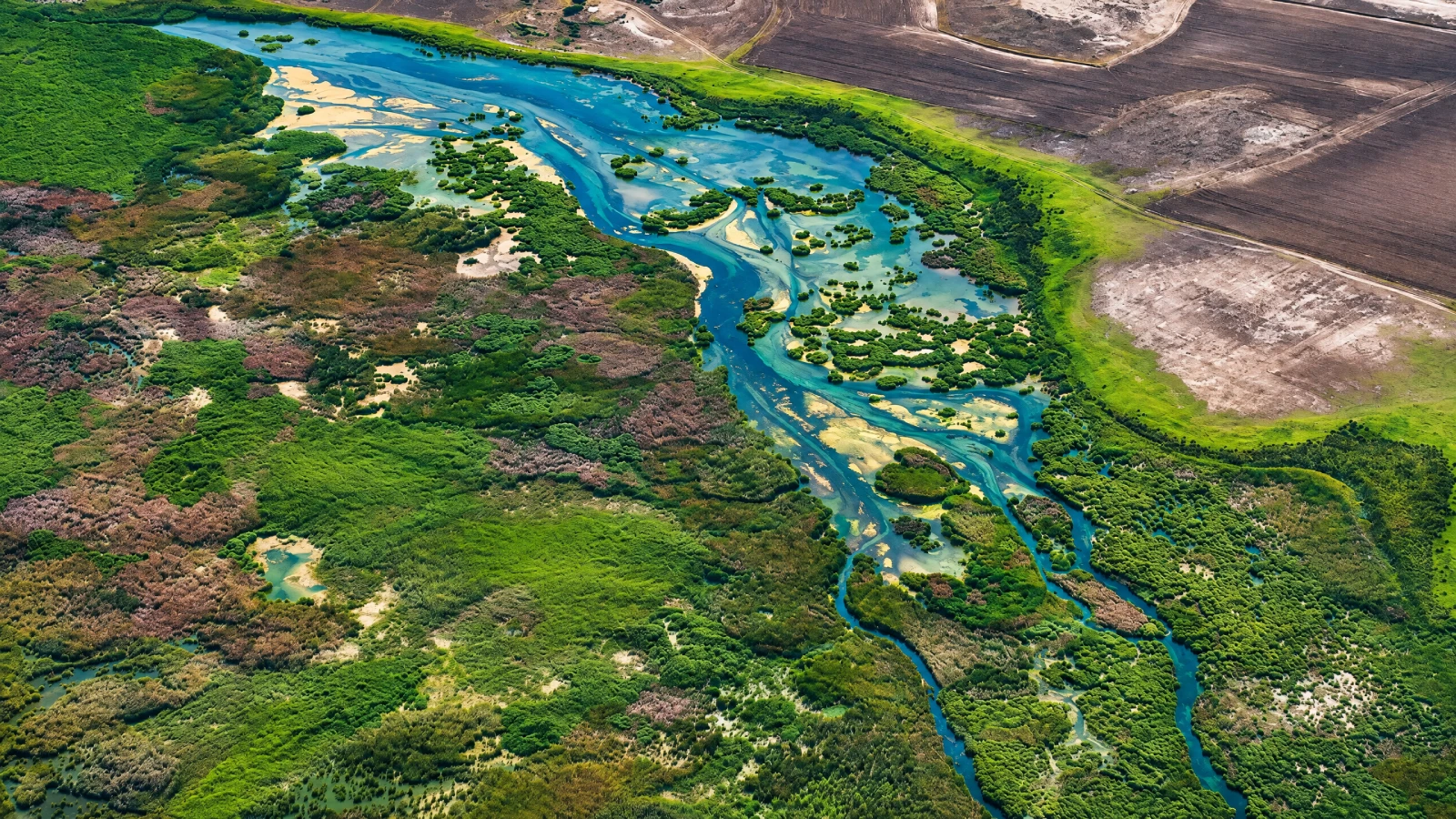
Choose a nature day built around Sakaryabaşı, Balıkdamı or the Mihalıççık–Gürleyik countryside. These are separate geographical directions, not one compact urban circuit.

What to Eat & Buy in Eskişehir

Eskişehir’s food culture reflects Turkish, Balkan and Circassian communities, poppy-seed baking, local sweets and warm wheat-based dishes.

A Regional Food Story

Çibörek, Balaban, Met Helvası and the Migration Table

Çibörek, associated especially with the city’s Crimean Tatar food tradition, is among Eskişehir’s most recognizable dishes. Balaban layers grilled meat with bread and sauces, while met helvası is a distinctive sweet often taken home as a gift.

Wider provincial kitchens include göbete, dızmana, poppy-seed pastries, grain and legume soups, and preparations influenced by Balkan and Circassian communities. Instead of presenting every recipe as uniquely invented in Eskişehir, we should trace the movement of families, ingredients and techniques across Anatolia.

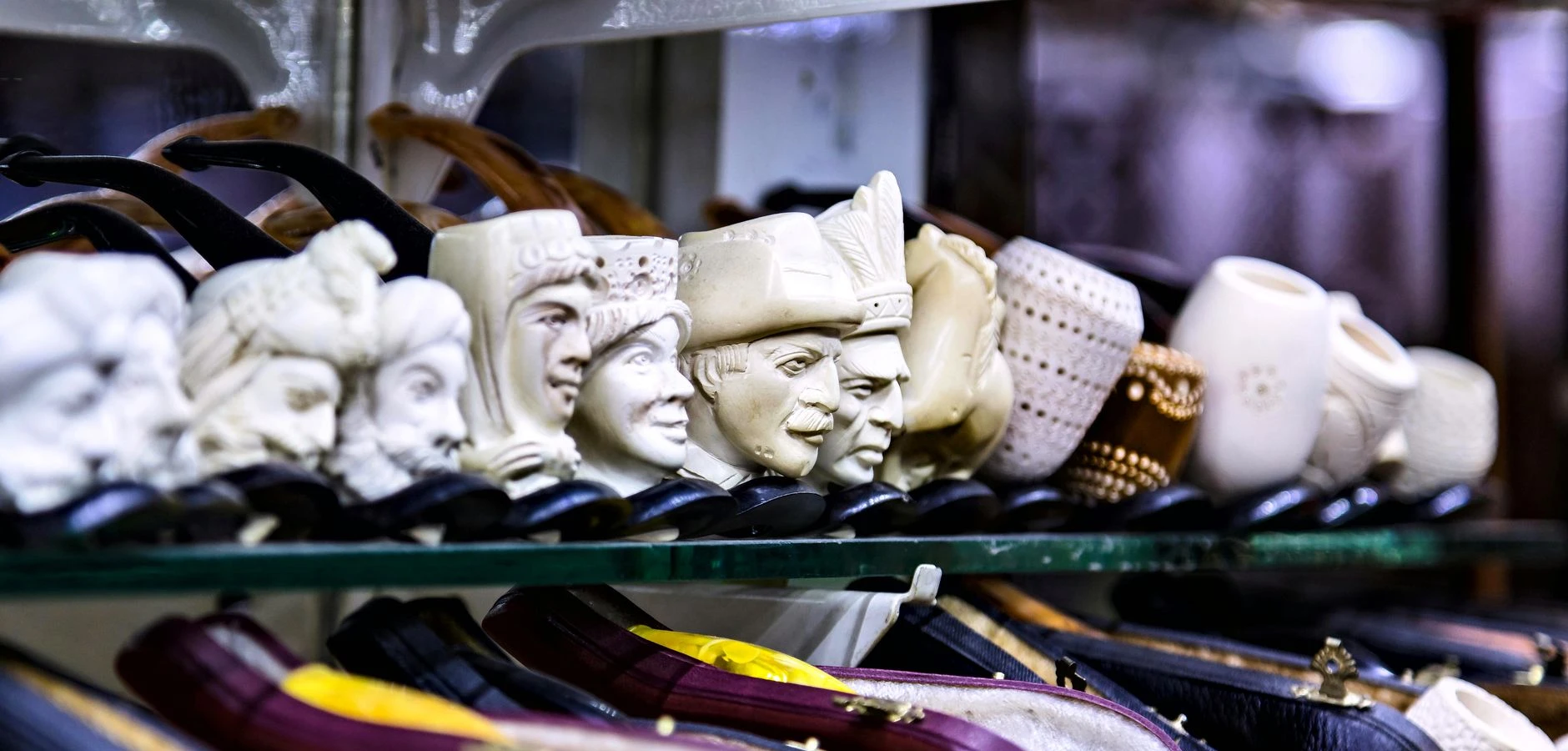
For edible souvenirs, consider met helvası, reputable regional baked products and carefully packaged specialties. In historic Odunpazarı, craftsmanship extends beyond food to meerschaum, wood, ceramics and glass; authenticity and responsible sourcing matter.

How Many Days Do You Need in Eskişehir?

Two days provide a satisfying city visit; the province’s archaeological landscape deserves a third day or longer.

1 Day

Historic Eskişehir

Walk Odunpazarı, Kurşunlu and OMM, then spend the later part of the day beside the Porsuk River.

2 Days

Art + Family City

Add archaeology, Devrim heritage, Sazova and a longer museum circuit, depending on opening days.

3 Days

First Regional Escape

Make a separate day trip to Yazılıkaya or Sivrihisar rather than combining both with city attractions.

4–5 Days

Explore the Wider Province

Add Pessinus, Seyitgazi, Han or a nature district such as Çifteler or Mihalıççık.

UNESCO & Conservation

Three Different Heritage Statuses to Understand

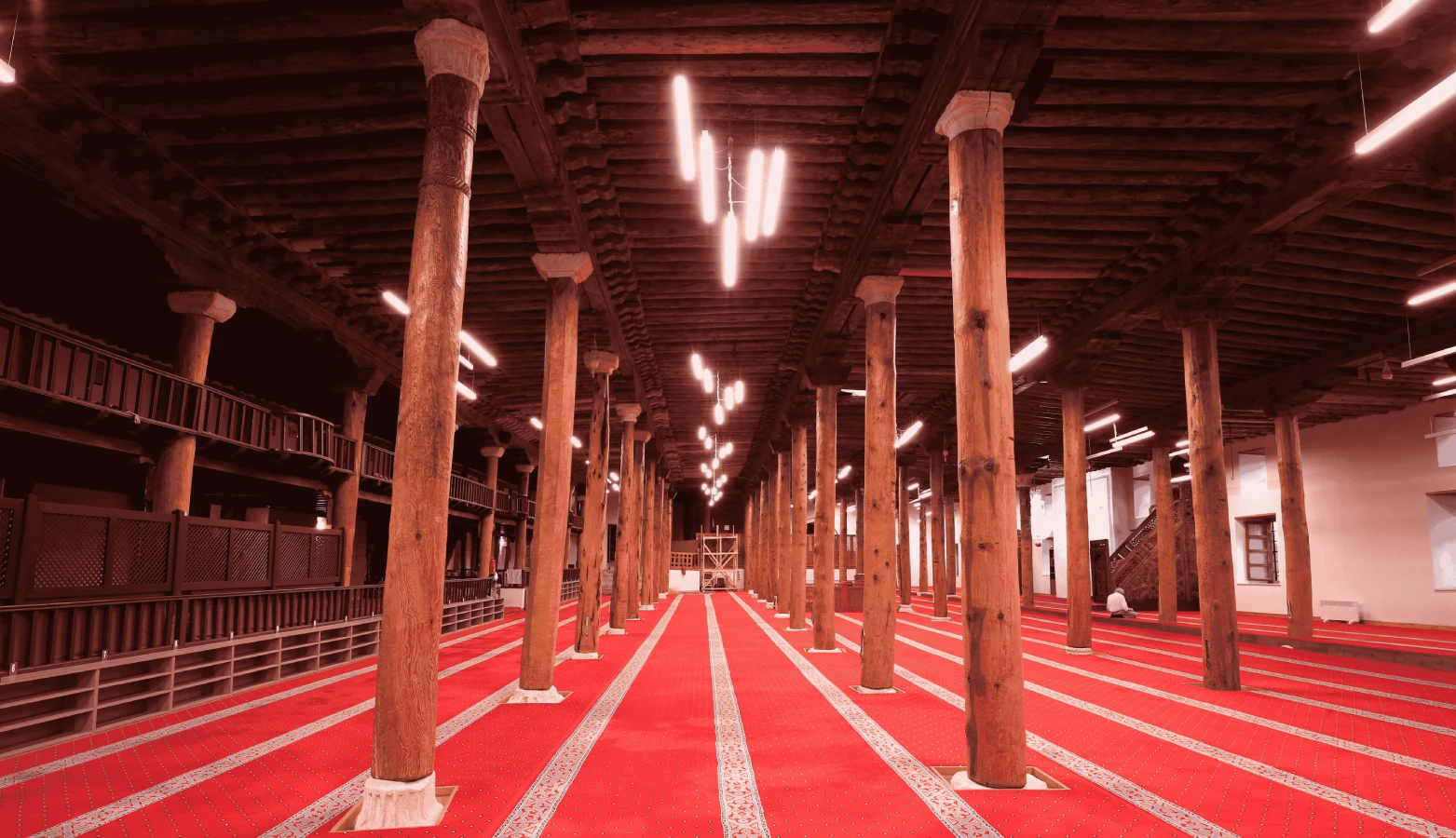
Sivrihisar Grand Mosque belongs to the UNESCO World Heritage property Wooden Hypostyle Mosques of Medieval Anatolia, inscribed in 2023. Its importance lies in the remarkable surviving timber-column construction and decorative woodworking characteristic of medieval Anatolian mosque architecture. Visitor access may be restricted during restoration; consult current local notices before travelling.

Odunpazarı Historical Urban Site is included on Türkiye’s UNESCO Tentative List (submitted in 2012). Its significance concerns the historic urban fabric, houses, streets and institutional buildings; this is not equivalent to inscription on the World Heritage List.

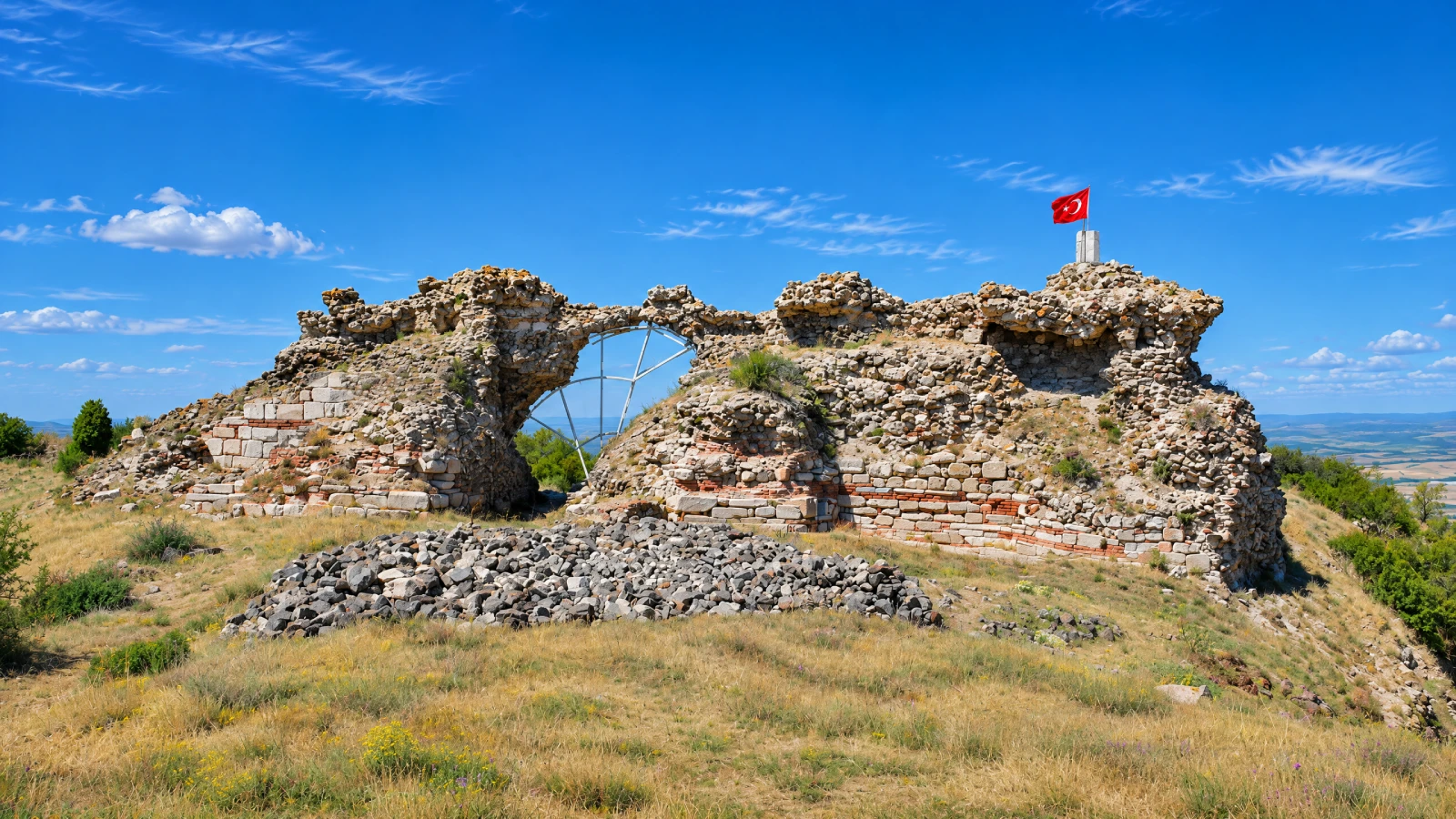
Mountainous Phrygia, spanning parts of Eskişehir, Kütahya and Afyonkarahisar, also appears on the UNESCO Tentative List (submitted in 2015). Its rock-carved religious façades, burial monuments and fortified landscapes are exceptionally valuable but often exposed to erosion, unregulated access and the hazards of rugged terrain.

The Phrygian Highlands

Midas, Mother-Goddess Cult and Carved Rock Architecture

In the volcanic highlands south of Eskişehir, Phrygian builders treated living rock as architecture. The façade known as the Midas Monument has a pitched-roof outline and intricate geometric patterning. Its Old Phrygian inscription includes the name Midas; the monument was not designed as a burial chamber for the famous legendary king.

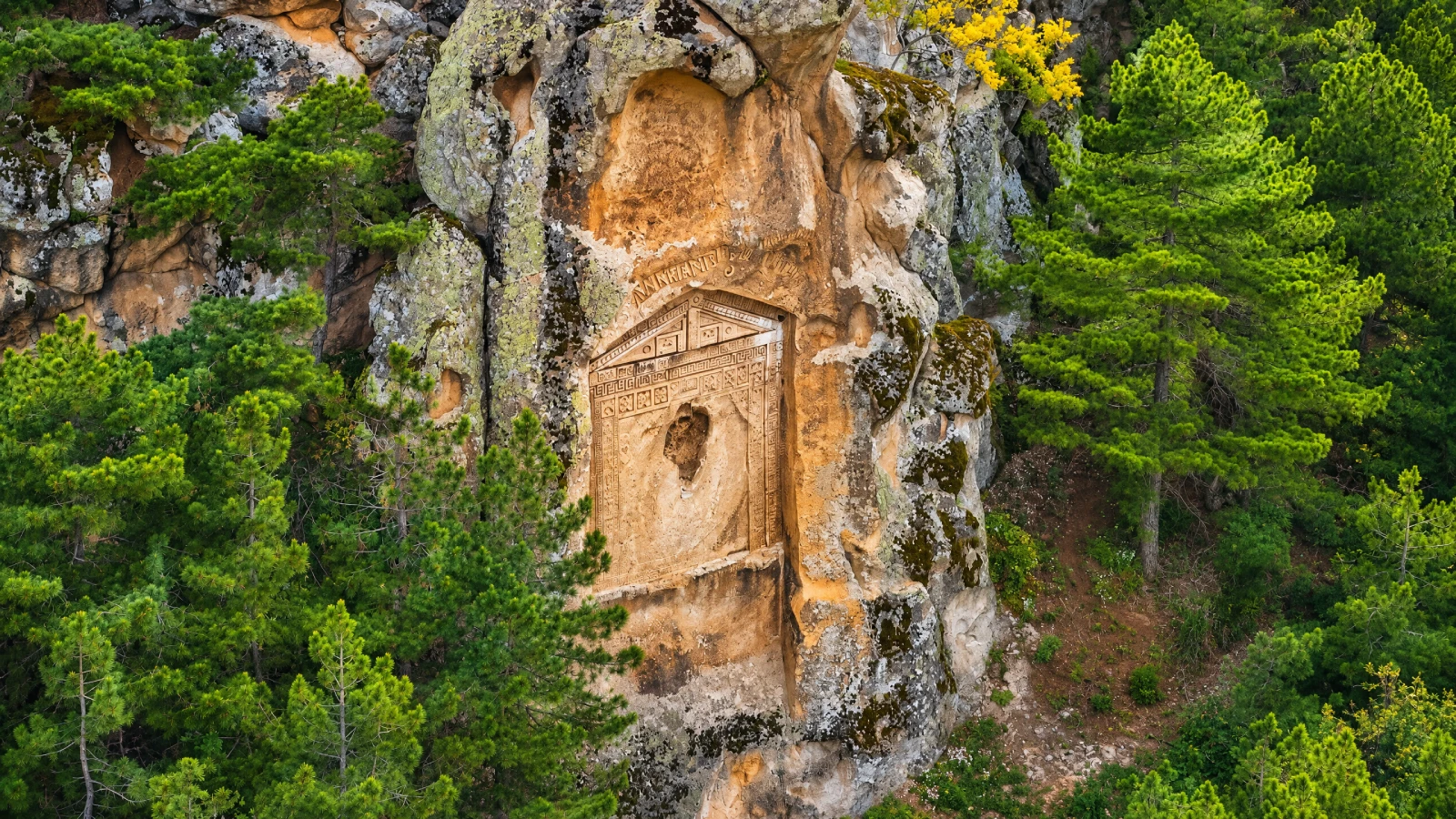
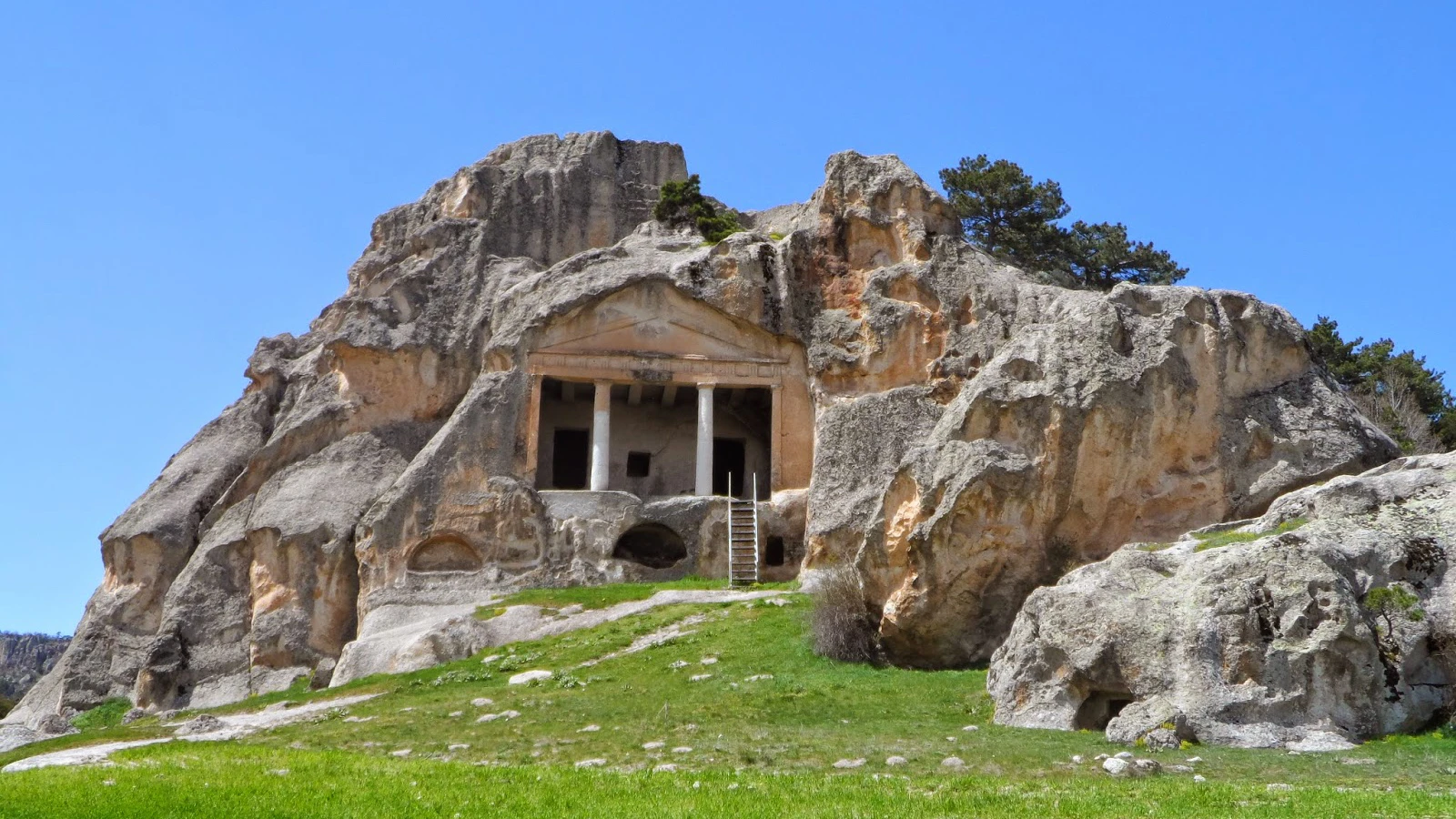
The nearby Areyastis Monument provides another important example of an inscribed façade. Rock-cut features across the broader landscape include stepped altars, niches, cisterns, roads, fortified plateaus and tombs of different dates. Not every chamber should automatically be labeled Phrygian: Roman, Byzantine and later communities reused and modified many places.

A responsible visit involves reading individual monuments in their archaeological setting, staying on safe routes, not touching or scratching reliefs, and allowing sufficient driving and walking time. Where access is uncertain, information from the provincial culture directorate should take priority over informal visitor descriptions.

Historic Communities & Places

Sivrihisar, Seyitgazi and the Stories Beyond the City Centre

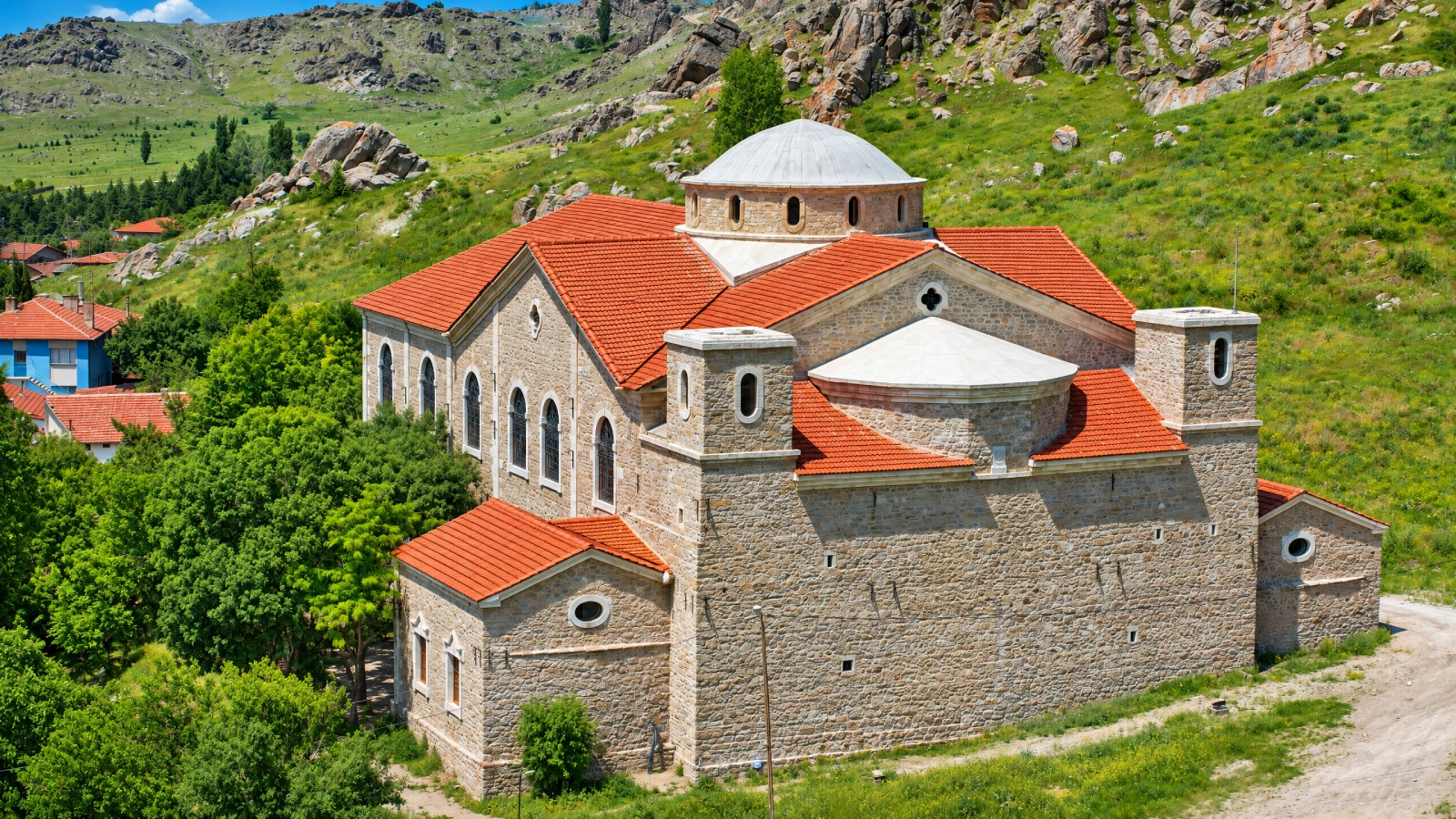
Sivrihisar has a remarkable collection of monuments from multiple communities. The timber-columned Grand Mosque and Alemşah Tomb speak to medieval architecture, while the large Holy Trinity Church records the presence of an Armenian community. The district’s traditional houses, Nasreddin Hoca associations and early Republican sites add still more layers.

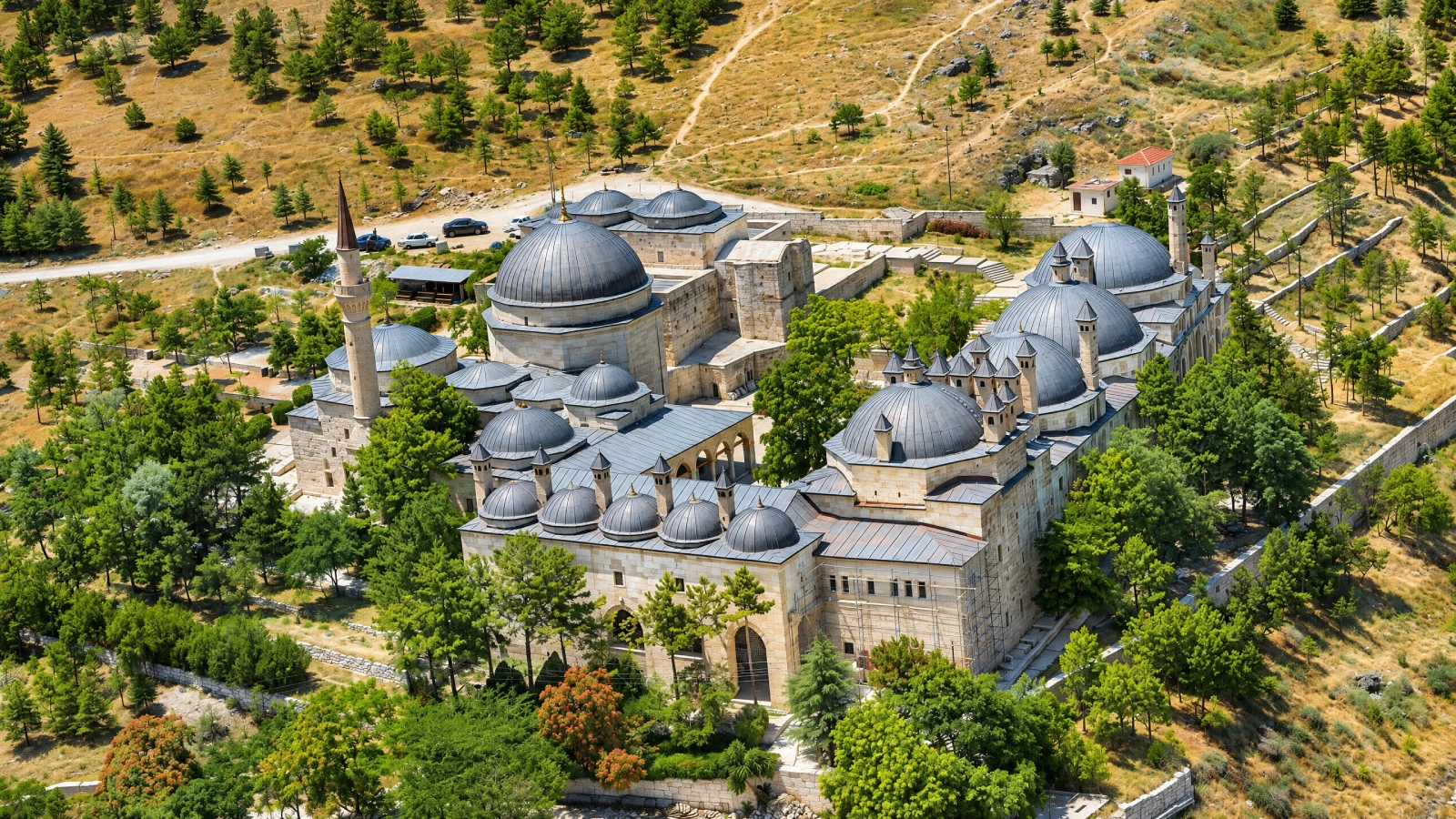
Seyitgazi is closely associated with the tradition of Battal Gazi. The surviving complex illustrates centuries of architectural patronage and religious practice; it is important to distinguish sacred narratives about the figure from the dates of individual buildings. Farther across the countryside, rock façades and tombs invite comparison with broader Phrygian heritage.

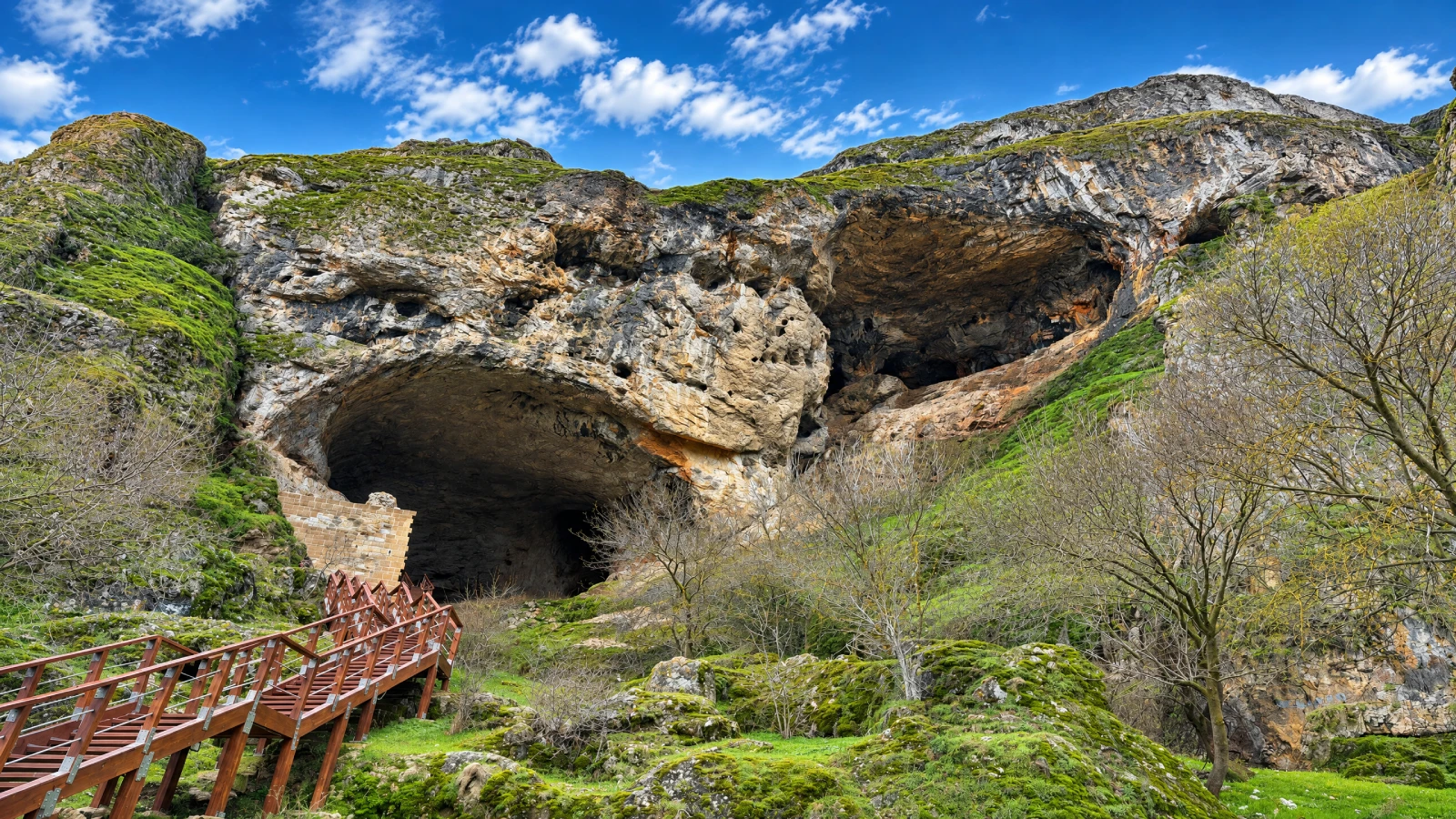
In Han, a historic route town, Ottoman patronage and rock-cut settlement lie close together. İnönü adds prehistoric cave archaeology and War of Independence history. Travelers who select one district at a time will gain a far clearer picture of the province’s geographic and historical diversity.

Nature, Crafts and Local Landscapes

Rivers, Wetlands, Forests and Village Traditions

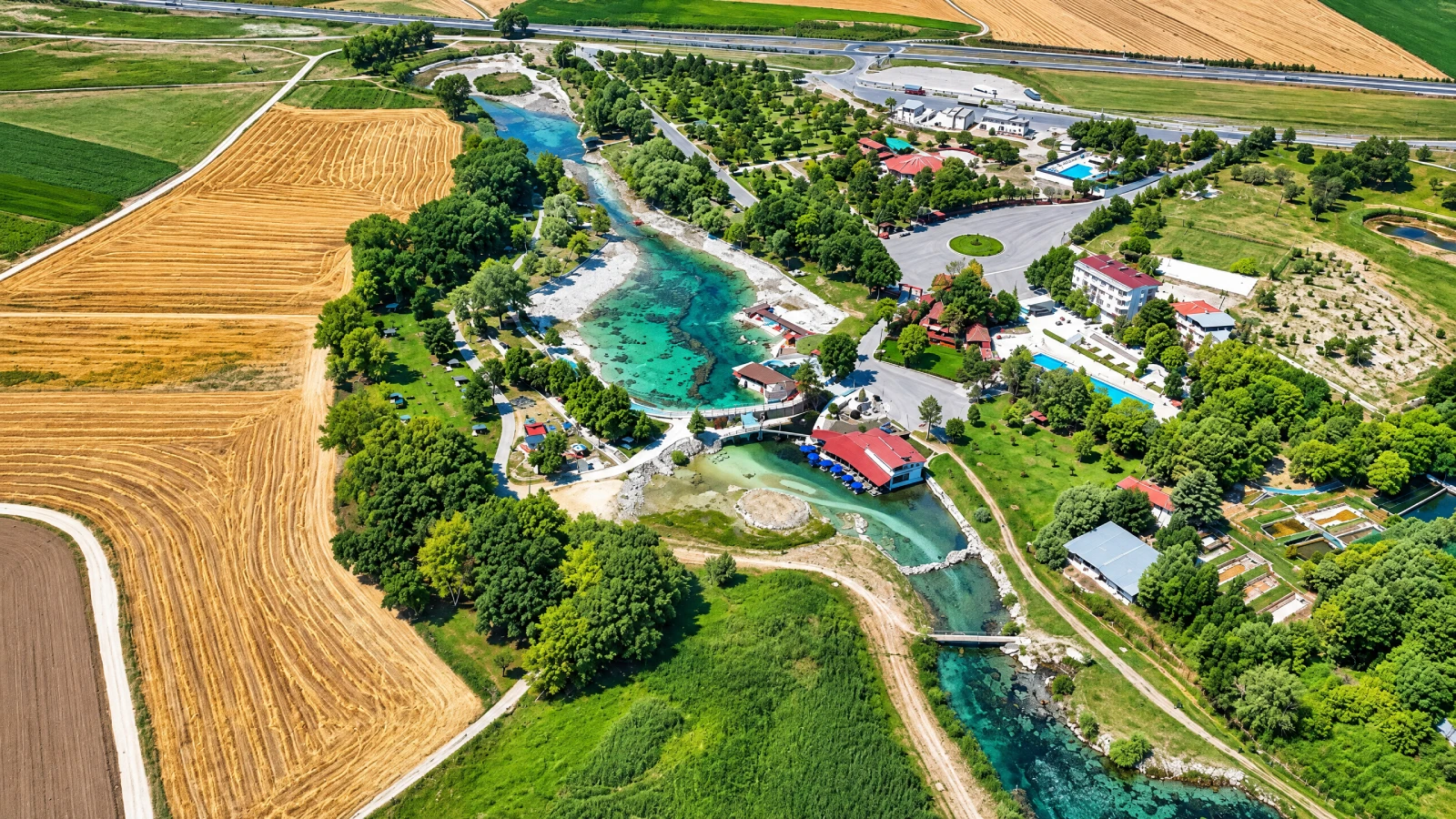
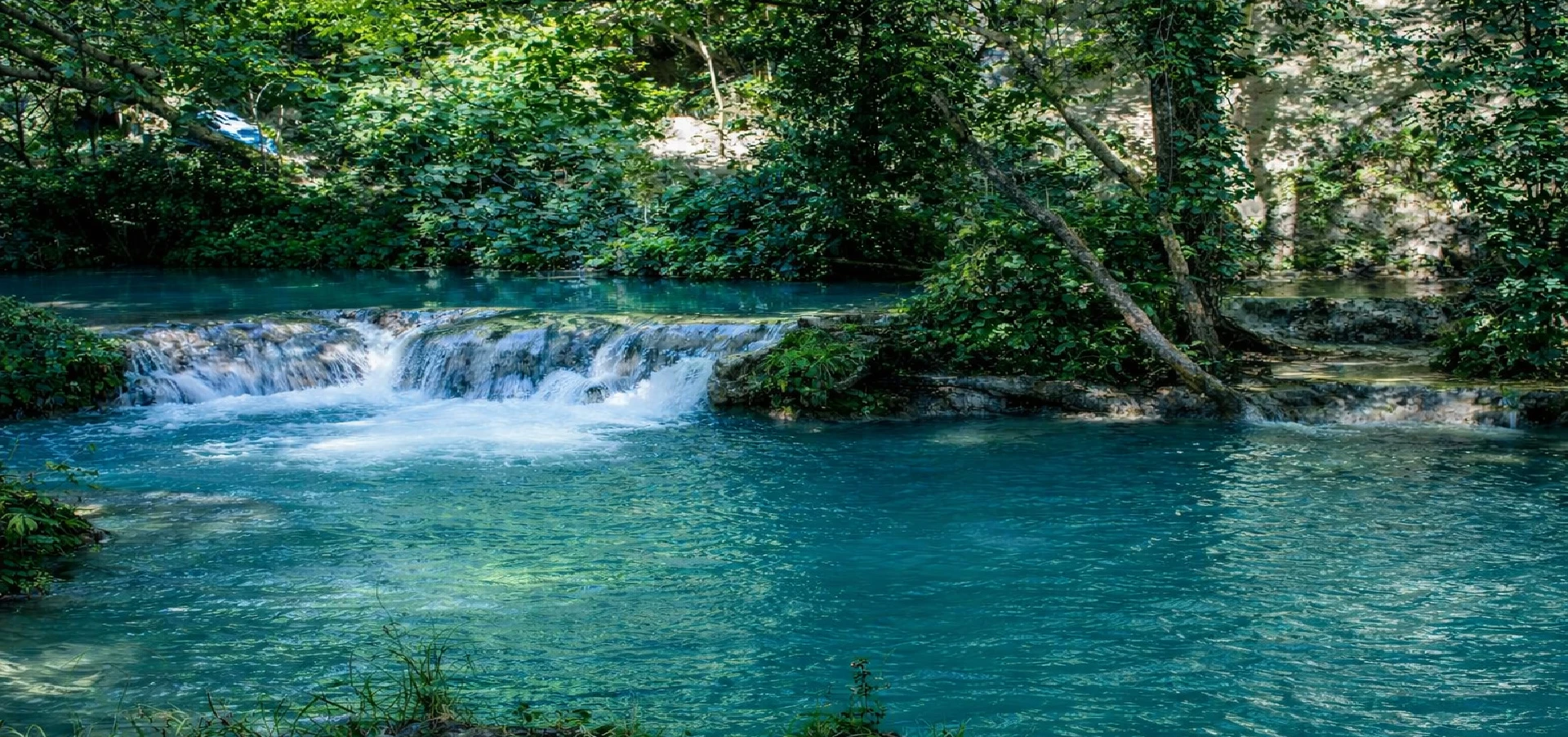
Eskişehir is not only monuments. The Porsuk shapes city life; in Çifteler, Sakaryabaşı springs offer fresh-water scenery; and wetlands such as Balıkdamı are valuable for birds and other wildlife. These landscapes vary substantially with season and water conditions, so habitat protection is more important than getting close to wildlife for photographs.

In the wooded north and northeast, Mihalıççık, Gürleyik and the Çatacık forests are appealing for rural exploration. Routes should be planned with local weather and road conditions in mind. Craft traditions, notably Sorkun pottery and Eskişehir meerschaum, provide equally rewarding ways to understand communities beyond the main museums.

Planning Your Eskişehir Visit

Travelers arriving by high-speed train can explore the compact urban core without a rental vehicle. Historic Odunpazarı, the Porsuk area and some museums are convenient to combine, although Sazova and other outlying attractions require additional transport. For rural archaeology, a private vehicle or arranged excursion offers greater flexibility.

The most frequent planning mistake is treating every site called “Eskişehir” as a short city walk. Yazılıkaya, Sivrihisar, Seyitgazi, Han and Mihalıççık lie in different parts of a large province. Build realistic clusters, protect enough time at each archaeological site and verify changing museum hours and restoration restrictions.

Practical Eskişehir Travel Tips

  • Getting here: Fast rail links connect Eskişehir with major cities, subject to current timetables
  • City travel: Use trams, walking and taxis; allow extra time for Sazova
  • Rural routes: A car or arranged excursion helps for Phrygian valleys and districts
  • Museums: Check individual closing days and temporary exhibitions
  • UNESCO sites: Confirm restoration and interior access at Sivrihisar
  • Rock monuments: Avoid restricted areas and unstable cliff edges
  • Wildlife: Respect wetland protection and seasonal breeding
  • Local food: Try çibörek, Balaban, met helvası and regional pastries
Why Visit Eskişehir?

A University City, an Ancient Sacred Landscape and a Living Craft Tradition

Few provinces in Türkiye bring together contemporary urban culture and such powerful evidence of ancient religious life. Eskişehir’s art museums, parks and lively public spaces make it especially enjoyable for a short city break, while archaeological excursions reveal how many millennia of settlement underlie the modern streets.

From Odunpazarı’s townscape to the World Heritage architecture of Sivrihisar, and from the carved façades of Mountainous Phrygia to the industrial story of Devrim, every area offers a different way of understanding the past. Add the region’s food and craft traditions and Eskişehir becomes a destination worthy of several separate journeys.

Frequently Asked Questions About Eskişehir

Historical & Editorial References

Research Notes and Official Resources

The following official sources help explain the archaeological context, heritage status and local food traditions. Recheck opening times, restoration and access before travelling.

Ready to Explore Eskişehir, Phrygia and Central Anatolia?

Tell us your preferred dates and interests. Our Türkiye travel specialists can help design a private journey combining the historic city, Phrygian monuments, UNESCO heritage and neighboring destinations.