Istanbul’s Icon of Empires, Faith & Architecture

Hagia Sophia Church & Mosque – Complete Travel Guide

Discover one of the world’s greatest monuments,
where Byzantine mosaics, Ottoman calligraphy and Istanbul’s imperial history meet.

Discover Hagia Sophia

Discover Istanbul’s Most Powerful Historical Landmark

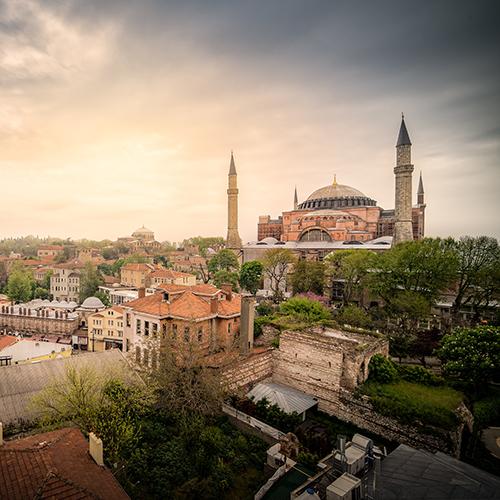
Hagia Sophia Church & Mosque, known in Turkish as Ayasofya, is one of the most unforgettable places to visit in Istanbul. Standing in the heart of Sultanahmet, it has served as a Byzantine cathedral, an Ottoman imperial mosque, a museum, and today as a mosque that remains deeply connected to world heritage, architecture and faith.

Built in the 6th century under Emperor Justinian, Hagia Sophia became one of the greatest architectural achievements of the Byzantine world. After the Ottoman conquest of Constantinople in 1453, it was transformed into a mosque and enriched with minarets, a mihrab, a minbar, calligraphic medallions and other Ottoman additions. Today, visitors experience a rare space where Christian and Islamic artistic traditions are seen together in one monumental building.

Byzantine Masterpiece

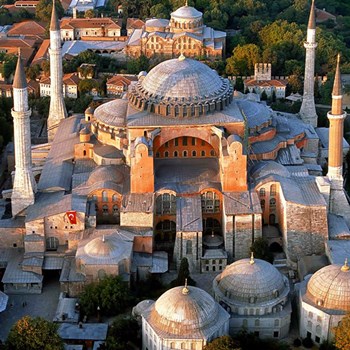
Stand beneath one of the most famous domes in architectural history and feel the scale of Constantinople’s imperial past.

Ottoman Imperial Mosque

See minarets, calligraphy, prayer elements and Ottoman details added after the conquest of the city.

Mosaics & Sacred Art

Admire surviving Byzantine mosaics and the layered artistic identity that makes Hagia Sophia unique.

Heart of Sultanahmet

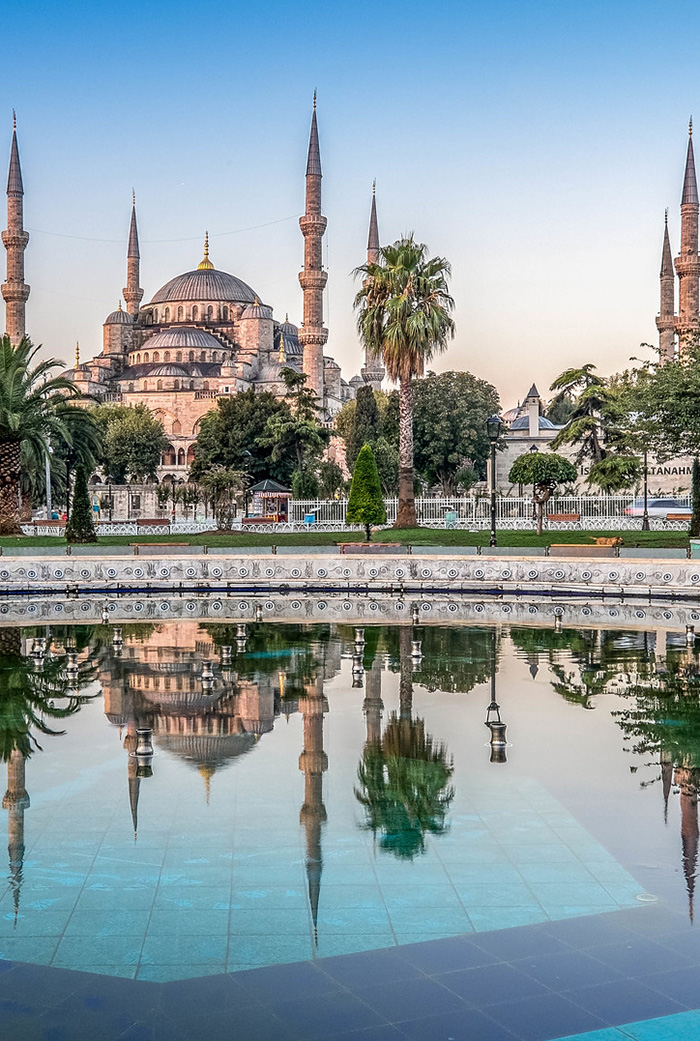
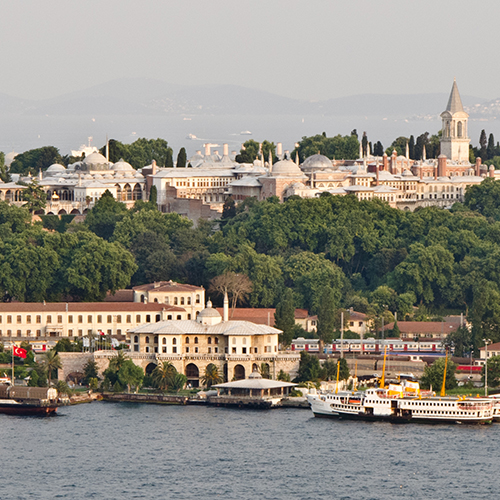
Combine Hagia Sophia easily with the Blue Mosque, Topkapi Palace, Basilica Cistern and the Hippodrome.

Plan Your Visit

Hagia Sophia – Quick Facts

Here are the essential details to help you plan your visit to one of Istanbul’s most important historical and spiritual landmarks.

📍

Location

Located in Sultanahmet, Fatih, directly near the Blue Mosque, Topkapi Palace and Basilica Cistern.

🏛️

Original Building

The current monument was completed in 537 during the reign of Byzantine Emperor Justinian I.

Visit Duration

Most travelers spend around 45 to 90 minutes, depending on crowds, photography and guiding.

Main Highlights

The great dome, upper galleries, mosaics, imperial doors, marble details, mihrab, minbar and Ottoman calligraphy.


Watch Before You Visit

Explore Hagia Sophia – Complete Istanbul Video Guide

Watch our detailed Hagia Sophia video guide and discover its magnificent dome, Byzantine mosaics, Ottoman additions, imperial history, and essential visitor information.

Byzantine, Ottoman & Modern Istanbul

Hagia Sophia History & Significance

Discover the story of one of the world’s greatest monuments, a masterpiece that reflects the deepest layers of Istanbul, from Byzantine Constantinople to Ottoman Istanbul and modern Turkey.

Hagia Sophia, known in Turkish as Ayasofya, is one of the most important landmarks in the Historic Areas of Istanbul, a UNESCO World Heritage property that preserves the heart of the old imperial city. Standing in Sultanahmet, between Topkapi Palace, the Blue Mosque and the ancient Hippodrome of Constantinople, Hagia Sophia has witnessed nearly fifteen centuries of political, religious and artistic history.

The present structure was built between 532 and 537 under the Byzantine emperor Justinian I, after earlier churches on the same site were destroyed. Designed by the brilliant architects Anthemius of Tralles and Isidore of Miletus, Hagia Sophia became the great cathedral of Constantinople and one of the most daring architectural achievements of the ancient world.

Its vast central dome, marble columns, golden mosaics and monumental interior created a space that seemed almost impossible for its time. For centuries, Hagia Sophia was the spiritual center of the Byzantine Empire, the setting for imperial ceremonies, religious processions and some of the most important events in Orthodox Christian history.

Hagia Sophia also carries the memory of dramatic turning points. It survived earthquakes, restorations, political changes and the Latin occupation of Constantinople after the Fourth Crusade in 1204. Each period left traces in the building, making it not just a monument of architecture, but a living record of Istanbul’s changing identity.

In 1453, after the Ottoman conquest of Constantinople, Sultan Mehmed II converted Hagia Sophia into a mosque. Over the following centuries, the Ottomans added minarets, buttresses, a mihrab, a minbar, imperial galleries, calligraphic medallions and other Islamic elements. These additions gave the monument a new Ottoman identity while preserving much of its Byzantine structure and grandeur.

One of the most important Ottoman contributions came through the great architect Mimar Sinan, whose structural support helped strengthen Hagia Sophia and protect it for future generations. Thanks to these restorations, the building continued to dominate the skyline of Ottoman Istanbul and inspired many later imperial mosques.

In the Republican period, Hagia Sophia was transformed into a museum in 1935, becoming a place where visitors could experience both its Christian and Islamic heritage together. In 2020, it was reconverted into a mosque and reopened for Muslim worship, while continuing to welcome visitors from around the world.

Today, Hagia Sophia Grand Mosque remains one of the most powerful symbols of Istanbul. It is a living religious space, a masterpiece of Byzantine architecture, a landmark of Ottoman heritage and a cultural bridge between Christianity and Islam, Europe and Asia, empire and memory.

What to See at Hagia Sophia

Explore the most important architectural, artistic and spiritual features of Hagia Sophia during your visit.

The Great Dome

Hagia Sophia’s dome is one of the most famous architectural achievements in the world. Its height, light and visual effect create the feeling that the dome is floating above the central space.

  • Why visit: One of the greatest domed interiors ever built
  • Best for: Architecture lovers and first-time Istanbul visitors
  • Highlights: Immense scale, light, arches and semi-domes

Byzantine Mosaics

Hagia Sophia preserves important Byzantine mosaics connected with emperors, saints, Christ and the Virgin Mary. These artworks reveal the monument’s long Christian history.

  • Includes: Imperial and devotional mosaic scenes
  • Identity: One of the most meaningful layers of Byzantine Istanbul
  • Importance: A rare artistic bridge between sacred art and imperial memory

Ottoman Calligraphy & Mosque Elements

Large calligraphic medallions, the mihrab, minbar and other Ottoman details show the building’s life as an imperial mosque after 1453.

  • Why interesting: Shows the Ottoman transformation of a Byzantine monument
  • Best for: Travelers interested in Islamic art and Ottoman heritage
  • View: Calligraphy, prayer direction, marble and wooden details

Imperial Doors & Marble Details

Hagia Sophia’s doors, marble panels, columns and stonework preserve the atmosphere of an imperial building used by emperors, sultans, clergy and worshippers across centuries.

  • Atmosphere: Monumental, ceremonial and deeply historic
  • Nearby features: Marble revetments, columns, galleries and thresholds
  • Tip: Slow down and notice the stone textures as much as the grand scale

Sultanahmet Setting

Hagia Sophia stands in one of the most important historic zones in the world. The surrounding area lets visitors connect the monument with the Blue Mosque, Hippodrome, Basilica Cistern and Topkapi Palace.

  • Best for: Travelers planning a full Old City day
  • Why special: Several major Istanbul landmarks are within walking distance
  • Perfect for: Culture-focused and history-focused visitors

Tickets & Entrance Fees

Hagia Sophia is an active mosque, but tourist visits to the gallery and visitor route require a separate entrance ticket. Visitor rules and prices can change, so travelers should always check current information before arrival.

Tourist Ticket

25 Euro per person for tourist visitor access to the gallery area.

Children

Children under 8 are generally free with passport or ID, but age rules should be checked before visiting.

Museum Pass

Hagia Sophia usually requires a separate ticket for tourist visits and is not normally treated like standard museum-pass entry.

Worship Access

The prayer area remains a functioning mosque space. Access arrangements are different for worshippers and tourist visitors.

Opening Hours & Best Time to Visit

Hagia Sophia is generally open to visitors every day, but tourist access can pause during prayer times and especially around Friday midday prayer. Because it is an active mosque, it is always best to confirm the daily visiting schedule before your visit.

General Tourist Visiting Hours Usually 09:00 – 19:30
Friday Prayer Closure Tourist access may be restricted around midday prayer
Last Entry Often around 30 minutes before closing
Best Time to Visit Early morning or later afternoon for a calmer experience

Why Visit Hagia Sophia?

Hagia Sophia Church & Mosque is one of the most rewarding places to visit in Istanbul. It offers a rare combination of Byzantine architecture, Ottoman heritage, sacred art, living worship and unforgettable atmosphere in one place.

One of the World’s Great Monuments

Hagia Sophia is not just a building to see quickly. It is a masterpiece that shaped architectural imagination for centuries.

Byzantine and Ottoman Layers Together

Few monuments show Christian and Islamic artistic traditions together as powerfully as Hagia Sophia.

Essential for Culture-Focused Travel

The site helps visitors understand Istanbul’s role as Constantinople, Ottoman capital and modern world city.

Easy to Combine with Old City Highlights

Hagia Sophia fits naturally into any Sultanahmet itinerary with Blue Mosque, Topkapi Palace, Basilica Cistern and the Hippodrome.


If you want a place that feels monumental, spiritual, artistic and unforgettable, Hagia Sophia is one of the strongest choices in all of Istanbul.

How to Get There

Hagia Sophia is located in Sultanahmet Square in the Fatih district of Istanbul. It is easy to reach by tram, walking, taxi or as part of a guided Old City tour.

By Tram

Take the T1 tram line to Sultanahmet Station, then walk a few minutes toward Hagia Sophia Square.

From Sultanahmet Hotels

Many hotels in Sultanahmet are within walking distance, making Hagia Sophia easy to visit early in the morning.

From Taksim

Use the F1 funicular to Kabataş, then connect to the T1 tram toward Sultanahmet.

By Tour

One of the easiest and most meaningful ways to visit is with a private Istanbul guide who explains the building’s many layers.

Visitor Tips

Dress Respectfully

Hagia Sophia is an active mosque. Modest clothing is required, and women should bring a scarf for head covering.

Check Prayer Times

Tourist access can pause during prayer times, especially on Fridays. Plan your visit outside prayer periods when possible.

Choose a Guided Visit for Context

The building becomes much more meaningful when you understand its Byzantine, Ottoman and modern history together.

Combine with Sultanahmet

Hagia Sophia works perfectly with Blue Mosque, Hippodrome, Basilica Cistern and Topkapi Palace in one Old City route.

Who Should Visit Hagia Sophia?

First-Time Istanbul Visitors

Hagia Sophia is one of the absolute essentials for anyone visiting Istanbul for the first time.

Architecture Lovers

Perfect for visitors who want to understand one of the most influential domed buildings in world history.

Culture Travelers

Ideal for travelers interested in the layered identity of Istanbul, from Byzantium to the Ottoman Empire and beyond.

Faith & Heritage Travelers

A powerful place for visitors interested in Christian heritage, Islamic heritage and sacred spaces with complex histories.

Frequently Asked Questions

What is Hagia Sophia famous for?

Hagia Sophia is famous for its enormous dome, Byzantine mosaics, Ottoman calligraphy, long religious history and unique position as both a former cathedral and an imperial mosque.

When was Hagia Sophia built?

The current Hagia Sophia was completed in 537 AD during the reign of Emperor Justinian I.

Is Hagia Sophia a church, mosque or museum?

Hagia Sophia was originally a Byzantine church, later became an Ottoman mosque, then a museum in the 20th century, and today functions as a mosque while remaining open to visitors under current visitor rules.

How long does it take to visit Hagia Sophia?

Most visitors spend around 45 to 90 minutes inside and around the monument, depending on crowds, photography and whether they visit with a guide.

Do tourists need a ticket for Hagia Sophia?

Yes. Tourist visitor access to the gallery area normally requires a separate ticket. Current public information lists the tourist visitor ticket as 25 Euro per person.

What are the opening hours of Hagia Sophia?

Hagia Sophia is generally open daily, but tourist access can be restricted during prayer times. Many current visitor schedules list tourist access around 09:00 – 19:30, with last entry often around 19:00.

What should I wear when visiting Hagia Sophia?

Visitors should dress modestly because Hagia Sophia is an active mosque. Shoulders and knees should be covered, and women should bring a scarf for head covering.

Best Photo Moments at Hagia Sophia

Hagia Sophia is one of the most photogenic monuments in Istanbul. It offers powerful exterior views, interior scale, marble textures and unforgettable details from both Byzantine and Ottoman periods.

Sultanahmet Square

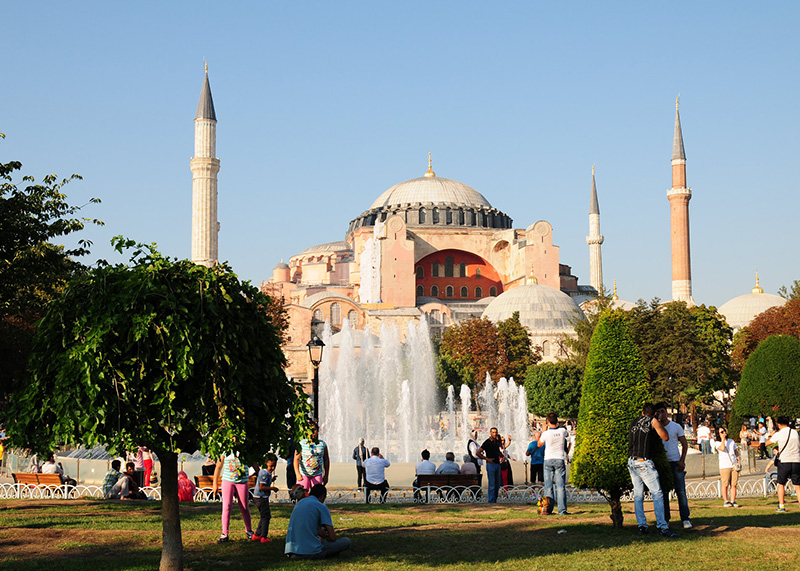
The square gives classic exterior views of Hagia Sophia, especially beautiful in early morning or evening light.

Upper Gallery Viewpoints

The gallery offers dramatic perspectives across the central space, dome, arches and interior details.

Mosaic Details

Surviving Byzantine mosaics are among the most meaningful visual details in the building.

Calligraphic Medallions

The large Ottoman medallions create strong visual contrast with the Byzantine architecture around them.

Courtyard & Exterior Corners

Exterior corners, minarets and garden perspectives are excellent for showing the building’s monumental scale.

Evening Atmosphere

Hagia Sophia and Sultanahmet Square become especially atmospheric after sunset when the monument is illuminated.

Best Time to Visit Hagia Sophia

Hagia Sophia can be visited throughout the year. The best experience usually depends more on crowd levels, prayer times and lighting than on the season.

Spring (April – June)

One of the best periods for walking around Sultanahmet and combining Hagia Sophia with nearby outdoor sites.

Summer (July – August)

Expect heavier crowds and warmer weather. Early morning or late afternoon visits are more comfortable.

Autumn (September – October)

Another excellent season for Istanbul sightseeing, with comfortable weather and strong photo light.

Winter (November – March)

A quieter period with fewer crowds, ideal for travelers who want a more atmospheric cultural visit.


Best Overall Months

April – June & September – October

Best Time of Day

Early morning for fewer crowds, or late afternoon for warmer light and exterior photography

Travel Tip

Avoid Friday midday prayer time if your main purpose is tourist sightseeing

Our Tours Including Hagia Sophia Church & Mosque

Discover our best Istanbul tours including Hagia Sophia, from private Old City walking routes to full-day Byzantine and Ottoman highlights and wider Turkey itineraries. Explore Hagia Sophia, Blue Mosque, Basilica Cistern, Topkapi Palace and Sultanahmet with carefully designed travel experiences.

Istanbul Day Tours

Ideal for travelers staying in Istanbul who want to explore Hagia Sophia with the wider Old City context.

Private & Special Interest Tours

Great for travelers who want more comfort, flexibility, cruise-port timing or airport layover planning.

Multi-Day Turkey Tours Including Hagia Sophia

Perfect for travelers who want Hagia Sophia as part of a wider Turkey journey combining Istanbul, Cappadocia, Ephesus, Pamukkale and UNESCO heritage sites.