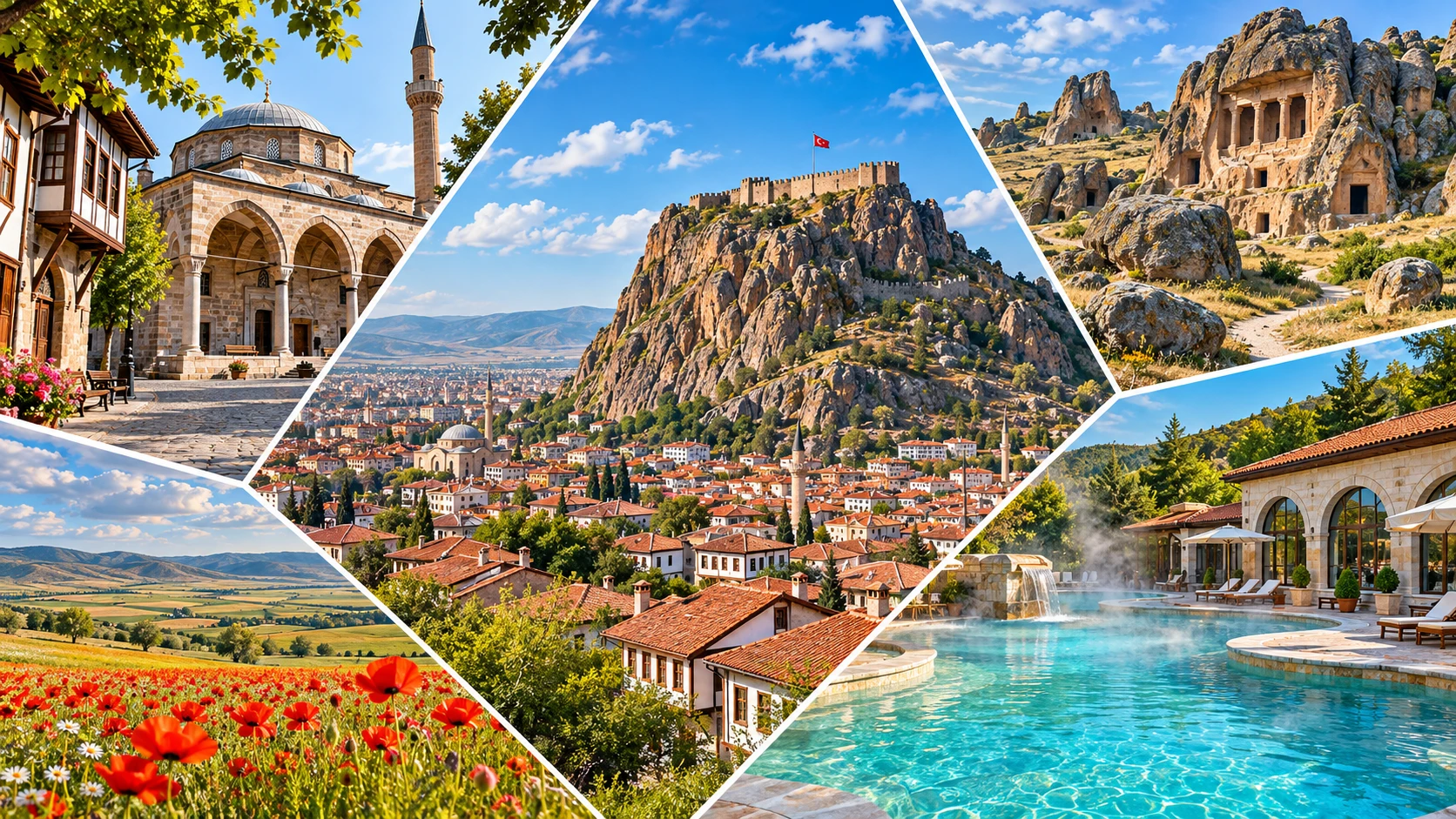
Afyonkarahisar Turkey with Karahisar Castle, Phrygian Valley, Kocatepe, Afyon Ulu Mosque, thermal springs and regional cuisine
Wow Cappadocia Turkey Travel Guide

Afyonkarahisar Travel Guide – Best Places to Visit

Discover the best places to visit in Afyonkarahisar, from the dramatic Karahisar Castle and UNESCO-listed Afyon Ulu Mosque to the rock-cut landscapes of the Phrygian Valleys, Ayazini, Kocatepe and the battlefields of the Great Offensive, Amorium and Apameia ancient cities, mountain nature, wetlands, thermal springs and one of Türkiye’s most celebrated regional cuisines.

Afyon Ulu Mosque UNESCO Phrygian Valleys & Ayazini Kocatepe & Great Offensive UNESCO City of Gastronomy

Discover Afyonkarahisar, Phrygia and the Crossroads of Anatolia

Afyonkarahisar stands at one of Anatolia’s great historic crossroads, connecting western Türkiye with the interior of the country. Across the province are traces of Phrygian, Hellenistic, Roman, Byzantine, Seljuk and Ottoman civilizations, ranging from rock-cut sanctuaries and ancient cities to caravanserais, mosques, traditional neighborhoods and the imposing fortress that dominates Afyon city.


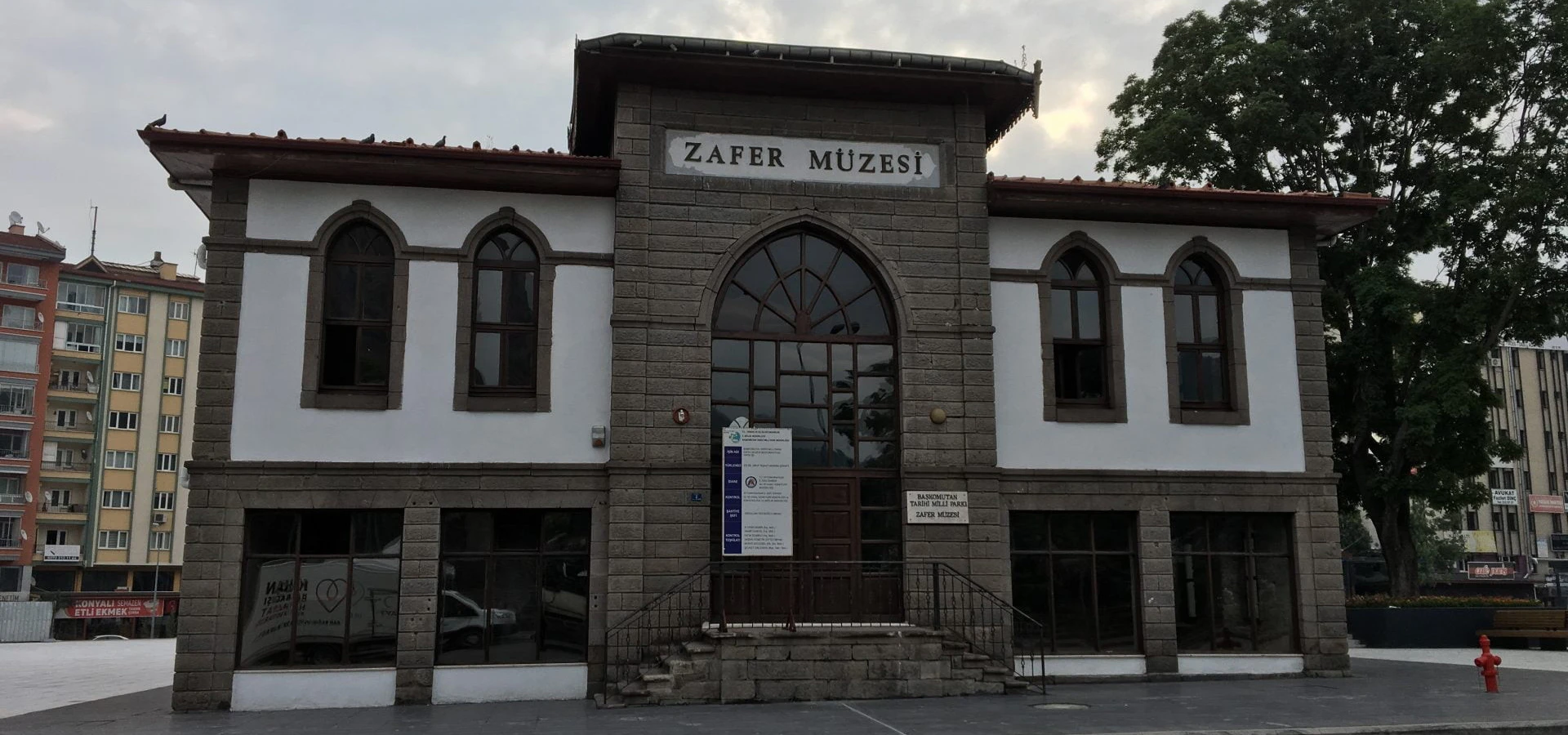
The province also occupies a remarkable place in modern Turkish history. Kocatepe was the command point from which the Great Offensive began on 26 August 1922, while Şuhut, battlefield memorials, military cemeteries and the Victory Museum preserve different chapters of the campaign that led toward the final stages of the Turkish War of Independence.


Afyonkarahisar is equally famous for its thermal waters and gastronomy. Gazlıgöl, Ömer-Gecek, Sandıklı Hüdai and Heybeli are among the province’s important thermal areas, while Afyon kaymağı, sucuk, pastırma, lokum, kaymaklı ekmek kadayıfı, poppy-seed pastries and district specialties have made the city a member of the UNESCO Creative Cities Network in the field of gastronomy.

Quick Visitor Information

  • Best for: Phrygian archaeology, UNESCO heritage, War of Independence history, thermal tourism, nature and gastronomy
  • Suggested stay: 2–3 days for major highlights; 4–6 days for a wider province itinerary
  • Main highlights: Karahisar Castle, Ulu Mosque, Phrygian Valleys, Ayazini, Kocatepe, Amorium and thermal areas
  • Best regional trips: Afyon Center, Phrygian Valley, Kocatepe–Şuhut, thermal routes and Eber–Sultandağı
  • Best seasons: Spring and autumn for touring; winter for thermal stays; summer mornings for exposed archaeological areas
  • Local identity: Kaymak, sucuk, pastırma, lokum, poppy seeds, bread kadayıfı and traditional home cooking
Afyonkarahisar’s Signature Story

Phrygian Rock Valleys, Victory Roads and a City of Gastronomy

Afyonkarahisar’s identity is shaped by several extraordinary layers. The first is the Phrygian landscape, where volcanic tuff was carved into tombs, sanctuaries, churches, chapels, dwellings and fortresses across Ayazini, Döğer, Göynüş Valley and the wider Phrygian Valleys. The second is the medieval city, symbolized by Karahisar Castle and the wooden-columned Ulu Mosque.


The third is modern Turkish history. Kocatepe, Şuhut and the surrounding battlefields became central to the Great Offensive of August 1922. Finally, Afyon’s thermal springs, livestock traditions, poppy cultivation and distinctive cuisine created another identity entirely — that of one of Türkiye’s most important thermal and gastronomic destinations.

Choose Afyonkarahisar by Travel Style

Afyonkarahisar combines ancient archaeology, national history, thermal travel, nature and one of Türkiye’s most distinctive regional cuisines.

Best for Archaeology

Phrygia, Amorium & Apameia

Explore Phrygian sanctuaries and rock tombs, Byzantine Amorium, ancient Apameia and the archaeological collections of Afyonkarahisar.

Best for History

Kocatepe, Şuhut & the Great Offensive

Follow the route from the Great Offensive headquarters in Şuhut to Kocatepe, battlefield memorials, cemeteries and the Victory Museum.

Best for Nature & Wellness

Thermal Springs, Akdağ & Lakes

Combine geothermal spas with Akdağ Nature Park, Tokalı Canyon, Eber Lake, Acıgöl, Emre Lake and mountain landscapes.

Best for Food

Kaymak, Sucuk, Lokum & Poppy Cuisine

Discover Afyon’s famous dairy, charcuterie, confectionery, breads, poppy-seed pastries, meat dishes and district specialties.

The Road to Victory

Kocatepe, Şuhut and the Great Offensive of 1922

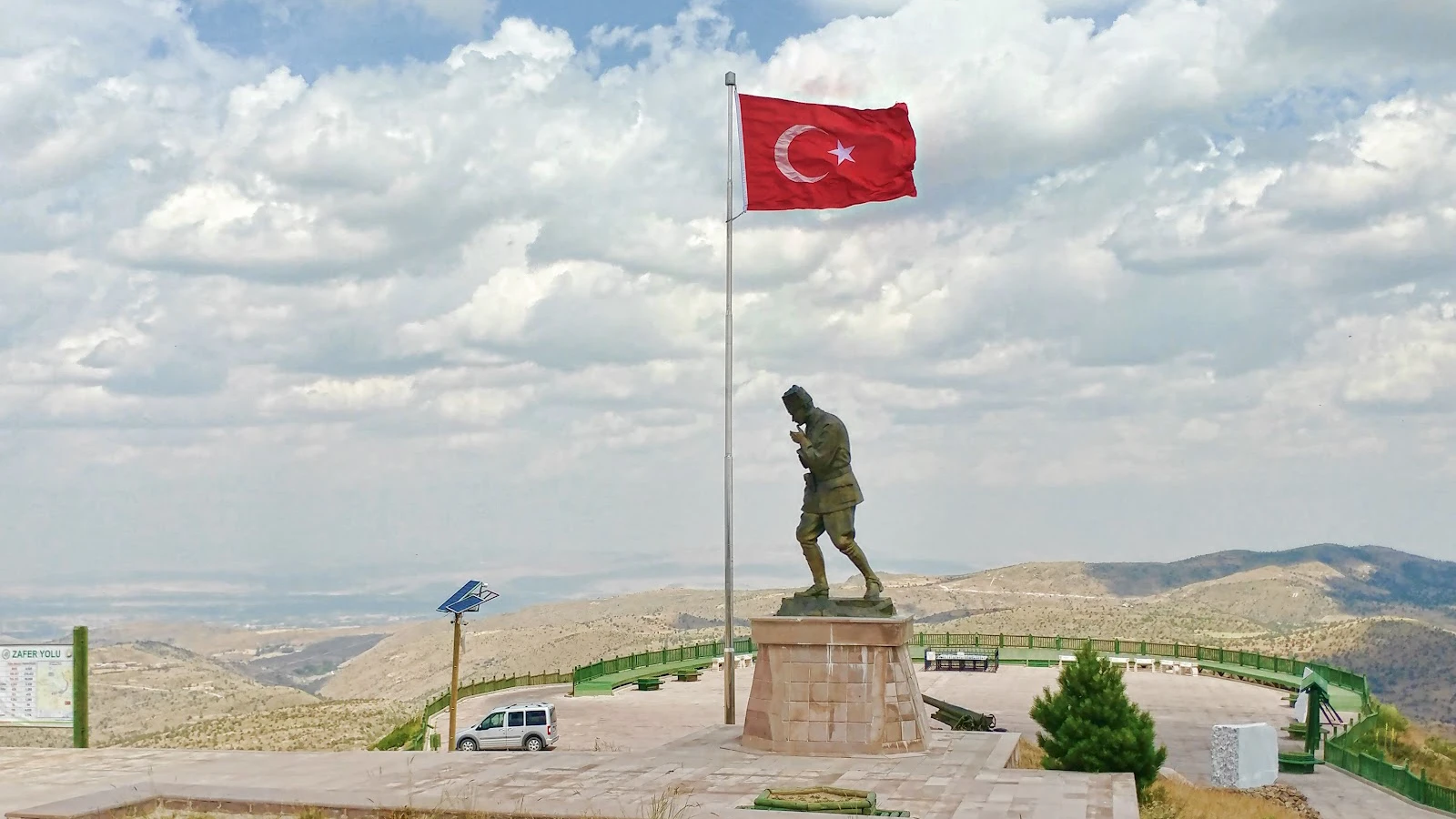
Few provinces are as closely connected with the final phase of the Turkish War of Independence as Afyonkarahisar. After preparations in Şuhut, Mustafa Kemal and the Turkish command moved toward Kocatepe, where the Great Offensive began on 26 August 1922.


Today the wider landscape includes Kocatepe, Şuhut Atatürk House, Victory Road, the Great Offensive Martyrs’ Cemetery, Captain Agâh Efendi Martyrs’ Cemetery, Yıldırım Kemal memorial sites, Anıtkaya and other locations associated with the campaign. The Victory Museum in Afyon city completes the story from a different perspective.

Explore All Afyonkarahisar Attractions

Browse Afyonkarahisar by historic center, Phrygian heritage, Great Offensive sites, ancient cities, museums, nature, thermal areas and district destinations.

Best Day Trips and Regional Routes in Afyonkarahisar

Afyonkarahisar is geographically large, and its strongest experiences are better explored as separate regional routes rather than one rushed circuit.

Phrygian Heritage Route

Ayazini, Döğer & Emre Lake

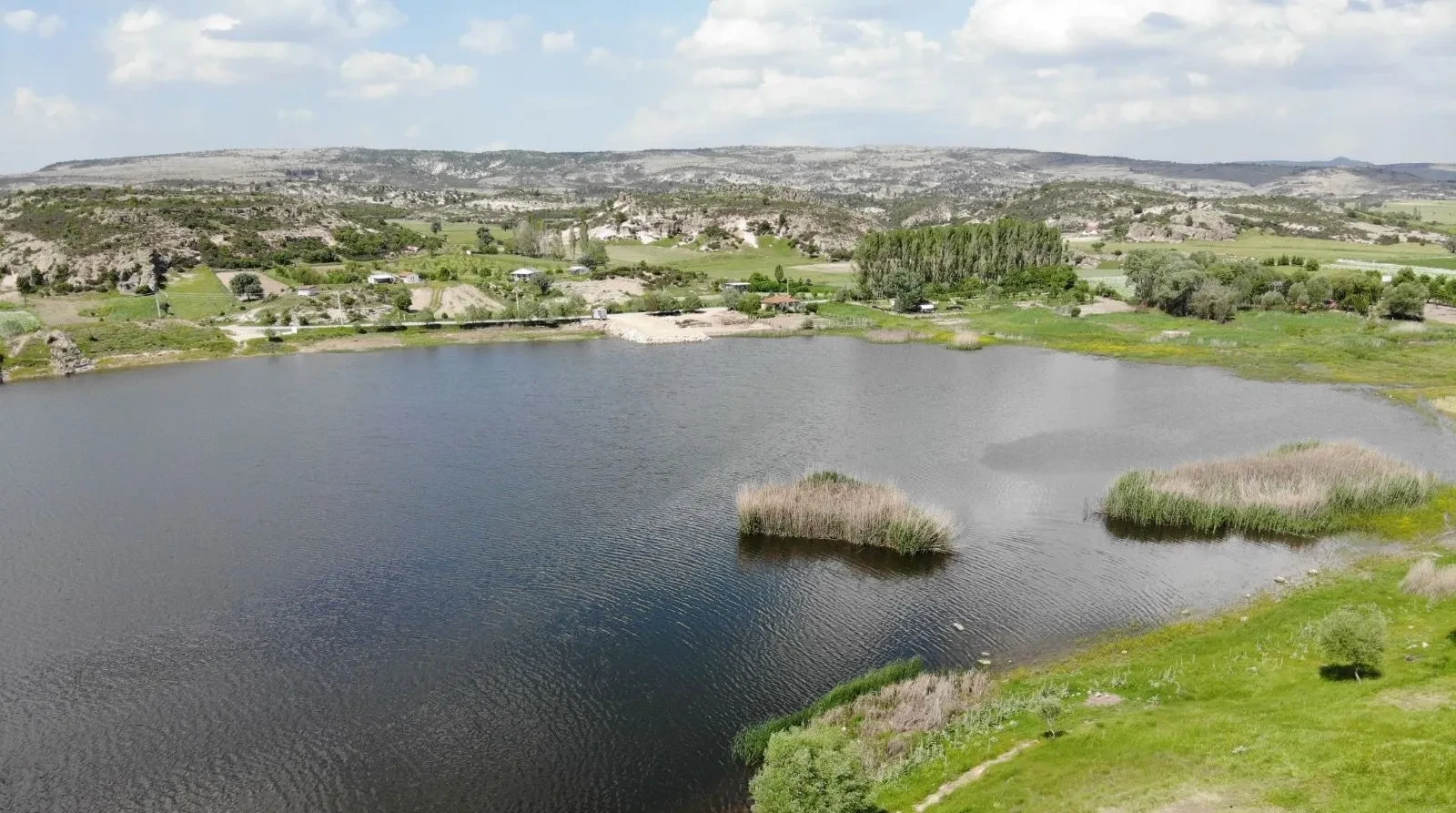
Explore rock-cut tombs, churches, Phrygian sanctuaries, Avdalaz, Döğer monuments and one of the region’s most photogenic lakes.

Victory Route

Şuhut, Victory Road & Kocatepe

Follow the dramatic landscape of August 1922 from the Great Offensive headquarters through memorials and battlefields to Kocatepe.

Thermal Route

Gazlıgöl, Ömer-Gecek & Sandıklı

Build a relaxing journey around Afyonkarahisar’s famous geothermal waters, thermal hotels and traditional bathing culture.

Nature & Heritage Route

Eber Lake, Sultandağı & Bolvadin

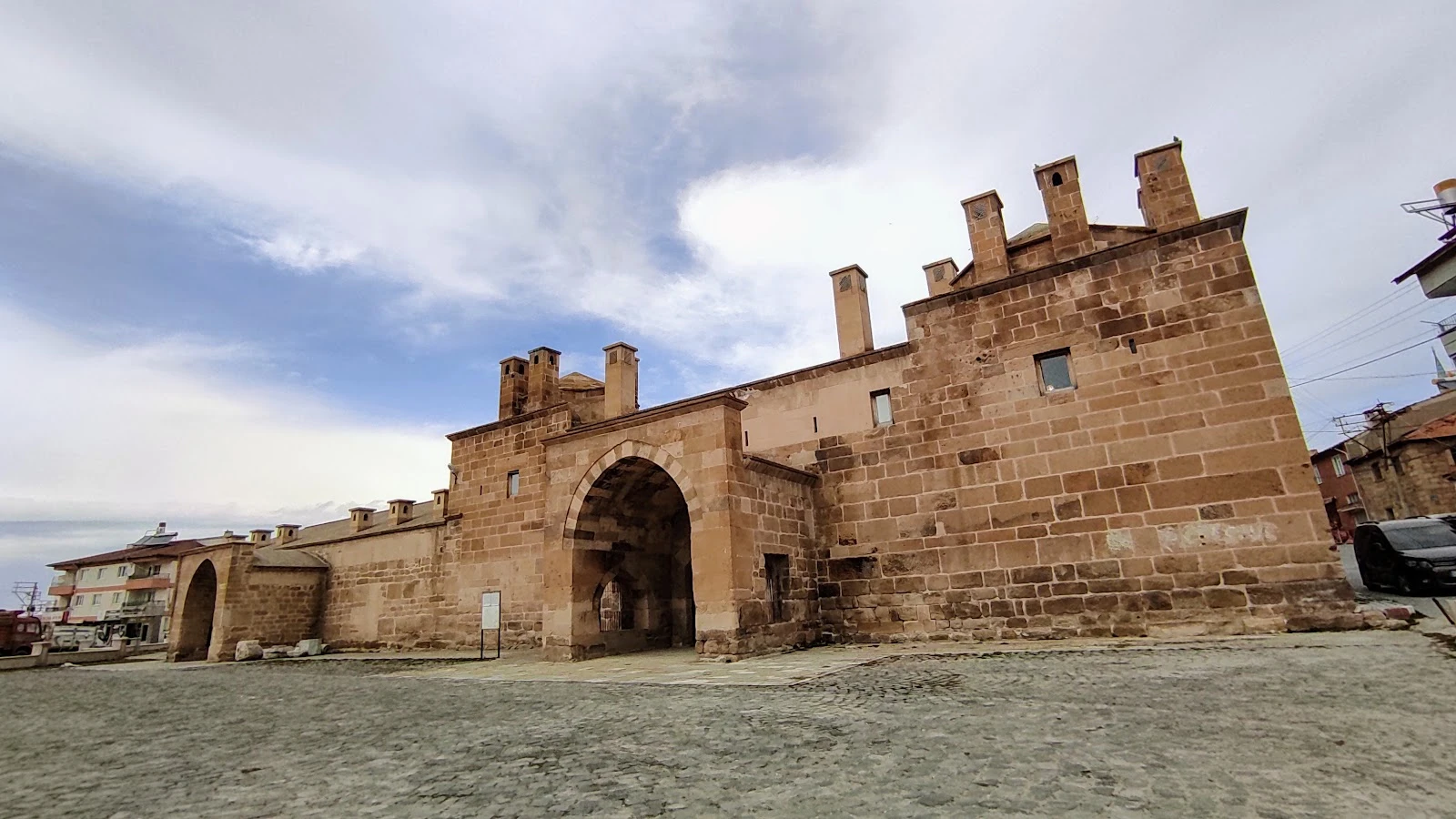
Combine wetlands, birdlife and mountain views with Kırkgöz Bridge, Sultandağı Caravanserai and regional food traditions.

Ancient Afyonkarahisar

From Phrygian Rock Monuments to Roman Apameia and Byzantine Amorium

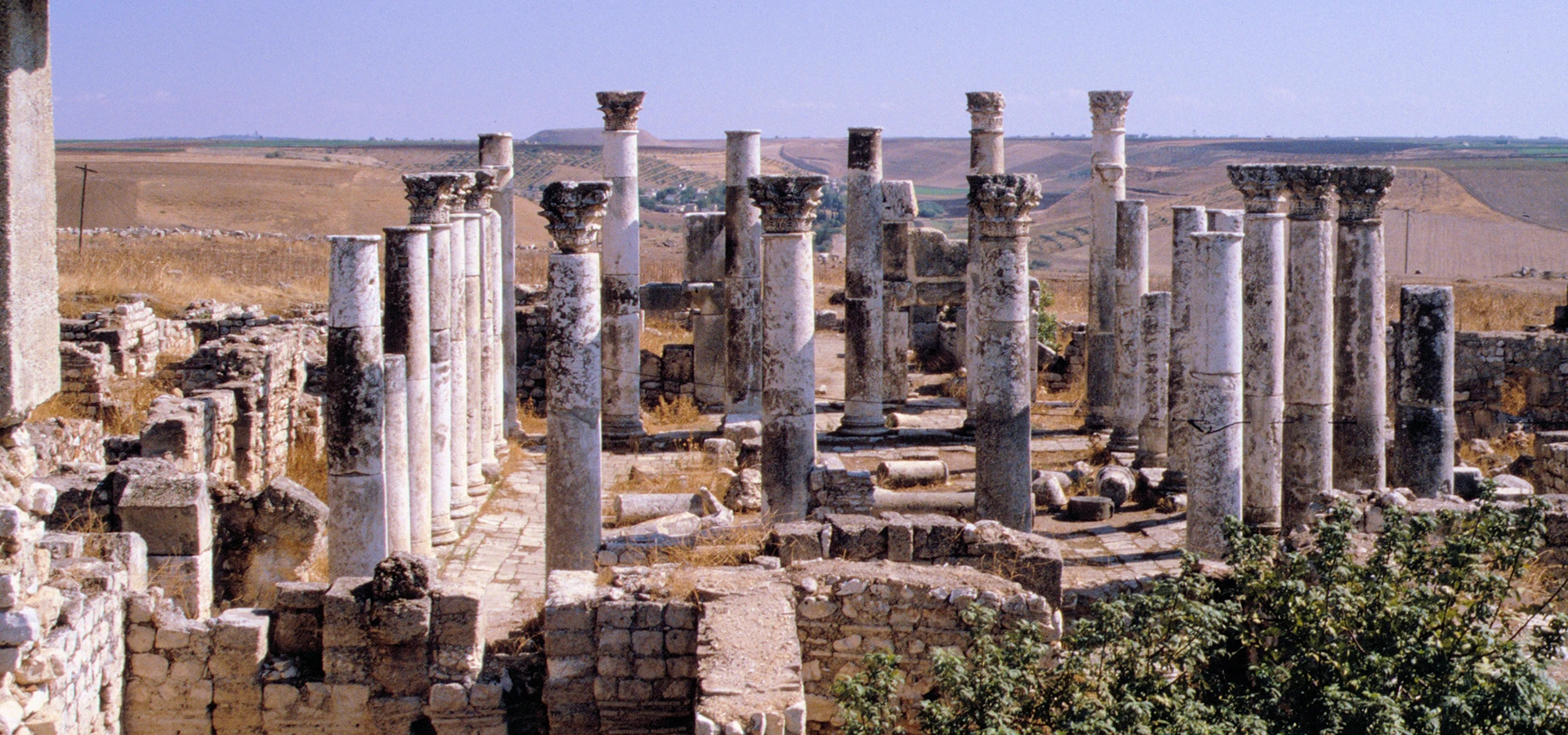
Afyonkarahisar’s archaeological story reaches far beyond the famous Phrygian Valleys. Apameia at Dinar was a major city on ancient trade routes, while Synnada around modern Şuhut and Docimeium at İscehisar were closely connected with the marble wealth and urban network of Roman Phrygia.


To the northeast, Amorium became one of Byzantine Anatolia’s most strategically important cities. Across İhsaniye and the surrounding countryside, Phrygian sanctuaries, tomb façades, rock-cut chambers and later Byzantine churches preserve another archaeological landscape entirely. Smaller sites can have limited infrastructure and changing access conditions.

Land of the Phrygians

Ayazini, Göynüş Valley, Döğer and the Rock-Cut World of Phrygia

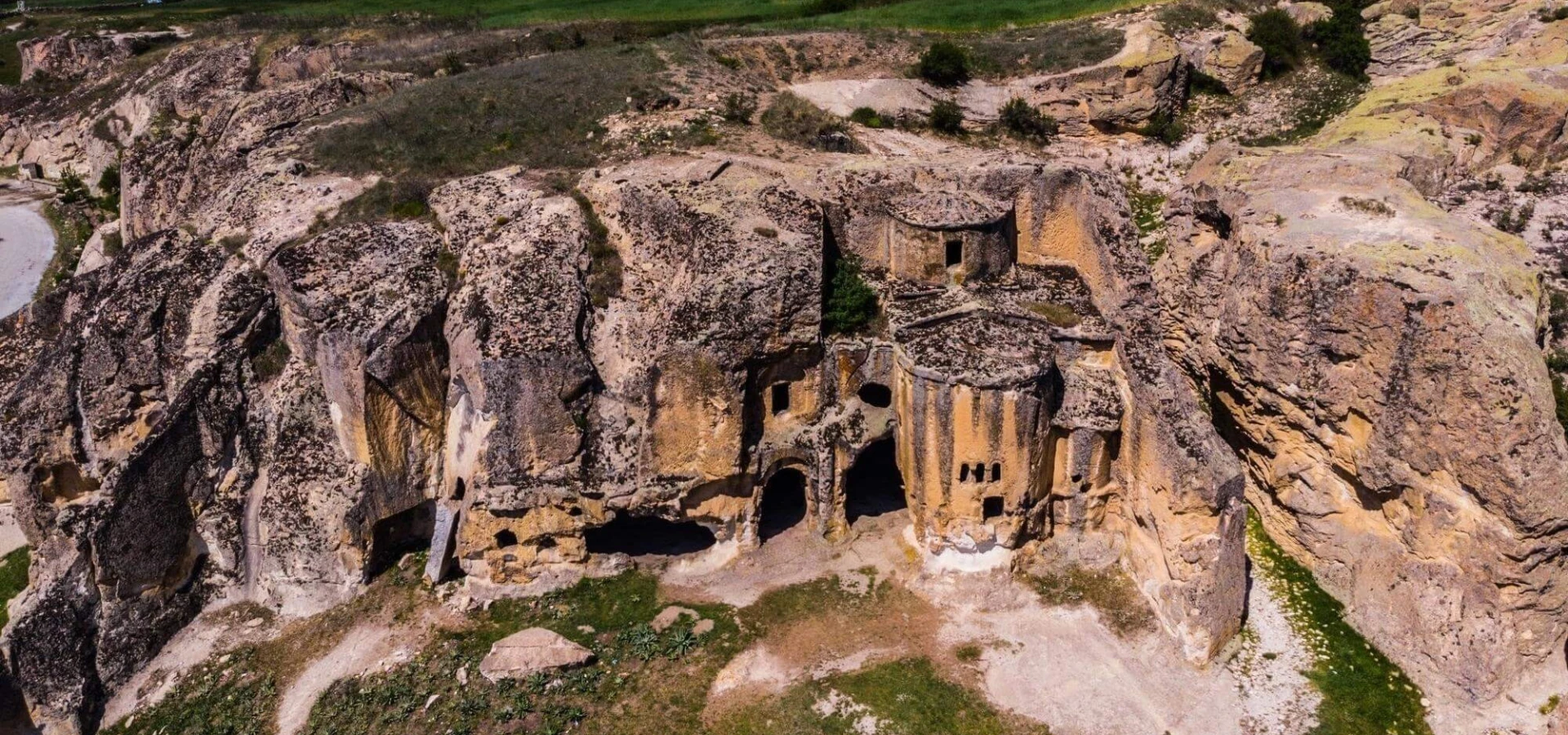
The Afyonkarahisar section of the Phrygian Valleys contains some of the province’s most distinctive scenery. Volcanic formations were transformed by ancient communities into façades, tomb chambers, sacred monuments and defensive settlements, while later Christian communities carved churches and chapels into the same landscape.


Ayazini is the most accessible introduction, but travelers with more time should continue to Göynüş Valley, Aslantaş, Yılantaş, Aslankaya, Kapıkaya I and II, Avdalaz, Döğer and Emre Lake. The result is a landscape where archaeology, geology and rural life remain closely connected.

Türkiye’s Thermal Heartland

Gazlıgöl, Ömer-Gecek, Sandıklı Hüdai and Heybeli

Thermal tourism is not a side attraction in Afyonkarahisar; it is one of the province’s defining travel experiences. Geothermal waters have encouraged the development of large thermal accommodation areas around Gazlıgöl, Ömer-Gecek, Sandıklı Hüdai and Heybeli.


Thermal stays are particularly easy to combine with cultural travel. Afyon city can be paired with Ömer-Gecek, the Phrygian Valleys with Gazlıgöl, and Akdağ Nature Park with Sandıklı. This makes Afyonkarahisar especially attractive for slower autumn and winter itineraries.

Historic Afyonkarahisar

Castle, UNESCO Ulu Mosque, Mevlevi Heritage and Ottoman Afyon

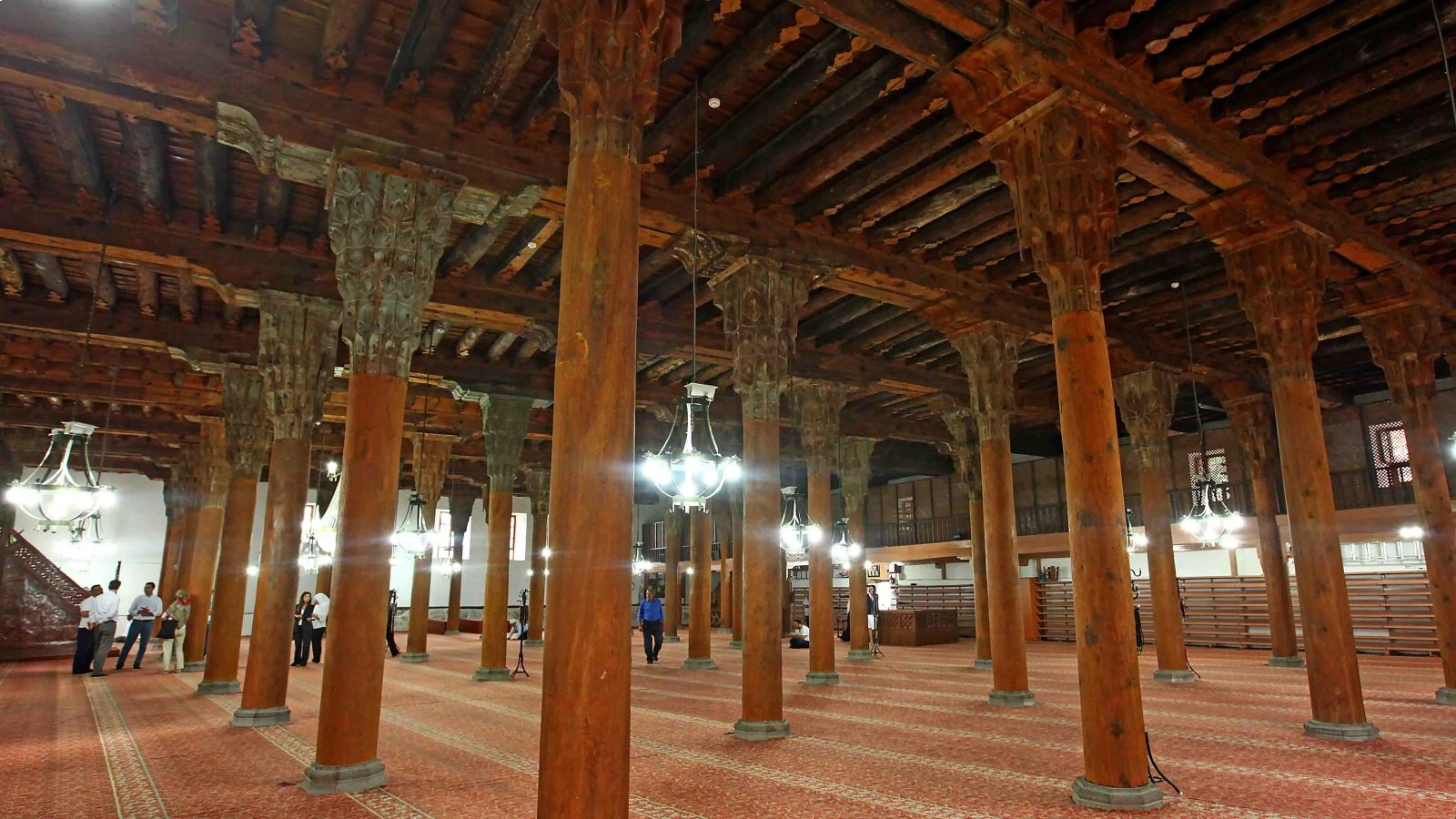
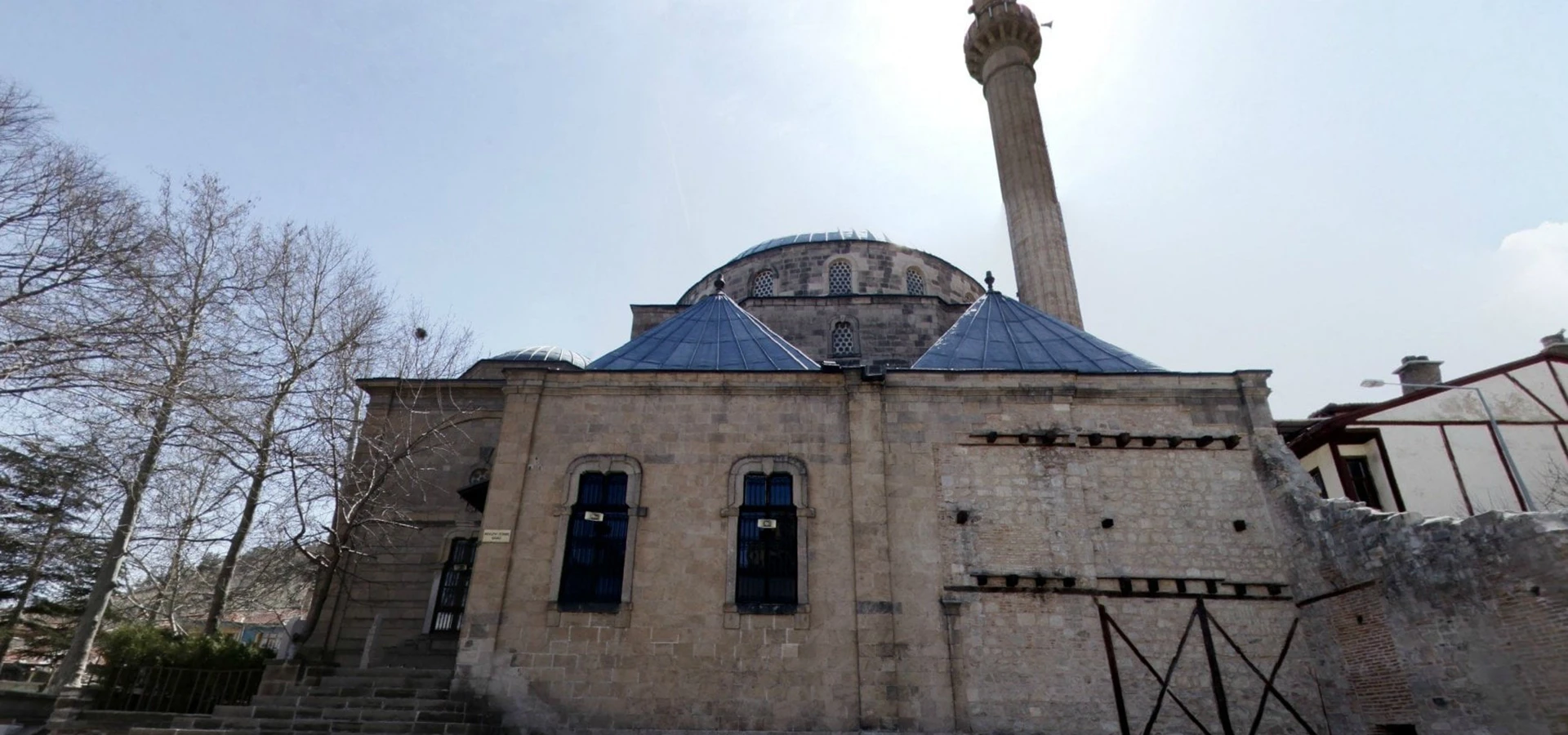
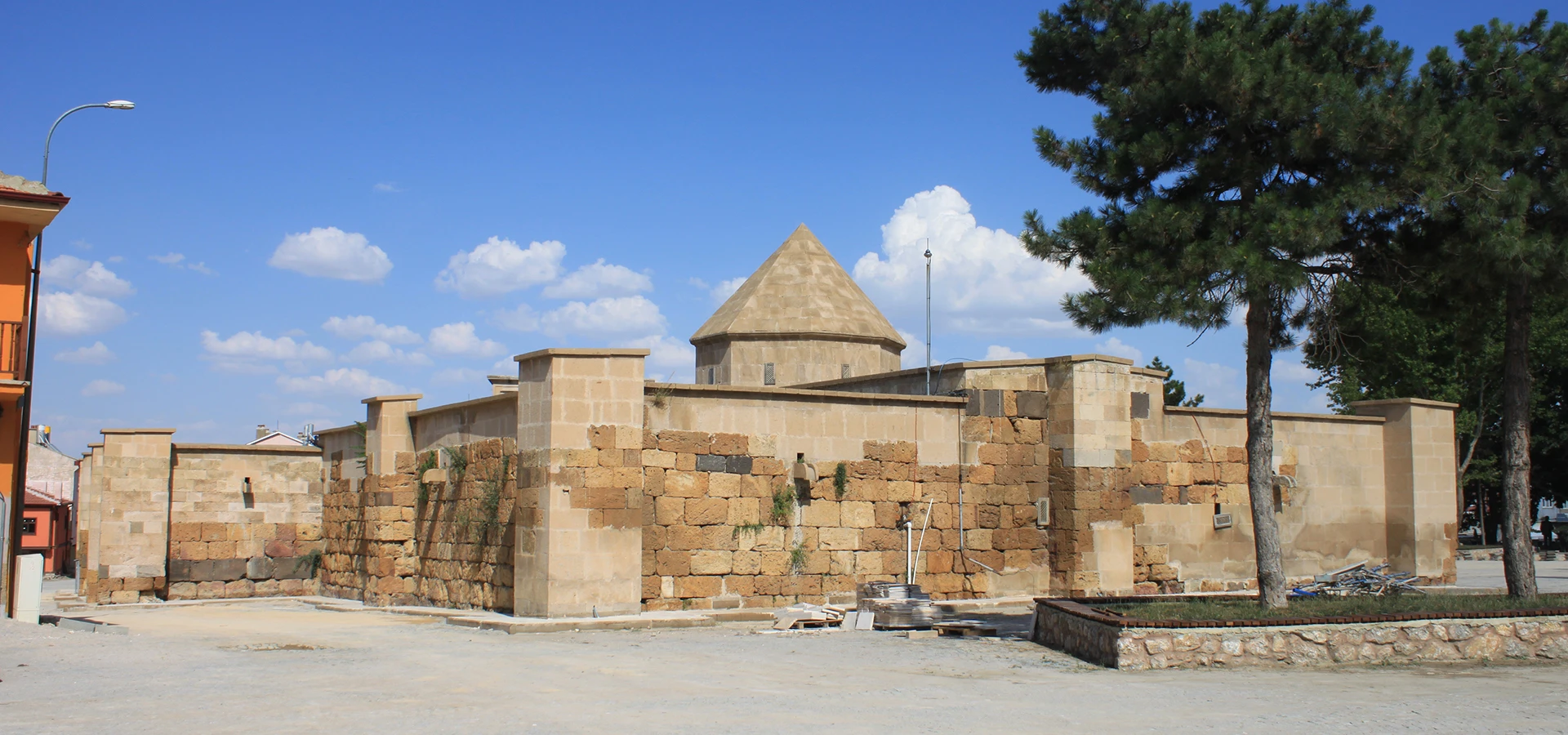
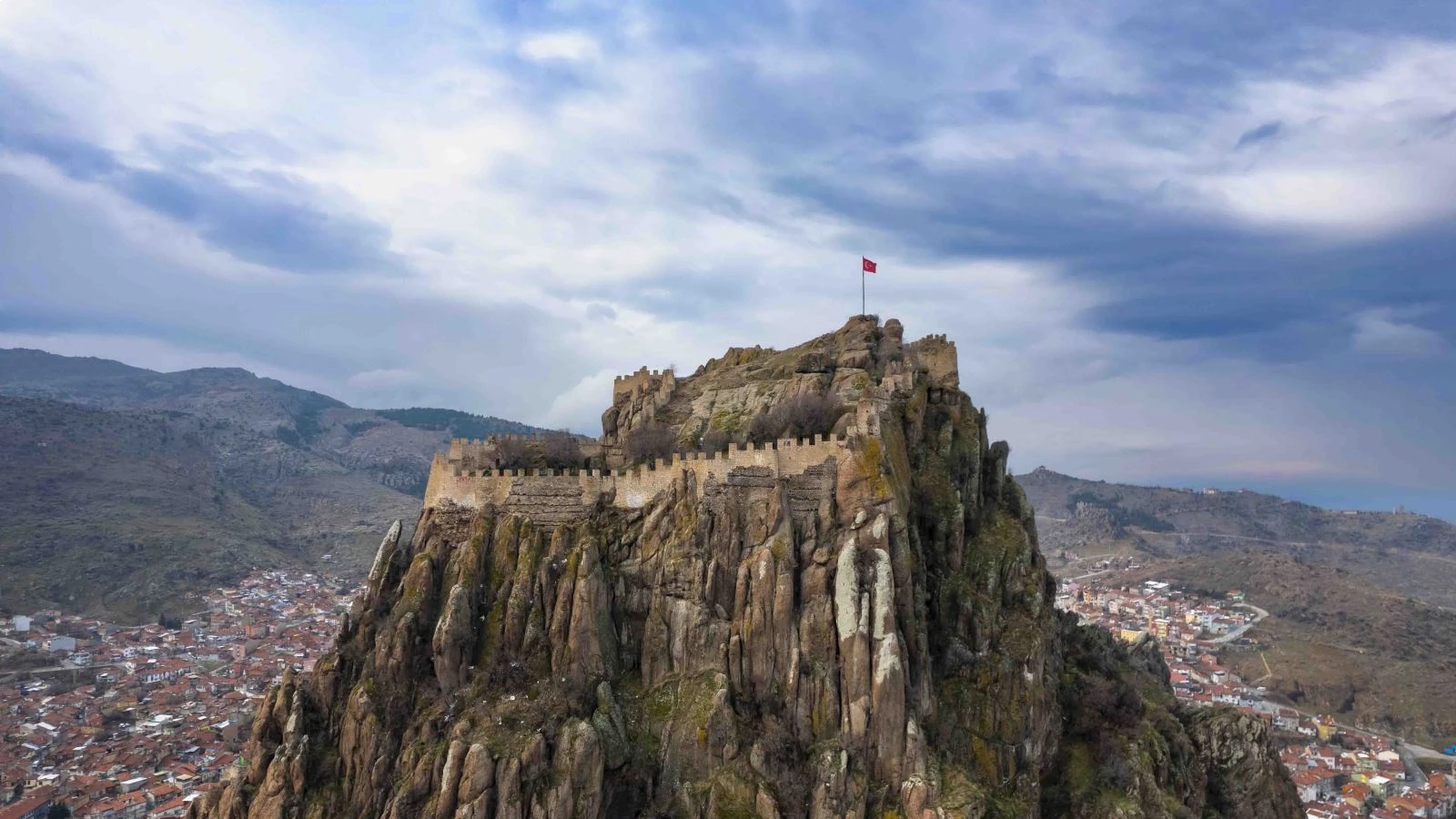
Afyonkarahisar city deserves a full heritage walk. The volcanic fortress provides the dramatic visual centerpiece, while the nearby UNESCO-listed Ulu Mosque preserves one of medieval Anatolia’s most extraordinary wooden-columned interiors.


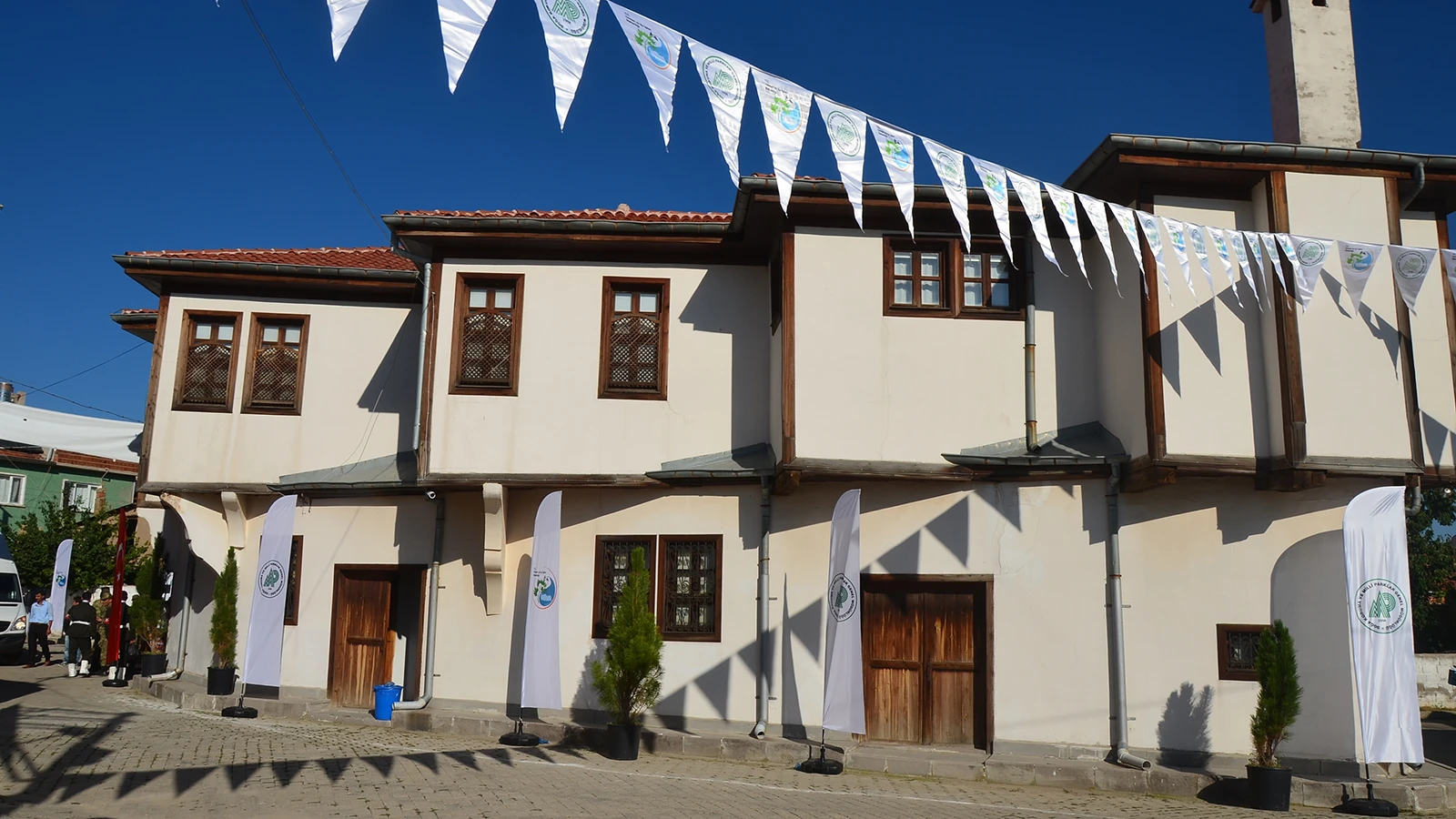
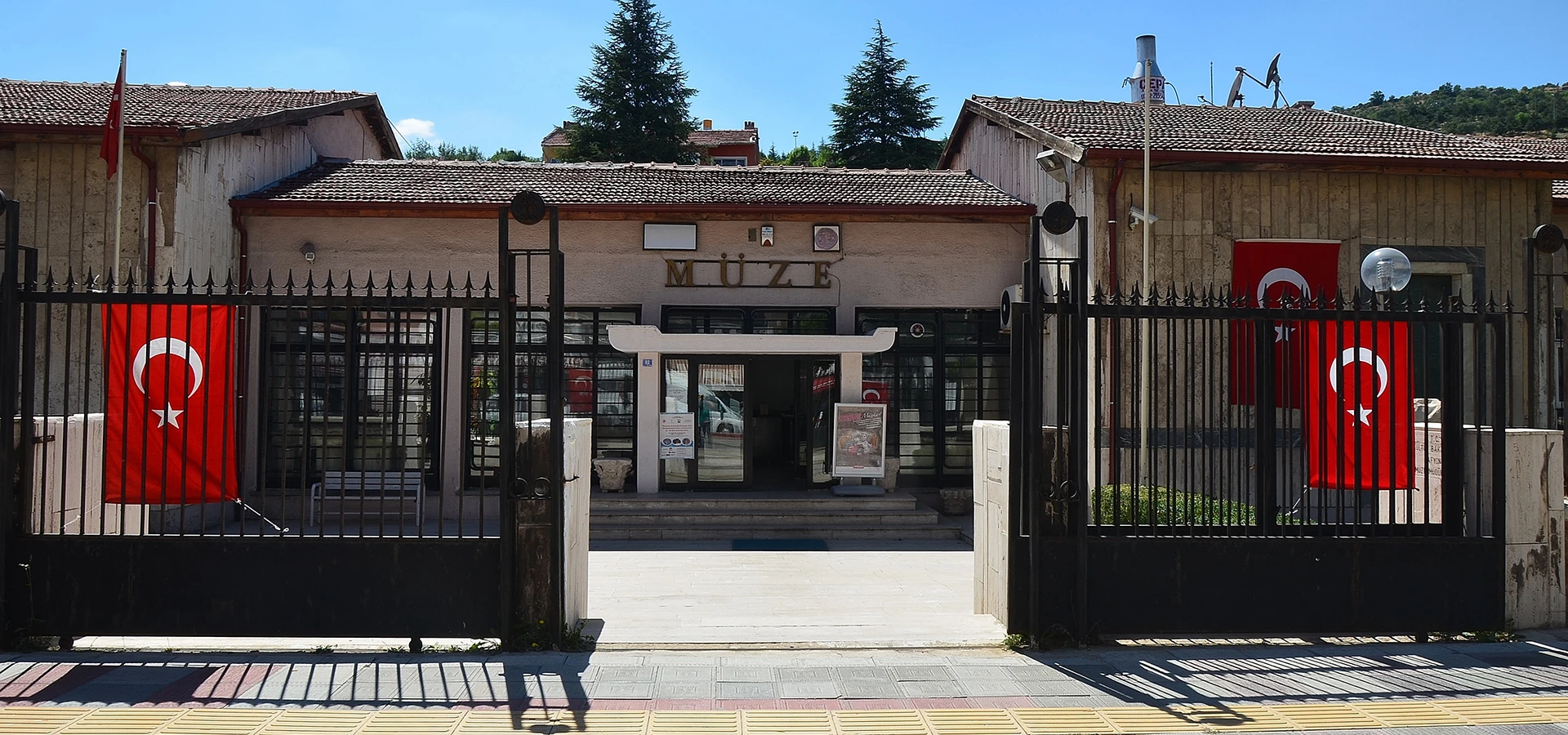
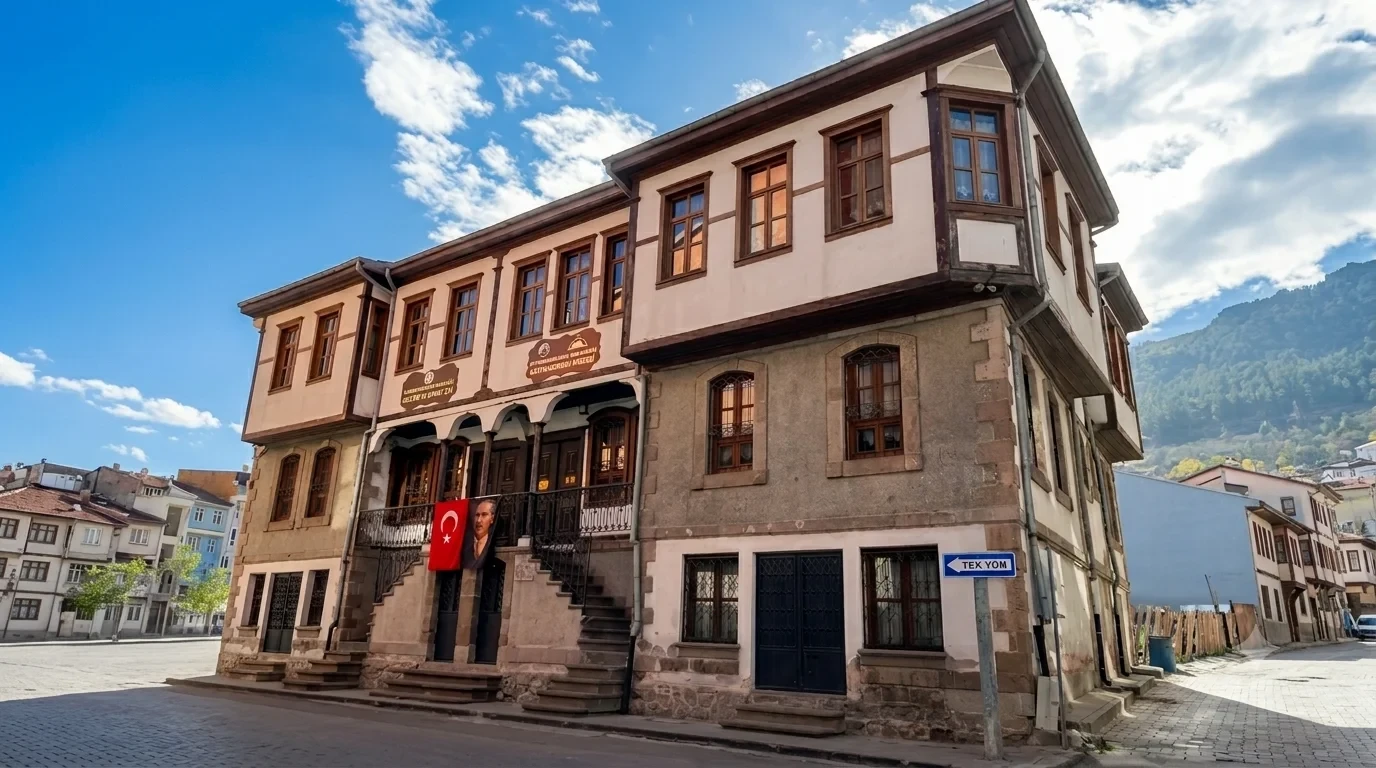
Continue through traditional neighborhoods toward Sultan Divani Mevlevihanesi, Gedik Ahmet Paşa’s İmaret Mosque, historic houses, baths and commercial buildings. The Afyonkarahisar Museum, Victory Museum and Gastronomy Museum add archaeological, national and culinary context to the city.

Afyonkarahisar Food Culture

From Afyon Kaymağı and Sucuk to Poppy-Seed Pastries and Village Cooking

Afyonkarahisar’s culinary reputation begins with several nationally famous products: Afyon Kaymağı, Afyon Sucuğu, Afyon Pastırması, Afyon Lokumu and Kaymaklı Ekmek Kadayıfı. Livestock farming helped shape the province’s traditions of dairy products and charcuterie, while wheat, potatoes and poppy seeds became equally important in local home cooking.


Poppy seeds appear throughout the cuisine in breads, katmer and pastries such as Ağzı Açık and Bükme. Traditional tables also include Göce Köftesi, Çullama Köftesi, İlibada Sarması, Patlıcan Böreği, Velense Hamur Aşı, mercimekli pilav, tandır dishes and regional soups.


The culinary map becomes even richer in the districts. Şuhut is known for keşkek and potatoes, Sandıklı for haşhaş ezmesi and local dishes, Dinar for Taptama Köftesi, Emirdağ for its own meat dishes, Bolvadin for mantı, while Çay and Sultandağı are associated with important fruit-growing traditions. Afyonkarahisar joined the UNESCO Creative Cities Network as a City of Gastronomy in 2019.

How Many Days Do You Need in Afyonkarahisar?

The province is large enough that its Phrygian sites, battlefields, thermal areas, lakes and ancient cities should be divided into separate travel days.

One Day

Historic Afyonkarahisar

Explore Karahisar Castle, UNESCO Ulu Mosque, Sultan Divani Mevlevihanesi, the museum, Victory Museum, historic neighborhoods and local food.

Two Days

Add the Phrygian Valleys

Spend the second day around Ayazini, Avdalaz, Göynüş Valley, Döğer monuments and Emre Lake.

Three Days

Add Kocatepe & Şuhut

Follow the Great Offensive route through Şuhut, Victory Road, Kocatepe and selected battlefield memorials.

Five Days+

Add Thermal Areas, Lakes & Ancient Cities

Extend toward Sandıklı, Akdağ, Eber Lake, Sultandağı, Amorium, Apameia or other quieter parts of the province.

Suggested Afyon Center Route

Karahisar Castle, UNESCO Ulu Mosque, Museums and Historic Afyon

Begin around the historic neighborhoods beneath Karahisar Castle. Visit Afyon Ulu Mosque before continuing to Sultan Divani Mevlevihanesi and Gedik Ahmet Paşa’s İmaret Mosque. Traditional houses and smaller heritage buildings can be explored on foot according to available time.


Add the Afyonkarahisar Museum for archaeology and the Victory Museum for modern history. Finish with the Gastronomy Museum or a dedicated food stop for sucuk, kaymak, lokum or kaymaklı ekmek kadayıfı. The castle climb is best planned separately if weather or walking ability is a concern.

Suggested Phrygian Route

Ayazini, Avdalaz, Göynüş Valley, Döğer & Emre Lake

Start in Ayazini, allowing enough time for the rock-cut settlement, tombs and churches. Continue toward Avdalaz Castle before exploring selected Phrygian monuments around Döğer and Göynüş Valley.


Sites such as Aslantaş, Yılantaş, Aslankaya and Kapıkaya reveal the monumental religious and funerary traditions of ancient Phrygia. Emre Lake provides a beautiful natural conclusion to the route. Because these attractions are spread through rural countryside, private transport is strongly recommended.

Suggested Great Offensive Route

Şuhut, Victory Road, Kocatepe & Battlefield Memorials

Begin at Şuhut Atatürk House, where the Turkish high command stayed immediately before the Great Offensive. From Şuhut, follow the story of the historic march through Çakırözü and Victory Road toward Kocatepe.


At Kocatepe, the monument and mountain landscape provide the most powerful setting for understanding the opening of the offensive on 26 August 1922. Depending on available time, continue to the Great Offensive Martyrs’ Cemetery, Captain Agâh Efendi Cemetery, Yıldırım Kemal or other memorial landscapes.

Suggested Thermal Route

Gazlıgöl, Ömer-Gecek, Sandıklı Hüdai & Heybeli

Travelers staying in Afyon city can most easily combine sightseeing with Ömer-Gecek or other nearby thermal facilities. Gazlıgöl works especially well with a Phrygian Valley itinerary because of its position north of the city.


Sandıklı Hüdai can anchor a separate southern journey and pairs naturally with Akdağ Nature Park and Tokalı Canyon. Heybeli provides another historic thermal area farther east. The experience varies considerably between traditional thermal baths, modern spa hotels and medical-wellness facilities.

Suggested Nature & Wetlands Route

Eber Lake, Sultandağı, Acıgöl and Akdağ

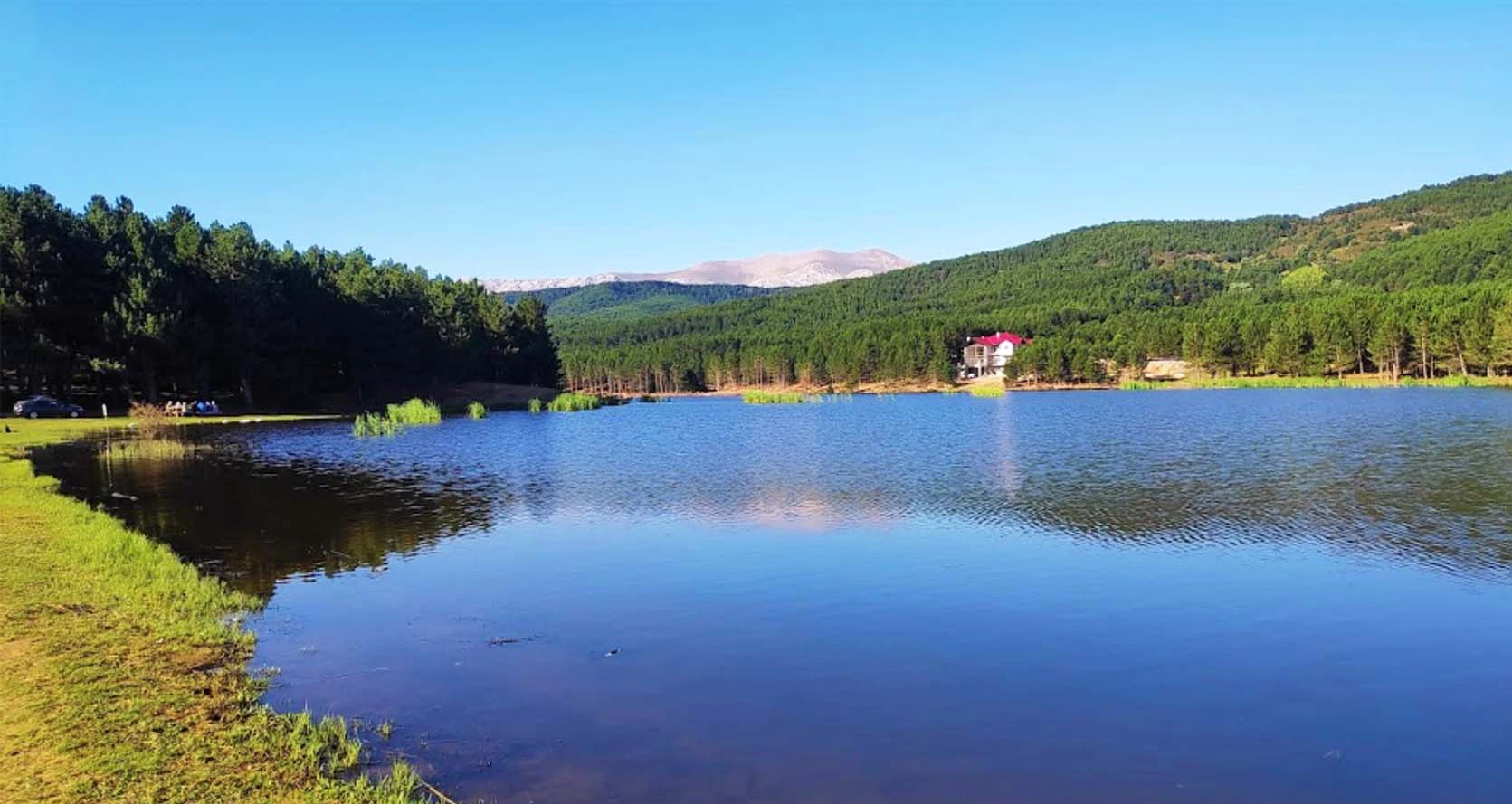
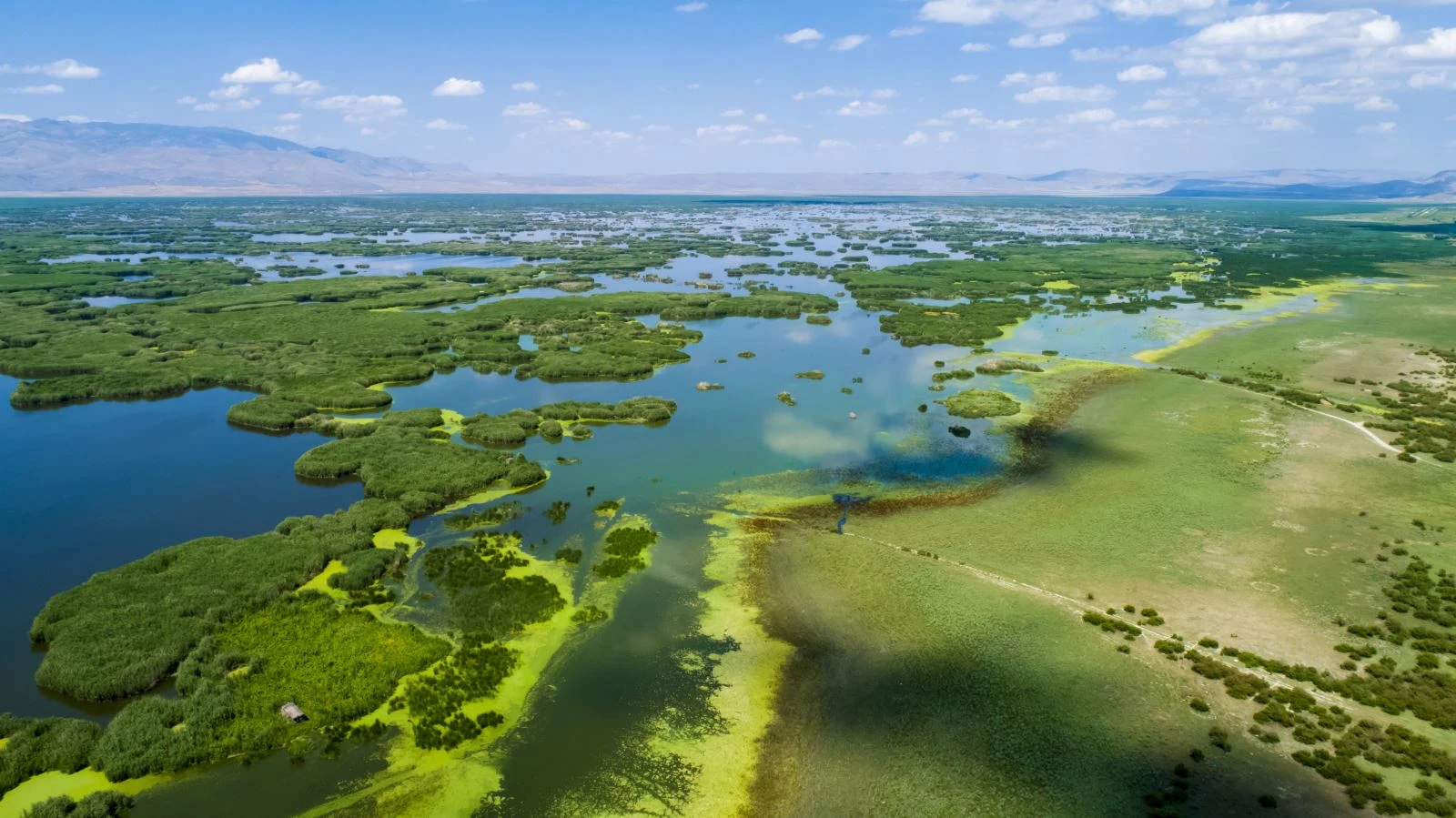
Afyonkarahisar’s natural landscapes are surprisingly varied. Eber Lake combines extensive reed beds with mountain scenery, while nearby Sultandağı adds Seljuk architecture and an important fruit-growing landscape.


Acıgöl is particularly interesting for birdlife, while Akdağ Nature Park near Sandıklı offers a completely different environment of forest, mountain wildlife and canyon scenery. Nature conditions vary strongly by season, especially at wetlands where water levels and bird activity change.

Suggested Ancient Cities Route

Amorium, Apameia, Synnada & Docimeium

Afyonkarahisar preserves an unusually broad network of ancient cities. Apameia at Dinar grew into a major commercial center, while Synnada became closely associated with the administration of central Phrygia and the region’s famous marble trade.


Docimeium near modern İscehisar was celebrated for marble production, while Amorium developed into a major Byzantine city and military center. These locations are widely separated, so travelers with a specialist archaeological interest should divide them across more than one day.

Planning Your Afyonkarahisar Visit

Afyonkarahisar is a large province and many of its most rewarding sites are outside the city. Afyon Center, İhsaniye and the Phrygian Valleys, Şuhut–Kocatepe, Sandıklı, Dinar, Emirdağ and the Eber–Sultandağı area are separate travel zones. A private vehicle is the easiest way to explore them efficiently.


Spring and autumn are generally the most comfortable periods for archaeology and battlefield touring. Summer afternoons can be hot and exposed, while Kocatepe and higher areas can be cold and windy outside summer. Winter is an excellent season for combining cultural sightseeing with thermal accommodation.

Practical Afyonkarahisar Travel Tips

  • Transport: A private vehicle is best for Phrygian, battlefield and district routes
  • Castle: Allow time and suitable footwear for the steep ascent
  • Phrygian sites: Many monuments are in open rural landscapes with limited facilities
  • Kocatepe: Mountain weather can be significantly colder and windier than Afyon city
  • Thermal stays: Choose the thermal area according to the rest of your itinerary
  • Wetlands: Birdlife and water conditions vary by season
  • Food: Try both famous Afyon products and lesser-known district dishes
  • Ancient sites: Check current access and excavation conditions before remote visits

Why Visit Afyonkarahisar?

Afyonkarahisar is one of inland western Türkiye’s richest destinations for travelers who want to combine UNESCO heritage, Phrygian archaeology, Seljuk architecture, War of Independence history, thermal tourism and regional gastronomy. Afyon Ulu Mosque forms part of the UNESCO World Heritage property Wooden Hypostyle Mosques of Medieval Anatolia, while the surrounding Phrygian Valleys preserve a very different and much older cultural landscape.


The province is equally important for modern history. Kocatepe, Şuhut and surrounding battlefield sites preserve the landscape of the Great Offensive of 1922, making Afyonkarahisar one of Türkiye’s essential destinations for travelers interested in the War of Independence.


Beyond history, visitors can explore Akdağ Nature Park, Tokalı Canyon, Eber Lake, Acıgöl and Emre Lake or spend time in one of the province’s famous thermal regions. Afyonkarahisar’s identity as a UNESCO Creative City of Gastronomy completes the experience with kaymak, sucuk, pastırma, lokum, kaymaklı ekmek kadayıfı, poppy-seed pastries, traditional breads, soups and highly localized district dishes.

Afyonkarahisar Travel Questions

Frequently Asked Questions About Afyonkarahisar

Karahisar Castle, Afyon Ulu Mosque, the Phrygian Valleys, Ayazini, Kocatepe, Şuhut Atatürk House, Afyonkarahisar Museum, Victory Museum, Amorium, Apameia, Akdağ Nature Park and Eber Lake are excellent places to begin.

Two to three days are enough for Afyon city, the Phrygian Valleys and Kocatepe–Şuhut. Four to six days allow time for thermal areas, lakes, Akdağ and more distant archaeological sites such as Amorium or Apameia.

Yes. Afyon Ulu Mosque is one of five mosques included in the UNESCO World Heritage property Wooden Hypostyle Mosques of Medieval Anatolia, inscribed in 2023.

They form part of a wider archaeological landscape shared with neighboring provinces and contain Phrygian rock monuments, tombs, sanctuaries and ancient routes together with later Roman and Byzantine rock-cut settlements.

Kocatepe was the command point from which Mustafa Kemal and the Turkish high command directed the opening of the Great Offensive on 26 August 1922, making it one of the key landscapes of the Turkish War of Independence.

Yes. Afyonkarahisar is one of Türkiye’s major thermal destinations. Important thermal areas include Gazlıgöl, Ömer-Gecek, Sandıklı Hüdai and Heybeli.

Yes. Afyonkarahisar joined the UNESCO Creative Cities Network in the field of gastronomy in 2019.

Afyonkarahisar is particularly famous for Afyon Sucuğu, Afyon Kaymağı, Afyon Pastırması, Afyon Lokumu, Kaymaklı Ekmek Kadayıfı, haşhaşlı katmer, Ağzı Açık, Bükme, potato bread and numerous district specialties.

Akdağ Nature Park, Tokalı Canyon, Eber Lake, Acıgöl, Emre Lake, Karakuyu Lake and the mountain landscapes around Sandıklı and Sultandağı are among the strongest choices.

Spring and autumn are ideal for archaeology, battlefield touring and nature. Winter is excellent for thermal travel, while summer is best approached with early starts for exposed archaeological and mountain sites.

Ready to Explore Afyonkarahisar, Phrygia and the Victory Road?

Tell us your travel dates, starting point and interests, and we will help you build a private Turkey itinerary that can include Afyonkarahisar, the Phrygian Valleys, Kocatepe, thermal regions, Amorium, Apameia and other destinations across central and western Türkiye.

WhatsApp Us for Afyonkarahisar Planning