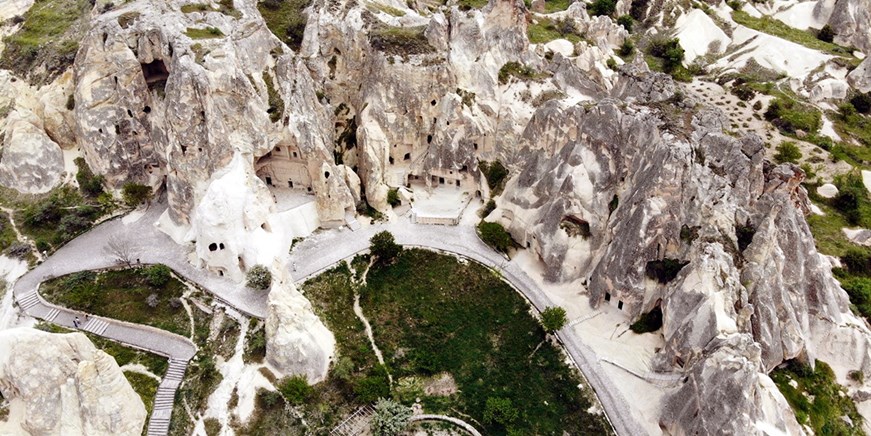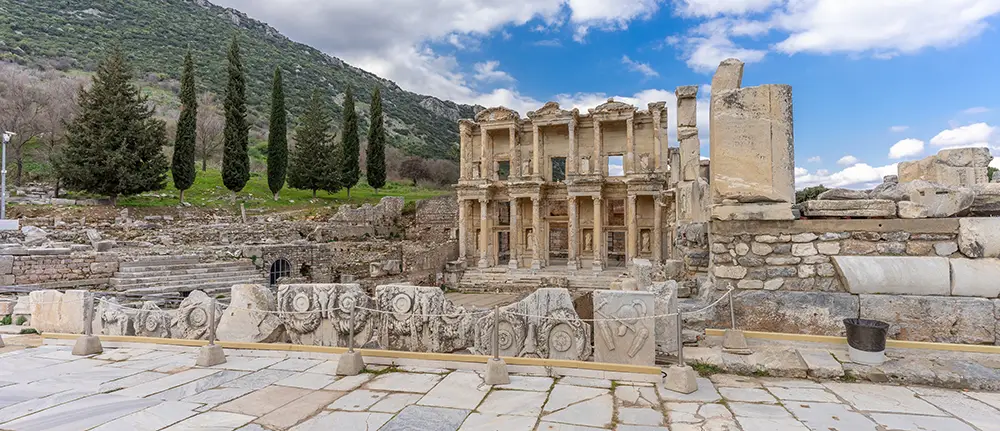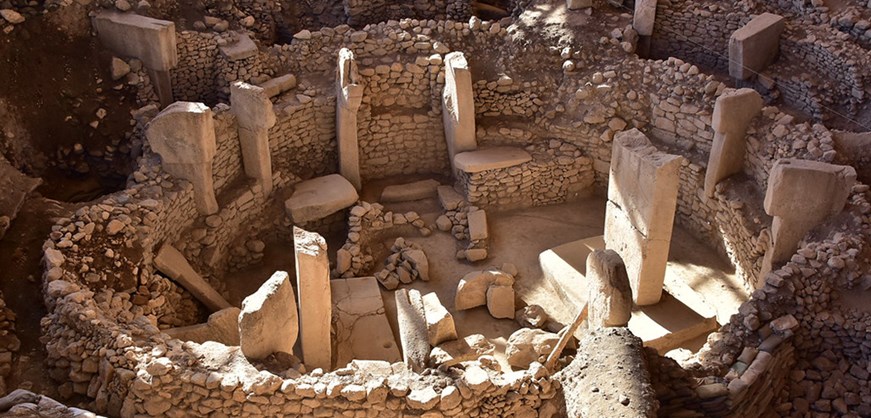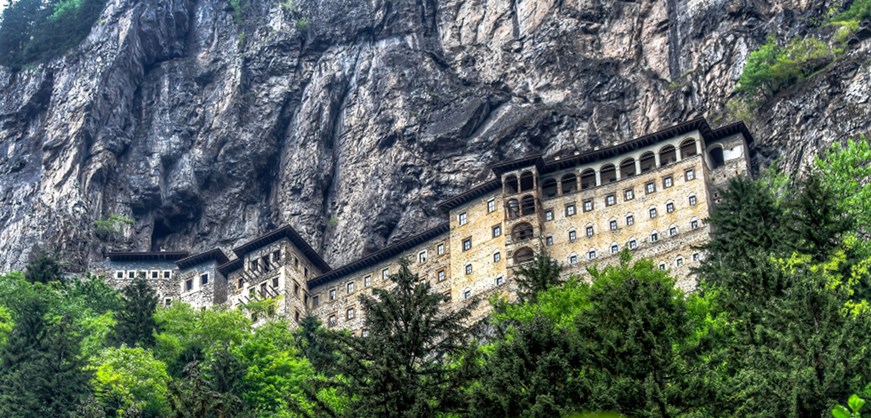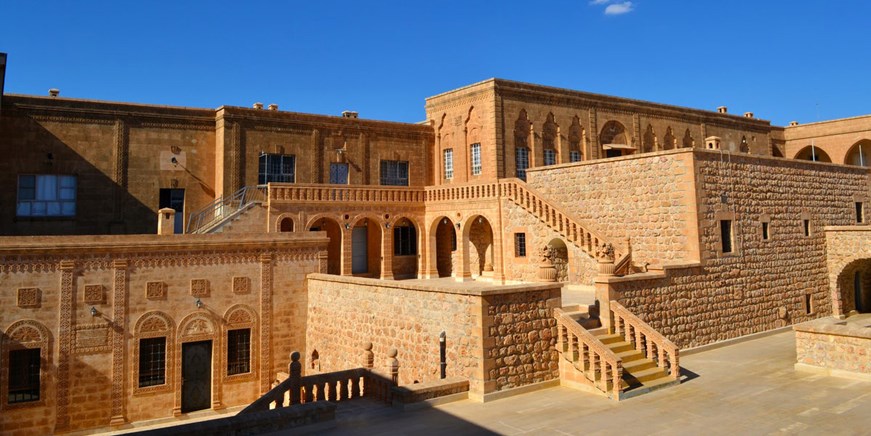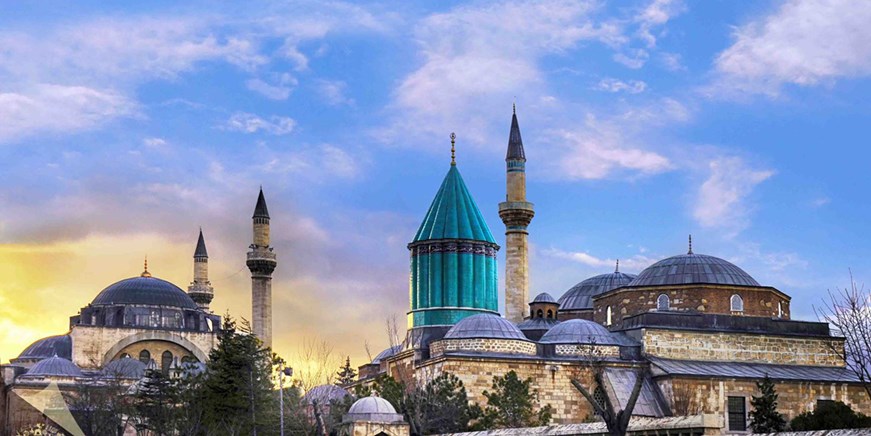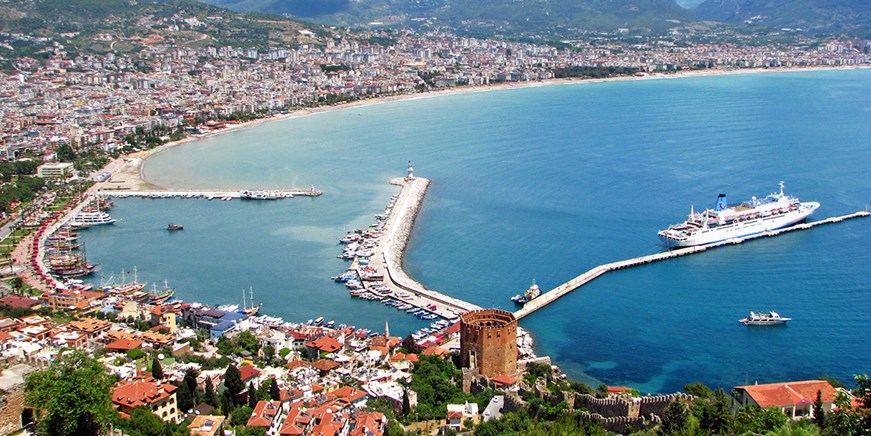


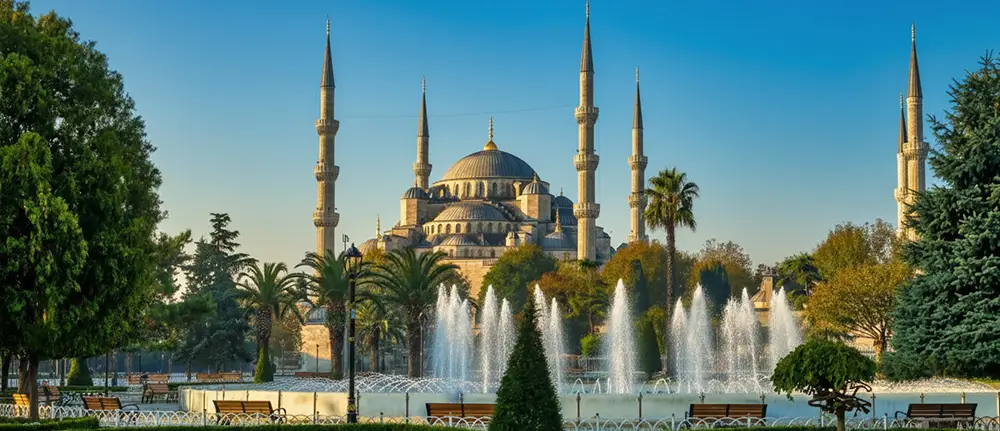
With its spectacular natural landscapes, rich historical and archaeological heritage, continuously improving hospitality infrastructure, a long-standing tradition of warm hospitality, and competitive travel costs, Turkey offers an exceptional experience for visitors. Travelers can discover breathtaking natural wonders, unique historical landmarks, and even remarkable underwater archaeological sites. For centuries, Turkey has also stood as a crossroads of civilizations and religions.
Visitors of different religious beliefs can explore a wide range of sacred places, including temples, monuments, tombs, and ancient ruins connected to their faiths. In addition to its cultural wealth, Turkey is home to majestic mountains and valleys, lakes and rivers, waterfalls, and natural caves, making it an ideal destination for both winter and summer tourism as well as a variety of outdoor and adventure activities.
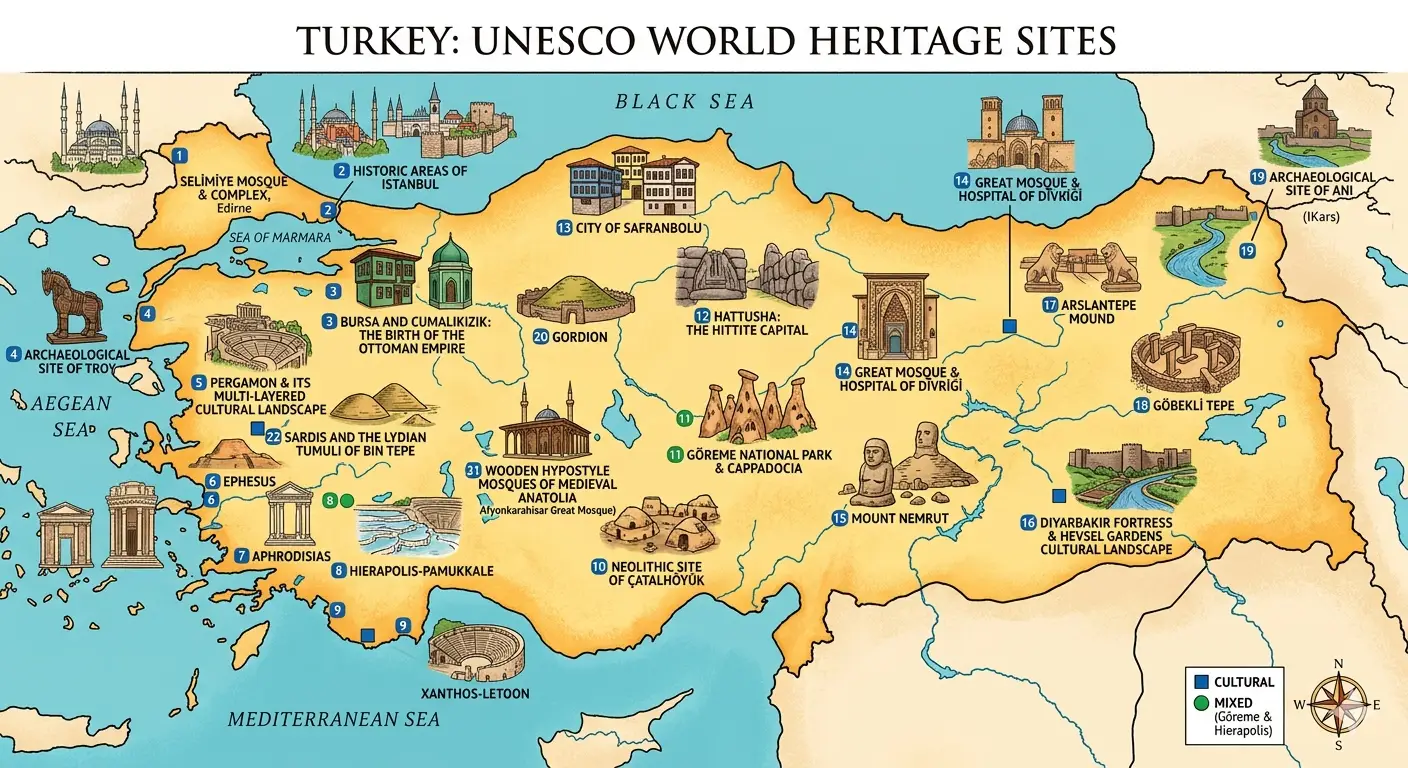
Turkey’s World Heritage Sites represent locations of outstanding cultural and natural value as defined by the UNESCO World Heritage Convention, established in 1972. Turkey became a signatory to the convention on March 16, 1983, enabling its most significant historical and natural sites to be recognized internationally. Today, there are 22 UNESCO World Heritage Sites in Turkey, including 20 cultural sites and 2 mixed (cultural and natural) properties.
Below, you will find a selection of destinations included in both the Permanent List and the Tentative List of UNESCO, offering inspiration and guidance on where to travel in Turkey.