The Eagle’s Nest of Pisidia
Termessos History & Significance
Discover the history of one of Anatolia’s most naturally protected ancient cities and one of the most atmospheric archaeological sites in the Antalya region.
Termessos stood in the southwestern part of ancient Pisidia, in an area historically known as Milyas.
The city is associated with the Solyms, an ancient Anatolian people connected in official cultural sources
with the Luwian population of the region. Its high mountain position gave the settlement exceptional natural protection.
Termessos entered written history most famously in 333 BC, when Alexander the Great attempted to take the city.
The inhabitants used the difficult terrain and powerful defensive position to resist him, and Termessos was not surrendered.
This episode became the defining story of the city and remains one of the main reasons travelers are fascinated by the site today.
Following Alexander’s death, Termessos came under Ptolemaic control. During the Hellenistic and Roman periods,
it remained an important regional center. In 71 BC, the Roman Senate confirmed its friendship and alliance with Rome,
while recognizing the city’s right to manage its own affairs and laws.
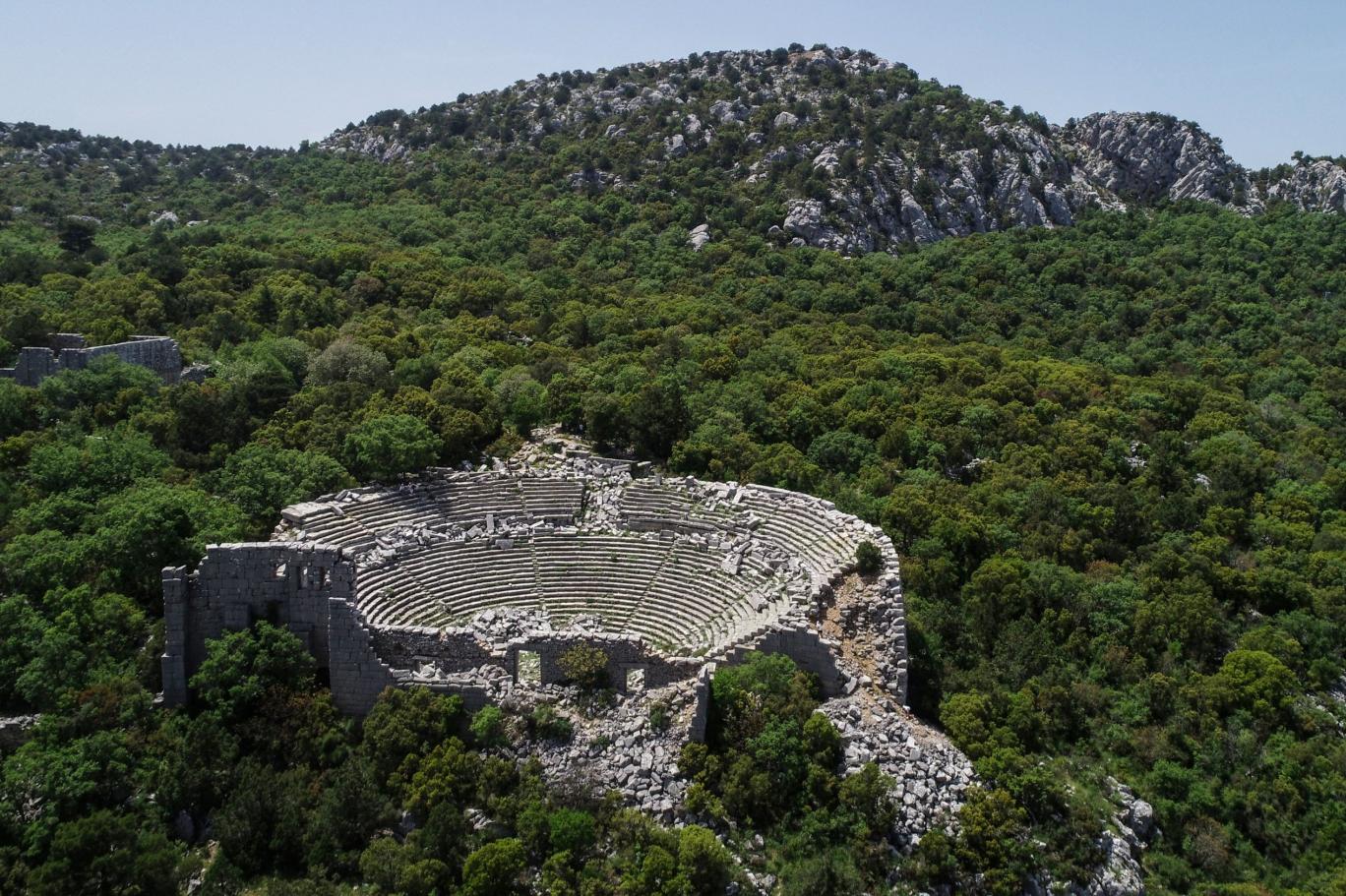
The surviving ruins reveal a highly organized mountain settlement with defensive walls, public buildings, temples,
water cisterns, streets and extensive burial grounds. Because the site was never covered by a modern settlement and remains
surrounded by protected forest, Termessos preserves a powerful sense of discovery that is difficult to find at more urban archaeological sites.