Ortahisar Castle
The tallest point in the region, offering unparalleled views of the surrounding valleys.





Ortahisar, which means "Middle Castle," is perfectly situated between the more famous hubs of Göreme and Ürgüp. While it sees fewer crowds, it remains one of the most visually striking towns in Cappadocia, centered around a 90-meter-high monolithic rock fortress that has stood as a guardian for centuries.
The town is famous not just for its heights, but for its depths. Ortahisar is the agricultural "refrigerator" of Turkey; thousands of natural cave depots carved into the volcanic rock maintain a constant temperature, used to store citrus fruits from the south and local potatoes throughout the year.
Climb the ladders of the giant rock tower for 360-degree views of Hallac Valley and Mount Erciyes.
Learn about the unique volcanic tufa caves that naturally preserve millions of tons of fruit.
Wander through cobblestone alleys lined with historic stone houses and local tea gardens.
Visit the town's museum to see life-sized dioramas depicting traditional Cappadocian customs.
A 90m high natural rock fortress used since Byzantine times for defense.
Famous for natural underground storage caves for citrus and lemons.
1.5 to 2 hours for the castle and town center; half-day for nearby valleys.
The observation decks facing the castle offer the town's most iconic photo spot.
The history of Ortahisar is defined by its strategic central location. Throughout the Byzantine, Seljuk, and Ottoman periods, the massive rock core at the center of the town served as a natural citadel, providing refuge to the local population during times of invasion. Unlike the fairy chimneys of Göreme, the rock here is a singular, massive formation that dominates the skyline for miles.
As you descend from the castle into the town, the architecture shifts from ancient cave dwellings to 19th-century stone mansions. The town has managed to preserve its authentic village atmosphere better than its neighbors; here, you are just as likely to see a farmer leading a tractor as you are to see a tourist with a camera.
One of the town's hidden treasures is the Cambazlı Church and the nearby Hallaç Monastery. These sites offer a quieter, more intimate look at monastic architecture, featuring unique rock-cut carvings and a hospital-monastery layout that was rare for the 11th century.
Modern Ortahisar is a blend of tourism and tradition. While boutique hotels have begun to breathe new life into old stone houses, the town remains the heart of the region's agricultural trade. The "Cold Storage" culture is a fascinating example of how modern Turkey still utilizes the geological gifts of ancient Cappadocia.
The tallest point in the region, offering unparalleled views of the surrounding valleys.
A cultural museum showcasing the food, weddings, and crafts of old Cappadocia.
A unique rock-cut complex where monks once practiced early forms of medicine.
Located just on the outskirts, famous for its pleated rocks and 10th-century church.
A perfect spot to drink Turkish tea and watch the local life pass by under the castle's shadow.
A lesser-known rock-cut church with interesting architectural details located in the town alleys.
Discover the authentic heart of Cappadocia. We include Ortahisar as a key highlight in our curated itineraries, focusing on its massive rock fortress and traditional village life.
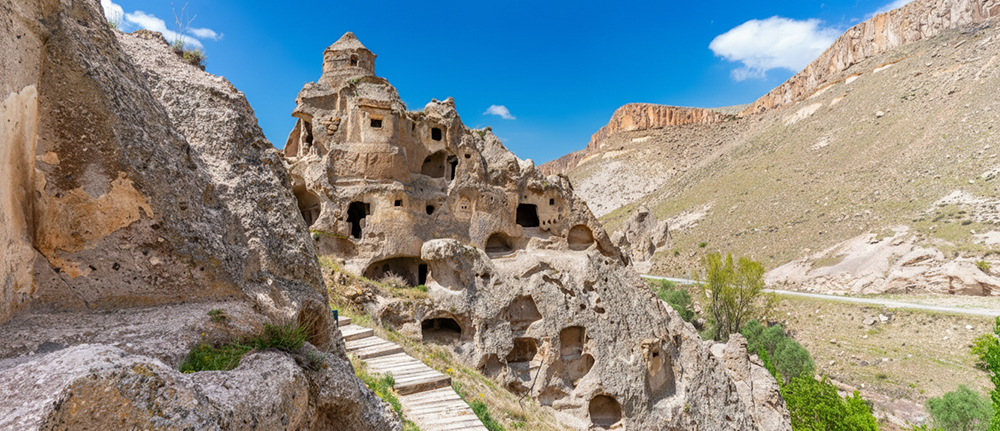
Commonly known as the "Blue Tour," this route features a stop at the majestic Ortahisar Castle before heading to the remote Soganli Valley and ancient underground cities.
View Tour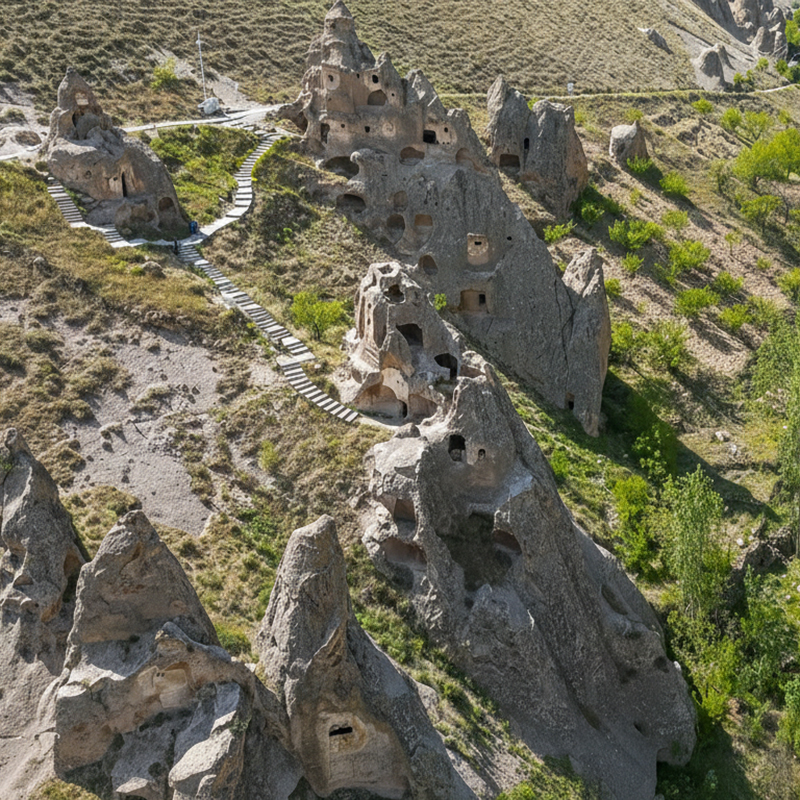
Experience the heights of Ortahisar Castle and the depths of the region's history with an exclusive guide. A flexible schedule allows for deeper exploration of the town's hidden alleys.
View Tour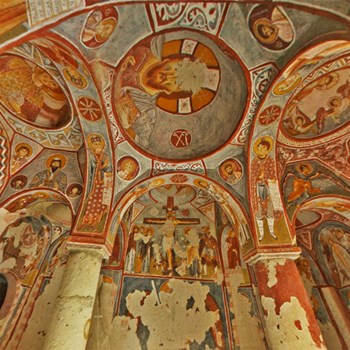
Our most comprehensive package. Fly from Istanbul for a three-day luxury journey that covers all regional highlights, including a panoramic visit to the iconic fortress of Ortahisar.
View TourPlan your visit to the most authentic town in Cappadocia. We can help with private guides, transport, or custom itineraries.