Sacred Memory and Local Tradition
The Story and History of Balıklıgöl
Discover the religious tradition, architectural heritage, and cultural layers surrounding Şanlıurfa’s best-known sacred pool.
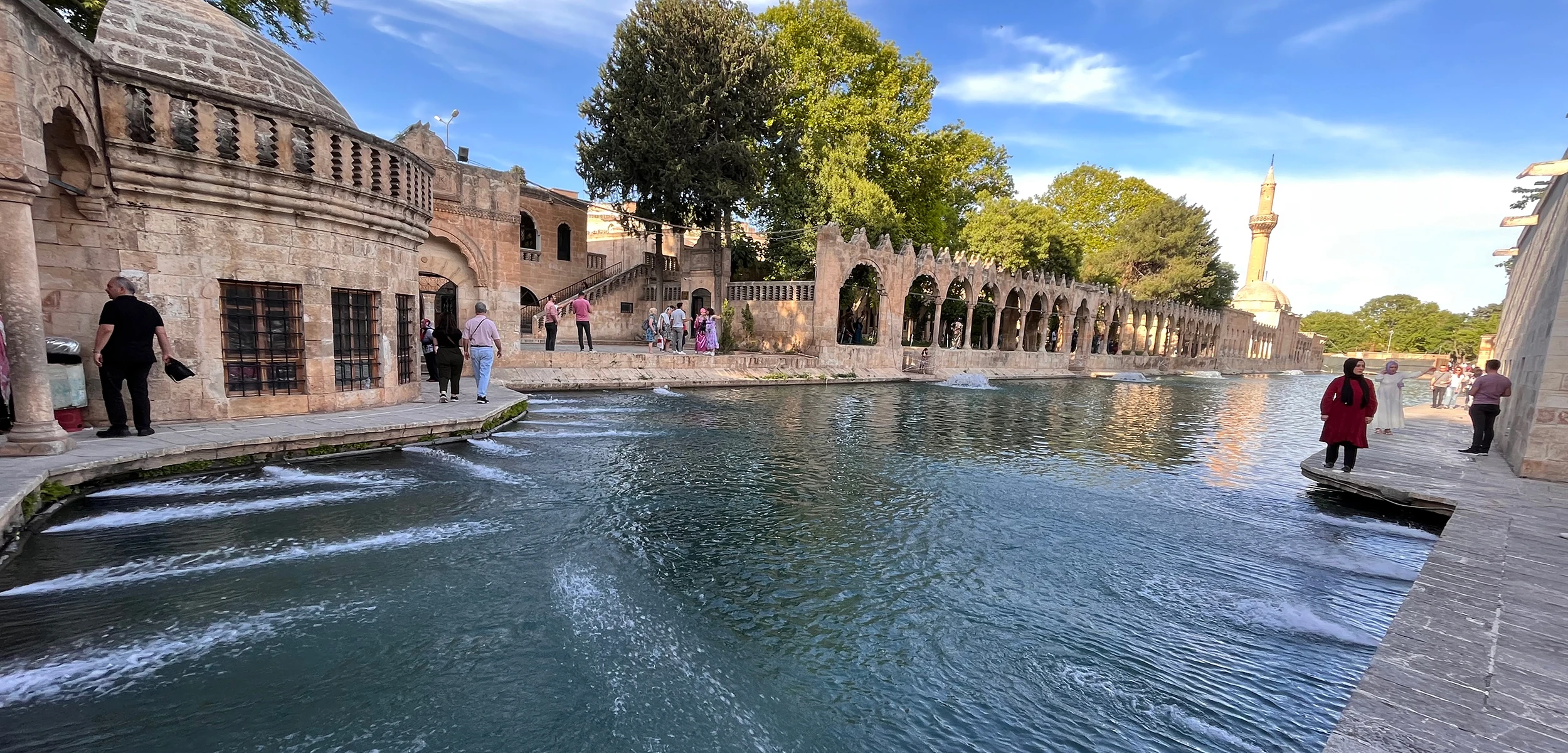
Balıklıgöl is the popular name used for Halil-ür Rahman Lake and, more broadly, for the surrounding sacred and historic landscape that includes Aynzeliha Lake, mosques, madrasas, courtyards, gardens, and religious sites beneath Urfa Castle.
According to local and Islamic tradition, the ruler Nimrod ordered Prophet Abraham to be thrown into a great fire because Abraham rejected idolatry. The story says that God transformed the fire into cool water and the burning wood into fish. The pool is therefore associated with Abraham’s miraculous survival, while the carp are respected and are traditionally not caught or eaten.
A second pool, Aynzeliha Lake, is connected in local tradition with Zeliha, often described as Nimrod’s daughter. After expressing belief in Abraham, she was also cast into the fire, and the smaller lake is said to have formed where she fell. These stories belong to sacred tradition and cultural memory rather than an archaeologically verified account of a specific historical event.
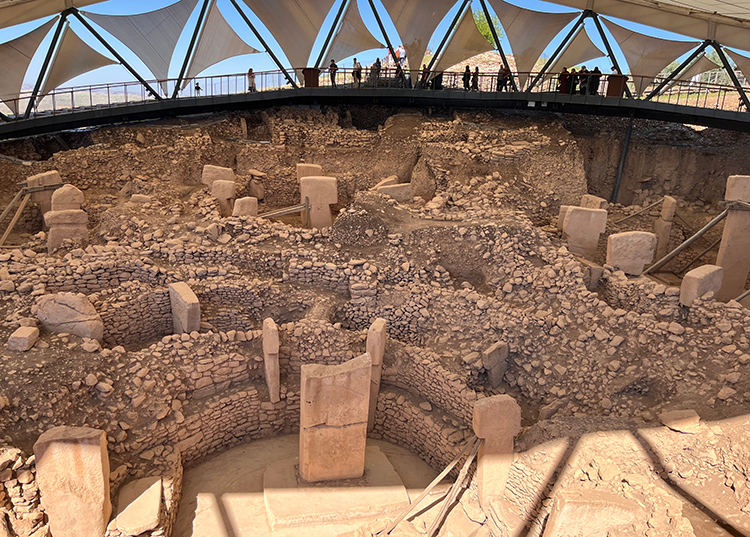
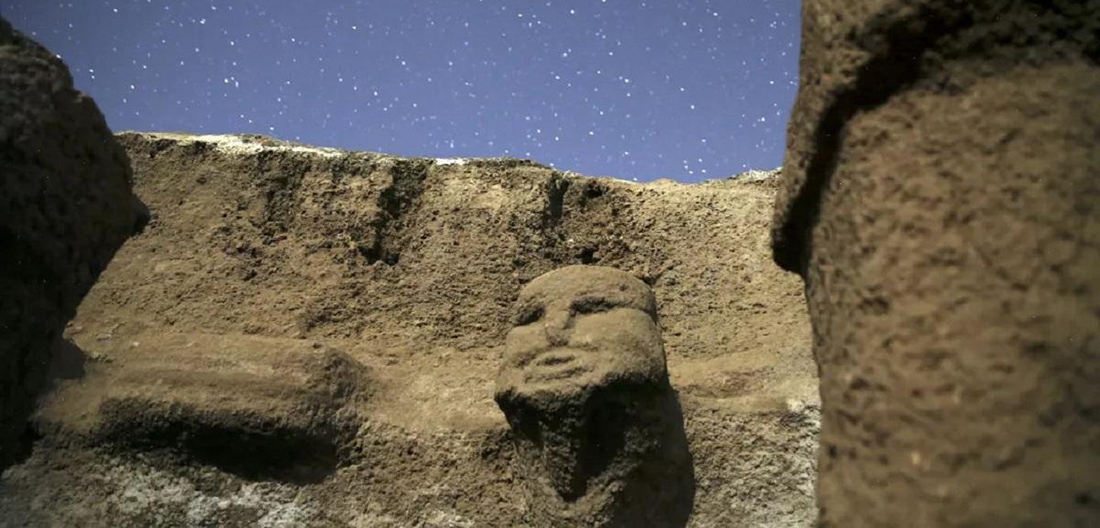
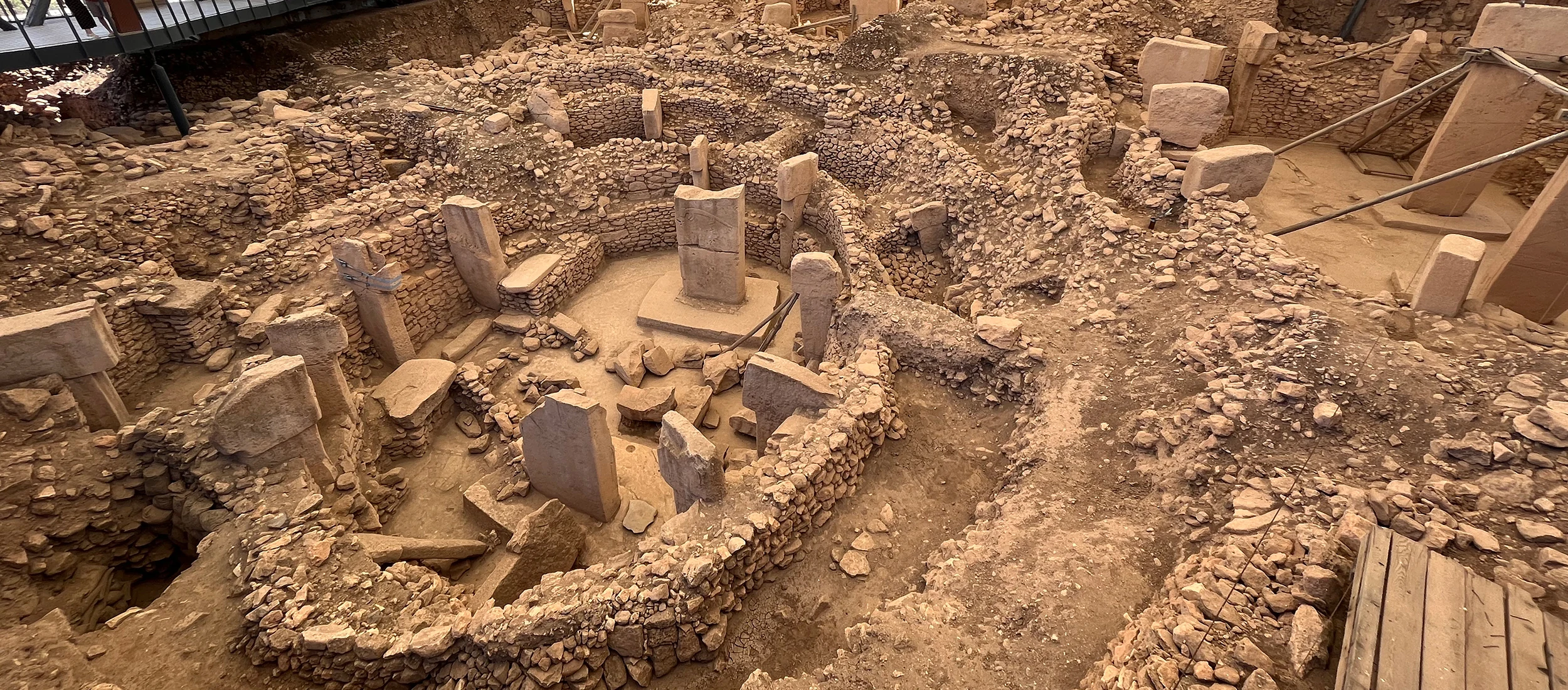
The Balıklıgöl basin has a much deeper history than the surviving Ottoman and Islamic monuments visible today. Archaeological discoveries around the castle and lake area demonstrate that human activity in this part of Şanlıurfa reaches back thousands of years. The famous prehistoric statue commonly known as Urfa Man was discovered near the Balıklıgöl area and is now displayed in Şanlıurfa Archaeology Museum.
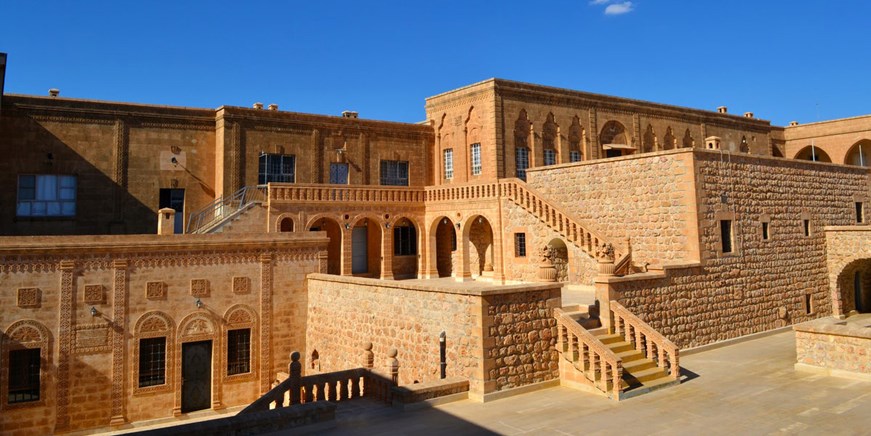
Over time, the pools became the center of an important religious and architectural complex. Structures such as Halil-ür Rahman Mosque, Rızvaniye Mosque and Madrasa, Halil-ür Rahman Madrasa, and the nearby Mevlid-i Halil Cave transformed the area into a major destination for pilgrimage, local devotion, and cultural tourism.