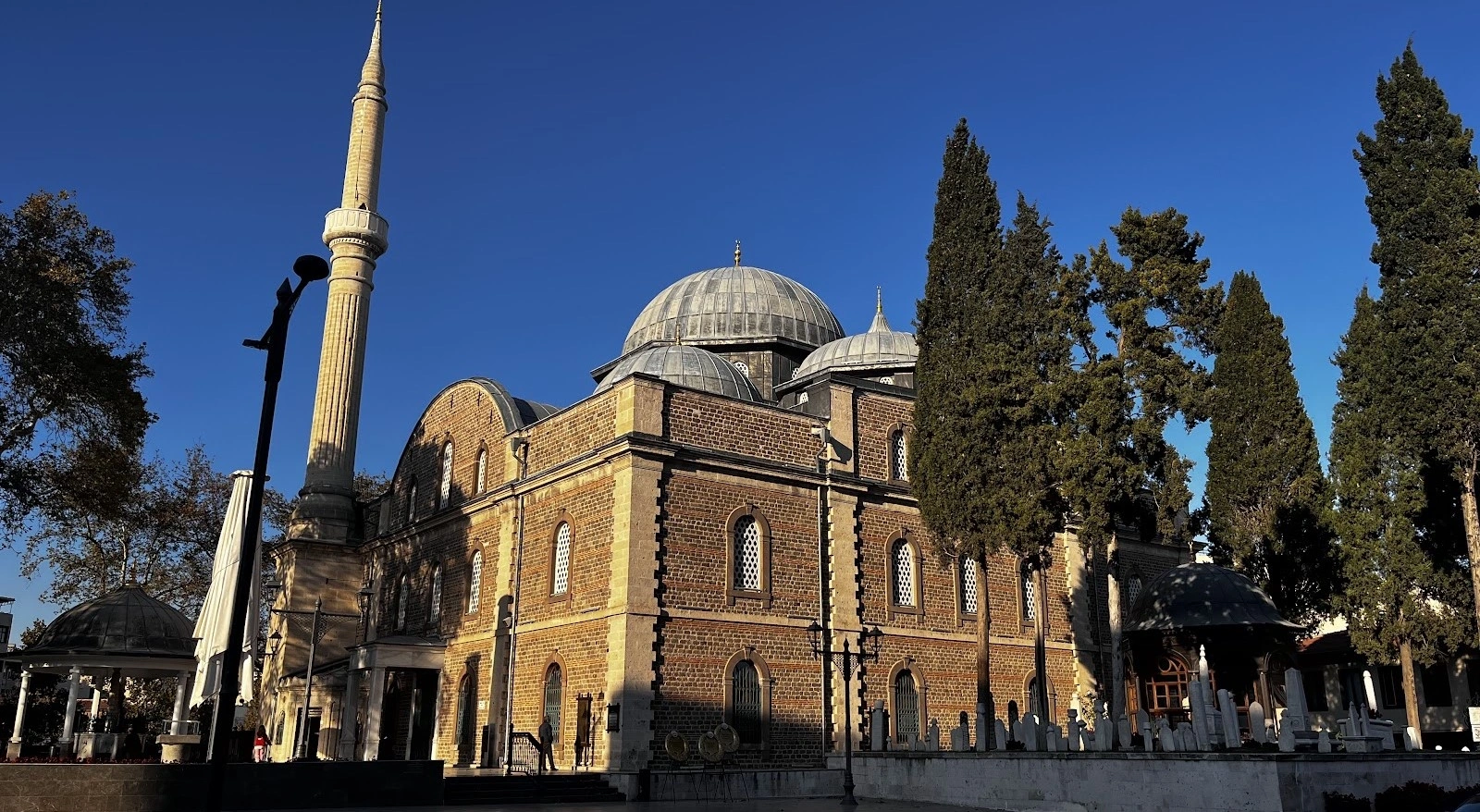
Private Balıkesir Ottoman Heritage Experience
Ask us about a tailor-made city day combining Zağnos Pasha Mosque, the Clock Tower, Karesi monuments, Kuva-yı Milliye Museum and Balıkesir's historic centre.
Request a Custom Tour





In the historic centre of Balıkesir, surrounded by the streets and commercial life of modern Karesi, stands a mosque whose story reaches from the age of Mehmed II to the first years of the Turkish Republic. Zağnos Pasha Mosque — also written Zağanos Paşa Camii and locally known as Paşa Camii — is the principal surviving monument of a charitable complex founded in 865 AH / 1460–61 by one of the most important Ottoman statesmen of the fifteenth century.
Its founder, Zağnos Pasha, was closely associated with Sultan Mehmed II, took an important role in the preparations for and siege of Constantinople in 1453, became grand vizier after the conquest and later established substantial charitable foundations in Balıkesir. His mosque was not conceived as an isolated prayer hall. It belonged to a külliye that included a bath, tomb, charitable and commercial buildings, educational facilities and a market environment that helped shape the growth of the surrounding city.
The building seen today, however, is not simply the untouched mosque of 1461. The complex suffered earthquake damage in the sixteenth century and again catastrophically in 1897. The present mosque was reconstructed on the old foundations in the early twentieth century under Balıkesir Mutasarrıfı Ömer Ali Bey. Academic study dates the present form to 1904, while official local tourism inventories often describe the rebuilding as completed in 1908. This layered history explains why the mosque combines Ottoman memory with late Ottoman architectural language.
Zağnos Pasha Mosque also occupies an important place in modern Turkish history. On 7 February 1923, Mustafa Kemal Pasha addressed the people of Balıkesir from the mosque after the noon prayer and a mevlid. The speech became widely known as the Balıkesir Hutbesi, adding a twentieth-century historical layer to a site already shaped by almost five centuries of religious, civic and urban life.
The complex was established by Zağnos Pasha, a leading statesman and commander of the Mehmed II period.
The original mosque was heavily damaged by the great Balıkesir earthquake and reconstructed on its historic foundations.
An inscription and important elements of the minbar preserve a direct connection with the fifteenth-century mosque.
Mustafa Kemal Pasha addressed the congregation here on 7 February 1923 in the speech remembered as the Balıkesir Hutbesi.
Essential information for understanding Balıkesir's most important historic mosque and the külliye that grew around it.
Zağnos Paşa Square in central Karesi, Balıkesir, within easy walking distance of the historic commercial centre.
The complex was founded in 865 AH / 1460–61 by Zağnos Pasha during the reign of Sultan Mehmed II.
A surviving endowment deed dated February 1462 records the charitable foundation and the income assigned to support it.
The mosque and several buildings of the complex suffered severe destruction in the major Balıkesir earthquake.
The current mosque belongs to the early twentieth-century reconstruction campaign on the foundations of the earlier mosque.
The minbar preserves important Early Ottoman workmanship; scholarship distinguishes original fifteenth-century elements from later reconstruction.
The founder's domed tomb stands south of the mosque together with graves belonging to members of the family and later Ottoman figures.
The double bath is the principal külliye building to preserve substantial fabric from the original fifteenth-century foundation.
A small timekeeper's building survives beside the minaret, recalling the precise calculation of prayer times before modern clocks.
Mustafa Kemal Pasha addressed the people of Balıkesir from the mosque in the speech later known as the Balıkesir Hutbesi.
Zağnos Pasha Mosque remains an active place of worship as well as one of the city's principal historical landmarks.
Allow around 45–75 minutes for the mosque, courtyard, tomb and architectural details, longer if exploring the surrounding historic centre.
Zağnos Pasha Mosque is valuable not because it represents one untouched moment in history, but because several centuries of Balıkesir's history can be read in the same complex.
The first reason to visit is the story of Zağnos Pasha himself. He belonged to the inner political and military world of Mehmed II, participated in the preparations for the conquest of Constantinople, helped construct Rumelihisarı and played a prominent role during the 1453 siege. His later foundation at Balıkesir therefore connects the city directly with one of the formative periods of Ottoman imperial history.
The second reason is architectural. The mosque demonstrates how a monument can preserve its identity despite repeated rebuilding. The fifteenth-century foundation, sixteenth-century repairs, nineteenth-century earthquake destruction and early twentieth-century reconstruction all survive in the historical record. The present architecture combines Ottoman spatial planning with late Ottoman, Baroque and eclectic decorative influences.
The third reason is the wider külliye landscape. The mosque should be read together with Zağnos Pasha's tomb, the hazire, the surviving hamam, the muvakkithane, the courtyard fountains and the memory of vanished buildings such as the imaret, school, bedesten and market. Together they reveal how Ottoman charitable complexes shaped urban neighbourhoods rather than functioning as isolated religious monuments.
Finally, the mosque is still a living civic space. Religious worship continues here, public ceremonies still take place in the square and the memory of Mustafa Kemal Pasha's 1923 address gives the complex an additional place in the history of the early Republic. Few sites in Balıkesir bring together the fifteenth, nineteenth and twentieth centuries so clearly.
Zağnos Pasha Mosque stands in the centre of Karesi district, the historical urban core of Balıkesir. Official cultural inventories place the monument at Zağnos Paşa Square, in the area traditionally associated with Mustafa Fakıh Mahallesi and the old bazaar.
The location is important to understanding the monument. When the külliye was founded in the fifteenth century, it stood toward the edge of the contemporary settlement. The new religious, commercial and charitable complex helped pull urban growth in its direction. Over the centuries the city expanded around it, and today the mosque occupies one of the most recognisable central squares in Balıkesir.
Because it is integrated into the city rather than separated behind an archaeological enclosure, the mosque is best visited as part of a walking route through central Balıkesir. Kuva-yı Milliye Museum, the Clock Tower, traditional commercial streets and several other historic mosques and tombs can be combined in the same outing.
Zağnos Pasha was one of the most influential Ottoman statesmen and commanders of the mid-fifteenth century. He became closely associated with the young Mehmed II and was among the political figures who encouraged the sultan's ambitious programme, including the conquest of Constantinople.
Before the siege of 1453, Zağnos Pasha played an important role in the construction of Rumelihisarı on the Bosphorus. During the siege itself he commanded forces facing the Golden Horn from the Galata–Kasımpaşa heights, supported operations against the harbour and is associated by historical sources with the decision to continue the siege during moments of uncertainty.
After Constantinople was taken, Zağnos Pasha became grand vizier following the dismissal and execution of Çandarlı Halil Pasha. His time at the highest level of government was relatively short, but he continued to receive military and provincial responsibilities in the following years.
His connection with Balıkesir was lasting. He established charitable properties in the region, completed his mosque here in 1460–61 and endowed it through a vakfiye dated 1462. He is believed to have died around 1464 or shortly afterwards and was buried beside the complex he had founded.
Zağnos Pasha was among the senior figures closely associated with the young sultan and his expansionist policies.
He helped organise the fortress project and was responsible for constructing one of its principal towers.
He commanded troops around the Golden Horn and supported the continuation of the siege during critical moments.
He succeeded Çandarlı Halil Pasha after the conquest and briefly held the empire's highest ministerial office.
The mosque and külliye became his most important surviving architectural legacy in western Anatolia.
Zağnos Pasha's tomb stands immediately beside the mosque, keeping the founder physically connected with his charitable foundation.
An Ottoman külliye was more than a mosque. It was a coordinated group of religious, educational, social and commercial buildings supported through endowed income. Zağnos Pasha's Balıkesir foundation was conceived in exactly this way.
Historical and architectural sources identify the complex as including the mosque, hamam, tomb, muvakkithane, imaret, school, bedesten and commercial units. Zağnos Pasha's son Mehmed Bey also established a school in the mosque courtyard. Some of these buildings disappeared after earthquakes, fires and later urban transformation, but their presence demonstrates the original scale of the foundation.
The külliye also had an economic role. A bedesten and associated market containing numerous shops once stood between the mosque and bath. These commercial properties helped generate income for the charitable institutions while turning the surrounding area into an active urban centre.
The complex therefore influenced Balıkesir in two ways: spiritually through the mosque and charitable institutions, and physically through the creation of a new commercial and social focus around which the city expanded.
The original mosque was completed in 865 AH / 1460–61, only a few years after the conquest of Constantinople. A vakfiye dated to early Cemaziyelevvel 866 AH, corresponding to February 1462, formally recorded the charitable foundation and the properties whose income would maintain it.
The first mosque appears to have been a broad, multi-domed structure opening toward a large courtyard with a central fountain. Architectural historians have proposed either a six-domed arrangement supported by two piers or a nine-domed plan supported by four piers. Because the building was later destroyed and reconstructed, the exact original arrangement cannot now be read directly from the standing mosque.
What is clear is that Zağnos Pasha's foundation was ambitious. It represented both personal commemoration and a deliberate programme of urban development. By establishing worship, bathing, education, food distribution and commercial activity together, the külliye created a new focus for daily life on what was then the edge of Balıkesir.
The foundation also demonstrates how Ottoman architecture worked through endowment systems. The mosque was not dependent only on occasional donations; the vakıf system connected income-producing properties with the long-term maintenance of religious and charitable services.
Earthquakes are central to the architectural story of Zağnos Pasha Mosque. A document dated 21 September 1577 records major damage caused by an earlier earthquake. The mosque's roof structure and masonry supports, parts of the imaret and the dome of the tomb were among the damaged elements.
An architect named Mahmud Ağa was sent from Istanbul to oversee repairs. This sixteenth-century intervention shows that the külliye was already considered important enough for central authorities to support its restoration.
The far more destructive event came in 1897, when a major earthquake devastated Balıkesir. The mosque and tomb were badly damaged, the school in the courtyard disappeared and the mosque remained unusable for a period. The earthquake also destroyed or transformed other major monuments in the city, including the historic Clock Tower.
The present mosque was then built on the foundations of the ruined earlier structure under Mutasarrıf Ömer Ali Bey. There is a small but important chronological difference between sources: art-historical scholarship points to the north portal inscription and dates the standing mosque to 1904, while several official tourism inventories state that the reconstruction was completed in 1908. The safest interpretation is that the monument belongs to an early twentieth-century rebuilding campaign extending across these years.
Visitors sometimes encounter the simple statement that Zağnos Pasha Mosque was “built in 1461.” That is historically true for the foundation, but it can be misleading if applied to every wall and dome standing today.
The mosque visible in the square is primarily the result of the early twentieth-century reconstruction after the 1897 earthquake. The earlier building had itself already been repaired after sixteenth-century earthquake damage. The monument is therefore best understood as a historic institution whose architecture has been repeatedly renewed.
Several important elements preserve a more direct connection with the first mosque. The foundation inscription survives, and the minbar contains major Early Ottoman material. Here the scholarship is nuanced: the TDV İslâm Ansiklopedisi describes the marble minbar as original, while a detailed art-historical study argues that the decorated doorway is the element that can most securely be assigned to the fifteenth century and that several other components belong to the 1904 rebuilding.
Outside the prayer hall, the Paşa Hamamı is the clearest surviving building of the original fifteenth-century külliye. The tomb, muvakkithane and courtyard arrangements have their own repair and reconstruction histories.
1460–61; the institutional and historical beginning of the mosque.
Preserves a direct textual connection with the fifteenth-century foundation.
Important Early Ottoman craftsmanship survives, although scholars distinguish original and reconstructed sections.
Primarily an early twentieth-century building erected after the 1897 earthquake.
The strongest architectural survival from the original fifteenth-century külliye.
The identity of the foundation continued even as individual structures were repaired, destroyed and rebuilt.
The standing mosque has a near-square rectangular plan extending broadly north–south. It is built in cut stone and brick and rises prominently above the surrounding streets, giving the prayer hall a slightly elevated character.
The exterior is articulated by mouldings, stone pilaster-like strips and rows of round-arched windows. The windows are arranged in multiple tiers, allowing considerable daylight into the interior. Upper windows include coloured-glass and plaster-screen details that soften the light beneath the domes.
Three principal entrances open from the north, east and west. Rather than a continuous classical Ottoman portico across the façade, each entrance is protected by its own covered porch supported by marble columns. The eastern entrance is reached by steps because of the slope of the ground.
The result is an architecture that does not imitate a single fifteenth-century model. Instead it reflects the late Ottoman rebuilding culture of the early twentieth century, where classical forms, Baroque details, European-influenced decorative vocabulary and local workmanship could exist within the same monument.
The prayer hall is organised around four square piers connected by rounded arches. These structural elements divide the interior into nine principal spatial units while supporting the dominant central dome.
The central dome rises higher than the surrounding coverings and rests on an octagonal drum, with the transition achieved through pendentives. Around it are four corner domes, a dome in front of the mihrab and additional barrel-vaulted units. This creates a layered ceiling in which the eye moves constantly between the larger central space and the subsidiary bays.
Painted decoration includes vegetal kalem işi motifs, while calligraphy, coloured glazing, marble and woodwork add texture to the otherwise broad and luminous interior. The abundant windows are especially important: despite the building's substantial masonry, the prayer hall feels open rather than heavy.
The north side contains the wooden women's gallery, supported by six fluted wooden columns. The gallery also has external access, a practical feature that reflects the organisation of the reconstructed mosque.
The mihrab — the niche indicating the direction of Mecca — belongs visually to the late Ottoman phase of the mosque. It projects slightly from the south wall and is framed in marble.
Its pointed-arched niche is flanked by paired columns with high bases and Corinthian-style capitals. Baroque-influenced mouldings and decorative details distinguish it from the more restrained architectural language associated with early Ottoman mosques of the fifteenth century.
For visitors, the mihrab is one of the clearest places to see the stylistic character of the reconstruction. The mosque preserves the memory of a Mehmed II-period foundation, but the standing interior does not attempt to disguise its later history.
The minbar, from which the Friday sermon is delivered, is one of the most important artistic elements in Zağnos Pasha Mosque because it preserves material connected with the first fifteenth-century building.
Its marble decoration combines geometric organisation with dense vegetal carving. The pointed doorway is framed by small columns and crowned with a palmette-like crest, while rosettes and scrolling plant motifs create a richly worked surface characteristic of high-quality Ottoman stone carving.
Art historians have paid particular attention to the minbar because the 1897 earthquake and later reconstruction complicate the question of what survives from 1461. A detailed study by Sedat Bayrakal concludes that the doorway itself is the clearest surviving Early Ottoman component, while the side panels, kiosk, cap and passage sections appear to belong to the 1904 reconstruction.
This makes the minbar more than a decorative object. It is physical evidence of the relationship between the lost fifteenth-century mosque and the standing twentieth-century structure.
The minaret rises at the north-west corner of the mosque and is one of the defining elements of Balıkesir's central skyline. Local cultural inventories attribute its construction to Hacı Hafız Efendi of the Arabacıoğulları family rather than directly to the original 1461 foundation.
It stands on a high square stone base. Above this, an octagonal transition supports a fluted cylindrical shaft that narrows slightly as it rises. The balcony and upper section introduce the Baroque influence noted in official architectural descriptions.
The contrast between the vertical minaret and the broad domed mass of the mosque is especially effective when viewed from Zağnos Paşa Square or from the surrounding streets at late afternoon.
The founder's tomb stands to the south of the mosque. The present structure is octagonal, covered by a dome and marked by rounded arches, fluted corner columns and Baroque-influenced details that reflect its later rebuilding history.
Inside are the graves of Zağnos Pasha and his wife Sitti Nefise Hatun. The tomb therefore restores the close spatial relationship common in Ottoman foundations, where a patron's burial place remained beside the institution established for continuing charitable and religious benefit.
Around the tomb is a small hazire, or enclosed historic cemetery. Researchers have recorded a number of Ottoman gravestones associated with members of the family and later notable figures. The Ottoman grand vizier Galib Pasha is also buried in the surrounding cemetery area.
When visiting, treat the tomb and graves as active places of remembrance rather than simply museum exhibits. Speak quietly, avoid stepping between or onto grave plots and do not move objects left by visitors.
Some of the most interesting features of Zağnos Pasha Külliye are easy to miss because they are smaller than the mosque itself. Together they reveal how a major religious complex functioned on an everyday level.
Attached near the minaret base, the five-sided timekeeper's building was used for calculating prayer times. Its arched windows, twisted colonnettes and mouldings show Baroque influence.
A twelve-sided marble basin stands in the courtyard. Historical descriptions connect its water supply with the Paşa Hamamı.
A second fountain belongs to the later rebuilding phase and resembles the northern example while differing in carved panels and fountain detail.
Another marble fountain stands outside the mosque area near the north-east side, continuing the külliye's strong association with public water.
A historic sundial survives in the courtyard area on a short column, recalling older methods of observing time before mechanical clocks became universal.
The open space around the mosque brings together worship, circulation, water, burial and the memory of the older külliye buildings.
The Paşa Hamamı is crucial to understanding the complex because it preserves substantial fabric from the original fifteenth-century foundation. While the mosque and tomb were transformed by earthquake destruction and rebuilding, the bath remains the clearest standing architectural witness to Zağnos Pasha's own period.
It was built as a double bath serving men and women in separate sections. The structure uses rubble stone and brick, and the men's section is more monumental, with a projecting entrance arrangement.
Both changing rooms were domed. In the men's section, bathers passed through a smaller warm room into a hot room organised around a central domed space with three iwans and corner cells. The women's hot section used a more compact arrangement with one iwan and two cells.
The hamam was not merely an amenity. Public baths were important social institutions and could also contribute financially to the maintenance of a külliye through the vakıf system. Its survival allows visitors to imagine the foundation as a working urban complex rather than as a mosque standing alone.
Zağnos Pasha Mosque entered a new chapter of national history on 7 February 1923. Mustafa Kemal Pasha had arrived in Balıkesir the previous day during a journey through western Anatolia. At noon on 7 February, he attended the mosque, where prayers and a mevlid were held.
Afterwards he addressed the congregation from the minbar. The speech became widely known as the Balıkesir Hutbesi. Contemporary and later official records preserve the address as an important example of Mustafa Kemal speaking directly to a mosque congregation during the transitional period between the War of Independence and the proclamation of the Republic later that year.
The content addressed religion, reason, public life, national affairs and questions put by the people of Balıkesir. Because the speech took place inside a functioning mosque and from the minbar, the event has remained closely connected with the identity of Zağnos Pasha Mosque in local historical memory.
A visitor does not need to approach the mosque only through this twentieth-century episode, but it is worth remembering that the same interior simultaneously preserves the memory of a fifteenth-century Ottoman foundation, an early twentieth-century reconstruction and an important 1923 public address.
Stand near the centre of the prayer hall and notice how four piers organise the interior into a balanced nine-part system.
Look closely at the carved vegetal and geometric decoration — one of the most important links with the fifteenth-century mosque.
Its paired columns, Corinthian-style capitals and Baroque-influenced details make the later reconstruction visible.
Coloured glass and plaster window screens soften the daylight entering the upper levels of the prayer hall.
The wooden gallery along the north side is supported by six fluted wooden columns and has its own external access.
Step back into the square to understand the fluted stone shaft and its relationship with the mosque's broad domed silhouette.
The founder's burial place gives the külliye a strong sense of continuity between patronage, worship and remembrance.
A small but fascinating reminder of how time was observed in the religious complex before modern clock systems.
The timekeeper's building explains why accurate observation of time mattered so much in a mosque complex.
Do not leave without understanding that the nearby bath preserves more original fifteenth-century architecture than the rebuilt mosque itself.
The şadırvans connect ritual washing, public water and the social life of the historic complex.
Notice how the mosque still anchors commercial streets and public space, continuing the urban role intended by the original foundation.
Zağnos Pasha Mosque is not a silent historical monument preserved only for tourism. It remains an active congregational mosque in one of the busiest parts of Balıkesir. Daily prayers, Friday worship, Ramadan gatherings, religious holidays and public commemorations continue to use the building and square.
That living character is one of the reasons the visit feels different from entering a museum. Shoes are removed, worshippers may be praying quietly even outside formal prayer times and parts of the interior can occasionally be used for religious teaching or community activity.
The surrounding square has also become an important civic meeting space. Recent municipal events in 2025 and 2026 confirm that the mosque remains fully integrated into contemporary public life rather than functioning as a historical shell.
For travellers, the best approach is therefore to combine architectural curiosity with the etiquette appropriate to a working place of worship.
Shoes are removed before stepping onto the carpeted prayer area. Use the designated shelves or carry them as directed.
Shoulders and knees should be covered. Women should be prepared to cover their hair when entering the prayer space.
Non-worship visitors should avoid entering during congregational prayer, especially the busy Friday noon prayer.
The mosque can be quiet even between prayers. Speak softly and silence phones before entering.
Architecture can generally be photographed discreetly, but avoid photographing people at prayer without clear permission.
Give anyone praying sufficient space and avoid walking directly in front of them.
The türbe and hazire are places of remembrance. Do not sit on graves, step over them or treat the space as a photo prop.
If an area is temporarily closed for worship, cleaning or maintenance, follow the instructions of mosque staff.
Zağnos Pasha Mosque is an active religious building rather than a ticketed museum. No fixed tourist admission timetable covering every day of the year is published in the official cultural sources used for this guide.
In practice, active mosques are generally accessible through much of the day outside periods when worship, cleaning or religious activities require privacy. For sightseeing, the easiest times are usually mid-morning or mid-afternoon, well away from the main congregational prayer periods.
There is normally no entrance ticket to visit the mosque itself. If you are travelling specifically to see the interior, check local prayer times on the day of your visit, especially on Friday and during Ramadan or major religious holidays.
Mild weather makes central Balıkesir comfortable for a longer historic walking route around the mosque and old city.
Long daylight and warm temperatures are excellent for exterior photography and combining the mosque with other city sights.
Visit the exterior in the morning or late afternoon, using the cooler indoor mosque visit during the hotter part of the day.
One of the best periods for Balıkesir city walking, with comfortable weather and attractive late-afternoon light.
Quieter streets and softer light can give the mosque and square a more local atmosphere.
Cold or wet weather is possible, but the central location makes the mosque an easy year-round cultural stop.
For most travellers, spring and early autumn provide the best balance between outdoor walking, photography and comfortable exploration of central Balıkesir.
For architecture and a quiet interior, mid-morning is usually the easiest period. The first prayer rush has passed, daylight reaches the upper windows clearly and the square is active without necessarily being at its busiest.
Mid-afternoon can also work well between prayer times. The interior remains bright, while the façades and minaret begin to receive warmer angled light.
For exterior photography, late afternoon and early evening are especially rewarding. The mosque's brick-and-stone surfaces, domes and minaret stand out strongly as the square lights begin to come on.
If your priority is historical sightseeing rather than religious experience, avoid arriving immediately before or during the Friday noon prayer, Eid prayers or heavily attended Ramadan gatherings.
The mosque is in the historic city centre and is easiest to reach on foot if you are already around the main shopping streets or Kuva-yı Milliye Museum.
A short taxi ride or city-centre walk brings you into the historic core around Zağnos Paşa Square.
Use a city bus, minibus or taxi toward Karesi centre, then continue on foot through the central streets.
Drive toward Karesi city centre, but expect narrow streets, one-way traffic and limited parking immediately beside the historic square.
Ask for “Zağnos Paşa Camii” or “Zağnos Paşa Meydanı”; the monument is one of the city's best-known central landmarks.
Walking is the best way to combine the mosque with the Clock Tower, Kuva-yı Milliye Museum, Karesi Tomb and the traditional centre.
Enough for a respectful look inside the prayer hall and a quick walk around the courtyard.
Recommended for seeing the mosque, minbar, tomb, şadırvans, sundial, muvakkithane and understanding the reconstruction story.
Add time to locate the hamam, examine the square and photograph the exterior from several viewpoints.
Combine the mosque with the Clock Tower, Kuva-yı Milliye Museum, Karesi Tomb, Yıldırım Mosque and central bazaar streets.
Add Çamlık Hill, local food and other historic neighbourhoods for a complete Balıkesir city day.
Use Balıkesir as a base for Daskyleion, Lake Manyas, Kaz Dağı or other cultural landscapes across the province.
If congregational prayer begins during your visit, pause the sightseeing route and give worshippers priority. You can continue with the courtyard and exterior before returning later if appropriate.
Step back far enough to include the minaret, domes and urban surroundings rather than photographing only the entrance façade.
Use the symmetry of the four piers and central dome to create a balanced architectural composition.
Photograph the carved doorway and ornamental surfaces closely without touching the historic stonework.
Side lighting can reveal the layered mouldings, columns and Baroque character of the marble niche.
The şadırvans, tomb and minaret can be composed together to show how the complex functions as more than a single building.
Late-afternoon and dusk light can be especially effective when the mosque illumination begins to contrast with the sky.
Avoid photographing worshippers without permission. Architectural photography should never disrupt religious practice.
Central urban airspace, religious privacy and local aviation rules may restrict drone use. Do not fly without checking current regulations and permissions.
Zağnos Pasha Mosque can work well for families because the main visit is relatively compact. Children can engage with clear visual stories: a mosque rebuilt after an earthquake, an old sundial, a timekeeper's building, multiple domes, a historic bath and the tomb of the founder.
The surrounding city centre provides cafés, shops and public services close by, making the visit easier than at a remote archaeological site. Families should still remind children that the mosque is an active religious space where quiet behaviour is expected.
Accessibility is mixed. The square and many exterior areas are relatively straightforward, but changes in level, entrance steps, thresholds and the historic character of the complex can create challenges for wheelchair users or travellers with limited mobility. The eastern entrance in particular is affected by the slope of the terrain.
If step-free access is essential, ask locally which entrance is most suitable on the day. Staff may also be able to indicate the easiest route into the prayer hall without crossing busy worship areas.
The mosque is primarily a religious building. Sightseeing should pause whenever it conflicts with prayer or community use.
Historic minbar surfaces, inscriptions and stone details are vulnerable to repeated handling.
Walk carefully around the türbe and hazire and never use gravestones as seats, supports or photography props.
Do not photograph people praying, children or religious activities at close range without permission.
Finish drinks and food before entering the carpeted prayer space unless mosque staff indicate otherwise.
Headphones are preferable to speaker audio when following a digital guide inside the mosque.
Historic religious buildings may require periodic repair. Do not cross temporary barriers or enter work areas.
Use local cafés, shops and museums to extend the value of your visit beyond a quick photograph of the mosque.
The foundation is fifteenth century, but most of the standing prayer hall belongs to the early twentieth-century reconstruction.
The tomb, hamam, muvakkithane, fountains and lost market buildings are essential to understanding the original külliye.
A quick check before arrival can prevent your sightseeing visit from overlapping with busy congregational worship.
A scarf or light layer is useful for modest dress and for women who need to cover their hair inside the mosque.
You will remove your shoes before entering the carpeted prayer hall.
It is one of the most historically important surviving links with the fifteenth-century foundation.
Visit the Clock Tower afterwards to see another major Balıkesir monument whose present form was shaped by the same earthquake.
Kuva-yı Milliye Museum gives useful context for Balıkesir's twentieth-century history and Mustafa Kemal's visits.
The former civic building tells the story of Balıkesir's role in the War of Independence and displays photographs connected with Mustafa Kemal's visits.
Originally built in 1829 and reconstructed after the 1897 earthquake, the tower provides an excellent architectural comparison with the mosque's own rebuilding story.
A key monument for understanding Balıkesir before full Ottoman integration and the legacy of the medieval Karesi principality.
Another important historic mosque in central Balıkesir and a useful stop for comparing different phases of Ottoman religious architecture.
A small but historically important mosque closely associated with Balıkesir's Kuva-yı Milliye memory.
A historic religious monument that adds another layer to a walking route through the spiritual landscape of central Balıkesir.
A higher recreational area for broader views over Balıkesir after exploring the dense streets of the old centre.
The commercial streets around the mosque continue the urban function established when Zağnos Pasha's külliye helped create a new market centre.
Explore one of north-western Anatolia's most important Achaemenid-period centres near Lake Manyas.
Combine cultural history with one of Türkiye's best-known wetland bird habitats and a very different natural landscape.
Head north toward Erdek for ancient ruins, coastal scenery and the monumental remains of Cyzicus.
Travel west for forests, mythology, villages and the mountain landscape above the Edremit Gulf.
Historic stone streets, churches, olive-oil culture and Aegean coastal scenery make Ayvalık an excellent longer excursion.
See Roman mosaics, wall paintings and necropolis archaeology on the southern slopes of Mount Ida near Altınoluk.
Central Balıkesir is a good place to explore the province's strong agricultural and dairy traditions. After visiting the mosque, walk into the surrounding commercial streets rather than leaving immediately for another district.
Balıkesir's best-known dessert, traditionally prepared with fresh unsalted cheese, semolina and sugar.
A rich local pastry associated with the city's dairy culture and a good choice with tea or Turkish coffee.
Balıkesir Province is one of Türkiye's major dairy regions, with numerous local cheeses worth trying in markets and breakfast shops.
A traditional Anatolian dish based on bread softened with broth and served with meat or other regional variations.
The province's livestock traditions support a strong local culture of grilled meats, köfte and home-style meat dishes.
Cheese, butter, yoghurt and kaymak are among the easiest ways to experience Balıkesir's agricultural identity.
It stands in Zağnos Paşa Square in central Karesi, Balıkesir, within the historic city centre.
The original foundation dates to 865 AH / 1460–61. The standing mosque is largely an early twentieth-century reconstruction after the 1897 earthquake.
It was founded by Zağnos Pasha, an important Ottoman statesman, commander and former grand vizier associated with Sultan Mehmed II.
Yes. Historical sources place him among the senior figures who supported the conquest, helped build Rumelihisarı and commanded forces during the 1453 siege.
No. The original mosque suffered repeated earthquake damage and was devastated in 1897. The present prayer hall belongs mainly to the reconstruction carried out in the early 1900s.
Academic architectural research points to a 1904 date based on the north portal inscription, while official local tourism inventories often state 1908. Both refer to the same post-1897 rebuilding period under Ömer Ali Bey.
An early inscription and important elements of the historic minbar preserve direct links with the fifteenth-century foundation.
It preserves genuine Early Ottoman material, but scholars distinguish between original elements — especially the doorway — and sections reconstructed in the early twentieth century.
A külliye is a group of religious, charitable, educational and commercial buildings organised around a major foundation, often including a mosque, bath, school, food-service building and market.
The complex included the mosque, hamam, tomb, muvakkithane, school, imaret, bedesten, shops and other supporting structures.
The Paşa Hamamı is the principal building that preserves substantial original fifteenth-century fabric.
Yes. His domed tomb stands south of the mosque, and his wife Sitti Nefise Hatun is also buried there.
The hazire is the historic enclosed cemetery around the tomb, containing graves of family members and later notable Ottoman figures.
It is the small building where a specialist called a muvakkit calculated prayer times using astronomical observation and timekeeping instruments.
Yes. A historic sundial survives in the courtyard area on a short column.
A major earthquake severely damaged Balıkesir and destroyed or badly damaged several monuments, including Zağnos Pasha Mosque and its tomb.
Mustafa Kemal Pasha addressed the people of Balıkesir from the mosque's minbar in the speech later known as the Balıkesir Hutbesi.
Yes. It remains an active mosque used for daily worship, Friday prayers, religious holidays and community events.
Visitors are generally welcome outside congregational prayer periods provided they follow mosque etiquette, dress modestly and behave quietly.
There is no standard tourist entrance ticket for the mosque itself.
Because it is an active mosque rather than a museum, a fixed tourist timetable is not consistently published. Mid-morning or mid-afternoon between prayers is usually the easiest time for sightseeing.
Allow around 45–75 minutes for the interior, courtyard, tomb and architectural details.
Wear clothing that covers shoulders and knees. Women should be prepared to cover their hair inside the prayer area.
Architectural photography is usually possible when done discreetly, but avoid photographing worshippers without permission and never disrupt prayer.
Some approaches are easier than others, but steps, thresholds and changes in ground level can create difficulties. Ask locally for the most accessible entrance.
Kuva-yı Milliye Museum, Balıkesir Clock Tower, Karesi Tomb, Yıldırım Mosque, Alaca Mescit and the historic bazaar streets combine well with the mosque.
The minbar doorway is especially important because it preserves one of the strongest artistic links with the lost fifteenth-century mosque.
It helps visitors understand the original foundation as a complete social and charitable complex and preserves much more original fifteenth-century architecture than the reconstructed mosque.
A private Balıkesir route can combine Zağnos Pasha Mosque with the city's Ottoman monuments, Kuva-yı Milliye history and the wider archaeological landscapes of the province while allowing enough time to understand each period properly.
Tell us whether your priority is Ottoman architecture, the Mehmed II period, Kuva-yı Milliye history, archaeology, photography or a wider Marmara and northern Aegean journey, and we can shape the route around your available time.
Ask us about a tailor-made city day combining Zağnos Pasha Mosque, the Clock Tower, Karesi monuments, Kuva-yı Milliye Museum and Balıkesir's historic centre.
Request a Custom Tour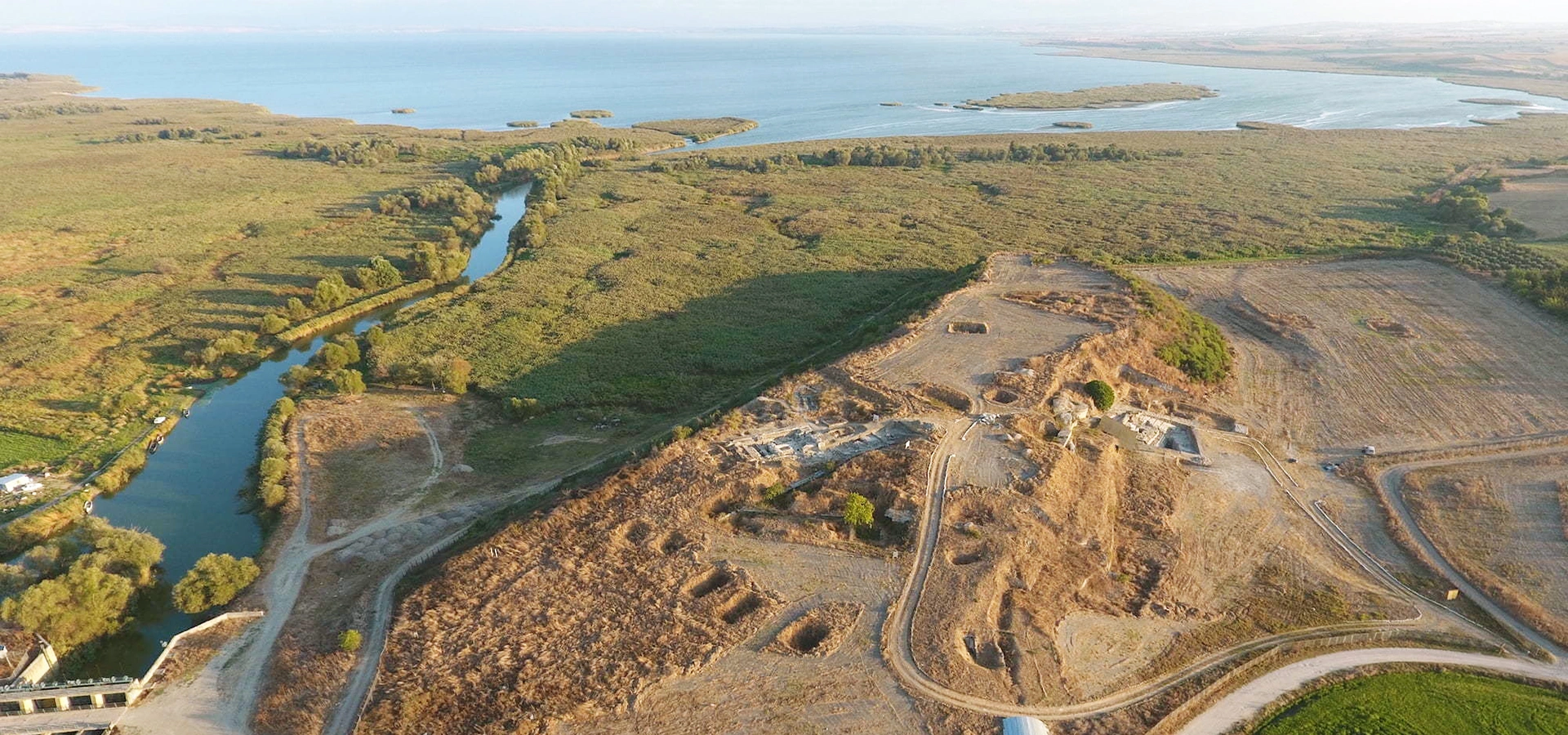
Continue from Ottoman Balıkesir into the Achaemenid and ancient history of the province at one of north-western Anatolia's most remarkable archaeological sites.
View Daskyleion Guide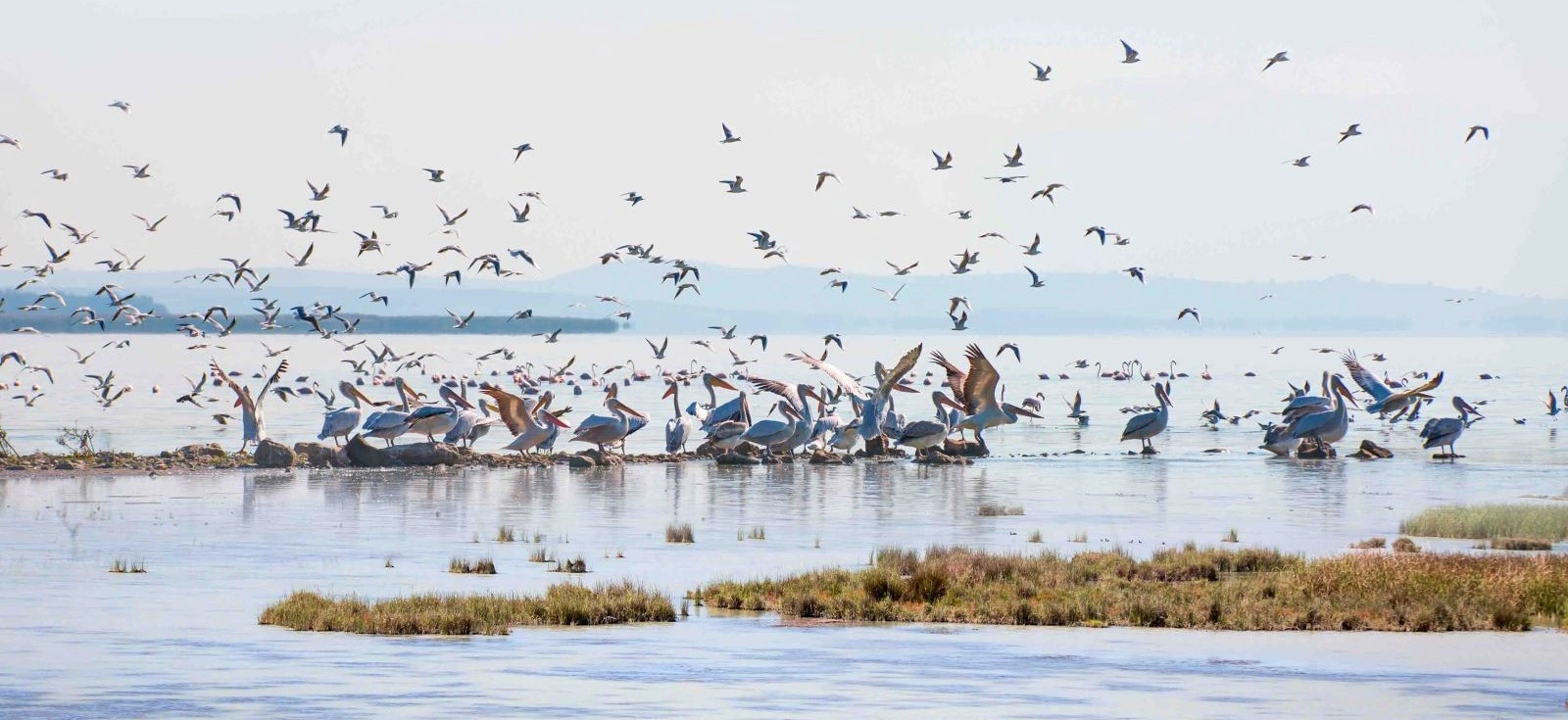
Balance the city's historic monuments with one of Balıkesir's most important natural landscapes and a nationally significant wetland ecosystem.
View Lake Manyas Guide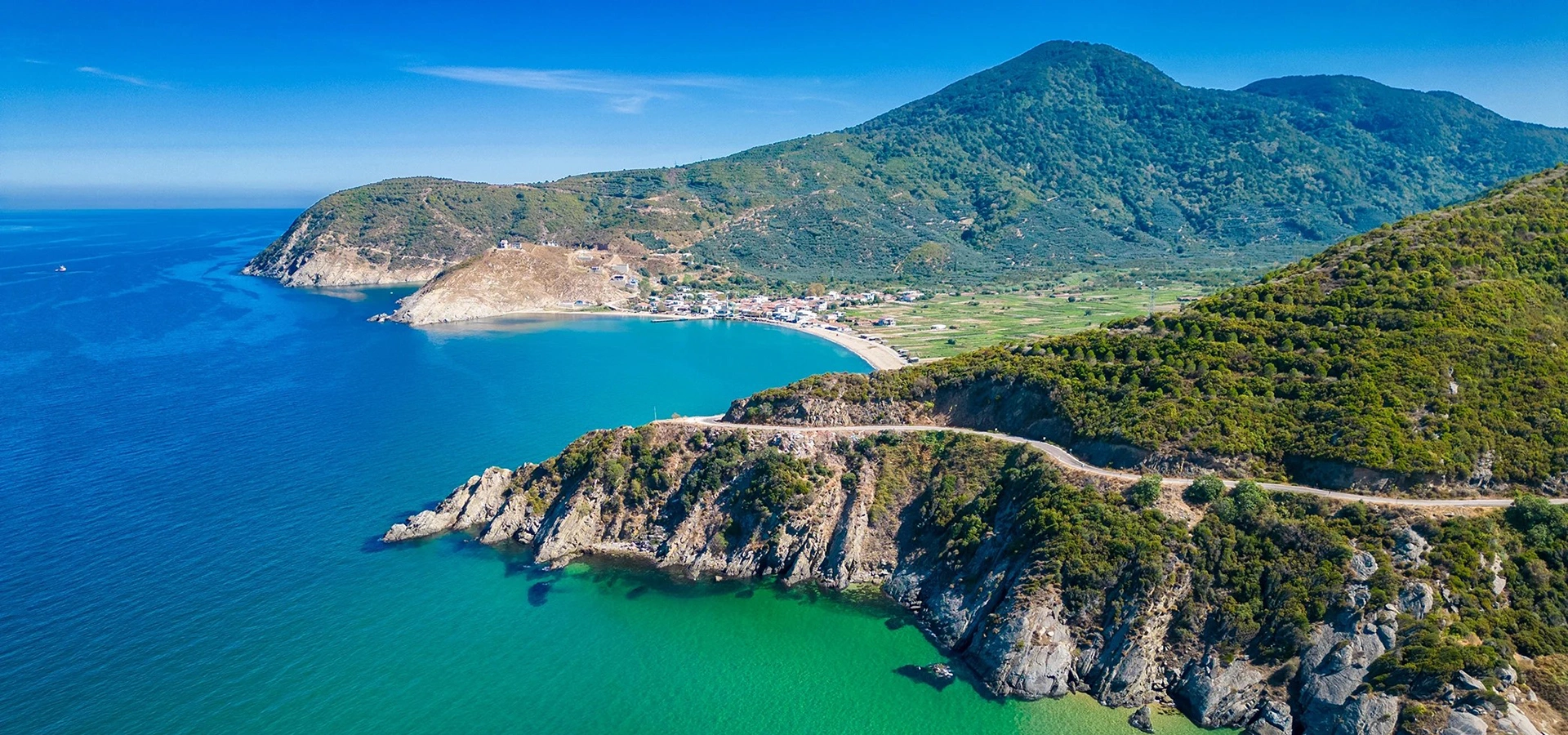
Travel north from Balıkesir to combine ancient monumental architecture, Erdek's coast and the dramatic landscapes of the Kapıdağ Peninsula.
View Kapıdağ & Cyzicus Guide