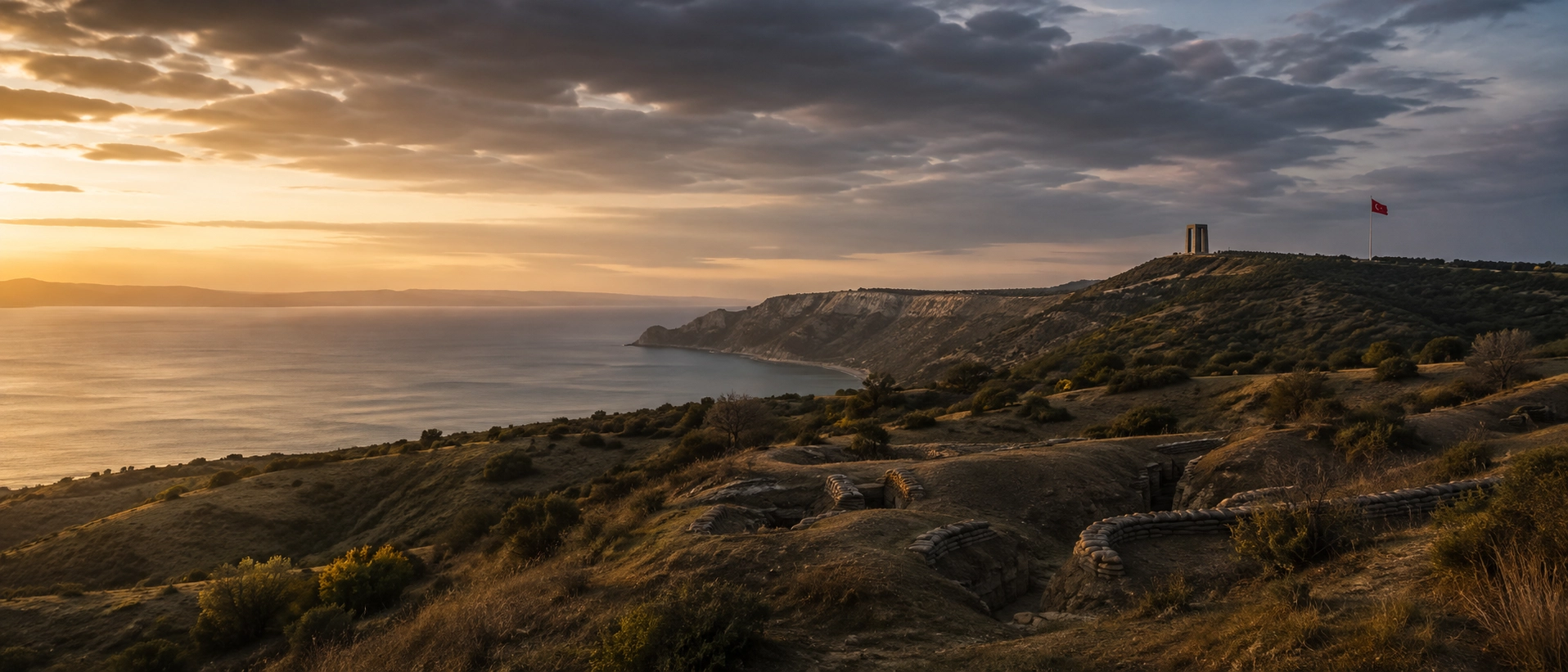
A Great Harbour City of Ancient Northern Troas

Parion (Parium) Ancient City – Complete Visitor Guide

Discover the Roman theatre, odeion, baths, necropolis and ancient harbours
of one of the most important archaeological cities of northern Troas.

Explore Ancient Parion

Discover Parion – The Forgotten Harbour City of Troas

On the southern shore of the Sea of Marmara, beside modern Kemer Village in Biga, Çanakkale, lies one of northwestern Türkiye's most fascinating archaeological sites: Parion, known in Latin as Parium.

Unlike Troy, whose fame comes largely from epic tradition, Parion reveals the everyday reality of an ancient city that prospered through maritime trade, Roman colonial status, monumental public architecture and its strategic position between the Hellespont, Propontis and the northern Troad.

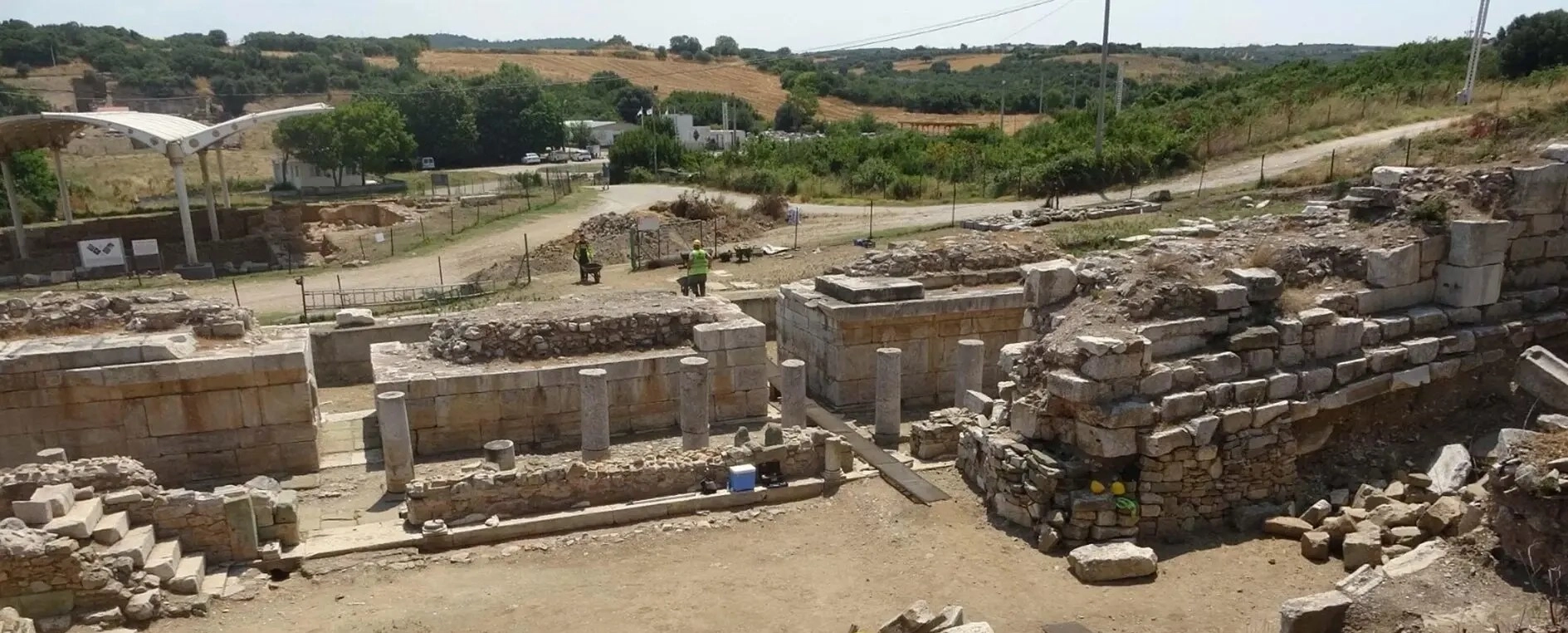
Excavations have uncovered an impressive Roman theatre, odeion, monumental bath complex, agora and commercial buildings, city defences, aqueduct remains and an exceptionally informative southern necropolis. Underwater investigations have added another remarkable chapter by confirming that Parion possessed more than one harbour.

The city also survived long beyond the classical period. A Christian community developed here in the Roman era, and Parion later became an important Byzantine episcopal centre. This long continuity makes the site particularly valuable for travellers interested in the transition from the Greek and Roman world to Christian Byzantium.

Roman Theatre & Odeion

Explore the remains of two major performance buildings that reveal the scale and prosperity of Roman Parion.

Extraordinary Necropolis

Discover the burial traditions, grave architecture and remarkable finds uncovered in the city's southern cemetery.

Ancient Harbour City

Understand how Parion's position on the Sea of Marmara connected the Troad with wider Aegean and Black Sea trade networks.

Roman & Byzantine Layers

Follow the transformation of Parion from a Roman colonial city into an important Christian bishopric.

Plan Your Visit

Parion Ancient City – Quick Facts

Essential information for discovering one of the most important archaeological sites of northern Troas.

🏛️

Ancient Name

Parion in Greek tradition and Parium in Latin sources; both names are commonly used for the ancient city today.

📍

Location

Kemer Village, Biga District, Çanakkale Province, on the southern coast of the Sea of Marmara.

Ancient Region

Northern Troas, strategically positioned between the Hellespont and the Propontis maritime worlds.

⛏️

Excavations

Systematic archaeological excavations began in 2005 and continue to reveal new parts of the ancient city.


From Archaic Troas to Byzantium

The History of Parion

More than two millennia of political change transformed Parion from an early Greek settlement into a prosperous Roman colony and Byzantine Christian centre.

Ancient tradition places the foundation of Parion around 709 BC, although the precise circumstances of its establishment remain debated. Even the origin of the city's name is uncertain. Ancient and later traditions connected it variously with Paros, with a figure named Parios, or with Paris of Troy.

Geography was the foundation of Parion's importance. The city occupied the northern edge of the Troad on the southern coast of the Propontis, today's Sea of Marmara. From here ships could move west toward the Hellespont and Aegean or east toward the Bosphorus and Black Sea.

By the fifth century BC Parion had entered the wider political world of the Aegean. The city became a member of the Delian League and supported Athens during the Peloponnesian War before again falling within the Persian sphere after the King's Peace of 387 BC.

The victory of Alexander the Great over the Persians at the Battle of the Granicus in 334 BC transformed the political landscape of northwestern Anatolia. Parion subsequently passed through the Hellenistic world and later came under the influence of the Kingdom of Pergamon.

Roman rule brought one of the city's most prosperous periods. Parion received Roman colonial status, apparently on two occasions: first in the late Republic or early Imperial period and again under Emperor Hadrian. Monumental construction flourished, and the theatre, baths, odeion and other civic buildings reveal the ambitions of Roman Parium.

The city continued into Late Antiquity and the Byzantine era. Christian communities were established here early, and Parion developed into an important bishopric. Ancient public spaces were gradually adapted, reused or transformed as the social and religious character of the city changed.

Archaeological evidence indicates occupation extending for many centuries, allowing Parion to tell a much broader story than a single classical period. Greek, Hellenistic, Roman and Byzantine phases overlap across the site, while later activity around the coastline continued after the ancient city itself had declined.


A Strategic City Between the Troad and the Sea of Marmara

Parion's importance is easiest to understand by looking at a map. The city stood on a coast that linked the northern Troad, the Dardanelles, the Sea of Marmara and the routes toward the Black Sea. This gave it a role very different from inland cities.

Maritime Gateway

Parion's harbours allowed goods, people and military forces to move between the Propontis, Hellespont and Aegean.

Northern Troas

The city occupied the northern part of the historical Troad, within the same broader cultural landscape as Troy, Lampsakos and other regional centres.

Roman Colony

Roman colonial status gave Parium a privileged civic identity and helped shape its monumental architecture and public life.

Long Urban Life

Archaeology records occupation from the Archaic period through Roman and Byzantine centuries, revealing repeated transformation rather than a short-lived settlement.


For modern visitors, this maritime setting is one of Parion's most important characteristics. The ancient city was not isolated from the sea: the sea was the reason the city existed and prospered.

What to See

Archaeological Highlights of Parion

Excavations across the ancient city are gradually revealing the monumental and everyday landscapes of Roman and Byzantine Parium.

Roman Theatre

The theatre is one of Parion's most impressive monuments. Its architectural decoration points to major construction activity during the Roman Imperial period, particularly in the second century AD.

  • Date: Major Roman phase in the second century AD
  • Function: Public performances and civic entertainment
  • Special find: Gladiator graffiti carved on architectural blocks

Odeion

The smaller covered performance and assembly building provides important evidence for the cultural and civic life of Roman Parion and stands among the site's best-known excavated structures.

  • Function: Music, recitation and civic gatherings
  • Period: Roman Imperial
  • Interest: Architecture and sculptural finds

Roman Bath

Parion's bath complex reflects the central role of bathing in Roman urban society, where hygiene, relaxation and social interaction were combined within monumental public architecture.

  • Period: Roman Imperial
  • Function: Bathing and social life
  • Excavation: One of the principal long-term excavation areas

Southern Necropolis

The Tavşandere necropolis was the first major focus of systematic excavations and has become one of the most important sources for understanding burial customs, grave types and social life at Parion.

  • Area: South of the ancient city
  • Importance: Funerary archaeology
  • Finds: Graves, sarcophagi, jewellery and burial offerings

Agora & Shops

Excavations in the agora and associated commercial areas are helping archaeologists reconstruct the economic heart of the city and the changing use of its public centre through later centuries.

  • Function: Civic and commercial life
  • Features: Shops and storage-related spaces
  • Later use: Areas were reused in Byzantine times

Ancient Harbours

Parion's maritime identity has gained new importance through underwater research. A long-known southern harbour was complemented by the confirmation of another harbour area to the north.

  • Southern harbour: Traditionally associated with commerce
  • Northern harbour: Confirmed through underwater investigation
  • Possible role: Military use has been proposed for the smaller northern harbour

City Walls & Defensive Structures

Hellenistic and later defensive remains help reveal the changing boundaries of Parion. In Late Antiquity, architectural blocks from earlier monuments were reused in new fortification works.

  • Features: Walls, towers and gateways
  • Periods: Hellenistic to Late Antique
  • Interest: Reuse of earlier architecture

Aqueduct & Water System

Water infrastructure was essential for a city with monumental baths and a substantial urban population. Archaeological work has identified remains connected with Parion's ancient water supply.

  • Function: Urban water supply
  • Connected with: Baths and public life
  • Value: Evidence for Roman engineering

The Roman Theatre of Parion

The Roman Theatre is one of the monuments that best communicates the scale of ancient Parion. Excavations have exposed parts of the orchestra, stage building and seating area, but they have also revealed how dramatically the monument changed in later centuries.

Much of the theatre's original stonework was reused when later fortifications were constructed through the area. Seating blocks and architectural elements were removed and incorporated into defensive walls, leaving the theatre damaged but archaeologically fascinating.

Second-Century Monument

Architectural decoration indicates major activity in the second half of the second century AD, during Parion's prosperous Roman phase.

Stage & Orchestra

Excavations have investigated the stage podium, proscenium, orchestra and cavea, gradually reconstructing the form of the building.

Gladiator Graffiti

Images of gladiators carved onto marble blocks provide a vivid and unusually personal connection with Roman entertainment culture.

Later Fortification

The theatre became a source of building material in Late Antiquity when substantial architectural blocks were reused in defensive construction.


Rather than seeing the damage only as loss, visitors can read the theatre as evidence for the changing priorities of the city. A building created for performance and civic spectacle eventually became part of a defensive landscape.

The Odeion of Parion

The Odeion was a smaller performance and gathering structure than the main theatre. Buildings of this type were used for musical performances, public readings, lectures and civic meetings, making them important components of elite urban life in Roman cities.

Intimate Performance Space

Its smaller scale created a more enclosed setting than the large theatre and was suited to music, recitation and formal gatherings.

Roman Civic Culture

The presence of both a theatre and an odeion demonstrates that Parion possessed a sophisticated range of public entertainment and assembly spaces.

Archaeological Finds

Sculptural and architectural material recovered from the area contributes to the reconstruction of the building's decorative programme.

Ongoing Research

The monument remains part of a wider excavation landscape in which new discoveries continue to refine our understanding of Roman Parion.

The Roman Bath Complex

Roman baths were among the most important social buildings of an imperial city. They were places not only for washing but also for conversation, relaxation, exercise and the performance of civic identity.

At Parion, the excavated bath complex helps demonstrate the wealth and infrastructure of the Roman settlement. Such a building depended on a reliable water supply, controlled heating and carefully organised interior spaces.

Urban Function Public bathing, social interaction and recreation
Engineering Water management and heated rooms formed part of the Roman bathing system
Archaeology The Roman Bath has been one of the principal excavation and conservation areas at Parion
Why It Matters The complex helps visitors imagine the routines of daily urban life beyond temples, battles and political history

The Southern Necropolis of Parion

Parion's southern necropolis, particularly the area known as Tavşandere, is one of the most archaeologically productive parts of the city. Systematic excavations began here in 2005, and the cemetery has provided an extraordinary record of funerary behaviour.

Different grave types, burial practices and associated objects allow archaeologists to study changing beliefs, family identities, wealth and social customs over long periods of time.

Varied Grave Types

Excavations have revealed different forms of burial architecture, demonstrating that funerary practice changed according to period, status and tradition.

Personal Objects

Jewellery, vessels and other grave goods provide unusually intimate evidence for the individuals buried around the ancient city.

Bronze Amphora

A richly decorated fourth-century BC bronze amphora recovered from the necropolis is among the celebrated objects associated with Parion.

Long-Term Cemetery

The necropolis helps archaeologists reconstruct Parion's population and cultural changes across Greek, Hellenistic and Roman periods.


For travellers who later visit the Troya Museum, objects from Parion provide an important opportunity to connect what was excavated in the landscape with the portable artefacts preserved and interpreted in the museum.

Parion's Ancient Harbours

Parion was fundamentally a harbour city. Its position on the southern coast of the Sea of Marmara allowed it to participate in regional trade and to control maritime movement between the northern Troad and the waterways leading toward the Black Sea.

Ancient sources and archaeological research had long identified a harbour on the southern side of the city. More recent underwater investigation confirmed another harbour area to the north, strengthening the picture of Parion as a substantial maritime centre.

Southern Harbour

The larger harbour traditionally associated with the city appears to have played an important role in commercial maritime activity.

Northern Harbour

Underwater investigations confirmed a smaller harbour whose existence had previously been suspected from the coastal topography.

Possible Military Role

Excavators have suggested that the smaller northern harbour may have served a military function, although further research is required.

Underwater Archaeology

The coastline remains an active research zone and may preserve evidence capable of transforming our understanding of Parion's maritime history.


The harbour discoveries are especially important because they help explain why Roman authorities valued Parion so highly. Monumental buildings were only one expression of the city's prosperity; the deeper source of that prosperity was its connection to the sea.

Parion as a Roman Colonial City

Parion's Roman identity was strengthened by its status as a colony. Evidence indicates that the city received colonial status twice, first during the late Republican or early Imperial period and later again under Emperor Hadrian.

First Colonial Phase Traditionally associated with the age of Julius Caesar or Augustus
Hadrianic Phase A renewed colonial status under Emperor Hadrian in the second century AD
Urban Impact The Roman Imperial period saw major architectural investment and monumental public construction
Civic Identity Coins, inscriptions and architecture reflect the city's strong relationship with Roman political culture

The Roman colony was not simply a legal label. It shaped civic institutions, public architecture and the way the city represented itself. The theatre, baths, odeion and other monumental spaces belong to this broader transformation.

Coins of Parion

Coins are among the most useful sources for understanding ancient Parion. Silver, bronze and copper issues help archaeologists follow the city's economic life, political affiliations and civic identity across centuries.

Gorgoneion

A facing head of the Gorgon appears prominently on well-known coin types associated with Parion.

Civic Inscription

Abbreviated forms of the city's name on the coinage helped scholars connect the archaeological settlement with ancient Parion.

Economic Evidence

Coins recovered during excavations help date archaeological layers and illuminate the commercial networks in which the city participated.

Roman Identity

Later coinage reflects the political and symbolic language of Parium as a Roman colonial city.

Parion in the Early Christian and Byzantine Periods

Parion did not disappear when the classical Roman city began to change. Christian communities were established here during the Roman Imperial period, and the city later became an important episcopal centre in the Byzantine ecclesiastical landscape.

Named bishops connected with Parion appear in Late Antique church history, demonstrating that the city retained regional importance even as its urban architecture was transformed. Public spaces were reused, defensive systems changed and burial activity expanded into areas that had once served different civic functions.

Early Christian Community

Christianity was present at Parion by the Roman Imperial period and became increasingly important in Late Antiquity.

Episcopal Centre

Parion became the seat of bishops whose participation in the wider church is recorded in Late Antique sources.

Changing Cityscape

Earlier Roman buildings and public spaces were adapted as the needs and institutions of the Byzantine city changed.

Long Survival

Archaeological evidence indicates that occupation continued deep into the medieval period rather than ending with the Roman Empire.


This Christian phase makes Parion especially rewarding when combined with other early Christian destinations in northwestern Türkiye. The site allows visitors to see how a prosperous Roman port gradually became part of the Byzantine religious world.

Archaeological Excavations at Parion

Modern archaeological research at Parion developed gradually. Early surveys identified the scale and importance of the settlement, while systematic excavation began in 2005 with work in the southern necropolis.

Excavations later expanded to major urban structures including the theatre, Roman bath, odeion, agora and shops, city fortifications, aqueduct and additional burial areas. Since 2015 the excavation project has been directed by Prof. Dr. Vedat Keleş, with multidisciplinary teams working under the authorization of Türkiye's Ministry of Culture and Tourism.

2005

Systematic archaeological excavations began, initially concentrating on the southern necropolis.

Expanding Research

Work progressively moved into the monumental centre, revealing theatre, bath, odeion, agora, walls and infrastructure.

Underwater Research

Marine archaeology has extended investigation beyond the land and confirmed another ancient harbour along the coast.

Living Excavation

Parion remains an active archaeological project, meaning interpretations and the visible condition of individual areas can change as new discoveries are made.


This active status is part of the excitement of visiting Parion. It is not a completely excavated archaeological park where every monument has already been exposed and restored. Much of the ancient city still lies beneath the modern landscape.

Important Finds from Parion

Parion has produced a rich archaeological record including pottery, coins, sculpture, architectural decoration, jewellery, glass, metalwork and human remains. Together, these objects make it possible to reconstruct both monumental civic life and deeply personal aspects of the ancient population.

Bronze Amphora

The decorated fourth-century BC amphora from the southern necropolis features Dionysiac imagery including dancing figures and elaborate appliqué decoration.

Gladiator Graffiti

Carved figures found on marble blocks from the theatre provide vivid evidence of Roman fascination with gladiatorial spectacle.

Sculpture

Statues and architectural sculpture recovered from public buildings help reconstruct the visual environment of Roman Parion.

Grave Goods

Jewellery, vessels and personal objects from the necropolis illuminate beliefs surrounding death as well as differences in wealth and identity.

Parion Finds at the Troya Museum

A journey to Parion becomes much more meaningful when combined with the Troya Museum near the archaeological site of Troy. The museum presents material from across the Troad, allowing visitors to understand Parion as part of a much larger regional civilisation rather than as an isolated city.

Archaeological Context

Objects from Parion can be compared with material from Troy, Assos, Alexandria Troas and other ancient settlements of the region.

Funerary Finds

Objects recovered from graves are easier to appreciate in a museum environment where their materials, decoration and dating can be studied closely.

Regional Story

The museum helps explain how coastal and inland cities of the Troad interacted across Greek, Hellenistic and Roman periods.

Ideal Combination

For archaeology enthusiasts, Parion plus the Troya Museum creates one of the most rewarding specialist combinations in Çanakkale.

How to Get to Parion Ancient City

Parion lies beside Kemer Village in the Biga district of Çanakkale Province, away from the main tourist corridor between Çanakkale city and Troy. Reaching the site is therefore easiest with a private vehicle or a carefully planned regional tour.

From Biga

Travel north from the Biga area toward Kemer Village on the southern coast of the Sea of Marmara.

From Çanakkale

Parion can be visited as a longer road journey through the Biga Peninsula and is best planned as a dedicated archaeological excursion.

Private Vehicle

A car or private transfer is the most practical option because the ancient city is not located on the principal sightseeing route used by most visitors to Çanakkale.

Combine Carefully

Parion works particularly well with Biga-region exploration, while combining it with Troy or Assos requires a longer and carefully timed day.

Can You Visit Parion Ancient City?

Parion is an active archaeological excavation rather than a fully developed archaeological park. Access to individual areas can therefore depend on excavation, conservation and site-management conditions.

Site Status Active archaeological excavation area
Visible Remains Theatre, odeion, Roman bath, necropolis and other excavated sectors form the principal archaeological landscape
Access Conditions may change during excavation or conservation work, so confirm locally before making a special journey
Best Approach Visit with realistic expectations: Parion is especially rewarding for travellers who enjoy archaeology in progress

Because the site is still developing, visitors should not expect the extensive walkways, interpretation panels and visitor infrastructure found at major sites such as Ephesus or Troy. Parion's appeal is different: it offers the experience of a major ancient city still in the process of being uncovered.

Best Time to Visit Parion

April – May

Excellent for archaeology and countryside travel, with mild temperatures and greener landscapes around the Biga Peninsula.

June

Long daylight hours make it easier to combine Parion with other regional stops before the hottest part of summer.

July – August

Expect stronger sun and heat during exposed archaeological exploration. Carry water, sun protection and a hat.

September – October

One of the most comfortable periods for cultural travel, road trips and photography around northern Çanakkale.


The site contains exposed terrain and active excavation areas, so sturdy footwear is recommended in every season. After heavy rain, archaeological surfaces and unpaved approaches may also become more difficult.

How to Include Parion in a Çanakkale Itinerary

Parion is best approached as a specialist archaeological destination rather than squeezed into an already crowded Troy itinerary. Travellers with a strong interest in ancient history should allow enough time to appreciate both the excavated monuments and the wider coastal setting.

Morning – Biga & Kemer Drive toward Kemer Village and approach Parion through the rural landscape of the Biga Peninsula
Late Morning – Monumental Centre Explore the visible theatre, odeion, Roman bath and surrounding excavation sectors according to current access
Midday – Harbour Landscape Study the coastline and understand why Parion developed as one of the major harbour cities of northern Troas
Afternoon – Regional Archaeology Continue toward another Çanakkale destination or return via Biga, depending on your route and available time

For serious archaeology enthusiasts, we recommend treating Parion as part of a broader Troad and Dardanelles journey rather than simply as a quick roadside stop.

Parion Travel Tips

Remember It Is an Active Excavation

Visible areas and access conditions may change as archaeological and conservation work progresses.

Wear Proper Shoes

Uneven ground, earth surfaces and archaeological trenches make comfortable closed footwear a much better choice than sandals.

Bring Sun Protection

Many areas are exposed, especially during summer. Carry water, sunscreen and a hat.

Look Beyond the Monuments

The coastal geography is essential to understanding Parion. Spend time looking toward the Sea of Marmara and imagining the ancient harbour traffic.

Visit the Troya Museum

Seeing archaeological objects from Parion and the wider Troad adds depth to what may appear fragmentary in the excavation landscape.

Do Not Compare It with Ephesus

Parion is less extensively excavated and prepared for tourism; its value lies partly in witnessing archaeological research in progress.

Use a Specialist Guide

A knowledgeable guide can help reconstruct buildings that are difficult to understand from surviving foundations alone.

Respect Excavation Barriers

Never enter closed trenches, touch exposed finds or cross conservation areas without permission.

Allow Extra Driving Time

Parion is away from Çanakkale's most heavily visited archaeological route, so build sufficient road time into your day.

Bring Curiosity

This is a site for travellers who enjoy piecing together an ancient city rather than simply photographing fully restored monuments.

Why Visit Parion Ancient City?

Parion offers a different experience from Türkiye's most famous archaeological sites. It is quieter, less reconstructed and still actively being excavated, yet its historical importance is considerable.

A Major Harbour City

Parion reveals how maritime geography shaped the prosperity of northern Troas and connected the region with the wider ancient Mediterranean.

Roman Monumentality

The theatre, odeion, bath and agora demonstrate the wealth and civic ambition of Roman Parium.

Exceptional Funerary Archaeology

The southern necropolis preserves evidence for individuals, families, rituals and social identities often missing from monumental history.

Christian Heritage

Parion's later role as a bishopric provides a valuable bridge between the Roman city and Byzantine religious history.

Ongoing Discoveries

New research, including underwater archaeology, continues to change what scholars know about the ancient city.

An Underrated Troad Site

Travellers who already know Troy and Assos can use Parion to discover a less familiar but highly important part of ancient Çanakkale.

Frequently Asked Questions About Parion Ancient City

Where is Parion Ancient City?

Parion is located beside Kemer Village in Biga District, Çanakkale Province, on the southern coast of the Sea of Marmara in northwestern Türkiye.

Is Parion the same as Parium?

Yes. Parion is the Greek form commonly used in Türkiye, while Parium is the Latin form often encountered in Roman historical and archaeological literature.

How old is Parion?

Ancient tradition places the foundation of Parion around 709 BC. Archaeological evidence confirms a long history extending from the Archaic period through Hellenistic, Roman and Byzantine times.

Was Parion part of the Troad?

Yes. Parion is generally regarded as one of the important cities of northern Troas, occupying the region between the Dardanelles and the southern Sea of Marmara coast.

Why was Parion important?

Its harbour position made Parion strategically and economically valuable. The city connected northern Troas with maritime routes through the Hellespont, Propontis and the wider Aegean world.

Was Parion a Roman colony?

Yes. Parion received Roman colonial status and appears to have been granted or renewed this status twice, first in the late Republican or early Imperial period and later under Emperor Hadrian.

What can you see at Parion?

Principal excavated areas include the Roman theatre, odeion, Roman bath, southern necropolis, agora and commercial spaces, fortification remains and ancient water infrastructure.

Did Parion have a harbour?

Yes. Parion was an important ancient harbour city. Archaeologists have identified a southern harbour and underwater research has also confirmed another harbour area on the northern side of the city.

What is special about the Parion theatre?

The theatre was one of the city's major Roman monuments. Excavations have also uncovered gladiator graffiti carved on marble blocks, providing unusual evidence for Roman entertainment culture.

What is an odeion?

An odeion was a smaller performance and assembly building used for music, recitation and civic gatherings. Parion possessed both a large theatre and an odeion.

Why is the Parion necropolis important?

The southern necropolis contains varied grave types and rich burial finds that help archaeologists study funerary customs, social status, identity and daily life across centuries.

Where are archaeological finds from Parion displayed?

Important finds from Parion form part of the archaeological heritage of Çanakkale, and visitors can see material connected with Parion and the wider Troad at the Troya Museum.

Was Parion a Christian city?

Christian communities developed at Parion during the Roman period, and the city later became an important Byzantine bishopric.

When did excavations at Parion begin?

Systematic archaeological excavations began in 2005, initially focusing on the southern necropolis before expanding to monumental and residential areas of the city.

Are excavations still continuing at Parion?

Yes. Parion remains an active archaeological project, and excavation, conservation, documentation and research continue to reveal new information about the city.

Is Parion fully excavated?

No. Only a portion of the ancient settlement has been exposed. A substantial part of Parion remains underground, which is why the site continues to produce important discoveries.

Can I visit Parion independently?

It is possible to reach Kemer Village independently, but because Parion is an active excavation area, access to specific archaeological sectors may vary. Confirm current local conditions before making a special journey.

How long should I allow for Parion?

For archaeology enthusiasts, allow approximately 1.5–2.5 hours for the accessible site areas and additional time for the coastal landscape. Travel time to and from Kemer should be planned separately.

Is Parion suitable for children?

Families interested in archaeology can enjoy Parion, but uneven ground, excavation trenches and limited visitor infrastructure mean that younger children should be supervised carefully.

Is Parion suitable for visitors with limited mobility?

Accessibility can be challenging because Parion is an active archaeological landscape with uneven and partly unprepared surfaces. Conditions should be checked before travel.

What is the best time of year to visit Parion?

Spring and early autumn are especially comfortable for archaeological exploration. Summer offers long daylight hours but can be hot and exposed.

Can I combine Parion with Troy?

Yes, but the sites are in different parts of Çanakkale Province and the route requires significant driving. It is best suited to travellers with a private vehicle and a full day available.

Can I combine Parion with Assos?

It is possible as part of a longer specialist Troad itinerary, but Parion and Assos are far enough apart that the journey should be planned carefully rather than treated as a short half-day combination.

Why should archaeology lovers visit Parion?

Parion combines monumental Roman architecture, an exceptional necropolis, maritime archaeology, early Christian history and an active excavation environment, making it one of Çanakkale's most rewarding lesser-known ancient cities.

Best Photo Spots at Parion

Roman Theatre

Use wider compositions to show both the surviving structure and the archaeological layers created by later reuse.

Odeion

The curved performance space offers some of the clearest architectural compositions within the excavated city.

Roman Bath

Walls, foundations and exposed architectural details work especially well when photographed with a guide to the building's original layout.

Harbour Landscape

Include the Sea of Marmara in your images to communicate the geographical reason for Parion's ancient prosperity.

Excavation Landscape

Wide views of active archaeological areas help capture the unusual experience of seeing an ancient city still being uncovered.

Kemer Coast

The relationship between village, coast and ancient settlement creates atmospheric images that are very different from Türkiye's more monumental archaeological parks.


Photography rules may change in active excavation areas, and drones can be restricted around archaeological sites, settlements and other sensitive locations. Always follow on-site instructions and obtain any permissions required for professional or aerial photography.

Private Parion & Çanakkale Archaeology Tours

We can incorporate Parion into privately designed archaeological journeys through Troy, Assos, the Troad and the wider Çanakkale region.

Private Archaeological Experiences

Flexible itineraries with private transportation and licensed professional guiding, planned around your archaeological and historical interests.

Continue Exploring Çanakkale

Discover the legendary cities, sanctuaries and landscapes that surrounded ancient Parion.