Early Ottoman Heritage in the Heart of Adapazarı

Orhan Gazi Mosque – Sakarya Visitor Guide

Discover one of Adapazarı's most historic landmarks,
linking the city's early Ottoman origins with centuries of urban life.

Explore Orhan Gazi Mosque

Orhan Gazi Mosque – An Ottoman Landmark at the Heart of Adapazarı

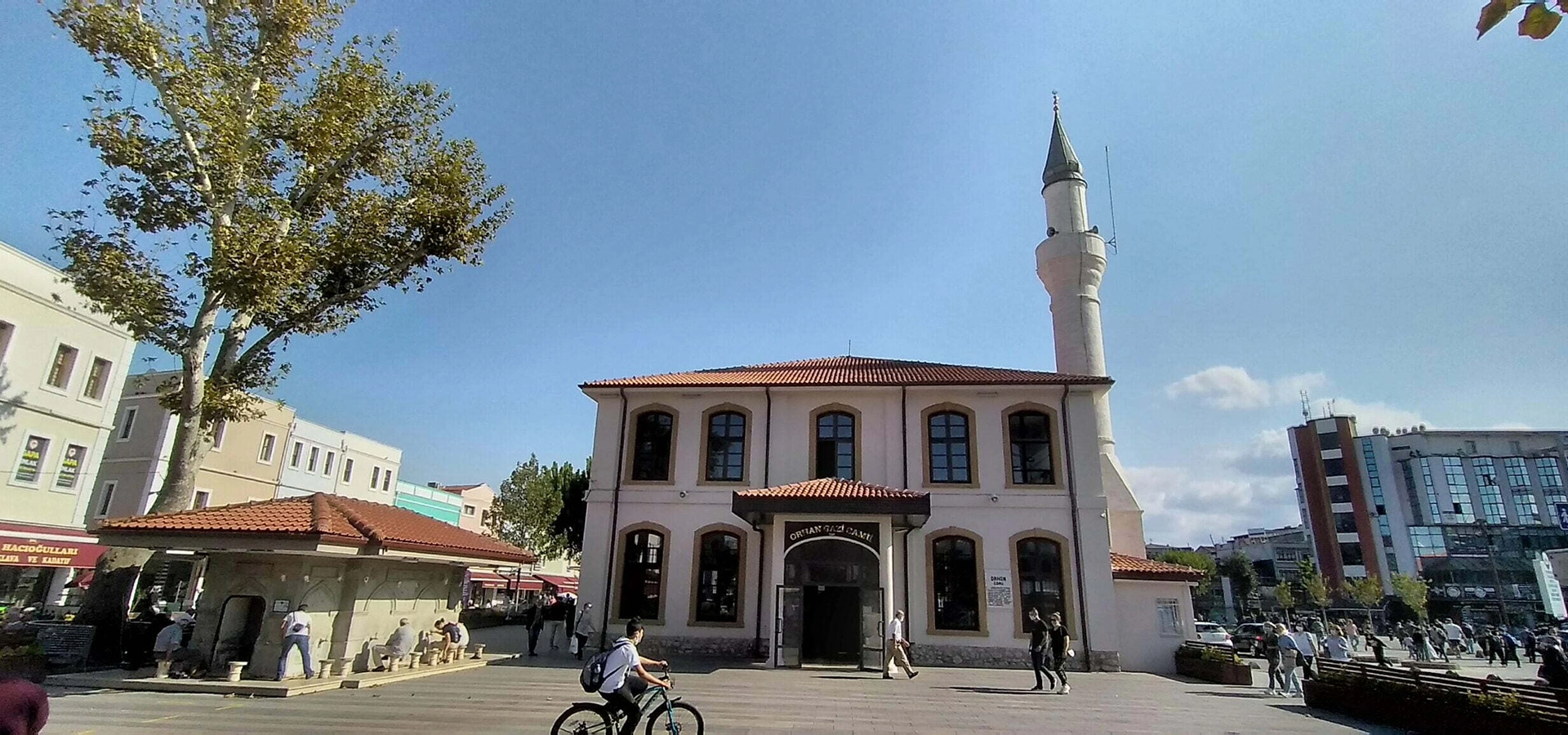
Standing in the historic center of Adapazarı, the Orhan Gazi Mosque, also commonly called Orhan Mosque, is one of Sakarya's most important links with the city's early Ottoman past.

The origins of the mosque are traditionally connected with the period when Konuralp Bey, one of the commanders associated with the early Ottoman expansion, brought the Sakarya region under Ottoman control. A mosque dedicated to Orhan Gazi was established here while the settlement that would eventually become modern Adapazarı was still very small.

The building visitors see today, however, should not be understood as an untouched fourteenth-century monument. The earlier mosque disappeared through centuries of rebuilding, and the present structure was largely created in 1893–1894 through the initiative of Adapazarı district governor Mehmet Nüzhet Paşa and contributions from the local community.

Its rectangular form, high windows, single minaret and wooden tiled roof rather than a monumental dome give the mosque a very different character from the great imperial mosques of Istanbul. The building has also survived a difficult modern history marked by earthquakes, repairs and restoration.

Today, Orhan Gazi Mosque remains an active place of worship as well as an important historical landmark. Its location beside the traditional commercial heart of Adapazarı, including Uzun Çarşı, makes it an excellent starting point for understanding how religion, trade and everyday urban life developed together in the city.

Early Ottoman Origins

The first mosque on the site is associated with Konuralp Bey and the period of Orhan Gazi.

1893–1894 Rebuilding

The present mosque largely reflects a major reconstruction led by Nüzhet Paşa.

Historic City Center

The mosque stands beside the commercial heart of Adapazarı and the traditional Uzun Çarşı area.

Living Mosque

Orhan Gazi Mosque remains an active place of worship rather than simply a historic monument.

Know Before You Go

Orhan Gazi Mosque – Quick Facts

Essential information for visiting one of the most historically significant mosques in central Adapazarı.

📍

Location

Central Adapazarı, Sakarya, close to Uzun Çarşı and the traditional commercial district.

Open on Google Maps
🕌

Type

Historic Ottoman mosque and active place of worship.

📜

Origins

The original mosque is associated with the early Ottoman expansion into the Sakarya region.

🏗️

Present Building

Largely reconstructed in 1893–1894 through the initiative of Nüzhet Paşa and local residents.

🏛️

Architecture

Rectangular plan, stone construction, wooden tiled roof, high windows and a single minaret.

🙏

Best For

Ottoman history, architecture, faith heritage and exploring old central Adapazarı.


A Landmark in the Story of Adapazarı

Why Is Orhan Gazi Mosque Important?

The mosque is significant not because every part is medieval, but because the same sacred site connects the earliest Ottoman settlement with the modern city.

Few buildings in central Adapazarı express the city's historical continuity as clearly as Orhan Gazi Mosque. Its importance begins with the location itself, where an Ottoman mosque was established when today's provincial capital was still a small settlement.

The mosque therefore belongs to the story of how Ottoman settlement developed in the lower Sakarya region. Religion, markets, roads and residential quarters often grew together, and the area around the mosque eventually became part of the commercial center of Adapazarı.

At the same time, the building is an important reminder that historic monuments are rarely frozen in one moment. Earthquakes, changing populations, urban growth and repeated repairs have continuously transformed the mosque.

The current structure is predominantly the result of late nineteenth-century rebuilding, yet its name, function and position preserve the memory of the much earlier Ottoman foundation.

The Early Ottoman Origins of Orhan Gazi Mosque

During the formative period of the Ottoman state, the Sakarya region became an important frontier zone between Ottoman-controlled territory and lands that had previously been connected with the Byzantine world.

Ottoman tradition connects the conquest and settlement of this area with Konuralp Bey, one of the commanders active during the reigns of Osman Gazi and Orhan Gazi. As Ottoman control expanded, Turkmen communities settled in the fertile, water-rich landscape around the Sakarya River.

A mosque was established in the developing settlement in the name of Orhan Gazi, the second ruler of the Ottoman dynasty. This early religious foundation eventually gave the surrounding district an enduring historical identity.

Different modern accounts give slightly different exact dates for the first mosque. For visitors, the most useful interpretation is therefore to understand the site as an early fourteenth-century Ottoman foundation rather than treating one precise year as absolutely certain.

Early Ottoman Period

The origins of the mosque belong to the formative decades of Ottoman expansion in northwestern Anatolia.

Konuralp Bey

Local and official historical accounts connect the establishment of the mosque with the Ottoman commander Konuralp.

Orhan Gazi

The mosque was dedicated to Orhan Gazi, whose reign saw major Ottoman expansion across the region.

Small Settlement

The future city of Adapazarı was still a modest settlement when the first mosque was established.

Religious Center

The mosque became one of the focal points around which urban and commercial life developed.

Continuity

Although the original structure disappeared, the same site and historical identity survived.

The 1893–1894 Reconstruction

By the late Ottoman period, the older mosque had deteriorated and no longer survived in its original form. The decisive transformation came during the reign of Sultan Abdülhamid II.

Between 1893 and 1894, Adapazarı district governor Mehmet Nüzhet Paşa took the initiative to rebuild the mosque with support from local residents.

This reconstruction produced a building larger and stylistically different from the early Ottoman structure that had preceded it. Official cultural records describe the mosque as reflecting the high-windowed architectural character of the Abdülhamid period.

This is why visitors should think of Orhan Gazi Mosque as a monument with two historical identities: an early Ottoman sacred foundation and a late Ottoman architectural form.

Original Foundation Early Ottoman period
Dedication Orhan Gazi
Major Rebuilding 1893–1894
Local Initiative Adapazarı district governor Mehmet Nüzhet Paşa
Period Reign of Sultan Abdülhamid II

Architecture of Orhan Gazi Mosque

Orhan Gazi Mosque differs immediately from the large domed Ottoman mosques familiar from Istanbul, Bursa or Edirne. Its character is more restrained and closely connected with the scale of the historic town around it.

The mosque has a rectangular plan and is traditionally described as being built using cut stone. Instead of a central masonry dome, the prayer hall is covered by a wooden roof finished with tiles.

High windows bring daylight into the interior, while the exterior is dominated by the relationship between the simple prayer hall and its single minaret.

These features reflect the mosque's long architectural history. Rather than presenting one untouched medieval design, the building contains the visual language of the nineteenth-century reconstruction together with later repairs and restorations.

Rectangular Plan

The mosque uses a straightforward rectangular prayer-hall arrangement.

No Monumental Dome

A wooden roof gives the building a very different profile from major imperial Ottoman mosques.

Tiled Roof

The timber roof is traditionally covered with tiles.

Stone Walls

Cut-stone construction gives the exterior a solid and restrained appearance.

High Windows

The tall window arrangement reflects the character of the late Ottoman rebuilding.

Single Minaret

The mosque has one minaret, which has itself been rebuilt following earthquake damage.

Earthquakes and the Survival of Orhan Gazi Mosque

Sakarya lies in one of Türkiye's most active seismic regions, and earthquakes have played a major role in the modern history of Orhan Gazi Mosque.

The 1967 Mudurnu Valley earthquake caused severe damage, including the collapse of the mosque's minaret. The minaret was subsequently rebuilt.

The devastating 17 August 1999 Marmara earthquake again affected the mosque and its minaret. Further rebuilding and repair work followed, adding another chapter to the structure's long history of adaptation.

These interventions explain why individual elements of the building may be considerably newer than the historic foundation they represent. The mosque's value lies partly in this continuity: the community repeatedly restored the site rather than abandoning it.

The 2019–2020 Restoration

Another important conservation campaign began in 2019 under the responsibility of the General Directorate of Foundations. The mosque temporarily closed for extensive restoration.

Work focused on preserving the historic character of the building, repairing architectural elements and investigating earlier decorative layers. During conservation work, restorers reported discovering traces of gold leaf and hand-painted decoration from earlier periods.

After approximately fifteen months of work, Orhan Gazi Mosque reopened for worship in September 2020.

The restoration reinforced the mosque's dual role: it continues to function as a neighborhood and city-center place of worship while also preserving one of Adapazarı's strongest historical identities.

Restoration Began

Major conservation work began in 2019.

Historic Investigation

Restorers examined architectural and decorative layers rather than treating the building as a modern reconstruction.

Decorative Traces

Earlier gold-leaf and painted decorative details were identified during the work.

Minaret Work

The restoration also addressed elements altered after earlier earthquake damage.

Reopened

The mosque returned to active worship in September 2020.

Living Heritage

The project preserved the building as both a historic monument and an active religious space.

Orhan Gazi Mosque and the Historic Center of Adapazarı

One of the best reasons to visit Orhan Gazi Mosque is its location. The building does not stand in an isolated archaeological zone; it remains embedded in the commercial and social center of Adapazarı.

Immediately nearby is Uzun Çarşı, one of the city's longstanding market streets. Shops, tea houses, food businesses and busy pedestrian streets surround the mosque.

This relationship between mosque and marketplace reflects a characteristic pattern of Ottoman urban life. Religious, commercial and social functions developed beside one another rather than in completely separate districts.

For visitors, this means that Orhan Gazi Mosque is best experienced as part of a walk through central Adapazarı rather than as a monument reached only for a photograph and immediately left behind.

What Is Visiting Orhan Gazi Mosque Like?

A visit to Orhan Gazi Mosque feels very different from entering a large museum-style monument. The mosque remains integrated into the rhythm of everyday city life.

Outside, the surrounding streets are active with shoppers, local businesses and people moving through central Adapazarı. Inside, the atmosphere becomes quieter and more reflective.

The mosque's relatively modest scale makes architectural details easier to appreciate. Look at the proportions of the prayer hall, the tall windows, the timber roof structure and the relationship between the mosque and its minaret.

The experience becomes more meaningful when you remember that the building itself is not the original medieval mosque. What survives here is something broader: the continuity of a sacred site from the early Ottoman settlement to modern Sakarya.

What to See at Orhan Gazi Mosque

Exterior Form

Notice the mosque's simple rectangular profile rather than the monumental domed silhouette of imperial mosques.

Wooden Roof

The tiled timber roof is one of the building's defining architectural features.

High Windows

The window proportions help reveal the late nineteenth-century character of the present structure.

Single Minaret

Study the minaret while remembering its history of earthquake destruction and rebuilding.

Prayer Hall

When access is appropriate, enter quietly and appreciate the scale and atmosphere of the interior.

Mosque Square

Observe how religious space meets the surrounding pedestrian and commercial center.

Uzun Çarşı

Continue directly into one of Adapazarı's traditional shopping areas beside the mosque.

Everyday Life

The active congregation and surrounding businesses are part of the site's living heritage.

How Much Time Do You Need at Orhan Gazi Mosque?

15 Minutes

Enough for a respectful exterior look and a brief visit inside when worship is not taking place.

30 Minutes

Recommended if you want time to appreciate the architecture and historical setting.

1 Hour

Allows the mosque to be combined with a relaxed walk through the surrounding historic center.

1–2 Hours

Ideal for combining Orhan Gazi Mosque with Uzun Çarşı, tea and traditional city-center streets.

Half Day

Combine the mosque with Sakarya Museum and additional heritage sites around Adapazarı.

Best Approach

Visit as part of a historic-center walk rather than treating the mosque as an isolated stop.

Best Time to Visit Orhan Gazi Mosque

Orhan Gazi Mosque can be visited throughout the year. Because it is located in central Adapazarı, season has much less influence on access than at remote archaeological or natural sites.

For sightseeing, the most comfortable period is usually outside the main congregational prayer times. Friday midday prayers are particularly important and normally bring a larger congregation, so tourists should avoid treating this period as ordinary sightseeing time.

Morning can be pleasant if you want quieter surrounding streets, while late afternoon offers more of the everyday atmosphere of the market district.

Spring and autumn are particularly comfortable for combining the mosque with a longer walking route through central Adapazarı.

Morning

Often quieter for appreciating the mosque and surrounding streets.

Afternoon

Good for experiencing the activity of the neighboring commercial district.

Friday

Avoid sightseeing during the main Friday congregational prayer.

Spring

Comfortable weather for combining the mosque with a longer city walk.

Autumn

Another pleasant season for exploring central Adapazarı on foot.

Winter

The central urban location makes the mosque straightforward to include even in colder weather.

Photography at Orhan Gazi Mosque

The main challenge when photographing Orhan Gazi Mosque is also part of its appeal: the building is surrounded by the active city rather than an empty monumental square.

Try wider compositions that show the relationship between the mosque, its minaret and the surrounding urban fabric. These images often communicate more historical context than a tightly framed architectural photograph.

The roofline, high windows and stone façades are particularly useful for detail photographs. Early or later daylight can produce softer shadows than the middle of the day.

Inside the mosque, photography should always be secondary to worship. Do not photograph people praying without permission, avoid flash, keep equipment unobtrusive and stop taking photographs whenever religious activity requires greater privacy.

Exterior

Capture the rectangular form and traditional roof together with the minaret.

Street Context

Include surrounding city life to show how deeply the mosque remains embedded in Adapazarı.

Architectural Details

Look for stonework, windows, roof lines and restored decorative elements.

Morning Light

Quieter streets and softer shadows can make architectural photography easier.

No Flash

Avoid flash photography inside the prayer space.

Respect Worshippers

Never allow photography to interrupt prayer or compromise visitors' privacy.

Orhan Gazi Mosque Visitor Information

Orhan Gazi Mosque is an active mosque, not a ticketed museum. Visitors are generally welcome when religious services and local conditions allow, but worship always takes priority over sightseeing.

There is normally no entrance fee for visiting a mosque. Shoes must be removed before entering the prayer area and visitors should dress modestly.

Women should carry a scarf for covering the hair when entering the prayer hall, and both men and women should avoid clothing that is unsuitable for a religious site.

Because prayer times change throughout the year, there is no single sightseeing timetable that works every day. If prayer is beginning, wait outside or return afterward.

Site Orhan Gazi Mosque / Orhan Camii
Location Central Adapazarı, Sakarya
Type Historic Ottoman mosque and active place of worship
Present Structure Primarily 1893–1894 reconstruction with later restorations
Entrance Free
Recommended Visit 20–30 minutes, longer when combined with the historic center
Nearby Uzun Çarşı and central Adapazarı
Please note: Orhan Gazi Mosque is first and foremost a functioning religious building. Access may be limited during prayers, Friday worship, religious holidays or special ceremonies. Dress modestly, remove shoes before entering the prayer area and avoid disturbing worshippers.

Mosque Etiquette for Visitors

Remove Shoes

Take off footwear before stepping onto the carpeted prayer area.

Dress Modestly

Shoulders and knees should be covered, with clothing appropriate for an active religious space.

Head Covering

Women should carry a scarf for use when entering the mosque.

Keep Quiet

Speak softly and silence mobile phones inside the prayer hall.

Avoid Prayer Times

Allow worshippers priority and suspend sightseeing when congregational prayer begins.

Respect Photography

Do not photograph worshippers closely or without permission.

Friday Prayer

Friday midday is especially busy and is not the ideal time for tourist photography.

Follow Local Guidance

Respect any instructions given by mosque staff or members of the congregation.

Accessibility at Orhan Gazi Mosque

The mosque's central Adapazarı location makes it easier to reach than many historic religious monuments in rural Sakarya. The surrounding district is part of an active pedestrian and commercial area.

However, historic buildings can contain entrance thresholds, changes in level or other architectural limitations that affect wheelchair users and visitors with reduced mobility.

Anyone who requires completely step-free access should confirm current conditions locally before relying on a particular entrance.

Even when interior access is difficult, the exterior, mosque square and surrounding historic-commercial district can still form a worthwhile city-center experience.

Central Location

The mosque is situated within the main urban area of Adapazarı.

Pedestrian Area

Much of the surrounding historic center can be explored on foot.

Historic Thresholds

Entrance levels and architectural details may create accessibility limitations.

Confirm Access

Visitors requiring step-free entry should check the current arrangement before visiting.

Exterior Views

The mosque's architecture can also be appreciated from the surrounding public space.

Urban Services

Shops, cafés and transport options are available throughout central Adapazarı.

How to Get to Orhan Gazi Mosque

Orhan Gazi Mosque is located in central Adapazarı, within Sakarya's main urban and commercial district. Its city-center position makes it one of the province's easiest historic monuments to include in a sightseeing route.

Visitors already in central Adapazarı can usually approach the mosque on foot while exploring the surrounding shopping streets and Uzun Çarşı.

Local public transport serves the city center from different parts of Sakarya. If arriving by car, remember that central streets can be busy, especially during business hours and around Friday prayer.

The easiest navigation search is “Orhan Camii, Adapazarı”.

On Foot

The best option when already exploring central Adapazarı.

Public Transport

City-center transport services make the surrounding district easy to reach.

By Car

Useful when combining the mosque with attractions elsewhere in Sakarya, although central parking can be busy.

Navigation

Search for “Orhan Camii Adapazarı Sakarya” rather than relying only on the more common Orhan Gazi Mosque name.

Uzun Çarşı

The traditional shopping district is immediately nearby and is easy to combine with the mosque.

Central Route

The mosque works naturally with Sakarya Museum and other stops in Adapazarı.

Suggested Visit to Orhan Gazi Mosque

Begin in central Adapazarı and approach the mosque through the surrounding commercial streets. This gives you a better sense of how the mosque fits into the living city rather than viewing it in isolation.

Spend a few minutes outside studying the rectangular structure, wooden roof, high windows and single minaret.

If prayer is not taking place, remove your shoes, enter quietly and spend a short time inside the prayer hall. Keep photography discreet and give worshippers complete priority.

After leaving the mosque, continue into Uzun Çarşı for traditional city-center atmosphere, local shops and a tea or simit break.

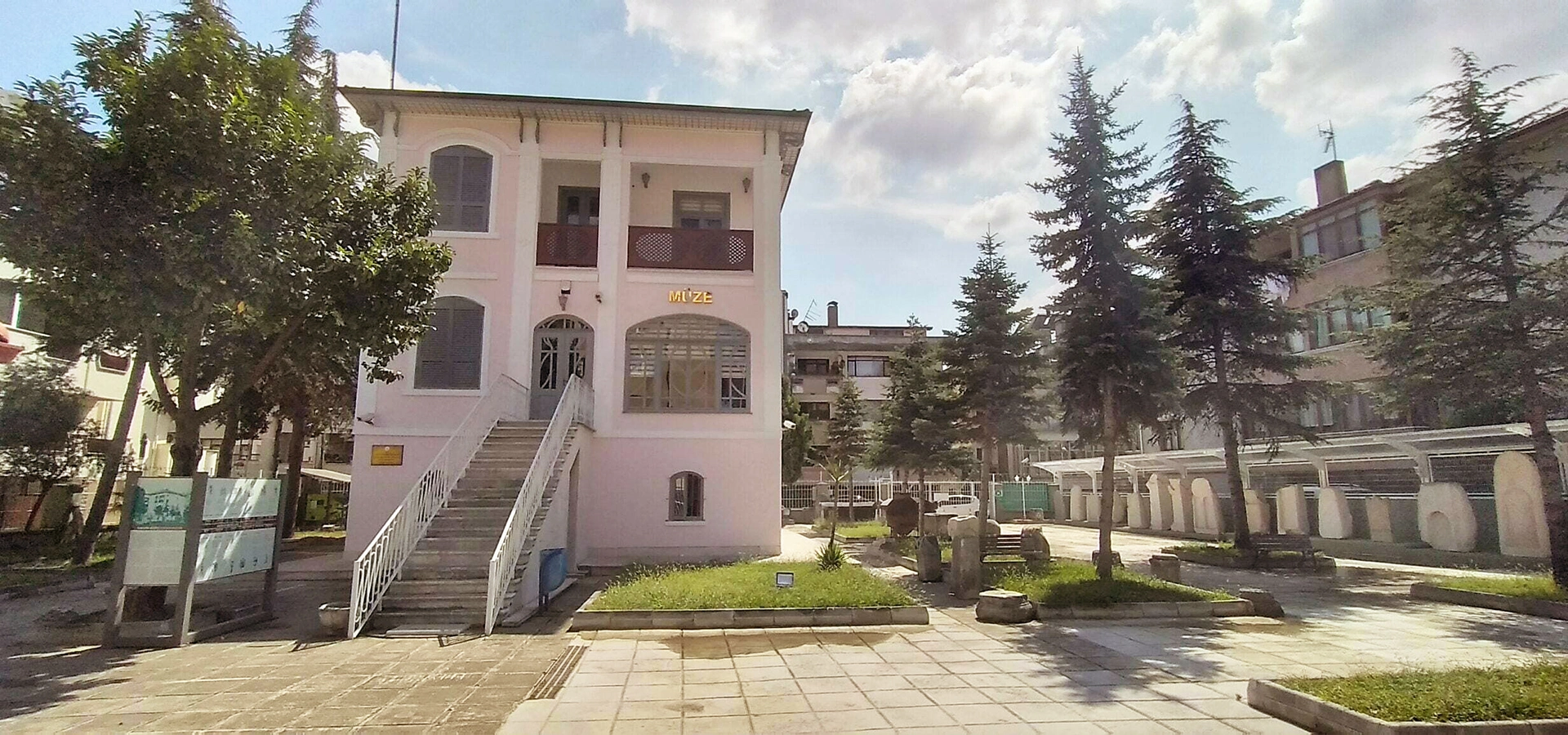
If you have more time, continue to the Sakarya Museum to place the mosque within the wider archaeological, Ottoman and Republican history of the province.

Start Walk through central Adapazarı toward Orhan Gazi Mosque
Exterior Study the roof, windows, stonework and minaret
Interior Visit quietly when prayer is not taking place
Continue Explore Uzun Çarşı and the historic commercial center
Next Stop Visit Sakarya Museum
Allow 1–2 hours for the mosque and surrounding historic-center walk

Frequently Asked Questions About Orhan Gazi Mosque

Where is Orhan Gazi Mosque?

Orhan Gazi Mosque is located in central Adapazarı in Sakarya Province, close to Uzun Çarşı and the traditional commercial center.

Is Orhan Gazi Mosque the same as Orhan Mosque?

Yes. The historic mosque is commonly referred to as both Orhan Gazi Mosque and Orhan Camii / Orhan Mosque.

Who built Orhan Gazi Mosque in Sakarya?

The original mosque is traditionally associated with Konuralp Bey and was established in the name of Orhan Gazi during the early Ottoman period.

When was Orhan Gazi Mosque built?

Its origins go back to the early fourteenth-century Ottoman period, although historical sources do not agree completely on one precise foundation year.

Is the present mosque the original medieval building?

No. The early mosque no longer survives in its original architectural form. The present building largely reflects a major reconstruction carried out in 1893–1894.

Who rebuilt Orhan Gazi Mosque in the nineteenth century?

The 1893–1894 rebuilding was undertaken through the initiative of Adapazarı district governor Mehmet Nüzhet Paşa with contributions from the local community.

Does Orhan Gazi Mosque have a dome?

No. One of the mosque's distinctive features is its wooden tiled roof rather than a large central dome.

How many minarets does Orhan Gazi Mosque have?

The mosque has one minaret. The minaret has been reconstructed following major earthquake damage.

Was Orhan Gazi Mosque damaged by earthquakes?

Yes. The mosque and especially its minaret were affected by several earthquakes, including the 1967 Mudurnu earthquake and 1999 Marmara earthquake.

Has Orhan Gazi Mosque been restored recently?

Yes. A major restoration began in 2019, and the mosque reopened for worship in September 2020.

Is Orhan Gazi Mosque still used for prayer?

Yes. It remains an active mosque and an important place of worship in central Adapazarı.

Can tourists visit Orhan Gazi Mosque?

Generally yes, provided visitors respect prayer times, dress appropriately and follow normal mosque etiquette. Religious use always takes priority.

Is there an entrance fee?

No. There is normally no entrance fee to visit the mosque.

Do I need to remove my shoes?

Yes. Shoes must be removed before entering the carpeted prayer area.

Do women need to cover their hair?

Women should carry a scarf and use it when entering the prayer hall, while all visitors should dress modestly.

Can I take photographs inside?

Photography may be possible when it does not disturb worship, but avoid flash and never photograph people praying closely without permission.

What is near Orhan Gazi Mosque?

The mosque is beside the traditional commercial heart of Adapazarı, including Uzun Çarşı, shops, cafés and central pedestrian streets.

How long should I spend at Orhan Gazi Mosque?

Around 20–30 minutes is enough for the mosque itself, while 1–2 hours allows time to explore the surrounding historic center and Uzun Çarşı.

Can I combine the mosque with Sakarya Museum?

Yes. Sakarya Museum makes an excellent addition for visitors interested in the wider history of the province.

Is Orhan Gazi Mosque worth visiting?

Yes, especially if you are interested in early Ottoman history, late Ottoman architecture, living religious heritage and the development of Adapazarı.

Responsible Visiting at Orhan Gazi Mosque

Prioritize Worship

Remember that the mosque's religious function always comes before sightseeing.

Dress Respectfully

Wear modest clothing appropriate for entering an active mosque.

Remove Shoes

Follow mosque practice before entering the carpeted prayer area.

Stay Quiet

Keep voices low and mobile phones silent inside the mosque.

Respect Privacy

Do not photograph worshippers without their permission.

Avoid Flash

Use natural light and discreet photography when photographs are appropriate.

Protect the Building

Do not touch decorative surfaces unnecessarily or lean equipment against historic elements.

Respect the Neighborhood

The surrounding square and market remain everyday spaces for local residents and businesses.

Private Adapazarı & Sakarya Heritage Experiences

Combine Orhan Gazi Mosque, Adapazarı's historic center, Ottoman heritage, Byzantine monuments and the landscapes of Sakarya through a private itinerary designed around your interests.

Custom Sakarya Heritage Experience

Explore the layers of Sakarya's history, from the Byzantine period and early Ottoman expansion to the War of Independence and modern Adapazarı.

Sakarya Turkey Ottoman monuments lakes forests historic towns and cultural attractions

Explore Sakarya

Discover historic mosques, museums, Byzantine monuments, lakes, rivers, Black Sea beaches, waterfalls, wetlands and traditional towns throughout Sakarya Province.

View Sakarya Guide

Continue Exploring Sakarya

Connect Orhan Gazi Mosque with more of Sakarya's history, architecture and natural landscapes.