Private Mount Spil National Park Programme
Tell us your dates, group size and interests. We will check access and plan a sensible route.
Request Your Private Programme





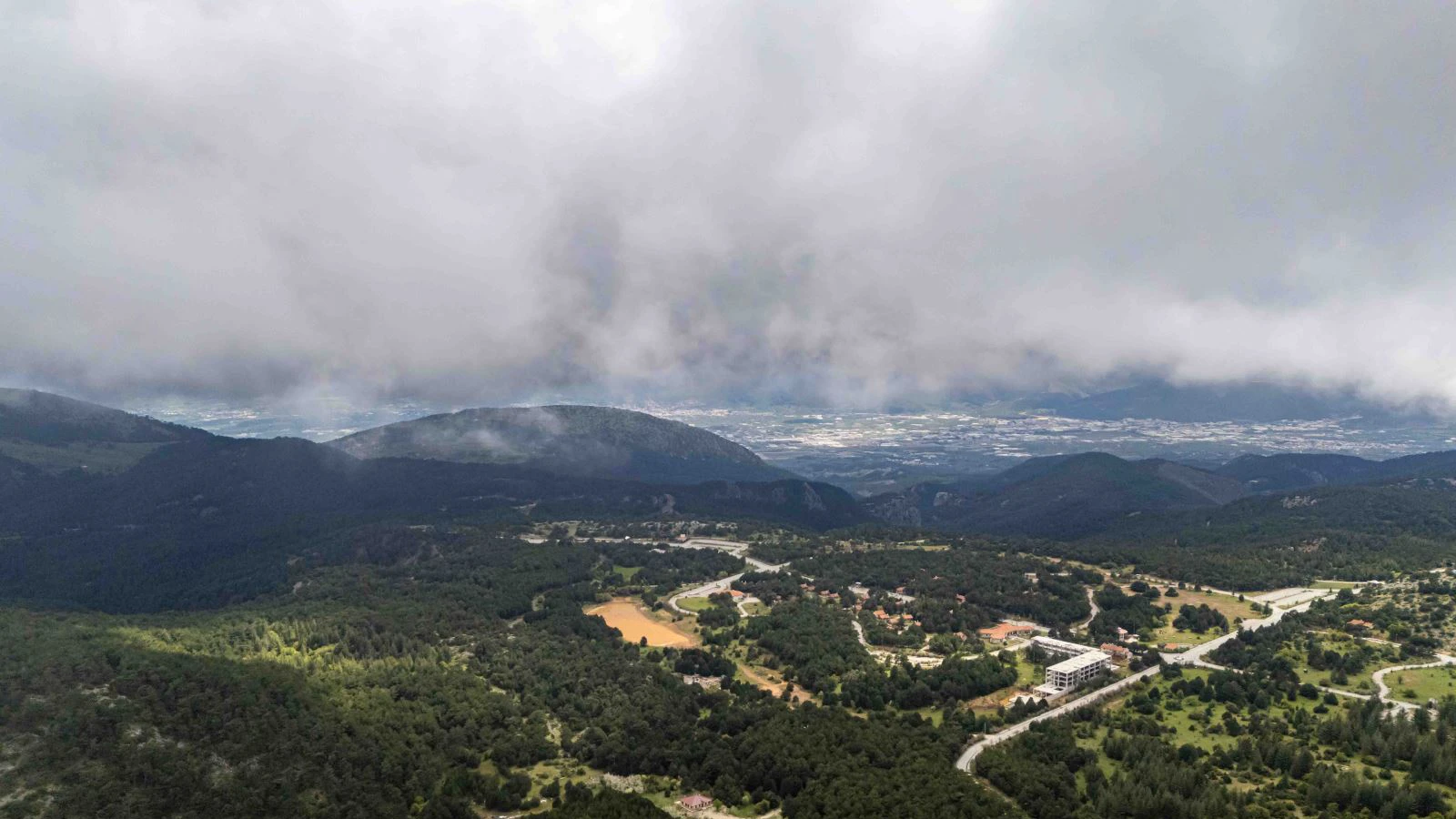
Mount Spil, ancient Mount Sipylus, rises dramatically above Manisa and the Gediz Plain. Its national park brings together forest, rocky terrain, viewpoints and a mythological landscape that has inspired stories for millennia.
The area was designated a national park in 1969. It is popular for mountain outings, picnics and walks, but its most meaningful visits also consider the fragile plant life and the archaeological remains around the slopes.
The mountain is not one single viewpoint. A good trip distinguishes the lower-city landmarks, such as Niobe and the Kybele relief, from the higher recreation areas and any trail you intend to walk.
Open points can reveal Manisa, the Gediz Plain and, in clear conditions, more distant western Anatolian landscapes.
The wild tulip associated with Mount Spil is a celebrated spring flower.
Atalanı has historically served as a principal visitor area with picnic and recreation facilities.
Niobe’s Weeping Rock and the Kybele relief connect the national park landscape to ancient stories and rock-cut heritage.
Essential orientation for an informed visit.
Mount Spil, above Manisa city
National park and mountain landscape
National park since 1969
Manisa Province, western Türkiye
Allow half a day or more
Roads, trails and facilities vary seasonally
Mount Spil shows that Manisa’s history cannot be separated from its topography: the city grew in the shelter of a mountain that also shaped its myths.
The park offers a different pace from museum visits, while encouraging care for protected plants, wildlife and archaeological remains.
Mount Sipylus was associated in antiquity with myths of Niobe, Tantalus and the mother goddess. These stories help explain the enduring cultural prominence of the mountain.
The slopes also contain traces of historic occupation and fortification. Later, Manisa developed as a city beneath the mountain, first as a beylik centre and then as an Ottoman princely seat.
National park designation in 1969 recognised the landscape’s ecological and recreational importance. The famous Spil or Manisa tulip is a protected emblem of the mountain and should never be picked.
The setting of Mount Spil National Park is Mount Spil, above Manisa city. The relationship between the local terrain, historic movement and the surrounding settlements is important when planning a visit.
This national park and mountain landscape is one element of a larger Manisa itinerary. Think about how its surroundings influenced the way people used the place, rather than separating it from the roads, communities and landscape around it.
Open points can reveal Manisa, the Gediz Plain and, in clear conditions, more distant western Anatolian landscapes. Weather and haze affect visibility.
The wild tulip associated with Mount Spil is a celebrated spring flower. Observe it without picking, trampling or leaving approved paths.
Atalanı has historically served as a principal visitor area with picnic and recreation facilities. Check current operating conditions rather than assuming every service is open.
Niobe’s Weeping Rock and the Kybele relief connect the national park landscape to ancient stories and rock-cut heritage.
Manisa's story extends from the Gediz Plain and the slopes of Mount Spil to the Yunt Mountains and the northern districts. Mount Spil National Park adds a particular perspective on this diversity, and its importance is clearer when the surrounding province is considered.
A thoughtful itinerary pairs sites by theme and geography rather than rushing between distant places. See the Manisa travel hub for a broader view of the province's archaeological, natural and Ottoman heritage.
Read the mountain as layers: geology and vegetation, ancient myths, settlement and modern conservation.
A famous local flower is not a souvenir. Avoid collecting bulbs, stones or any archaeological material.
Open points can reveal Manisa, the Gediz Plain and, in clear conditions, more distant western Anatolian landscapes.
The wild tulip associated with Mount Spil is a celebrated spring flower.
Atalanı has historically served as a principal visitor area with picnic and recreation facilities.
Niobe’s Weeping Rock and the Kybele relief connect the national park landscape to ancient stories and rock-cut heritage.
Mountain conditions can differ sharply from the city: bring layers, water and reliable footwear, and check for fog, snow or road restrictions.
Do not rely on outdated information about park cafés, accommodation or picnic facilities. Confirm with the national park administration before travel.
These resources provide historical background or current visitor information. Check directly before travelling, as conditions can change.
Spring brings flowers and greenery; summer is better for early starts; autumn offers mild hiking conditions; winter can bring snow, ice and road restrictions.
For photographs of Mount Spil National Park, start with a wide frame that includes the surroundings. Then choose details that reveal the character of the national park and mountain landscape without obstructing other visitors.
Use only lawful viewpoints and respect people, religious activity, wildlife and protected surfaces. Ask permission for portraits, and do not move or touch historic material for a photograph.
Some recreation areas may be reached by road, but trails and natural viewpoints are uneven. Confirm an accessible lookout or picnic area rather than assuming the park is step-free.
The destination is associated with Mount Spil, above Manisa city. Confirm the actual public entrance or meeting point with an up-to-date map; a generic place pin may not mark the best approach.
For a multi-stop Manisa day, plan transport according to the actual distance between sites. Historic streets, rural roads and mountain access can require more time than a straight-line map suggests.
Greek myth written into the mountainside. Consider the travel time and access arrangements before combining the stops.
An ancient mother-goddess on Mount Spil. Consider the travel time and access arrangements before combining the stops.
A medieval Mevlevi lodge on the mountain slope. Consider the travel time and access arrangements before combining the stops.
The Saruhanid masterpiece on Mount Spil. Consider the travel time and access arrangements before combining the stops.
Mount Spil was declared a national park in 1969.
It is known for its mountain scenery, Manisa tulips, recreation areas and myths linked with Niobe and Kybele.
No. Do not pick wild flowers or disturb protected plants in the national park.
Yes, where routes are open and conditions are suitable. Choose trails according to your experience and check local advice.
Winter mountain conditions can include snow and ice even when the city below is milder.
Yes, with transport and realistic route planning, as both are linked to the Mount Spil landscape.
Follow official paths, barriers and directions; do not enter closed buildings or excavations.
Never touch carved surfaces, collect artefacts or climb fragile masonry.
Ask before photographing residents, worshippers or workers; keep private entrances clear.
Carry away rubbish and avoid disturbing wildlife, vegetation or historic material.
Ask Wow Cappadocia / Venere Travel to design a private, tailor-made route with a licensed guide and suitable vehicle, subject to confirmed access, with no compulsory shopping stops.
Combine heritage, village culture and landscapes at your own pace.
Tell us your dates, group size and interests. We will check access and plan a sensible route.
Request Your Private Programme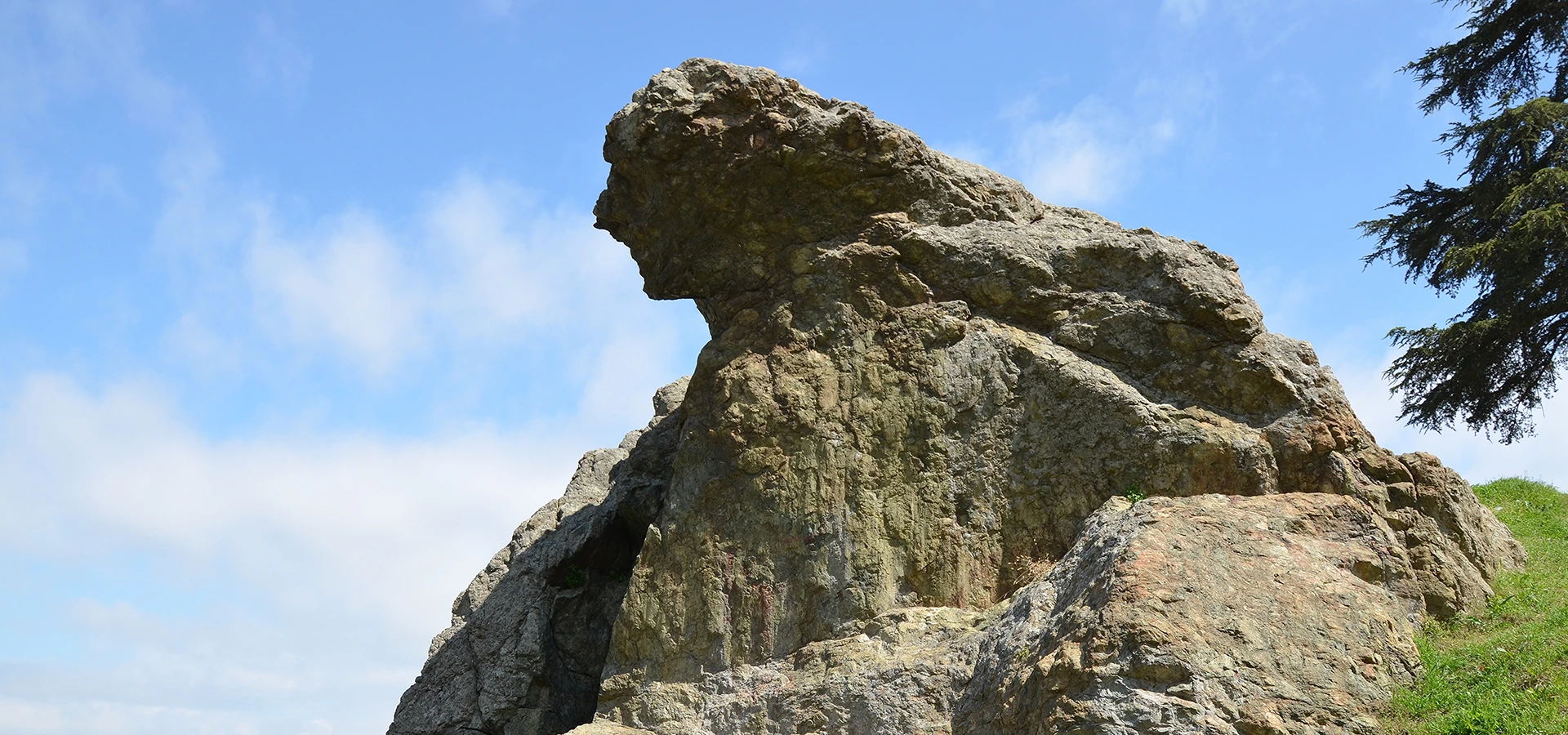
Greek myth written into the mountainside. Continue your journey with a related destination.
Read the Nearby Guide