Tenedos and Imbros
Two Islands with Thousands of Years of History
Bozcaada and Gökçeada stand at the meeting point of Aegean mythology, ancient maritime history, Greek Orthodox heritage and Ottoman history.
The strategic importance of these islands comes directly from geography. Both lie close to the entrance of the Dardanelles, the narrow maritime corridor linking the Aegean and Mediterranean worlds with the Sea of Marmara and ultimately Istanbul and the Black Sea.
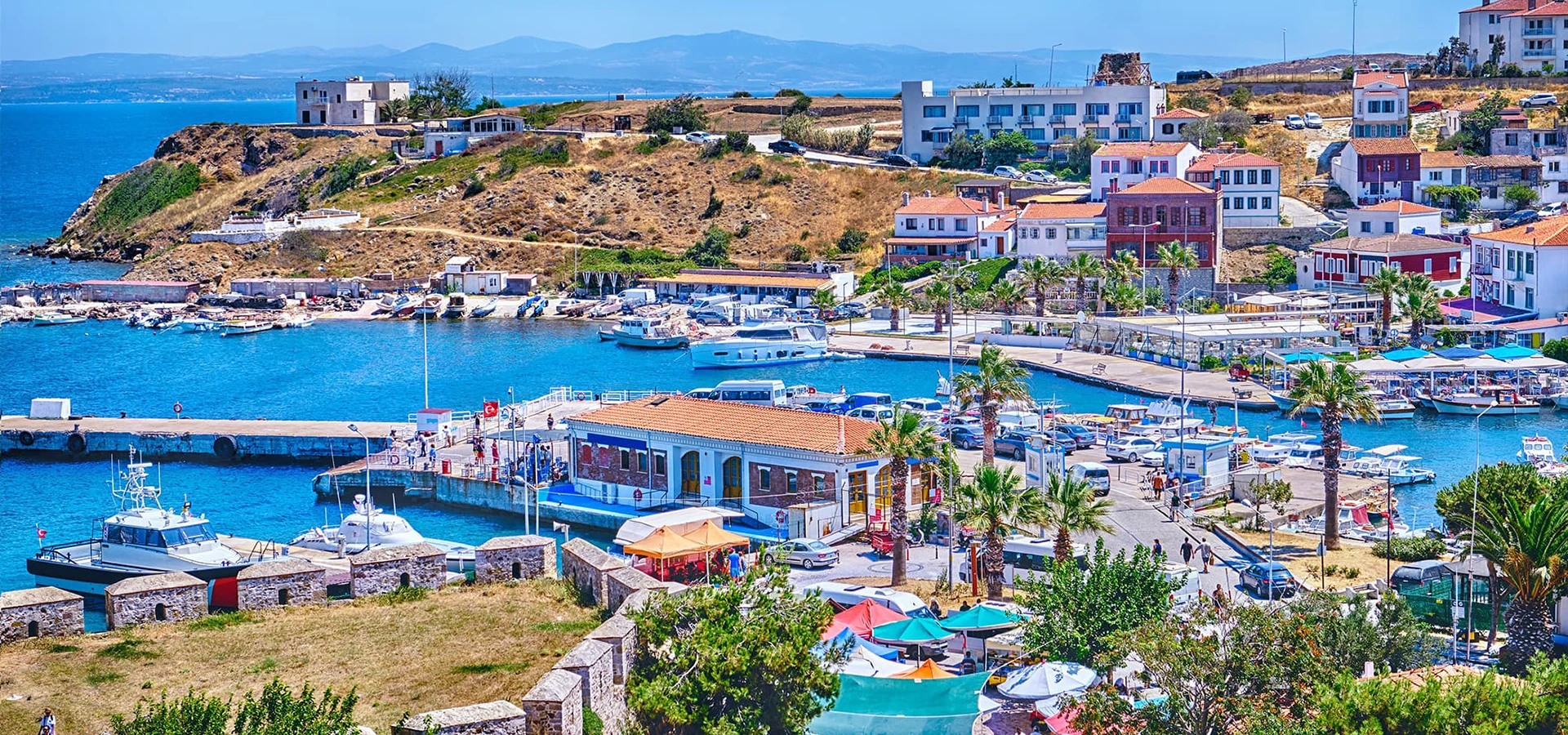
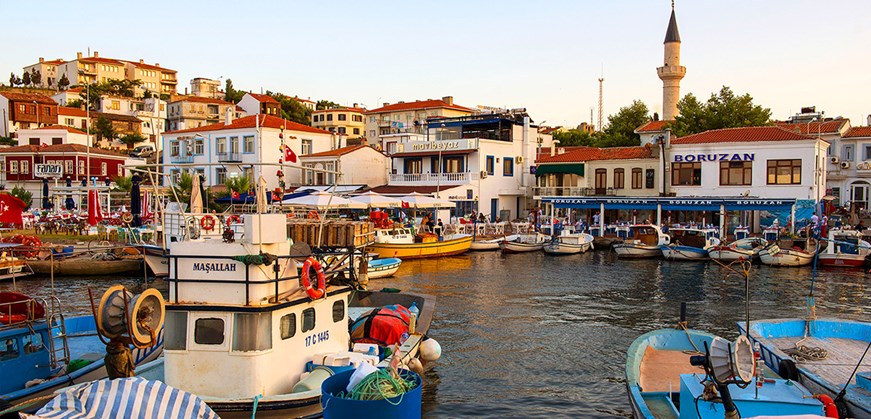
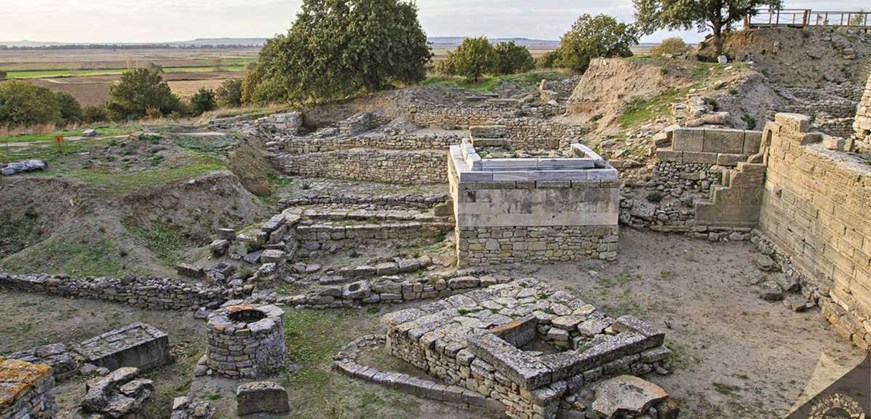
Bozcaada was known to the ancient world as Tenedos. The island appears in ancient literary traditions associated with the Trojan War, making it a fascinating addition to journeys through Troy and the wider region once known as the Troad.
The island changed hands repeatedly over the centuries and was influenced by Greek, Roman, Byzantine, Venetian and Ottoman powers. Its harbour position made it strategically valuable, while viticulture became one of the most enduring elements of island life.
Gökçeada was historically known as Imbros and later İmroz. Imbros also appears in Homer's Iliad, demonstrating that the island formed part of the ancient cultural geography surrounding Troy and the northeastern Aegean.
Gökçeada entered Ottoman rule during the fifteenth century and today preserves a particularly rich cultural landscape. Historic Greek villages, Orthodox churches, fountains, communal laundries and traditional stone houses remain among the island's most evocative features.
This layered history makes the islands especially rewarding when visited together with Troy, Assos, the Dardanelles and Gallipoli. Rather than being isolated holiday destinations, Bozcaada and Gökçeada are integral parts of the historical landscape of northwestern Türkiye.