Private Acarlar Longozu Nature Tour
Ask us about a tailor-made route focused on the floodplain forest, birdlife, water lilies, photography, Karasu and a relaxed nature-oriented pace.
Request a Custom Tour





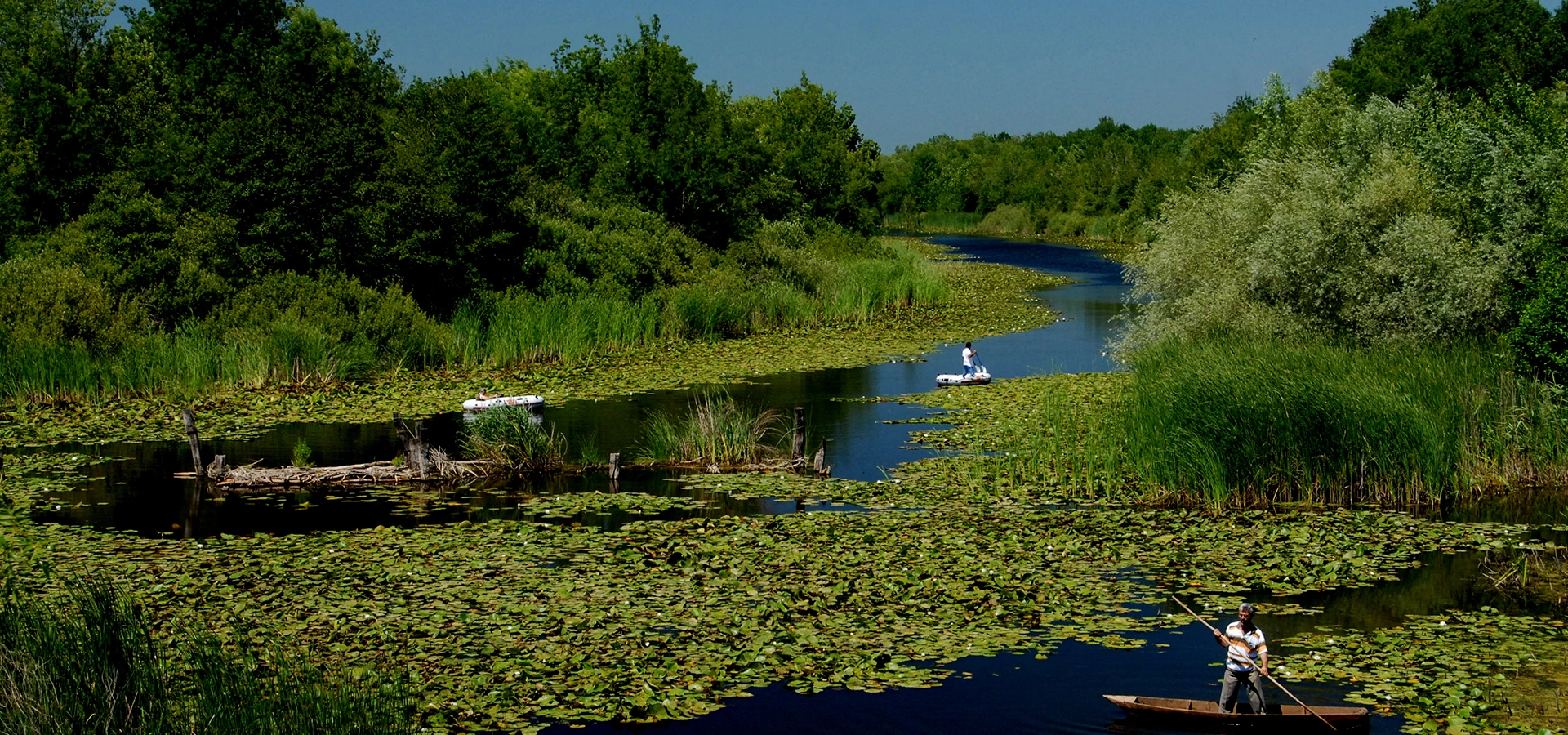
Acarlar Floodplain Forest, known in Turkish as Acarlar Longozu, is one of Sakarya's most distinctive natural landscapes. Located between the districts of Karasu and Kaynarca near the Black Sea, it is a rare floodplain-forest ecosystem where seasonal water, woodland, marsh vegetation and shallow channels merge into a single living wetland.
The longoz is especially known for its flooded woodland, white water lilies, reeds, wetland plants, birdlife and long wooden visitor walkway. The most recent Sakarya Metropolitan Municipality information describes a 1.5-kilometre wooden walking route through the visitor area, allowing people to experience the wetland without leaving the designated path.
Acarlar is not simply a scenic lake. It is a legally protected habitat of national ecological importance. The area is recognized as a Wetland of National Importance, and parts of the wider ecosystem are also protected through natural-site and wildlife-development designations.
For nature travelers, photographers and families exploring northern Sakarya, Acarlar offers a very different experience from the province's mountains, historic towns and conventional lakes: here the landscape changes with water levels, seasons, flowering plants and migration cycles.
See a rare wetland ecosystem where trees, shallow water, reeds and marsh vegetation overlap.
Follow the current wooden visitor walkway through the wetland scenery and water-lily zones.
Municipal biodiversity data records a remarkable variety of resident and migratory birdlife.
Explore carefully within an ecosystem protected for its habitats, wildlife and hydrological value.
Essential information for visiting one of northern Sakarya's most important natural areas.
Between Karasu and Kaynarca districts in northern Sakarya, close to the Black Sea coast.
Open on Google MapsFloodplain forest, shallow wetland, marsh vegetation, reeds, wooded channels and seasonal water.
Wetland of National Importance with additional natural-site and wildlife-development protection.
The current visitor route includes approximately 1.5 km of wooden walkway through the wetland landscape.
Water lilies, flooded trees, reflections, birdlife and the meeting of forest and wetland habitats.
Allow 1.5–3 hours for the boardwalk, photography and a relaxed nature stop.
Acarlar protects an unusual meeting point of forest, freshwater, marshland and migratory-bird habitat.
The defining feature of Acarlar is its longoz ecosystem. The Turkish word "longoz" is used for a floodplain or seasonally inundated forest: a landscape where woodland is periodically flooded and where water level, soil moisture and vegetation are closely linked.
This creates habitats that are very different from a normal forest or an open lake. Trees can stand beside or within shallow water, reeds and aquatic plants occupy wetter zones, and changing water levels influence feeding, breeding and shelter for many species.
Acarlar has long been recognized for conservation. The area has been protected through several legal designations, including first-degree natural-site protection, a Wildlife Development Area, and registration in 2019 as a Wetland of National Importance.
Official sources do not always use exactly the same boundary when describing Acarlar. Figures can refer separately to the core longoz, wildlife-development area or wider nationally important wetland. For travelers, the key point is that the visitor landscape forms part of a much larger and carefully protected ecological system.
For travelers using our guide to places to visit in Sakarya, Acarlar is one of the province's strongest nature stops and an excellent contrast to Sapanca Lake and the historic streets of Taraklı.
A longoz is not simply a forest beside water. Its ecology depends on periodic flooding, high groundwater and soils that remain wet for part of the year. Water enters low-lying areas, spreads through woodland and creates shallow pools, channels and marshy zones between the trees.
During wetter periods, the landscape can appear almost lake-like, with tree trunks rising from water and reflections extending deep into the forest. As water levels fall, exposed ground and shallow margins become available to different plants, invertebrates, birds and other animals.
This seasonal rhythm is one reason floodplain forests support high biodiversity. Aquatic habitat, woodland shelter, open water, reeds, mud, shallow edges and drier ground can all exist within a relatively small area.
Water levels rise and fall through the year, changing the appearance and ecology of the longoz.
Trees adapted to moist soils form the structural heart of the floodplain forest.
Calm pools and channels create habitat for aquatic plants, fish, amphibians and feeding birds.
Reeds and moisture-loving plants occupy transitions between forest and open water.
No two visits look exactly the same because water levels, flowering and bird activity are seasonal.
Changes to drainage, water quality or surrounding land use can affect the entire ecosystem.
Acarlar has received several layers of conservation recognition. Official records state that the longoz was placed under first-degree natural-site protection in 1998, reflecting the sensitivity of its floodplain forest and wetland habitats.
The area also has a long history of wildlife protection. A section was first designated for the protection of pheasants and water birds in the 1970s, and the wider zone later became the Sakarya–Kaynarca–Acarlar Lake Wildlife Development Area. The protected wildlife boundary was revised again in 2022.
In 2019, Acarlar Gölü Longoz Ormanı was registered as a Wetland of National Importance. This status emphasizes not only visible scenery but also water regime, breeding habitat, migration value and the ecological relationship between forest and wetland.
First-degree natural-site protection was formally recorded for the longoz ecosystem.
The landscape is also protected through the Acarlar Lake Wildlife Development Area.
Acarlar Gölü Longoz Ormanı was registered as a Wetland of National Importance.
Official nature-tourism records note a revised wildlife-development boundary of 2,752 hectares.
The conservation value extends well beyond the visitor walkway and social facilities.
Access should always follow designated routes, barriers, local rules and conservation guidance.
Acarlar's appearance is closely tied to rainfall, groundwater and seasonal water movement. The wetland expands during wetter periods and can contract significantly during drier months. This natural fluctuation is fundamental to the character of a floodplain forest.
Visitors therefore should not expect the same water depth or flooded-tree scenery in every season. A spring visit may show broad reflective surfaces and saturated woodland, while late summer can reveal more vegetation and exposed wetland margins.
The contrast is part of the experience. Rather than treating lower water as meaning the longoz has "disappeared," it is better to understand Acarlar as a living system that passes through different hydrological phases.
Higher water can produce classic flooded-forest views, reflections and wider wetland surfaces.
Fresh vegetation, bird activity and higher moisture often make this one of the richest periods to visit.
Water lilies and dense green vegetation become major visual highlights.
Water levels may be lower and marsh vegetation can become more prominent.
Changing leaf tones add another layer of color to the wetland landscape.
Conditions can change quickly; boardwalk surfaces may be wet and local access rules should be followed.
Acarlar is botanically interesting because woodland and wetland vegetation overlap. Official nature-conservation descriptions highlight species such as ash, alder and willow, trees strongly associated with damp ground and floodplain conditions.
The lower and wetter zones support reeds, marsh plants and aquatic vegetation, while water surfaces can become covered with floating leaves and flowering lilies. The resulting layers — tree canopy, shrubs, reeds, open water and floating plants — create a complex habitat rather than a single uniform forest.
Recent Sakarya Metropolitan Municipality biodiversity information reports 74 plant families, 187 genera and 226 taxa, including three endemic species. Numbers may vary between inventories and survey periods, but all sources agree that the longoz supports unusually rich vegetation.
A characteristic component of the wet woodland surrounding and entering flooded areas.
A moisture-loving tree associated with wet soils and riparian environments.
Common around wet margins where roots tolerate saturated ground and changing water levels.
Dense reed beds provide shelter, nesting cover and habitat along shallow wetland margins.
Floating and submerged vegetation adds both ecological value and seasonal color.
Municipal biodiversity data records three endemic plant species within the ecosystem.
For many visitors, the most memorable summer image of Acarlar is the water-lily-covered channels. Broad floating leaves spread across calm water while white flowers appear between reflections of forest and sky.
Water lilies are more than a photographic attraction. They are part of the aquatic plant community and provide shade, cover and habitat structure at the water surface. Their presence helps reveal how biologically rich the transition is between open water and forest.
Flowering intensity depends on season, temperature, water conditions and year-to-year variation. Visitors planning a trip specifically for lilies should therefore treat photographs from previous years as inspiration, not a guarantee that every channel will look identical.
Late spring and summer usually offer the strongest chance of seeing active aquatic vegetation and flowers.
Calm conditions can produce excellent reflections and softer contrast for photography.
The designated walking route gives several perspectives across water-lily and reed zones.
Leave flowers and aquatic plants untouched; they belong to a protected wetland ecosystem.
A telephoto lens helps isolate flowers without leaning over barriers or leaving the path.
Water level and flowering conditions can change substantially from one visit to another.
Acarlar is important for birdlife because it combines shallow water, dense vegetation, trees, reeds and relatively sheltered wetland habitat. These different environments provide feeding, resting, nesting and stopover opportunities.
Recent Sakarya Metropolitan Municipality information reports 215 bird species associated with the area. Older official sources also emphasize the presence of water birds and pheasants, which were among the reasons parts of Acarlar received wildlife protection decades ago.
The wider ecosystem also supports mammals, reptiles and freshwater fish. Municipal biodiversity figures report 36 mammal species, 22 reptile species and 6 fish species. Official conservation descriptions mention animals such as fox, wild boar, weasel, squirrel and several freshwater fish.
Recent municipal data records a very high diversity of resident and migratory birdlife.
Shallow water and reed margins create productive feeding and resting areas.
Floodplain trees add a second habitat layer beyond the open wetland.
Foxes, wild boar, squirrels and other mammals occur in the wider protected landscape.
Official records include species such as catfish, pike, carp and rudd.
Low voices and slow movement improve wildlife sightings while reducing disturbance.
The wooden walkway is the easiest and most responsible way to experience Acarlar. It carries visitors through the wetland landscape without requiring them to step onto saturated ground, enter reed beds or disturb the flooded forest.
The most recent Sakarya Metropolitan Municipality update, published in September 2026, describes a 1.5-kilometre wooden walking route surrounded by water channels, lilies, vegetation and bird sounds.
Earlier municipal reports described longer walkway figures during renovation phases. Because route lengths can change with maintenance, redesign or which sections are counted, the current 1.5-kilometre figure is the most useful one for present-day trip planning.
Current municipal information describes approximately 1.5 km of wooden visitor walkway.
The route provides close wetland views without requiring hiking through difficult terrain.
Openings along the route reveal water, lilies, reeds and flooded woodland from different angles.
The visitor route is easier than a conventional hiking trail, though supervision of children remains important.
Wood can become slippery after rain or in humid conditions; wear shoes with reliable grip.
Do not climb rails, step into the wetland or leave the designated route for photographs.
The main visitor area has been improved in recent years with facilities designed to concentrate tourism at the edge of the protected wetland rather than disperse activity across sensitive habitat.
Sakarya Metropolitan Municipality reports facilities including a café, local-product sales area and souvenir unit near the visitor entrance. The area has also received landscaping and maintenance improvements.
These facilities make Acarlar suitable for a relaxed nature stop, but the longoz should still be approached primarily as a protected ecosystem rather than an amusement area. Services, operating hours and individual units can change seasonally.
A municipal social facility operates in the visitor area; seasonal hours can vary.
Look for regional products sold through designated visitor facilities.
A small visitor-oriented retail unit forms part of the developed entrance zone.
Use established seating and visitor zones rather than creating informal picnic spots inside wetland habitat.
Visitor facilities are available in the managed entrance area; accessibility can vary by unit.
Opening times and individual services may change outside peak periods or during maintenance.
Acarlar rewards slow observation rather than a rushed checklist. The main experience is walking the boardwalk and watching how water, trees, reeds, lilies, reflections and wildlife change from one section to another.
Follow the 1.5-kilometre wooden route through the main visitor zone.
Look for floating leaves and white flowers during the warmer flowering season.
Pause in quieter sections and use binoculars rather than approaching wildlife.
Notice how tree trunks, reeds and open water occupy different moisture zones.
Calm mornings can create mirror-like surfaces between the trees and aquatic plants.
Support designated local sales facilities after completing the nature walk.
Continue toward the Black Sea coast, Sakarya River mouth or other northern Sakarya landscapes.
Return in another season to see how water level, leaves and wetland color transform the same viewpoints.
The main visitor route is straightforward, but wetland conditions are different from an ordinary urban park. Humidity, insects, slippery wooden surfaces and seasonal crowds are worth planning for.
Morning usually offers quieter walking, better bird activity and softer photography light.
Wooden surfaces can become slippery after rain, dew or heavy humidity.
Mosquitoes and other insects are natural in wetland environments, especially in warm weather.
Summer humidity can make the walk feel warmer than the temperature suggests.
Birds are easier to enjoy from a respectful distance with binoculars or a long lens.
Keep the soundscape natural for wildlife and other visitors.
Heavy rain, strong wind or maintenance can affect comfort and access.
The longoz changes seasonally; photographs taken in spring may look very different from late summer conditions.
Begin at the main visitor entrance and take a few minutes to understand the layout, current access rules and any temporary closures before entering the boardwalk.
Walk slowly along the wooden route. The first sections introduce reeds and open water, while later viewpoints reveal stronger combinations of wet woodland, floating vegetation and reflections.
If you are interested in birds, stop periodically rather than walking continuously. Bird calls often reveal activity before you can see it. For photography, leave enough space for other visitors to pass safely.
After completing the boardwalk, return to the managed visitor area for a drink, rest or local-product stop. You can then continue toward Karasu, the Black Sea coast, the Sakarya River mouth or another northern Sakarya destination.
Acarlar has a developed visitor entrance and a defined walking route, but it remains part of a protected wetland. The practical experience can therefore change with maintenance, weather, water conditions and conservation requirements.
The latest municipal information confirms that the longoz continues to receive large numbers of visitors and that its wooden walking route and social facilities are actively maintained. Even so, travelers making a special journey should check current local conditions before departure.
There is no single "correct" season for Acarlar. The best period depends on whether you want higher water, water lilies, bird activity, lush greenery or autumn color.
Excellent for fresh vegetation, active birdlife and a strong wetland atmosphere after the wetter season.
One of the best periods for green scenery, aquatic plants and water-lily photography.
Beautiful but busier, warmer and more humid; arrive early for a calmer experience.
Changing leaf tones, softer light and fewer peak-season visitors can create atmospheric photography.
Higher moisture and quiet conditions reveal the longoz as a hydrological landscape rather than a summer attraction.
Usually best for birds, reflections, comfortable temperatures and fewer people.
A fast visit for part of the boardwalk and a few scenic viewpoints.
Enough for a comfortable boardwalk walk with regular stops for photographs.
Best for birdwatching, slow photography and time at the visitor facilities.
Combine the longoz with Karasu coast, the Sakarya River mouth or another nearby nature stop.
Create a wider northern Sakarya route including wetland, coast, river scenery and local food.
A second season can look dramatically different because water levels and vegetation change through the year.
Acarlar is one of Sakarya's strongest nature-photography locations because the scenery works at several scales: wide wetland landscapes, tree reflections, water-lily details, birdlife, reeds and intimate patterns in the flooded forest.
Calm water and low-angle light can create clean reflections between trees and lilies.
Use a longer focal length to isolate flowers without crossing barriers or disturbing vegetation.
Curves and railings can lead the eye naturally through wetland compositions.
A telephoto lens allows respectful distance and reduces pressure on wildlife.
Soft cloud cover can reduce harsh reflections and reveal richer greens in the forest.
No photograph is worth damaging protected vegetation or entering sensitive wetland habitat.
Compared with rugged hiking areas, Acarlar's wooden visitor route makes parts of the wetland relatively easy to experience. However, exact accessibility depends on the current condition of ramps, boardwalk transitions, entrances and visitor facilities.
The boardwalk is generally easier than natural forest trails, but individual gradients may vary.
Confirm current ramp, surface, toilet and entrance conditions before a dedicated accessibility visit.
The boardwalk can be suitable for many strollers, though busy periods and wet surfaces may slow movement.
Use established visitor facilities and seating areas when available.
Rain and humidity can make wooden surfaces more slippery for visitors with limited mobility.
Local staff can advise on temporary closures, route conditions and the easiest current access.
Acarlar lies in northern Sakarya between Karasu and Kaynarca, close to the Black Sea coastal belt. The main visitor access is associated with the Denizköy side of the wetland.
The longoz is around 60 km from central Sakarya; exact travel time depends on route and traffic.
Acarlar is an easy addition to a northern Sakarya itinerary combining wetland and Black Sea scenery.
Approach through the rural road network west and south of the longoz, following current navigation guidance.
A day trip is possible by private vehicle, but traffic makes an early departure strongly advisable.
The most flexible option for combining Acarlar with Karasu, Yenimahalle, Maden Deresi or other northern stops.
Regional transport can require connections; verify current routes and final access before travelling without a car.
Acarlar works especially well as part of a northern Sakarya nature route. Use our complete Sakarya visitor guide to connect the wetland with Black Sea beaches, river scenery, forests and cultural stops.
Continue to the Black Sea for broad beaches, sea views and a complete contrast to the enclosed wetland landscape.
See the area where the Sakarya River reaches the Black Sea and enjoy river-and-coast scenery.
Combine the longoz with a forested valley, streams and one of northern Sakarya's classic nature excursions.
Add a cultivated landscape stop to a route otherwise focused on wild wetland and coastal ecosystems.
Compare Acarlar's flooded forest with a more open lake-and-woodland recreation landscape near Adapazarı.
Continue southwest for a larger freshwater lake framed by forested mountains and well-developed visitor areas.
Balance nature with Ottoman houses, historic streets, Yunus Paşa Mosque and traditional small-town atmosphere.
Discover wetlands, lakes, Byzantine bridges, plateaus, waterfalls, Black Sea beaches and local food across the province.
Acarlar Longozu lies in northern Sakarya Province between the districts of Karasu and Kaynarca, close to the Black Sea.
It is a protected floodplain-forest and wetland ecosystem where seasonal water, woodland, reeds, marsh vegetation and shallow channels occur together.
Longoz is the Turkish term commonly used for a floodplain or seasonally flooded forest whose ecology depends on periodic inundation and high groundwater.
Yes. It is one of Sakarya's most distinctive nature destinations and is particularly rewarding for wetland scenery, water lilies, birdwatching and photography.
Yes. It has natural-site and wildlife protection and was registered as a Wetland of National Importance in 2019.
The latest Sakarya Metropolitan Municipality information from September 2026 describes a wooden walking route of approximately 1.5 kilometres.
Earlier renovation reports used longer figures. Routes and measurement methods can change, so the current municipal figure is the best one to use for present-day planning.
Official sources use different figures because they refer to different boundaries, including the core longoz, wildlife-development area and wider protected wetland. The core longoz is commonly cited at roughly 1,562 hectares.
Different official sources use different ranking definitions. Nature-conservation authorities describe Acarlar as Türkiye's second-largest longoz after İğneada, while some municipal material describes it as the largest or longest single-piece floodplain forest. It is safest to describe Acarlar as one of Türkiye's largest and most important longoz ecosystems.
Acarlar Gölü Longoz Ormanı was registered as a Wetland of National Importance on 7 February 2019.
Official sources particularly mention ash, alder and willow, together with other moisture-loving woodland vegetation.
Yes. Water lilies are one of the wetland's best-known seasonal sights, especially during the warmer flowering period.
Late spring and summer usually offer the strongest chance, but flowering depends on annual water and weather conditions.
Yes. Recent municipal biodiversity information records 215 bird species associated with the area.
The wider ecosystem supports freshwater fish, reptiles and mammals including fox, wild boar, weasel and squirrel, among many other species.
Visitors experience the main wetland through the designated wooden boardwalk. Do not leave the path or enter sensitive flooded areas.
Older tourism sources mention boat and pedal-boat activities, but protected-area rules and available services can change. Do not assume water access is operating; follow current on-site guidance.
Allow around 1.5–3 hours for a relaxed walk, photography and time at the visitor facilities.
Spring and early summer are excellent for greenery, birds and aquatic plants, while autumn offers softer light and changing forest color.
Early morning is usually best for quieter conditions, bird activity, comfortable temperatures and reflections.
Yes. The boardwalk makes the main visitor area relatively easy to explore, but children should remain supervised around water and railings.
Parts of the boardwalk-based visitor route may be suitable, but ramp conditions, transitions and facilities should be confirmed locally before a dedicated accessibility visit.
Yes. The managed visitor area includes a café, local-product sales and visitor-service units, though hours may vary seasonally.
Yes, insects are a normal part of wetland environments. Repellent and light protective clothing can be useful in warm weather.
No. Acarlar is a protected wetland. Leave flowers, branches, aquatic plants and all natural material where they are.
Do not assume drone use is permitted in a protected wildlife area. Check current official rules and obtain any required permission before flying.
Yes, particularly by private vehicle, but allow extra time for Istanbul traffic and consider combining the longoz with Karasu or another northern Sakarya stop.
Good combinations include Karasu, the Sakarya River mouth at Yenimahalle, Maden Deresi, Poyrazlar Lake, Sapanca Lake and Taraklı.
Never enter reed beds, flooded ground or forest areas outside designated visitor routes.
Water lilies and wetland vegetation are part of a protected ecosystem, not souvenirs.
Quiet visitors have better wildlife encounters and cause less disturbance to birds and mammals.
Feeding changes natural behavior and can damage the ecological balance of the wetland.
Use designated bins and never leave food packaging, cigarette ends or plastic in the wetland environment.
Railings and restricted zones protect both visitors and sensitive habitat; do not cross them for photographs.
Do not approach nests, flush resting birds or play recorded bird calls repeatedly.
Protected-area regulations can change with season, fire risk, maintenance or conservation needs.
Combine Acarlar's floodplain forest, wooden boardwalk, birdlife and water-lily scenery with northern Sakarya's Black Sea coast, river landscapes and other natural attractions through a private route shaped around your interests.
Choose a focused half-day visit or a full-day private route combining wetland ecology, photography, birdwatching, coastal scenery and nearby natural stops.
Ask us about a tailor-made route focused on the floodplain forest, birdlife, water lilies, photography, Karasu and a relaxed nature-oriented pace.
Request a Custom Tour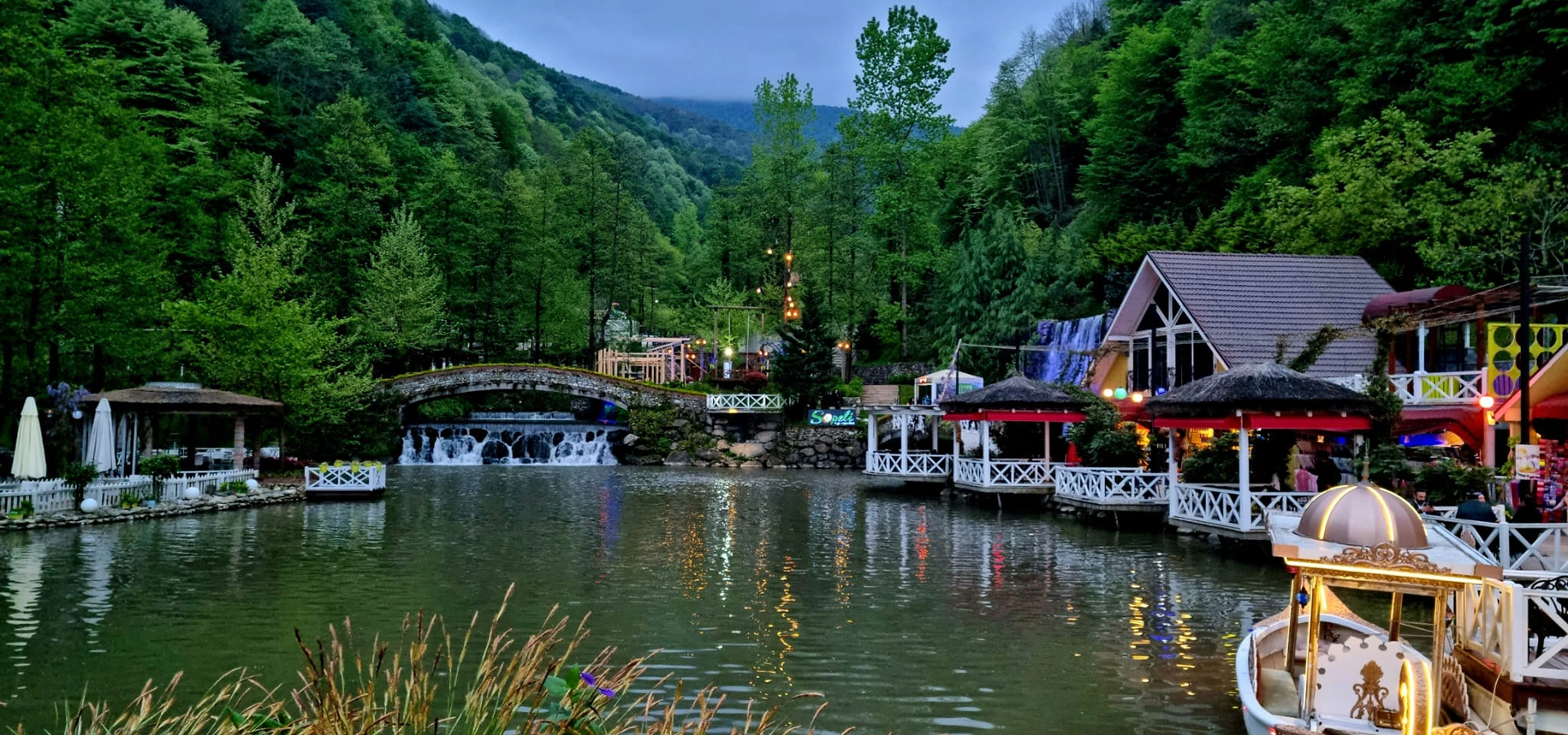
Discover floodplain forests, lakes, Byzantine bridges, waterfalls, mountain landscapes, Black Sea beaches, historic towns and local food across Sakarya Province.
View Sakarya GuideConnect Acarlar with Sakarya's lake landscapes and historic inland towns.
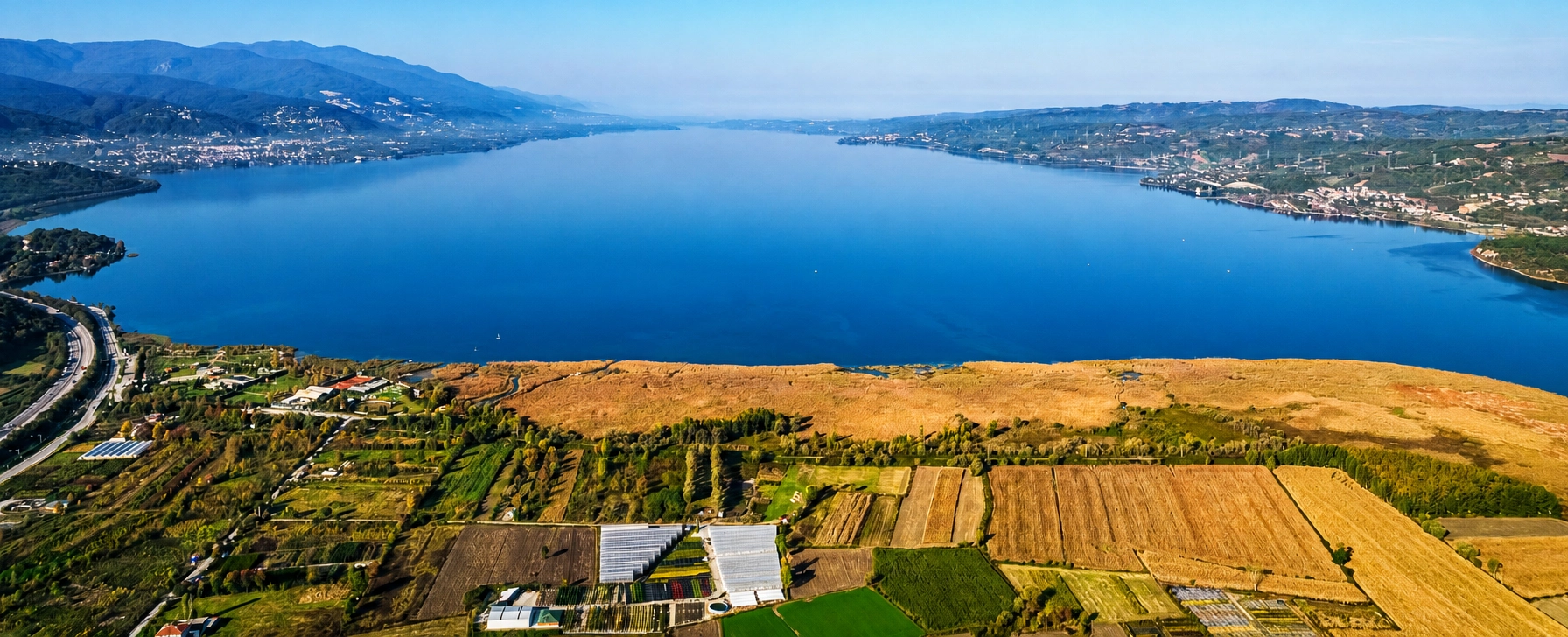
Continue southwest for freshwater scenery, forested mountains, lakeside walking and one of Sakarya's best-known natural escapes.
Explore Sapanca Lake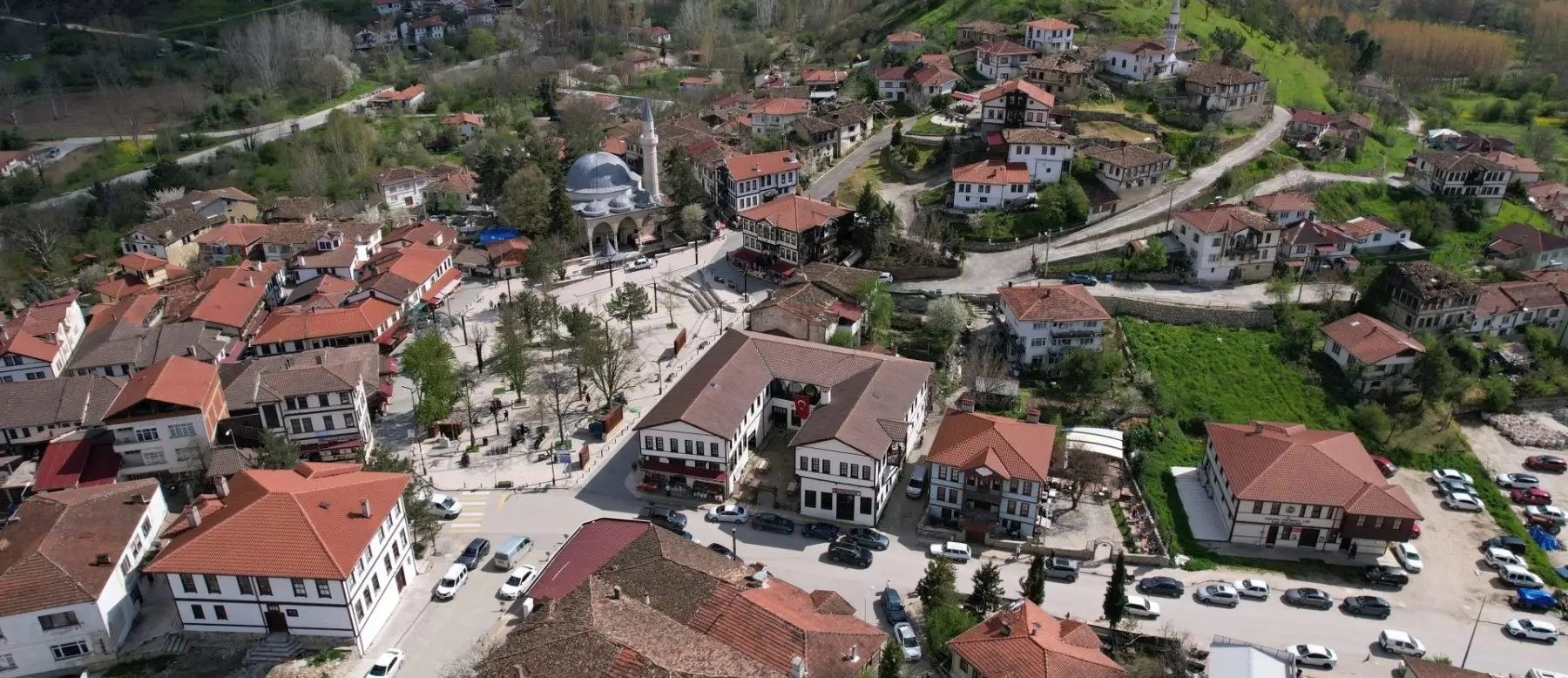
Continue inland for traditional Ottoman houses, historic streets, Yunus Paşa Mosque and one of Sakarya's strongest cultural experiences.
Explore Taraklı