A Golden Dessert for Şanlıurfa’s Special Occasions

Urfa Zerdesi – Complete Dessert Guide

Discover rice, sugar, fragrant haspir flowers, optional rose water,
and a treasured Şanlıurfa dessert served at weddings, festivals, and family celebrations.

Discover Urfa Zerdesi

Discover the Golden Zerde Dessert of Şanlıurfa

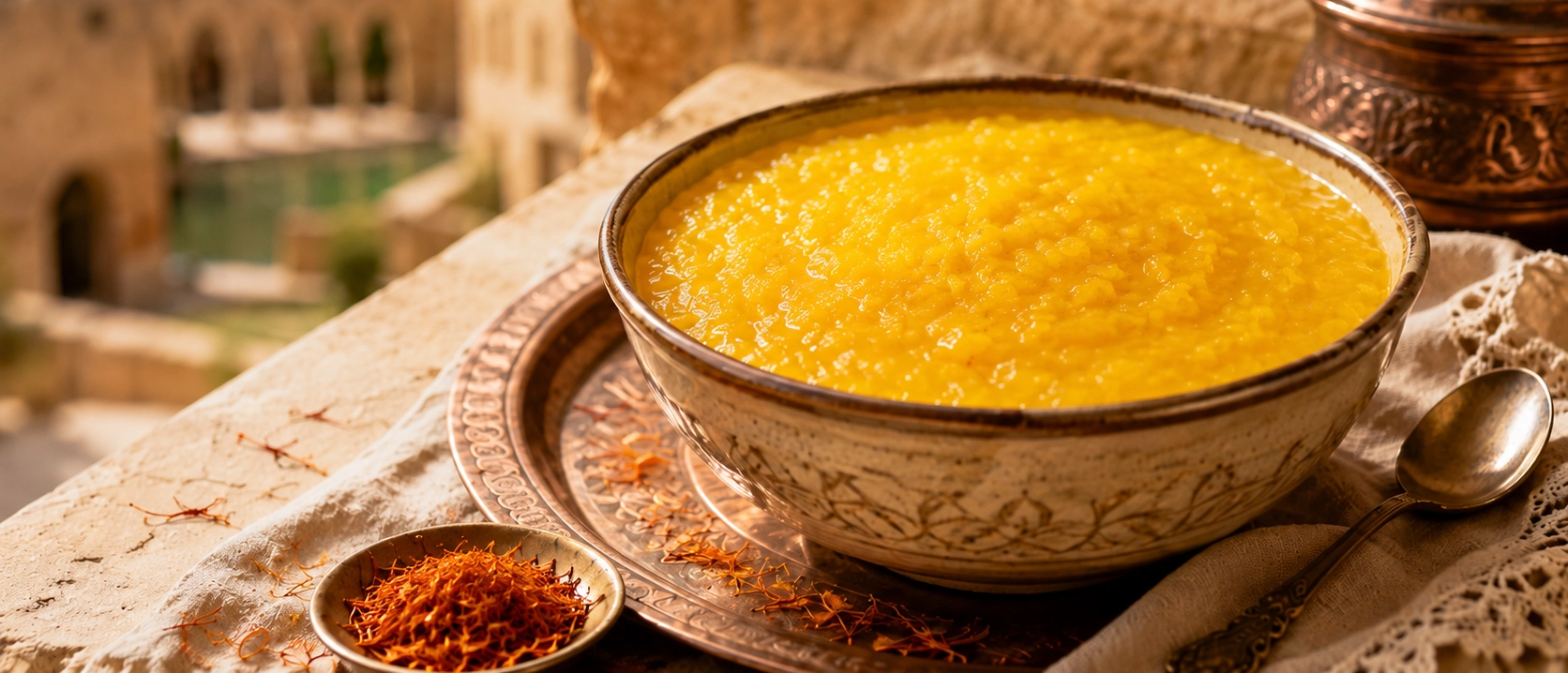
Urfa Zerdesi, also registered as Şanlıurfa Zerdesi, is a traditional rice-based dessert prepared with rice, granulated sugar, water, and the petals of the haspir flower, known botanically as Carthamus tinctorius L. The safflower petals give the dessert its characteristic golden colour and delicate regional aroma. Rose water or a very small amount of rose oil may also be added according to preference.

Urfa Zerdesi is closely connected with Şanlıurfa’s ceremonial food culture. It is traditionally offered at weddings, engagements, circumcision celebrations, pilgrimage meals, religious holidays, and other important gatherings. Historical records from nineteenth-century Urfa also mention zerde among foods distributed through charitable foundations. This complete guide explains its ingredients, registered preparation method, use of haspir, medium consistency, traditional presentation, geographical-indication status, cultural meaning, visitor tips, and the best way to experience Şanlıurfa’s celebrated dessert traditions.

Rice and Sugar

A simple base of rice, water, and granulated sugar creates the soft texture and gentle sweetness of the dessert.

Haspir Flowers

Safflower petals provide the golden colour and aroma that distinguish Urfa Zerdesi from similar desserts.

Special Occasions

Traditionally served at weddings, engagements, circumcisions, pilgrimage meals, holidays, and communal gatherings.

Protected Heritage

Registered as a geographical indication associated with Şanlıurfa and its living culinary traditions.

Know Before You Taste

Urfa Zerdesi – Quick Facts

Essential information about one of Şanlıurfa’s most meaningful ceremonial desserts.

📍

Origin

Şanlıurfa in southeastern Türkiye, where zerde is strongly associated with celebrations and traditional hospitality.

Open Şanlıurfa on Google Maps
🌼

Signature Ingredient

Haspir, or safflower petals, gives the dessert its characteristic golden colour and regional aroma.

🍚

Dessert Style

A water-based rice dessert sweetened with granulated sugar and cooked to a medium consistency.

🏅

Geographical Indication

Registered by TÜRKPATENT as Urfa Zerdesi (Şanlıurfa Zerdesi) with registration number 296.


A Dessert of Celebration

The Culinary Tradition of Urfa Zerdesi

Discover why this golden rice dessert has remained an important part of Şanlıurfa’s social and ceremonial life.

Şanlıurfa’s food culture is shaped not only by everyday meals but also by the dishes prepared for major moments in family and community life. Weddings, engagements, circumcision celebrations, religious holidays, pilgrimage meals, and charitable gatherings traditionally bring large groups of people together around shared tables.

Within this culture, Urfa Zerdesi became a recognised celebration dessert. Its bright golden appearance gives the table a festive character, while its rice, sugar, flower petals, and optional rose fragrance create a dessert that can be prepared in generous quantities for many guests.

The dessert is particularly distinguished by the use of locally associated haspir flower petals. Haspir is safflower, not saffron. Its petals release colour and aroma into hot water, producing the warm yellow-orange tone associated with authentic Urfa Zerdesi.

Historical references strengthen the dessert’s connection with the city. Records concerning foundations established in Urfa between 1845 and 1899 mention zerde among the foods offered through charitable and communal traditions.

The preparation appears simple, but the final result depends on experience. The rice must soften correctly without completely losing its identity, the sugar must be balanced, the haspir infusion must be properly strained, and the dessert must reach a medium consistency before being transferred into bowls to cool.

The official geographical-indication registration protects this recognised preparation and helps preserve the relationship between the dessert, the haspir flower, Şanlıurfa’s ceremonial meals, and the region’s inherited culinary knowledge.


What Makes It Special

Distinctive Features of Urfa Zerdesi

The dessert’s identity comes from its rice base, safflower petals, medium consistency, restrained ingredient list, and ceremonial role.

Rice-Based Texture

Rice forms the body of Urfa Zerdesi. It is cooked in water until tender and then gently simmered with sugar, creating a soft dessert that remains lighter and more fluid than many milk-based rice puddings.

  • Main ingredient: Rice
  • Cooking liquid: Water
  • Texture: Soft and medium-bodied

Haspir Flower Petals

Haspir, botanically identified as Carthamus tinctorius L., is the defining regional ingredient. Its petals are infused or boiled in hot water before the coloured liquid is strained into the dessert.

  • English name: Safflower
  • Part used: Flower petals
  • Purpose: Colour and aroma

Natural Golden Colour

The yellow-orange colour should come from the haspir infusion. This natural colouring method gives the dessert its celebratory appearance and distinguishes the Urfa preparation.

  • Colour source: Haspir petals
  • Appearance: Golden yellow to warm orange
  • Character: Bright and festive

Optional Rose Fragrance

Rose water or a very small amount of rose oil may be added after the dessert reaches the correct consistency. The rose aroma is optional and should remain delicate rather than overpowering.

  • Option one: One coffee cup of rose water
  • Option two: One drop of rose oil
  • Timing: Added near the end

Medium Consistency

Authentic Urfa Zerdesi is neither completely liquid nor excessively firm. It is cooked until the rice and sweetened liquid form a balanced, spoonable, medium consistency.

  • Not too thin: It should hold gently in the bowl
  • Not too firm: It remains soft and moist
  • Serving: Cooled before presentation

A Restrained Ingredient List

The registered method relies on rice, sugar, water, and haspir, with rose water or rose oil as an optional addition. Its identity comes from technique and balance rather than complicated flavourings.

  • Base: Rice, water, and sugar
  • Signature: Haspir petals
  • Optional: Rose fragrance

No Nuts or Fruit

Under the registered specification, nuts and fruit should not be used during production or as decoration. This is an important point because many other regional zerde presentations may include elaborate garnishes.

  • No nuts: Not used in preparation or decoration
  • No fruit: Not used in preparation or decoration
  • Presentation: Simple and traditional

A Ceremonial Dessert

Urfa Zerdesi is closely associated with collective hospitality. Preparing and sharing it at important gatherings expresses generosity, celebration, remembrance, and connection between generations.

  • Occasions: Weddings and engagements
  • Religious gatherings: Holidays and pilgrimage meals
  • Community role: Shared hospitality

Urfa Zerdesi’s Geographical Indication

Urfa Zerdesi, also officially named Şanlıurfa Zerdesi, is registered by the Turkish Patent and Trademark Office as a geographically indicated product associated with Şanlıurfa.

Registration Name

The official registered name is Urfa Zerdesi (Şanlıurfa Zerdesi).

Registration Number

The dessert carries geographical-indication registration number 296.

Registration Type

It is protected as a mahreç işareti, a geographical indication connected with regional reputation and traditional production.

Registration Date

The geographical indication was registered on 27 December 2017.

Application Number

The official application file number is C2017/089.

Registered Institution

The registration was obtained by the Şanlıurfa Chamber of Commerce and Industry.


The registered specification identifies rice, granulated sugar, haspir flower petals, optional rose water or rose oil, medium consistency, and the absence of artificial sweeteners, nuts, and fruit as important elements of the recognised product.

The geographical indication also records the dessert’s strong reputation in Şanlıurfa, its historical presence, and the skill required to prepare, cook, cool, and present it correctly.

Ingredients Used in Urfa Zerdesi

The registered production method uses a small number of ingredients. The following proportions form the traditional reference recipe.

Rice

One cup of rice, carefully sorted and washed before cooking.

Granulated Sugar

Approximately 2 to 2.5 cups of granulated sugar, added after the rice has begun to soften.

Haspir Flowers

One pinch or small handful of safflower petals used to prepare the characteristic golden infusion.

Cooking Water

Approximately 4 to 5 cups of water, adjusted according to the type and absorption of the rice.

Haspir Infusion Water

Approximately one additional cup of hot water is used to extract the colour and aroma from the petals.

Optional Rose Aroma

One coffee cup of rose water or one drop of rose oil may be added near the end of cooking.


What Is Not Used in the Registered Preparation?

Artificial Sweetener The recognised preparation uses granulated sugar rather than artificial sweeteners
Nuts Nuts should not be included during preparation or used as decoration
Fruit or Dried Fruit Fruit and dried fruit should not be added to the dessert or placed on top
Milk The traditional registered recipe is water-based and does not require milk
Saffron The defining flower is haspir, or safflower, rather than saffron

How Urfa Zerdesi Is Prepared

Traditional preparation follows a clear sequence. Careful heat control and correct timing are essential for achieving the proper colour, rice texture, sweetness, and medium consistency.

1. Sort and Wash the Rice Remove any unwanted particles and rinse the rice thoroughly before cooking
2. Boil the Water Place approximately 4 to 5 cups of water in a pot, adjusting the amount according to the rice, and bring it to a boil
3. Cook the Rice Add the washed rice and cook until the grains soften and release enough starch to begin forming the dessert’s body
4. Add the Sugar Stir in 2 to 2.5 cups of granulated sugar after the rice has cooked
5. Simmer Gently Continue cooking over low heat for approximately 10 minutes so the sugar dissolves and the flavours combine
6. Prepare the Haspir Infusion Place the safflower petals in approximately one cup of hot water and allow them to release their colour and aroma
7. Strain the Haspir Water Once the liquid becomes golden, strain out the petals so that only the coloured infusion enters the dessert
8. Add the Golden Infusion Pour the strained haspir water into the rice mixture and stir gently until the colour is distributed evenly
9. Reach Medium Consistency Continue cooking until the dessert is spoonable and balanced, neither excessively watery nor too firm
10. Add Rose Aroma if Desired Stir in rose water or one drop of rose oil near the end of cooking
11. Transfer into Bowls Portion the hot dessert into bowls or similar serving containers
12. Cool and Serve Allow the dessert to cool before presenting it without nuts or fruit decoration

What Is Haspir and Why Is It Important?

Haspir is the Turkish name commonly used for safflower, a flowering plant botanically known as Carthamus tinctorius L. Its petals are the most distinctive ingredient in Urfa Zerdesi.

Natural Colour

The petals release warm yellow, gold, and orange tones when infused in hot water.

Delicate Aroma

Haspir contributes a subtle floral and earthy aroma without overpowering the rice and sugar.

Regional Distinction

Its recognised use connects the dessert with Şanlıurfa and separates it from zerde recipes associated with other ingredients.

Strained Infusion

The petals are infused or boiled separately, and the coloured liquid is strained before being added to the pot.


Haspir should not be confused with saffron. Although both may colour food yellow, they come from different plants and have different aromas, culinary traditions, and values. Urfa Zerdesi is specifically identified by the use of safflower petals.

What Is the Correct Consistency?

The registered description requires a medium consistency. This texture is one of the dessert’s defining characteristics and depends on the rice variety, water quantity, heat, and cooling time.

While Hot

The mixture should be fluid enough to move easily into serving bowls but thick enough for the rice to remain evenly suspended.

After Cooling

The dessert becomes slightly thicker as it cools, creating a soft and spoonable texture.

Avoid Overcooking

Excessive cooking can make the dessert too firm and reduce its delicate, moist character.

Avoid Excess Water

Too much liquid can separate from the rice and prevent the dessert from reaching the recognised medium body.


Because different types of rice absorb different amounts of water, experienced cooks adjust the liquid carefully rather than relying only on a fixed cooking time.

When Is Urfa Zerdesi Traditionally Served?

Urfa Zerdesi is most strongly associated with moments when families, neighbours, guests, and communities gather around a shared table.

Weddings

The golden dessert is traditionally offered as part of wedding hospitality and large communal meals.

Engagements

Its festive colour and sweetness make it appropriate for celebrations marking the beginning of a marriage journey.

Circumcision Celebrations

Zerde may be prepared for family gatherings and ceremonial meals held for circumcision festivities.

Pilgrimage Meals

Families may serve it during meals connected with departure for or return from pilgrimage.

Religious Holidays

The dessert forms part of the hospitality offered to relatives, neighbours, and visitors during festive holidays.

Charitable Gatherings

Historical records associate zerde with foods distributed through foundations and communal acts of generosity.

Historical Records of Urfa Zerdesi

The significance of Urfa Zerdesi is supported by references in Şanlıurfa’s historical judicial registers, known as Şer’iyye Sicilleri.

Documented Period

The cited records concern foundations established in Urfa between 1845 and 1899.

Register Numbers

The official registration refers to Şer’iyye register numbers 204, 205, 218, and 225.

Charitable Offerings

Zerde is mentioned among foods offered through foundations and organised acts of hospitality.

Continuity

The records demonstrate that the dessert’s place in Şanlıurfa’s communal food culture extends back well beyond the modern era.


These references do not merely document a recipe. They show how food, charity, celebration, faith, and social responsibility were connected within the city’s traditional institutions.

How Urfa Zerdesi Is Served

After reaching the correct consistency, Urfa Zerdesi is transferred into individual bowls or similar containers and allowed to cool before serving.

Serving Temperature Traditionally presented after cooling rather than directly from the hot pot
Serving Vessel Portioned into bowls, small dishes, or comparable individual containers
Appearance A clear golden-yellow or warm orange colour with visible soft rice grains
Consistency Medium-bodied, moist, smooth, and easy to eat with a spoon
Decoration Authentic registered presentation does not use nuts, fresh fruit, or dried fruit
Aroma Haspir provides the defining character, with optional rose fragrance remaining light and balanced

Restaurant and household presentations may vary, but visitors seeking the geographically indicated version should look for a simple bowl without the nut-and-fruit garnish commonly seen on some other zerde desserts.

What Does Urfa Zerdesi Taste Like?

Urfa Zerdesi has a clean, sweet, floral, and gently aromatic flavour. Its character is lighter than dairy-based puddings because it is prepared with water rather than milk.

Sweetness

Granulated sugar creates a clear sweetness intended for celebratory service and generous hospitality.

Rice

The softened rice provides a mild cereal flavour and delicate texture throughout the dessert.

Haspir

Safflower adds a subtle floral-earthy note while giving the dessert its recognisable golden colour.

Rose

When used, rose water or rose oil adds a gentle perfume that should complement rather than dominate the haspir.


The dessert is generally smooth, moist, and easy to eat. Visitors who enjoy rice puddings, floral desserts, or traditional Ottoman and southeastern Anatolian sweets may find it especially appealing.

How to Identify Authentic Urfa Zerdesi

Several details can help distinguish the registered Şanlıurfa preparation from other desserts carrying the broader name zerde.

Haspir-Based Colour

The golden colour and aroma should come from safflower petals prepared as a separate hot-water infusion.

Water-Based Recipe

The traditional recipe uses water, rice, and sugar rather than a milk-pudding base.

Medium Texture

The finished dessert should be spoonable and balanced, not runny and not set into a firm block.

Simple Surface

The geographically indicated presentation should not be decorated with nuts or fruit.

Visible Rice

Soft rice grains remain part of the dessert’s appearance and texture.

Regional Name

Look for the names Urfa Zerdesi or Şanlıurfa Zerdesi when seeking the protected regional version.

Where to Try Urfa Zerdesi in Şanlıurfa

Urfa Zerdesi may be available in traditional restaurants, local dessert shops, catering businesses, family-run establishments, and venues preparing regional food for celebrations.

Traditional Restaurants

Restaurants specialising in Şanlıurfa cuisine may offer zerde as part of their rotating dessert selection.

Local Dessert Shops

Some sweet shops prepare regional desserts in individual bowls, especially during holidays and busy celebration periods.

Historic Bazaar Area

Food businesses around the old bazaars provide opportunities to ask about local dishes and seasonal dessert availability.

Special-Event Caterers

Because zerde is strongly associated with large gatherings, catering kitchens may prepare it more frequently than everyday cafés.


Availability can change from day to day because zerde is not always produced as a permanent menu item. Ask whether the dessert is made with haspir and whether it follows the traditional Şanlıurfa style without nuts or fruit decoration.

Urfa Zerdesi Visitor Tips

Ask for Şanlıurfa Style

Use the names Urfa Zerdesi or Şanlıurfa Zerdesi to distinguish the regional preparation from other zerde recipes.

Look for Haspir

Confirm that the golden colour comes from haspir, or safflower petals, rather than an unrelated colouring ingredient.

Expect a Simple Bowl

The registered presentation does not include nuts or fruit, even though decorated versions may appear elsewhere.

Try It Cool

The dessert is traditionally allowed to cool before serving, which helps it reach its intended texture.

Check Daily Availability

Some restaurants prepare zerde only on particular days, during holidays, or for organised celebrations.

Notice the Texture

A good version should have a medium consistency with tender rice distributed evenly throughout the golden liquid.

Compare the Aroma

Haspir should provide a subtle fragrance. Rose water may be present, but it should not overwhelm the dessert.

Include It in a Food Tour

Pair the dessert with Şanlıurfa’s bazaars, bakeries, kebab restaurants, spice sellers, and traditional courtyard dining.

Dietary Notes for Urfa Zerdesi

The traditional registered ingredient list is relatively simple, but visitors with allergies or strict dietary requirements should always confirm preparation conditions directly with the restaurant or producer.

Dairy-Free Recipe

The traditional preparation uses water and does not require milk, cream, butter, or yoghurt.

Plant-Based Ingredients

Rice, sugar, safflower petals, water, and optional rose water are plant-based ingredients.

No Nuts in the Specification

Nuts should not be used in production or decoration, although cross-contact in commercial kitchens remains possible.

Gluten Considerations

The listed ingredients do not naturally contain gluten, but guests with coeliac disease should ask about cross-contamination and shared equipment.


Recipes outside the registered Şanlıurfa specification may differ. Always ask about ingredients when allergies, intolerances, or religious dietary requirements are important.

Other Foods to Try in Şanlıurfa

Urfa Zerdesi is one part of Şanlıurfa’s extensive culinary heritage. A complete food journey can include charcoal-grilled dishes, bulgur specialities, yoghurt-based recipes, breads, pastries, and traditional desserts.

Şıllık Dessert

Soft, thin layers of dough served with walnuts and syrup, creating one of the city’s best-known sweet dishes.

Urfa Külünçesi

A fragrant regional pastry associated with holidays, family visits, and traditional home baking.

Urfa Liver Kebab

Fresh lamb liver and tail fat grilled over charcoal and served in lavash with herbs, onion, pepper, and ayran.

Urfa Kebab

Charcoal-grilled minced meat kebab associated with the city’s celebrated open-fire cooking tradition.

Lebeni

A regional yoghurt-based dish commonly prepared with wheat, chickpeas, and traditional seasoning.

Eggplant Kebab

Seasoned meat and eggplant arranged together and cooked until smoky, tender, and richly flavoured.

Frequently Asked Questions About Urfa Zerdesi

What is Urfa Zerdesi?

Urfa Zerdesi is a traditional Şanlıurfa dessert made with rice, granulated sugar, water, and haspir flower petals. It is cooked to a medium consistency, cooled in bowls, and often served during important celebrations and communal meals.

What is its official registered name?

The official geographical-indication name is Urfa Zerdesi (Şanlıurfa Zerdesi).

Is Urfa Zerdesi geographically indicated?

Yes. It is registered by the Turkish Patent and Trademark Office with geographical-indication registration number 296.

When was Urfa Zerdesi registered?

Its geographical-indication registration was completed on 27 December 2017 following an application by the Şanlıurfa Chamber of Commerce and Industry.

What type of geographical indication is it?

It is registered as a mahreç işareti, recognising its strong connection with Şanlıurfa’s reputation, traditional method, and culinary heritage.

What is haspir?

Haspir is safflower, botanically known as Carthamus tinctorius L. Its flower petals are infused in hot water to give Urfa Zerdesi colour and aroma.

Is haspir the same as saffron?

No. Haspir is safflower, while saffron comes from a different plant. Authentic Urfa Zerdesi is identified by the use of safflower petals.

What gives the dessert its golden colour?

The colour comes from water infused or boiled with haspir flower petals. The coloured liquid is strained and added to the rice mixture.

What ingredients are used?

The registered reference recipe uses rice, granulated sugar, water, and haspir petals. Rose water or one drop of rose oil may be added optionally.

Does Urfa Zerdesi contain milk?

The traditional registered recipe is water-based and does not require milk or other dairy ingredients.

Does it contain nuts?

The registered specification states that nuts should not be used during production or as decoration. Commercial kitchens may still handle nuts, so guests with allergies should confirm cross-contact risks.

Is fruit used as a garnish?

No. Fruit and dried fruit are not part of the registered Şanlıurfa preparation and should not be used in production or decoration.

Is rose water compulsory?

No. Rose water or rose oil is optional. When used, it is added near the end of cooking and should provide a delicate fragrance.

How much sugar is used?

The registered reference proportions list approximately 2 to 2.5 cups of granulated sugar for one cup of rice.

How is Urfa Zerdesi prepared?

Rice is cooked in water, sugar is added, and the mixture is gently simmered. A separate haspir infusion is strained into the pot. The dessert is cooked to medium consistency, optionally scented with rose, portioned into bowls, cooled, and served.

What should the consistency be like?

Urfa Zerdesi should have a medium consistency. It must be soft and spoonable without being excessively watery or unusually firm.

Is Urfa Zerdesi served hot or cold?

The dessert is transferred into bowls after cooking and traditionally served after it has cooled.

What does Urfa Zerdesi taste like?

It is sweet, light, floral, and gently aromatic, with soft rice, the subtle character of safflower, and optional rose fragrance.

Why is Urfa Zerdesi served at weddings?

Its sweetness, golden colour, ability to serve many guests, and long connection with collective hospitality make it a meaningful celebration dessert.

On which occasions is it traditionally offered?

It is associated with weddings, engagements, circumcision celebrations, pilgrimage meals, religious holidays, charitable offerings, and other important gatherings.

How old is the tradition?

The official registration cites Şer’iyye records concerning Urfa foundations between 1845 and 1899, where zerde is mentioned among foods offered to the community.

Is Urfa Zerdesi vegan?

The traditional listed ingredients are plant-based. However, visitors following a strict vegan diet should confirm that no non-vegan ingredients or shared preparation practices are used by the individual business.

Is Urfa Zerdesi gluten-free?

The traditional ingredients do not naturally contain gluten, but people with coeliac disease should confirm cross-contamination controls with the producer or restaurant.

Where can I try Urfa Zerdesi?

Ask at traditional Şanlıurfa restaurants, local dessert shops, historic-centre food businesses, and establishments preparing food for regional celebrations.

Is it available every day?

Not always. Some businesses prepare it only on selected days, during holidays, or when catering for weddings and other special occasions.

How can I recognise the authentic Şanlıurfa version?

Look for a water-based rice dessert coloured with haspir, served at medium consistency, and presented without nuts or fruit decoration.

Is Urfa Zerdesi worth trying?

Yes. It introduces visitors to Şanlıurfa’s ceremonial food traditions, safflower-based flavours, historical hospitality, and distinctive regional approach to rice desserts.

Best Photos of Urfa Zerdesi

The dessert’s golden colour, soft rice texture, traditional bowls, safflower petals, and historic Şanlıurfa surroundings offer excellent opportunities for food and travel photography.

The Golden Surface

Photograph the warm yellow-orange colour in natural window light to preserve its delicate tones.

Visible Rice Texture

Use a close angle to show the softened rice grains suspended within the medium-bodied dessert.

Haspir Petals

Include a small dish of dried safflower petals beside the dessert to explain the source of its colour.

Traditional Bowls

Simple glass, ceramic, or metal serving dishes can emphasise the dessert’s traditional presentation.

Celebration Table

Capture multiple bowls arranged together to communicate hospitality, generosity, and communal service.

Historic Şanlıurfa

Combine food photography with stone courtyards, bazaars, textiles, copperware, and traditional architecture.


Ask permission before photographing restaurant staff, family celebrations, private ceremonies, or other guests. Avoid rearranging food intended for communal service without approval.

Şanlıurfa Tours and Culinary Experiences

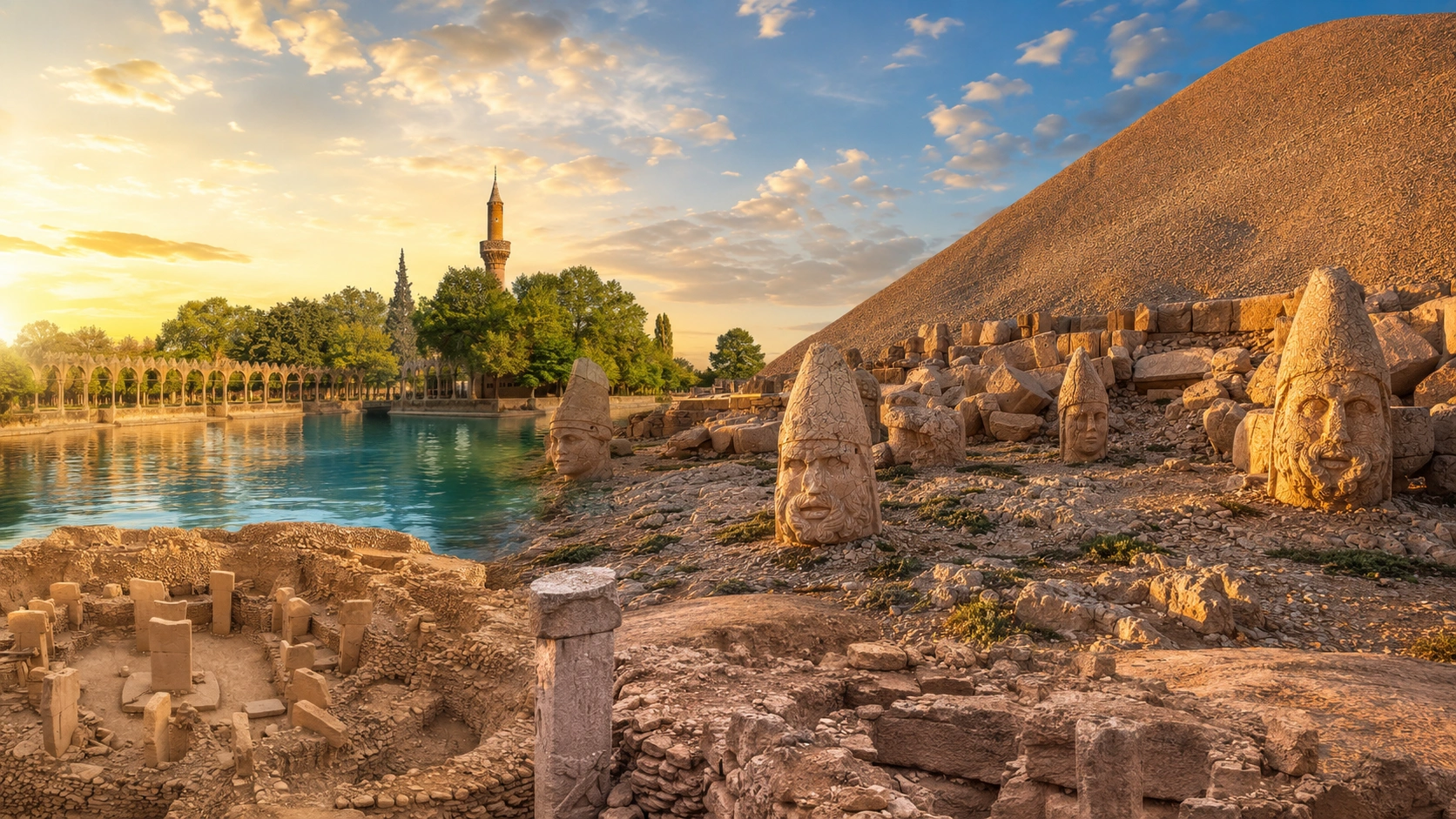
Experience Urfa Zerdesi as part of a private journey combining Şanlıurfa’s bazaars, sacred heritage, regional cuisine, Göbeklitepe, Karahantepe, Harran, Halfeti, Gaziantep, and Mount Nemrut.

Private Şanlıurfa Experiences

Custom-designed services with private transportation, professional guiding, flexible timing, and opportunities to discover local food traditions.

Longer Southeastern Türkiye Journeys

Add Şanlıurfa’s culinary traditions to a private route through Gaziantep, Halfeti, Göbeklitepe, Karahantepe, Harran, Mount Nemrut, and Mardin.

Eastern Turkey tour including Sanliurfa regional cuisine

Eastern Turkey Tour – 14 Days

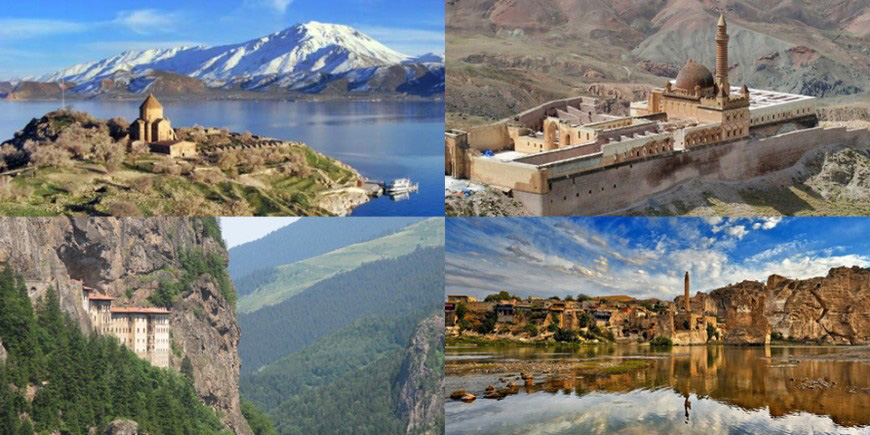
Explore Cappadocia, Gaziantep, Şanlıurfa, Göbeklitepe, Mount Nemrut, Mardin, Lake Van, Ani, Erzurum, and the Black Sea while discovering the regional cultures and flavours of eastern Türkiye.

View Tour