A Traditional Dish of Broth, Bread, and Hospitality

Urfa Tiriti – Complete Food Guide

Discover slow-cooked lamb, marrow-rich broth, Şanlıurfa open bread,
garlic yoghurt, lemon, green peppers, and one of Urfa’s most meaningful culinary traditions.

Discover Urfa Tiriti

Discover the Traditional Tirit Dish of Şanlıurfa

Urfa Tiriti, officially registered as Urfa Tiridi or Şanlıurfa Tiridi, is one of the most culturally significant dishes in southeastern Türkiye. It is prepared by slowly cooking locally raised Awassi lamb together with marrow bones and lamb tail fat until the meat becomes tender and the broth develops a rich, concentrated flavour.

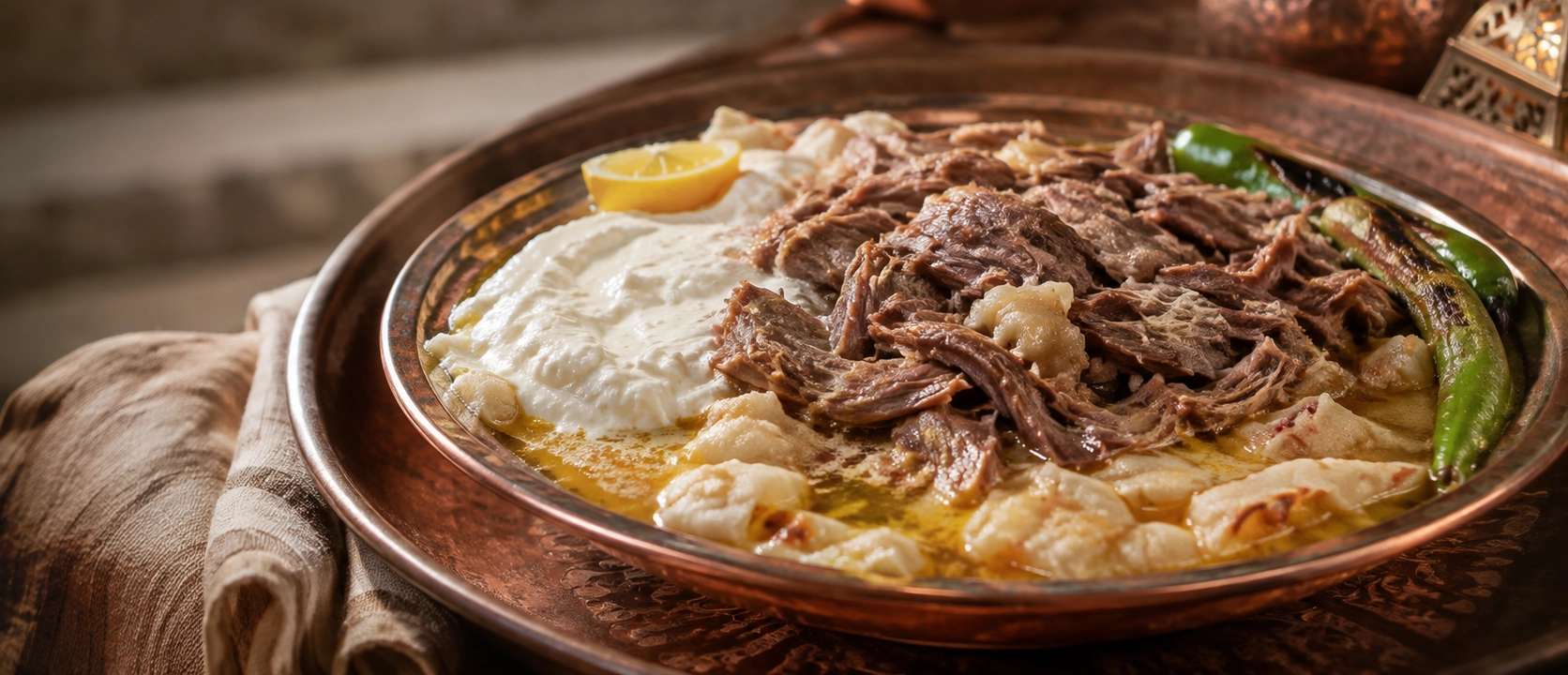
Pieces of traditional Şanlıurfa open bread are placed in a copper serving dish and covered with shredded lamb and several ladles of boiling broth. Garlic or garlic yoghurt is added over the top, followed by fresh lemon juice. The dish is traditionally accompanied by fresh green peppers.

Urfa Tiriti is much more than a regional recipe. It has long been prepared for religious holidays, weddings, circumcision celebrations, charitable meals, reconciliation gatherings, and community events. Local traditions also associate it with the table of Prophet Abraham, leading many people in Şanlıurfa to describe tirit as the Dish of the Prophet.

Slow-Cooked Awassi Lamb

Local lamb is cooked with marrow bones for several hours until tender enough to separate by hand.

Şanlıurfa Open Bread

Traditional flatbread is cut into pieces and softened with boiling, marrow-rich meat broth.

Garlic Yoghurt

Sheep’s yoghurt mixed with crushed garlic creates a cooling contrast to the rich lamb and hot broth.

A Meal of Hospitality

Historically offered during celebrations, charitable gatherings, religious holidays, and community meals.

Know Before You Taste

Urfa Tiriti – Quick Facts

Essential information about one of Şanlıurfa’s most historic and socially meaningful dishes.

📍

Origin

Şanlıurfa in southeastern Türkiye, where the dish is connected with hospitality, charity, religious holidays, and community traditions.

Open Şanlıurfa on Google Maps
🥘

Main Ingredients

Awassi lamb, tail fat, marrow bones, turmeric, salt, Şanlıurfa open bread, sheep’s yoghurt, garlic, lemon, and green pepper.

Cooking Method

The lamb, bones, and tail fat are cooked slowly for several hours to produce tender meat and a rich broth.

🏅

Geographical Indication

Registered by TÜRKPATENT as Urfa Tiridi or Şanlıurfa Tiridi with registration number 382.


A Dish Shared with the Community

The Culinary Tradition of Urfa Tiriti

Discover why this warming combination of bread, lamb, and broth occupies such an important place in Şanlıurfa’s social life.

The word tirit is believed to have developed from the Persian word terid, referring to bread softened or boiled in meat broth. Different versions of tirit are found across Türkiye, but the Şanlıurfa preparation is distinguished by its ingredients, cooking method, presentation, and strong connection with the city’s customs.

Urfa Tiriti is traditionally prepared with the meat of an Awassi lamb raised in the Şanlıurfa region. The meat is cooked together with its bones, marrow, and tail fat for an extended period. This long cooking process produces both tender shredded lamb and the deeply flavoured broth that softens the bread.

In Şanlıurfa, the dish has historically been prepared for weddings, circumcision celebrations, religious holidays, reconciliation gatherings, and charitable meals. It is not simply placed on the table as food; it represents generosity, reconciliation, hospitality, and the sharing of abundance.

During Ramadan Bayramı, families with suitable homes and sufficient means traditionally began preparing tirit on the eve of the holiday. After the morning holiday prayer, the doors of the house would remain open and relatives, neighbours, people in need, and even passersby could enter and share the meal.

Local traditions sometimes associate tirit with Prophet Abraham, one of the most important figures in Şanlıurfa’s sacred heritage. It is therefore commonly referred to in the city as peygamber yemeği, meaning the Dish of the Prophet. This is a traditional cultural association rather than a historically proven origin.

Tradespeople also offered tirit to the public on particular days. The custom became connected with the values of the Ahi tradition, which emphasised honest trade, generosity, community responsibility, and support for those in need.

This culture remains visible during Ahilik Week and other local events, when institutions and tradesmen’s organisations may prepare and distribute Urfa Tiriti to residents and visitors.


What Makes It Special

Distinctive Features of Urfa Tiriti

The identity of the dish comes from its local lamb, long cooking time, marrow-rich broth, traditional bread, garlic yoghurt, and ceremonial presentation.

Awassi Lamb

The registered preparation uses meat from an Awassi lamb raised in Şanlıurfa. Meat from the shoulder or leg is preferred because it can withstand long cooking and separates easily after becoming tender.

  • Local name: İvesi lamb
  • Preferred cuts: Shoulder or leg
  • Texture: Tender and suitable for shredding

Marrow Bones

Several marrow bones are cooked together with the lamb. After cooking, the marrow is removed from the bones and returned to the broth, adding body, richness, and a deeper meat flavour.

  • Traditional amount: Four or five pieces
  • Purpose: Enriches the cooking broth
  • Final use: Marrow is added back to the liquid

Lamb Tail Fat

Lamb tail fat is cooked with the meat and bones. Once soft, it is removed, crushed, passed through a sieve, and mixed back into the broth with turmeric.

  • Traditional amount: Approximately 100 grams
  • Preparation: Cooked, crushed, and strained
  • Function: Adds richness and traditional flavour

Şanlıurfa Open Bread

Şanlıurfa Açık Ekmeği is cut into rectangular or square pieces and placed at the bottom of the serving dish. The hot broth softens the bread while allowing it to absorb the flavour of the lamb and marrow.

  • Traditional bread: Şanlıurfa Açık Ekmeği
  • Cut: Rectangular or square pieces
  • Role: Absorbs the boiling meat broth

Garlic Yoghurt

Crushed garlic is mixed with sheep’s yoghurt and spooned over the lamb, bread, and broth. In another traditional presentation, crushed garlic may be served without yoghurt.

  • Yoghurt: Traditionally sheep’s yoghurt
  • Garlic: Freshly crushed
  • Alternative: Garlic can be served separately

A Touch of Turmeric

A small quantity of powdered turmeric is mixed with some of the meat broth before being combined with the strained tail fat and returned to the cooking pot.

  • Traditional amount: Approximately two grams
  • Effect: Adds colour and subtle warmth
  • Method: First dissolved in meat broth

Boiling Meat Broth

Two or three ladles of broth are poured over the bread and shredded lamb while extremely hot. The temperature is essential for properly softening the bread and completing the dish.

  • Serving amount: Two or three ladles
  • Temperature: Served boiling hot
  • Result: Soft, flavour-filled bread

Copper Serving Dish

Traditional Urfa Tiriti is presented in a shallow copper pan or copper serving dish. The metal presentation helps retain heat and reflects the historic dining culture of Şanlıurfa.

  • Traditional vessel: Copper sahan
  • Benefit: Helps preserve serving temperature
  • Character: Adds an authentic regional presentation

Urfa Tiriti’s Geographical Indication

Urfa Tiridi or Şanlıurfa Tiridi is officially registered by the Turkish Patent and Trademark Office as a geographically indicated product associated with Şanlıurfa.

Registered Name

The official registered name is Urfa Tiridi / Şanlıurfa Tiridi.

Registration Type

It is protected as a mahreç işareti, a geographical indication connected with regional reputation and production tradition.

Registration Number

The dish carries geographical-indication registration number 382.

Registration Date

The geographical indication was registered on 3 September 2018.

Application Number

The original geographical-indication application carries file number C2017/107.

Registered Institution

The application and registration were completed by the Şanlıurfa Chamber of Commerce and Industry.


The geographical indication records the dish’s connection with Şanlıurfa, its traditional ingredients, the use of locally raised Awassi lamb, its long cooking method, and its established presentation with open bread, garlic yoghurt, lemon, and green pepper.

The official description also recognises the dish’s reputation as a long-established part of Şanlıurfa’s social and ceremonial life.

Ingredients Used in Urfa Tiriti

The registered recipe provides quantities for approximately six servings. The dish uses relatively few ingredients, but its flavour depends on the quality of the lamb, bones, bread, yoghurt, and broth.

Ingredients for the Lamb and Broth

Awassi Lamb

Approximately 750 grams of meat taken from the shoulder or leg of a locally raised Awassi lamb.

Lamb Tail Fat

Approximately 100 grams of tail fat obtained from the tail section of the Awassi lamb.

Marrow Bones

Four or five pieces of bone containing marrow are cooked together with the lamb.

Salt

Approximately 10 grams of salt are added after the broth and other ingredients have been prepared.

Turmeric

Approximately two grams of powdered turmeric are dissolved in meat broth and returned to the pot.

Water

Two litres are used in a pressure cooker, while approximately three litres are used for conventional slow cooking.


Ingredients for Presentation

Sheep’s Yoghurt Approximately 500 grams for preparing the traditional garlic yoghurt
Garlic Six cloves, crushed and mixed with yoghurt or presented separately
Şanlıurfa Open Bread Three traditional open breads cut into rectangular or square pieces
Lemon Two fresh lemons to provide acidity and balance the richness of the broth
Fresh Green Pepper Served alongside the finished tirit according to availability and preference

How Urfa Tiriti Is Prepared

Traditional preparation requires patience. The meat, tail fat, bones, and broth must be cooked slowly before the individual components are separated and brought together again.

1. Prepare the Lamb Separate the lamb into manageable pieces while keeping the meat, tail fat, and marrow bones ready for cooking
2. Place Everything in the Pot Add the lamb, tail fat, marrow bones, and water to a large cooking pot
3. Cook Slowly Cook for approximately two hours in a pressure cooker or six to seven hours in a conventional pot over low heat
4. Maintain the Liquid When using a conventional pot, add more water when necessary so that sufficient broth remains
5. Shred the Lamb Remove the cooked meat and separate it into tender pieces by hand
6. Prepare the Tail Fat Remove the cooked tail fat, crush it in a separate bowl, and pass it through a sieve
7. Mix the Turmeric Dissolve the powdered turmeric in a small bowl containing some of the hot meat broth
8. Return the Fat and Turmeric Add the turmeric mixture and strained tail fat back into the main cooking broth
9. Extract the Marrow Shake or gently tap the cooked bones so that the softened marrow falls into the broth
10. Remove the Empty Bones Discard the bones after their marrow has been added because the bones themselves are not included in the final dish
11. Add the Salt Season the completed broth and keep it at a gentle simmer until serving
12. Serve Boiling Hot Assemble the bread, meat, broth, garlic yoghurt, lemon, and green pepper immediately before eating

Why Is Urfa Tiriti Cooked for So Long?

The extended cooking time is one of the defining features of traditional Urfa Tiriti. It transforms relatively firm pieces of lamb, marrow bones, and tail fat into a tender and cohesive dish.

Tender Meat

Slow cooking breaks down the connective tissue in the shoulder or leg meat, allowing it to be separated easily by hand.

Rich Broth

The bones, marrow, meat, and fat gradually release their flavours into the cooking liquid.

Softened Tail Fat

The tail fat becomes soft enough to crush and strain before being mixed back into the broth.

Extracted Marrow

Long cooking softens the bone marrow so that it can be removed and incorporated into the final broth.

Balanced Texture

The finished broth must be rich enough to flavour the bread without feeling disconnected from the shredded meat.

Traditional Depth

The gradual cooking process creates the characteristic savoury depth that cannot be produced through rapid boiling alone.

The Role of Awassi Lamb in Urfa Tiriti

The official recipe specifies meat from the Awassi breed, known locally as İvesi. This breed has long been associated with southeastern Anatolia and the livestock culture of Şanlıurfa.

Local Connection

The use of lamb raised within Şanlıurfa strengthens the dish’s geographical and cultural relationship with the region.

Suitable Meat Cuts

Shoulder and leg provide enough structure and flavour to remain suitable throughout several hours of cooking.

Natural Richness

The lamb is combined with tail fat and marrow rather than relying on a complicated mixture of spices.

Traditional Reputation

The recognised character of Urfa Tiriti comes partly from the reputation of local lamb and the skill used in preparing it.

Why Is Şanlıurfa Open Bread Used?

Bread is not merely served beside Urfa Tiriti. It forms the base of the dish and receives the hot lamb, marrow, fat, and broth.

Absorbs the Broth

The open structure of the bread allows it to absorb the boiling liquid while retaining enough texture to be eaten with the lamb.

Reduces Waste

Tirit belongs to a broad culinary tradition in which bread is transformed and enriched rather than discarded.

Creates the Main Texture

The contrast between softened bread, shredded meat, creamy yoghurt, and fresh pepper defines the eating experience.

Connects with Local Baking

Using Şanlıurfa Açık Ekmeği connects the dish with the region’s traditional bakeries and bread culture.


The bread should be cut shortly before assembly. Adding the broth too early can cause it to become excessively soft, while serving it immediately creates a more balanced texture.

How Urfa Tiriti Is Served

Urfa Tiriti is traditionally assembled in a copper serving dish and brought to the table while the broth is still extremely hot.

Cut Bread Rectangular or square pieces of Şanlıurfa open bread are placed across the bottom of the copper dish
Shredded Lamb A generous quantity of tender, hand-separated lamb is arranged over the bread
Boiling Broth Two or three ladles of marrow-rich meat broth are poured over the meat and bread
Garlic Yoghurt Sheep’s yoghurt mixed with crushed garlic is spread or drizzled over the top
Alternative Garlic Crushed garlic may be served separately when yoghurt is not added directly to the dish
Fresh Lemon Lemon juice is squeezed over the finished tirit to balance the richness of the meat and fat
Green Pepper Fresh green peppers are served alongside the copper dish

The completed tirit should be eaten promptly. As the dish rests, the bread continues absorbing the broth and gradually becomes softer.

The Social Meaning of Urfa Tiriti

Few dishes represent Şanlıurfa’s traditions of hospitality as clearly as tirit. Historically, preparing the dish was often connected with a wider social purpose.

Charity Meal

Families with sufficient means prepared tirit and welcomed neighbours, guests, travellers, and people in need.

Peace Meal

The dish could be offered during reconciliation gatherings intended to restore relationships and bring people together.

Religious Holidays

Tirit was traditionally prepared during important holidays, particularly around the end of Ramadan.

Weddings

Its suitability for preparing and serving large quantities made it an important dish at weddings and family celebrations.

Open-Door Hospitality

Some households kept their doors open from morning until midday so that anyone passing could enter and eat.

Tradesmen’s Tradition

Local tradespeople also organised public tirit meals in accordance with ideals of generosity and community responsibility.


These customs explain why Urfa Tiriti cannot be understood only as a recipe. Its cultural importance comes equally from who prepares it, why it is offered, and how it is shared.

Why Is Tirit Called the Dish of the Prophet?

Şanlıurfa is traditionally known as the City of Prophets and is especially associated with Prophet Abraham. Within local oral culture, Urfa Tiriti is sometimes described as an important offering from Abraham’s table.

Some traditions suggest that Prophet Abraham was the first person to prepare or offer a form of tirit. This association contributed to the local expression peygamber yemeği, meaning the Dish of the Prophet.

Local Tradition

The association is part of Şanlıurfa’s living religious and cultural memory.

Hospitality

Prophet Abraham is remembered within tradition for generosity and welcoming guests to his table.

Public Distribution

The custom of offering tirit freely reflects ideals of charity, openness, and feeding strangers.

Cultural Interpretation

The connection should be understood as a respected local tradition rather than a historically verified origin story.

What Does Urfa Tiriti Taste Like?

Urfa Tiriti has a rich, savoury, warming character. Its flavour comes primarily from lamb, marrow, tail fat, slowly developed broth, garlic yoghurt, lemon, and bread.

Lamb

The slow-cooked lamb has a tender texture and a deep but generally balanced meat flavour.

Broth

The broth is concentrated, savoury, and enriched by marrow and strained tail fat.

Bread

The bread absorbs the broth and becomes soft, warm, and filled with the flavour of the lamb.

Garlic Yoghurt

The yoghurt contributes coolness and gentle acidity, while the garlic adds strength and aroma.

Lemon

Fresh lemon brightens the dish and reduces the heaviness of the marrow and tail fat.

Green Pepper

Fresh pepper provides crunch and a slightly sharp contrast to the soft bread and meat.


The overall texture is intentionally soft and comforting. Visitors who prefer stronger freshness can add more lemon or eat small pieces of green pepper between spoonfuls.

When Is Urfa Tiriti Traditionally Eaten?

Urfa Tiriti may appear in restaurants and homes throughout the year, but its strongest cultural associations are with gatherings and shared meals.

After Morning Prayers

Traditional charitable distributions were commonly organised after morning prayers.

Ramadan Bayramı

Some families began cooking on the eve of the holiday and welcomed guests following the holiday prayer.

Weddings

The dish has long been prepared for weddings and other large family celebrations.

Circumcision Celebrations

Tirit was also served at traditional circumcision festivities attended by extended families and neighbours.

Charitable Gatherings

Families and tradespeople prepared the meal to feed guests and members of the wider community.

Reconciliation Meals

It could be presented as a peace meal during gatherings intended to resolve disagreements.

Where to Eat Urfa Tiriti in Şanlıurfa

Urfa Tiriti can be more difficult to find than the city’s kebabs because its preparation requires several hours and it is often produced in limited quantities.

Traditional Restaurants

Look for established restaurants specialising in Şanlıurfa cuisine rather than businesses offering only grilled kebabs.

Historic Centre

Restaurants around the old city, bazaar districts, and traditional inns are more likely to offer regional dishes.

Morning Availability

Some establishments serve tirit during the morning, reflecting its connection with post-prayer and charitable meals.

Special Events

Public tirit meals may occasionally be organised during cultural festivals, Ahilik Week, holidays, and community events.


Ask locally whether tirit is available that day and what time it will be served. Because the broth and lamb require advance preparation, ordering or confirming availability earlier can be helpful.

Choose a clean and busy establishment where the dish is kept properly heated and assembled shortly before serving.

Urfa Tiriti Visitor Tips

Check Availability

Tirit may not be available every day. Ask the restaurant before travelling specifically to try it.

Arrive Early

Restaurants preparing a limited quantity may sell out before the end of their regular service period.

Eat It Immediately

The bread continues absorbing broth after service, so the best texture is experienced while the dish is fresh and hot.

Expect a Soft Texture

Tirit is designed around bread soaked in broth and is much softer than kebab or roasted meat dishes.

Use Lemon for Balance

A squeeze of fresh lemon provides acidity and balances the richness of the marrow and tail fat.

Ask About Garlic

Garlic can be strong. Ask whether it is mixed into the yoghurt or served separately if you prefer a milder flavour.

Be Careful with the Heat

The broth is traditionally served near boiling temperature, so allow the first spoonful to cool slightly.

Share the Experience

The dish is closely connected with community dining and is especially meaningful when enjoyed as part of a shared table.

Other Foods to Try in Şanlıurfa

Urfa Tiriti is one part of Şanlıurfa’s extensive culinary heritage. Visitors can combine it with kebabs, bulgur dishes, vegetable recipes, soups, and traditional desserts.

Urfa Liver Kebab

Small pieces of lamb liver and tail fat grilled over charcoal and served with lavash, onion, herbs, and pepper.

Urfa Kebab

A charcoal-grilled minced-meat kebab connected with the city’s long tradition of open-fire cooking.

Eggplant Kebab

Eggplant and seasoned meat arranged together and cooked until smoky, soft, and richly flavoured.

Onion Kebab

Small onions and seasoned meat cooked together until the onions become tender and lightly caramelised.

Lebeni

A regional yoghurt-based soup or stew commonly prepared with wheat, chickpeas, meat, and local seasoning.

Urfa İçli Köfte

A bulgur shell filled with seasoned minced meat, onions, walnuts, and regional spices.

Şanlıurfa Çiğ Köfte

A traditional bulgur speciality kneaded with Şanlıurfa pepper, herbs, spices, and other regional ingredients.

Şıllık Dessert

Thin layers of soft dough served with walnuts and sweet syrup, creating one of the city’s best-known desserts.

Frequently Asked Questions About Urfa Tiriti

What is Urfa Tiriti?

Urfa Tiriti is a traditional Şanlıurfa dish prepared with slow-cooked Awassi lamb, tail fat, marrow bones, meat broth, Şanlıurfa open bread, garlic yoghurt, lemon, and fresh green pepper.

What is the official Turkish name?

The registered name is Urfa Tiridi / Şanlıurfa Tiridi. It is also commonly referred to as Urfa Tirit.

Where does the word tirit come from?

The word is traditionally linked with the Persian term terid, referring to bread softened or boiled in meat broth.

Is Urfa Tiriti geographically indicated?

Yes. It is registered by the Turkish Patent and Trademark Office as a mahreç geographical indication.

What is the geographical-indication registration number?

Urfa Tiridi or Şanlıurfa Tiridi carries registration number 382.

When was Urfa Tiriti registered?

Its geographical-indication registration was completed on 3 September 2018 following an application made by the Şanlıurfa Chamber of Commerce and Industry.

What type of meat is used?

The official preparation specifies meat from the shoulder or leg of an Awassi lamb raised in Şanlıurfa.

Why are marrow bones added?

The bones enrich the broth during cooking. Their softened marrow is later removed and added directly to the liquid.

Why is lamb tail fat used?

Tail fat contributes richness, texture, and the traditional flavour associated with many southeastern Anatolian lamb dishes.

Is turmeric used in Urfa Tiriti?

Yes. A small quantity of powdered turmeric is dissolved in meat broth and mixed with the strained tail fat before being returned to the pot.

How long is Urfa Tiriti cooked?

The registered method recommends approximately two hours in a pressure cooker or six to seven hours in a conventional pot over low heat.

What bread is used?

Traditional Şanlıurfa Açık Ekmeği is cut into rectangular or square pieces and placed beneath the meat and broth.

How is Urfa Tiriti served?

Bread is placed in a copper dish and covered with shredded lamb and boiling broth. Garlic yoghurt or crushed garlic is added, followed by lemon juice and fresh green pepper.

Is yoghurt always added?

Garlic yoghurt is traditional, but the registered presentation also permits crushed garlic to be served separately without yoghurt.

Is Urfa Tiriti spicy?

The dish itself is generally not strongly spicy. Fresh green pepper is served alongside it and may vary in heat.

What does Urfa Tiriti taste like?

It has a rich, savoury, warming flavour with tender lamb, marrow-rich broth, soft bread, cool garlic yoghurt, fresh lemon, and green pepper.

Why is it called the Dish of the Prophet?

Şanlıurfa traditions associate tirit with the hospitality of Prophet Abraham. It is therefore sometimes called peygamber yemeği, meaning the Dish of the Prophet.

Did Prophet Abraham invent tirit?

Some local traditions make this claim, but it should be understood as part of Şanlıurfa’s oral and religious culture rather than a historically proven fact.

When is Urfa Tiriti traditionally prepared?

It has been prepared for weddings, circumcision celebrations, religious holidays, charitable meals, reconciliation gatherings, and public community events.

Is Urfa Tiriti eaten for breakfast?

It has a strong association with morning service, especially charitable meals offered after morning or holiday prayers. Restaurant availability varies.

What is a tirit charity meal?

Families or tradespeople prepare a large quantity of tirit and offer it freely to relatives, neighbours, people in need, and other members of the community.

Why were house doors left open?

During traditional charitable meals, the open door indicated that guests and passersby were welcome to enter and share the food.

Is Urfa Tiriti available every day?

Not necessarily. It takes several hours to prepare, and some restaurants serve it only on selected days or during limited morning hours.

Where can I eat authentic Urfa Tiriti?

Look for traditional Şanlıurfa restaurants around the historic centre, old bazaars, neighbourhood dining areas, and establishments specialising in regional home-style dishes.

Is Urfa Tiriti worth trying?

Yes. It offers an excellent introduction to Şanlıurfa’s lamb, bread, hospitality, charitable traditions, and deeply rooted community food culture.

Best Photos of Urfa Tiriti

The copper serving dish, steaming broth, shredded lamb, creamy yoghurt, fresh lemon, traditional bread, and historic surroundings provide excellent opportunities for food photography.

The Copper Dish

Photograph the completed tirit from slightly above to show the bread, lamb, broth, yoghurt, and traditional copperware.

Pouring the Broth

Capture the moment when boiling broth is poured over the open bread and shredded meat.

Rising Steam

Side lighting can make the steam visible and emphasise the warmth and freshness of the dish.

Garlic Yoghurt

Photograph the contrast between the pale yoghurt, golden broth, tender lamb, lemon, and green pepper.

Traditional Bread

Include pieces of Şanlıurfa open bread before and after the broth is added to illustrate the preparation.

Shared Table

A wider image of guests sharing tirit can communicate the dish’s connection with hospitality and community dining.


Ask permission before photographing cooks, restaurant staff, private homes, community meals, or other guests. Avoid interrupting service while the boiling broth is being carried or poured.

Şanlıurfa Tours and Culinary Experiences

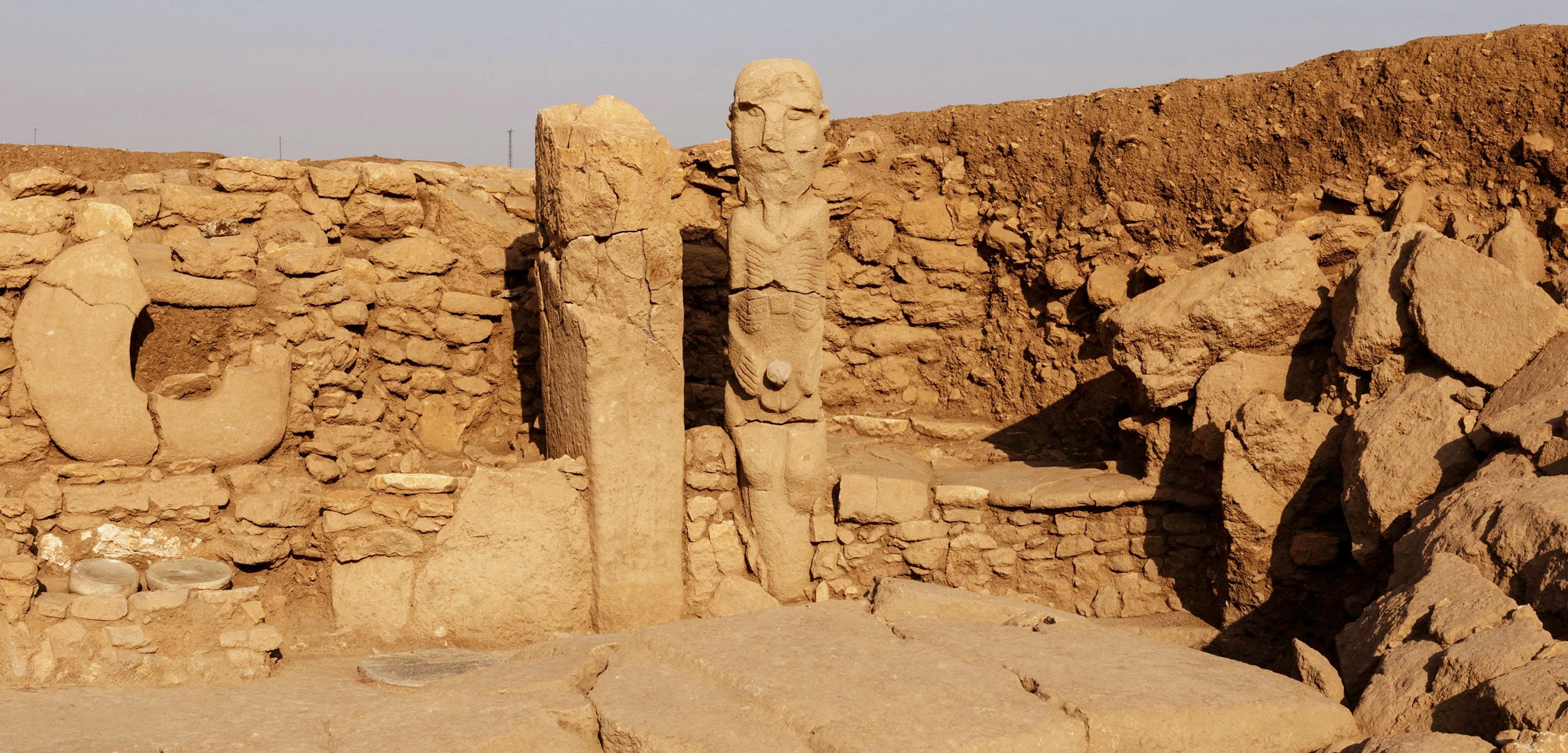
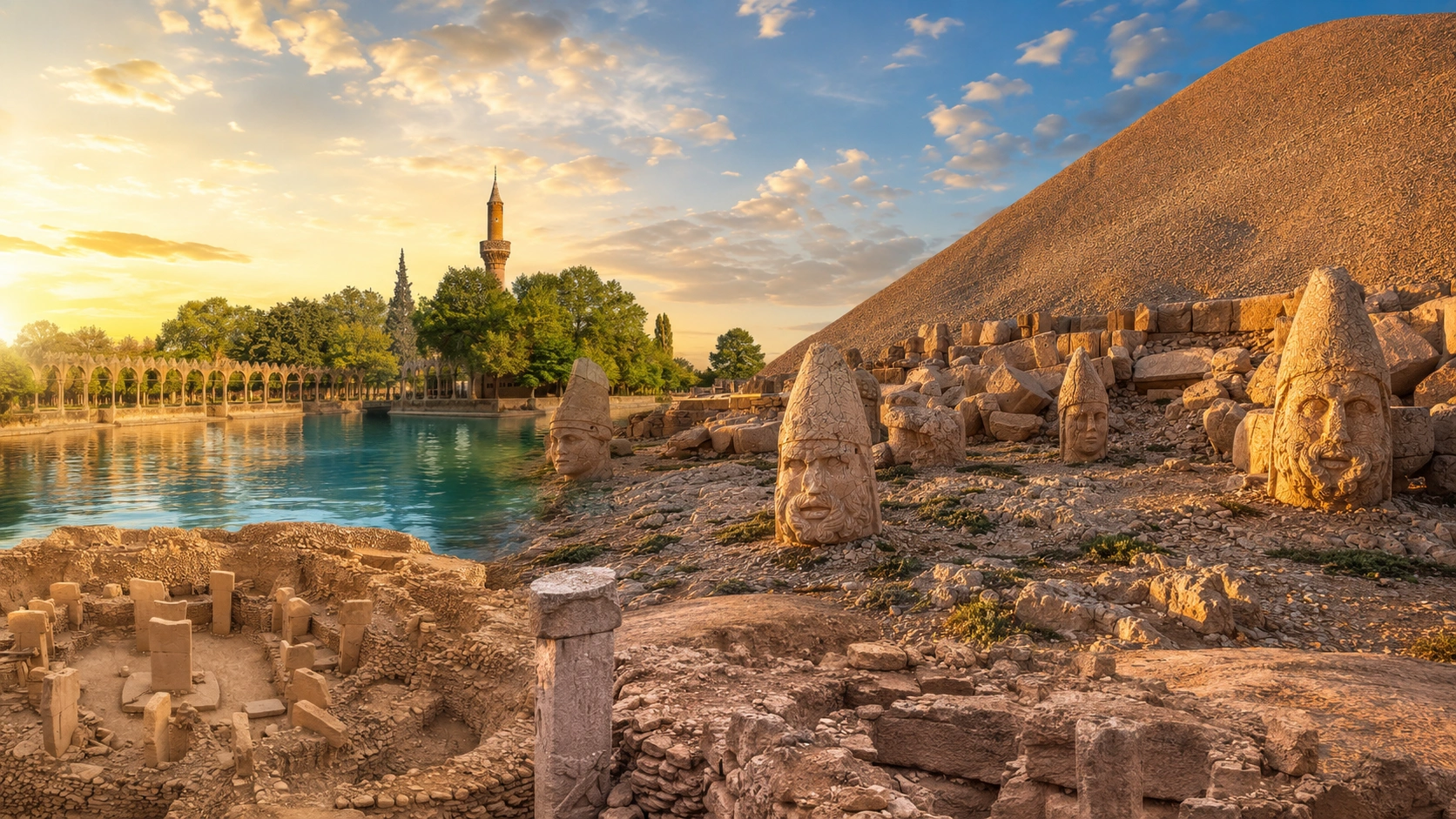
Experience Urfa Tiriti as part of a private journey combining Şanlıurfa’s sacred heritage, old bazaars, regional cuisine, Göbeklitepe, Karahantepe, Harran, Halfeti, Gaziantep, and Mount Nemrut.

Private Şanlıurfa Experiences

Custom-designed services with private transportation, professional guiding, flexible timing, and opportunities to discover local food traditions.

Longer Southeastern Türkiye Journeys

Add Şanlıurfa’s culinary traditions to a private route through Gaziantep, Halfeti, Göbeklitepe, Karahantepe, Harran, Mount Nemrut, Diyarbakır, and Mardin.

Eastern Turkey tour including Sanliurfa regional cuisine

Eastern Turkey Tour – 14 Days

Explore Cappadocia, Gaziantep, Şanlıurfa, Göbeklitepe, Mount Nemrut, Mardin, Lake Van, Ani, Erzurum, and the Black Sea while discovering the cultures and flavours of eastern Türkiye.

View Tour