A Hand-Shaped Speciality of Şanlıurfa

Urfa Stuffed Meatballs – Complete Food Guide

Discover a delicate bulgur shell, richly seasoned lamb filling,
walnuts, isot pepper, clarified butter, and one of Şanlıurfa’s most skilful traditional dishes.

Discover Urfa Stuffed Meatballs

Discover the Traditional Stuffed Meatballs of Şanlıurfa

Urfa Stuffed Meatballs, officially registered as Urfa İçli Köftesi / Şanlıurfa İçli Köftesi, are among the most distinctive dishes of southeastern Türkiye. A finely kneaded outer shell made with köftelik bulgur, pounded lamb, isot pepper, onion, salt, black pepper, and water is shaped by hand, hollowed into a thin cup, filled with cooked minced lamb, walnuts, onion, clarified butter, and spices, and then fried until evenly browned.

The dish is admired not only for its flavour but also for the skill required to make it. The shell must be thin but strong, the filling must remain generous and well balanced, and each meatball must be carefully sealed so that it does not crack during frying. This complete guide explains its history, registered ingredients, traditional preparation, hand-shaping technique, geographical-indication status, serving customs, visitor tips, and the best way to experience Şanlıurfa’s celebrated food culture.

Fine Bulgur Shell

Köftelik bulgur is kneaded with pounded lamb, isot, onion, seasoning, and water until it becomes smooth and workable.

Rich Lamb Filling

Minced lamb is cooked with onion and clarified butter before walnuts, salt, and black pepper are added.

Hand-Shaped Craft

Each piece is hollowed by hand, filled, sealed, and shaped with a thin exterior that must remain unbroken.

Fried and Served Hot

The finished meatballs are fried until brown and traditionally served hot with ayran and seasonal regional salads.

Know Before You Taste

Urfa Stuffed Meatballs – Quick Facts

Essential information about one of Şanlıurfa’s most carefully prepared traditional dishes.

📍

Origin

Şanlıurfa in southeastern Türkiye, where stuffed meatballs form part of the city’s long-established home-cooking tradition.

Open Şanlıurfa on Google Maps
🌾

Outer Shell

A finely kneaded mixture of köftelik bulgur, pounded lamb, isot pepper, onion, seasoning, and water.

🥩

Filling

Cooked minced lamb with onion, clarified butter, walnuts, black pepper, and salt.

🏅

Geographical Indication

Registered by TÜRKPATENT as Urfa İçli Köftesi / Şanlıurfa İçli Köftesi with registration number 383.


A Dish Shaped by Hand

The Culinary Tradition of Urfa Stuffed Meatballs

Discover how bulgur, lamb, isot, walnuts, and patient handwork come together in one of Şanlıurfa’s best-known regional recipes.

Şanlıurfa cuisine developed around local wheat, bulgur, lamb, isot pepper, clarified butter, walnuts, seasonal vegetables, and recipes passed through families and professional kitchens. Many of its most respected dishes rely on careful preparation rather than complicated presentation.

Within this culinary tradition, Urfa İçli Köftesi is valued as a dish that demonstrates experience and manual skill. Preparing the filling is relatively straightforward, but creating a shell that is thin, evenly shaped, fully filled, securely closed, and strong enough to survive frying requires practice.

A local story connects the dish with Şanlıurfa’s famous meat-based çiğ köfte tradition. According to the registered product description, it is said that çiğ köfte prepared too early before iftar during Ramadan was transformed into a cooked dish rather than being wasted. This account is preserved as a culinary legend rather than a documented historical origin.

The recipe is strongly linked with ingredients associated with Şanlıurfa, including meat from the İvesi sheep breed, hard durum-wheat bulgur used for köfte, regional isot pepper, and Şanlıurfa clarified butter. These ingredients help distinguish the Urfa preparation from other regional versions of içli köfte.

Stuffed meatballs may be prepared for family meals, guests, celebrations, Ramadan tables, and special gatherings. Because the process is time-consuming, production is often shared among several family members, turning the preparation itself into a social tradition.

The dish’s local reputation, defined ingredients, and specialised production method led to its registration as a geographically indicated product connected with the province of Şanlıurfa.


What Makes It Special

Distinctive Features of Urfa Stuffed Meatballs

The identity of the dish comes from its regional ingredients, generous filling, delicate bulgur shell, hand-shaped form, and careful frying.

Köftelik Bulgur Shell

Fine bulgur made from hard durum wheat forms the foundation of the outer layer. It is kneaded until the grains soften and bind into a smooth, dough-like mixture.

  • Main grain: Köftelik bulgur
  • Texture: Smooth, cohesive, and shapeable
  • Goal: A thin shell that does not crack

Pounded Lamb – Kara Et

The outer mixture includes finely pounded meat taken from the leg of an İvesi lamb. In Şanlıurfa, this ingredient is traditionally known as kara et.

  • Traditional source: İvesi lamb
  • Cut: Leg meat
  • Function: Helps bind and enrich the bulgur shell

Cooked Minced-Lamb Filling

Minced lamb is cooked first in its own fat. Clarified butter and finely chopped onion are added before the mixture is removed from the heat and seasoned.

  • Main ingredient: Minced İvesi lamb
  • Cooking: Sautéed before filling
  • Important step: Cooled before shaping

Walnuts

Chopped walnuts are mixed into the cooked lamb filling. They add texture, richness, and a gently nutty contrast to the bulgur shell.

  • Traditional amount: 250 grams for an eight-person recipe
  • Preparation: Broken into small pieces
  • Character: Rich, nutty, and lightly crunchy

Şanlıurfa Isot Pepper

Isot is kneaded into the outer mixture with onion, salt, and black pepper. It gives the shell its warm colour, earthy aroma, and unmistakable regional identity.

  • Regional ingredient: Şanlıurfa pepper
  • Use: Mixed into the outer shell
  • Flavour: Deep, warm, earthy, and gently smoky

Şanlıurfa Clarified Butter

Şanlıurfa sade yağı, also called Urfa Yağı, is added to the minced-meat filling. It brings richness and helps carry the flavour of the onion, lamb, walnuts, and spices.

  • Local name: Şanlıurfa Sade Yağı
  • Use: Added while cooking the filling
  • Result: A fuller and more aromatic filling

Hand-Shaped Cup Form

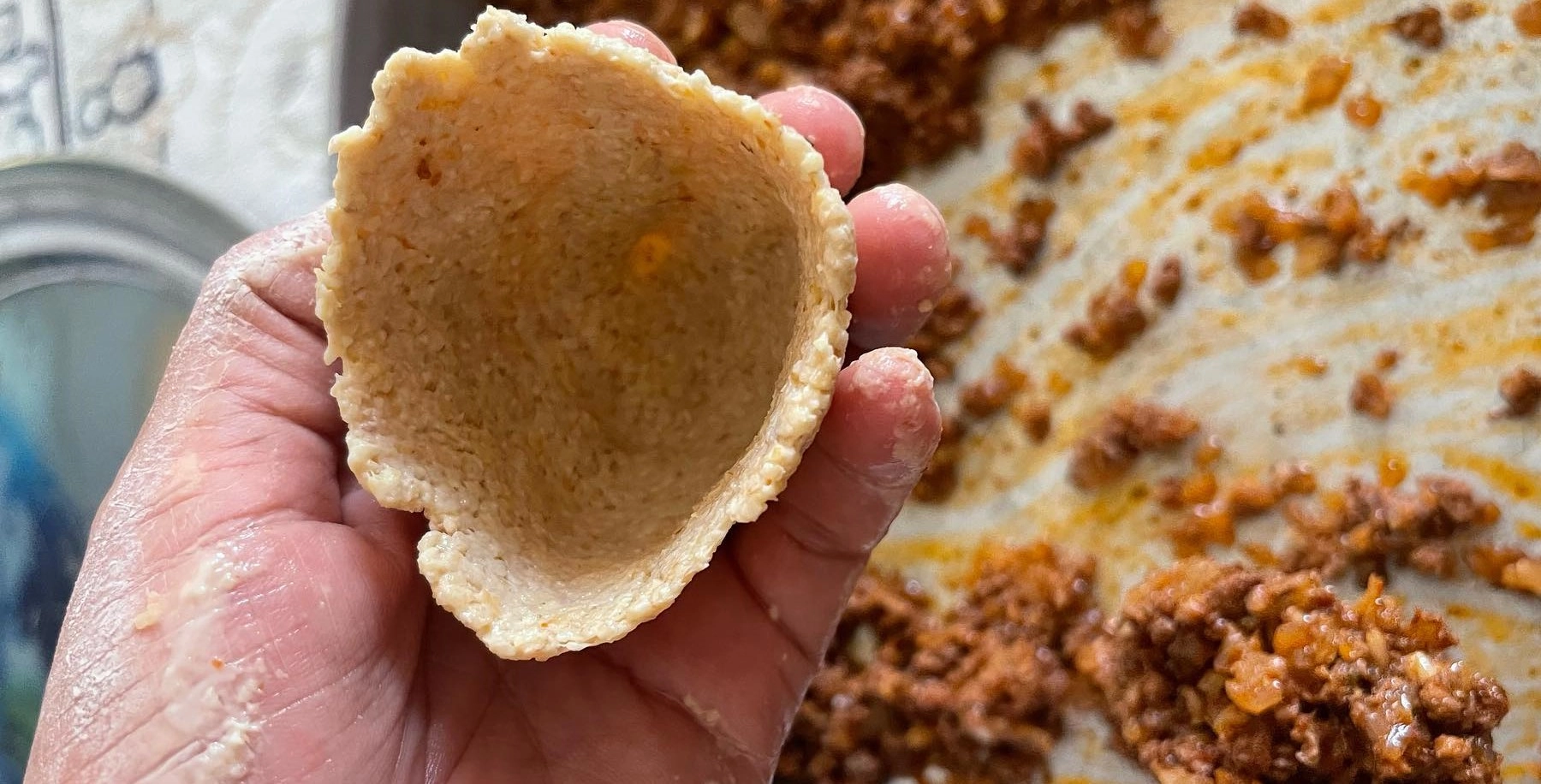
A piece of dough is rolled, held in the palm, and hollowed with the index finger. The cook gradually forms a thin cup before adding the filling and sealing the opening.

  • Technique: Hollowed and rotated by hand
  • Challenge: Keeping the walls evenly thin
  • Finish: Fully sealed before frying

Even Frying

The stuffed meatballs are placed in hot oil and cooked until all sides become brown. Correct shaping and oil temperature help prevent cracking or leaking.

  • Cooking method: Deep frying
  • Colour: Evenly browned exterior
  • Service: Hot, soon after frying

Urfa Stuffed Meatballs’ Geographical Indication

Urfa İçli Köftesi / Şanlıurfa İçli Köftesi is officially registered by the Turkish Patent and Trademark Office as a geographically indicated product connected with Şanlıurfa.

Registered Name

The official name is Urfa İçli Köftesi / Şanlıurfa İçli Köftesi.

Registration Type

It is protected as a mahreç işareti, identifying a product whose reputation and recognised characteristics are connected with a defined geographical area.

Registration Number

The product carries geographical-indication registration number 383.

Registration Date

The registration was completed on 3 September 2018.

Application Number

The official application number is C2017/108.

Registered Institution

The applicant and registrant is the Şanlıurfa Chamber of Commerce and Industry.


The registration defines the geographical boundary as Şanlıurfa province and records the product’s principal ingredients, preparation stages, portion standard, hand-shaping method, frying process, and traditional presentation.

It also emphasises that the stuffed meatball should contain a full filling and have a thin outer shell that remains uncracked. These qualities depend on proper kneading, careful shaping, and experienced frying.

Ingredients Used in Urfa Stuffed Meatballs

The registered recipe provides separate ingredient lists for the cooked inner filling and the bulgur-based outer shell. The quantities below are given for an eight-person preparation.

Ingredients for the Filling

Minced Lamb

750 grams of minced meat traditionally obtained from an İvesi lamb.

Walnuts

250 grams of walnut kernels, broken into small pieces before being added to the cooked filling.

Clarified Butter

30 grams of Şanlıurfa clarified butter, also known as Urfa Yağı.

Onions

Two dry onions, finely chopped and cooked with the minced lamb.

Salt

Approximately 10 grams of salt for the filling.

Black Pepper

Approximately 2 grams of black pepper, added after cooking.


Ingredients for the Outer Shell

Köftelik Bulgur

1 kilogram of fine bulgur suitable for traditional köfte preparation.

Pounded Lamb

300–500 grams of finely pounded İvesi lamb leg meat, traditionally known in Şanlıurfa as kara et.

Isot Pepper

50 grams of isot, the characteristic dark Şanlıurfa pepper used throughout the region’s cuisine.

Onion

One dry onion, divided into four pieces and kneaded into the mixture before being removed.

Seasoning

Approximately 5 grams of salt and 2 grams of black pepper.

Water

Approximately 200 millilitres of water, added gradually as needed during kneading.

Frying Oil

Approximately 1 litre of vegetable oil for frying the shaped meatballs.

How Urfa Stuffed Meatballs Are Prepared

Traditional preparation follows a precise order. The filling is made first and allowed to cool before the outer shell is kneaded, shaped, filled, closed, and fried.

1. Cook the Minced Lamb Sauté the minced lamb in its own fat until it is cooked and its moisture has reduced
2. Add Butter and Onion Add Şanlıurfa clarified butter and finely chopped onion, then continue cooking until the onion softens
3. Finish the Filling Remove the pan from the heat and add salt, black pepper, and chopped walnuts
4. Cool Completely Allow the filling to cool before placing it inside the bulgur shell
5. Begin the Outer Mixture Combine quartered onion, isot, salt, and black pepper in a traditional mixing bowl
6. Add the Kara Et Add the finely pounded lamb and knead with water added gradually until the mixture becomes paste-like
7. Knead with Bulgur Add the köftelik bulgur and continue kneading for approximately 30 minutes, using more water only when necessary
8. Remove the Onion Pieces When the mixture has softened and reached the correct consistency, remove the four onion pieces and discard them
9. Shape the Shell Take a piece slightly larger than a walnut, roll it, hold it in the palm, and hollow it with the index finger
10. Fill and Seal Add the cooled lamb-and-walnut filling, press the opening together, and close it completely
11. Fry Until Brown Cook the stuffed meatballs in hot oil, turning as necessary until every side is evenly browned
12. Serve Hot Transfer to a serving plate and enjoy with ayran and seasonal regional salads

How the Stuffed Meatballs Are Shaped by Hand

The shaping stage distinguishes a well-made Urfa stuffed meatball. The cook must create enough space for a generous filling while keeping the outer wall thin, smooth, and structurally sound.

Form the Ball

A piece of the bulgur mixture slightly larger than a walnut is rolled into a smooth ball.

Hold It in the Palm

The ball is supported in one hand so it can be rotated gradually while the hollow is formed.

Open with the Index Finger

The index finger of the other hand is pressed gently into the centre to create the first cavity.

Thin the Walls

The shell is rotated and widened carefully until the wall becomes evenly thin without tearing.

Add the Filling

The cooled minced-lamb and walnut mixture is placed inside so that the shell is generously filled.

Close and Smooth

The opening is pressed shut and the surface is smoothed to eliminate cracks before frying.


The registered quality standard specifically emphasises a fully filled interior and a thin outer layer that remains uncracked. These characteristics are a direct expression of the maker’s skill.

What Makes the Outer Shell Different?

The outer layer of Urfa stuffed meatballs is not a simple bulgur dough. It contains pounded lamb, isot pepper, onion, salt, black pepper, and water, all kneaded together until the ingredients form a cohesive structure.

Hard-Wheat Bulgur

Fine bulgur made from durum wheat absorbs moisture and softens during prolonged kneading.

Natural Binding

Pounded lamb helps bind the grains and contributes flavour without making the exterior heavy.

Isot Colour

Şanlıurfa pepper gives the shell a warm reddish-brown tone and a deep regional aroma.

Long Kneading

Approximately 30 minutes of kneading after adding the bulgur develops the smooth, workable texture needed for shaping.


The correct shell should be soft enough to hollow easily but strong enough to hold the filling and remain closed in hot oil. Too dry, and it may crack; too wet, and it may become difficult to shape.

The Lamb and Walnut Filling

The filling provides the main richness of the dish. Its ingredients are cooked before assembly, then cooled so they can be packed neatly into the delicate bulgur shell.

Minced Lamb

The meat is first cooked in its own fat, producing a savoury base without unnecessary liquid.

Cooked Onion

Finely chopped onion softens in the meat and clarified butter, adding sweetness and moisture.

Clarified Butter

Şanlıurfa sade yağı enriches the filling and carries the aromas of the meat and spices.

Walnut Texture

Walnut pieces create contrast between the tender cooked meat and the smooth outer shell.

Simple Seasoning

Salt and black pepper support the lamb and walnuts without overwhelming their natural flavours.

Cooling Stage

The filling must cool before assembly so that it remains firm and does not soften or split the shell.

Traditional Portion Size

The geographical-indication document defines a standard serving for Urfa stuffed meatballs.

Three Pieces

One registered portion consists of three stuffed meatballs.

Minimum Weight

The combined weight of one portion before frying must not be less than 180 grams.

Individual Variation

Hand shaping means that each piece may vary slightly while maintaining the overall portion standard.

Filling Balance

The quality standard favours a full interior and a thin, uncracked exterior rather than an overly thick shell.

How Urfa Stuffed Meatballs Are Fried

Frying transforms the soft bulgur shell into a browned exterior while heating the already cooked filling. The oil must be hot enough to set the shell promptly but controlled enough to cook the surface evenly.

Hot Oil

The shaped meatballs are placed in properly heated vegetable oil so that the shell begins cooking immediately.

Even Browning

The pieces are turned when necessary until every side develops a uniform brown colour.

No Cracks

A well-kneaded and carefully sealed shell remains intact, preventing the filling from escaping.

Fresh Frying Oil

The registered inspection criteria pay particular attention to the frequent replacement of frying oil.


The finished exterior should be firm enough to hold its shape but not excessively hard. Inside, the filling should remain moist, aromatic, and generously distributed.

How Urfa Stuffed Meatballs Are Served

Urfa stuffed meatballs are traditionally served hot after frying. Their richness is balanced with cool ayran and fresh, sour, or lightly pickled regional accompaniments.

Ayran A cold yoghurt drink that complements the hot fried shell, lamb filling, walnuts, and isot pepper
Bostana Salad A finely chopped regional salad that adds freshness, acidity, and a lighter texture
Urfa Eşkilisi A sour regional accompaniment that may be served according to season and local custom
Koruk Salad A seasonal salad prepared with unripe grapes, offering a refreshing sour contrast
Hot Service The meatballs are best enjoyed soon after frying while the shell is freshly browned and the filling is warm

Restaurant presentations may vary, and some establishments may serve additional greens, lemon, pickles, or seasonal salads. The most characteristic pairing remains hot stuffed meatballs with cold ayran.

What Do Urfa Stuffed Meatballs Taste Like?

The dish combines a savoury, gently spicy bulgur shell with a rich lamb-and-walnut centre. The contrast between the browned exterior and soft filling is central to the experience.

Outer Shell

The bulgur exterior is earthy, lightly meaty, warming, and aromatic from isot and black pepper.

Lamb Filling

The cooked minced lamb provides a deep savoury flavour enriched by onion and clarified butter.

Walnuts

Walnut pieces add mild sweetness, nuttiness, and a delicate crunch.

Fried Exterior

Frying creates a browned surface that is firmer than the tender filling but should not be excessively hard.

Isot Pepper

Isot contributes warmth, colour, and earthy smokiness rather than only sharp chilli heat.

Fresh Accompaniments

Ayran and regional salads provide cooling acidity and freshness against the richness of the meatballs.

Where to Eat Stuffed Meatballs in Şanlıurfa

Urfa stuffed meatballs are served in traditional restaurants, specialist köfte establishments, home-style kitchens, and selected places offering regional Şanlıurfa cuisine. Availability may vary because the dish requires substantial preparation.

Traditional Restaurants

Restaurants specialising in Şanlıurfa cuisine are the most likely places to offer locally prepared stuffed meatballs.

Historic Centre

Dining areas around the old bazaars and central historic districts provide an atmospheric setting for regional food.

Home-Style Kitchens

Small establishments focused on daily home cooking may prepare stuffed meatballs in limited quantities.

Advance Orders

For groups or private meals, some restaurants may require advance notice because shaping is labour intensive.


Choose a clean, busy establishment where the meatballs are freshly prepared and fried to order whenever possible. Ask whether the dish contains lamb, walnuts, isot, and clarified butter if you want the most traditional version.

Urfa Stuffed Meatballs Visitor Tips

Eat Them Hot

The contrast between the freshly browned shell and warm filling is strongest immediately after frying.

Ask About Availability

Stuffed meatballs may not be prepared continuously throughout the day, so confirm before visiting a restaurant specifically for this dish.

Order Ayran

Cold ayran is the classic accompaniment and helps balance the richness of lamb, walnuts, and frying.

Try Bostana Salad

A fresh regional salad adds acidity, herbs, vegetables, and a lighter texture to the meal.

Expect Isot

The outer shell contains Şanlıurfa pepper. Ask about spice levels if you are particularly sensitive to chilli.

Check for Walnuts

The traditional filling includes walnuts, which is important information for guests with nut allergies.

Notice the Shell

A well-made example should have a thin, uncracked exterior and a generous filling rather than a thick layer of bulgur.

Share Several Dishes

Stuffed meatballs work well as part of a larger Şanlıurfa meal with kebabs, salads, soups, and regional desserts.

Other Foods to Try in Şanlıurfa

Urfa stuffed meatballs are one part of an extensive regional cuisine built around bulgur, lamb, isot pepper, vegetables, yoghurt, charcoal grilling, and syrup-based desserts.

Şanlıurfa Çiğ Köfte

A traditional bulgur-and-meat speciality kneaded with isot, spices, onion, herbs, and regional ingredients.

Urfa Liver Kebab

Small pieces of lamb liver and tail fat grilled over charcoal and served with lavash, herbs, onion, roasted pepper, and ayran.

Urfa Kebab

A charcoal-grilled minced-meat kebab connected with Şanlıurfa’s long tradition of open-fire cooking.

Eggplant Kebab

Alternating pieces of seasoned meat and eggplant cooked until smoky, tender, and deeply savoury.

Onion Kebab

Small onions and seasoned meat cooked together until soft, rich, lightly caramelised, and aromatic.

Lebeni

A comforting yoghurt-based regional soup or stew commonly prepared with wheat and chickpeas.

Bostana Salad

A finely chopped, refreshing salad often served beside rich kebabs and stuffed dishes.

Şıllık Dessert

Thin layers of soft dough served with walnuts and sweet syrup, creating one of Şanlıurfa’s best-known desserts.

Frequently Asked Questions About Urfa Stuffed Meatballs

What are Urfa stuffed meatballs?

Urfa stuffed meatballs are a Şanlıurfa speciality made by filling a thin bulgur-and-pounded-lamb shell with cooked minced lamb, onion, walnuts, clarified butter, salt, and black pepper before frying the sealed pieces until brown.

What are Urfa stuffed meatballs called in Turkish?

The officially registered names are Urfa İçli Köftesi and Şanlıurfa İçli Köftesi. In everyday speech, the dish may simply be called içli köfte.

Are Urfa stuffed meatballs geographically indicated?

Yes. Urfa İçli Köftesi / Şanlıurfa İçli Köftesi is registered by the Turkish Patent and Trademark Office with geographical-indication registration number 383.

When was the dish registered?

The geographical-indication registration was completed on 3 September 2018 following an application dated 24 August 2017.

What type of geographical indication does it have?

It is registered as a mahreç işareti, a Turkish geographical-indication category used for products whose reputation, characteristics, or production tradition is connected with a particular region.

What is the outer shell made from?

The registered outer mixture contains köftelik bulgur, pounded İvesi lamb leg meat known locally as kara et, isot pepper, onion, salt, black pepper, and water.

What is inside Urfa stuffed meatballs?

The filling contains cooked minced lamb, onion, Şanlıurfa clarified butter, walnuts, salt, and black pepper.

Why are walnuts used?

Walnuts add richness, texture, and a mild nutty flavour that complements the lamb, onion, clarified butter, and bulgur shell.

What is kara et?

Kara et is the traditional Şanlıurfa name for finely pounded meat used in the outer köfte mixture. The registered recipe specifies meat from the leg of an İvesi lamb.

Is the filling cooked before shaping?

Yes. The minced lamb, clarified butter, and onion are cooked first. Salt, black pepper, and walnuts are added after the pan is removed from the heat, and the mixture is cooled before use.

How long is the outer mixture kneaded?

After the pounded meat mixture becomes paste-like, bulgur is added and the mixture is kneaded for approximately another 30 minutes, with water added only as needed.

How are the meatballs shaped?

A piece of the bulgur mixture is rolled, held in the palm, and hollowed with the index finger. The cooled filling is added, and the opening is pressed together and sealed.

Are Urfa stuffed meatballs fried or boiled?

The registered Urfa preparation is fried in hot oil until all sides become brown.

What should a well-made stuffed meatball look like?

The outer shell should be thin and uncracked, while the interior should be fully and generously filled.

How many pieces are in one traditional portion?

The registered standard defines one portion as three stuffed meatballs with a total weight of at least 180 grams before frying.

Are Urfa stuffed meatballs spicy?

The outer shell contains isot pepper, which gives warmth, colour, earthiness, and gentle smokiness. The exact intensity can vary between cooks and restaurants.

Do Urfa stuffed meatballs contain nuts?

Yes. The traditional registered filling contains walnuts. Guests with nut allergies should avoid the dish unless a restaurant can confirm a separately prepared nut-free version.

Are they suitable for vegetarians?

No. Both the outer shell and filling traditionally contain lamb, and the filling also contains clarified butter.

How are they traditionally served?

They are served hot with ayran and, according to season, may be accompanied by bostana salad, Urfa Eşkilisi, or koruk salad.

Where can I eat authentic Urfa stuffed meatballs?

Look for established restaurants specialising in Şanlıurfa cuisine, traditional köfte restaurants, and home-style kitchens around the historic centre and other local dining districts.

Are Urfa stuffed meatballs worth trying?

Yes. They bring together Şanlıurfa’s characteristic bulgur, lamb, isot, clarified butter, walnuts, and hand-shaped cooking traditions in one dish.

Best Photos of Urfa Stuffed Meatballs

The hand-shaping process, colourful isot mixture, walnut filling, browned exterior, regional salads, and traditional Şanlıurfa tableware create excellent opportunities for food photography.

The Bulgur Mixture

Photograph the rich colour and texture of the isot-seasoned outer mixture before shaping.

Hand Shaping

Capture the moment when the cook hollows the shell, rotates it in the palm, and forms the delicate cup.

The Lamb Filling

Show the cooked minced lamb, onion, walnuts, and clarified butter before the mixture is enclosed.

Freshly Fried Meatballs

Photograph the evenly browned exterior immediately after the pieces are lifted from the oil.

Cut-Open Interior

A carefully opened meatball reveals the contrast between the thin bulgur shell and generous filling.

Complete Urfa Table

Include ayran, bostana salad, copperware, herbs, and other regional dishes to provide cultural context.


Ask permission before photographing cooks, kitchen staff, or other guests. Avoid interrupting the delicate shaping process or standing close to hot frying oil.

Şanlıurfa Tours and Culinary Experiences

Experience Urfa stuffed meatballs as part of a private journey combining Şanlıurfa’s bazaars, sacred heritage, regional cuisine, Göbeklitepe, Karahantepe, Harran, Halfeti, Gaziantep, and Mount Nemrut.

Private Şanlıurfa Experiences

Custom-designed services with private transportation, professional guiding, flexible timing, and opportunities to discover local food traditions.

Longer Southeastern Türkiye Journeys

Add Şanlıurfa’s culinary traditions to a private route through Gaziantep, Halfeti, Göbeklitepe, Karahantepe, Harran, Mount Nemrut, and Mardin.

Eastern Turkey tour including Sanliurfa regional cuisine

Eastern Turkey Tour – 14 Days

Explore Cappadocia, Gaziantep, Şanlıurfa, Göbeklitepe, Mount Nemrut, Mardin, Lake Van, Ani, Erzurum, and the Black Sea while discovering the regional cultures and flavours of eastern Türkiye.

View Tour