A Warm Walnut-and-Syrup Tradition of Şanlıurfa

Urfa Şıllık Dessert – Complete Food Guide

Discover paper-thin Şıllık breads, crushed walnuts, hot syrup,
regional clarified butter, traditional craftsmanship, and one of Şanlıurfa’s best-known desserts.

Discover Urfa Şıllık Dessert

Discover the Traditional Şıllık Dessert of Şanlıurfa

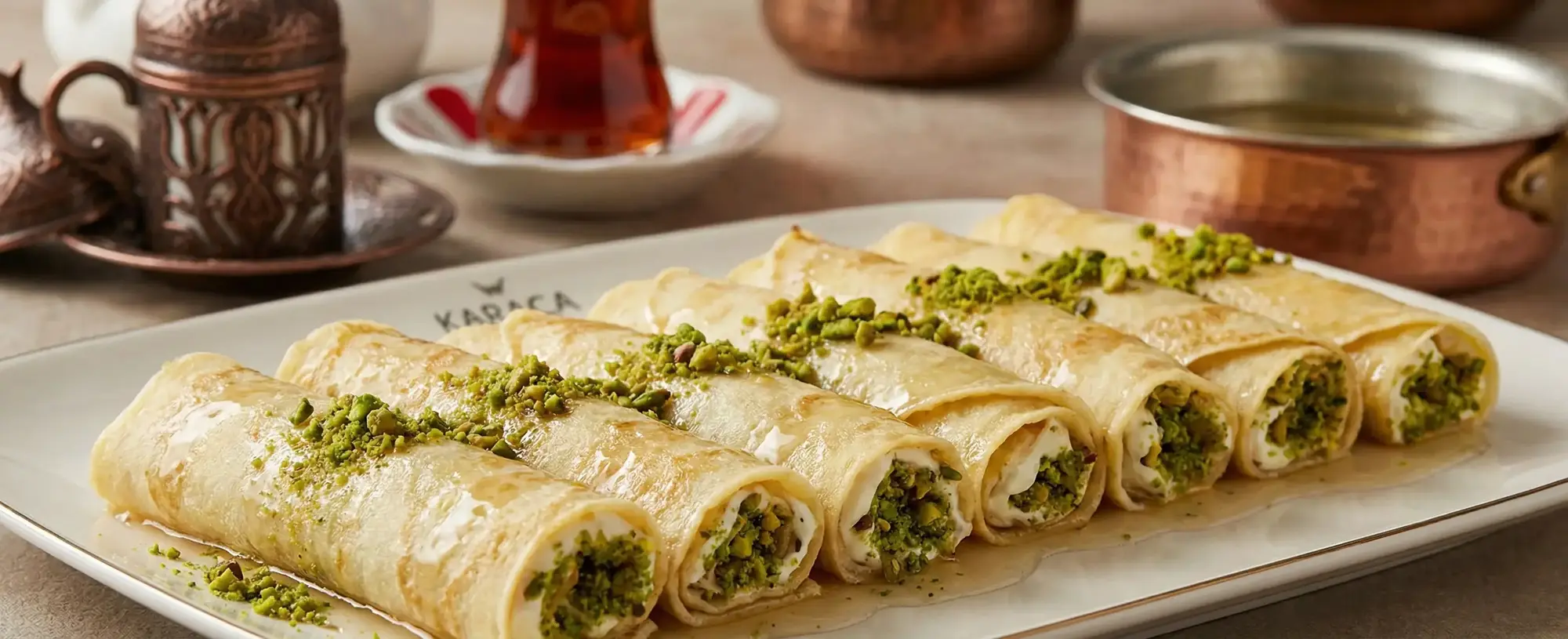
Urfa Şıllık Dessert, locally known as Urfa Şıllık Tatlısı or Şanlıurfa Şıllık Tatlısı, is a traditional syrup-soaked dessert made from thin, soft breads prepared with flour, water, and salt. The cooked layers are filled with coarsely crushed walnuts, cut into squares or diamond shapes, and covered with a hot syrup enriched with clarified butter. It may also be prepared as individual walnut-filled rolls.

The dessert is closely associated with Şanlıurfa’s home cooking, dessert shops, family gatherings, and regional hospitality. Its character depends on the delicacy of the thin breads, the quality of the walnuts, the aroma of regional clarified butter, and the skill required to layer, roll, slice, and serve it without damaging its soft structure. This complete guide explains its ingredients, geographical-indication status, traditional cooking method, two recognised serving styles, taste, texture, visitor tips, and the best way to include Şıllık in a Şanlıurfa food experience.

Thin Şıllık Breads

A flowing flour-and-water batter is cooked in delicate layers until both sides are lightly coloured and remain soft.

Crushed Walnuts

Coarsely crushed walnuts form the traditional filling and provide richness, texture, and a gentle earthy flavour.

Hot Buttered Syrup

Sugar syrup enriched with clarified butter is poured over the dessert while hot, immediately before serving.

Two Serving Styles

Şıllık may be presented as layered tray slices or as individually rolled walnut-filled portions.

Know Before You Taste

Urfa Şıllık Dessert – Quick Facts

Essential information about one of Şanlıurfa’s most characteristic traditional desserts.

📍

Origin

Şanlıurfa in southeastern Türkiye, where Şıllık has long been associated with local home cooking and dessert culture.

Open Şanlıurfa on Google Maps
🥞

Main Element

Thin and soft Şıllık breads prepared from a flowing mixture of flour, water, and a small amount of salt.

🌰

Traditional Filling

Coarsely crushed walnuts placed between the layers or inside individually rolled portions.

🏅

Geographical Indication

Registered by TÜRKPATENT as Urfa Şıllık Tatlısı with registration number 232.


A Dessert Shaped by Local Skill

The Culinary Tradition of Urfa Şıllık Dessert

Discover how a short list of simple ingredients becomes a distinctive expression of Şanlıurfa’s culinary heritage.

Şanlıurfa’s cuisine is known for transforming local grains, nuts, dairy products, peppers, vegetables, and meat into dishes that depend as much on technique as on ingredients. Recipes are frequently preserved through family kitchens, neighbourhood cooks, traditional restaurants, and the practical knowledge of local masters.

Urfa Şıllık Dessert reflects this tradition particularly well. Its batter contains only flour, water, and salt, yet the final result depends on making each bread thin, soft, evenly cooked, and strong enough to hold walnuts and hot syrup without becoming heavy or falling apart.

The dessert is prepared both in homes and in businesses specialising in regional food. It may appear after a family meal, during visits between relatives, at shared tables, or as part of a broader tasting of Şanlıurfa’s traditional dishes.

One of its defining features is the use of clarified butter in the syrup. The registered description specifically connects the traditional product with clarified butter obtained from the milk of sheep raised in the region, adding a distinctive aroma and depth to the sweetness.

The preparation also requires careful timing. The breads should remain moist and flexible, the walnuts should be distributed evenly, the layers must be cut without slipping, and the syrup should be poured while hot. The dessert is then served fresh and warm.

This combination of regional ingredients, recognised technique, local craftsmanship, and cultural continuity led to the registration of Urfa Şıllık Tatlısı as a geographically indicated product associated with Şanlıurfa.


What Makes It Special

Distinctive Features of Urfa Şıllık Dessert

The dessert’s identity comes from its thin breads, walnut filling, hot clarified-butter syrup, soft texture, and skilled presentation.

Thin Şıllık Breads

The foundation of the dessert is a series of very thin, soft breads cooked from a flowing batter. Both sides are lightly cooked until they develop a gentle pinkish colour without becoming dry or crisp.

  • Main ingredients: Flour, water, and salt
  • Texture: Thin, flexible, and soft
  • Cooking: Both sides are lightly coloured

Coarsely Crushed Walnuts

Walnuts are the traditional filling recorded in the geographical-indication method. They are crushed coarsely rather than ground into a powder, preserving their flavour and texture.

  • Traditional filling: Walnut kernels
  • Preparation: Coarsely crushed
  • Purpose: Adds richness and contrast

Regional Clarified Butter

Clarified butter, known in Turkish as sadeyağ, is boiled directly with the sugar and water used for the syrup. Its dairy aroma is one of the dessert’s defining regional characteristics.

  • Turkish name: Sadeyağ
  • Use: Added to the syrup
  • Character: Rich, aromatic, and buttery

Hot Syrup

The syrup is prepared from sugar, water, and clarified butter and boiled for approximately five minutes. It is poured over the assembled dessert while still hot.

  • Main ingredients: Sugar, water, and clarified butter
  • Cooking time: Approximately five minutes
  • Serving: Poured while hot

Layered Tray Presentation

Six Şıllık breads are arranged in two groups of three, with walnuts placed between them. The layered dessert is then cut into squares or diamond shapes before the hot syrup is added.

  • Structure: Three breads, walnuts, three breads
  • Shapes: Square or diamond slices
  • Skill: Layers must be cut without slipping

Rolled Presentation

A single Şıllık bread may be filled with walnuts, folded from the sides, rolled, and sliced. Hot syrup is poured around and over the rolled portion before serving.

  • Portion: One bread per roll
  • Filling: Approximately 50 grams of walnuts
  • Finish: Sliced and covered with syrup

Fresh and Warm Service

Şıllık is not intended to sit for a long period after assembly. The recognised method emphasises serving it fresh and warm, while the breads remain tender and the syrup remains aromatic.

  • Best temperature: Warm
  • Best timing: Shortly after assembly
  • Result: Soft layers and fragrant syrup

Mastery and Delicate Handling

Although the ingredient list is simple, the dessert requires experience. Batter consistency, pan temperature, turning, cooling, layering, cutting, and syrup timing all affect the final result.

  • Key skill: Producing thin, unbroken breads
  • Challenge: Cutting without disturbing the layers
  • Final balance: Soft, nutty, sweet, and buttery

Urfa Şıllık Dessert’s Geographical Indication

Urfa Şıllık Tatlısı, also registered under the name Şanlıurfa Şıllık Tatlısı, is officially protected by the Turkish Patent and Trademark Office as a geographically indicated product associated with Şanlıurfa.

Registration Name

The official registered name is Urfa Şıllık Tatlısı (Şanlıurfa Şıllık Tatlısı).

Registration Number

The product carries geographical-indication registration number 232.

Registration Date

The registration was completed on 20 November 2017.

Indication Type

It is registered as a Mahreç İşareti, identifying a product strongly associated with a specific geographical area.

Geographical Boundary

The registered geographical boundary is the province of Şanlıurfa.

Registered Institution

The registration holder is the Şanlıurfa Chamber of Commerce and Industry.


The registration records the dessert’s core ingredients, the preparation of the flowing batter, the use of walnuts, the clarified-butter syrup, the light cooking of both sides of each bread, the two recognised presentation methods, and the requirement that the finished dessert be served fresh and warm.

The geographical indication helps preserve the dessert’s relationship with Şanlıurfa and supports the continuation of the local skills involved in preparing, cooking, layering, rolling, slicing, and serving it.

Ingredients Used in Urfa Şıllık Dessert

The registered preparation uses a concise list of ingredients. The recipe relies on the balance between delicate unsweetened breads, generous walnuts, and hot syrup enriched with clarified butter.

Flour

Approximately 130 grams of flour form the base of the thin Şıllık-bread batter.

Water

Approximately 480 millilitres of water create the fluid consistency required to spread the batter thinly across the pan.

Salt

Approximately 2 grams of salt are added to the batter to balance the overall flavour.

Walnuts

Approximately 250 grams of coarsely crushed walnut kernels are used for the traditional layered tray presentation.

Sugar

Approximately 400 grams of granulated sugar provide the sweetness of the hot syrup.

Syrup Water

Approximately 240 millilitres of water are combined with sugar and clarified butter for the syrup.

Clarified Butter

Approximately 80 grams of clarified butter enrich the syrup with the characteristic flavour of the registered dessert.

Tail Fat for the Pan

A piece of lamb tail fat is traditionally used to apply a very light coating to the pan before each new bread is cooked.


Important Ingredient Notes

The Batter Is Unsweetened The Şıllık breads contain flour, water, and salt; the sweetness comes from the syrup added at the end
Walnuts Are Essential The registered filling uses coarsely crushed walnuts rather than a smooth nut paste
Clarified Butter Is in the Syrup The butter is boiled together with sugar and water rather than simply drizzled over the finished plate
The Pan Is Lightly Greased Only a thin film is required so that the breads remain delicate rather than oily
Freshness Matters The finished dessert should be assembled and served while the hot syrup and soft breads are at their best

How Urfa Şıllık Dessert Is Prepared

Traditional preparation follows a careful sequence. The breads must remain thin and soft, the syrup must be hot, and the final assembly must preserve the dessert’s delicate structure.

1. Mix the Batter Whisk flour, water, and salt until the mixture becomes smooth, homogeneous, and fluid
2. Heat the Pan Warm a non-stick pan over medium heat
3. Lightly Grease the Surface Rub the inner surface with a piece of lamb tail fat so that only a small amount of fat coats the pan
4. Pour a Thin Layer Add enough fluid batter to cover the pan in a thin and even layer
5. Cook the First Side Cook until the underside becomes lightly pinkish without allowing it to dry or crisp
6. Turn the Bread Flip carefully and cook the second side until it also becomes lightly coloured; do not grease the pan again during the flip
7. Repeat the Process Before each new bread, lightly grease the pan again and continue until all the batter has been used
8. Cool Individually Allow the cooked Şıllık breads to cool separately so that they do not stick together
9. Protect from Drying Cover the breads with a clean bread cloth to keep them soft and flexible
10. Prepare the Syrup Boil sugar, water, and clarified butter together for approximately five minutes
11. Assemble the Dessert Layer the breads with walnuts or prepare individual walnut-filled rolls
12. Add the Hot Syrup Pour the syrup over the assembled dessert while it is still hot and finish with additional walnuts
13. Serve Fresh and Warm Present immediately while the breads remain soft and the clarified-butter aroma is at its fullest

What Is Şıllık Bread?

The thin cooked layer used in the dessert is traditionally described as Şıllık ekmeği, meaning Şıllık bread. It resembles a very delicate, unsweetened crêpe, but its preparation and role belong specifically to the registered Şanlıurfa dessert.

Fluid Batter

The high proportion of water creates a batter that can spread quickly and evenly across the hot pan.

Very Thin Structure

The batter is poured only thick enough to cover the pan, producing a soft layer rather than a heavy pancake.

Light Colour

Both surfaces are cooked until gently pinkish, not deeply browned or crisp.

Softness

The bread must remain flexible enough to be stacked, folded, rolled, or sliced without breaking.

Individual Cooling

Each bread is cooled separately before assembly to preserve its shape and prevent sticking.

Covered Storage

A cloth is placed over the cooked breads so that they do not dry before the dessert is assembled.


The quality of the Şıllık bread determines the character of the finished dessert. A layer that is too thick can make the result heavy, while one that is overcooked may crack when rolled or fail to absorb the syrup evenly.

Layered Tray-Style Şıllık Dessert

The tray presentation is one of the two serving methods described in the official geographical-indication record.

Prepare Six Breads Use six cooked Şıllık breads of a size suitable for the chosen tray
Create the Bottom Layers Place three Şıllık breads directly on top of one another
Add the Walnuts Spread approximately 250 grams of coarsely crushed walnuts over the three lower breads
Add the Upper Layers Place the remaining three breads over the walnut filling
Cut Carefully Slice through every layer without allowing the stack to slip or lose its round form
Choose the Shape Cut the dessert into squares or traditional diamond-shaped portions
Pour the Syrup Distribute the hot syrup evenly across the complete surface and into the cuts
Finish with Walnuts Decorate the top with additional crushed walnuts and serve fresh and warm

The cutting stage requires particular care because the soft layers can slide against one another. A clean cut reaching the lowest bread helps each portion hold together when lifted from the tray.

Rolled Şıllık Dessert

The rolled presentation creates an individual portion while preserving the same combination of soft bread, walnuts, hot syrup, and clarified butter.

One Şıllık Bread

A single soft bread is placed flat on an individual serving plate.

Walnut Filling

Approximately 50 grams of coarsely crushed walnuts are placed inside.

Fold the Edges

The sides are folded inward to help contain the walnuts during rolling.

Form the Roll

The filled bread is rolled carefully without tearing its thin surface.

Slice the Portion

The roll is cut into smaller pieces for easier serving and syrup absorption.

Cover with Hot Syrup

The hot syrup is poured so that it surrounds and coats the rolled pieces, which are then decorated with walnuts.


The rolled style is often appealing to first-time visitors because each portion clearly shows the contrast between the pale, soft bread, the walnut centre, and the glossy hot syrup.

Why Is Clarified Butter Used in Şıllık?

Clarified butter is one of the registered dessert’s most distinctive components. It is added directly to the syrup and contributes more than simple richness.

Aroma

Clarified butter gives the syrup a warm dairy fragrance that becomes especially noticeable when served hot.

Depth of Flavour

Its savoury richness balances the direct sweetness of sugar and prevents the syrup from tasting one-dimensional.

Regional Character

The registered description connects the dessert with clarified butter traditionally obtained from the milk of locally raised sheep.

Gloss and Texture

The butter gives the syrup a glossy appearance and a smooth mouthfeel across the soft breads and walnuts.


A well-balanced Şıllık should taste buttery without feeling greasy. The thin breads and walnuts absorb part of the syrup, while the dessert’s warm service keeps the clarified-butter aroma open and expressive.

What Does Urfa Şıllık Dessert Taste Like?

Urfa Şıllık Dessert combines soft, tender layers with the earthy flavour of walnuts and a hot syrup that is sweet, buttery, and aromatic.

Şıllık Breads

The breads are mild and lightly salted, allowing the walnuts and syrup to provide most of the dessert’s flavour.

Walnuts

Coarsely crushed walnuts add a gentle bitterness, nuttiness, and pleasant texture between the soft layers.

Syrup

The hot sugar syrup provides sweetness and moisture, soaking into the bread without turning it into a crisp pastry.

Clarified Butter

Sadeyağ adds a warm dairy richness and a distinctive regional finish.


Compared with many syrup-soaked pastries, Şıllık has no baked, flaky, or crunchy pastry layers. Its identity is softer and more delicate, closer to warm walnut-filled crêpe layers covered with fragrant syrup.

The Texture of Traditional Şıllık

Texture is one of the clearest signs of careful preparation. The dessert should be soft enough to absorb syrup but structured enough to hold its shape.

Thin

Each bread should be delicate rather than thick or cake-like.

Soft

The cooked layers should bend and fold easily without cracking.

Moist

Hot syrup moistens the layers while preserving their individual form.

Nutty

Coarsely crushed walnuts create texture between the tender breads.

Warm

Fresh service gives the dessert a comforting, soft, and aromatic quality.

Delicate

The layered or rolled portion should be handled carefully because the breads are intentionally fine and tender.

When Is Şıllık Dessert Eaten?

Şıllık may be enjoyed whenever a warm regional dessert is desired. It is commonly associated with shared meals, family hospitality, traditional restaurants, and visits to Şanlıurfa.

After a Local Meal

Its walnut filling and warm syrup make it a memorable conclusion to a meal of Şanlıurfa specialities.

Family Gatherings

The tray-style preparation is well suited to serving several people around a shared table.

Guest Hospitality

Freshly prepared Şıllık can be presented to visitors as an expression of regional home cooking.

Food-Focused Travel

Travellers often seek it alongside kebabs, bulgur dishes, yoghurt-based recipes, and other geographically indicated foods.


Because the dessert is intended to be served fresh and warm, availability may depend on preparation schedules. In some restaurants, it is useful to ask whether Şıllık is ready or whether it must be ordered in advance.

Where to Eat Şıllık Dessert in Şanlıurfa

Şıllık can be found in traditional restaurants, regional dessert shops, old-city dining venues, and businesses specialising in Şanlıurfa cuisine. It is also widely associated with home preparation.

Traditional Urfa Restaurants

Restaurants offering a broad regional menu may serve Şıllık as a warm dessert after kebabs and local dishes.

Historic Centre

Dining venues around the old bazaars and historic streets provide an atmospheric setting for trying Şanlıurfa specialities.

Regional Dessert Shops

Some dessert makers prepare Şıllık in trays or individual rolled portions during specific service hours.

Home-Style Kitchens

Small family-run venues may offer a softer, more traditional style resembling the dessert served in local homes.


Choose a clean and busy establishment where the dessert is prepared fresh. Ask whether it is tray-style or rolled, whether the syrup will be served hot, and how long the current tray has been waiting before ordering.

Urfa Şıllık Dessert Visitor Tips

Order It Warm

Traditional Şıllık is best when the syrup is hot and the breads are fresh, tender, and aromatic.

Ask About the Serving Style

Restaurants may offer layered tray slices, individual rolls, or only one of the two traditional presentations.

Share a Portion

The combination of walnuts, sugar, and clarified butter is rich, so sharing allows you to taste more dishes during a food tour.

Look for Soft Layers

The breads should be thin and flexible, not dry, leathery, or crisp.

Notice the Walnuts

Traditional filling uses coarsely crushed walnuts that should remain visible and textured.

Expect Clarified Butter

The registered dessert includes sadeyağ in its syrup, creating a richer flavour than a plain sugar-and-water syrup.

Ask About Fresh Preparation

Some venues prepare the dessert at particular times or may require notice for a complete tray.

Try It After Savoury Food

Şıllık creates a satisfying contrast after charcoal kebabs, spicy dishes, yoghurt recipes, and bulgur-based meals.

Frequently Asked Questions About Urfa Şıllık Dessert

What is Urfa Şıllık Dessert?

Urfa Şıllık Dessert is a traditional Şanlıurfa sweet made from thin breads prepared with flour, water, and salt. The breads are filled or layered with coarsely crushed walnuts and covered with a hot syrup made from sugar, water, and clarified butter.

What is Şıllık Dessert called in Turkish?

It is called Urfa Şıllık Tatlısı or Şanlıurfa Şıllık Tatlısı. The thin cooked layers used in the dessert are known as Şıllık ekmeği.

Is Urfa Şıllık Dessert geographically indicated?

Yes. It is registered by the Turkish Patent and Trademark Office with geographical-indication registration number 232.

When was Şıllık Dessert registered?

The geographical-indication registration was completed on 20 November 2017 following an application by the Şanlıurfa Chamber of Commerce and Industry.

What type of geographical indication does it have?

Urfa Şıllık Tatlısı is registered as a Mahreç İşareti, and its registered geographical boundary is Şanlıurfa.

What are the Şıllık breads made from?

The registered batter contains flour, water, and a small amount of salt. It is mixed until smooth and fluid and then cooked in very thin layers.

Is there sugar in the batter?

No sugar is listed in the traditional batter. The sweetness comes from the hot syrup poured over the assembled dessert.

Which nuts are used in traditional Şıllık?

The registered preparation uses coarsely crushed walnuts as the filling and as a garnish.

Does traditional Şıllık contain clarified butter?

Yes. Clarified butter, known as sadeyağ, is boiled with sugar and water to prepare the syrup.

Is the pan greased during cooking?

Yes. The registered method describes lightly greasing the pan with a piece of lamb tail fat before cooking each new bread.

How thin should the Şıllık breads be?

The batter should form a thin layer covering the pan. The cooked breads should remain fine, soft, and flexible rather than thick or crisp.

How are the breads cooked?

Each side is cooked over medium heat until lightly pinkish. The bread is turned carefully so that both surfaces cook without drying.

Why are the breads covered after cooking?

They are covered with a clean bread cloth to prevent drying and to keep them flexible for layering or rolling.

How is the syrup prepared?

Sugar, water, and clarified butter are boiled together for approximately five minutes and poured over the dessert while hot.

How is tray-style Şıllık assembled?

Three breads are stacked, walnuts are spread over them, and three more breads are placed on top. The stack is cut into squares or diamond shapes before the hot syrup is added.

How is rolled Şıllık prepared?

One bread is filled with approximately 50 grams of walnuts, folded from the sides, rolled, sliced, and covered with hot syrup.

Is Şıllık served hot or cold?

The registered method states that it should be served fresh and warm, with the syrup poured while hot.

What does Şıllık taste like?

It tastes sweet, nutty, buttery, and warm, with soft layers and the earthy flavour of coarsely crushed walnuts.

Is Şıllık similar to baklava?

Both may contain walnuts and syrup, but Şıllık uses soft pan-cooked breads rather than crisp layers of baked pastry. Its texture is tender and flexible rather than flaky.

Is Şıllık similar to a crêpe dessert?

The thin breads may remind visitors of crêpes, but the registered ingredients, cooking method, walnut filling, clarified-butter syrup, and presentation belong to Şanlıurfa’s own culinary tradition.

Can Şıllık be made without walnuts?

Alternative versions may exist, but walnuts are an essential part of the registered traditional preparation.

Where can I eat authentic Şıllık in Şanlıurfa?

Look for traditional Şanlıurfa restaurants, regional dessert shops, and established old-city venues that prepare it fresh and serve the syrup hot.

Should I order Şıllık in advance?

Some restaurants prepare it only at certain times or may need advance notice for a complete tray. It is useful to ask when making a reservation.

Is Urfa Şıllık Dessert worth trying?

Yes. It offers a distinctive introduction to Şanlıurfa’s walnut desserts, clarified-butter tradition, delicate pan-cooked breads, and local culinary craftsmanship.

Best Photos of Urfa Şıllık Dessert

The pale layered breads, golden syrup, walnut filling, copper serving pieces, and traditional surroundings of Şanlıurfa create excellent opportunities for food and travel photography.

Batter in the Pan

Photograph the fluid batter as it spreads into a thin layer across the lightly greased surface.

Turning the Bread

Capture the delicate moment when the cook flips the thin Şıllık bread without tearing it.

Walnut Layers

Show the contrast between the soft pale breads and the generous layer of coarsely crushed walnuts.

Hot Syrup Pour

Photograph the glossy syrup as it is poured over the sliced tray or rolled portions.

Diamond Slices

A neatly cut tray with walnut garnish creates a strong overhead composition.

Historic Şanlıurfa Setting

Combine the dessert with copperware, stone courtyards, bazaars, or traditional restaurant interiors for regional context.


Ask permission before photographing cooks, restaurant staff, home kitchens, or other guests. Avoid delaying service while the dessert is warm and ready to eat.

Şanlıurfa Tours and Culinary Experiences

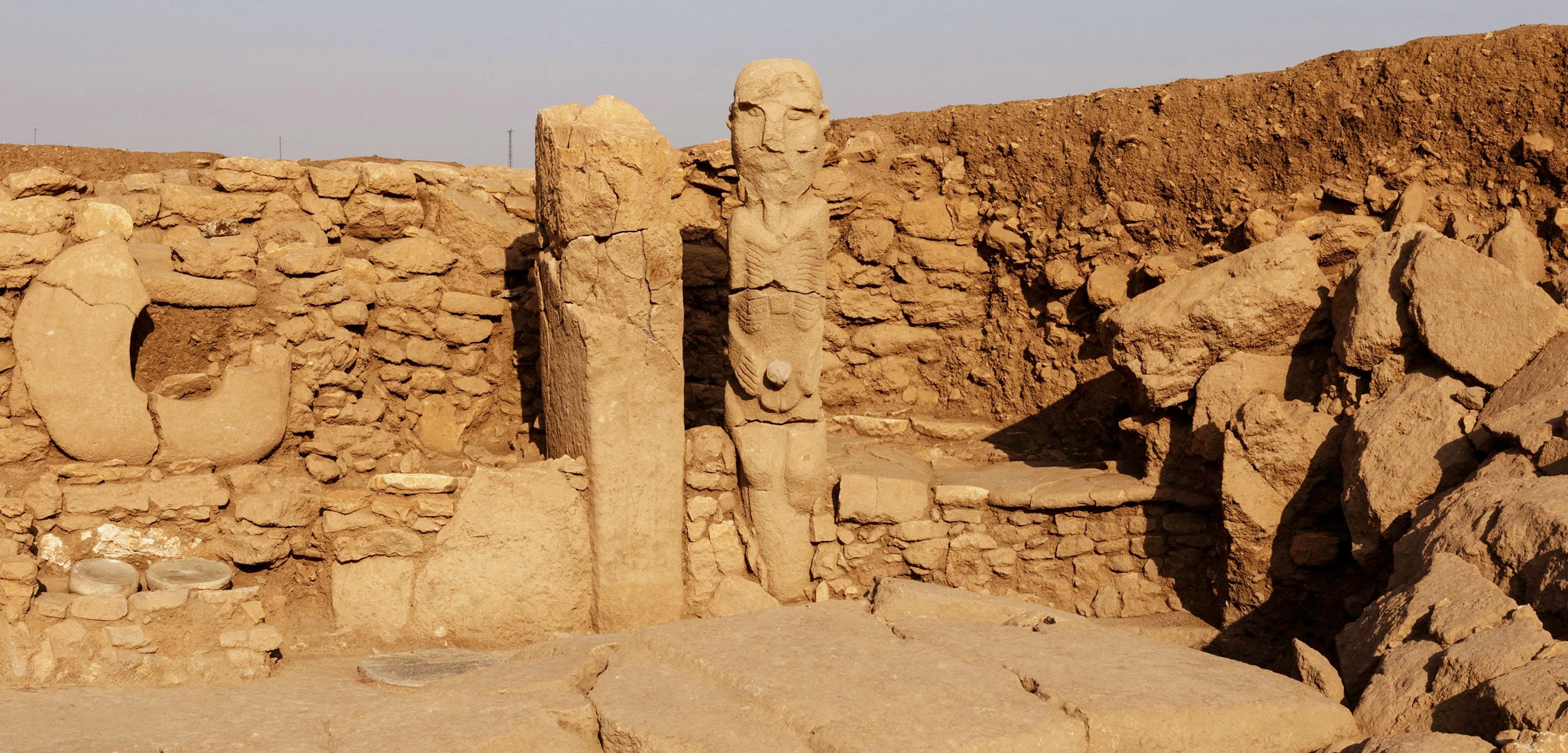
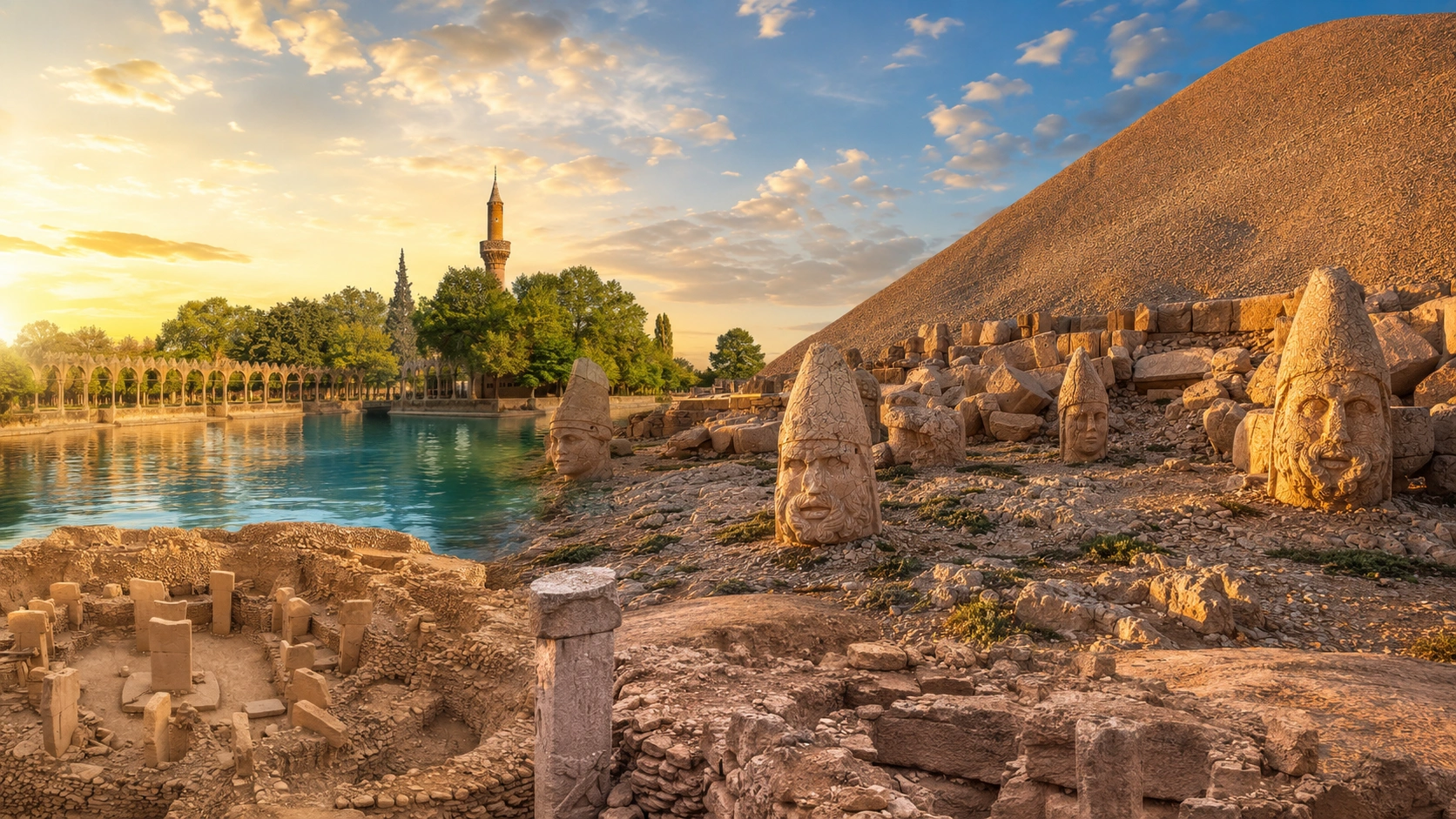
Experience Şıllık Dessert as part of a private journey combining Şanlıurfa’s bazaars, sacred heritage, regional cuisine, Göbeklitepe, Karahantepe, Harran, Halfeti, Gaziantep, and Mount Nemrut.

Private Şanlıurfa Experiences

Custom-designed services with private transportation, professional guiding, flexible timing, and opportunities to discover local food traditions.

Longer Southeastern Türkiye Journeys

Add Şanlıurfa’s culinary traditions to a private route through Gaziantep, Halfeti, Göbeklitepe, Karahantepe, Harran, Mount Nemrut, and Mardin.

Eastern Turkey tour including Sanliurfa regional cuisine

Eastern Turkey Tour – 14 Days

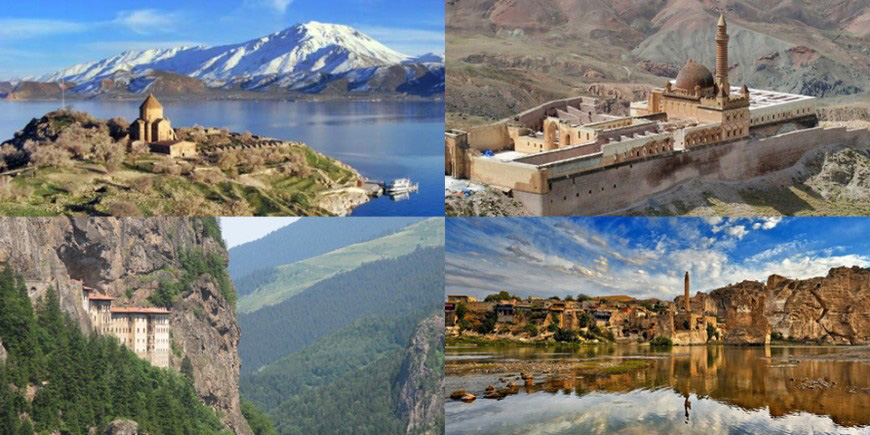
Explore Cappadocia, Gaziantep, Şanlıurfa, Göbeklitepe, Mount Nemrut, Mardin, Lake Van, Ani, Erzurum, and the Black Sea while discovering the regional cultures and flavours of eastern Türkiye.

View Tour