A Charcoal-Grilled Tradition of Şanlıurfa

Urfa Liver Kebab – Complete Food Guide

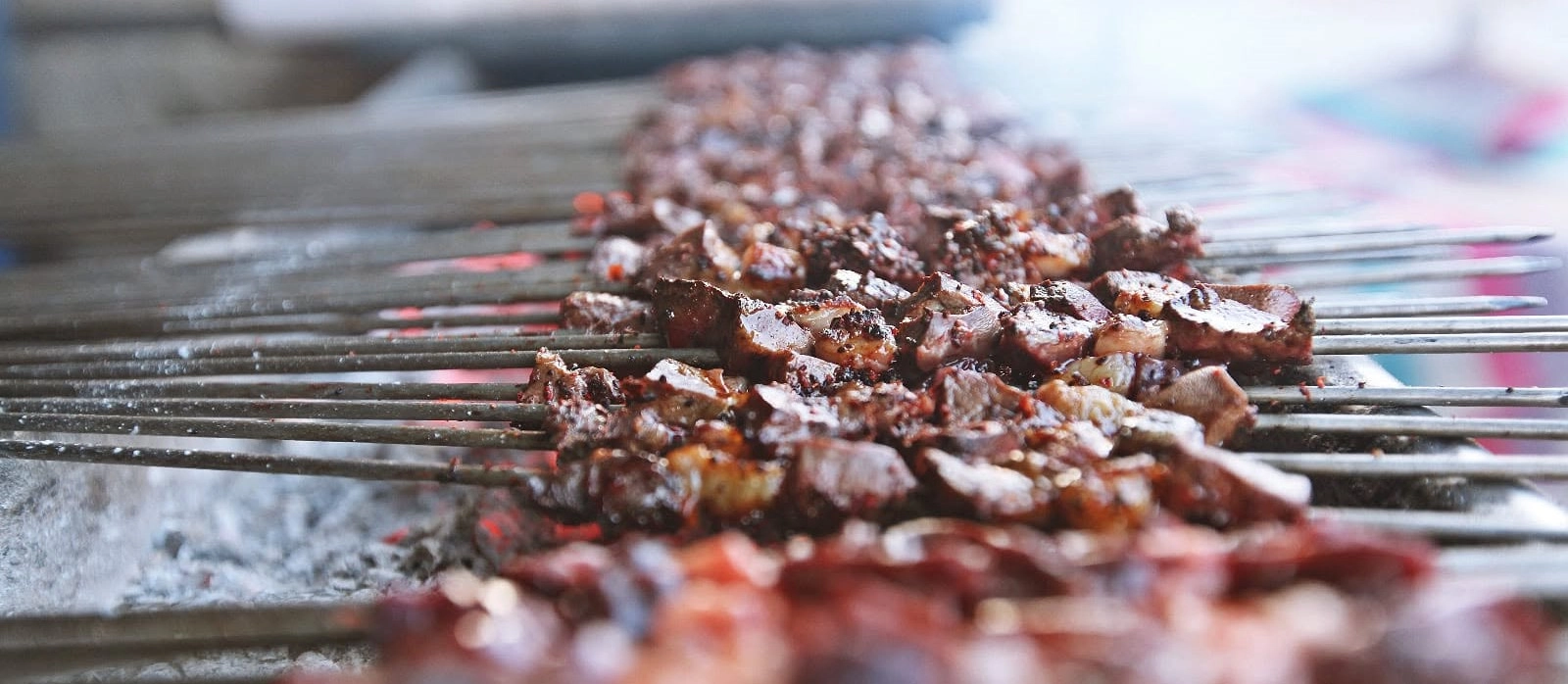
Discover tender lamb liver, rich tail fat, glowing charcoal,
Şanlıurfa pepper, fresh herbs, warm lavash, and one of Urfa’s most distinctive food traditions.

Discover Urfa Liver Kebab

Discover the Famous Liver Kebab of Şanlıurfa

Urfa Liver Kebab, locally known as Urfa Ciğer Kebabı, is one of the most characteristic dishes of southeastern Türkiye. Small pieces of fresh lamb liver and lamb tail fat are arranged on thin skewers, seasoned with salt and Şanlıurfa pepper, and cooked quickly over glowing charcoal. The cooked pieces are then wrapped in warm lavash or traditional sac bread with onions, parsley, mint, roasted peppers, regional spices, and optional lemon.

What makes this dish especially remarkable is not only its flavour but also its place in daily life. In Şanlıurfa, liver kebab is eaten for breakfast as well as lunch and dinner. During Ramadan, it is also closely associated with suhoor, the meal eaten before dawn. This complete guide explains its ingredients, registered preparation method, cultural importance, charcoal-grilling technique, traditional presentation, geographical-indication status, eating customs, visitor tips, and the best way to experience Urfa’s legendary kebab culture.

Fresh Lamb Liver

Prepared from fresh lamb liver cut into small, evenly sized cubes for rapid and balanced cooking.

Tail Fat

Pieces of lamb tail fat are placed between the liver to add moisture, richness, and the characteristic flavour of the kebab.

Charcoal Fire

Thin skewers are turned repeatedly over glowing charcoal, creating a smoky exterior while protecting the liver’s texture.

A Living Tradition

Enjoyed at breakfast, lunch, dinner, and especially during Ramadan’s pre-dawn suhoor meals.

Know Before You Taste

Urfa Liver Kebab – Quick Facts

Essential information about one of Şanlıurfa’s most distinctive charcoal-grilled specialities.

📍

Origin

Şanlıurfa in southeastern Türkiye, where liver kebab is deeply connected with the city’s traditional food culture.

Open Şanlıurfa on Google Maps
🔥

Cooking Method

Small pieces of lamb liver and tail fat are threaded onto thin skewers and grilled over charcoal.

🌶️

Signature Seasoning

Salt and geographically indicated Şanlıurfa pepper give the kebab its regional character.

🏅

Geographical Indication

Registered by TÜRKPATENT as Urfa Ciğer Kebabı with registration number 323.


More Than a Kebab

The Culinary Tradition of Urfa Liver Kebab

Discover why liver kebab occupies such an unusual and important place in Şanlıurfa’s everyday life.

Şanlıurfa has one of Türkiye’s richest regional food cultures. Its cuisine developed around local livestock, fertile agricultural land, wheat, bulgur, peppers, herbs, charcoal grilling, shared meals, and traditions passed from one generation of cooks to the next.

Within this culinary landscape, Urfa Liver Kebab became closely associated with the city’s markets, neighbourhood kebab shops, early-morning routines, family tables, and Ramadan traditions. It is prepared throughout the year and is not restricted to one particular season.

Unlike in many destinations where grilled liver is primarily regarded as an evening meal, people in Şanlıurfa commonly enjoy liver kebab in the morning. Early-opening liver restaurants and charcoal grills form part of the city’s distinctive breakfast culture.

During Ramadan, liver kebab is especially popular at suhoor. Restaurants and street-side grills may remain active late into the night as families and groups gather before beginning the daily fast.

The dish depends heavily on the skill of the cook. The liver must be cleaned and cut evenly, the tail fat must be correctly proportioned, the charcoal must reach the proper temperature, and the skewers must be turned continuously without allowing the liver to become dry.

This combination of local ingredients, specialised technique, regional seasoning, and living cultural practice led to the official registration of Urfa Ciğer Kebabı as a geographically indicated product associated with Şanlıurfa.

What Makes It Special

Distinctive Features of Urfa Liver Kebab

The character of the dish comes from the quality of its ingredients, the arrangement of the skewers, the charcoal fire, and the experience of the kebab master.

Fresh Lamb Liver

Traditional Urfa liver kebab is prepared with fresh lamb liver. The liver is cleaned and cut into small cubes approximately the size of a hazelnut so that the pieces cook quickly and evenly.

  • Main ingredient: Fresh lamb liver
  • Cut: Small, evenly sized cubes
  • Purpose: Rapid cooking without excessive drying

Lamb Tail Fat

Lamb tail fat is threaded between the liver pieces. As it heats over the charcoal, the fat softens and helps protect the liver while adding richness, moisture, and a distinctive southeastern Anatolian flavour.

  • Traditional ratio: Approximately 250 grams for 1 kilogram of liver
  • Cut: Slightly smaller than the liver pieces
  • Function: Adds moisture and flavour during grilling

Special Liver Skewers

Urfa liver kebab is cooked on skewers that are generally thinner and shorter than ordinary kebab skewers. Their size allows the small pieces to remain secure and cook rapidly over the charcoal.

  • Shape: Thin metal skewers
  • Size: Shorter than many standard kebab skewers
  • Benefit: Easier control over high heat

Glowing Charcoal

The skewers are cooked over charcoal that has developed an even bed of glowing embers. Direct flames are avoided because they can burn the exterior before the liver has cooked properly.

  • Heat: Strong and evenly distributed
  • Technique: Repeated turning over the embers
  • Result: Lightly smoky exterior and tender interior

Şanlıurfa Pepper

Şanlıurfa pepper is one of the defining ingredients. A mixture of the regional pepper and salt is sprinkled over the skewers during cooking, adding warmth, aroma, colour, and local identity.

  • Regional ingredient: Şanlıurfa pepper
  • Use: Applied during cooking and sometimes at serving
  • Character: Earthy, gently smoky, and moderately hot

Lavash or Sac Bread

Once cooked, the liver and tail-fat pieces are pulled directly from the skewers into thin bread. Lavash or traditional sac bread catches the juices and becomes part of the finished wrap.

  • Traditional bread: Lavash or sac ekmeği
  • Style: Thin and flexible
  • Serving: Wrapped around the hot liver and garnishes

Fresh Herbs and Vegetables

Onion, parsley, mint, roasted fresh peppers, and optional lemon balance the richness of the liver and tail fat. The garnishes add freshness, acidity, aroma, and texture.

  • Typical herbs: Parsley and mint
  • Vegetables: Onion and roasted pepper
  • Optional addition: Fresh lemon juice

Mastery and Timing

Urfa liver kebab requires close attention. Liver can become firm when overcooked, so experienced cooks continually rotate the skewers and judge doneness by colour, texture, heat, and aroma.

  • Key skill: Controlling heat and timing
  • Challenge: Cooking safely without drying the liver
  • Best service: Immediately after grilling

Urfa Liver Kebab’s Geographical Indication

Urfa Ciğer Kebabı is officially registered by the Turkish Patent and Trademark Office as a geographically indicated product associated with Şanlıurfa.
Registration Name

The official registered name is Urfa Ciğer Kebabı.

Registration Number

The product carries geographical-indication registration number 323.

Registration Date

The registration was completed on 12 January 2018.

Registered Institution

The application and registration were made by the Şanlıurfa Chamber of Commerce and Industry.


The registration records the dish’s distinctive ingredients and production method, including lamb liver, lamb tail fat, charcoal cooking, special skewers, Şanlıurfa pepper, and the traditional arrangement of the liver and fat pieces.

The geographical indication helps preserve the recognised preparation method and emphasises the kebab’s strong cultural relationship with Şanlıurfa.

Ingredients Used in Urfa Liver Kebab

The officially registered preparation uses a short list of ingredients. Its flavour depends more on freshness, balance, charcoal, and cooking skill than on complicated marinades.

Fresh Lamb Liver

Approximately 1 kilogram of fresh lamb liver, cleaned and cut into hazelnut-sized cubes.

Lamb Tail Fat

Approximately 250 grams of lamb tail fat, cut slightly smaller than the liver pieces.

Şanlıurfa Pepper

Approximately one tablespoon of Şanlıurfa pepper for seasoning during cooking and presentation.

Salt

Approximately 10 grams of salt, mixed with the pepper and applied while the skewers cook.

Charcoal

Charcoal is prepared until it forms hot, glowing embers suitable for rapid and controlled grilling.

Thin Metal Skewers

Special liver-kebab skewers are used to hold and cook the small pieces securely.


Traditional Accompaniments

Bread Thin lavash or traditional sac bread
Fresh Herbs Parsley and mint according to season and availability
Vegetables Onion and charcoal-roasted fresh peppers
Seasoning Additional Şanlıurfa pepper, salt, and optional lemon
Drink Cold ayran, traditionally presented alongside the hot kebab

How Urfa Liver Kebab Is Prepared

Traditional preparation follows a precise sequence. Each stage influences the tenderness, flavour, and final texture of the kebab.

1. Prepare the Liver Clean the fresh lamb liver and cut it into small, consistently sized cubes approximately the size of a hazelnut
2. Cut the Tail Fat Cut the lamb tail fat into pieces slightly smaller than the liver cubes
3. Arrange the Skewers Thread liver and tail fat onto thin liver-kebab skewers according to the traditional arrangement
4. Prepare the Fire Allow the charcoal to develop into a strong and even bed of glowing embers
5. Begin Grilling Place the skewers above the charcoal and turn them continuously to distribute the heat
6. Add the Seasoning Sprinkle the prepared mixture of Şanlıurfa pepper and salt over the liver during cooking
7. Finish the Cooking Continue rotating the skewers until the liver and tail fat are cooked and lightly coloured
8. Pull into the Bread Place warm lavash or sac bread around the skewer and pull the cooked pieces directly into the bread
9. Add the Garnishes Complete the wrap with onion, parsley, mint, roasted pepper, Şanlıurfa pepper, salt, and optional lemon
10. Serve Immediately Eat while hot, traditionally accompanied by cold ayran

How the Liver and Tail Fat Are Placed on the Skewer

The official geographical-indication description records a particular arrangement of liver and tail-fat pieces on each thin skewer.

First Piece

The skewer begins with one piece of lamb liver.

First Tail-Fat Piece

One piece of lamb tail fat follows the first piece of liver.

Middle Section

Two additional pieces of lamb liver are placed in the centre.

Second Tail-Fat Piece

A second piece of tail fat follows the two central liver pieces.

Final Piece

The skewer is completed with one final piece of lamb liver.

Total per Skewer

Each skewer contains four pieces of liver and two pieces of tail fat.


This arrangement distributes the tail fat between the liver pieces so that its flavour and moisture spread more evenly during cooking.

Why Is Tail Fat Used in Liver Kebab?

Tail fat is a traditional ingredient in many southeastern Anatolian kebabs. In liver kebab, it performs several important functions.

Moisture

The melting fat helps prevent the small pieces of liver from becoming excessively dry over the intense charcoal heat.

Flavour

Tail fat contributes the rich, savoury character traditionally associated with Urfa-style charcoal kebabs.

Heat Protection

The fat placed between the liver pieces provides some protection from the direct heat of the glowing charcoal.

Traditional Balance

The recognised ratio balances the strong flavour of liver with the richness of the fat and the freshness of the garnishes.


Visitors unfamiliar with tail fat may find its flavour rich. Eating the kebab with parsley, onion, mint, roasted pepper, lemon, and ayran creates a more balanced overall experience.

The Role of Şanlıurfa Pepper

Şanlıurfa pepper is essential to the identity of Urfa liver kebab. It gives the dish more than simple heat; it also provides aroma, colour, smokiness, and regional character.

Applied During Cooking

A mixture of Şanlıurfa pepper and salt is sprinkled over the liver while the skewers are being grilled.

Added at the Table

Additional pepper may be sprinkled into the lavash according to personal preference.

Balanced Heat

The pepper generally provides a deep, warming flavour rather than overwhelming the natural taste of the liver.

Regional Identity

Its use distinguishes the Urfa preparation and connects the kebab directly with Şanlıurfa’s agricultural traditions.

How Urfa Liver Kebab Is Served

Urfa liver kebab is normally eaten immediately after it leaves the charcoal grill. The cooked liver and fat are pulled from the skewers into thin bread and assembled as a fresh, hot wrap.

Lavash or Sac Bread Thin bread catches the juices and holds the liver, tail fat, herbs, and vegetables
Onion Fresh onion adds crunch and sharpness that balances the richness of the kebab
Parsley and Mint Fresh herbs provide aroma, colour, and a lighter finish
Roasted Peppers Charcoal-roasted fresh peppers reinforce the smoky character of the meal
Lemon A squeeze of lemon is optional and adds acidity to the finished wrap
Ayran The cool yoghurt drink is the classic accompaniment to the hot, seasoned kebab

Traditional presentations may include a handled, tinned copper cup or bowl for the ayran. Serving styles vary between restaurants, but the essential combination of hot liver, thin bread, fresh garnishes, pepper, and ayran remains consistent.

When Do People Eat Liver Kebab in Şanlıurfa?

One of the most surprising characteristics of Urfa liver kebab is the wide range of times at which it is eaten.

Breakfast

In Şanlıurfa, liver kebab is a traditional morning food. Some specialised liver restaurants begin grilling very early.

Lunch

The kebab is commonly eaten as a filling midday meal, especially in and around the historic market districts.

Dinner

It remains a popular evening choice for local residents, families, visitors, and groups sharing a charcoal-grilled meal.

Ramadan Suhoor

During Ramadan, liver kebab is strongly associated with the pre-dawn meal and may be served late at night or before sunrise.


Visitors wishing to experience the most distinctive local tradition should consider trying liver kebab in the morning. However, opening times vary between businesses, and some restaurants specialise only in breakfast or evening service.

What Does Urfa Liver Kebab Taste Like?

The flavour is rich, savoury, smoky, and strongly connected with charcoal grilling. Fresh garnishes and thin bread soften the intensity of the liver and tail fat.

Liver

Properly cooked lamb liver should be tender and moist, with a distinctive mineral-rich savoury flavour.

Tail Fat

The tail fat adds richness and a soft texture while carrying the aroma of the charcoal and seasoning.

Charcoal

The glowing embers create gentle smoke, slight browning, and the characteristic flavour of an Urfa kebab grill.

Pepper and Herbs

Şanlıurfa pepper adds warmth, while parsley, mint, onion, and lemon give freshness and contrast.


The dish is generally more intense than an ordinary meat kebab. First-time visitors may prefer a wrap containing plenty of parsley, onion, roasted pepper, and a small amount of lemon.

Where to Eat Liver Kebab in Şanlıurfa

Liver kebab is available throughout Şanlıurfa, but the most atmospheric experiences are often found around the historic centre, old bazaars, traditional market streets, and neighbourhood restaurants specialising in charcoal kebabs.

Historic Bazaar Area

The streets surrounding Şanlıurfa’s traditional bazaars contain small restaurants and grills serving local specialities.

Specialist Ciğer Restaurants

Businesses specialising in liver generally prepare fresh skewers throughout their service period and cook them to order.

Early-Morning Restaurants

For the traditional breakfast experience, look for established liver restaurants that begin service shortly after sunrise.

Ramadan Service

During Ramadan, operating hours can change significantly, with some businesses serving customers late at night and before dawn.


Choose a clean and busy establishment where skewers are assembled fresh, ingredients are stored correctly, and the liver is cooked in front of guests. Menus, service hours, and portion sizes can change, so confirm current details locally.

Urfa Liver Kebab Visitor Tips

Eat It Immediately

Liver kebab is at its best directly from the charcoal. Allowing it to cool can change both its texture and flavour.

Try the Breakfast Tradition

An early-morning liver breakfast offers one of Şanlıurfa’s most memorable and authentically local food experiences.

Ask About Spice

Şanlıurfa pepper is usually balanced, but additional pepper may be added. Ask for less if you prefer mild food.

Add Fresh Herbs

Parsley, mint, onion, and roasted pepper balance the richness of the liver and tail fat.

Use Lemon Carefully

A little lemon provides freshness, but too much can dominate the charcoal flavour and regional seasoning.

Order Ayran

Cold ayran is the traditional drink and complements the warmth, salt, spice, and richness of the kebab.

Choose a Busy Grill

A steady flow of customers usually means that liver is being prepared frequently rather than waiting for long periods.

Check the Portion

Some restaurants price liver by portion, wrap, plate, or number of skewers. Confirm the serving style before ordering.

Other Foods to Try in Şanlıurfa

Urfa liver kebab is only one part of Şanlıurfa’s extensive culinary culture. A complete food journey can include charcoal kebabs, bulgur dishes, yoghurt-based recipes, vegetable dishes, and traditional desserts.

Şanlıurfa Çiğ Köfte

A traditional bulgur-based speciality kneaded with Şanlıurfa pepper, spices, herbs, and other regional ingredients.

Urfa Kebab

Charcoal-grilled minced meat kebab associated with the city’s long tradition of open-fire cooking.

Eggplant Kebab

Alternating pieces of seasoned meat and eggplant cooked over charcoal or prepared in traditional ovens.

Onion Kebab

Small onions and seasoned meat arranged together and cooked until soft, rich, and lightly caramelised.

Lebeni

A comforting regional soup or stew commonly prepared with yoghurt, wheat, chickpeas, and local seasoning.

Şıllık Dessert

Thin layers of soft dough served with walnuts and sweet syrup, creating one of Şanlıurfa’s best-known desserts.

Frequently Asked Questions About Urfa Liver Kebab

What is Urfa liver kebab?

Urfa liver kebab is a Şanlıurfa speciality made by grilling small pieces of fresh lamb liver and lamb tail fat on thin skewers over charcoal. It is seasoned with salt and Şanlıurfa pepper and normally served in lavash with fresh herbs, onion, roasted pepper, and ayran.

What is Urfa liver kebab called in Turkish?

It is called Urfa Ciğer Kebabı. In everyday conversation, it may simply be called ciğer kebabı or ciğer.

Is Urfa liver kebab geographically indicated?

Yes. Urfa Ciğer Kebabı is registered by the Turkish Patent and Trademark Office with geographical-indication registration number 323.

When was Urfa liver kebab registered?

Its geographical-indication registration was completed on 12 January 2018 following an application submitted by the Şanlıurfa Chamber of Commerce and Industry.

What type of liver is used?

The registered preparation uses fresh lamb liver cut into small cubes approximately the size of a hazelnut.

Why is tail fat added?

Lamb tail fat adds richness and moisture and helps protect the small liver pieces from drying while they cook over the hot charcoal.

How many pieces are placed on each skewer?

The registered arrangement contains four pieces of liver and two pieces of tail fat on each thin liver-kebab skewer.

Is Urfa liver kebab spicy?

It is seasoned with Şanlıurfa pepper, which gives warmth, smokiness, and depth. The intensity varies according to the restaurant and the amount of additional pepper placed in the wrap.

Is the liver marinated?

The registered method does not depend on a complicated marinade. Its main seasoning is a mixture of salt and Şanlıurfa pepper applied during cooking.

How is Urfa liver kebab cooked?

The liver and tail-fat pieces are threaded onto thin skewers and placed over glowing charcoal. The skewers are turned repeatedly until the pieces are evenly cooked.

How is it traditionally served?

The cooked pieces are pulled into lavash or sac bread and served with onion, parsley, mint, roasted pepper, Şanlıurfa pepper, salt, optional lemon, and cold ayran.

Do people really eat liver kebab for breakfast?

Yes. Eating liver kebab in the morning is a well-established Şanlıurfa tradition, and some specialist restaurants begin grilling shortly after sunrise.

Is liver kebab eaten during Ramadan?

Yes. It is particularly popular during Ramadan and is frequently eaten as part of suhoor, the meal consumed before the daily fast begins.

What does Urfa liver kebab taste like?

It has a rich, savoury, mineral, smoky, and gently spicy flavour. Fresh onion, parsley, mint, pepper, lemon, bread, and ayran balance the richness.

Is it served as a wrap or on a plate?

The most traditional presentation is in lavash or sac bread, but some restaurants also offer plate portions accompanied by bread and garnishes.

Can I order it without tail fat?

Some restaurants may prepare a version without tail fat on request, but tail fat is an important part of the traditional registered preparation and significantly affects the flavour and texture.

Can I request a mild version?

Yes. Ask the restaurant to reduce the Şanlıurfa pepper and avoid adding extra pepper to the finished wrap.

What should I drink with liver kebab?

Cold ayran is the traditional accompaniment. Water and tea are also widely available, but ayran provides the most characteristic pairing.

Where can I eat authentic liver kebab in Şanlıurfa?

Look for specialist ciğer restaurants and busy charcoal grills around the historic centre, traditional bazaars, and established neighbourhood dining areas.

What is the best time to try it?

It can be eaten throughout the day, but an early-morning liver breakfast offers the most distinctive local experience. During Ramadan, late-night and pre-dawn service is also common.

Is Urfa liver kebab worth trying?

Yes. It offers one of the clearest introductions to Şanlıurfa’s charcoal-grilling tradition, regional peppers, local ingredients, and unusual breakfast culture.

Best Photos of Urfa Liver Kebab

The glowing charcoal, metal skewers, rising smoke, fresh herbs, colourful peppers, and historic surroundings of Şanlıurfa create excellent opportunities for food and travel photography.

Skewers over Charcoal

Photograph the liver and tail-fat pieces while the cook rotates the skewers above the glowing embers.

The Kebab Master

Capture the movement of seasoning, turning, checking, and pulling the cooked liver from the skewers.

Fresh Garnishes

Include parsley, mint, onions, roasted peppers, lemon, and Şanlıurfa pepper to show the complete presentation.

The Finished Wrap

Photograph the lavash while it is still warm and filled with liver, tail fat, herbs, and vegetables.

Ayran and Copperware

Traditional metal cups, copper trays, and cold ayran add regional detail and visual context.

Historic Şanlıurfa

Combine food photography with stone streets, bazaars, courtyards, and traditional architecture around the old city.


Ask permission before photographing cooks, restaurant staff, or other guests. Avoid blocking the service area or standing too close to the hot charcoal grill.

Şanlıurfa Tours and Culinary Experiences

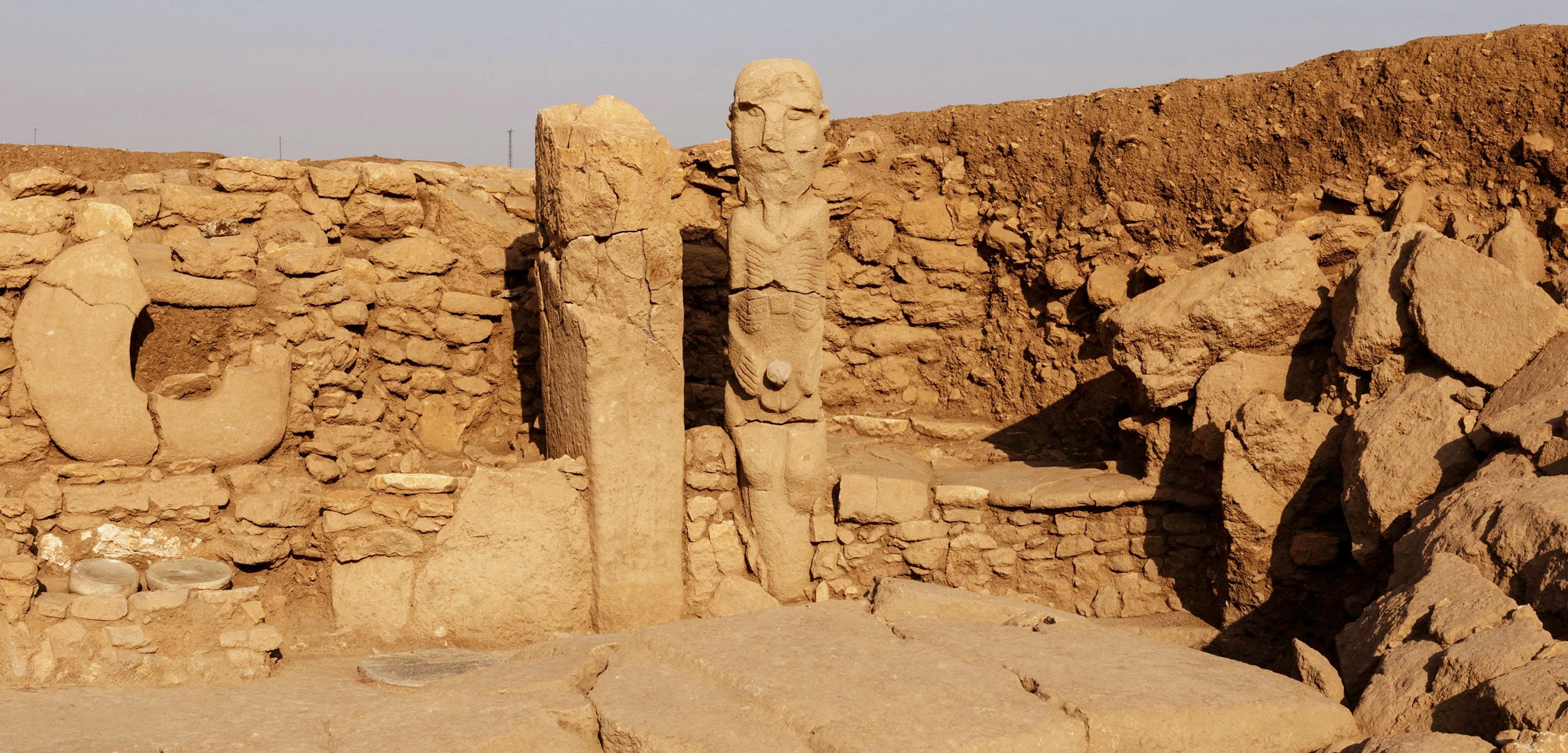
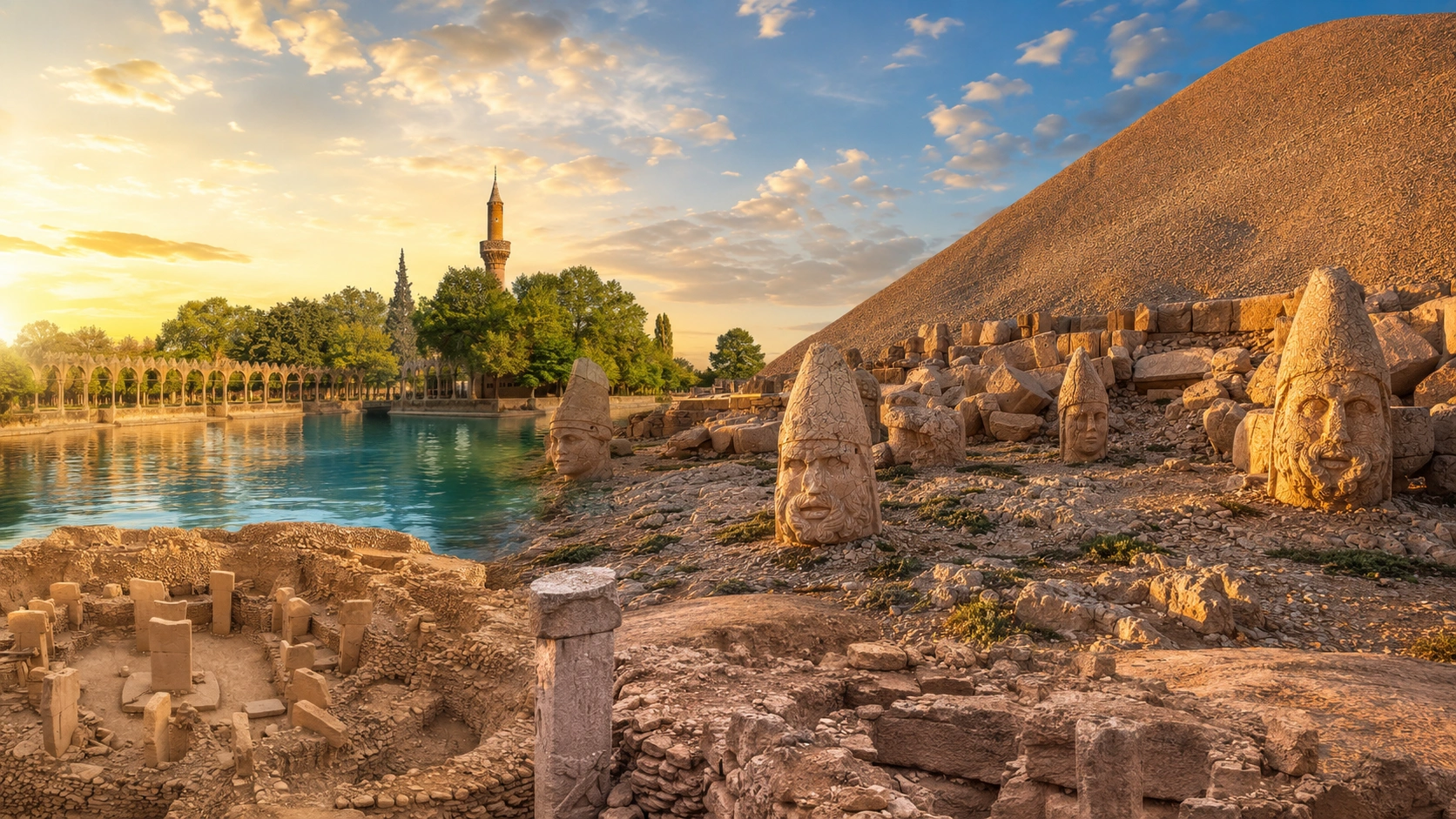
Experience Urfa liver kebab as part of a private journey combining Şanlıurfa’s bazaars, sacred heritage, regional cuisine, Göbeklitepe, Karahantepe, Harran, Halfeti, Gaziantep, and Mount Nemrut.

Private Şanlıurfa Experiences

Custom-designed services with private transportation, professional guiding, flexible timing, and opportunities to discover local food traditions.

Longer Southeastern Türkiye Journeys

Add Şanlıurfa’s culinary traditions to a private route through Gaziantep, Halfeti, Göbeklitepe, Karahantepe, Harran, Mount Nemrut, and Mardin.

Eastern Turkey tour including Sanliurfa regional cuisine

Eastern Turkey Tour – 14 Days

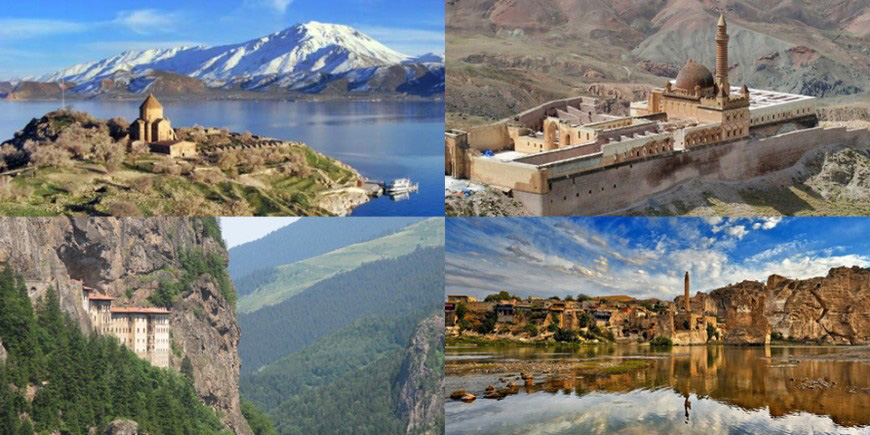
Explore Cappadocia, Gaziantep, Şanlıurfa, Göbeklitepe, Mount Nemrut, Mardin, Lake Van, Ani, Erzurum, and the Black Sea while discovering the regional cultures and flavours of eastern Türkiye.

View Tour