A Refreshing Yoghurt Tradition of Şanlıurfa

Urfa Lebenisi – Complete Food Guide

Discover creamy yoghurt, nourishing pounded wheat, tender chickpeas,
cold service, and one of Şanlıurfa’s most refreshing traditional dishes.

Discover Urfa Lebenisi

Discover the Traditional Cold Yoghurt Soup of Şanlıurfa

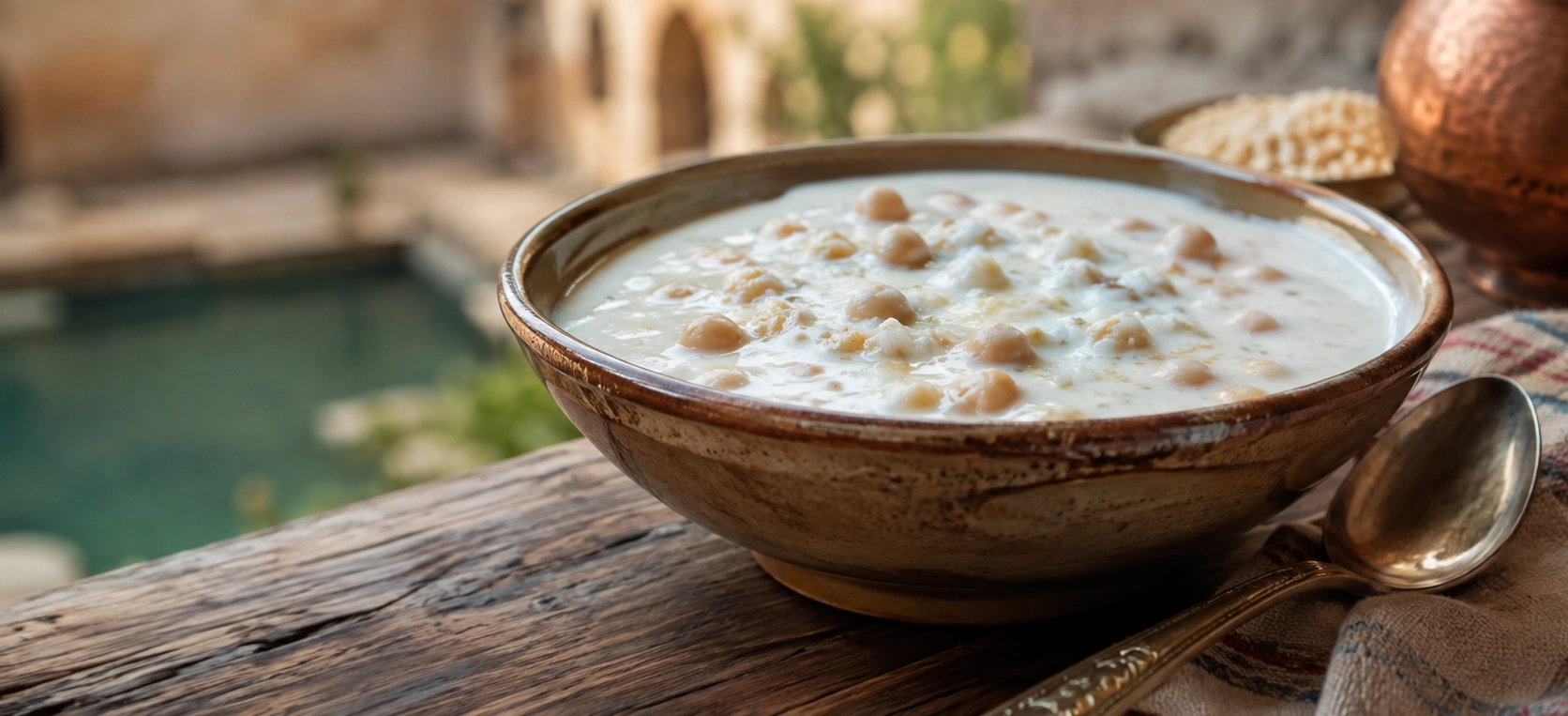
Urfa Lebenisi, also known as Şanlıurfa Lebenisi, is a traditional cold yoghurt soup prepared with full-fat yoghurt, pounded wheat, chickpeas, and salt. The wheat and chickpeas are soaked, cooked until tender, combined with beaten yoghurt while still hot, carefully stirred until the mixture returns to the boiling point, and then cooled before serving.

Unlike many Turkish yoghurt soups that are served hot and may include herbs, rice, flour, or a butter topping, Urfa Lebenisi is defined by its simple ingredient list, substantial texture, and chilled presentation. It is traditionally served before the main course and is especially appreciated in Şanlıurfa’s warm climate. This complete guide explains its registered recipe, cultural background, ingredients, preparation method, geographical-indication status, flavour, texture, serving customs, dietary considerations, visitor tips, and place within the culinary heritage of southeastern Türkiye.

Full-Fat Yoghurt

The creamy base of the dish, traditionally associated with yoghurt made from the milk of Awassi sheep raised in Şanlıurfa.

Pounded Wheat

Dövme gives the soup its satisfying body, soft chew, and characteristic grain-based texture.

Tender Chickpeas

Chickpeas are soaked overnight and cooked with the wheat until both ingredients become completely tender.

Served Cold

After cooking, the soup is portioned into bowls, chilled, and served before the main course as a refreshing local speciality.

Know Before You Taste

Urfa Lebenisi – Quick Facts

Essential information about Şanlıurfa’s geographically indicated cold yoghurt soup.

📍

Origin

Şanlıurfa in southeastern Türkiye, where the dish has long formed part of the city’s household and regional food culture.

Open Şanlıurfa on Google Maps
🥣

Type of Dish

A thick, cold yoghurt soup prepared with pounded wheat, chickpeas, full-fat yoghurt, and salt.

❄️

Traditional Service

Cooked first, then chilled and served cold, traditionally before the main course.

🏅

Geographical Indication

Registered by TÜRKPATENT as Urfa Lebenisi with geographical-indication registration number 320.


A Bowl of Regional Memory

The Culinary Tradition of Urfa Lebenisi

Discover how yoghurt, wheat, chickpeas, pastoral traditions, and Şanlıurfa’s climate shaped this distinctive cold soup.

Şanlıurfa’s cuisine developed at the meeting point of pastoral life, grain agriculture, trade routes, family kitchens, and a climate marked by long, hot summers. Yoghurt, wheat, pulses, peppers, herbs, meat, and seasonal vegetables became central ingredients in a regional table known for both richness and balance.

Within this culinary landscape, Urfa Lebenisi represents the quieter and more refreshing side of the local cuisine. Instead of relying on charcoal, meat, or strong spice, it brings together yoghurt, pounded wheat, chickpeas, and salt in a dish that is filling yet cooling.

The official geographical-indication record explains that the name leben comes from an Arabic word associated with milk. This linguistic connection reflects the long cultural interaction between Şanlıurfa and the wider cuisines of Mesopotamia and the Middle East, where yoghurt and fermented milk dishes have deep historical roots.

Urfa Lebenisi is traditionally prepared in generous quantities. Wheat and chickpeas are soaked overnight, cooked together, and enriched with a large amount of yoghurt. Once the mixture has been heated correctly, it is divided into bowls and chilled for later service.

The dish is especially suited to communal dining because it can be prepared in advance and served directly from the refrigerator. Its cool temperature and mild flavour make it a natural introduction to a meal containing richer kebabs, meat dishes, bulgur recipes, or spicy vegetable preparations.

The continued preparation of Urfa Lebenisi in homes, restaurants, and regional food events helped preserve its identity. Its connection with Şanlıurfa was formally recognised through geographical-indication registration, protecting both its name and its characteristic method of production.


What Makes It Special

Distinctive Features of Urfa Lebenisi

The identity of the dish comes from its short ingredient list, local yoghurt tradition, substantial grain texture, careful heating, and cold presentation.

Full-Fat Yoghurt

Yoghurt forms the main body of Urfa Lebenisi. The registered description specifies full-fat yoghurt traditionally made from the milk of Awassi sheep raised in Şanlıurfa, giving the soup a rich, rounded, and gently tangy character.

  • Main ingredient: Full-fat yoghurt
  • Traditional milk: Awassi sheep’s milk
  • Function: Creaminess, acidity, and cooling character

Pounded Wheat – Dövme

Dövme is wheat that has been processed by removing much of its outer layer and traditionally pounding or polishing the grain. Once soaked and cooked, it becomes tender while retaining a pleasant chew.

  • Traditional name: Dövme
  • Texture: Soft but slightly chewy
  • Role: Gives the soup body and substance

Chickpeas

Chickpeas are soaked overnight with the wheat and cooked until completely tender. They add a mild nutty flavour and create a satisfying contrast with the smooth yoghurt base.

  • Preparation: Soaked overnight
  • Cooking: Simmered with the wheat
  • Character: Tender, mild, and nourishing

Cold Presentation

Urfa Lebenisi is not simply yoghurt mixed with cooked grains. The complete mixture is heated, portioned, and then chilled before serving. Its cold presentation is one of the dish’s defining features.

  • Final temperature: Cold
  • Serving stage: Before the main course
  • Best season: Particularly refreshing in warm weather

Simple Seasoning

The registered recipe uses salt without a complicated spice mixture. This restraint allows the natural tang of the yoghurt and the gentle flavours of wheat and chickpeas to remain central.

  • Primary seasoning: Salt
  • Spice level: Mild
  • Focus: Yoghurt, grain, and chickpea flavours

Careful Heating

Once the yoghurt is added to the hot wheat and chickpeas, the mixture must be stirred continuously until it returns to the boiling point. This helps the yoghurt combine evenly and reduces the risk of separation.

  • Technique: Constant stirring
  • Goal: Smooth and stable yoghurt mixture
  • Challenge: Preventing scorching or curdling

Substantial Texture

Urfa Lebenisi is thicker and more filling than a light liquid soup. The generous quantity of cooked wheat and chickpeas creates a spoonable dish that can feel almost like a cold yoghurt-and-grain meal.

  • Consistency: Thick and spoonable
  • Grain content: Generous
  • Experience: Cooling yet satisfying

Strong Local Identity

Although yoghurt, wheat, and chickpeas appear in many regional dishes, their proportions, preparation sequence, and cold service give Urfa Lebenisi its recognised connection with Şanlıurfa.

  • Geographical area: Şanlıurfa Province
  • Product category: Foods and soups
  • Protection: Registered geographical indication

Urfa Lebenisi’s Geographical Indication

Urfa Lebenisi is officially registered by the Turkish Patent and Trademark Office as a geographically indicated product associated with Şanlıurfa.

Registration Name

The official registered name is Urfa Lebenisi (Şanlıurfa Lebenisi).

Registration Number

The product carries geographical-indication registration number 320.

Registration Date

The registration was completed on 29 December 2017.

Application Date

The geographical-indication application was submitted on 21 July 2014.

Registration Type

Urfa Lebenisi is protected as a mahreç işareti, a protected geographical indication.

Registered Institution

The application and registration were made by the Şanlıurfa Chamber of Commerce and Industry.


The registration records the dish’s principal ingredients and production method: chickpeas and pounded wheat are soaked, cooked with water, combined with salted beaten yoghurt while the grains are still boiling, stirred continuously until the mixture reaches the boiling point again, placed in bowls, chilled, and served cold.

It also associates the traditional preparation with full-fat yoghurt made from the milk of Awassi sheep raised in Şanlıurfa. The protection helps preserve the recognised composition and reinforces the dish’s long-standing cultural relationship with the province.

Ingredients Used in Urfa Lebenisi

The officially registered preparation uses only four principal food ingredients. The quality and balance of the yoghurt, grain, chickpeas, and salt determine the finished character of the dish.

Pounded Wheat

Approximately 500 grams of dövme, soaked overnight and cooked until tender.

Chickpeas

Approximately 100 grams of dried chickpeas, soaked overnight with the wheat.

Full-Fat Yoghurt

Approximately 2 kilograms of yoghurt, beaten until smooth before being added to the hot mixture.

Salt

Approximately 10 grams of salt, mixed into the yoghurt before it is combined with the cooked grain and chickpeas.

Water

Water is added to the soaked wheat and chickpeas for cooking, traditionally at approximately twice their combined volume.

Traditional Yoghurt Source

The registered description associates the dish with full-fat yoghurt made from the milk of Awassi sheep raised in Şanlıurfa.


Traditional Character of the Recipe

No Meat The registered recipe is based on yoghurt, wheat, chickpeas, salt, and water
No Hot Pepper Unlike many famous Şanlıurfa dishes, Lebenisi is naturally mild rather than spicy
No Flour Thickener The body of the soup comes from the cooked wheat, chickpeas, and generous yoghurt
No Butter Topping The official preparation does not require a fried butter, mint, or pepper finish
Cold Service The completed soup is chilled before being brought to the table

How Urfa Lebenisi Is Prepared

Traditional preparation follows a careful sequence. Correct soaking, complete cooking, smooth yoghurt, continuous stirring, and proper chilling all influence the final texture.

1. Sort the Ingredients Check the dried chickpeas and pounded wheat and remove any damaged grains or foreign material
2. Soak Overnight Place approximately 100 grams of chickpeas and 500 grams of pounded wheat in water and leave them to soften overnight
3. Drain and Transfer Drain the soaked ingredients and place them together in a sufficiently large cooking pot
4. Add Water Add approximately twice the volume of water to the softened wheat and chickpeas
5. Cook Until Tender Simmer until the wheat and chickpeas are fully cooked and have absorbed most of the water
6. Beat the Yoghurt In a separate bowl, whisk approximately 2 kilograms of full-fat yoghurt until smooth
7. Add the Salt Mix approximately 10 grams of salt into the beaten yoghurt
8. Combine While Hot Add the prepared yoghurt to the cooked wheat and chickpeas while the grain mixture is still boiling
9. Stir Continuously Keep the mixture moving constantly so that the yoghurt combines evenly and does not catch on the base of the pot
10. Return to Boiling Point Continue stirring until the combined soup reaches the boiling point again
11. Portion into Bowls Fill serving bowls or suitable containers while the Lebenisi is still hot
12. Chill Thoroughly Transfer the bowls to refrigeration and allow the soup to cool completely
13. Serve Cold Present Urfa Lebenisi cold, traditionally before the main course

The Role of Yoghurt in Urfa Lebenisi

Yoghurt is more than a liquid base. It determines the soup’s flavour, thickness, colour, aroma, and refreshing character.

Creaminess

The high proportion of yoghurt creates the smooth, rich body that distinguishes Lebenisi from lighter grain soups.

Natural Tang

Yoghurt adds gentle acidity, balancing the mild starchiness of the wheat and the nutty character of the chickpeas.

Cooling Character

Once chilled, the yoghurt base gives the dish the refreshing quality for which it is especially valued.

Regional Connection

Full-fat yoghurt made from Awassi sheep’s milk links the registered preparation with Şanlıurfa’s pastoral traditions.

Texture

Smoothly beaten yoghurt coats the cooked wheat and chickpeas, bringing the separate ingredients together.

Cooking Sensitivity

Yoghurt requires continuous stirring as it heats so that it remains evenly combined rather than separating.


The flavour of the finished dish can vary according to the yoghurt used. Sheep’s-milk yoghurt is generally richer and more pronounced, while restaurant or household versions made with cow’s-milk yoghurt may taste milder. The protected traditional description, however, specifically highlights full-fat yoghurt connected with Awassi sheep raised in Şanlıurfa.

What Is Dövme?

Dövme is a traditional form of processed wheat widely used in soups, aşure, keşkek, and regional grain dishes across Türkiye. In English, it may be described as pounded wheat, pearled wheat, hulled wheat, or wheat berries depending on the exact processing method.

Traditional Processing

The grain’s outer layers are removed or reduced, historically through pounding, making the wheat easier to cook and digest.

Overnight Soaking

Soaking shortens the cooking time and helps the centre of each grain soften evenly.

Soft Chew

Properly cooked dövme becomes tender but usually retains more texture than rice or finely cracked bulgur.

Natural Thickness

Starch released during cooking contributes to the substantial consistency of the finished soup.

Regional Staple

Wheat has long been central to southeastern Anatolian agriculture and appears in many Şanlıurfa recipes.

Contains Gluten

Dövme is wheat and is therefore unsuitable for people who must avoid gluten.

Why Is Urfa Lebenisi Served Cold?

Cold service is one of the defining characteristics of Urfa Lebenisi. The chilled temperature changes both the experience and the function of the dish within a meal.

Refreshing Quality

A cold yoghurt base is especially welcome during Şanlıurfa’s hot spring and summer weather.

Meal Opener

Served before the main course, it prepares the palate for richer meat, bulgur, vegetable, or kebab dishes.

Developed Texture

As the soup cools, the yoghurt and grain mixture settles and becomes more cohesive and substantial.

Advance Preparation

The dish can be cooked earlier, chilled, and served efficiently when family members or guests gather.

Balanced Flavour

Cooling softens the impression of acidity and allows the mild wheat and chickpea flavours to become more noticeable.

Distinct Regional Identity

The chilled presentation separates Urfa Lebenisi from many hot yoghurt soups found elsewhere in Türkiye.


The soup should be refrigerated properly and kept cold until service. Because it contains dairy and cooked grains, it should not remain for extended periods at warm room temperature.

How Urfa Lebenisi Is Served

Urfa Lebenisi is normally served cold in individual bowls. Its pale yoghurt colour, visible grains, and chickpeas create a simple, rustic presentation that reflects the straightforward nature of the recipe.

Serving Temperature Cold and thoroughly chilled, but not frozen
Place in the Meal Traditionally offered before the main course
Serving Vessel A small or medium soup bowl suitable for a thick yoghurt dish
Portion Style Enough to refresh and satisfy without replacing the entire main meal
Traditional Seasoning The registered recipe is served simply, allowing yoghurt, wheat, chickpeas, and salt to define the flavour
Meal Pairing Well suited before kebabs, meat dishes, bulgur recipes, stuffed vegetables, and spicy regional foods

Some modern kitchens may decorate the surface with mint or add small variations, but these additions are not part of the core registered production method. For the clearest introduction to the traditional dish, try it first in its simplest form.

When Do People Eat Urfa Lebenisi?

Urfa Lebenisi can be prepared throughout the year, but its chilled yoghurt base makes it particularly attractive during warm weather and meals featuring rich regional dishes.

Before the Main Course

The registered presentation places Lebenisi at the beginning of the meal, where it acts as a cool and mild first course.

Spring and Summer

Its cold temperature and yoghurt character make it especially refreshing during Şanlıurfa’s warmer months.

Family Meals

The recipe is well suited to household preparation because it can be made in a large pot and portioned in advance.

Guest Tables

A chilled bowl offers a gentle and distinctive introduction to a multi-course Şanlıurfa meal.

Restaurant Dining

Regional restaurants may offer Lebenisi among cold starters, soups, or daily traditional dishes.

Culinary Events

It may appear at local food festivals, geographical-indication promotions, and demonstrations of Şanlıurfa cuisine.

What Does Urfa Lebenisi Taste Like?

The flavour is creamy, gently tangy, mild, grainy, and refreshing. Its appeal comes from balance and texture rather than strong spice or elaborate seasoning.

Yoghurt

The dominant flavour is cool, creamy yoghurt with a natural, pleasant acidity.

Pounded Wheat

The wheat contributes a mild cereal flavour and a soft, substantial chew.

Chickpeas

Chickpeas add gentle nuttiness and a tender texture among the grains.

Salt

Salt sharpens the yoghurt flavour without turning the dish into a heavily seasoned soup.

Temperature

Cold service makes the soup feel lighter and more refreshing than its thick consistency might suggest.

Overall Character

It is comforting and filling, yet calm enough to accompany the intense flavours of a Şanlıurfa meal.


Visitors expecting a thin drinking yoghurt may be surprised by the amount of wheat and chickpeas. Lebenisi is normally eaten with a spoon and has the substance of a complete soup rather than the consistency of ayran.

Dietary and Allergen Information

Urfa Lebenisi has a simple composition, but visitors with allergies or dietary restrictions should understand its dairy and wheat content before ordering.

Vegetarian

The registered recipe contains no meat and is generally suitable for lacto-vegetarian diets.

Contains Dairy

Yoghurt is the principal ingredient, so the dish is unsuitable for people with a milk allergy and may not suit those with lactose intolerance.

Contains Gluten

Dövme is wheat. The traditional dish is therefore not gluten-free and is unsuitable for people with coeliac disease.

Not Vegan

The use of yoghurt means the traditional recipe is not vegan.

Usually Mild

The registered recipe contains salt but does not require hot pepper, making it suitable for many guests who avoid spicy food.

Ask About Variations

Restaurant recipes may differ, so ask about toppings, stock, herbs, or other additions when dietary restrictions are important.


Food sensitivities and preparation environments vary. Guests with serious allergies should speak directly with the restaurant and confirm ingredients as well as possible cross-contact in the kitchen.

Where to Eat Urfa Lebenisi in Şanlıurfa

Lebenisi is associated strongly with home cooking, so it may not appear permanently on every restaurant menu. The best opportunities are generally found at established restaurants specialising in Şanlıurfa cuisine, traditional guesthouses, regional food events, and venues serving changing daily dishes.

Traditional Urfa Restaurants

Restaurants offering a broad selection of local dishes are more likely to serve Lebenisi than businesses focused only on kebabs.

Historic Centre

Dining venues around the old bazaars, Balıklıgöl, and restored stone courtyards often feature regional menus.

Daily Home-Style Menus

Some kitchens prepare Lebenisi only on selected days, especially during warmer weather.

Culinary Experiences

Private food tours, cooking demonstrations, and hosted meals may offer a better chance to taste the dish in a traditional context.

Local Food Festivals

Events celebrating Şanlıurfa’s registered foods may include tastings or demonstrations of Lebenisi.

Ask in Advance

Because the soup requires soaking and chilling, advance preparation is useful and availability should be confirmed before travelling specifically for it.


Choose a clean establishment that stores the dish under refrigeration and serves it properly chilled. Menus, seasonal availability, ingredients, and presentation can change, so confirm current details locally.

Urfa Lebenisi Visitor Tips

Confirm Availability

Lebenisi may be a daily or seasonal dish rather than a permanent menu item. Ask the restaurant before visiting specifically for it.

Try It Cold

Cold service is part of the traditional identity. A warm bowl does not provide the same regional experience.

Eat It First

Try Lebenisi before the main course, as it is traditionally positioned at the beginning of the meal.

Expect a Thick Soup

The generous wheat and chickpeas make it much more substantial than ayran or a light yoghurt drink.

Ask About the Yoghurt

Traditional sheep’s-milk yoghurt creates a richer flavour. Modern restaurant versions may use different yoghurt.

Check for Gluten

Dövme is wheat, so the soup is not suitable for a gluten-free diet.

Check for Dairy

The dish contains a large quantity of yoghurt and is not suitable for dairy-free or vegan diets.

Pair with Richer Foods

Its cool, mild character makes an excellent contrast to kebabs, stuffed dishes, and Şanlıurfa’s pepper-rich recipes.

Try a Small Portion First

The combination of yoghurt, wheat, and chickpeas is filling, especially before a multi-course meal.

Avoid Extra Toppings Initially

Taste the simple traditional balance before adding mint, pepper, or other modern garnishes.

Keep It Chilled

When buying takeaway Lebenisi, refrigerate it promptly and follow safe storage guidance from the restaurant.

Combine It with a Food Tour

A guided culinary experience can place Lebenisi within the wider story of Şanlıurfa’s grains, dairy products, markets, and family recipes.

Frequently Asked Questions About Urfa Lebenisi

What is Urfa Lebenisi?

Urfa Lebenisi is a traditional cold yoghurt soup from Şanlıurfa. It is prepared with full-fat yoghurt, pounded wheat known as dövme, chickpeas, salt, and water. The mixture is cooked, portioned, chilled, and served cold before the main course.

What is Urfa Lebenisi called in Turkish?

Its official registered name is Urfa Lebenisi, with Şanlıurfa Lebenisi also included in the geographical-indication record.

Where does the name Lebenisi come from?

The geographical-indication description states that the name is derived from the Arabic word leben, associated with milk.

Is Urfa Lebenisi geographically indicated?

Yes. Urfa Lebenisi is registered by the Turkish Patent and Trademark Office with geographical-indication registration number 320.

When was Urfa Lebenisi registered?

Its geographical-indication registration was completed on 29 December 2017 following an application made by the Şanlıurfa Chamber of Commerce and Industry.

What are the main ingredients?

The registered recipe uses yoghurt, pounded wheat, chickpeas, salt, and water for cooking the grains.

What is dövme?

Dövme is processed whole wheat whose outer layers have been reduced or removed. It becomes tender when soaked and cooked but keeps a pleasant, slightly chewy texture.

What kind of yoghurt is traditionally used?

The geographical-indication record associates the traditional preparation with full-fat yoghurt made from the milk of Awassi sheep raised in Şanlıurfa.

Is Urfa Lebenisi served hot or cold?

It is served cold. The soup is cooked first, placed into bowls, refrigerated, and traditionally brought to the table before the main course.

Why is the yoghurt heated?

Heating combines the yoghurt with the cooked wheat and chickpeas and forms the finished soup. Continuous stirring is important as the mixture returns to the boiling point.

How is the yoghurt prevented from curdling?

The yoghurt is beaten until smooth, added carefully to the hot grain mixture, and stirred continuously until the soup reaches the boiling point again. Skilled temperature control helps keep the mixture even.

Is Urfa Lebenisi thick?

Yes. It contains a generous amount of wheat and chickpeas and is normally thicker and more substantial than a light yoghurt soup or ayran.

What does Urfa Lebenisi taste like?

It tastes creamy, gently tangy, mild, and refreshing, with soft wheat, tender chickpeas, and a simple salty balance.

Is Urfa Lebenisi spicy?

No. The registered recipe is mild and does not require hot pepper. Restaurant variations may differ, so ask if additional seasoning has been used.

Is Urfa Lebenisi vegetarian?

The registered recipe contains no meat and is generally suitable for lacto-vegetarians. Confirm restaurant variations when necessary.

Is Urfa Lebenisi vegan?

No. Yoghurt is the main ingredient, so the traditional dish is not vegan.

Is Urfa Lebenisi gluten-free?

No. Dövme is wheat and contains gluten, making the traditional recipe unsuitable for people with coeliac disease or a strict gluten-free diet.

Does Urfa Lebenisi contain dairy?

Yes. It contains a large quantity of yoghurt and is unsuitable for anyone with a milk allergy. People with lactose intolerance should assess their own tolerance and ask how the dish was prepared.

When is Urfa Lebenisi eaten?

It can be eaten throughout the year, but its cold yoghurt base is especially refreshing during warm weather. It is traditionally served before the main course.

Can Urfa Lebenisi be made in advance?

Yes. Advance preparation is part of its traditional service because the cooked soup must be cooled and refrigerated before it is eaten.

How should Urfa Lebenisi be stored?

It should be refrigerated in a clean, covered container and kept cold until service. Follow appropriate food-safety guidance and the storage advice of the cook or restaurant.

Is Urfa Lebenisi the same as ayran aşı?

They belong to the wider family of yoghurt-and-grain dishes, but recipes and regional names differ. Urfa Lebenisi has its own protected composition, production sequence, Şanlıurfa identity, and registered cold presentation.

Is Urfa Lebenisi the same as Lebanese food?

No. The similarity of the word can be confusing, but Urfa Lebenisi is the name of a specific Şanlıurfa yoghurt soup and does not mean “Lebanese.”

Where can I eat authentic Urfa Lebenisi?

Look for traditional Şanlıurfa restaurants, home-style kitchens, food events, or culinary experiences featuring a broad selection of regional dishes. Availability may be seasonal or limited to selected days.

Is Urfa Lebenisi worth trying?

Yes. It reveals a refreshing and pastoral side of Şanlıurfa cuisine that contrasts beautifully with the city’s famous kebabs, peppers, and rich meat dishes.

Best Photos of Urfa Lebenisi

The pale yoghurt base, visible wheat and chickpeas, traditional bowls, wooden tables, copperware, and stone architecture of Şanlıurfa create attractive opportunities for food and travel photography.

Overhead Bowl

Photograph the full bowl from above to show the creamy surface and the distribution of wheat and chickpeas.

Spoon Detail

Lift a spoonful to reveal the soup’s thick consistency, tender grain, and chickpea texture.

Traditional Table

Place the bowl among local breads, copper dishes, woven textiles, or other Şanlıurfa foods for context.

Preparation Process

Capture the yoghurt being whisked or stirred into the cooked wheat and chickpea mixture.

Cold-Service Details

Condensation on the bowl or a cool stone surface can visually communicate the refreshing chilled presentation.

Historic Şanlıurfa

Combine food photography with stone courtyards, bazaars, carved doorways, and traditional architecture around the old city.


Use soft natural light to preserve the white tones of the yoghurt and avoid strong colour casts. Ask permission before photographing kitchen staff, cooks, restaurant guests, or private dining spaces.

Şanlıurfa Tours and Culinary Experiences

Experience Urfa Lebenisi as part of a private journey combining Şanlıurfa’s bazaars, sacred heritage, regional cuisine, Göbeklitepe, Karahantepe, Harran, Halfeti, Gaziantep, and Mount Nemrut.

Private Şanlıurfa Experiences

Custom-designed services with private transportation, professional guiding, flexible timing, and opportunities to discover local food traditions.

Longer Southeastern Türkiye Journeys

Add Şanlıurfa’s culinary traditions to a private route through Gaziantep, Halfeti, Göbeklitepe, Karahantepe, Harran, Mount Nemrut, and Mardin.

Eastern Turkey tour including Sanliurfa regional cuisine

Eastern Turkey Tour – 14 Days

Explore Cappadocia, Gaziantep, Şanlıurfa, Göbeklitepe, Mount Nemrut, Mardin, Lake Van, Ani, Erzurum, and the Black Sea while discovering the regional cultures and flavours of eastern Türkiye.

View Tour