A Slow-Cooked Culinary Tradition of Şanlıurfa

Urfa Kazan Kebab – Complete Food Guide

Discover tender eggplants and tomatoes filled with seasoned lamb,
Şanlıurfa pepper, regional clarified butter, and generations of home-cooking tradition.

Discover Urfa Kazan Kebab

Discover the Traditional Kazan Kebab of Şanlıurfa

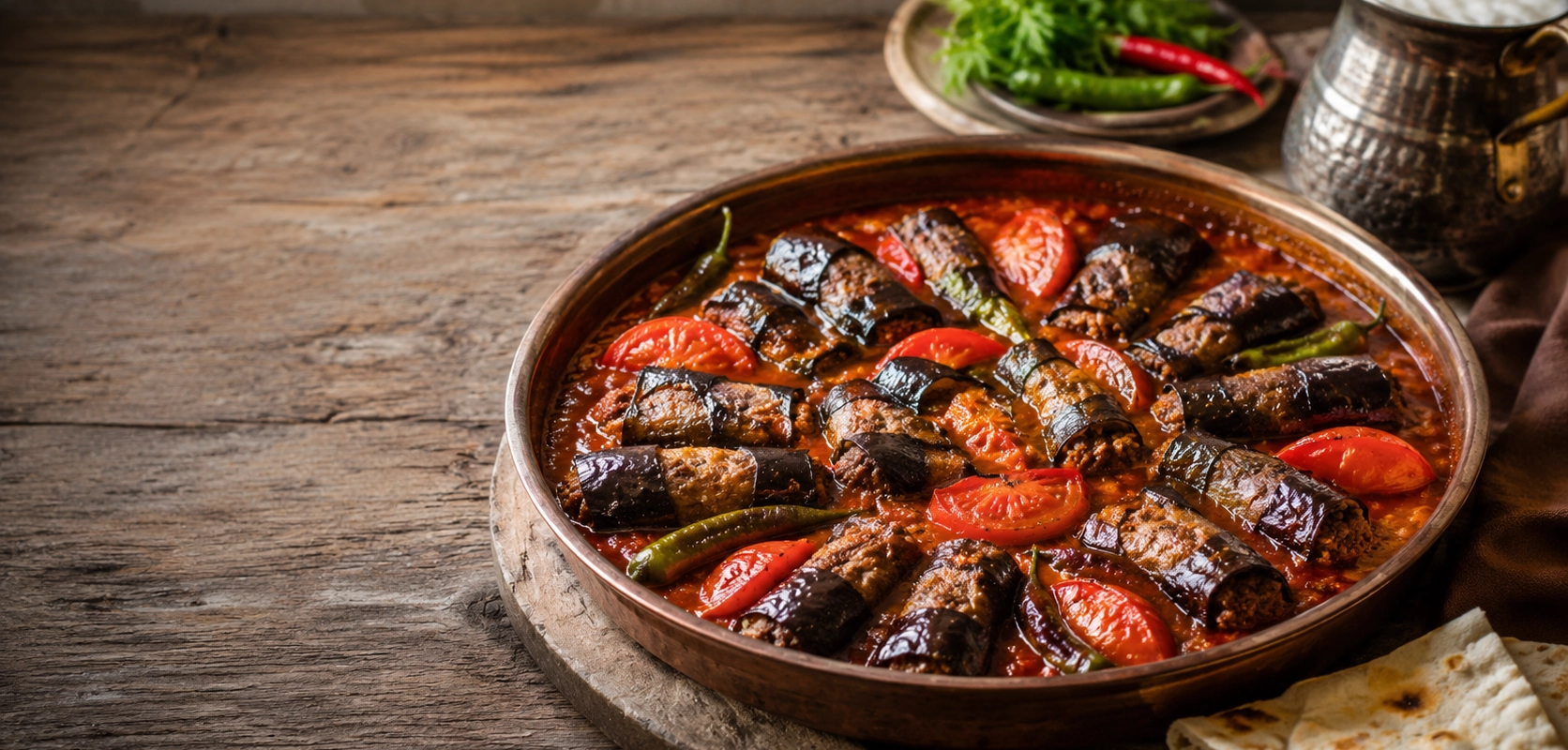
Urfa Kazan Kebab, officially registered as Urfa Kazan Kebabı / Şanlıurfa Kazan Kebabı, is a traditional pot-cooked dish prepared with whole eggplants and tomatoes that are sliced without being completely separated. The openings are filled with a seasoned mixture of minced lamb, onion, fresh red pepper, grated tomato, Şanlıurfa pepper, black pepper, and salt. The vegetables are arranged in a cooking vessel, finished with tomato-paste water and regional clarified butter, and slowly cooked until tender and richly flavoured.

The dish reflects the close relationship between Şanlıurfa’s cuisine, local livestock, seasonal vegetables, pepper culture, and patient low-heat cooking. Its distinctive character comes from keeping the vegetables connected, placing the meat mixture between the slices, using lamb associated with the region’s İvesi sheep, and adding sadeyağ, often called Urfa butter. This complete guide explains its ingredients, registered production method, geographical-indication status, cooking technique, traditional serving style, local variations, visitor tips, and place within Şanlıurfa’s celebrated food culture.

Whole Sliced Eggplants

Eggplants are cut at regular intervals while their bases remain connected, creating spaces for the filling.

Seasoned Lamb Filling

Minced lamb is combined with onion, tomato, fresh red pepper, Şanlıurfa pepper, black pepper, and salt.

Regional Sadeyağ

Clarified butter associated with Şanlıurfa adds richness, aroma, and a smooth finish to the slow-cooked dish.

Gentle Pot Cooking

The filled vegetables cook slowly until they become tender and absorb the seasoned tomato-based liquid.

Know Before You Taste

Urfa Kazan Kebab – Quick Facts

Essential information about one of Şanlıurfa’s most distinctive meat-and-vegetable dishes.

📍

Origin

Şanlıurfa in southeastern Türkiye, where pot-cooked vegetable and lamb dishes have a strong place in domestic cuisine.

Open Şanlıurfa on Google Maps
🍆

Main Vegetables

Whole eggplants and tomatoes are sliced without being separated and filled with seasoned minced lamb.

♨️

Cooking Method

The filled vegetables are arranged in a pot or deep pan and cooked gently until the liquid is absorbed.

🏅

Geographical Indication

Registered by TÜRKPATENT as a mahreç işareti with geographical-indication registration number 403.


A Dish Shaped by the Local Table

The Culinary Tradition of Urfa Kazan Kebab

Discover how vegetables, lamb, pepper, and slow cooking come together in one of Şanlıurfa’s recognised regional dishes.

Şanlıurfa cuisine developed around a remarkable combination of pastoral life, fertile agricultural land, seasonal vegetables, wheat, bulgur, peppers, lamb, clarified butter, and cooking knowledge passed through families and professional kitchens.

Within this culinary landscape, Urfa Kazan Kebab represents the region’s tradition of transforming relatively simple ingredients into a deeply flavoured shared meal. It is not a skewer kebab. Instead, it belongs to the broad local understanding of kebab as a carefully prepared meat dish that may be cooked in a pot, pan, tray, oven, or over charcoal.

Its visual identity comes from the way the eggplants and tomatoes are cut. The vegetables remain whole at the base, while evenly spaced openings are created along their length. The seasoned lamb mixture is pressed between these sections, allowing the vegetables and meat to cook together.

During cooking, the eggplant softens, the tomato contributes moisture and acidity, the lamb releases savoury juices, and the sadeyağ carries the aroma of the pepper and meat throughout the vessel. Low heat gives the ingredients time to combine without destroying the connected form of the vegetables.

The registered description links the dish with İvesi lamb and clarified butter produced from the milk of small livestock raised in the Şanlıurfa region. These ingredients strengthen its geographical identity and reflect the area’s long relationship with sheep breeding and dairy production.

The dish has been prepared in Şanlıurfa for generations and later became known in other parts of Türkiye. Its official geographical-indication registration protects the recognised name, regional association, ingredients, and characteristic method of preparation.


What Makes It Special

Distinctive Features of Urfa Kazan Kebab

The identity of the dish comes from its connected vegetables, lamb filling, regional seasoning, clarified butter, and patient low-heat cooking.

Long, Slender Eggplants

The registered preparation uses medium-sized, straight, slender eggplants. Their shape makes it possible to create evenly spaced cuts while keeping the vegetable connected at the base.

  • Official quantity: Six eggplants
  • Preferred shape: Straight and slender
  • Purpose: Even filling and controlled cooking

Connected Diagonal Cuts

The tops are removed and the eggplants are cut diagonally at approximately one-centimetre intervals. The cuts do not pass completely through, so the lower part stays joined.

  • Spacing: Approximately one centimetre
  • Direction: Diagonal
  • Result: A whole vegetable with filling pockets

Medium-Fat Minced Lamb

The filling is prepared with medium-fat minced lamb. Its natural fat contributes moisture and savoury depth as the meat cooks between the eggplant and tomato slices.

  • Official quantity: 500 grams
  • Traditional meat: Lamb
  • Texture: Minced and mixed with vegetables and spices

Tomatoes in Two Roles

Two tomatoes are grated into the lamb mixture, while three are sliced without being separated and filled in the same manner as the eggplants. This gives the dish moisture, acidity, sweetness, and colour.

  • Official quantity: Five tomatoes
  • In the filling: Two grated tomatoes
  • Filled whole: Three sliced tomatoes

Şanlıurfa Pepper and Fresh Isot

Both fresh red pepper and dried Şanlıurfa pepper are used in the registered filling. Together they add fruitiness, warmth, colour, and the unmistakable flavour of the region.

  • Fresh pepper: Three red peppers
  • Dried seasoning: One tablespoon Şanlıurfa pepper
  • Character: Warm, earthy, and aromatic

Sadeyağ – Urfa Clarified Butter

Sadeyağ is added with the tomato-paste liquid before cooking. It contributes richness and helps carry the aromas of lamb, tomato, eggplant, and pepper throughout the dish.

  • Official quantity: One tablespoon
  • Also known as: Urfa yağı
  • Function: Adds aroma, richness, and regional identity

Slow Cooking in a Pot

The filled vegetables are arranged closely in the cooking vessel. Tomato-paste water, salt, and sadeyağ are added, and the dish cooks over low heat until the liquid has been absorbed.

  • Heat: Low and steady
  • Cooking environment: Covered pot or deep pan
  • Result: Tender vegetables and integrated flavours

Distinctive Whole Presentation

Unlike dishes in which eggplant is chopped into separate pieces, kazan kebab preserves the connected form of the vegetable. The finished dish therefore has a recognisable layered, fan-like appearance.

  • Visual feature: Connected vegetable sections
  • Filling position: Between each cut
  • Serving style: Carefully lifted from the cooking vessel

Urfa Kazan Kebab’s Geographical Indication

Urfa Kazan Kebabı / Şanlıurfa Kazan Kebabı is officially registered by the Turkish Patent and Trademark Office as a geographically indicated product associated with Şanlıurfa.

Registered Name

The official name is Urfa Kazan Kebabı / Şanlıurfa Kazan Kebabı.

Registration Number

The product carries geographical-indication registration number 403.

Registration Date

The geographical indication was registered on 26 December 2018.

Application Date

The official application was submitted on 2 May 2013.

Type of Protection

It is registered as a mahreç işareti, or protected geographical indication.

Registered Institution

The registration holder is the Şanlıurfa Chamber of Commerce and Industry.


The registration describes the characteristic method of slicing eggplants and tomatoes without separating them, filling the openings with seasoned lamb, arranging the vegetables in a cooking vessel, adding tomato-paste liquid and sadeyağ, and cooking the dish slowly until the liquid is absorbed.

It also records the dish’s relationship with İvesi lamb, regional small-livestock dairy production, Şanlıurfa pepper, local ingredients, and the culinary knowledge through which the recipe has survived for generations.

Ingredients Used in Urfa Kazan Kebab

The official geographical-indication specification provides a precise ingredient list. The quantities below represent the registered preparation rather than every household variation found in Şanlıurfa.

Slender Eggplants

Six medium-sized, straight, slender eggplants suitable for evenly spaced diagonal cuts.

Minced Lamb

Five hundred grams of medium-fat minced lamb for the savoury filling.

Tomatoes

Five tomatoes: two grated into the filling and three sliced and filled like the eggplants.

Dry Onion

One large onion, finely chopped and mixed thoroughly into the lamb filling.

Fresh Red Pepper

Three fresh red peppers, locally associated with fresh isot, finely chopped for the filling.

Şanlıurfa Pepper

One tablespoon of dried Şanlıurfa pepper for warmth, colour, and regional character.

Black Pepper

One teaspoon of black pepper to deepen the flavour of the lamb mixture.

Sadeyağ

One tablespoon of clarified butter, traditionally known in the region as Urfa yağı.

Salt

Half a teaspoon of salt according to the registered ingredient specification.

Tomato Paste

One and a half tablespoons in total, divided between the filling and the cooking liquid.


Traditional Accompaniments

Pilaf Plain rice pilaf or bulgur pilaf is commonly served beside the rich meat-and-vegetable dish
Fresh Onion Raw onion adds crunch and sharpness to balance the soft eggplant and lamb
Fresh Peppers Green or red peppers may accompany the finished dish according to season and preference
Bread Local bread can be used to collect the tomato, lamb, and clarified-butter juices
Ayran Cold ayran provides a refreshing contrast to the warm, savoury, pepper-seasoned meal

How Urfa Kazan Kebab Is Prepared

The registered preparation follows a clear sequence. Careful cutting, balanced filling, close arrangement, and gentle cooking are essential to the final texture and appearance.

1. Prepare the Vegetables Wash the eggplants and tomatoes and remove the tops of the eggplants
2. Slice the Eggplants Cut each eggplant diagonally at approximately one-centimetre intervals without cutting through the connected base
3. Slice Three Tomatoes Make similar connected cuts in three tomatoes so that they can also hold the filling
4. Prepare the Lamb Mixture Combine minced lamb with half a tablespoon of tomato paste, finely chopped onion, fresh red pepper, and two grated tomatoes
5. Add the Seasoning Mix Şanlıurfa pepper, black pepper, and salt evenly through the lamb filling
6. Fill the Eggplants Press portions of the seasoned lamb mixture into every opening while preserving the connected form of the vegetables
7. Fill the Tomatoes Place the same lamb mixture between the connected sections of the three sliced tomatoes
8. Arrange the Cooking Vessel Position the filled eggplants and tomatoes closely in a pot or deep pan so that they remain stable while cooking
9. Add the Cooking Liquid Combine the remaining tomato paste with water, salt, and sadeyağ and pour it over the arranged vegetables
10. Cook Slowly Cover and cook over low heat until the vegetables are tender and the liquid has been absorbed
11. Rest Briefly Allow the dish to settle for a few minutes so that the connected vegetables can be lifted more easily
12. Serve Warm Present with rice or bulgur pilaf, fresh pepper, onion, bread, or ayran according to local preference

Why Are the Eggplants and Tomatoes Kept Connected?

Keeping the vegetables joined at the base is one of the most recognisable features of Urfa Kazan Kebab. It influences the appearance, cooking process, and relationship between the meat and vegetables.

Holds the Filling

The connected sections act like natural pockets, helping the minced-lamb mixture remain between the slices.

Maintains the Shape

The eggplant stays recognisable as a whole vegetable rather than breaking into unrelated pieces during cooking.

Shares the Juices

Lamb juices, tomato moisture, pepper, and sadeyağ move between the closely arranged sections as the dish cooks.

Creates the Traditional Look

The alternating dark eggplant skin and visible lamb filling produce the dish’s characteristic layered appearance.


The cook must cut deeply enough to create useful filling spaces but not so deeply that the vegetable separates. Even spacing also helps the lamb and eggplant cook at a similar rate.

The Role of İvesi Lamb in Urfa Kazan Kebab

The geographical-indication description associates the lamb used in Urfa Kazan Kebab with the İvesi breed raised in the region. Sheep husbandry has long shaped the flavours and cooking traditions of southeastern Anatolia.

Savoury Foundation

Minced lamb provides the central meat flavour that seasons the eggplant and tomato from the inside.

Natural Moisture

A medium-fat mince releases enough richness to keep the filling tender during the extended low-heat cooking.

Regional Connection

The association with İvesi sheep links the recipe with Şanlıurfa’s pastoral landscape and livestock traditions.

Balanced Texture

Finely minced meat fits between the narrow vegetable cuts and cooks evenly without overwhelming the eggplant.


The registered recipe calls for medium-fat lamb rather than an excessively lean mince. Some modern kitchens may use different meats, but lamb remains central to the protected traditional description.

Why Is Sadeyağ Used in Kazan Kebab?

Sadeyağ is clarified butter from which water and milk solids have been largely removed. In Şanlıurfa cuisine, it is valued for its concentrated aroma, cooking performance, and ability to enrich meat, rice, bulgur, and vegetable dishes.

Concentrated Flavour

A small amount adds a pronounced buttery aroma without introducing unnecessary water into the cooking vessel.

Carries the Seasoning

The melted fat distributes the flavours of Şanlıurfa pepper, black pepper, tomato paste, and lamb.

Softens the Finish

Sadeyağ gives the tomato-based cooking liquid a smoother and more rounded character.

Strengthens Local Identity

The registered description connects the sadeyağ with butter made from the milk of small livestock raised in the region.


Visitors with dairy allergies or dietary restrictions should ask the restaurant whether sadeyağ, butter, or another cooking fat has been used. Traditional kazan kebab is not naturally dairy-free when prepared with the registered ingredient.

The Seasoned Lamb Filling

The filling is mixed before it is pressed between the vegetable slices. Each ingredient serves a practical and flavour-building purpose.

Minced Lamb Provides the savoury centre and releases juices into the vegetables during cooking
Finely Chopped Onion Adds sweetness, moisture, and aromatic depth as it softens
Fresh Red Pepper Brings fruitiness, colour, and fresh pepper aroma to the mixture
Grated Tomato Moistens the filling and helps it remain tender between the eggplant slices
Şanlıurfa Pepper Contributes warmth, earthiness, and the defining pepper character of the region
Black Pepper and Salt Complete the seasoning and sharpen the natural flavours of the lamb and vegetables
Tomato Paste Adds colour, concentration, and savoury tomato depth to both the filling and cooking liquid

The mixture should be combined thoroughly but not compressed into an excessively dense paste. A balanced filling remains tender and integrates more naturally with the vegetables.

Why Kazan Kebab Is Cooked Slowly

The dish contains thick vegetables, raw minced lamb, and a relatively small amount of cooking liquid. Gentle heat allows all of these elements to cook safely and evenly while maintaining the dish’s structure.

Softens the Eggplant

Low heat gives the eggplant flesh time to become tender without causing the outside to collapse too quickly.

Cooks the Filling Evenly

The lamb between each slice cooks gradually, reducing the risk of a cooked exterior and underdone centre.

Concentrates the Sauce

The tomato-paste liquid reduces slowly and is absorbed by the vegetables, meat, and surrounding juices.

Protects the Presentation

Violent boiling can break the connected vegetables apart, while a gentle simmer helps preserve their form.


Cooking time varies with the size and maturity of the vegetables, the depth of the vessel, and the heat of the stove. The dish is ready when the eggplant is fully tender, the lamb is cooked, and little free liquid remains.

Is Kazan Kebab Also Called Tava Kebab?

Some local culinary sources refer to kazan kebab as tava kebabı. The wording may reflect the wide pot, deep pan, or cooking vessel used in a particular household or restaurant.

Official Registered Name

The protected name is Urfa Kazan Kebabı / Şanlıurfa Kazan Kebabı.

Local Alternative

Tava kebabı may be used informally in some local descriptions of a similar pot-cooked preparation.

Fresh-Vegetable Version

The registered specification uses fresh slender eggplants and fresh tomatoes.

Winter Household Version

Local sources also mention a winter preparation made with dried eggplants that are first boiled to soften them.


Household recipes may include garlic, green peppers, different spice blends, additional water, or altered amounts of tomato paste and cooking fat. These variations can be authentic family traditions, but they should be distinguished from the precise registered production method.

How Urfa Kazan Kebab Is Served

Urfa Kazan Kebab is generally served warm after the vegetables have become tender and the cooking liquid has reduced. Careful handling helps preserve the connected eggplants and the filling between the slices.

Filled Eggplant The eggplant is lifted carefully so that its alternating vegetable-and-meat sections remain visible
Filled Tomato The soft tomato adds brightness, moisture, and acidity to the plate
Rice Pilaf Plain rice absorbs the concentrated tomato, lamb, and sadeyağ juices
Bulgur Pilaf A regional alternative with a nutty flavour and substantial texture
Fresh Onion and Pepper Crisp accompaniments provide contrast to the soft vegetables and rich filling
Bread and Ayran Bread gathers the sauce while cold ayran refreshes the palate

Serving styles vary between homes and restaurants. Some plates focus on one filled eggplant with pilaf, while shared presentations may place the complete cooking vessel at the centre of the table.

What Does Urfa Kazan Kebab Taste Like?

The dish is deeply savoury, gently spicy, tomato-rich, buttery, and softly textured. It is less smoky than charcoal-grilled kebabs and instead develops its character through slow cooking and the exchange of juices inside the pot.

Eggplant

The eggplant becomes tender and absorbs the flavours of lamb, tomato, pepper, and clarified butter.

Lamb

The filling is savoury and moist, with onion and grated tomato softening the richness of the meat.

Tomato

Fresh tomato and tomato paste provide acidity, sweetness, colour, and concentrated sauce-like depth.

Şanlıurfa Pepper

The pepper adds warmth and earthiness without necessarily making the dish overwhelmingly hot.

Sadeyağ

Clarified butter gives the finished dish a rounded aroma and a smooth, lingering richness.

Overall Texture

Soft vegetables surround a tender minced-meat filling, while pilaf or fresh onion adds contrast.


The final flavour depends on the quality of the eggplant, the fat content of the lamb, the strength of the pepper, and how far the cooking liquid is reduced. Properly prepared kazan kebab should be moist but not watery.

Is Urfa Kazan Kebab Suitable for Special Diets?

Contains Meat

The traditional and registered preparation contains minced lamb and is not suitable for vegetarian or vegan diets.

Contains Dairy Fat

Sadeyağ is clarified butter. Guests with a dairy allergy should discuss the preparation directly with the restaurant.

Naturally Without Wheat

The core registered ingredients do not include wheat, but bread, pilaf, stock, or kitchen cross-contact may introduce gluten.

Spice Can Vary

Şanlıurfa pepper provides warmth, but restaurants and households may add different quantities or extra hot pepper.

Ask About Added Ingredients

Some non-registered household versions include garlic, additional spices, green peppers, or alternative cooking fats.

Check the Side Dishes

Rice, bulgur, bread, salad, onion, and ayran can change the dietary profile of the complete meal.

Where to Eat Kazan Kebab in Şanlıurfa

Kazan kebab is associated strongly with home cooking, but it may also appear in traditional restaurants, local lunch establishments, and kitchens specialising in Şanlıurfa’s regional dishes.

Traditional Urfa Restaurants

Look for menus that offer several regional dishes rather than only standard grilled kebabs.

Historic-Centre Dining

Restaurants around the old city and bazaar districts may present kazan kebab alongside other local specialities.

Daily Home-Style Menus

Because the dish requires slow preparation, some establishments offer it only on selected days or as a daily special.

Advance Orders

Small restaurants or culinary hosts may request advance notice for a freshly prepared shared pot.


Ask whether the dish is prepared with lamb, connected whole eggplants, Şanlıurfa pepper, tomato, and sadeyağ. Availability may depend on the season, the kitchen’s daily menu, and the number of portions prepared.

Urfa Kazan Kebab Visitor Tips

Ask Whether It Is Available

Kazan kebab may be a daily special rather than a permanent menu item because it requires advance preparation and slow cooking.

Choose a Regional Restaurant

A kitchen specialising in Şanlıurfa cuisine is more likely to preserve the traditional ingredients and presentation.

Check the Meat

Traditional kazan kebab uses minced lamb. Ask before ordering when the type of meat is important to you.

Ask About Sadeyağ

Regional clarified butter is a defining ingredient, but some restaurants may substitute ordinary butter or another fat.

Order Pilaf

Rice or bulgur pilaf absorbs the concentrated cooking juices and turns the dish into a complete meal.

Start with Moderate Spice

Şanlıurfa pepper is aromatic, but spice intensity varies. Ask for extra pepper separately when uncertain.

Eat It Warm

The eggplant, lamb filling, and sadeyağ are most enjoyable while warm and freshly removed from the pot.

Share a Full Pot

When available, a shared presentation provides the best view of the arranged eggplants and tomatoes.

Other Foods to Try in Şanlıurfa

Urfa Kazan Kebab is only one part of Şanlıurfa’s extensive culinary culture. A complete food journey can include charcoal-grilled kebabs, stuffed dishes, bulgur recipes, yoghurt-based meals, and syrup desserts.

Frequently Asked Questions About Urfa Kazan Kebab

What is Urfa Kazan Kebab?

Urfa Kazan Kebab is a Şanlıurfa speciality made by slicing eggplants and tomatoes without separating them, filling the openings with seasoned minced lamb, arranging them in a cooking vessel, and cooking them slowly with tomato-paste liquid and sadeyağ.

What is the dish called in Turkish?

Its registered Turkish name is Urfa Kazan Kebabı / Şanlıurfa Kazan Kebabı.

Is Urfa Kazan Kebab geographically indicated?

Yes. It is registered by the Turkish Patent and Trademark Office as a mahreç işareti with registration number 403.

When was Urfa Kazan Kebab registered?

Its geographical indication was registered on 26 December 2018 following an application submitted on 2 May 2013.

Who registered Urfa Kazan Kebab?

The registration holder is the Şanlıurfa Chamber of Commerce and Industry.

What does mahreç işareti mean?

It is a type of geographical indication showing that a product’s reputation, characteristic, or production tradition is associated with a defined geographical area.

What meat is used in traditional kazan kebab?

The registered preparation uses 500 grams of medium-fat minced lamb. The official description associates the meat with İvesi lamb raised in the region.

Which vegetables are used?

The registered recipe uses six medium-sized slender eggplants and five tomatoes. Two tomatoes are grated into the filling, while three are sliced and filled.

Why are the eggplants not cut completely through?

Keeping the base connected creates pockets for the lamb mixture, maintains the traditional presentation, and helps the vegetable hold together during cooking.

How far apart are the cuts?

The registered method describes diagonal cuts at approximately one-centimetre intervals while leaving the bottom connected.

What is inside the filling?

The filling combines minced lamb, tomato paste, finely chopped onion, fresh red pepper, grated tomato, Şanlıurfa pepper, black pepper, and salt.

What is sadeyağ?

Sadeyağ is clarified butter. The registered description associates the butter with milk from small livestock raised in the Şanlıurfa region.

Is kazan kebab cooked over charcoal?

No. Unlike many Urfa kebabs, kazan kebab is traditionally arranged in a pot or deep pan and cooked slowly over low heat.

How is the cooking liquid prepared?

Tomato paste is mixed with water, salt, and sadeyağ and poured over the filled vegetables before slow cooking.

How long does kazan kebab take to cook?

Cooking time varies with the size of the vegetables, vessel, and stove. It is ready when the eggplant is fully tender, the lamb is cooked, and the liquid has been largely absorbed.

Is Urfa Kazan Kebab spicy?

It contains fresh red pepper and dried Şanlıurfa pepper. The flavour is usually warm and aromatic, but the heat level varies between cooks and restaurants.

What does Urfa Kazan Kebab taste like?

It tastes savoury, tomato-rich, gently spicy, and buttery, with tender eggplant surrounding a moist minced-lamb filling.

Is it the same as eggplant kebab?

No. Both combine eggplant and meat, but Urfa Kazan Kebab keeps each eggplant connected, fills the cuts with minced lamb, and cooks the arrangement slowly in a pot with tomato-based liquid.

Is it also called tava kebabı?

Some local culinary sources use the name tava kebabı for a similar preparation, but the official protected name is Urfa Kazan Kebabı / Şanlıurfa Kazan Kebabı.

Can kazan kebab be made with dried eggplant?

A local winter variation using boiled dried eggplants is mentioned in regional culinary sources. The registered geographical-indication method, however, specifies fresh slender eggplants.

What is traditionally served with kazan kebab?

Plain rice pilaf or bulgur pilaf, fresh onion, green or red pepper, bread, and ayran are suitable traditional accompaniments.

Is Urfa Kazan Kebab gluten-free?

The core registered ingredients do not contain wheat, but guests should confirm the tomato paste, side dishes, stock, bread service, and kitchen cross-contact with the restaurant.

Does Urfa Kazan Kebab contain dairy?

Yes, the traditional registered preparation contains sadeyağ, which is clarified butter. Guests with dairy allergies should ask about ingredients and preparation.

Where can I eat authentic kazan kebab in Şanlıurfa?

Look for traditional regional restaurants, home-style lunch kitchens, and establishments serving a broad selection of Şanlıurfa dishes. It may be offered only on selected days.

Is Urfa Kazan Kebab worth trying?

Yes. It offers a different side of Şanlıurfa’s kebab culture by combining lamb, eggplant, tomato, pepper, sadeyağ, and slow pot cooking rather than charcoal grilling.

Best Photos of Urfa Kazan Kebab

The alternating eggplant and lamb layers, softened tomatoes, copper or metal cooking vessels, colourful peppers, and historic surroundings of Şanlıurfa create excellent opportunities for food and travel photography.

Before Cooking

Photograph the whole sliced eggplants after the filling has been pressed between each connected section.

The Arranged Pot

Capture the circular or tightly packed arrangement of eggplants and tomatoes before the cooking liquid is added.

Visible Meat Layers

Use a side angle to show the alternating dark eggplant skin, pale flesh, and seasoned lamb filling.

The Finished Dish

Photograph the tender vegetables while they still retain their connected fan-like form.

Pilaf and Ayran

Include rice or bulgur pilaf, bread, onion, pepper, and ayran to show the complete meal.

Historic Şanlıurfa

Combine food photography with stone courtyards, bazaars, traditional architecture, and the atmosphere of the old city.


Ask permission before photographing cooks, restaurant staff, private dining spaces, or other guests. Avoid delaying service while the food is warm and ready to be eaten.

Şanlıurfa Tours and Culinary Experiences

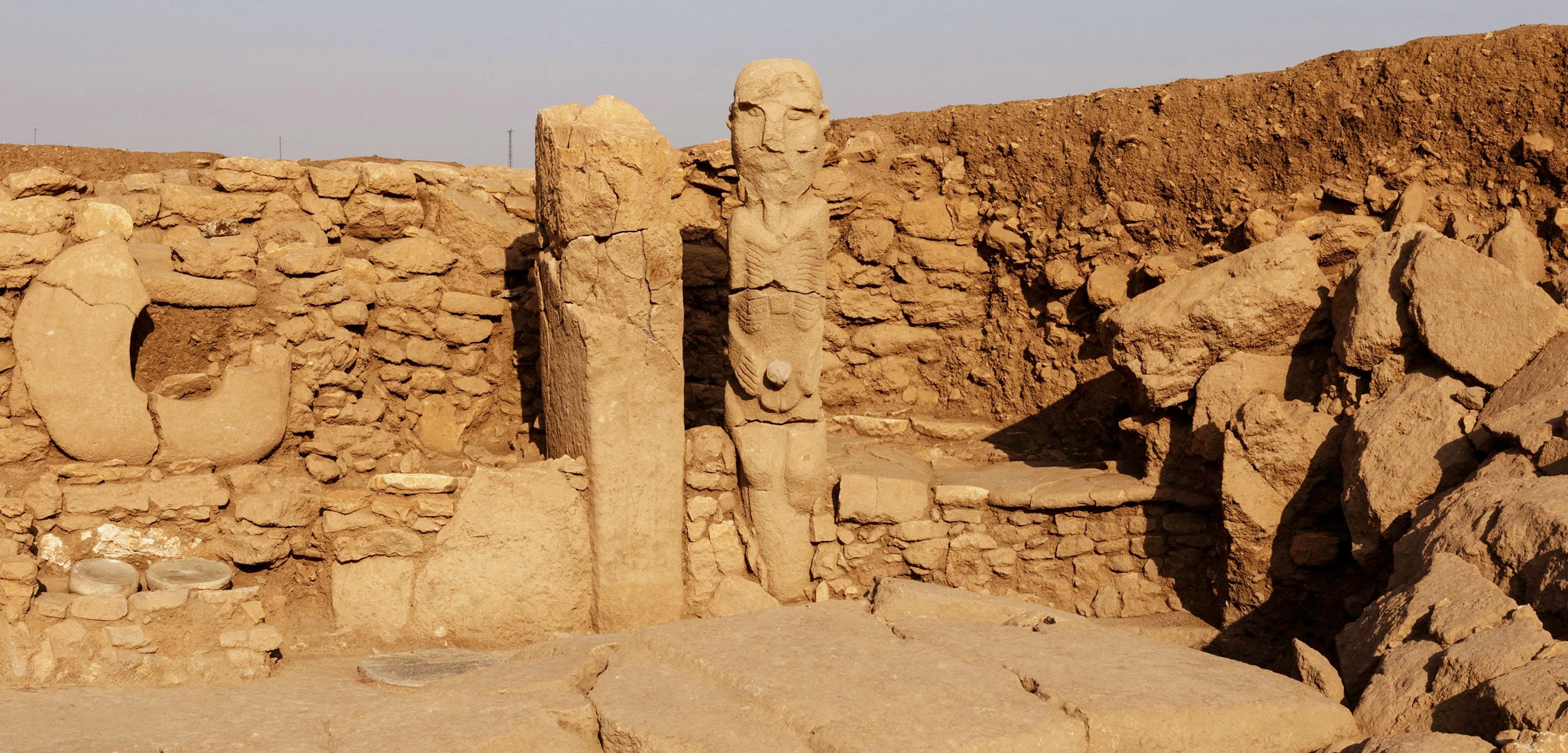
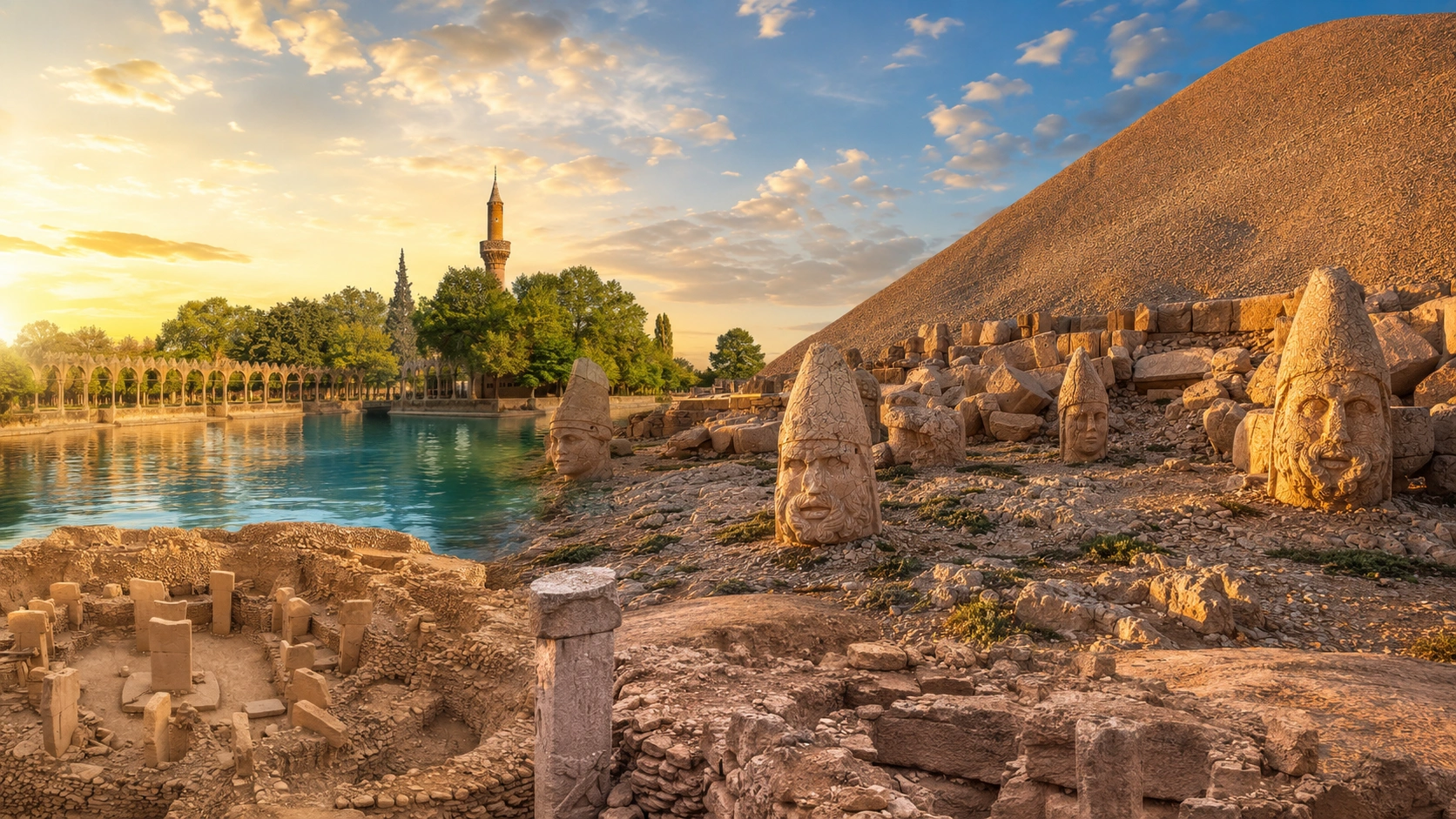
Experience Urfa Kazan Kebab as part of a private journey combining Şanlıurfa’s bazaars, sacred heritage, regional cuisine, Göbeklitepe, Karahantepe, Harran, Halfeti, Gaziantep, and Mount Nemrut.

Private Şanlıurfa Experiences

Custom-designed services with private transportation, professional guiding, flexible timing, and opportunities to discover local food traditions.

Longer Southeastern Türkiye Journeys

Add Şanlıurfa’s culinary traditions to a private route through Gaziantep, Halfeti, Göbeklitepe, Karahantepe, Harran, Mount Nemrut, and Mardin.

Eastern Turkey tour including Sanliurfa regional cuisine

Eastern Turkey Tour – 14 Days

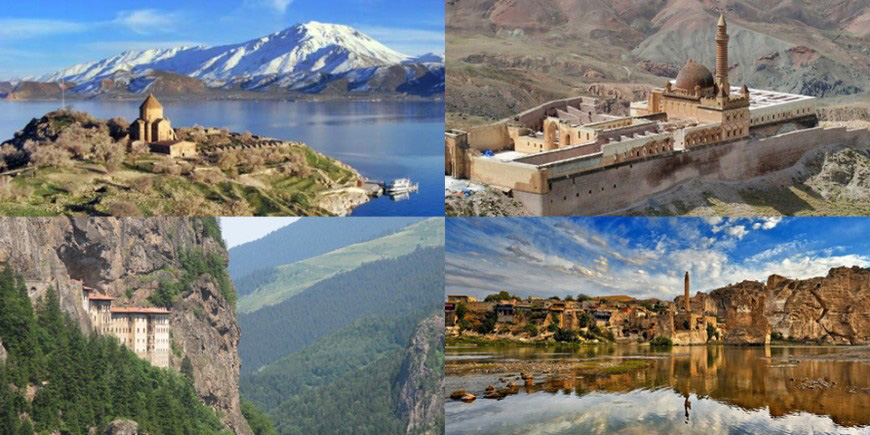
Explore Cappadocia, Gaziantep, Şanlıurfa, Göbeklitepe, Mount Nemrut, Mardin, Lake Van, Ani, Erzurum, and the Black Sea while discovering the regional cultures and flavours of eastern Türkiye.

View Tour