A Charcoal-Grilled Classic of Şanlıurfa

Urfa Eggplant Kebab – Complete Food Guide

Discover Birecik eggplants, zırh-minced lamb, glowing charcoal,
roasted Şanlıurfa peppers, warm flatbread, and the famous balcanlı kebap tradition.

Discover Urfa Eggplant Kebab

Discover the Famous Eggplant Kebab of Şanlıurfa

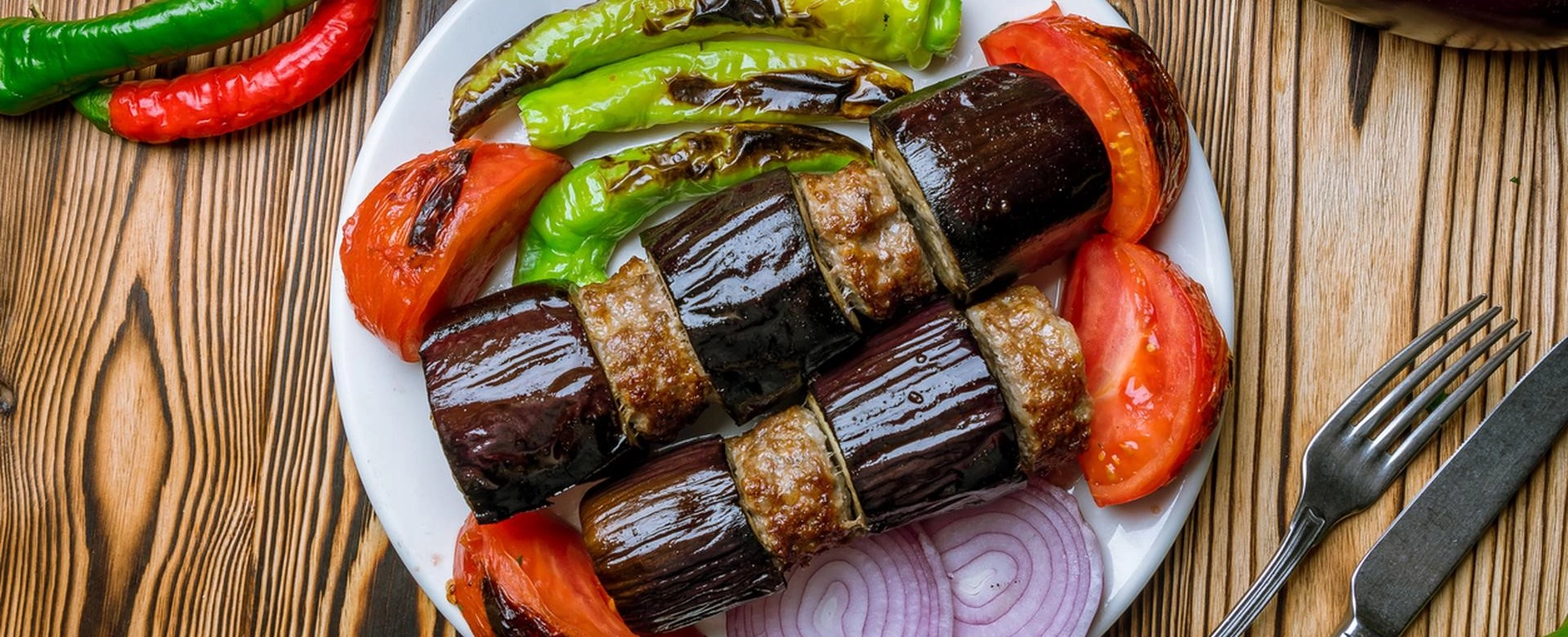
Urfa Eggplant Kebab, officially registered as Urfa (Şanlıurfa) Patlıcanlı Kebabı and locally known as balcanlı kebap, is one of the defining dishes of southeastern Türkiye. Thick pieces of eggplant are alternated with loosely shaped portions of fatty lamb mince on long forged-iron skewers and cooked slowly over glowing wood charcoal. The eggplant skin darkens, the flesh becomes soft and smoky, and the meat releases its juices directly into the vegetable.

The authentic Şanlıurfa preparation is distinguished by geographically indicated Birecik eggplant, lamb meat and tail fat chopped with a traditional zırh, a simple seasoning of salt, and a careful resting stage after grilling. This complete guide explains the registered ingredients, skewer arrangement, charcoal technique, resting method, seasonal character, traditional presentation, geographical-indication status, visitor tips, and the best way to experience one of Urfa’s most celebrated kebabs.

Birecik Eggplant

Large, straight, low-seed eggplants with soft flesh and relatively little water, making them ideal for charcoal grilling.

Zırh-Minced Lamb

Lamb meat and tail fat are traditionally chopped by hand with a crescent-shaped zırh and seasoned only with salt.

Wood-Charcoal Fire

The skewers are cooked on four sides over glowing charcoal until the meat browns and the eggplant becomes tender.

Rested Before Serving

After grilling, the kebab is lightly moistened, covered, and rested so the eggplant softens and the flavours settle.

Know Before You Taste

Urfa Eggplant Kebab – Quick Facts

Essential information about one of Şanlıurfa’s most distinctive seasonal kebabs.

📍

Origin

Şanlıurfa in southeastern Türkiye, where the dish is also commonly called balcanlı kebap.

Open Şanlıurfa on Google Maps
🍆

Key Ingredient

Traditional production uses Birecik eggplant, valued for its low seed content, soft flesh, and low wateriness.

🔥

Cooking Method

Eggplant pieces and zırh-minced lamb are alternated on skewers and grilled over wood charcoal.

🏅

Geographical Indication

Registered by TÜRKPATENT with geographical-indication registration number 351.


A Seasonal Urfa Tradition

The Culinary Story of Urfa Eggplant Kebab

Discover how local agriculture, lamb breeding, charcoal cooking, and kebab craftsmanship come together in one dish.

Şanlıurfa’s cuisine is shaped by fertile plains, hot summers, livestock traditions, regional peppers, wheat, bulgur, seasonal vegetables, and a highly developed culture of charcoal grilling. Kebab masters have long combined meat with local produce, creating dishes in which the vegetable is not merely a side ingredient but an essential part of the flavour and structure.

Urfa Eggplant Kebab is one of the clearest examples of this tradition. Locally known as balcanlı kebap, it alternates thick eggplant sections with hand-chopped lamb on a long skewer. As the kebab cooks, the lamb flavours the eggplant while the softened vegetable helps keep the meat moist.

The dish is especially associated with late summer and early autumn, when local eggplants are at their best. Birecik eggplants grown in Şanlıurfa’s hot and dry climate contain relatively little water and very few seeds, allowing them to soften over charcoal without collapsing too quickly.

The preparation requires patience. Eggplants must be selected for shape and flavour, the meat must be rested and chopped correctly, each meat portion must remain loose rather than tightly compressed, and the skewers must be cooked evenly on four sides.

A distinctive resting stage follows the grill. The kebab is pulled from the skewer without disturbing its alternating shape, lightly sprinkled with water or seasonal pomegranate juice, covered with another tray, and allowed to rest. This step helps the darkened eggplant skin and smoky flesh become tender and integrated with the meat juices.

The combination of Birecik eggplant, local Awassi lamb, zırh preparation, wood-charcoal cooking, and specialised craftsmanship led to the registration of Urfa (Şanlıurfa) Patlıcanlı Kebabı as a geographically indicated product of Şanlıurfa.


What Makes It Authentic

Distinctive Features of Urfa Eggplant Kebab

Its character comes from carefully selected eggplants, hand-chopped lamb, a precise skewer arrangement, wood charcoal, and a traditional covered resting method.

Birecik Eggplant

The registered preparation is associated with Birecik eggplant, a geographically indicated local product known for its straight shape, soft flesh, very low seed content, and purple or violet colour.

  • Origin: Birecik district of Şanlıurfa
  • Texture: Soft flesh with relatively little water
  • Benefit: Holds flavour well during charcoal cooking

Zırh-Minced Lamb

Lamb meat and tail fat are traditionally chopped with a zırh, a large crescent-shaped knife used with both hands. This produces a coarser texture than ordinary machine-minced meat.

  • Meat: Traditionally male Awassi lamb
  • Fat: Tail fat incorporated into the mince
  • Seasoning: Salt only in the registered method

Thick Eggplant Sections

After the unusable end is removed, each long eggplant is cut crosswise into four cylindrical sections. Thick pieces are necessary because the kebab cooks for around twenty minutes over charcoal.

  • Cut: Four equal cylindrical sections
  • Selection: Straight, large, seedless, and not bitter
  • Purpose: Slow softening without falling apart

Forged-Iron Skewers

Traditional kebab skewers are square in section and approximately 50–60 centimetres long, with a pointed end and a twisted handle. Their shape helps prevent the food from spinning while it cooks.

  • Material: Forged iron
  • Length: Approximately 50–60 centimetres
  • Arrangement: Four eggplant pieces and three meat portions

Wood-Charcoal Fire

The kebab is cooked over glowing wood charcoal rather than direct flames. Each of the four sides is exposed to the heat in sequence until the meat browns and the eggplant skin darkens.

  • Heat: Even glowing embers
  • Cooking time: Approximately 20 minutes
  • Result: Smoky meat and very soft eggplant

Covered Resting

After grilling, the kebab is pulled into a tray in one movement, lightly sprinkled with water or seasonal pomegranate juice, covered, and rested before serving.

  • Resting time: Approximately 20 minutes
  • Moisture: Water or fresh pomegranate juice
  • Purpose: Softens and unifies the finished kebab

Roasted Şanlıurfa Peppers

Fresh Şanlıurfa peppers are roasted alongside the kebab and served with it. Their heat and smoky flavour contrast with the sweet, soft eggplant and rich lamb.

  • Quantity: Traditionally 2–4 fresh peppers per portion
  • Preparation: Roasted over charcoal
  • Serving: Beside the kebab or inside a wrap

Mastery and Timing

The meat must remain attached without being compressed, the eggplant must cook through without disintegrating, and the skewer must be removed without disturbing the alternating form.

  • Key skill: Balancing meat and vegetable cooking times
  • Challenge: Achieving tenderness without burning
  • Final step: Resting while preserving the kebab’s shape

Urfa Eggplant Kebab’s Geographical Indication

Urfa (Şanlıurfa) Patlıcanlı Kebabı is officially registered by the Turkish Patent and Trademark Office as a geographically indicated product associated with Şanlıurfa.

Registration Name

The official registered name is Urfa (Şanlıurfa) Patlıcanlı Kebabı.

Registration Number

The product carries geographical-indication registration number 351.

Registration Date

The registration was completed on 21 May 2018.

Registered Institution

The application and registration were made by the Şanlıurfa Chamber of Commerce and Industry.


The registration defines the dish’s main ingredients and production method, including Awassi lamb, tail fat, Birecik eggplant, zırh chopping, forged-iron skewers, wood-charcoal grilling, the alternating skewer pattern, and the covered resting stage.

The protected geographical boundary is the province of Şanlıurfa. The registration recognises that the dish’s reputation, ingredients, specialised technique, and culinary identity are closely connected with the region.

Ingredients Used in Urfa Eggplant Kebab

The registered recipe is remarkably simple. Its flavour comes from the quality of the eggplant and lamb, the zırh texture, charcoal cooking, and correct resting rather than from a complicated spice mixture or marinade.

Zırh-Minced Lamb

Approximately 200–210 grams of minced meat for one portion, traditionally prepared from male Awassi lamb and chopped with a zırh.

Tail Fat

Tail fat is chopped together with the lamb to create the characteristic rich texture of the kebab.

Birecik Eggplants

Two large, straight, long, non-bitter, low-seed eggplants suitable for cutting into thick cylindrical pieces.

Fresh Şanlıurfa Peppers

Approximately 2–4 fresh regional peppers, usually roasted and served beside the kebab.

Salt

Approximately 3 grams of salt; no additional seasoning is required in the registered meat preparation.

Wood Charcoal

Prepared until the flames subside and a strong, even bed of glowing embers remains.


Traditional Accompaniments

Bread Açık ekmek, thin flatbread, lavash, or traditional sac-baked home bread
Onion Fresh sliced dry onion served beside the kebab or added to the wrap
Roasted Peppers Fresh Şanlıurfa peppers softened and lightly charred over the grill
Resting Liquid A light sprinkling of water or fresh pomegranate juice according to the season
Drink Cold ayran, the classic accompaniment to the smoky lamb and eggplant

How Urfa Eggplant Kebab Is Prepared

Traditional production follows a careful sequence. Each stage affects the kebab’s shape, moisture, tenderness, and smoky flavour.

1. Rest the Lamb Allow the lamb meat to rest for one day before chopping, following the traditional registered method
2. Chop with a Zırh Chop the lamb and tail fat with the crescent-shaped zırh, adding nothing except salt
3. Select the Eggplants Choose long, straight, large eggplants that are not bitter and contain very few seeds
4. Cut into Four Pieces Remove the unusable head and divide each eggplant crosswise into four equal cylindrical sections
5. Shape the Meat Take approximately 30–35 grams of mince and form it loosely into a rounded portion without compressing it
6. Arrange the Skewer Alternate four eggplant pieces with three meat portions, beginning and ending with eggplant
7. Prepare the Charcoal Allow the wood charcoal to form a strong, even bed of glowing embers with no active flames
8. Cook on Four Sides Grill the first side, the opposite side, and then the remaining two sides in sequence for about 20 minutes
9. Pull into the Tray Remove the kebab from the skewer in one smooth movement so the alternating form remains intact
10. Moisten and Rest Sprinkle lightly with water or seasonal pomegranate juice, cover with another tray, and rest for about 20 minutes
11. Turn and Plate Turn the covered trays, transfer the kebab without changing its shape, and prepare it for service
12. Serve with Accompaniments Present two skewers with roasted Şanlıurfa peppers, sliced onion, flatbread, and cold ayran

How Eggplant and Meat Are Placed on the Skewer

The official geographical-indication description records a precise alternating arrangement designed to keep the eggplant pieces together and distribute the lamb juices evenly.

First Eggplant Piece

The skewer begins with the rear section of the eggplant, preserving the original cutting order.

First Meat Portion

A loose 30–35 gram portion of zırh-minced lamb is placed directly against the eggplant.

Middle Sequence

Eggplant and meat continue alternately along the square forged-iron skewer.

Final Eggplant Piece

The arrangement ends with the fourth eggplant section so the meat remains enclosed between vegetables.

Total per Skewer

Each skewer contains four eggplant pieces and three rounded meat portions.

Traditional Portion

One portion consists of two skewers and contains at least approximately 180–200 grams of meat in total.


Keeping the original order of the eggplant pieces helps preserve its natural shape. Placing the meat loosely against each section allows the juices to flavour the eggplant while both ingredients cook together.

Why Is Birecik Eggplant Used?

Birecik eggplant is itself a geographically indicated product of Şanlıurfa. Its physical character makes it particularly suitable for the long, direct heat required by this kebab.

Low Seed Content

Very few seeds create a smoother texture and prevent bitterness from dominating the finished kebab.

Soft Flesh

The flesh becomes creamy and tender as it absorbs smoke, lamb juices, and the richness of the tail fat.

Relatively Low Water

Eggplants grown in Birecik’s hot and dry climate are not excessively watery, helping intensify flavour.

Suitable Shape

Large, straight, long eggplants can be cut evenly and arranged securely on the traditional skewer.

Purple Colour

The fruit is typically purple or violet, with skin that darkens significantly during grilling.

Seasonal Quality

The most characteristic flavour is associated with the late-summer and early-autumn harvest period.


Outside Şanlıurfa, cooks may use another firm, low-seed eggplant, but the registered regional preparation is specifically associated with Birecik eggplant.

The Role of the Zırh and Tail Fat

The meat mixture is not intended to resemble a smooth industrial mince. Traditional zırh chopping gives it a recognisable handmade texture and allows the lamb and tail fat to combine without becoming paste-like.

The Zırh

A large, sharp, crescent-shaped knife with wooden handles, moved rhythmically with both hands over the meat.

Coarse Texture

Hand chopping leaves a more open texture that cooks differently from tightly processed machine mince.

Tail Fat

Fat from the lamb’s tail provides moisture, richness, and a characteristic southeastern Anatolian flavour.

Simple Seasoning

Only salt is added to the registered meat mixture, allowing the lamb, eggplant, and charcoal to remain dominant.

Loose Shaping

Each portion is rounded gently without squeezing so it remains tender and cooks evenly.

Meat–Vegetable Balance

The lamb enriches the eggplant, while the eggplant’s moisture and softness balance the meat and fat.

Charcoal Cooking and the Traditional Resting Method

Urfa eggplant kebab is not finished when it leaves the grill. The charcoal stage develops its smoky flavour, while the covered resting stage completes the texture.

Cook over Embers Use glowing wood charcoal rather than strong flames that could burn the skin before the centre softens
Turn in Sequence Cook the first broad side, the opposite side, and then the two remaining sides
Watch the Eggplant The skin becomes dark or blackened while the flesh underneath turns very soft
Check the Meat The lamb changes from red to brown as it reaches the correct cooked condition
Preserve the Shape Pull the complete kebab from the skewer into the tray in one smooth movement
Add Light Moisture Sprinkle a small amount of water or fresh pomegranate juice over the hot kebab
Cover the Tray Place a second tray of equal size over the kebab to trap heat and steam
Rest for About 20 Minutes Allow the eggplant to soften fully and the meat juices to settle before serving

This resting process is sometimes described as allowing the kebab to “sweat.” It softens the charred skin, distributes moisture, and creates the tender texture expected from an authentic Urfa presentation.

How Urfa Eggplant Kebab Is Served

A traditional portion consists of two rested skewers transferred to a plate without disturbing the alternating eggplant-and-meat form. Diners commonly separate the soft eggplant from its blackened skin and combine it with lamb, onion, pepper, and bread.

Two-Skewer Portion A traditional serving contains two skewers of eggplant and lamb
Flatbread Açık ekmek, lavash, or thin sac-baked home bread is used to make a wrap
Sliced Onion Fresh dry onion adds sharpness and crunch to the soft, rich kebab
Roasted Şanlıurfa Pepper Charred fresh peppers add warmth, smoke, and regional character
Pomegranate Juice In season, freshly squeezed tart pomegranate juice may be used during resting or served alongside
Ayran Cold yoghurt drink balances the charcoal, salt, lamb fat, and roasted eggplant

Serving styles differ between restaurants. Some present the complete alternating kebab on a large plate, while others help remove the softened eggplant skin before the diner assembles a wrap.

When Is Urfa Eggplant Kebab in Season?

Although restaurants may serve eggplant kebab for much of the year, its most characteristic local flavour is associated with the period when field-grown regional eggplants are naturally abundant.

Late Summer

Warm-weather eggplants reach the size, texture, and low-seed quality preferred by kebab masters.

Early Autumn

This is often considered the ideal period, especially when fresh sour pomegranates also become available.

Lunch

The dish is popular as a substantial midday meal accompanied by bread, onion, peppers, and ayran.

Dinner

Families and groups commonly share it in kebab restaurants during the evening.

Outside the Main Season

Availability may continue, but the origin and quality of the eggplants can vary.

Ask Locally

Restaurant staff can usually explain whether Birecik eggplants and fresh seasonal pomegranate juice are being used.


For travellers interested in Şanlıurfa’s seasonal food culture, late August through early autumn generally provides the strongest opportunity to experience the dish with local eggplants and fresh pomegranate juice.

What Does Urfa Eggplant Kebab Taste Like?

The finished kebab is smoky, savoury, soft, rich, and gently sweet from the roasted eggplant. It is less heavily spiced than many visitors expect because the registered meat mixture relies principally on lamb, tail fat, and salt.

Eggplant

The flesh becomes creamy and smoky, with a mild sweetness and a deep roasted aroma.

Lamb

Zırh-minced lamb provides a savoury, juicy bite and a coarser handmade texture.

Tail Fat

Tail fat contributes richness and carries the aroma of the charcoal into both meat and vegetable.

Charred Skin

The blackened exterior protects the flesh during cooking; diners may remove some or all of it according to preference.

Pepper and Onion

Roasted pepper adds warmth while fresh onion gives sharpness and contrast.

Pomegranate

Seasonal tart pomegranate juice introduces light acidity and balances the fatty lamb.


The dish is generally not aggressively spicy unless extra pepper or isot is added. Its primary character comes from charcoal, eggplant, lamb, and the resting method.

Where to Eat Eggplant Kebab in Şanlıurfa

Eggplant kebab is served in traditional kebab restaurants throughout Şanlıurfa. The most memorable experiences are often found in established charcoal-grill restaurants, the historic centre, old bazaar districts, and family-run businesses that prepare skewers to order.

Historic Bazaar Area

Traditional restaurants around the old commercial streets offer an atmospheric setting for regional kebabs.

Specialist Kebab Restaurants

Choose businesses where eggplant and meat are assembled fresh and cooked visibly over charcoal.

Birecik

The district associated with the registered eggplant is an excellent place to explore the vegetable’s local culinary importance.

Seasonal Menus

Late-summer and early-autumn menus are more likely to feature high-quality regional eggplants and fresh pomegranate juice.

Busy Charcoal Grills

A steady flow of local diners usually means skewers are prepared frequently and served without long holding times.

Private Food Experiences

A local guide can help explain restaurant customs, seasonal dishes, bazaars, and the differences between Urfa kebabs.


Look for a clean establishment where raw ingredients are kept correctly, the grill is actively managed, the eggplants appear firm and fresh, and the kebab is cooked only after ordering. Menus and operating hours can change, so confirm current details locally.

Urfa Eggplant Kebab Visitor Tips

Visit in Season

Late summer and early autumn usually offer the best local eggplants and the possibility of fresh pomegranate juice.

Expect Dark Eggplant Skin

Blackened skin is a normal result of charcoal cooking and does not mean the soft interior is burnt.

Remove the Skin Carefully

The eggplant will be extremely soft and hot. Open it gently with bread or a fork before making a wrap.

Combine Every Element

A bite containing eggplant, lamb, onion, roasted pepper, and bread gives the most balanced flavour.

Ask About Birecik Eggplant

Restaurants may use different eggplants outside the local harvest season, so ask when authenticity matters to you.

Try Pomegranate Juice

Fresh sour pomegranate juice is a particularly traditional seasonal accompaniment when available.

Order Ayran

Cold ayran refreshes the palate and balances the richness of the zırh-minced lamb and tail fat.

Allow Time for Preparation

Authentic eggplant kebab cooks and rests slowly; it may take longer than a standard minced-meat kebab.

Confirm the Portion

A registered-style portion consists of two skewers, but restaurant portion sizes and pricing may differ.

Share Several Kebabs

Groups can order eggplant, liver, onion, and classic Urfa kebabs together to compare the city’s grill traditions.

Other Foods to Try in Şanlıurfa

Urfa eggplant kebab belongs to a broad culinary tradition combining charcoal-grilled meat, seasonal vegetables, bulgur, yoghurt, herbs, peppers, and sweet dishes.

Urfa Liver Kebab

Small pieces of lamb liver and tail fat grilled on thin skewers and eaten at breakfast, lunch, dinner, and Ramadan suhoor.

Urfa Kebab

Zırh-minced lamb seasoned in the Urfa style and grilled over charcoal on broad skewers.

Onion Kebab

Small onions and portions of minced lamb alternated on skewers, grilled, rested, and commonly balanced with pomegranate.

Şanlıurfa Çiğ Köfte

A deeply rooted bulgur preparation kneaded with isot, spices, herbs, and traditional regional ingredients.

Lebeni

A comforting regional yoghurt-based soup or stew commonly prepared with wheat, chickpeas, and local seasoning.

Şıllık Dessert

Soft thin layers of dough filled or topped with walnuts and finished with sweet syrup.

Frequently Asked Questions About Urfa Eggplant Kebab

What is Urfa eggplant kebab?

Urfa eggplant kebab is a Şanlıurfa speciality made by alternating thick eggplant pieces and loosely shaped zırh-minced lamb on skewers, grilling them over wood charcoal, and resting the cooked kebab before serving.

What is Urfa eggplant kebab called in Turkish?

Its official registered name is Urfa (Şanlıurfa) Patlıcanlı Kebabı. In the local Urfa dialect, it is also commonly called balcanlı kebap.

Is Urfa eggplant kebab geographically indicated?

Yes. It is registered by the Turkish Patent and Trademark Office as a protected geographical indication with registration number 351.

When was Urfa eggplant kebab registered?

The registration was completed on 21 May 2018 following an application by the Şanlıurfa Chamber of Commerce and Industry.

What type of eggplant is traditionally used?

The registered preparation is associated with Birecik eggplant, which has very few seeds, soft flesh, a purple or violet colour, and relatively low water content.

What type of meat is used?

Traditional production uses lamb from the Awassi breed, combined with tail fat and chopped with a zırh.

What is a zırh?

A zırh is a large crescent-shaped sharp knife with wooden handles. It is moved with both hands to chop meat and fat into a coarse kebab mince.

Is the meat heavily seasoned?

No. In the registered preparation, only salt is added while the lamb is chopped. The flavour comes primarily from the meat, tail fat, eggplant, and charcoal.

How is the eggplant cut?

The unusable head is removed, and the remaining long eggplant is cut crosswise into four equal cylindrical pieces.

How many pieces are placed on each skewer?

Each skewer contains four eggplant sections and three loosely shaped portions of minced lamb, beginning and ending with eggplant.

How many skewers are in one portion?

The registered presentation describes one portion as two skewers of eggplant kebab.

How is Urfa eggplant kebab cooked?

The skewers are grilled over wood charcoal on four sides in sequence for approximately 20 minutes, until the meat browns and the eggplant becomes very soft.

Why does the eggplant skin turn black?

Darkening is a normal result of prolonged charcoal grilling. The skin protects the flesh, which becomes soft, smoky, and creamy underneath.

Why is the kebab rested after grilling?

The kebab is lightly moistened, covered, and rested for about 20 minutes to soften the eggplant further, distribute the juices, and complete the texture.

Is water or pomegranate juice added?

A small amount of water may be sprinkled over the hot kebab. During the pomegranate season, fresh pomegranate juice can be used instead.

Is Urfa eggplant kebab spicy?

The meat itself is not heavily spiced. Heat generally comes from the roasted fresh Şanlıurfa peppers or additional isot served with the meal.

How is it traditionally served?

It is served with roasted Şanlıurfa peppers, sliced onion, thin flatbread or sac bread, and cold ayran. Fresh pomegranate juice may also accompany it in season.

What is the best season to try it?

Late summer and early autumn are traditionally considered the best periods because local eggplants are at their peak and fresh sour pomegranates may be available.

Can it be prepared in an oven?

Home versions can be cooked in an oven or tray, but the registered Urfa preparation is distinguished by cooking the alternating skewers over wood charcoal.

Can I order it without tail fat?

Some restaurants may adapt the meat mixture, but tail fat is part of the traditional registered preparation and contributes significantly to moisture and flavour.

What does Urfa eggplant kebab taste like?

It tastes smoky, savoury, rich, and gently sweet, with creamy roasted eggplant, juicy lamb, charcoal aroma, fresh onion, and roasted pepper.

Where can I eat authentic eggplant kebab in Şanlıurfa?

Look for established kebab restaurants and busy charcoal grills in the historic centre, bazaar districts, local neighbourhoods, and Birecik.

Is it suitable for vegetarians?

No. Traditional Urfa eggplant kebab contains lamb and tail fat. A meat-free grilled eggplant dish would be a different preparation.

Is Urfa eggplant kebab worth trying?

Yes. It brings together local agriculture, regional lamb, zırh craftsmanship, charcoal grilling, and a distinctive resting technique in one of Şanlıurfa’s most representative dishes.

Best Photos of Urfa Eggplant Kebab

The alternating skewers, purple eggplants, glowing charcoal, rising smoke, darkened skins, roasted peppers, and historic surroundings of Şanlıurfa create excellent food-photography opportunities.

Raw Skewer Arrangement

Photograph the precise sequence of thick eggplant sections and rounded meat portions before grilling.

Skewers over Charcoal

Capture the rows of kebabs above glowing embers as the eggplant skin begins to darken.

The Kebab Master

Show the cook turning each broad side, checking the meat, and controlling the charcoal heat.

Pulling from the Skewer

The moment the complete kebab is drawn into the tray reveals the traditional alternating form.

Resting under the Tray

Photograph the covered presentation and the final reveal after the kebab has softened.

The Finished Plate

Include roasted peppers, sliced onion, flatbread, ayran, and seasonal pomegranate for regional context.

Making the Wrap

A close view of creamy eggplant, lamb, onion, and pepper inside thin bread shows the dish’s texture.

Historic Şanlıurfa

Combine food photography with stone courtyards, bazaars, caravanserais, and traditional architecture.


Ask permission before photographing cooks, restaurant staff, or other guests. Keep a safe distance from the hot charcoal grill and avoid blocking the working area while the skewers are being turned.

Şanlıurfa Tours and Culinary Experiences

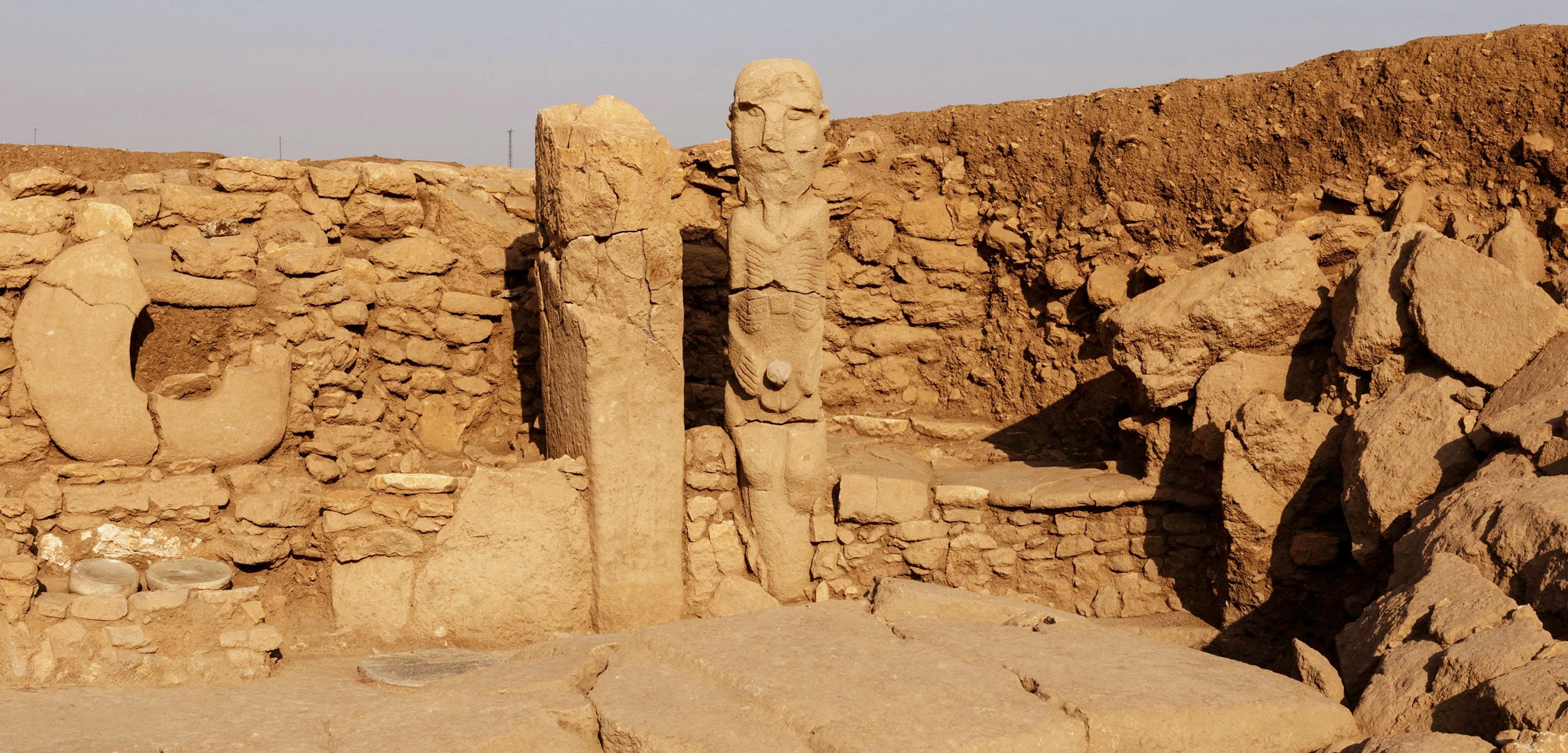
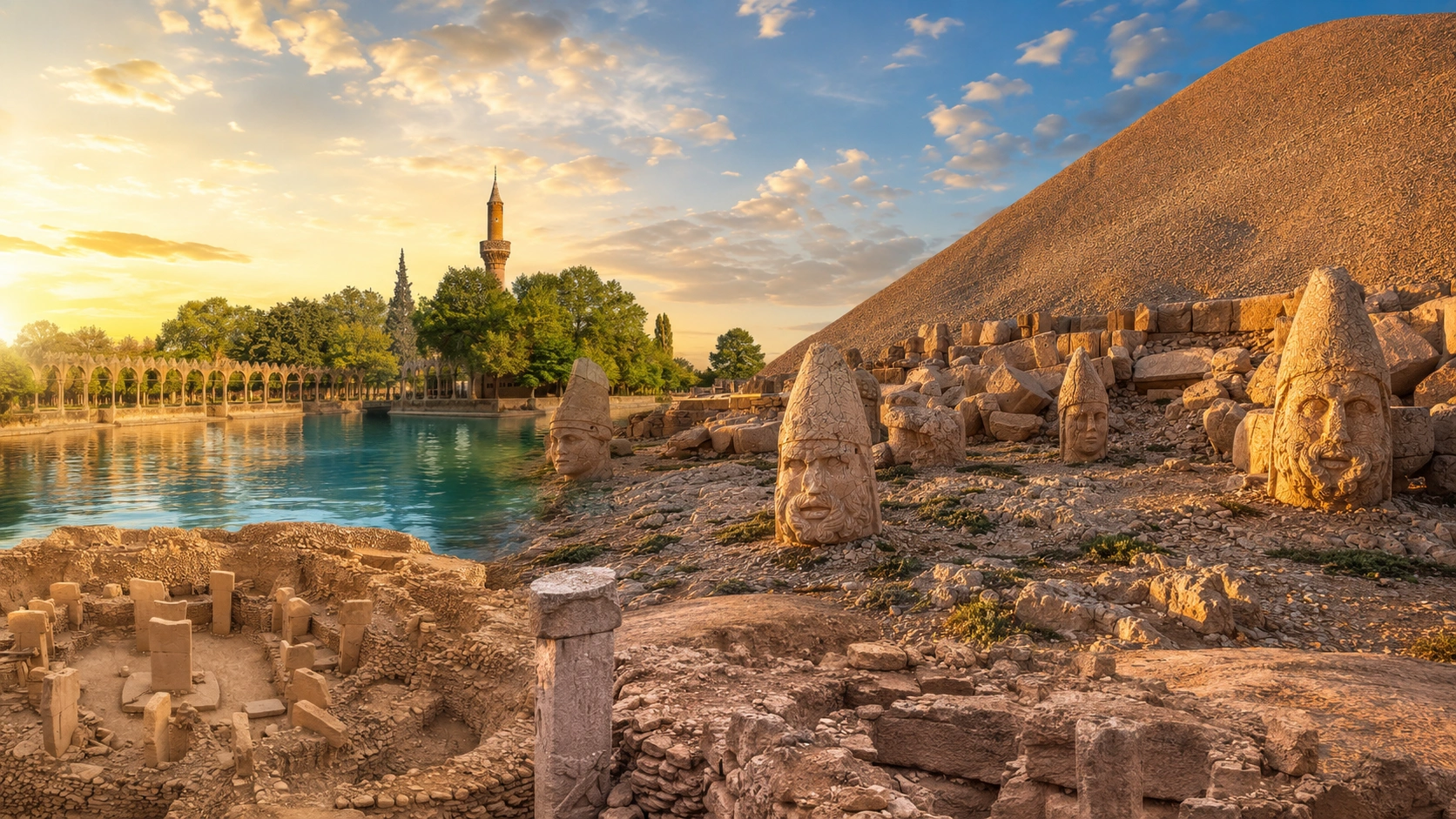
Experience Urfa eggplant kebab as part of a private journey combining Şanlıurfa’s bazaars, sacred heritage, regional cuisine, Göbeklitepe, Karahantepe, Harran, Birecik, Halfeti, Gaziantep, and Mount Nemrut.

Private Şanlıurfa Experiences

Custom-designed services with private transportation, professional guiding, flexible timing, and opportunities to discover local food traditions.

Longer Southeastern Türkiye Journeys

Add Şanlıurfa’s culinary traditions to a private route through Gaziantep, Birecik, Halfeti, Göbeklitepe, Karahantepe, Harran, Mount Nemrut, and Mardin.

Eastern Turkey tour including Sanliurfa regional cuisine

Eastern Turkey Tour – 14 Days

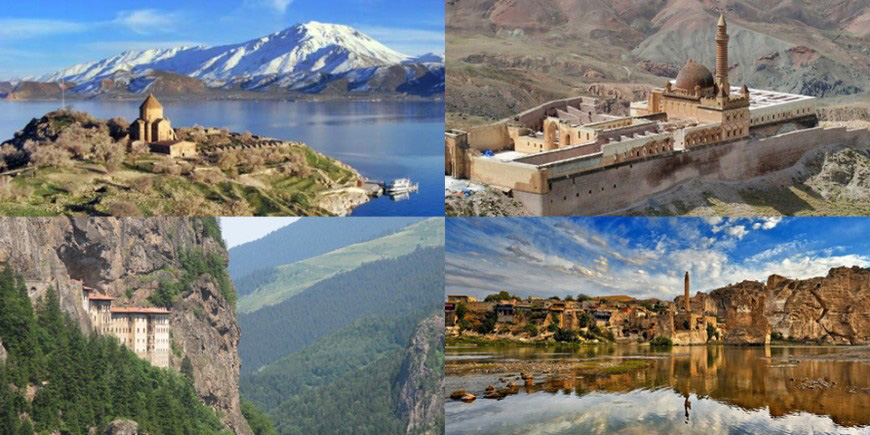
Explore Cappadocia, Gaziantep, Şanlıurfa, Göbeklitepe, Mount Nemrut, Mardin, Lake Van, Ani, Erzurum, and the Black Sea while discovering the regional cultures and flavours of eastern Türkiye.

View Tour