A Hand-Kneaded Bulgur Tradition of Şanlıurfa

Urfa Egg Meatballs – Complete Food Guide

Discover fine bulgur, Şanlıurfa pepper, clarified butter, golden eggs,
fresh herbs, lavash, and one of Urfa’s most distinctive meat-free köfte traditions.

Discover Urfa Egg Meatballs

Discover Urfa Yumurtalı Köfte

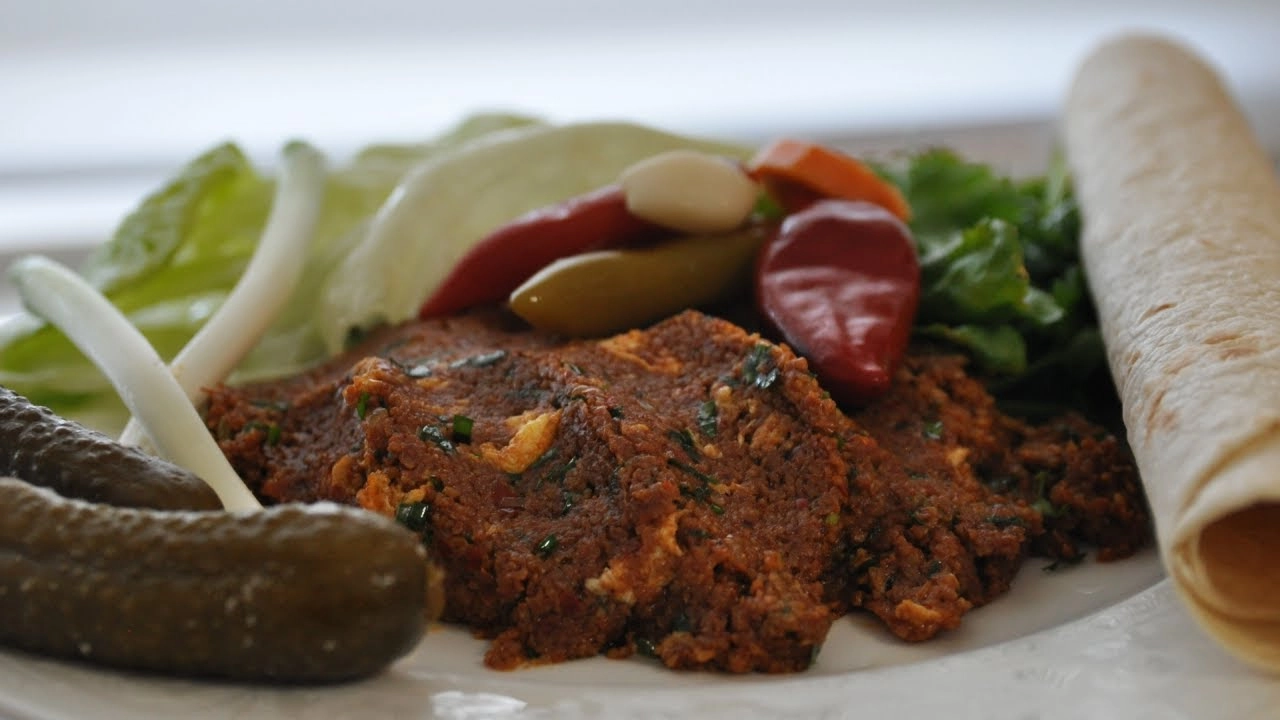
Urfa Egg Meatballs, traditionally known as Urfa Yumurtalı Köfte, is a celebrated Şanlıurfa speciality made by patiently kneading fine bulgur with Şanlıurfa pepper, tomato paste, onion, salt, black pepper, cinnamon, and water. Fresh parsley and green onions are then mixed into the softened bulgur before eggs fried in local clarified butter are folded into the mixture while still hot.

Despite the English name “egg meatballs,” the dish is not a conventional meatball and contains no meat in its registered preparation. Here, the word köfte describes a hand-kneaded bulgur dish shaped into generous portions and served with seasonal greens, lavash or sac bread, ayran, and sometimes Urfa Eşkili. This complete guide explains its ingredients, geographical-indication status, traditional copper-basin technique, long kneading process, clarified-butter eggs, serving customs, flavour, visitor tips, and the best way to experience Şanlıurfa’s remarkable food culture.

Fine Bulgur

Köftelik bulgur is gradually worked into the pepper mixture until the grains lose their hardness and become soft and cohesive.

Şanlıurfa Pepper

Geographically indicated isot gives the köfte its deep colour, warm heat, earthy aroma, and unmistakable regional character.

Eggs in Clarified Butter

Eggs are fried until golden in locally produced clarified butter and added hot with the fragrant cooking fat.

Hand-Kneaded Tradition

The dish depends on patience, touch, timing, and the culinary knowledge passed through Şanlıurfa families and köfte masters.

Know Before You Taste

Urfa Egg Meatballs – Quick Facts

Essential information about Şanlıurfa’s famous egg-and-bulgur köfte.

📍

Origin

Şanlıurfa in southeastern Türkiye, where hand-kneaded bulgur dishes form an important part of regional cuisine.

Open Şanlıurfa on Google Maps
🥣

Traditional Name

The registered Turkish name is Urfa Yumurtalı Köfte, meaning Urfa köfte prepared with egg.

🥚

Main Technique

Fine bulgur is kneaded with isot and seasonings before hot eggs fried in clarified butter are folded into the mixture.

🏅

Geographical Indication

Registered by TÜRKPATENT as Urfa Yumurtalı Köfte with registration number 318.


A Living Culinary Tradition

The Story of Urfa Yumurtalı Köfte

Discover how a humble combination of bulgur, isot, herbs, clarified butter, and eggs became one of Şanlıurfa’s most beloved local dishes.

Şanlıurfa cuisine is built around wheat, bulgur, peppers, herbs, livestock products, shared tables, and recipes that depend as much on technique as on ingredients. Hand-kneaded köfte dishes occupy a particularly important place in this culinary landscape.

Over time, families in the region developed several köfte traditions alongside çiğ köfte, including lentil köfte, tomato köfte, yağlı köfte, and yumurtalı köfte. Each variation reflects seasonal ingredients, household habits, and the local preference for richly seasoned bulgur dishes.

Urfa Yumurtalı Köfte is especially associated with spring and summer. The official registration describes egg köfte as a preferred warm-weather alternative, while raw-meat çiğ köfte was traditionally favoured more often during autumn and winter.

The dish is prepared communally in many homes. One person may knead the bulgur mixture while another fries the eggs at exactly the right moment. The timing matters because the eggs and clarified butter must be added while hot, yet they should not be crushed completely into the bulgur.

Its character depends on two especially important regional ingredients: geographically indicated Şanlıurfa pepper and locally produced clarified butter. The pepper provides colour, warmth, and aroma, while the butter enriches the eggs and carries their flavour through the köfte.

The official registration recognises not only the recipe but also the cultural knowledge behind its preparation. The long kneading process, the use of a traditional tinned copper basin, the sequence of ingredients, and the final addition of hot eggs all distinguish authentic Urfa Yumurtalı Köfte.


What Makes It Special

Distinctive Features of Urfa Egg Meatballs

The dish is defined by fine bulgur, regional isot, careful hand-kneading, hot clarified-butter eggs, fresh herbs, and a generous traditional presentation.

Fine Köftelik Bulgur

The foundation of the dish is fine bulgur made from durum wheat. Its small grains absorb the seasoned mixture and soften gradually through prolonged kneading rather than ordinary boiling.

  • Traditional type: Fine köftelik bulgur
  • Preparation: Added gradually during kneading
  • Final texture: Soft, cohesive, and slightly grainy

Şanlıurfa Pepper

Şanlıurfa pepper, commonly called isot, gives the köfte its deep reddish-brown colour and layered flavour. It contributes warmth, fruitiness, earthiness, and a gently smoky character.

  • Regional ingredient: Geographically indicated Şanlıurfa pepper
  • Role: Colour, aroma, heat, and identity
  • Balance: Combined with tomato paste and onion

Local Clarified Butter

The eggs are fried in locally produced clarified butter, known as sadeyağ. Its rich aroma and high cooking tolerance help the eggs brown while adding a distinctive buttery flavour.

  • Turkish name: Sadeyağ
  • Use: Frying the eggs
  • Importance: Added to the köfte together with the hot eggs

Golden Fried Eggs

The eggs are cooked on both sides until lightly golden. They are then transferred directly into the bulgur with their hot butter and folded through without being completely broken down.

  • Registered quantity: Four to six eggs for six servings
  • Cooking: Fried on both sides
  • Final appearance: Visible pieces distributed through the köfte

Tinned Copper Köfte Basin

Traditional preparation uses a specially made tinned copper basin. Ingredients begin in separate areas of the basin before being worked together in a controlled sequence.

  • Traditional vessel: Kalaylı bakır leğen
  • Purpose: Provides a broad surface for kneading
  • Technique: Bulgur and spice mixture begin on opposite sides

Long Hand-Kneading

Kneading is the heart of the recipe. The seasoned paste is first prepared, then the bulgur is incorporated little by little and worked until its hardness disappears.

  • Initial paste: About five minutes
  • Bulgur kneading: Approximately 20–25 minutes
  • Key skill: Judging softness by hand

Parsley and Green Onion

Finely chopped parsley and green onions are added after the bulgur has softened. They brighten the dark pepper mixture with fresh flavour, colour, and texture.

  • Main greens: Parsley and green onion
  • Timing: Added near the end
  • Effect: Freshens the rich egg-and-butter mixture

Generous Traditional Serving

The finished köfte is placed on plates in large mounds or portions and surrounded by seasonal greens, vegetables, bread, pickles, and ayran.

  • Plate style: Served in generous mounds
  • Bread: Lavash or sac bread
  • Classic drink: Cold ayran

Urfa Yumurtalı Köfte’s Geographical Indication

Urfa Yumurtalı Köfte is officially registered by the Turkish Patent and Trademark Office as a geographically indicated product connected with the province of Şanlıurfa.

Registered Name

The official geographical-indication name is Urfa Yumurtalı Köfte.

Registration Number

The dish carries geographical-indication registration number 318.

Registration Date

The registration was completed on 29 December 2017.

Indication Type

It is registered as a Mahreç İşareti, identifying a product whose reputation or characteristics are associated with its geographical origin.

Geographical Boundary

The recognised geographical boundary is the province of Şanlıurfa.

Registered Institution

The applicant and registration holder is the Şanlıurfa Chamber of Commerce and Industry.


The registration records the use of fine bulgur, Şanlıurfa pepper, tomato paste, onion, black pepper, cinnamon, salt, parsley, green onion, eggs, and locally produced clarified butter. It also documents the traditional order of kneading, frying, combining, and serving.

For the registered preparation, geographically indicated Şanlıurfa pepper and clarified butter produced in the region are especially important. These ingredients connect the flavour of the dish directly with Şanlıurfa’s agricultural and culinary traditions.

Ingredients Used in Urfa Egg Meatballs

The registered preparation provides a traditional formula for approximately six people. Quantities used in homes and restaurants may vary, but the official recipe illustrates the characteristic balance of bulgur, isot, herbs, eggs, and clarified butter.

Fine Bulgur

500 grams of köftelik bulgur made from durum wheat.

Şanlıurfa Pepper

230 grams of Şanlıurfa pepper, locally known as isot.

Tomato Paste

80 grams of tomato paste for depth, moisture, colour, and acidity.

Dry Onion

One onion, approximately 100 grams, finely chopped before kneading.

Black Pepper

1 gram of black pepper for additional warmth and aroma.

Cinnamon

2 grams of cinnamon, used sparingly as a subtle regional seasoning.

Salt for the Köfte

8 grams of salt in the bulgur mixture.

Parsley

One bunch of parsley, finely chopped and mixed in near the end.

Green Onion

150 grams of finely chopped green onions.

Clarified Butter

100 grams of locally produced clarified butter for frying the eggs.

Eggs

Four to six eggs, fried until both sides are lightly golden.

Salt for the Eggs

2 grams of salt used while preparing the eggs.


Traditional Accompaniments

Bread Open lavash or thin sac bread used to scoop, wrap, or accompany the köfte
Fresh Greens Lettuce, mint, mustard greens, cress, purslane, water mint, sorrel, or vine leaves according to season
Fresh Vegetables Radish, cucumber, tomato, cabbage, and other crisp seasonal produce
Regional Pickle Urfa Eşkili may be served as a sharp, refreshing accompaniment
Drink Cold ayran is the most traditional pairing

How Urfa Egg Meatballs Are Prepared

Traditional preparation follows a carefully timed sequence. The bulgur must soften through kneading, the herbs must remain fresh, and the eggs must reach the köfte while still hot.

1. Arrange the Basin Place the fine bulgur in one side of a traditional tinned copper köfte basin
2. Build the Seasoned Mixture Place chopped dry onion, tomato paste, Şanlıurfa pepper, salt, black pepper, cinnamon, and a little water on the opposite side
3. Knead into a Paste Work the onion-and-pepper mixture for about five minutes until it becomes smooth and paste-like
4. Add the Bulgur Gradually Pull small amounts of bulgur into the seasoned paste rather than combining everything at once
5. Continue Kneading Knead for approximately 20–25 minutes without adding further ingredients or water until the bulgur loses its hardness
6. Begin Frying the Eggs About five minutes before kneading ends, heat the clarified butter and add the prepared eggs
7. Brown Both Sides Cook the eggs until both sides are lightly golden while the bulgur kneading continues
8. Soften and Add Herbs When the köfte is ready, soften it with a small amount of water and mix in finely chopped parsley and green onion
9. Fold in the Hot Eggs Add the fried eggs together with the hot clarified butter and fold gently without burning the hands or crushing the eggs excessively
10. Serve Promptly Transfer the köfte to plates in generous mounds and serve with bread, greens, vegetables, ayran, and optional Urfa Eşkili

Why Is a Tinned Copper Basin Used?

A broad tinned copper basin is closely associated with Şanlıurfa’s hand-kneaded köfte traditions. Its shape and surface support the gradual, controlled preparation required for Yumurtalı Köfte.

Wide Working Surface

The broad base gives the cook room to press, drag, turn, and gather the bulgur repeatedly.

Separate Starting Areas

The bulgur can remain in one corner while the onion, pepper, paste, spices, and water are first kneaded in another.

Gradual Incorporation

Small amounts of bulgur are drawn into the spice mixture, helping the cook control moisture and texture.

Culinary Tradition

The basin is part of the practical knowledge and visual identity of Şanlıurfa’s köfte-making culture.


Modern cooks may use other food-safe bowls, but the traditional copper basin offers both a functional advantage and an important connection with the dish’s cultural heritage. Properly maintained copper cookware must remain correctly tinned before contact with food.

Why Does Urfa Yumurtalı Köfte Require Long Kneading?

The bulgur is not cooked in boiling water. Instead, it softens through pressure, friction, moisture from the seasoned paste, and the repeated movement of the cook’s hands.

Softening the Grain

Repeated kneading helps fine bulgur absorb moisture until the grains lose their hard centre.

Distributing the Isot

The pepper, tomato paste, onion, and spices become evenly spread throughout the mixture.

Creating Cohesion

Proper kneading produces a mixture that holds together while retaining the characteristic texture of bulgur.

Judging by Touch

The stated kneading time is approximate because experienced cooks judge readiness by softness, moisture, and feel.


Adding too much water can make the köfte loose and heavy, while insufficient kneading leaves the bulgur hard. The best result comes from patience and gradual adjustment rather than rushing the process.

The Role of Eggs and Clarified Butter

Eggs fried in clarified butter distinguish Yumurtalı Köfte from other Şanlıurfa bulgur dishes. They transform the seasoned bulgur into a richer, softer, and more substantial meal.

Richness

The clarified butter coats the bulgur and gives the dish a rounded, savoury flavour.

Texture

Visible pieces of fried egg provide soft, tender contrast to the fine grains of kneaded bulgur.

Heat

The eggs are added hot, helping their aroma and butter spread through the fresh herb mixture.

Timing

Egg preparation begins shortly before the kneading ends so that both elements are ready at the same moment.


The eggs should be folded in gently. Crushing them too thoroughly removes the distinctive pieces that make the final dish visually and texturally different from ordinary bulgur köfte.

The Role of Şanlıurfa Pepper

Şanlıurfa pepper is central to the identity of the dish. It contributes far more than heat and is one of the ingredients specifically emphasised in the official registration.

Deep Colour

Isot gives the köfte its characteristic dark red to reddish-brown appearance.

Layered Aroma

The pepper offers earthy, fruity, warm, and gently smoky notes rather than a simple sharp burn.

Regional Identity

Using Şanlıurfa pepper connects the recipe directly with the agricultural traditions of the province.

Balanced by Butter and Egg

The richness of clarified butter and fried egg softens and rounds the pepper’s intensity.


Spice levels can still vary between households and restaurants. Visitors who prefer mild food should ask how much isot is used, although reducing it substantially also changes the traditional character of the dish.

How Urfa Egg Meatballs Are Served

Urfa Yumurtalı Köfte is generally served soon after the hot eggs have been folded through the seasoned bulgur. The rich köfte is balanced with bread, crisp vegetables, abundant greens, pickles, and cold ayran.

Generous Mounds The finished köfte is placed on serving plates in large, rustic portions rather than formed into small round meatballs
Lavash or Sac Bread Thin bread can be used to scoop the köfte or create small wraps with greens and vegetables
Seasonal Greens Lettuce, mint, cress, mustard greens, purslane, sorrel, water mint, and vine leaves may surround the plate
Fresh Vegetables Radish, cucumber, tomato, and cabbage add crunch and freshness
Urfa Eşkili The region’s tangy local pickle may be offered to contrast with the rich butter and egg
Ayran Cold ayran is the classic drink and provides a cooling balance to isot and clarified butter

A traditional table is often colourful and abundant. Guests combine small amounts of köfte with different greens and vegetables, creating a slightly different bite each time.

When Is Urfa Yumurtalı Köfte Traditionally Eaten?

The dish can be prepared throughout the year, but its official description records a traditional seasonal pattern within Şanlıurfa’s wider köfte culture.

Spring

Egg köfte and lentil köfte are traditionally preferred more often as fresh greens become abundant.

Summer

Yumurtalı Köfte is especially associated with summer and can be served with a broad selection of seasonal vegetables and herbs.

Family Gatherings

Its generous preparation and communal kneading make it well suited to shared household meals and visiting guests.

Year-Round Availability

Restaurants and homes may prepare the dish in any season, so the traditional pattern is a preference rather than a strict rule.

What Do Urfa Egg Meatballs Taste Like?

The flavour is savoury, peppery, buttery, herbal, and deeply satisfying. Its texture combines soft kneaded bulgur with tender pieces of fried egg and finely chopped greens.

Bulgur

Fine bulgur provides a soft but lightly grainy base with a mild wheat flavour.

Isot

Şanlıurfa pepper adds warmth, earthiness, colour, fruitiness, and a gentle smoky depth.

Egg and Butter

Fried egg and clarified butter create richness, softness, and a rounded savoury finish.

Fresh Herbs

Parsley, green onion, and the accompanying greens keep the dish lively and aromatic.


The dish is rich but not heavy when eaten with plenty of crisp herbs, vegetables, pickles, and ayran. First-time visitors may enjoy making small lavash wraps containing a little köfte and several fresh greens.

Is Urfa Yumurtalı Köfte Vegetarian?

The registered recipe contains no meat and is generally suitable for people who eat eggs and dairy products. However, visitors should always confirm ingredients and kitchen practices directly with the restaurant.

Meat-Free Recipe

The traditional registered ingredient list is based on bulgur, vegetables, spices, herbs, eggs, and clarified butter.

Contains Gluten

Bulgur is made from wheat, so the dish is not suitable for a gluten-free diet.

Contains Egg

Egg is a defining ingredient and cannot be removed without changing the identity of Yumurtalı Köfte.

Contains Dairy

Traditional clarified butter is a dairy product. Ask about the cooking fat if dairy avoidance is important.


Cross-contact with meat, dairy, wheat, nuts, or other allergens may occur in shared restaurant kitchens. Travellers with serious allergies should communicate their requirements clearly before ordering.

Where to Eat Urfa Egg Meatballs in Şanlıurfa

Yumurtalı Köfte is most closely associated with home cooking, traditional köfte houses, regional restaurants, and establishments specialising in Şanlıurfa cuisine. Availability may vary because the dish requires lengthy preparation and is often made in batches.

Traditional Köfte Restaurants

Look for restaurants known for hand-kneaded regional köfte rather than general fast-food menus.

Historic Centre

The old city and bazaar districts contain restaurants serving a broad range of Şanlıurfa specialities.

Home-Style Kitchens

Small local restaurants may offer Yumurtalı Köfte as a daily or seasonal dish rather than a permanent menu item.

Advance Requests

For groups or private culinary experiences, arranging the dish in advance can provide the most reliable opportunity to taste it freshly prepared.


Ask whether the köfte is prepared with Şanlıurfa pepper and clarified butter, and whether the eggs are fried and added shortly before service. A fresh plate should have a lively herbal aroma and visible pieces of egg rather than a dry, uniform texture.

Urfa Egg Meatballs Visitor Tips

Order It Fresh

The dish is best soon after the hot eggs and clarified butter have been folded into the bulgur.

Expect a Bulgur Dish

It is not a plate of round meatballs. The köfte is served as a kneaded bulgur mixture with visible egg pieces.

Ask About Spice

Isot is essential to the traditional recipe, but its intensity can differ between cooks.

Use Plenty of Greens

Fresh herbs, lettuce, radish, cucumber, and other vegetables balance the richness of butter and egg.

Try It with Lavash

Place a small amount of köfte and several greens in thin bread to create a balanced bite.

Order Ayran

Cold ayran is the traditional drink and complements the spice, wheat, butter, and herbs.

Look for Visible Egg

Authentic preparation folds the eggs gently, so pieces should remain noticeable in the finished köfte.

Confirm Allergens

The dish contains wheat, egg, and dairy, and may be prepared in a shared kitchen.

Other Foods to Try in Şanlıurfa

Urfa Yumurtalı Köfte belongs to a much wider culinary tradition shaped by bulgur, isot, clarified butter, charcoal grilling, stuffed vegetables, seasonal herbs, and communal meals.

Frequently Asked Questions About Urfa Egg Meatballs

What are Urfa Egg Meatballs?

Urfa Egg Meatballs are a Şanlıurfa speciality made by kneading fine bulgur with Şanlıurfa pepper, tomato paste, onion, spices, and water before mixing in parsley, green onion, and eggs fried in clarified butter.

What is the dish called in Turkish?

Its traditional and registered Turkish name is Urfa Yumurtalı Köfte.

Are they really meatballs?

Not in the conventional English sense. The word köfte can describe a variety of shaped or kneaded preparations. This dish is a soft bulgur mixture served in generous portions rather than small round meatballs.

Does Urfa Yumurtalı Köfte contain meat?

The registered recipe contains no meat. Its main ingredients are bulgur, Şanlıurfa pepper, tomato paste, onion, herbs, eggs, clarified butter, and seasonings.

Is Urfa Yumurtalı Köfte geographically indicated?

Yes. It is registered by the Turkish Patent and Trademark Office with geographical-indication registration number 318.

When was it registered?

The geographical-indication registration was completed on 29 December 2017 following an application by the Şanlıurfa Chamber of Commerce and Industry.

What type of bulgur is used?

The registered recipe uses fine köftelik bulgur made from durum wheat.

Why is Şanlıurfa pepper important?

Şanlıurfa pepper, or isot, gives the dish its characteristic colour, warmth, aroma, and regional identity. Its use is specifically emphasised in the official registration.

What is sadeyağ?

Sadeyağ is clarified butter. In this dish, the eggs are fried in locally produced clarified butter and added to the köfte together with the hot cooking fat.

How many eggs are used?

The registered six-person formula uses four to six eggs.

How long is the köfte kneaded?

The seasoned onion-and-pepper paste is kneaded for about five minutes, followed by approximately 20–25 minutes of kneading as the bulgur is gradually incorporated. The exact time depends on the cook and the texture of the bulgur.

Is the bulgur boiled first?

No. In the registered method, the fine bulgur softens through gradual incorporation, moisture, pressure, and prolonged hand-kneading.

Why are the eggs added hot?

Adding the eggs and clarified butter while hot spreads their aroma and richness through the freshly kneaded bulgur and herbs.

Are the eggs completely mixed into the bulgur?

They are folded in gently. Traditional preparation avoids crushing them excessively so that visible pieces of egg remain in the finished dish.

Is Urfa Egg Meatballs spicy?

The dish contains a substantial amount of Şanlıurfa pepper, giving it warmth and depth. The perceived heat varies according to the isot and the cook’s recipe.

What does it taste like?

It tastes peppery, savoury, buttery, herbal, and slightly smoky, with soft bulgur and tender pieces of fried egg.

How is it traditionally served?

The köfte is placed on plates in generous mounds and served with lavash or sac bread, abundant seasonal greens, vegetables, optional Urfa Eşkili, and cold ayran.

Is it vegetarian?

It is generally suitable for lacto-ovo vegetarians because the registered recipe contains no meat but does include egg and clarified butter. Restaurant ingredients and kitchen practices should still be confirmed.

Is it vegan?

No. Eggs and clarified butter are defining ingredients in the traditional recipe.

Is it gluten-free?

No. Bulgur is made from wheat and contains gluten.

What is the best season to try it?

It can be eaten throughout the year, but the traditional description associates Yumurtalı Köfte especially with spring and summer.

Where can I find it in Şanlıurfa?

Look for traditional köfte houses, regional restaurants, home-style kitchens, and culinary experiences specialising in authentic Şanlıurfa food. Because preparation is lengthy, availability may vary.

Is Urfa Yumurtalı Köfte worth trying?

Yes. It offers a distinctive introduction to Şanlıurfa’s hand-kneaded bulgur traditions, isot pepper, clarified butter, seasonal greens, and communal food culture.

Best Photos of Urfa Egg Meatballs

The dark isot-coloured bulgur, golden egg pieces, bright herbs, copper basin, lavash, and colourful seasonal vegetables create excellent opportunities for food and travel photography.

The Copper Basin

Photograph the bulgur and seasoned pepper mixture arranged in separate areas before kneading begins.

Hand-Kneading

Capture the repeated movement of the cook pressing, gathering, and gradually incorporating the bulgur.

Eggs in Clarified Butter

Photograph the eggs as they turn golden in the hot butter shortly before being added to the köfte.

The Final Fold

Show the moment when the hot eggs, butter, parsley, and green onion are gently worked through the bulgur.

The Complete Plate

Include lavash, radish, cucumber, tomato, herbs, pickles, and ayran to show the full traditional presentation.

Historic Şanlıurfa

Combine food photography with stone courtyards, bazaar streets, copperware, and traditional architecture around the old city.


Ask permission before photographing cooks, restaurant staff, home kitchens, or other guests. During kneading and frying, avoid interrupting the cook because timing is an important part of the preparation.

Şanlıurfa Tours and Culinary Experiences

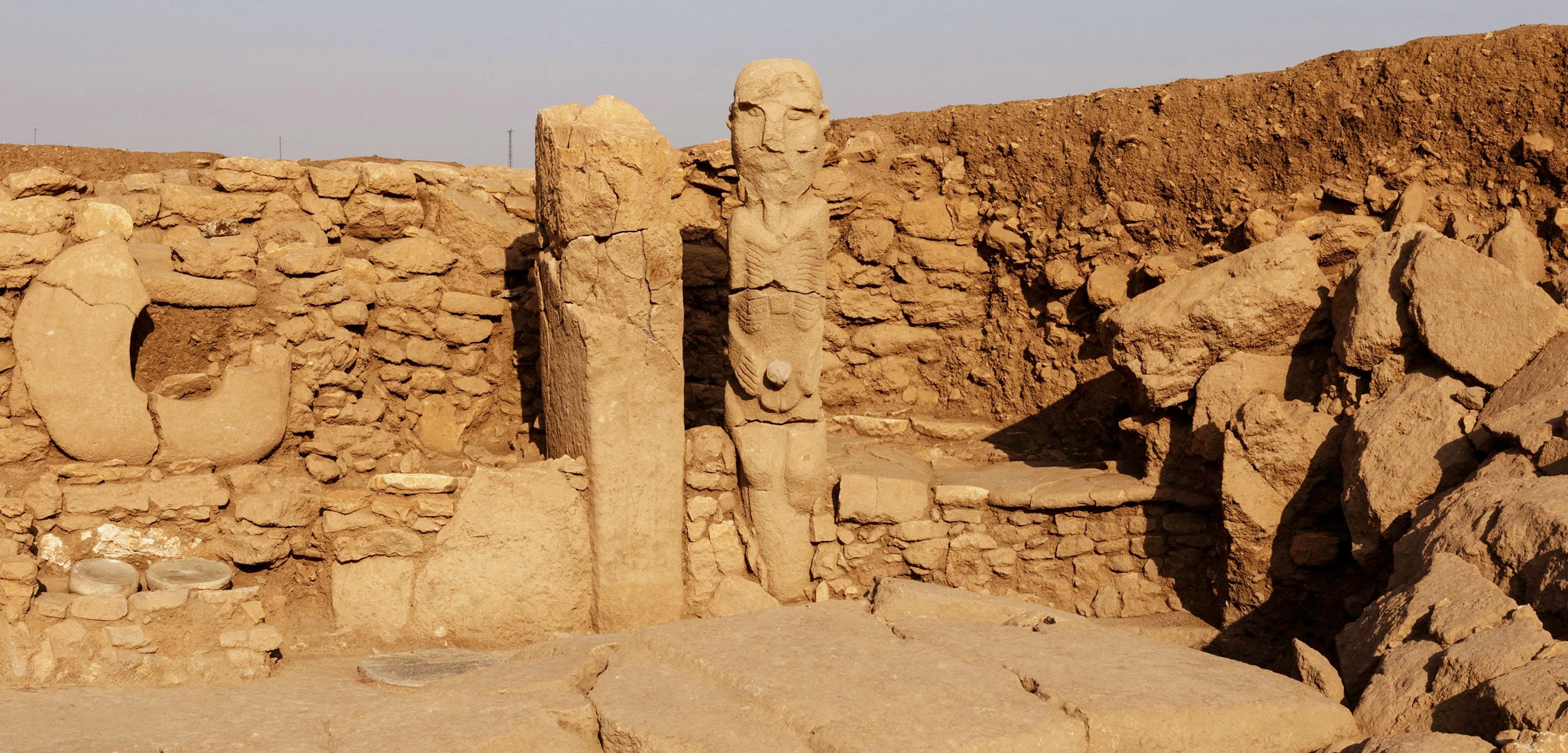
Experience Urfa Yumurtalı Köfte as part of a private journey combining Şanlıurfa’s bazaars, sacred heritage, regional cuisine, Göbeklitepe, Karahantepe, Harran, Halfeti, Gaziantep, and Mount Nemrut.

Private Şanlıurfa Experiences

Custom-designed services with private transportation, professional guiding, flexible timing, and opportunities to discover local food traditions.

Longer Southeastern Türkiye Journeys

Add Şanlıurfa’s culinary traditions to a private route through Gaziantep, Halfeti, Göbeklitepe, Karahantepe, Harran, Mount Nemrut, and Mardin.

Eastern Turkey tour including Sanliurfa regional cuisine

Eastern Turkey Tour – 14 Days

Explore Cappadocia, Gaziantep, Şanlıurfa, Göbeklitepe, Mount Nemrut, Mardin, Lake Van, Ani, Erzurum, and the Black Sea while discovering the regional cultures and flavours of eastern Türkiye.

View Tour