Pudding-Like Texture
The finished dessert is thick and has low fluidity rather than a pourable consistency.
- Texture: Muhallebi-like
- Structure: Homogeneous
- Fluidity: Low






Sakarya Üre Tatlısı is one of Sakarya Province’s officially protected regional desserts. It is made by cooking cow’s milk with a relatively small amount of stone-ground millet and white sugar, chilling the mixture to a thick pudding consistency and serving each portion with beet molasses poured over the top.
The dessert is distinctive because the millet increases dramatically in volume while it cooks. This expansion is the origin of the name “Üre”, referring to something that multiplies or increases. The finished dessert has low fluidity, a smooth homogeneous structure, a pudding-like texture and an off-white colour before the dark molasses is added.
Sakarya Üre Tatlısı is officially registered in Türkiye as a Mahreç İşareti geographical indication. It carries registration number 1472, dated 25 September 2023, while its geographical boundary covers the whole of Sakarya Province.
The registered formula is unusually simple: cow’s milk, millet, granulated sugar and beet molasses. For six portions, the specification uses 1 litre of milk, 100 g of millet, 200 g of sugar and approximately 120–125 ml of beet molasses. Each finished portion weighs about 210–215 g.
This complete guide explores the dessert’s history, protected status, name, ingredients, millet preparation, traditional cooking method, chilling and serving, flavour and texture, beet-molasses topping, storage, dietary notes, visitor tips, photography ideas and ways to include Üre Tatlısı in a wider Sakarya food journey.
Sakarya Üre Tatlısı was registered as a geographical indication in 2023.
A small amount of millet expands considerably during cooking and gives the dessert its identity.
Each chilled portion is traditionally served with 20–25 ml of beet molasses.
The protected specification defines a generous individual serving size.
Essential information about one of Sakarya’s protected traditional desserts.
Sakarya Province, Türkiye.
Open Sakarya on Google MapsChilled milk-and-millet pudding dessert.
Millet ground in a stone mill.
Mahreç İşareti registration number 1472.
A simple grain-and-milk dessert whose character comes from millet, patient cooking and local tradition.
Sakarya Üre Tatlısı has a long-established place in the culinary culture of Sakarya. The official geographical-indication specification describes the dessert as having an old history in the province and a strong reputation-based connection with the region.
Its recipe reflects a style of home cooking built from basic pantry ingredients. Milk provides the creamy base, millet gives the dessert body, sugar sweetens the pudding itself, and beet molasses adds a deeper sweetness at the moment of serving.
The use of millet is especially important. Although only a modest quantity is added, its volume grows considerably during cooking. That transformation is so closely associated with the dish that it explains the name “Üre,” linked with the idea of increasing or multiplying.
The protected method is precise enough to preserve the traditional character of the dessert while remaining recognisably domestic: boil the milk, cool it slightly, cook in the stone-ground millet, add sugar, portion while hot, chill and finish with beet molasses.
Geographical-indication protection formalised this regional identity in 2023. Today the registered name protects not only the ingredients and method but also the connection between the dessert and Sakarya Province.
The registered dessert is defined by its milk-and-millet base, pudding consistency, chilled service and beet-molasses topping.
The finished dessert is thick and has low fluidity rather than a pourable consistency.
Before topping, the protected dessert is described as having an off-white or slightly creamy colour.
The small amount of millet increases greatly in volume during cooking.
The protected specification defines the approximate individual serving weight.
The dessert is served only after beet molasses is poured over the chilled pudding.
All production stages of the geographically indicated dessert take place within Sakarya Province.
Sakarya Üre Tatlısı is officially registered by the Turkish Patent and Trademark Office as a geographical indication. The protected specification defines the product, its ingredients, production method, service, storage and geographical relationship with Sakarya.
The official protected name is Sakarya Üre Tatlısı.
The product carries geographical-indication registration number 1472.
The registration date is 25 September 2023.
The application was filed on 24 January 2022.
The official application file number is C2022/000030.
It is registered as a Mahreç İşareti.
The registration holder is the Sakarya Chamber of Commerce and Industry.
The protected geographical boundary is Sakarya Province.
The registration is based on the dessert’s long history and recognised place in Sakarya cuisine. Because its reputation is tied to the province, the official specification requires all production stages to take place within Sakarya.
Sakarya Üre Tatlısı is a chilled milk-and-millet pudding made by cooking stone-ground millet in cow’s milk, sweetening the mixture with white sugar and serving it with beet molasses. It is simple in appearance but distinctive in texture, grain choice and finishing syrup.
Cow’s milk forms the main body of the dessert and gives it its pale colour and creamy character.
Stone-ground millet expands during cooking and helps create the thick pudding consistency.
Granulated sugar is cooked into the pudding, while beet molasses is added only at service.
The hot mixture is portioned into bowls and cooled at refrigerator temperature before serving.
Its low fluidity and homogeneous texture make it a classic bowl-and-spoon dessert.
The geographical indication connects the traditional preparation specifically with Sakarya Province.
One of the most memorable details about the dessert is its name. The official specification explains that the word “Üre” is associated with the idea of something that multiplies or increases.
Only 100 g of millet is used in the protected six-portion formula.
During cooking, the millet expands substantially and changes the body of the mixture.
The expansion inspired the name “Üre Tatlısı,” linking the dish directly with what happens in the pot.
The name belongs to a dessert with an established history in Sakarya’s local food culture.
Knowing the meaning of the name makes the apparently simple bowl of pudding much easier to remember.
Milk, grain and heat turn a small amount of millet into a full-bodied dessert for several people.
The geographical-indication specification gives a precise formula for six portions. The ingredient list is short, which makes the quality of the milk, millet and molasses especially important to the final result.
The milk is boiled first and forms the creamy base of the dessert.
The millet is ground in a stone mill before being added to the hot milk.
Granulated sugar is stirred in once the milk-and-millet mixture reaches a pudding consistency.
The molasses is reserved for service rather than cooked into the pudding itself.
The protected batch is divided equally among six bowls while still hot.
The registered formula does not depend on flour, starch, eggs, butter or aromatic flavourings.
Millet is the ingredient that gives Üre Tatlısı its identity. It distinguishes the dessert from many Turkish milk puddings that rely on rice flour, wheat flour or starch for thickening.
The protected method specifies millet that has been ground in a stone mill.
A relatively small quantity is enough for a six-portion batch.
Its substantial increase in volume is central to the texture and to the dessert’s name.
The millet helps turn the milk into a low-fluidity, spoonable pudding.
Replacing the millet with another thickener would change the defining character of the registered dessert.
The millet supports the milk and molasses rather than overwhelming them with a strong flavour.
The protected method follows a clear sequence of heating, cooling, grain cooking, sweetening, portioning and chilling.
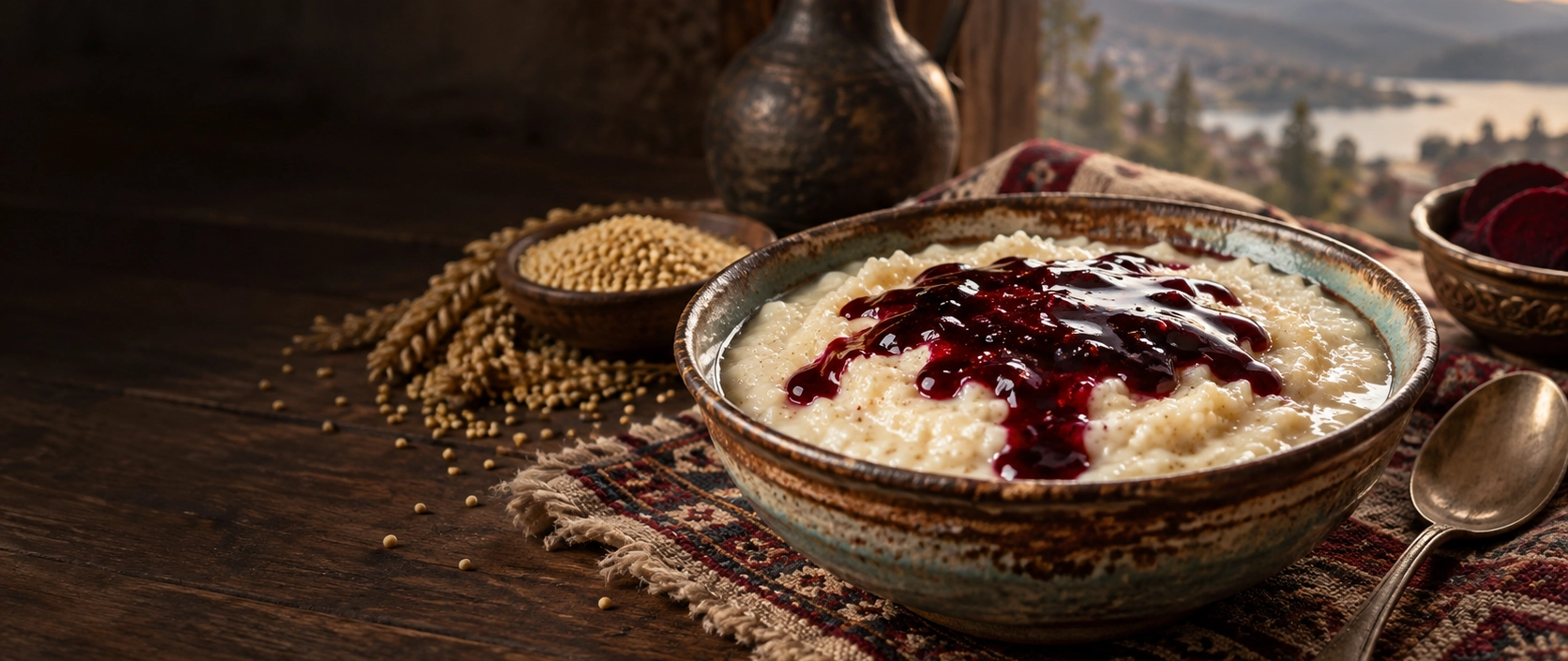
The final service is deliberately simple. After the pudding has chilled for two hours, beet molasses is poured over each portion. The contrast between the pale pudding and dark molasses is both the defining flavour combination and the most recognisable visual feature of the dessert.
The dessert is refrigerated before service rather than eaten straight from the cooking pot.
Each portion receives approximately 20–25 ml of beet molasses.
The molasses is added after chilling so it remains a distinct topping rather than disappearing into the pudding.
The protected formula produces six individual bowls from one batch.
Each serving is defined at approximately 210–215 g.
The smooth, low-fluidity texture is designed for a simple spoon dessert experience.
The protected recipe creates a relatively restrained milk pudding beneath a more intense molasses topping. The exact sweetness and depth can vary slightly with the ingredients used, but the characteristic experience comes from the meeting of creamy milk, softened millet, sugar and beet molasses.
The cow’s milk keeps the pudding gentle and creamy.
The cooked grain contributes thickness without turning the dessert into a floury paste.
White sugar sweetens the pudding itself before the stronger molasses layer is added.
Beet molasses provides darker caramelised, earthy sweetness at the surface.
The protected dessert should be smooth and evenly structured rather than separated or watery.
Chilling firms the pudding and makes the molasses contrast more refreshing.
Beet molasses is not simply an optional garnish in the registered version of Üre Tatlısı. It is one of the four listed ingredients and is added to each chilled portion immediately before service.
The molasses is poured onto the dessert after cooking and cooling are complete.
The protected method specifies around 20–25 ml for each bowl.
The dark topping makes a clear layer against the off-white pudding below.
Its concentrated character adds complexity beyond the granulated sugar cooked into the base.
A plain millet pudding without the molasses would miss a defining element of the protected dish.
The registered formula is intentionally simple, so additional sauces and toppings can hide the regional character.
Because Üre Tatlısı is milk-based, refrigeration is essential. The official specification provides clear storage periods for ordinary refrigerated service and for products packaged under its stated gas-vacuum conditions.
The dessert should be kept chilled at approximately 4–6°C.
Under the protected method, normally stored Üre Tatlısı may be refrigerated for up to four days.
When packaged under the specified gas-vacuum conditions, the registered storage period may extend to 15 days at 4–6°C.
Visitors carrying the dessert should use suitable chilled transport, especially in warm weather.
Commercial products may carry specific use-by and storage guidance that should always take priority.
For travellers, tasting a freshly prepared chilled bowl in Sakarya is the easiest way to experience the dessert as intended.
Üre Tatlısı needs very little ceremony. Its character is clearest when the chilled millet pudding and beet molasses remain the focus.
Notice the visual contrast between the pale pudding and dark molasses topping.
Try a little of the milk-and-millet pudding before mixing in all the molasses.
Combine the topping gradually to experience how the deeper sweetness changes each spoonful.
The traditional texture is set by refrigeration, so it should not be served warm.
The protected identity comes from millet and beet molasses rather than nuts, fruit or flavoured sauces.
Compare it with Taraklı Uğut Tatlısı, Adapazarı Pumpkin Dessert and Pamukova Walnut Paste.
The registered recipe is short, but travellers with allergies or dietary restrictions should still confirm the exact preparation with the individual producer or restaurant.
Cow’s milk is the main ingredient, so the standard protected recipe contains dairy.
Millet is the defining grain and is essential to the protected preparation.
Egg is not listed among the four ingredients in the official protected recipe.
The registered formula uses millet rather than wheat flour; people with coeliac disease should still ask about cross-contact.
The listed ingredients are milk, millet, sugar and beet molasses and contain no meat or fish.
Visitors with serious allergies should confirm kitchen surfaces, utensils and any producer-specific variations.
The clearest way to find the traditional protected version is to ask specifically for Sakarya Üre Tatlısı. The name matters because it identifies a dessert with a defined recipe and geographical connection.
Pair a chilled bowl with a day exploring Sakarya’s green countryside and lake landscapes.
The cool pudding texture makes Üre Tatlısı particularly pleasant after a warm-weather meal.
The earthy sweetness of beet molasses fits naturally with the richer flavours of an autumn food journey.
Enjoy it as a traditional finish after a hearty Sakarya lunch, even though the dessert itself is served chilled.
The protected recipe does not depend on a short seasonal harvest at the moment of serving.
Its simple milk-and-grain character works naturally after either a midday or evening meal.
Ask specifically for Sakarya Üre Tatlısı when you want the protected regional style.
The dark molasses topping is one of the defining elements of the registered dessert.
The pudding should be thick and homogeneous rather than runny.
The protected method includes a two-hour refrigeration stage before service.
The standard recipe is based on cow’s milk and is not dairy-free.
Üre Tatlısı is a milk-and-millet pudding; Taraklı Uğut is a different protected Sakarya sweet based on sprouted wheat.
This is a refrigerated milk dessert, so protect the cold chain when travelling.
Pair Üre Tatlısı with another protected Sakarya dish or nearby nature stop for a richer local experience.
Sakarya’s cuisine brings together agricultural traditions, dairy foods, meat cookery, Caucasian influences, village preservation techniques and distinctive local sweets. Üre Tatlısı represents a quieter side of that food heritage: a simple milk-and-grain dessert built around millet and molasses.
A protected sweet made from sprouted wheat, offering a fascinating contrast with millet-based Üre Tatlısı.
A protected regional dessert that highlights Sakarya’s famous white chestnut pumpkin.
A rich confection showing another side of the province’s agricultural and sweet-making traditions.
A savoury protected speciality that makes an excellent main course before a traditional dessert tasting.
A protected pepper and herb spread reflecting the province’s Caucasian culinary heritage.
A fibrous protected cheese connected with the same diverse regional food culture.
A bowl of Üre Tatlısı can become part of a wider Sakarya route combining protected foods, traditional towns, lake scenery and local produce.
Compare two protected Sakarya desserts made from very different grains and traditional techniques.
Continue your dessert journey with another geographically indicated sweet from Sakarya.
Discover a rich local confection built around walnuts and traditional sweet-making.
Try one of Sakarya’s best-known protected savoury dishes before finishing with Üre Tatlısı.
Explore the province’s Caucasian food heritage through a protected pepper-based speciality.
Combine a regional food stop with one of Sakarya’s best-known natural landscapes.
It is a protected Sakarya dessert made by cooking cow’s milk with stone-ground millet and sugar, chilling the mixture and serving it with beet molasses.
Its protected geographical boundary is Sakarya Province in Türkiye.
Yes. It is officially registered in Türkiye as a geographical indication.
The registration number is 1472.
The registration date is 25 September 2023.
The application date is 24 January 2022.
The file number is C2022/000030.
It is registered as a Mahreç İşareti.
The registration holder is the Sakarya Chamber of Commerce and Industry.
The protected geographical boundary is Sakarya Province.
The protected recipe uses cow’s milk, stone-ground millet, white sugar and beet molasses.
The protected six-portion formula uses 1 litre of cow’s milk.
The protected six-portion formula uses 100 g of millet.
It expands greatly during cooking, thickens the dessert and is directly connected with the origin of the name Üre Tatlısı.
Yes. The registered method specifies millet ground in a stone mill.
The six-portion registered formula uses 200 g of white granulated sugar.
The six-portion formula uses approximately 120–125 ml of beet molasses.
The name refers to the way the small amount of millet increases greatly in volume during cooking — in the sense of multiplying or growing.
It should have low fluidity, a homogeneous structure and a thick muhallebi-like pudding consistency.
The protected base is described as off-white before the dark beet molasses is poured over it.
A portion is approximately 210–215 g.
The listed ingredient formula is designed for six portions.
The registered method boils the milk for about 15 minutes before reducing its temperature to around 70–80°C.
After being added to the milk, the stone-ground millet is cooked and stirred for approximately 8–10 minutes.
The sugar is added after the milk-and-millet mixture reaches a pudding-like consistency.
The mixture is stirred and cooked for about 5 more minutes.
The hot pudding is divided into bowls and chilled at approximately 4–6°C for 2 hours.
Each serving receives approximately 20–25 ml of beet molasses.
It is served chilled after the required cooling period.
Yes. Cow’s milk is the main ingredient in the protected recipe.
No. Eggs are not listed in the protected four-ingredient formula.
No wheat flour is listed. Millet is the grain used in the protected formula, but visitors with gluten-related medical needs should still confirm cross-contact with the producer.
The protected ingredients are milk, millet, sugar and beet molasses, so the standard recipe is suitable for many lacto-vegetarian diets.
The registered specification states that it may be stored at approximately 4–6°C for up to four days.
Under the specified gas-vacuum packaging conditions, it may be stored at approximately 4–6°C for up to 15 days.
Yes when sold for takeaway, but it is a chilled milk dessert. Maintain the cold chain and follow the producer’s storage and use-by instructions.
No. Üre Tatlısı is based on milk and millet, while Taraklı Uğut Tatlısı is a different protected Sakarya sweet made from sprouted wheat.
Taraklı Uğut Tatlısı, Adapazarı Pumpkin Dessert and Pamukova Walnut Paste are excellent additions to a wider Sakarya dessert itinerary.
The strongest photographs show what makes this dessert distinctive: its pale pudding base, smooth spoonable texture, individual bowl service and the dramatic dark beet molasses poured over the top.
Photograph the moment dark beet molasses falls onto the pale chilled pudding.
Use a simple top-down composition to show the contrast between pudding and molasses.
Capture the thick, homogeneous texture as a spoon lifts the dessert from the bowl.
Show multiple portions together to reflect the registered six-serving preparation.
A small bowl of millet beside the finished dessert helps explain the ingredient visitors may not expect.
When possible, include the cooking pot, bowls and local kitchen context to tell the story behind the dessert.
Combine Sakarya’s protected desserts, traditional dishes, Caucasian culinary heritage, countryside landscapes and lakes on a private journey designed around your interests.
Custom-designed private journeys with flexible timing, private transportation and opportunities to discover Üre Tatlısı, Uğut Tatlısı, Islama Köftesi, protected regional foods, local dairy traditions, village flavours and scenic stops across Sakarya Province.
Compare Üre Tatlısı with Taraklı Uğut Tatlısı, Adapazarı Pumpkin Dessert and Pamukova Walnut Paste while discovering the grain, fruit, dairy and molasses traditions behind Sakarya’s protected sweets.
Request This Tour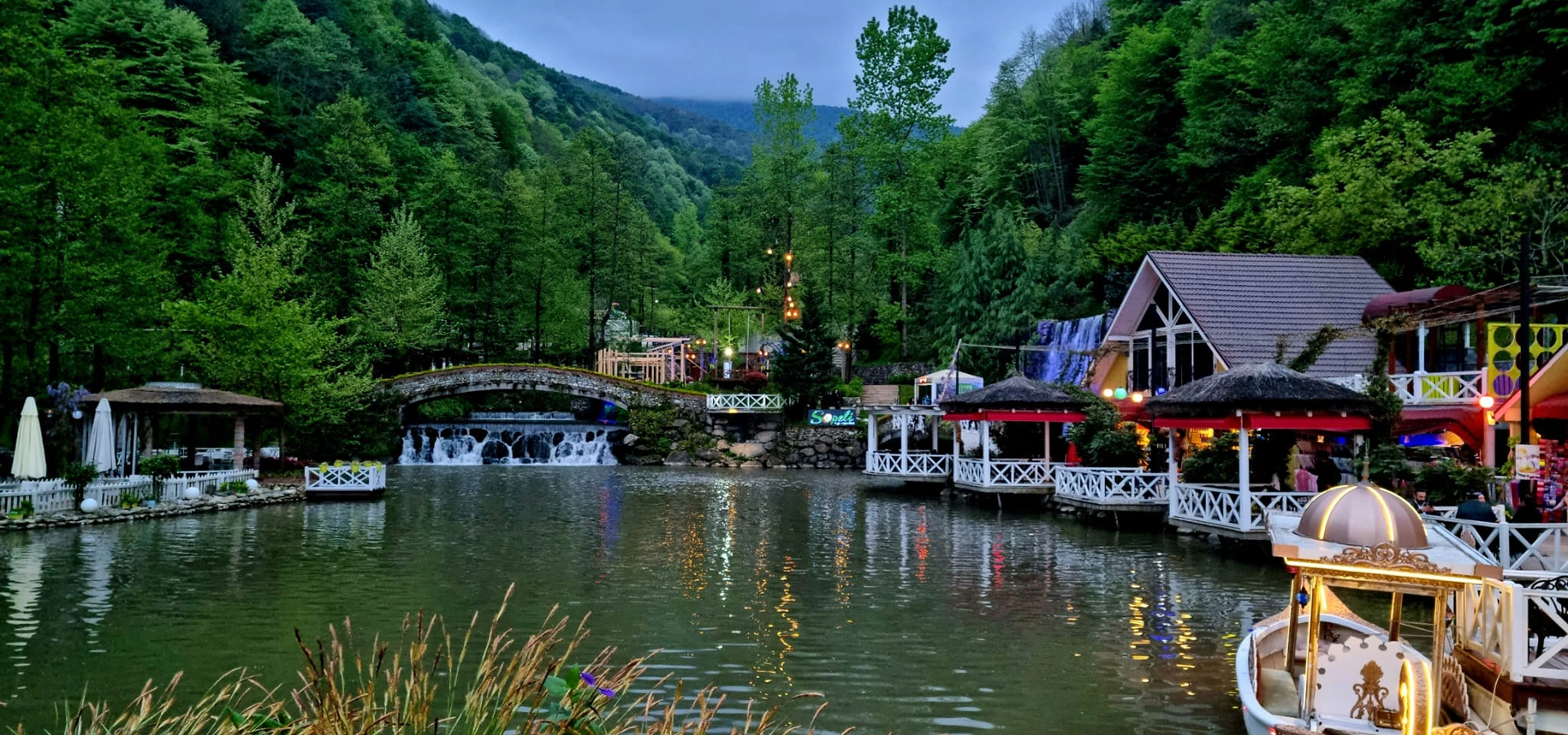
Build a flexible route around Üre Tatlısı, Islama Köftesi, Abaza Acıkası, Abkhaz Cheese and other regional flavours from Adapazarı, Sapanca, Taraklı, Geyve, Pamukova, Kocaali and beyond.
Request This Tour