Rich Walnut Flavour
Coarsely chopped walnut kernels provide the confection with its dominant flavour and visible nutty character.
- Main nut: Walnut
- Preparation: Coarsely chopped
- Preferred source: Walnuts grown in Pamukova






Pamukova Walnut Paste, known in Turkish as Pamukova Ceviz Ezmesi, is a traditional sweet associated with Pamukova district in southern Sakarya Province. It is prepared by cooking a thick sugar syrup with a mixture of coarsely chopped walnuts and semolina, creating a rich, substantial confection with a distinctive walnut flavour and rustic texture.
Unlike smooth nut pastes, Pamukova Ceviz Ezmesi is intentionally dense and slightly non-homogeneous. The walnut pieces remain part of its character, while semolina gives the sweet its body and helps create the firm consistency needed for cutting it into individual portions.
Pamukova Ceviz Ezmesi is also a registered geographical indication of Türkiye. The protected product specification recognises its reputation in Pamukova, its established preparation method and the particular combination of ingredients used in the traditional recipe.
This complete guide explores the sweet’s ingredients, geographical indication, traditional preparation, walnut and semolina ratio, cooking process, resting and cutting method, taste, texture, serving traditions, storage, buying tips, photography opportunities, nearby attractions and ways to combine Pamukova’s local food culture with a wider journey through southern Sakarya.
Coarsely chopped walnut kernels are one of the defining ingredients and provide the sweet with its characteristic flavour and texture.
The registered recipe combines walnuts and semolina in equal quantities before they are incorporated into the prepared syrup.
Pamukova Ceviz Ezmesi is particularly associated with special days, hospitality and the traditional food culture of the district.
Pamukova Ceviz Ezmesi is registered in Türkiye as a geographical indication with registration number 811.
Essential information about one of Pamukova’s best-known traditional sweets.
Pamukova district in southern Sakarya Province, Türkiye.
Open Pamukova on Google MapsWalnut kernels, semolina, white sugar, water and a small amount of citric acid or lemon juice.
Sweet, walnut-rich, dense and slightly rustic, with a brown colour and a deliberately non-homogeneous texture.
Registered as Pamukova Ceviz Ezmesi with Turkish geographical-indication registration number 811.
Discover the local preparation method that gives this walnut confection its distinctive Pamukova identity.
Pamukova is a fertile agricultural district in southern Sakarya, known for orchards, field crops and seasonal produce. Walnuts form part of this wider rural food landscape, and locally grown walnuts are preferred when preparing the district’s protected walnut sweet.
Pamukova Ceviz Ezmesi is traditionally valued as more than an everyday snack. The registered product description specifically notes its association with special occasions, reflecting the place of the sweet within local hospitality and celebratory food culture.
Its identity comes from a clearly defined preparation method. A thick sugar syrup is prepared first, while coarsely chopped walnuts and semolina are mixed in equal proportions. The walnut-semolina mixture is then combined with the syrup and cooked until the semolina absorbs moisture and the mixture reaches its characteristic dense consistency.
The cooked sweet is transferred to trays, traditionally over a light layer of powdered sugar, pressed firmly to create an even thickness and then left at room temperature to cool and rest.
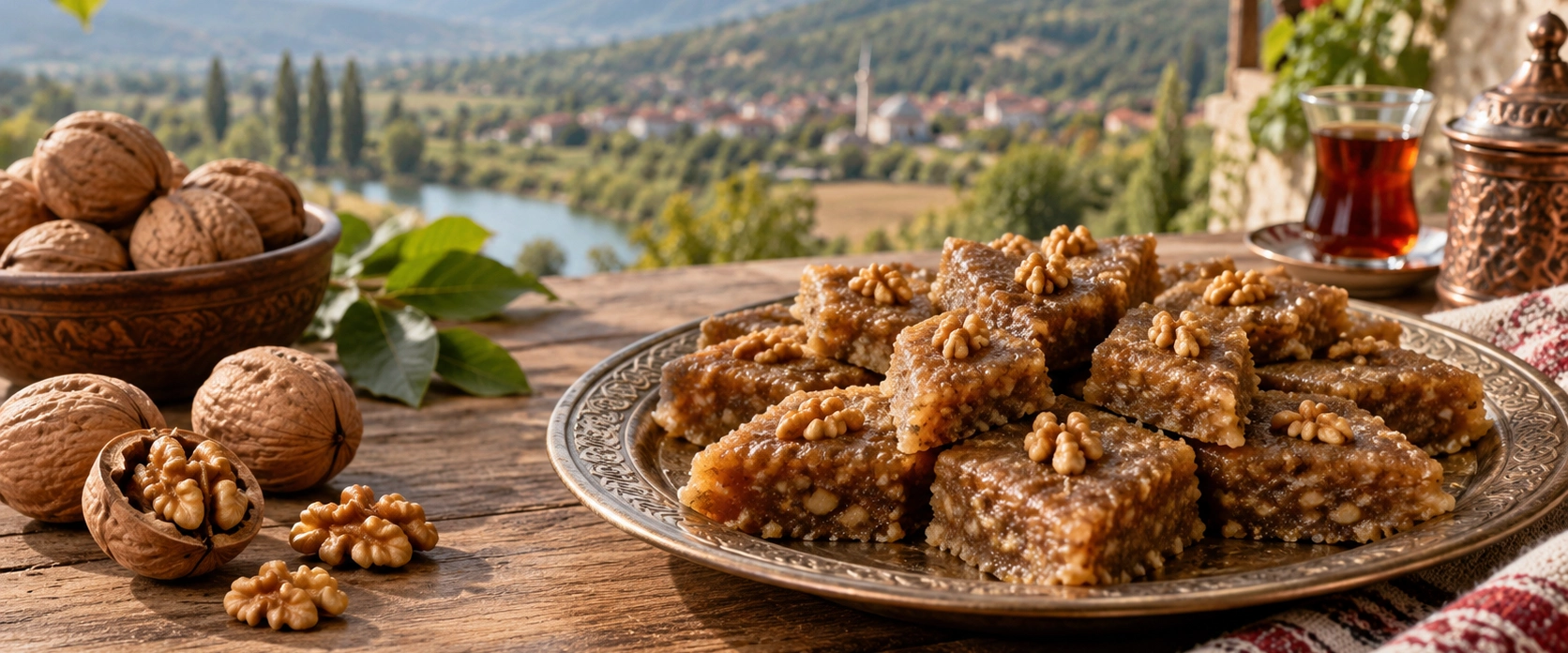
Once set, it is commonly cut into baklava-shaped diamonds. The final sweet has brown tones, visible walnut character and a substantial texture rather than the completely smooth consistency suggested by the English word “paste.”
This distinctive method and the product’s established reputation in Pamukova led to its registration as a protected geographical indication in Türkiye.
Pamukova Ceviz Ezmesi is recognised by its walnut-rich recipe, semolina structure, sweet flavour, brown colour and traditional preparation method.
Coarsely chopped walnut kernels provide the confection with its dominant flavour and visible nutty character.
Semolina is not a minor addition but one of the defining ingredients, providing body and helping the sweet develop its firm, sliceable consistency.
A concentrated sugar syrup creates the characteristic sweetness and binds the walnut-semolina mixture together.
The registered description characterises Pamukova Ceviz Ezmesi as dense and non-homogeneous, reflecting the presence of chopped walnuts and cooked semolina.
The finished product naturally develops brown and walnut-coloured tones as the ingredients cook and combine.
After cooling and resting, the sweet is traditionally portioned into baklava-style diamond shapes for serving.
The traditional specification keeps the recipe focused on a short list of basic ingredients without added flavourings.
The sweet is especially associated with special days and occasions, strengthening its connection with Pamukova’s local culinary identity.
Pamukova Ceviz Ezmesi is officially registered by the Turkish Patent and Trademark Office as a geographical indication associated with Pamukova district in Sakarya Province.
The official geographical-indication name is Pamukova Ceviz Ezmesi.
Pamukova Ceviz Ezmesi carries geographical-indication registration number 811.
The geographical indication was registered on 27 July 2021.
It is registered as a Mahreç İşareti, recognising the product’s established reputation and association with Pamukova.
The geographical indication was registered by the Sakarya Chamber of Commerce and Industry.
The defined geographical area is the Pamukova district of Sakarya Province.
The geographical indication protects the name and traditional production identity of the sweet by defining its ingredients, preparation method, characteristic appearance and relationship with Pamukova.
One of the most appealing features of Pamukova Ceviz Ezmesi is its simple ingredient list. The registered specification focuses on a handful of familiar components rather than a long list of additives or flavourings.
Coarsely chopped walnuts give the sweet its defining nutty flavour and textured appearance.
Semolina is mixed with the walnuts in an equal quantity and provides the confection with its characteristic body.
Granulated white sugar is cooked with water to create the thick syrup that forms the sweet base.
Water is used both for preparing the syrup and later to help the semolina swell and cook properly.
A small amount of citric acid, also known locally as lemon salt, can be added as the syrup approaches boiling.
Lemon juice may be used in place of citric acid in the registered preparation method.
The geographical-indication specification states that, apart from citric acid, food additives, flavourings and flavouring food ingredients are not used in the registered production method.
A particularly distinctive detail in Pamukova Ceviz Ezmesi is the relationship between its two main solid ingredients. The registered recipe uses walnut kernels and semolina in equal quantities.
These proportions describe the registered standard production batch and help explain why the finished confection tastes strongly of walnuts while still developing a firm, cohesive texture from the semolina and syrup.
Walnuts are central to the identity of Pamukova Ceviz Ezmesi, influencing its flavour, appearance and texture.
The walnut kernels are chopped relatively coarsely rather than ground into a completely smooth paste.
Walnut pieces remain noticeable in the finished sweet and contribute to its intentionally rustic structure.
The traditional registered formula uses the same weight of walnut kernels as semolina.
The registered production description notes that walnuts grown in Pamukova are preferably used.
The nuts contribute to the confection’s natural brown and warm beige tones after cooking.
Each piece combines concentrated sweetness with a pronounced walnut character.
Semolina gives Pamukova Ceviz Ezmesi a structure very different from smooth walnut creams or marzipan-like confections.
During cooking, semolina absorbs liquid from the syrup and additional hot water.
As it swells and cooks, the semolina helps transform the mixture into a substantial sliceable sweet.
The equal walnut-to-semolina ratio creates the characteristic balance of nut flavour and firm texture.
The combined mixture is traditionally cooked over low heat for approximately ten minutes.
After cooking, cooling and resting allow the confection to firm sufficiently for clean portioning.
The use of semolina is an essential part of the registered preparation method and helps distinguish the sweet from other walnut confections.
The traditional method follows a clear sequence in which the syrup is prepared separately before being combined with the walnut and semolina mixture.
The registered production description also preserves practical details about the tools traditionally preferred during preparation.
Copper boiling vessels are traditionally preferred for preparing Pamukova Ceviz Ezmesi.
A wooden spoon is used during mixing, following the traditional method described in the product specification.
The cooked mixture is transferred to trays where it can be spread, compressed, cooled and portioned.
A light layer of powdered sugar is traditionally scattered across the bottom of the tray before the hot mixture is added.
The mixture can be pressed firmly into the tray with a rolling pin to create a compact and even layer.
The finished tray remains at room temperature for several hours so the confection can cool and settle.
Pamukova Ceviz Ezmesi combines pronounced sweetness with a rich walnut flavour and the substantial texture created by cooked semolina.
The thick sugar syrup gives the confection an unmistakably sweet dessert character.
The generous proportion of walnut kernels provides a deep, recognisable walnut flavour.
Each piece has a compact, substantial consistency rather than the airy texture of cakes or pastries.
Coarsely chopped walnuts and semolina create a deliberately rustic, non-homogeneous mouthfeel.
A small portion can feel satisfying because the sweet combines concentrated syrup with walnuts and semolina.
The flavour profile is straightforward and ingredient-led, without the added flavourings common in many modern confections.
The sweet has a recognisable handmade character that reflects its ingredients and tray-based preparation.
The official product description notes that Pamukova Ceviz Ezmesi is generally made and preferred on special days, helping explain why the confection has remained connected with local hospitality and celebration.
Small diamond portions can be presented easily when welcoming family and guests.
Its rich walnut character makes it well suited to tables prepared for important gatherings and festive occasions.
Cut pieces can be arranged together on serving plates and offered as a traditional local sweet.
Serving the sweet creates a direct connection with Pamukova’s protected culinary heritage.
Properly packaged Pamukova Ceviz Ezmesi can also make a distinctive edible reminder of a visit to the district.
Its familiar diamond cut gives the confection an attractive presentation without elaborate decoration.
Pamukova Ceviz Ezmesi is a rich confection, so relatively small portions are usually enough to appreciate its sweet walnut character.
Serve the sweet in its traditional baklava-style diamond shape.
A small piece pairs naturally with unsweetened Turkish tea, which balances the confection’s concentrated sweetness.
Walnut-rich sweets can also be enjoyed beside a cup of Turkish coffee after a meal.
Serving the confection at a comfortable room temperature helps preserve its characteristic firm but pleasant texture.
Because the sweet is dense and rich, modest portions allow the walnut flavour to remain enjoyable rather than overwhelming.
Include it on a Pamukova food plate alongside other seasonal products from the fertile southern Sakarya countryside.
Correct storage helps protect the confection from moisture, strong surrounding odours and deterioration.
Commercially prepared product should remain in food-safe packaging until it is ready to be served.
Store the confection in a cool location rather than in excessive heat.
A dry environment helps preserve the intended consistency and quality of the sweet.
Walnut confections can absorb surrounding aromas, so storage away from strongly scented foods is recommended.
The registered specification gives packaged product a recommended consumption period of no more than three months from production.
Once the package is opened, consumption within approximately one week is recommended.
Visitors looking for authentic Pamukova Ceviz Ezmesi should focus on product identity, freshness, packaging and origin rather than simply choosing any walnut confection carrying a similar name.
Use the Turkish name Pamukova Ceviz Ezmesi when looking for the traditional local product.
Look for clear product information, production date and geographical-indication presentation when buying packaged sweets.
The confection is rich and sweet, so a smaller package is ideal if you are tasting it for the first time.
Keep the package protected from heat, moisture and crushing if you are continuing on a road journey.
During summer, combine the walnut sweet with a taste of the district’s fragrant geographically indicated Pamukova Melon.
Pair a food-focused stop in the district with nearby Pamukova Gölpark and the surrounding countryside.
Neighbouring Geyve is famous for its quince and offers another excellent food-and-landscape stop in southern Sakarya.
Combine Pamukova Ceviz Ezmesi with regional produce, traditional markets and historic towns such as Taraklı.
Unlike a fresh fruit with a short harvest window, Pamukova Ceviz Ezmesi is a prepared confection and can be encountered throughout the year. Different seasons, however, offer different reasons to explore Pamukova’s wider food landscape.
Mild weather makes spring a pleasant time for combining local food stops with countryside exploration.
Summer is particularly rewarding because Pamukova Melon and other seasonal produce add to the district’s food experience.
Autumn highlights the agricultural identity of the region and its orchards as harvest activity continues across southern Sakarya.
The dense walnut confection makes a satisfying traditional sweet alongside hot tea or coffee during colder weather.
The sweet is traditionally associated with important days and gatherings, making festive periods especially meaningful.
Properly packaged Pamukova Ceviz Ezmesi can be purchased as a local food souvenir beyond the seasonal fruit calendar.
Pamukova’s food identity reflects the agricultural richness of the valley as well as the traditional ways local ingredients are transformed into distinctive regional products.
The district’s protected walnut sweet combines walnuts, semolina and sugar syrup in a traditional tray-set confection.
The fragrant Pamukova Kavunu is another geographically indicated product closely connected with the district.
Walnut trees and locally grown nuts form part of the wider agricultural character of the Pamukova countryside.
Local markets provide a changing display of fruits and vegetables grown across the fertile valley.
Neighbouring Geyve is famous for its geographically indicated quince, creating a natural food route through southern Sakarya.
Traditional sweets and seasonal produce offer travellers a simple way to connect with the everyday culinary culture of the region.
A tasting stop for Pamukova Ceviz Ezmesi can easily become part of a wider route through parks, viewpoints, historic towns and agricultural landscapes in southern Sakarya.
Discover the district’s fragrant geographically indicated summer melon and the agricultural traditions behind it.
Enjoy a relaxing local stop surrounded by greenery and the countryside of Pamukova district.
Travel into neighbouring Geyve for panoramic views across the fertile valley and surrounding hills.
Explore another of southern Sakarya’s famous geographically indicated foods and the quince-growing traditions of Geyve.
Explore a historic district known for traditional Ottoman houses, narrow streets and a peaceful rural atmosphere.
Discover the history of Türkiye’s National Struggle in nearby Alifuatpaşa.
Pamukova Walnut Paste is a traditional sweet from Pamukova district in Sakarya Province. It is made by combining a cooked sugar syrup with equal quantities of coarsely chopped walnut kernels and semolina.
It is called Pamukova Ceviz Ezmesi.
It is associated with Pamukova district in southern Sakarya Province, Türkiye.
Yes. Pamukova Ceviz Ezmesi is officially registered as a Turkish geographical indication.
Pamukova Ceviz Ezmesi carries registration number 811.
Its geographical indication was registered on 27 July 2021.
Pamukova Ceviz Ezmesi is registered as a Mahreç İşareti.
The geographical indication was registered by the Sakarya Chamber of Commerce and Industry.
The registered ingredient list includes water, white granulated sugar, semolina, walnut kernels and either citric acid or lemon juice.
Yes. The registered production method uses equal quantities of walnut kernels and semolina.
The official production description states that walnuts grown in Pamukova are preferably used.
No. Its traditional character is dense and non-homogeneous, with the texture of coarsely chopped walnuts remaining noticeable.
The registered description characterises the confection as brown and in various brown tones.
It is distinctly sweet and walnut-rich, with a substantial texture created by semolina and chopped nuts.
The registered production method does not use added flavourings or flavouring food ingredients. Citric acid may be used, or lemon juice can be substituted.
Water and white granulated sugar are cooked to create a thick syrup, with a small amount of citric acid or lemon juice added as it approaches boiling.
After the syrup, walnuts, semolina and additional hot water are combined, the mixture is traditionally cooked over low heat for approximately 10 minutes.
The additional hot water helps the semolina swell and cook properly within the walnut mixture.
Yes. The registered production method notes that copper boiling vessels are preferably used.
The traditional method scatters powdered sugar across the tray surface before the cooked mixture is spread and pressed into place.
After being pressed into trays, it is left at room temperature for approximately 2.5–3 hours to cool and rest.
It is commonly cut into diamond-shaped portions similar to the traditional presentation of baklava.
Yes. The official product description notes that it is generally made and preferred on special days.
It should be kept packaged in a cool, dry environment away from strong surrounding odours.
The registered specification gives packaged product a recommended consumption period of no more than three months from its production date.
Consumption within approximately one week after opening is recommended.
Yes. Properly packaged product makes a distinctive food souvenir, provided it is protected from heat, moisture and crushing during transport.
Pamukova is also famous for Pamukova Kavunu, the district’s fragrant geographically indicated melon.
Nearby experiences include Pamukova Gölpark, Geyve View Terrace, Geyve’s quince-growing landscape, historic Taraklı and the Ali Fuat Pasha Kuvayi Milliye Museum.
Yes. Pamukova combines protected local foods such as Ceviz Ezmesi and Pamukova Melon with a fertile agricultural landscape and easy access to other food-focused destinations in southern Sakarya.
Pamukova Ceviz Ezmesi offers beautiful food-photography opportunities through its warm walnut tones, traditional diamond cuts, rustic texture and simple local presentation.
Photograph neatly cut diamond portions arranged together on a traditional serving plate.
Close-up images can reveal the chopped walnut pieces and dense semolina structure of the confection.
If permission is available, photograph the sweet as it is pressed into trays before cooling and cutting.
Pair finished pieces with whole or shelled walnuts to visually communicate the sweet’s main ingredient.
A serving beside Turkish tea or coffee creates a warm hospitality-focused composition.
Combine Pamukova Ceviz Ezmesi with other local products to tell a wider visual story about the district’s food culture.
Always ask permission before photographing inside shops, production areas or workshops, especially when people are preparing or packaging food.
Combine Pamukova’s traditional food culture with Geyve, Taraklı, local agricultural landscapes and the lesser-known countryside of southern Sakarya.
Custom-designed private journeys with flexible timing, private transportation and opportunities to explore local products, countryside scenery and historic destinations across Sakarya Province.
Discover Pamukova’s protected local foods, agricultural valley, Gölpark, neighbouring Geyve and selected countryside attractions on a private journey through southern Sakarya.
Request This Tour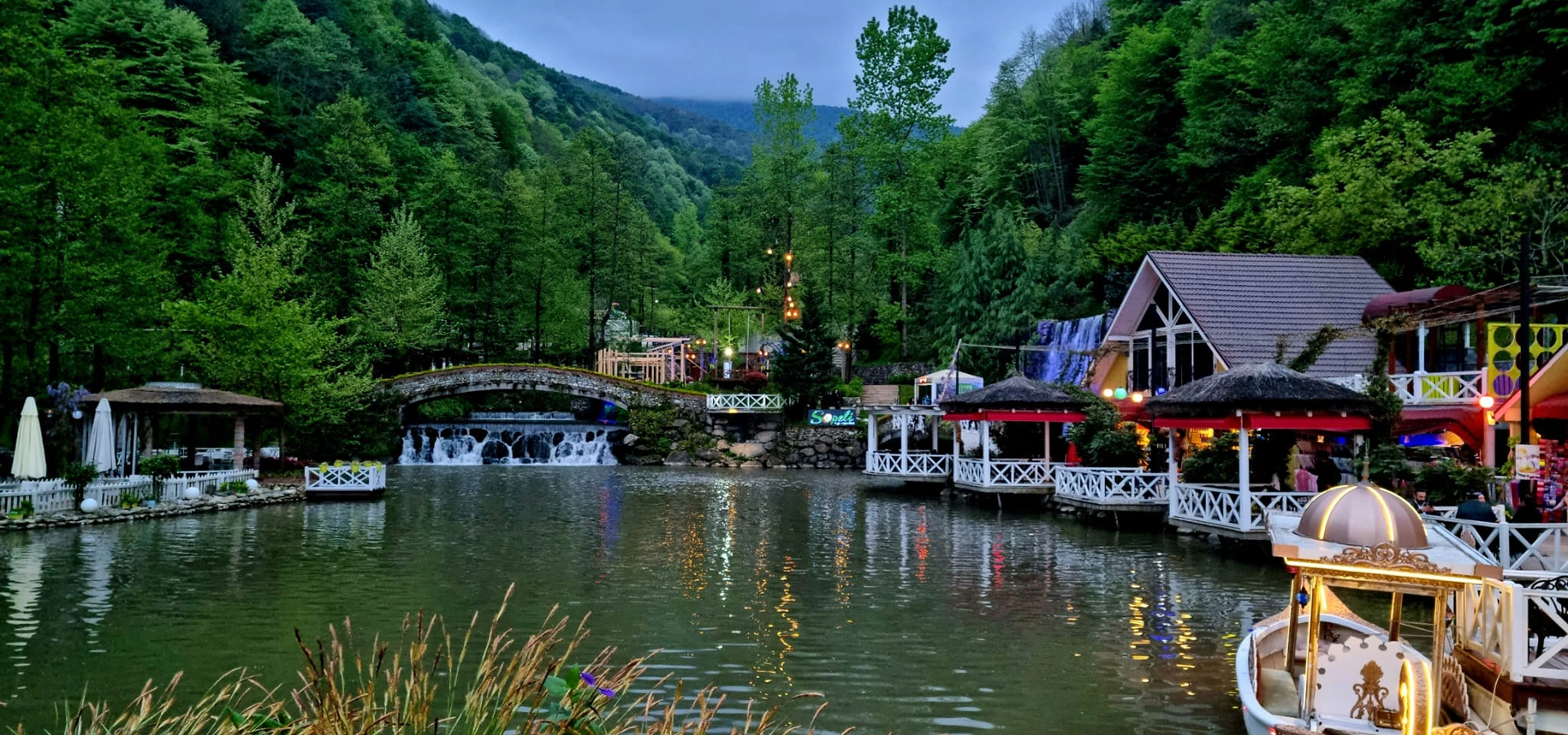
Combine Pamukova with Geyve, historic Taraklı, Sapanca Lake and selected cultural, culinary and natural highlights across Sakarya Province.
Request This Tour