A Taste of Thracian Spring
The Culinary Tradition of Edirne Ciğer Sarma
Discover how lamb, rice, herbs and seasonal celebration came together in one of Edirne’s most characteristic dishes.
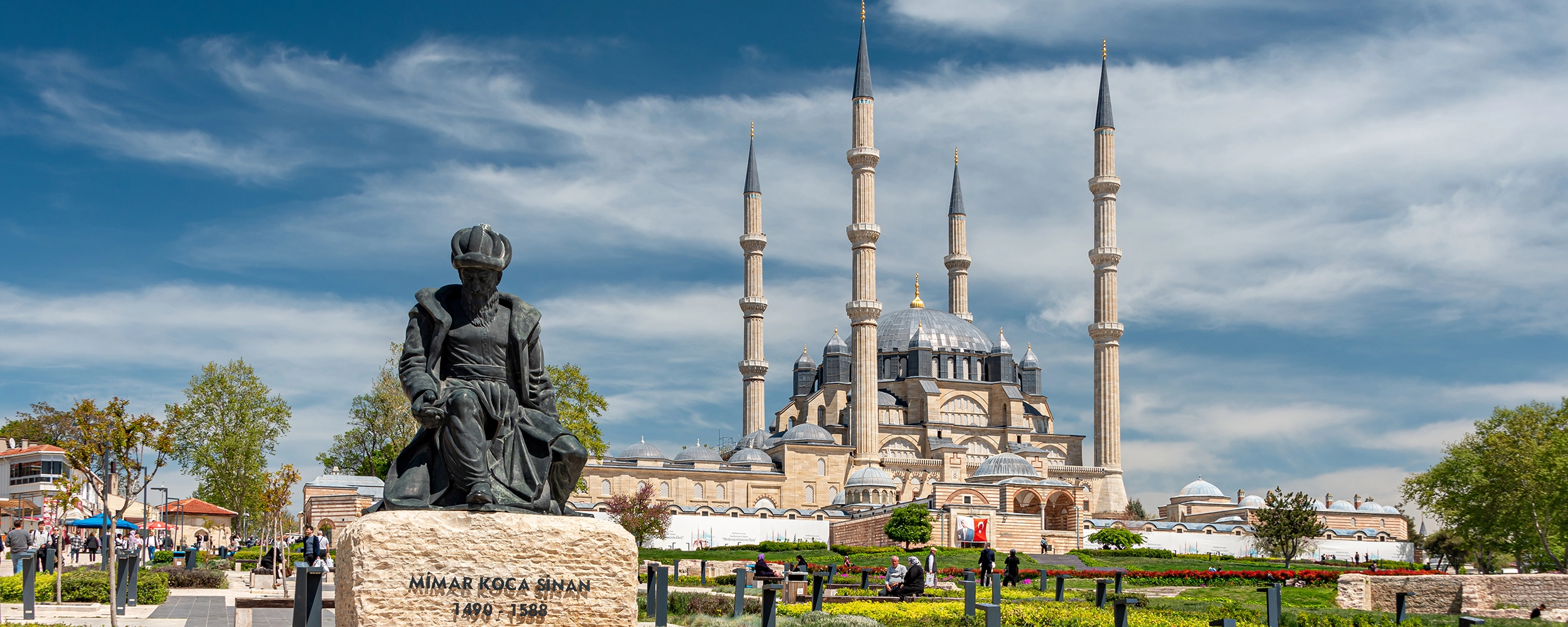
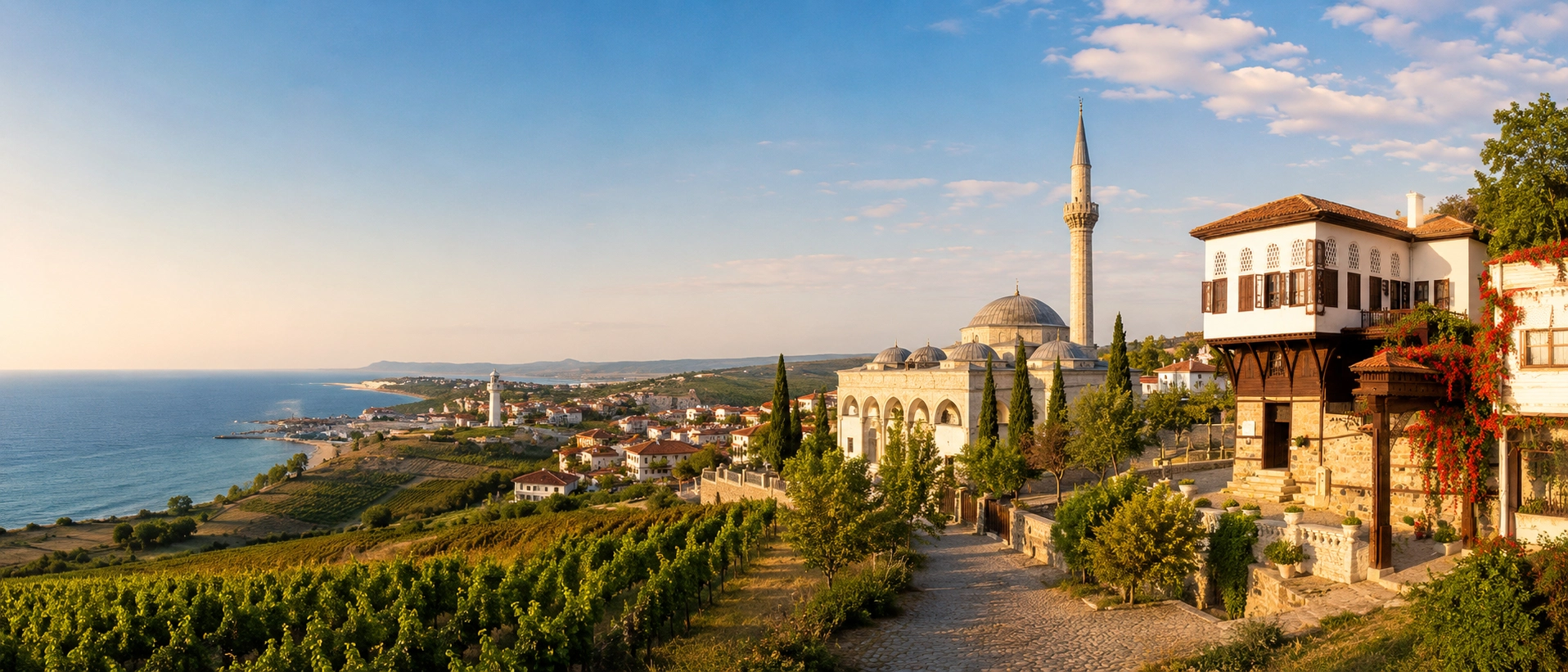
Edirne’s cuisine reflects its position in Turkish Thrace, a landscape shaped by fertile agricultural plains, rice cultivation, sheep and lamb raising, dairy traditions, Balkan influences and centuries of Ottoman urban life. The region’s food combines substantial meat dishes with grains, herbs, vegetables, pastries and sweets.
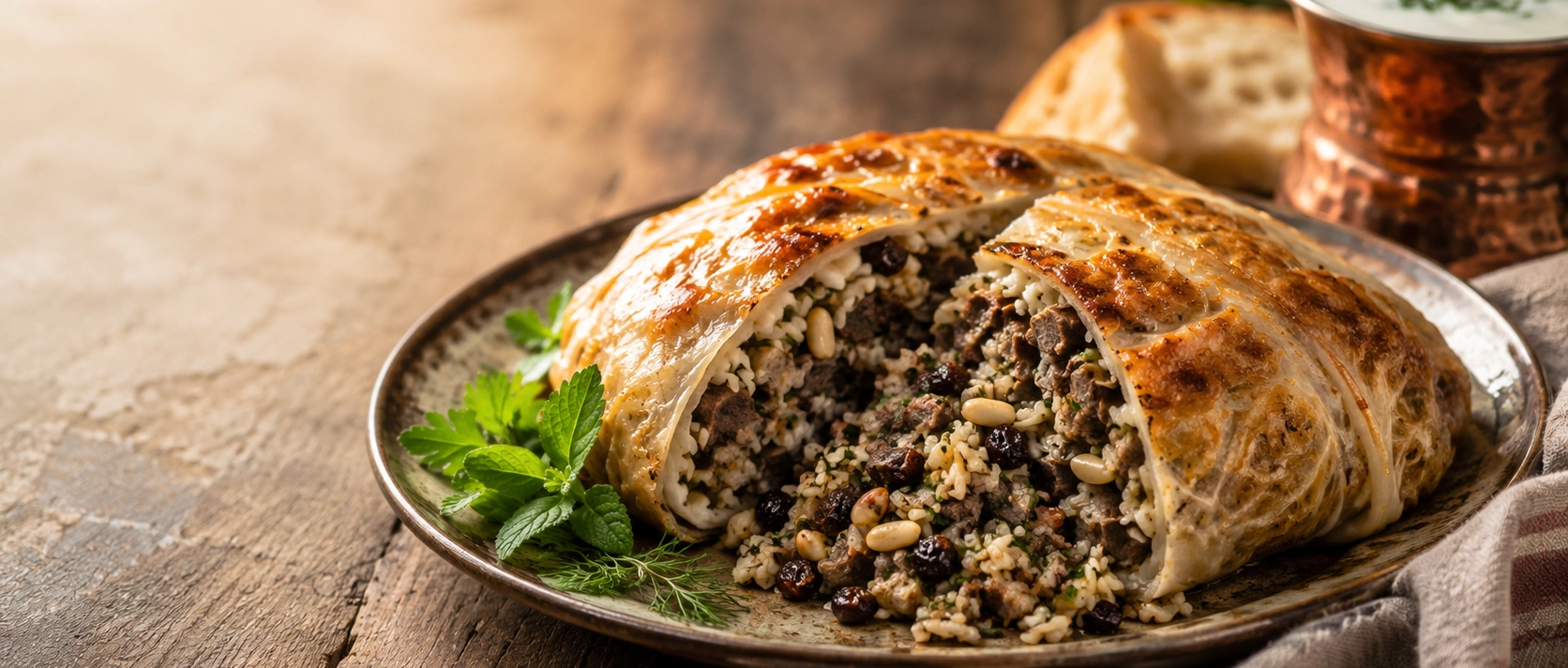
Ciğer Sarma belongs to this older culinary world. Its filling combines lamb liver with rice and aromatic ingredients before being enclosed in caul fat and baked. The result is very different from Edirne’s better-known tava ciğeri, in which paper-thin slices of calf liver are floured and fried.
The registered description of Edirne Ciğer Sarma emphasises its connection with Hıdrellez, celebrated at the beginning of May as a symbolic arrival of spring. Traditionally, this period also coincided with lambing and the seasonal availability of young lamb, helping explain why a celebratory dish based on lamb liver became associated with springtime gatherings.
The use of rice is equally important. Edirne Province includes İpsala, one of Türkiye’s best-known rice-growing districts. The registered version of ciğer sarma specifically calls for geographically indicated İpsala rice, linking the dish not only with local livestock but also with the agricultural landscape of the province.
Herbs such as mint, parsley and dill give freshness to the rich liver-and-rice filling, while currants and pine nuts add the sweet-savoury complexity familiar from many traditional Ottoman and Balkan-influenced rice preparations.
The finished parcel is baked rather than fried. As the caul fat heats, it softens and renders around the filling, while egg brushed over the exterior helps create a golden surface. The contrast between the rich outer layer and fragrant rice filling is one of the dish’s defining characteristics.