Edirne’s Fragrant Ottoman Palace Sweet

Deva-i Misk Halva – Complete Food Guide

Discover Edirne’s centuries-old aromatic halva, made with egg white,
sugar and an extraordinary blend of 39 spices and other components.

Discover Deva-i Misk Halva

Discover Deva-i Misk Halva – Edirne’s Extraordinary Ottoman Sweet

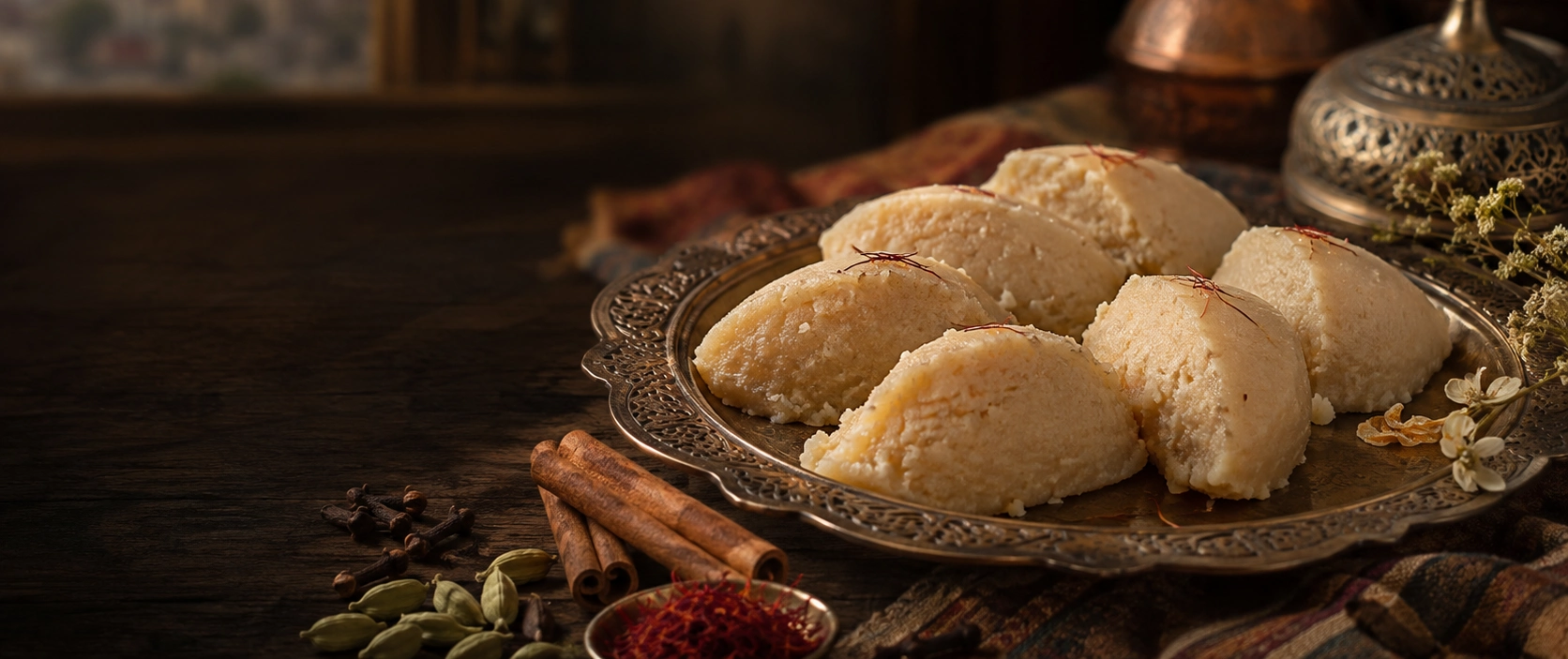
Deva-i Misk Helvası is one of the most unusual traditional sweets of Edirne, a city whose cuisine still carries deep traces of its centuries as an Ottoman capital. Unlike familiar sesame tahini halva or flour-based helva, Deva-i Misk is a pale, fragrant confection built around cooked sugar syrup, whipped egg white and a remarkably complex mixture of herbs, spices, fruits, seeds, resins and other aromatic components.

Its officially registered recipe specifies 39 different spices and components, together with sugar, water, egg white and potassium bitartrate. Cinnamon, cloves, allspice, ginger, cardamom, saffron, galangal, mastic, orange peel, linden, mint, rosemary and many other ingredients contribute to a flavour that is sweet, perfumed, herbal and gently spicy all at once. The sweet is closely associated with stories of the Ottoman court, Sultan Murad II, public distribution in old Edirne and the city’s historic culture of confectionery. Today it remains one of the most distinctive edible souvenirs to seek out when exploring Edirne.

39 Aromatic Components

The geographical-indication specification lists a remarkable mixture of spices, herbs, fruits, seeds, flowers, resins and other traditional ingredients.

Ottoman Edirne Heritage

Its story is linked with the period when Edirne served as an Ottoman capital and with traditions surrounding the imperial court.

Whipped Egg-White Texture

Egg white is beaten and incorporated into hot sugar syrup, helping create the sweet’s pale colour and soft, dense confectionery texture.

Protected Regional Sweet

Deva-i Misk Helvası is registered as an Edirne geographical indication under registration number 643.

Know Before You Taste

Deva-i Misk Halva – Quick Facts

Essential information about one of Edirne’s most unusual geographically indicated sweets.

📍

Origin

Edirne in Turkish Thrace, a former Ottoman capital with a rich palace and confectionery tradition.

Open Edirne on Google Maps
🌿

Signature Character

A sweet, intensely aromatic halva made with a registered mixture of 39 spices and other components.

🥚

Texture

Whipped egg white is added to cooked sugar syrup, producing a pale, dense and slightly aerated confection.

🏅

Geographical Indication

Registered as Deva-i Misk Helvası with Turkish geographical-indication registration number 643.


From the Ottoman Court to Modern Edirne

The Story of Deva-i Misk Halva

A confection surrounded by palace stories, fragrance, generosity and Edirne’s culinary memory.

The history of Deva-i Misk Helvası is intertwined with the period when Edirne was one of the great political and cultural centres of the early Ottoman world. The official geographical-indication description places the sweet within a culinary heritage stretching back to the years when the city served as an Ottoman capital.

One well-known local account tells of a confectioner who presented the sweet to Sultan Murad II when the ruler arrived in Edirne. According to the story, the confectioner asked the sultan to give the unnamed sweet a name, and the expression Deva-i Misk became associated with it. As with many foods whose histories reach back centuries, this should be understood as a traditional narrative rather than a precisely documented recipe origin.

Other Edirne traditions connect the sweet with ideas of strength, recovery and well-being. One version tells of a member of the palace household recovering after consuming a preparation called Deva-i Misk; another associates it with foods prepared for physically weak members of the court. These stories help explain why the word deva—remedy or cure—became so closely attached to its identity.

Sources about Ottoman Edirne also describe Deva-i Misk being distributed to the public without charge. Local cultural accounts associate this custom with special days and with the charitable world surrounding the Sultan Bayezid II complex and its famous darüşşifa, or hospital.

The recipe survived not as an everyday home dessert but largely through Edirne’s specialist confectioners. That is one reason the sweet feels so different from more familiar helvas: its complicated spice mixture, temperature-sensitive sugar base and characteristic shaping belong to a professional confectionery tradition requiring both knowledge and practice.

In the twenty-first century, the connection between the product and Edirne was formally protected through geographical-indication registration. The result is a rare regional sweet in which Ottoman memory, local storytelling, specialist craftsmanship and an unusually elaborate aromatic formula all meet in a single bite.

What Makes It So Different

Distinctive Features of Deva-i Misk Halva

Deva-i Misk is defined by far more than sweetness: aroma, texture, herbal complexity and Edirne tradition are all essential to its identity.

39 Spices & Components

The registered formula uses a blend of 39 aromatic ingredients, ranging from familiar spices to herbs, flowers, seeds, fruit products and resins.

  • Character: Multi-layered and aromatic
  • Registered amount: 0.4% spice-and-component mixture
  • Profile: Sweet, herbal, floral and gently spicy

Whipped Egg White

Egg white is beaten before being incorporated into the cooked syrup, helping turn the mixture paler and giving it a distinctive confectionery body.

  • Registered proportion: 1.5%
  • Role: Structure and texture
  • Dietary note: Contains egg

Cooked Sugar Syrup

Sugar, water and potassium bitartrate are first heated together to create the foundation of the halva.

  • Sugar: 73%
  • Water: 25%
  • Target cooking temperature: 120°C

Powerful Fragrance

Cinnamon, cloves, ginger, cardamom, mastic, orange peel, linden, herbs and other ingredients create a perfume-like aroma very different from ordinary halva.

  • Aroma: Floral, spicy and herbal
  • Intensity: Noticeably fragrant
  • Experience: Best tasted slowly in small portions

Ottoman Palace Associations

Edirne tradition links the sweet with the Ottoman court and with stories dating to the reign of Sultan Murad II.

  • Historical setting: Ottoman Edirne
  • Traditional association: Palace confectionery
  • Memory: Public distribution and special occasions

Characteristic Rounded Portions

The cooled mixture may be formed using a spoon, creating rounded scoop-like portions that have become a familiar presentation of the sweet.

  • Method: Spoon-shaped or packed directly
  • Appearance: Pale cream to light beige
  • Surface: Dense and slightly textured

Strong Edirne Identity

Although its flavour reaches back toward Ottoman palace culture, Deva-i Misk today is above all an Edirne speciality and an edible expression of the city.

  • Province: Edirne
  • Product group: Halva / sweet confectionery
  • Modern role: Local speciality and gift

Geographically Indicated

The protected specification preserves the product’s composition, production method, Edirne connection and official use of the registered name.

  • Registration no.: 643
  • Registration date: 6 January 2021
  • Type: Mahreç İşareti

Deva-i Misk Halva’s Geographical Indication

Deva-i Misk Helvası is officially registered by the Turkish Patent and Trademark Office as a geographical indication associated with Edirne.

Registration Name

The official registered name is Deva-i Misk Helvası.

Registration Number

The product carries geographical-indication registration number 643.

Registration Date

The geographical indication was registered on 6 January 2021.

Application Date

The application was filed on 31 December 2018 under file number C2018/247.

Registration Holder

The registration holder is the Edirne Commodity Exchange (Edirne Ticaret Borsası).

Registration Type

It is protected as a mahreç işareti, one of Türkiye’s geographical-indication categories.


The geographical boundary is Edirne Province. The specification protects not merely a traditional name but a defined product: its proportions, aromatic blend, use of beaten egg white, syrup preparation, cooking temperature, cooling and packaging method are all described.

This distinction is especially useful because older cultural sources and modern shop descriptions sometimes use slightly different wording for the number of ingredients. For the purposes of the protected product, the current official geographical-indication specification lists 39 spices and other components.

What Does “Deva-i Misk” Mean?

The name itself is one of the reasons this sweet attracts so much curiosity. In Ottoman Turkish usage, deva carries the sense of a remedy or something that brings relief, while misk refers to musk, historically one of the most prized aromatic substances in the wider Islamic and Ottoman world.

Deva

A word associated with remedy, relief or cure, reflecting the traditional stories surrounding the confection.

Misk

Musk was historically prized for its intense fragrance and was used in perfumery as well as in some elite culinary and beverage traditions.

A Fragrant Sweet

Even without relying on the legends, the modern sweet fully justifies its aromatic reputation through its complex blend of herbs and spices.

Modern Registered Formula

Natural animal musk is not listed among the 39 components in the current geographical-indication specification.


That final point is important for modern visitors. Historical accounts discuss musk as a rare and expensive aromatic substance, but the official contemporary Deva-i Misk Helvası recipe is defined by the registered list of plant-based and other aromatic components rather than by natural musk from musk deer.

What Goes into Authentic Deva-i Misk Halva?

The geographical-indication specification gives unusually precise proportions. The product is fundamentally a cooked sugar confection enriched with whipped egg white and a small but intensely aromatic quantity of the registered spice-and-component mixture.

73% Sugar

Sugar forms the main body of the sweet and gives Deva-i Misk its dense confectionery structure.

25% Water

Water combines with the sugar during syrup preparation and cooking.

1.5% Egg White

Beaten egg white is incorporated after the syrup reaches its target temperature.

0.4% Aromatic Blend

A concentrated mixture of 39 spices and other components creates the halva’s signature fragrance and flavour.

0.1% Potassium Bitartrate

Potassium bitartrate is included in the registered method as an acidity-regulating ingredient.


The 39 Registered Spices and Other Components

Warm Spices Cinnamon, cloves, allspice, ginger, black pepper, cumin, turmeric and saffron
Fragrant Spices Cardamom, galangal, kebabiye and mastic
Seeds & Fruit Components Black cumin, fennel, coriander, flaxseed, orange peel, rosehip, blackberry, grape powder and carob powder
Herbs & Leaves Thyme, rosemary, bay leaf, mint, nettle, karabaş otu and çakışır
Flowers & Plant Products Linden, marshmallow flower, pollen, licorice honey and günlük
Traditional Herbal Ingredients Karahalile, sarıhalile, mürsafi, hıyarışember and senna are among the less familiar components preserved in the registered formula
Additional Aromatics Coconut completes the official blend together with the other ingredients listed above

The blend is especially interesting because not everything on the list would normally be called a “spice” in everyday English. The official description therefore makes most sense when translated as 39 spices and other components: it includes herbs, fruits, seeds, flowers, plant products and aromatic resins alongside conventional spices.

How Deva-i Misk Halva Is Prepared

The registered method is short on paper but requires close control of heat and texture. Unlike many helvas that begin with flour, semolina, sesame paste or nuts, Deva-i Misk begins with a hot sugar syrup.

1. Combine Sugar & Water Sugar and water are placed together to begin the syrup base
2. Add Potassium Bitartrate The acidity-regulating ingredient is incorporated into the syrup mixture
3. Heat to 120°C The syrup is boiled until the mixture reaches the registered target temperature of 120°C
4. Whip the Egg White Egg white is beaten separately until aerated before incorporation
5. Add the Egg White The beaten egg white is introduced into the cooked sugar mixture
6. Add the Aromatic Blend The 39 registered spices and other components are added to perfume and flavour the halva
7. Allow It to Cool The finished confection is left to cool and set to its characteristic dense texture
8. Shape or Pack The cooled halva can be portioned with a spoon into rounded shapes or poured directly into leak-proof packaging

What Is the Texture of Deva-i Misk Halva?

Travellers who hear the word “halva” may imagine the crumbly sesame-based confection sold throughout Türkiye and the Middle East. Deva-i Misk is very different. Its sugar-and-egg-white method gives it a soft, compact, slightly aerated confectionery texture closer to a dense traditional sweet or paste than to tahini halva.

Pale Colour

The sugar base and egg white give the finished confection a cream-to-light-beige appearance.

Dense Body

It is firm enough to hold a rounded spoon-shaped portion but remains softer than brittle sugar candy.

Fine Grain

Traditional examples may show a slightly textured or ridged surface from shaping and cooling.

Small Portions Work Best

Because the sweet is concentrated in both sugar and aroma, a modest piece can deliver a surprisingly intense experience.

What Does Deva-i Misk Halva Taste Like?

The first impression is unmistakably sweet, but the flavour quickly becomes much more complex. Warm spices, herbal notes, citrus, floral elements, mastic-like resinous aromas and gentle bitterness from some traditional plant ingredients sit behind the sugar.

Sweet

Sugar dominates the basic taste and provides the foundation for the entire confection.

Warmly Spiced

Cinnamon, clove, ginger, allspice, cardamom and related ingredients create a warming aromatic layer.

Herbal

Thyme, rosemary, mint, bay, linden and other botanicals give the sweet an unusual herbal depth.

Floral & Resinous

Saffron, pollen, flowers, mastic and other traditional aromatics contribute perfumed and resinous notes.


For many visitors, Deva-i Misk is less about a single dominant flavour than about the succession of aromas that appear as it dissolves in the mouth. It is a sweet worth tasting slowly rather than eating in large pieces.

Deva-i Misk vs Other Turkish Halvas

The word helva covers a wide family of sweets in Türkiye. Deva-i Misk belongs to that family culturally, but its technique, texture and aromatic profile set it apart immediately.

Deva-i Misk

Base: Sugar syrup and egg white.
Character: Intensely aromatic with 39 registered components.

Tahini Halva

Base: Sesame tahini and sugar.
Character: Nutty, crumbly and rich in sesame flavour.

Flour Helva

Base: Roasted flour, fat and sweetened liquid.
Character: Toasted, buttery and soft.

Semolina Helva

Base: Roasted semolina, butter or oil and syrup.
Character: Grainy, warm and often served freshly cooked.


This is why Deva-i Misk should not be judged by expectations formed from supermarket tahini halva. It belongs to a more specialised Ottoman-style confectionery tradition in which controlled sugar work, aroma and medicinal-spice associations are central.

Does Deva-i Misk Halva Contain Musk?

Historical explanations of the name often discuss musk, a costly aromatic substance that was prized across the Ottoman world. It was associated with perfume, scented drinks and elite aromatic preparations, and its name became a symbol of exceptionally pleasant fragrance.

Historical Association

Musk belongs to the cultural story surrounding the name and to wider Ottoman traditions of scent and flavour.

Modern Official Recipe

Natural musk is not included in the current 39-component geographical-indication list.

Why It Still Smells So Strongly

The blend contains many powerful aromatics, including spices, herbs, flowers, citrus peel and mastic.

Best Practice

If ingredient provenance matters to you for dietary, ethical or religious reasons, check the producer’s current label before purchasing.

Deva-i Misk in Edirne’s Cultural Heritage

Deva-i Misk is valuable not simply because its recipe is old, but because it brings together several parts of Edirne’s identity: the city’s Ottoman capital period, palace food culture, charitable institutions, specialist confectioners and enthusiasm for preserving regional flavours.

Palace Memory

The sweet is traditionally connected with Sultan Murad II and the world of the early Ottoman court in Edirne.

Public Distribution

Historical tradition remembers the confection as something that was distributed freely to the public on certain occasions.

Şifahane Association

Local accounts connect Deva-i Misk with the Sultan Bayezid II complex and its celebrated medical and charitable institutions.

Kırkpınar Tradition

Edirne cultural sources also describe the sweet being shared during Kırkpınar festivities, keeping it connected with the city’s living traditions.


References to “healing” should be understood in their historical and cultural context. Deva-i Misk is a traditional confection, not a medical treatment, and modern visitors should enjoy its stories as part of Edirne’s culinary heritage rather than as a health claim.

How to Eat Deva-i Misk Halva

Deva-i Misk is usually encountered as a ready-made confection in Edirne sweet shops. Because it is both sugary and strongly aromatic, it is best approached in small portions.

Start Small A bite-sized portion is enough to appreciate the blend without overwhelming the palate
Let the Aroma Develop Eat slowly and notice how warm spices, herbs and floral notes emerge after the initial sweetness
Pair with Turkish Coffee The bitterness of unsweetened Turkish coffee can balance the concentrated sweetness particularly well
Try with Tea Plain black Turkish tea is another simple accompaniment that does not compete with the aromatic profile
Take Some Home Packaged Deva-i Misk is one of Edirne’s more unusual edible souvenirs

Dietary & Allergy Notes

Traditional foods with complex recipes deserve careful ingredient checking, especially for travellers with allergies or dietary restrictions. Deva-i Misk contains a long list of botanicals and a clearly defined egg component.

Contains Egg

Egg white is a registered part of the recipe, so Deva-i Misk is not suitable for people avoiding egg.

Not Vegan

Because the registered preparation uses egg white, the standard product is not vegan.

Many Botanicals

The formula includes pollen, seeds, herbs, spices, fruits and resins. Anyone with plant or pollen sensitivities should examine the label carefully.

Ask About Cross-Contact

Confectionery shops may also produce sweets containing nuts, dairy, sesame or other allergens, so ask the seller if cross-contact is a concern.


Ingredient labels and production practices can vary between businesses. If you have a serious allergy, intolerance or strict dietary requirement, rely on the producer’s current packaging and staff information rather than on a general travel guide.

Where to Find Deva-i Misk Halva in Edirne

The easiest place to look is central Edirne, especially established confectionery shops selling the city’s traditional sweets. Deva-i Misk is often presented alongside almond paste, bademli kurabiye and other products associated with Edirne.

Historic Centre

Traditional sweet shops around the central shopping streets and bazaars are a natural first place to search.

Ask for the Turkish Name

Use the name “Deva-i Misk Helvası”; English translations vary and may not be recognised by every shopkeeper.

Check the Label

For a geographically indicated product, look for clear product identification and producer information on the packaging.

Buy Fresh, Store Carefully

Follow the producer’s storage guidance and keep the package properly closed so the confection does not absorb moisture or outside odours.


Availability can vary by season, production schedule and shop. If Deva-i Misk is one of the main reasons for your visit, it is sensible to check with a specialist confectioner before travelling across the city specifically to buy it.

Deva-i Misk Halva Visitor Tips

Do Not Expect Tahini Halva

This is a completely different confection in both texture and flavour, so approach it without expecting sesame.

Smell Before You Taste

The aroma is part of the experience. Take a moment to notice the spice and herbal fragrance before eating.

Try a Small Piece First

Its sweetness and aromatic intensity can be surprising, especially for visitors unfamiliar with Ottoman-style spiced confections.

Ask About the 39 Components

Specialist sellers may be able to explain the unusual herbs and spices that distinguish the sweet.

Pair It with Coffee

Plain Turkish coffee provides an excellent bitter contrast to the concentrated sweetness.

Visit the Bayezid II Complex

The cultural association between Deva-i Misk and Edirne’s historic şifahane makes the complex especially meaningful after tasting the sweet.

Explore the Bazaars

Combine sweet shopping with Edirne’s historic bazaars and central Ottoman monuments for a richer sense of the city.

Take It Home as a Gift

Its unusual story and distinctive flavour make packaged Deva-i Misk a memorable souvenir for travellers interested in regional food.

Other Edirne Foods to Discover

Deva-i Misk is only one part of Edirne’s exceptional food heritage. A serious culinary visit can move from Ottoman-style sweets to liver dishes, local meat traditions, dairy products and regional agricultural specialities.

Edirne Food Culture

Explore the wider city and province guide, including major monuments, regional products and local dishes.

Edirne Ciğer Sarma

Discover lamb liver and İpsala rice wrapped in caul fat, one of Edirne’s distinctive traditional meat dishes.

Keşan Satır Et

Taste southern Edirne Province through hand-chopped Kıvırcık lamb cooked over oak charcoal.

Edirne Almond Paste

Another celebrated confection associated with the city, made around the rich flavour of almonds.

Edirne White Cheese

A famous Thracian dairy tradition and one of the products most closely associated with Edirne’s table.

İpsala Rice

A geographically indicated rice from Edirne Province and an important ingredient in regional cooking.

Places to Visit Near Edirne’s Traditional Sweet Shops

Deva-i Misk belongs to the historic centre of Edirne as much as to its confectionery culture. Tasting it makes even more sense when combined with the monuments, bazaars and charitable complexes that shaped Ottoman life in the city.


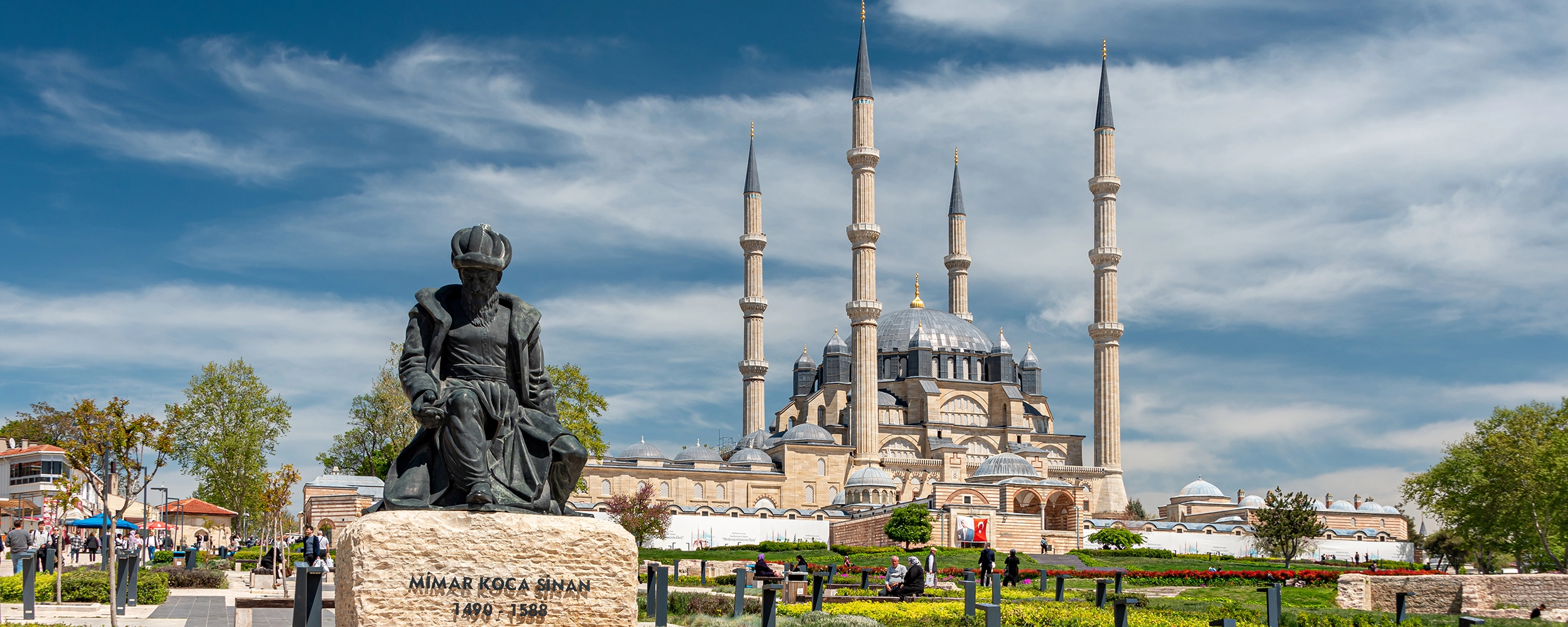
A rewarding central route is Selimiye Mosque → Historic Bazaars → traditional confectionery stop → Kaleiçi. Add the Sultan Bayezid II complex before or after the city centre to connect the sweet with the wider story of Ottoman medicine, charity and public life.

Frequently Asked Questions About Deva-i Misk Halva

What is Deva-i Misk Halva?

Deva-i Misk Helvası is a traditional Edirne confection made from cooked sugar syrup, whipped egg white and a registered blend of 39 spices and other aromatic components.

Where does Deva-i Misk Halva come from?

It is associated with Edirne in Turkish Thrace and with the city’s Ottoman-era culinary heritage.

Is Deva-i Misk Halva geographically indicated?

Yes. It is registered by the Turkish Patent and Trademark Office as a mahreç işareti.

What is the geographical-indication registration number?

Deva-i Misk Helvası carries registration number 643.

When was Deva-i Misk Halva registered?

The geographical indication was registered on 6 January 2021, following an application dated 31 December 2018.

Who holds the geographical indication?

The registration holder is the Edirne Commodity Exchange, known in Turkish as Edirne Ticaret Borsası.

Does it really contain 39 spices?

The official specification uses the wording 39 spices and other components. The list includes conventional spices as well as herbs, seeds, flowers, fruit products, pollen and aromatic plant materials.

Why do some sources say 41 ingredients?

Some cultural and commercial descriptions use the number 41, reflecting other versions of the tradition. The current official geographical-indication specification, however, lists 39 spices and components, so that is the figure used in this guide.

What are the main ingredients?

The registered formula consists of 73% sugar, 25% water, 1.5% egg white, 0.4% spice-and-component mixture and 0.1% potassium bitartrate.

What spices are in Deva-i Misk?

The blend includes cinnamon, cloves, allspice, ginger, cardamom, galangal, saffron, turmeric, cumin, black pepper, mastic, thyme, rosemary, mint and many other traditional ingredients.

Does modern Deva-i Misk contain natural musk?

Natural animal musk is not listed among the ingredients in the current official geographical-indication specification. Musk belongs primarily to the historical and cultural story surrounding the sweet’s name and fragrance.

What does “Deva-i Misk” mean?

The expression evokes the idea of a fragrant remedy: deva means remedy or relief, while misk refers to musk, historically a precious aromatic substance.

Who named Deva-i Misk Halva?

A traditional Edirne story says a confectioner presented the sweet to Sultan Murad II and asked him to name it. This is part of the sweet’s cultural tradition rather than a fully documented modern historical record.

Was Deva-i Misk eaten in the Ottoman palace?

The sweet is strongly associated in Edirne tradition with Ottoman palace culture and with the period when the city served as an Ottoman capital.

Was it really considered medicinal?

Historical and local stories connect Deva-i Misk with strength, recovery and well-being. These are cultural traditions, not modern medical claims; the sweet should be enjoyed as food rather than used as a treatment.

Was Deva-i Misk distributed free to the public?

Yes. Cultural sources about Edirne describe the sweet as being distributed without charge to the public in Ottoman times and associate it with special occasions.

What is the connection with the Sultan Bayezid II Complex?

Edirne tradition links public distribution of Deva-i Misk with certain days at the Sultan Bayezid II darüşşifa, making the complex an especially interesting place to visit after learning about the sweet.

How is Deva-i Misk Halva made?

Sugar, water and potassium bitartrate are cooked to a syrup and heated to 120°C. Beaten egg white is then added, followed by the spice-and-component blend, after which the mixture is cooled and packaged.

Is Deva-i Misk the same as tahini halva?

No. Tahini halva is sesame-based and usually crumbly, while Deva-i Misk is made from sugar syrup, egg white and aromatic ingredients and has a softer confectionery texture.

What does Deva-i Misk Halva taste like?

It is very sweet but also deeply aromatic, with warm spice, herbal, floral, citrus and resinous notes appearing through the flavour.

Is Deva-i Misk very spicy?

It is strongly spiced in the aromatic sense, but it is not normally hot like chilli-based food. The dominant experience is sweetness combined with fragrance and herbal complexity.

Does Deva-i Misk contain egg?

Yes. Egg white is an essential ingredient in the registered preparation.

Is Deva-i Misk vegan?

No. The registered recipe contains egg white.

Does it contain nuts?

Nuts are not among the defining ingredients in the registered formula, but confectionery shops may handle nuts in the same premises. Anyone with a serious allergy should check the individual product label and ask the producer about cross-contact.

Where can I buy Deva-i Misk Halva?

Look for established confectionery shops in central Edirne, especially businesses specialising in the city’s traditional sweets and edible gifts.

Is Deva-i Misk a good souvenir from Edirne?

Yes. Its unusual flavour, Ottoman associations and strong regional identity make packaged Deva-i Misk one of Edirne’s most distinctive culinary souvenirs.

What should I drink with Deva-i Misk?

Unsweetened Turkish coffee or plain black Turkish tea works well because their bitterness balances the halva’s concentrated sweetness.

How much should I try?

Start with a small piece. The sweet is dense, sugary and aromatic, so a little goes a long way.

Can I visit somewhere connected with its history?

Yes. The Sultan Bayezid II Mosque and Complex is particularly relevant because local tradition connects the sweet with public distribution at its historic şifahane.

Is Deva-i Misk Halva worth trying?

Definitely for travellers interested in Ottoman food history and regional Turkish sweets. Few confections in Türkiye combine such an elaborate aromatic formula with such a strong connection to one city.

Best Photos of Deva-i Misk Halva

Deva-i Misk may look simple at first glance, but its rounded shape, pale texture and connection with traditional confectionery shops can make excellent visual material when photographed with context.

Close-Up Texture

Photograph the ridged or spoon-shaped surface closely to show that the sweet differs from ordinary crumbly halva.

Traditional Sweet Counter

With permission, include trays and packages of Edirne sweets to give the image a strong local confectionery atmosphere.

Turkish Coffee Pairing

A small portion beside a traditional coffee cup creates a simple image that also suggests how the sweet can be enjoyed.

Spice Context

A carefully composed background of cinnamon, cloves, cardamom, orange peel and herbs can visually communicate the aromatic character.

Historic Edirne

Combine the sweet with views of Selimiye, the bazaars or old Edirne streets to connect the food unmistakably with its destination.

Gift Packaging

Photograph the labelled package when documenting it as a regional product or edible souvenir.


Always ask permission before photographing shop staff, work areas or customers. When photographing packaged products, keep the producer’s label visible if the purpose is to document the authentic Edirne speciality.

Private Edirne Culinary & Cultural Experiences

Discover Edirne through privately designed journeys combining Ottoman architecture, historic bazaars and regional flavours such as Deva-i Misk Helvası.

Private Edirne Food & Heritage Experiences

Flexible private routes can combine major monuments with traditional confectionery, regional products and the city’s lesser-known culinary stories.

Longer Thrace Journeys

Extend your Edirne experience into the wider landscapes and food traditions of Turkish Thrace, including Keşan, the Gulf of Saros, Kırklareli and Tekirdağ.