Alanya’s Famous Dripstone Cave

Damlataş Cave – Complete Visitor Guide

Step beneath Alanya’s Mediterranean coastline and discover an atmospheric cave
filled with ancient stalactites, stalagmites and a remarkable natural microclimate.

Discover Damlataş Cave

Discover One of Alanya’s Most Famous Natural Attractions

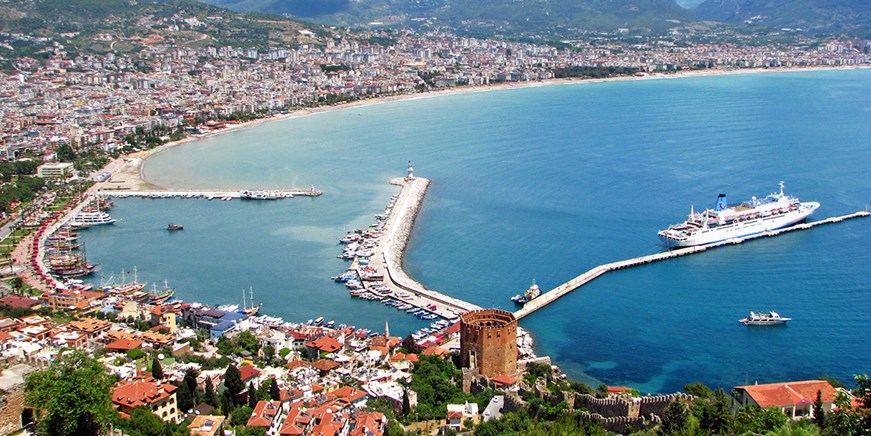
Damlataş Cave is one of the best-known places to visit in Alanya. Located at the western foot of the historic peninsula, only steps from Cleopatra Beach and the Alanya cable car, the cave offers an easy and memorable natural stop in the heart of the city.

Discovered accidentally in 1948 during stone-quarry work connected with the construction of Alanya Harbour, Damlataş became the first cave in Turkey opened to tourism. Its name means “dripping stone,” referring to the drops of water that helped form its impressive stalactites and stalagmites over thousands of years.

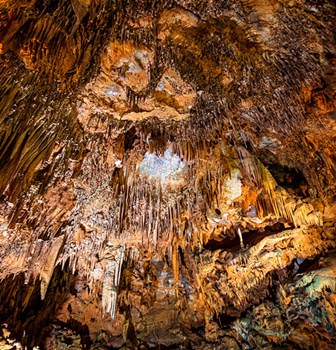
Ancient Dripstone Formations

See dramatic stalactites, stalagmites, columns and mineral-rich limestone surfaces.

Constant Cave Climate

Experience an interior temperature of about 22°C and humidity of approximately 95% throughout the year.

Historic 1948 Discovery

Learn how the cave was revealed accidentally during harbour construction work.

Excellent Central Location

Combine the cave easily with Cleopatra Beach, Alanya Castle, the cable car and the Archaeological Museum.

Plan Your Visit

Damlataş Cave – Quick Facts

Here are the essential details for planning a visit to one of Alanya’s most accessible natural attractions.

📍

Location

Beside Cleopatra Beach at the western foot of Alanya’s historic castle peninsula.

🌡️

Cave Climate

Approximately 22°C throughout the year, with humidity of around 95%.

Visit Duration

Most travelers spend around 20 to 30 minutes inside the cave.

Main Highlights

Stalactites, stalagmites, limestone columns, atmospheric lighting and the cave’s unusual microclimate.


A Natural Landmark Beneath Alanya

Damlataş Cave History & Significance

Discover how an accidental twentieth-century find became one of the most recognizable attractions in Alanya.

Damlataş Cave was discovered in 1948 while stone was being quarried for the construction of Alanya Harbour. After the hidden chamber was revealed, the cave was protected, studied and prepared for visitors. It later became known as the first cave in Turkey opened to tourism.

The entrance begins with a passage approximately 50 meters long. Beyond it, visitors reach a cylindrical chamber rising to around 15 meters in height before descending toward the main accessible floor. The cave lies within partially crystallized limestone and contains dense dripstone formations shaped by mineral-rich water.

The name Damlataş can be translated as “dripping stone.” It refers to the water droplets that continue to move through the limestone and contributed to the gradual formation of the cave’s stalactites, stalagmites and columns. The formations are generally described as being more than 15,000 years old.

Damlataş is also famous for its unusual atmosphere. The cave remains close to 22°C throughout the year, with humidity of approximately 95% and stable pressure reported at around 760 mm. For decades, the cave has been associated locally with supervised asthma visits. This reputation is part of its history, but a cave visit should never be treated as a substitute for professional medical care.

What to See Inside Damlataş Cave

Explore the cave’s most distinctive natural details, from hanging formations to its atmospheric central chamber.

The Entrance Passage

The visit begins through a passage leading away from the busy streets and beach into the darker cave environment. This transition creates a strong contrast between coastal Alanya and the hidden limestone chamber below.

  • Length: Approximately 50 meters
  • Atmosphere: Gradual transition into the cave’s humid interior
  • Tip: Walk carefully because steps and surfaces may feel damp

The Cylindrical Main Chamber

Beyond the entrance passage, the cave opens into a taller cylindrical space. The sudden change in scale is one of the most memorable moments of the visit and reveals the cave’s dramatic central interior.

  • Height: Reaches approximately 15 meters
  • Best for: Understanding the cave’s overall shape
  • Visual impact: High ceiling, vertical formations and illuminated limestone

Stalactites

Thousands of mineral-rich water drops created formations hanging from the cave ceiling. Their shapes, textures and layered surfaces are among the most visually impressive features inside Damlataş.

  • Formation: Built gradually by mineral deposits from dripping water
  • Where to look: Ceiling edges and illuminated upper surfaces
  • Important: Never touch the formations

Stalagmites & Columns

Mineral deposits rising from the cave floor create stalagmites, while some formations have joined from floor to ceiling to form thick natural columns.

  • Best view: Around the central chamber and lower illuminated sections
  • Texture: Layered, sculptural and naturally irregular
  • Photography: Use the existing cave lighting rather than flash when possible

The Cave Microclimate

The warm, very humid air is immediately noticeable. Unlike many caves that feel cold, Damlataş remains close to 22°C, giving it a distinctive atmosphere in every season.

  • Temperature: Approximately 22°C year-round
  • Humidity: Around 95%
  • Visitor note: Keep your stay brief if the heavy humid air feels uncomfortable

Illuminated Rock Textures

Carefully positioned lights reveal different colors, ridges and mineral textures across the cave walls. These details make the relatively compact cave feel rich and visually layered.

  • Best for: Close-up photography and texture studies
  • Look for: Wet limestone, thin formations and broad flowstone surfaces
  • Tip: Hold your camera steady because the interior remains dim

Tickets & Entrance Fees

Damlataş Cave is operated as a ticketed visitor attraction. Entrance fees and payment arrangements may be updated by the local authority, so travelers should check the current price at the entrance before visiting.

Entrance Ticket

A separate entrance ticket is required. The current fee is displayed at the cave entrance.

Visit Type

No advance reservation is normally needed for a standard sightseeing visit.

Museum Pass

Damlataş Cave is municipally operated, so do not assume that Museum Pass Türkiye is accepted.

Useful Tip

Check the ticket board for current adult, student, child and combined-ticket options.

Opening Hours & Best Time to Visit

Damlataş Cave is generally open throughout the year. Regular visitor hours may change by season, and early morning periods have historically been reserved for supervised asthma visitors. Confirm the current schedule locally before making a special journey.

Regular Opening Open daily in normal circumstances
Seasonal Changes Closing times may be extended during the summer season
Medical Sessions Early morning access may be reserved for registered visitors
Best Time to Visit Late morning or late afternoon for an easy combination with nearby attractions

Why Visit Damlataş Cave?

Damlataş Cave offers a compact but memorable natural experience in one of the most convenient locations in Alanya. It combines geology, local history, unusual cave air and easy access from the beach and castle area.

Turkey’s First Tourist Cave

Damlataş holds a special place in Turkish tourism history as the country’s first cave officially opened to visitors.

Beautiful Natural Formations

The illuminated stalactites, stalagmites and limestone columns create a rich underground scene despite the cave’s compact size.

Unusual Year-Round Climate

Its stable temperature and very high humidity create a distinctive atmosphere that feels different from the coastal air outside.

Easy to Combine with Alanya Highlights

Cleopatra Beach, the cable car, Alanya Castle and the Archaeological Museum can all be added to the same route.


If you want a place that is natural, atmospheric, easy to reach and closely connected with Alanya’s identity, Damlataş Cave is well worth adding to your day.

How to Get to Damlataş Cave

Damlataş Cave is located on Damlataş Caddesi at the western foot of the Alanya Castle peninsula, directly beside the beach area. Its central location makes it one of the easiest natural attractions to reach in Alanya.

From Central Alanya

The cave can be reached on foot along the seafront, by local bus or by a short taxi journey.

From Cleopatra Beach

Damlataş Cave is only a few steps from the eastern end of the beach and is easy to visit before or after swimming.

By Car

Use the address Saray Mahallesi, Damlataş Caddesi No:81, Alanya / Antalya. Parking is available in the surrounding area.

By Cable Car Route

The lower Alanya cable car station is nearby, making it easy to continue uphill toward Alanya Castle.

Visitor Tips

Wear Shoes with Good Grip

The cave is humid and some stairs or walking surfaces may feel damp or slightly slippery.

Expect a Short Visit

Damlataş is atmospheric rather than extensive. Most visitors complete the cave comfortably in 20 to 30 minutes.

Do Not Touch the Formations

Natural oils from hands can damage delicate mineral surfaces that took thousands of years to form.

Listen to Your Body

The air is very humid and may feel heavy. Leave the cave if you feel dizzy, breathless or uncomfortable.

Protect Your Camera

High humidity can cause condensation, especially when moving between hot outdoor air and the cave interior.

Combine Nearby Highlights

Plan the cave together with Cleopatra Beach, Alanya Museum, the cable car and the castle peninsula.

Who Should Visit Damlataş Cave?

Nature & Geology Lovers

Ideal for visitors interested in caves, limestone formations and the slow natural process behind dripstone landscapes.

Families

The short visit and central location make it an easy addition to a family day in Alanya.

First-Time Alanya Visitors

A convenient stop for travelers exploring Cleopatra Beach and the castle peninsula for the first time.

Photographers

The illuminated formations, mineral textures and compact chamber offer unusual close-up photography opportunities.


Accessibility Note

The route includes stairs and damp surfaces, so it may be difficult for wheelchair users or travelers with limited mobility.

Health Note

Anyone with heart, respiratory or pregnancy-related concerns should seek medical advice before spending time in the cave’s humid atmosphere.

Nearby Attractions

Damlataş Cave stands in one of Alanya’s most convenient sightseeing areas. Several beaches, museums, viewpoints and historical landmarks can be reached within the same half-day or full-day route.

Frequently Asked Questions

What is Damlataş Cave famous for?

Damlataş Cave is famous for its stalactites and stalagmites, its accidental discovery in 1948, its stable 22°C temperature, very high humidity and its historical association with supervised asthma visits.

What does Damlataş mean?

The Turkish name Damlataş means “dripping stone,” referring to water drops moving through the limestone and creating the cave’s mineral formations.

How long does it take to visit Damlataş Cave?

Most visitors spend around 20 to 30 minutes inside, although photography and time seated in the chamber can extend the visit.

Is Damlataş Cave cold?

No. The cave remains close to 22°C throughout the year. It may feel cooler than the beach in summer, but the high humidity can also make the air feel warm and heavy.

Is Damlataş Cave good for asthma?

The cave has a long local reputation for supervised asthma visits because of its unusual microclimate. However, this should not replace diagnosis or treatment from a qualified medical professional.

Is Damlataş Cave suitable for wheelchair users?

The visitor route includes stairs and damp surfaces, so access can be difficult for wheelchair users and some visitors with limited mobility.

Can I visit Damlataş Cave and Alanya Castle on the same day?

Yes. The cave is close to the lower cable car station, making it easy to visit Damlataş first and continue toward Alanya Castle afterward.

Best Photo Moments at Damlataş Cave

Damlataş is best photographed through close details, illuminated formations and layered underground textures rather than wide landscapes. Take your time, avoid blocking the walkway and follow any current photography rules displayed at the entrance.

Entrance Transition

The change from bright Mediterranean daylight to the darker passage creates an atmospheric arrival sequence.

Main Chamber View

Frame the taller cylindrical chamber to show the cave’s vertical scale and dense formations.

Stalactite Details

Look upward for thin hanging formations, mineral ridges and water-shaped textures.

Stalagmites & Columns

Use the cave lighting to capture strong sculptural shapes rising from the floor.

Wet Limestone Surfaces

Reflections on damp rock can reveal subtle colors and details not immediately visible from a distance.

Cave-and-Coast Combination

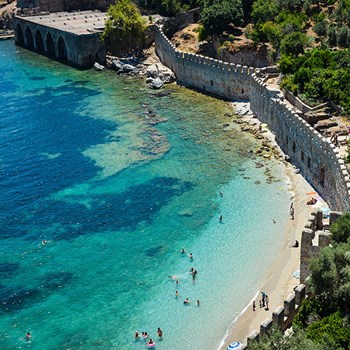
Complete your visual story with photographs of Cleopatra Beach and the castle peninsula immediately outside.

Best Time to Visit Damlataş Cave

Damlataş Cave can be visited in every season because its interior climate remains almost constant. The best timing depends mainly on how you want to combine it with the beach, cable car, castle and other outdoor attractions.

Spring (April – June)

Excellent for combining the cave with comfortable walks around the castle peninsula and central Alanya.

Summer (July – August)

A popular escape from intense sunshine, although the very humid cave air may still feel warm.

Autumn (September – October)

Ideal for a balanced day of cave sightseeing, beach time and historical exploration.

Winter (November – March)

A convenient indoor attraction during cooler or rainy weather, with a stable temperature inside.


Best Overall Months

April – June & September – October

Best Time of Day

Late morning or late afternoon, outside the busiest beach hours

Best Combination

Damlataş Cave + Cleopatra Beach + cable car + Alanya Castle

Plan More Around Damlataş Cave

Continue planning your Mediterranean journey with our Alanya guide, wider Antalya attractions and flexible sightseeing options. Damlataş Cave is easy to visit independently and can also be discussed as part of a customized regional itinerary.

Useful Travel Pages

Explore the city, compare nearby attractions and plan the wider Antalya region.