Special Simit Bread
The base is prepared from wheat flour, water, salt and yeast and shaped into a large elongated simit before baking.
- Dough: Yeasted wheat dough
- Shape: Large elongated simit
- Purpose: Designed for filling






Karamürsel Simit Dolması is one of the most distinctive traditional foods of Karamürsel, a historic town on the southern shore of the Gulf of İzmit in Kocaeli. Despite its name, this is very different from the familiar sesame-covered Turkish simit sold throughout the country.
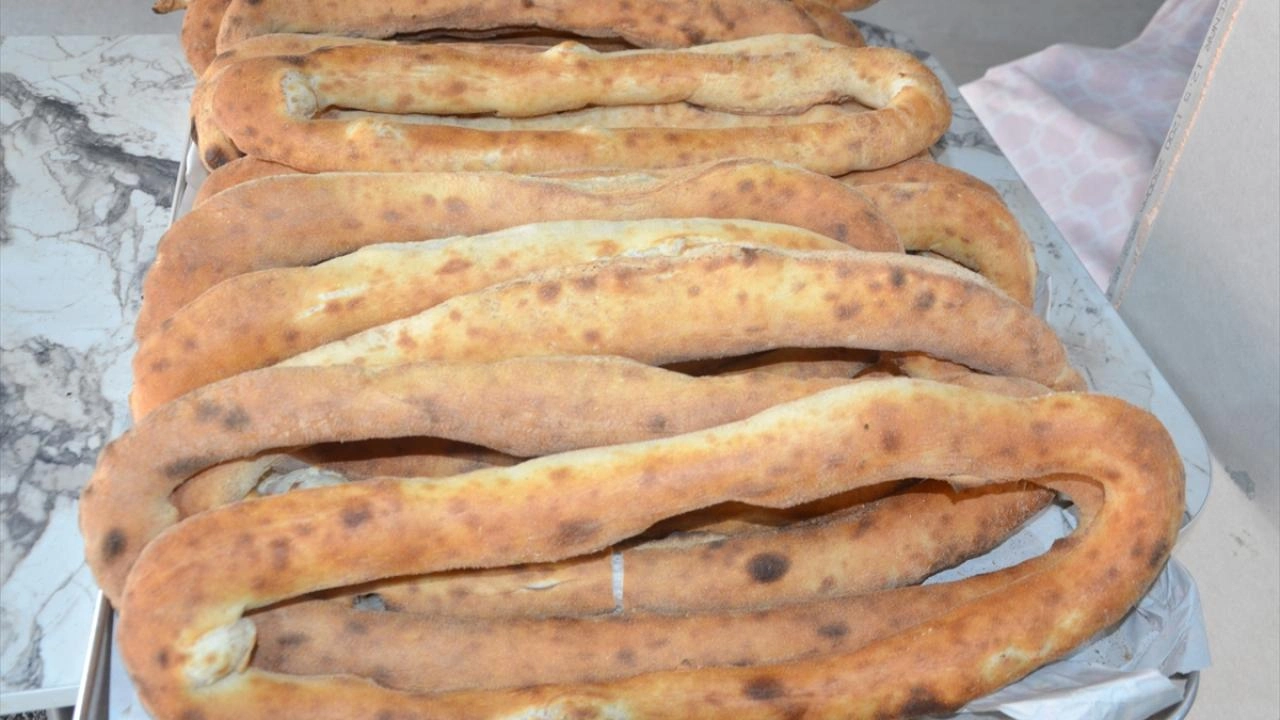
The local speciality begins with a large, elongated simit-like bread made from wheat flour, water, salt and yeast. It is briefly baked in a hot stone oven while still pale, cut into portions, opened and filled with ingredients such as cheese, local curd, parsley or minced meat.
The filled pieces are then softened in a milk-and-water mixture, dipped again in a mixture containing egg and milk, and finally browned in butter. The result is rich, savoury and satisfying, with a toasted exterior surrounding soft bread and a warm filling.
Karamürsel Simit Dolması is closely connected with local Ramadan traditions and is particularly associated with iftar and sahur tables. Its importance to the town was formally recognised when it received Turkish geographical-indication protection in 2023.
A special long simit is cut, opened and filled before its final cooking stage.
Cheese, ekşimek with parsley, minced meat and other savoury fillings may be used.
The stuffed portions are traditionally dipped in milk and egg mixtures before being browned in butter.
Simit dolması has a particularly important place on Karamürsel’s iftar and sahur tables.
Essential information about one of Kocaeli’s most unusual geographically protected culinary traditions.
Karamürsel district on the southern shore of the Gulf of İzmit in Kocaeli.
Open Karamürsel on Google MapsA locally made stuffed bread traditionally known in Karamürsel as simit dolması or dolmalık pide.
Cheese, ekşimek and parsley, minced meat and other savoury combinations.
Registered by TÜRKPATENT as a Mahreç İşareti under registration number 1407.
Discover how a humble local bread became one of Karamürsel’s most recognisable culinary traditions.
Karamürsel Simit Dolması occupies a special place in the food culture of Karamürsel. The dish combines the skills of the local bakery with home-style preparation, transforming a specially baked bread into a rich stuffed meal.
Unlike ordinary Turkish simit, the bread used for simit dolması is not primarily defined by sesame or a crisp ring. It is prepared as a larger, elongated bread and intentionally removed from the stone oven while still pale so that it can later be cut, filled, moistened and cooked again.
The dish is particularly associated with Ramadan. Families in Karamürsel have traditionally served simit dolması during both sahur and iftar because it is substantial, practical and well suited to a shared family table.
Local bakeries therefore become especially important during Ramadan, when the characteristic breads used for simit dolması are produced in greater numbers.
In 2023, the long-standing relationship between the speciality and Karamürsel was formally recognised through geographical-indication registration, helping document and protect its traditional production method.
The protected recipe is defined not simply by its filling but by an unusual sequence of baking, cutting, stuffing, dipping and frying.
The base is prepared from wheat flour, water, salt and yeast and shaped into a large elongated simit before baking.
The bread undergoes a short initial bake in a very hot stone oven and is deliberately removed before developing a deeply browned crust.
After baking, the bread is divided into portions and opened lengthwise before the selected savoury filling is added.
Filled pieces are dipped in a mixture of milk and water, allowing the bread to soften before its final cooking stage.
A second coating made with egg and milk prepares the surface for browning and contributes richness to the finished dish.
The stuffed and coated pieces are traditionally browned on both sides in heated butter.
The dish is particularly connected with Karamürsel’s Ramadan food traditions and is eaten at both iftar and sahur.
Its association with Karamürsel is officially protected under Türkiye’s geographical-indication system.
Karamürsel Simit Dolması is officially registered by the Turkish Patent and Trademark Office as a geographical indication under the category Mahreç İşareti.
The protected geographical-indication name is Karamürsel Simit Dolması.
Karamürsel Simit Dolması carries registration number 1407.
The geographical indication was registered on 10 July 2023.
The application for protection was submitted on 7 September 2022.
It is registered as a Mahreç İşareti.
The geographical indication was registered by Karamürsel Municipality.
The registered geographical area is the Karamürsel district of Kocaeli.
The official product type is pide within bakery, pastry, dough-product and sweets categories.
The protected specification describes not only the ingredients but also the bread’s shape, initial stone-oven baking, filling process, dipping stages and final butter-frying method.
The registration recognises the speciality’s long-standing connection with Karamürsel’s culinary culture and particularly its traditional role on sahur and iftar tables.
Karamürsel has developed a distinctive food culture shaped by its position on the Gulf of İzmit, its agricultural surroundings and generations of families who have preserved local recipes.
The first stage belongs to the bakery, where the special pale simit used for stuffing is prepared.
The bread can then be filled, dipped and browned to create the finished simit dolması.
Its strongest seasonal association is with Ramadan and the shared meals of iftar and sahur.
Geographical-indication registration now formally documents the production tradition connected with Karamürsel.
The dish illustrates an important feature of regional Turkish cuisine: simple staple ingredients can develop a highly specific local identity through preparation technique and tradition.
For residents of Karamürsel, simit dolması is therefore more than bread with a filling. It is closely connected with family tables, local bakeries and seasonal memories.
The protected preparation begins with a straightforward yeasted bread dough. Additional ingredients are introduced during the filling and final cooking stages.
Wheat flour forms the base of the specially prepared simit dough.
Water is combined with flour, yeast and salt to produce the bread dough.
Yeast allows the dough to rise during two resting stages before shaping.
Salt seasons the dough and contributes to its overall bread structure.
Milk is used during the moistening and egg-coating stages before frying.
Egg is beaten with milk to create the final coating before the filled bread is browned.
Butter provides the traditional rich, golden finish during the final pan-frying stage.
Cheese, local curd, parsley, minced meat and other savoury ingredients may be used.
The official commercial-scale dough specification records approximately 50 kg wheat flour, 40 litres water, 600 g salt and 500 g yeast.
What makes Karamürsel Simit Dolması particularly unusual is its multi-stage preparation. The bread is first baked only partially, then transformed into a stuffed dish through several additional steps.
The first stone-oven bake is deliberately short. Instead of producing a completely browned bread, it creates a pale base that remains suitable for filling, moistening and cooking again.
The final butter-frying stage transforms the soft filled bread into a richer dish with a beautifully browned exterior.
One of the pleasures of simit dolması is its flexibility. The protected specification allows several savoury fillings, while cheese-based versions remain strongly associated with the traditional preparation.
A locally described cow’s-milk cheese known as kırık peynir can be used as a classic filling.
Ekşimek, a traditional curd-like dairy ingredient, can be mixed with chopped parsley for a fresh savoury filling.
A seasoned minced-meat filling creates a particularly substantial version of the dish.
Kaşar may be used for a richer filling with a softer, melted texture when hot.
Some versions use sucuk, adding the strongly seasoned flavour of Türkiye’s famous fermented sausage.
Fillings can vary while remaining savoury and compatible with the character of the traditional bread.
The geographical-indication specification specifically records a cheese filling using approximately 300 g of kırık peynir, while an ekşimek version uses approximately 300 g ekşimek with 35 g parsley.
One of the most locally interesting fillings used in Karamürsel Simit Dolması is ekşimek.
In the registered recipe, ekşimek is described as a dairy ingredient traditionally made from cow’s milk.
Lemon juice or vinegar is traditionally used to help separate the curds from the milk.
Fresh parsley is added to produce one of the characteristic simit dolması fillings.
Its mild dairy character balances the richness created by egg, milk and butter during the final preparation.
The bread used for Karamürsel Simit Dolması is first baked in a stone oven at approximately 320°C for only 4–5 minutes.
The intense temperature allows the shaped bread to bake rapidly.
Four to five minutes is enough for this initial stage without fully browning the exterior.
The bread is intentionally removed while light in colour rather than being baked until deeply golden.
This first bake produces the structure needed for cutting and stuffing while allowing the bread to undergo a second cooking process.
Before entering the oven, the surface is coated with a mixture of wheat flour and bran, another characteristic recorded in the official specification.
After the bread has been filled, Karamürsel Simit Dolması receives two separate liquid coatings before being browned in butter.
The filled bread first enters a mixture of approximately equal quantities of milk and water.
After dipping, the pieces are gently pressed so they remain closed and hold their filling.
The pieces are then dipped in beaten egg mixed with milk.
Finally, both sides are cooked in heated butter until the exterior develops its characteristic golden finish.
This double-dipping technique creates a very different eating experience from ordinary bread: the interior becomes soft and rich while the outside develops flavour and colour during the final butter cooking.
The flavour of Karamürsel Simit Dolması depends partly on the filling, but the traditional preparation creates several distinctive characteristics.
The final browning in butter provides a rich aroma and savoury finish.
The milk-and-water stage softens the bread before its final cooking.
Egg, milk and butter create a deeply appetising surface when the pieces are cooked.
Cheese, herbs or meat provide a strong contrast with the soft bread surrounding the filling.
A cheese-filled version tends to be creamy and savoury, while minced-meat or sucuk versions are richer and more intensely seasoned.
Perhaps no part of the story of Karamürsel Simit Dolması is more important than its connection with Ramadan.
Local bakeries traditionally increase production of the special bread during Ramadan.
Simit dolması can form part of the evening meal when families gather to break the daily fast.
Its substantial bread and savoury filling have also made it a familiar food for the pre-dawn meal.
For many local families, the speciality is connected with memories of shared Ramadan tables across generations.
Although some bakeries may produce it at other times of the year, visitors should be aware that the strongest traditional production period is Ramadan.
Visitors familiar with Türkiye’s famous sesame-covered simit may initially expect something completely different from what appears on the table.
The base is a large elongated bakery product rather than the familiar small sesame-covered breakfast ring.
The defining surface treatment is wheat flour and bran rather than the heavy sesame coating associated with ordinary simit.
The initial bread is deliberately prepared so it can be cut open and filled.
It undergoes an initial stone-oven bake followed by a second cooking stage after filling and dipping.
Cheese, ekşimek, minced meat and other savoury fillings transform it into a complete dish.
The final butter-frying stage gives Karamürsel Simit Dolması a character completely unlike ordinary street simit.
For this reason, the English description “Karamürsel Stuffed Simit” is useful for travellers, but the traditional Turkish name Karamürsel Simit Dolması should always be preserved.
Simit dolması is best enjoyed warm, when the buttered exterior is freshly browned and the savoury filling is still hot.
The finished pieces can be eaten without additional accompaniments.
Fresh tomato offers a light, juicy contrast to the rich stuffed bread.
Fresh parsley complements both cheese and minced-meat fillings.
A simple fresh salad can balance the richness of the butter, egg and filling.
The official geographical-indication specification notes that Karamürsel Simit Dolması may be served plain or alongside salad, parsley, tomatoes and similar accompaniments.
The best place to experience this speciality is naturally Karamürsel itself, particularly during Ramadan when the tradition becomes much more visible in local bakeries.
Look for traditional bakeries producing the large pale breads specifically intended for simit dolması.
Using the local name immediately distinguishes the speciality from ordinary Turkish simit.
The bread used for the dish is also traditionally known locally as dolmalık pide.
The widest availability is traditionally associated with the Ramadan period.
Availability outside Ramadan can vary, so travellers visiting specifically to taste Karamürsel Simit Dolması should not assume that every bakery prepares it throughout the year.
This is the period when the speciality is most closely connected with everyday life in Karamürsel.
Cheese, ekşimek and meat versions can taste very different, so ask which filling is available.
The contrast between browned exterior, soft bread and warm filling is best immediately after cooking.
This is a very different regional speciality from Türkiye’s familiar sesame-covered bread ring.
A traditional dairy filling is an excellent introduction to the character of the dish.
You may hear the special bread referred to locally by this alternative name.
Turkish tea makes a natural companion for this warm and filling bakery speciality.
Combine the tasting with the waterfront and other historical and natural attractions around the southern Gulf of İzmit.
Karamürsel Simit Dolması forms part of a much broader regional cuisine stretching from the southern Gulf of İzmit to the Black Sea districts of Kocaeli.
Compare Karamürsel’s stuffed speciality with İzmit’s geographically indicated twisted sesame simit.
Discover Kocaeli’s celebrated fine-threaded confection made from pulled sugar and roasted flour.
Traditional yoghurt reflecting the strong dairy culture of northern Kocaeli.
Kandıra has long been associated with distinctive regional poultry traditions.
A traditional local baked speciality prepared with leafy greens and associated with village cuisine.
Cheese, yoghurt and curd-based foods remain an important part of Kocaeli’s diverse culinary heritage.
A trip to taste Karamürsel Simit Dolması can easily become part of a wider journey along the southern shore of the Gulf of İzmit and through Kocaeli.
Walk beside the Gulf of İzmit and experience the maritime atmosphere at the heart of modern Karamürsel.
Explore the local streets, shops and everyday character of this historic settlement on the Gulf.
Continue east toward Gölcük to explore a former Turkish naval vessel preserved as a museum.
Visit one of İzmit’s major Ottoman monuments, designed by imperial architect Mimar Sinan.
Discover the railway heritage that connected İzmit with Istanbul and Anatolia.
Explore the transformed SEKA industrial complex and its interactive science exhibitions.
Discover one of the historic landmarks on the northern side of the Gulf of İzmit.
See the historic waterfront pavilion associated with German Emperor Wilhelm II’s Ottoman visit.
Karamürsel Simit Dolması is a traditional stuffed bread speciality from Karamürsel in Kocaeli. A specially baked simit-like bread is cut, filled, dipped in milk and egg mixtures and traditionally browned in butter.
It originates from Karamürsel, a district of Kocaeli on the southern shore of the Gulf of İzmit in northwestern Türkiye.
Yes. It is officially registered by the Turkish Patent and Trademark Office as a geographical indication.
Its geographical-indication registration number is 1407.
It was registered on 10 July 2023 following an application submitted on 7 September 2022.
Karamürsel Simit Dolması is protected as a Mahreç İşareti.
The registration holder is Karamürsel Municipality.
The geographical boundary defined by the registration is the Karamürsel district of Kocaeli.
No. It is very different from the familiar sesame-covered Turkish simit. The Karamürsel speciality uses a large pale bread that is cut, stuffed, dipped and cooked again.
Dolmalık pide is another local name used for the special bread associated with Karamürsel Simit Dolması.
The protected dough is prepared from wheat flour, water, salt and yeast.
The official production method specifies approximately 25 minutes of kneading.
The dough initially rests for about 30 minutes. After being divided into portions, it rests for approximately another 30 minutes before shaping.
The geographical-indication specification describes dividing the fermented dough into portions of approximately 400 g.
The special simit is initially baked in a stone oven at approximately 320°C.
The registered method specifies a short initial bake of approximately 4–5 minutes.
It is intentionally removed from the stone oven before developing a deeply browned crust because it will later be filled, dipped and cooked again.
Traditional options include cheese, ekşimek with parsley and minced meat. The registered specification also allows fillings such as kaşar cheese and sucuk.
Ekşimek is a traditional local dairy ingredient produced by coagulating cow’s milk, traditionally with lemon juice or vinegar. It can be mixed with parsley for simit dolması.
The filled pieces are first dipped in a milk-and-water mixture, which softens the bread before the final cooking stage.
Yes. After the milk-and-water stage, the filled bread is dipped in a mixture of beaten egg and milk.
After being baked, filled and dipped, the pieces are traditionally browned on both sides in heated butter.
It is particularly associated with Ramadan and is traditionally enjoyed at both iftar and sahur.
Some bakeries may produce it outside Ramadan, but its strongest traditional production period and widest local availability are associated with the holy month.
It may be served plain or accompanied by foods such as salad, parsley and tomatoes.
Absolutely. It is one of the most distinctive ways to experience Karamürsel’s protected culinary heritage and a food tradition rarely encountered elsewhere in Türkiye.
The unusually shaped bread, stuffing process and golden butter-fried finish provide excellent opportunities for culinary and travel photography.
Photograph the large bread before it is cut to show how different it is from ordinary Turkish simit.
A close-up of the bread being filled with cheese, ekşimek or meat clearly communicates what makes the dish special.
The dipping process provides an unusual preparation image rarely associated with conventional simit.
Capture the moment the stuffed pieces develop their golden surface in the pan.
A finished piece sliced open reveals the contrast between browned bread and savoury filling.
Presenting simit dolması with tea, tomatoes, parsley or salad creates a strong image of local food culture.
Always ask permission before photographing bakers, kitchen staff or food preparation areas.
Discover Karamürsel Simit Dolması together with the Gulf of İzmit, historic towns, Ottoman heritage and the diverse culinary traditions of Kocaeli.
Custom-designed private journeys with professional guiding, comfortable transportation and flexible itineraries throughout the Kocaeli region.
Explore Karamürsel, the southern shore of the Gulf of İzmit and the town’s local culinary traditions, including its geographically indicated Simit Dolması.
Request This Tour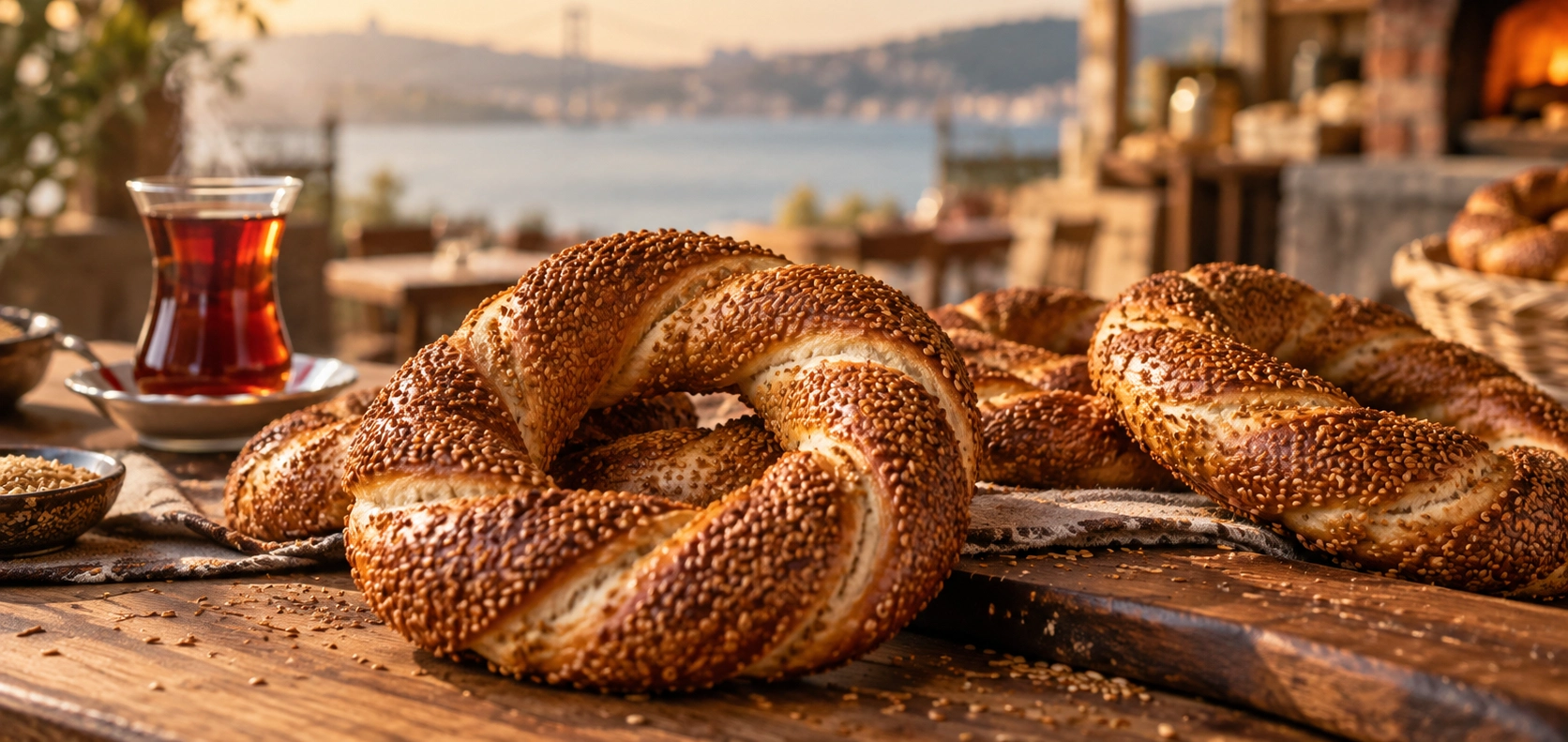
Compare Karamürsel Simit Dolması with İzmit Simidi, pişmaniye and other regional foods while exploring the landscapes and heritage of the Gulf of İzmit.
Request This TourAdd Karamürsel and Kocaeli to a private itinerary connecting Istanbul with Bursa, İznik, the Marmara region, Ankara, Cappadocia or the Black Sea.

Create a private journey through Istanbul, Kocaeli, Karamürsel, Bursa, İznik and other fascinating destinations around the Marmara region.
Plan Your Journey
Connect Istanbul, Karamürsel and Kocaeli with Türkiye’s archaeological sites, historic cities, regional cuisines and extraordinary landscapes on a completely private itinerary.
Contact Our Travel Specialists