Soft Yeasted Dough
The base is a fermented wheat-flour dough rather than the starch-and-sugar mixture used in classic confectionery lokum.
- Base: Wheat flour and fresh yeast
- Texture: Soft and bread-like
- Method: Fermented before rolling






Bursa Cevizli Lokum, commonly translated on this page as Bursa Walnut Turkish Delight, is one of Bursa’s most distinctive traditional baked foods. Despite the word lokum, it is not the soft, starch-based confection internationally known as Turkish delight. Instead, it is a yeasted rolled pastry filled with walnuts and aromatic spices, sliced into thick pieces, topped with egg and sesame, and baked until golden.
The pastry has deep roots in Bursa’s traditional food culture. It is closely associated with weddings, engagements, circumcision celebrations, henna nights, bayrams, and family gatherings. The registered Bursa version has a defined production method and is protected as a geographical indication.
Soft fermented dough is rolled with a generous filling of crushed walnuts and traditional spices.
Allspice is a defining flavour, while cinnamon or a little sugar may also be added according to the traditional specification.
The rolled pieces are brushed with beaten egg, sprinkled with sesame, and baked until richly coloured.
Cevizli lokum has long been prepared for weddings, engagements, bayrams, and other important social occasions.
Essential information about Bursa Cevizli Lokum, a geographically indicated walnut-filled pastry from Bursa.
Bursa in northwestern Türkiye, where the pastry has a long-standing place in local family and celebration traditions.
Open Bursa on Google MapsA yeasted pastry rolled with walnuts and spices, sliced into thick pieces, then baked until golden.
Registered by TÜRKPATENT as Bursa Cevizli Lokum with registration number 942.
The registered method allows oven baking at approximately 180–200 °C, preferably in a stone-based wood-fired black oven.
A traditional pastry whose reputation comes not only from its flavour, but from the celebrations and family rituals surrounding it.
The official geographical-indication record states that the history of Bursa Cevizli Lokum reaches back to the Ottoman period. Over generations, it became an important element of Bursa’s local cuisine and a familiar food at important family and community occasions.
Unlike commercial Turkish delight, Bursa Cevizli Lokum is made from fermented dough. The dough is rolled out, oiled, covered with crushed walnuts mixed with allspice and optional cinnamon or sugar, then rolled into a cylinder and cut into thick portions.
The pieces are arranged upright or closely together on a tray, given a second resting period, brushed with beaten egg, sprinkled with sesame, and baked slowly. Traditional producers may use a stone-based kara fırın heated with wood.
Cevizli lokum is especially connected with weddings, engagements, circumcision celebrations, henna nights, and bayrams. In older Bursa traditions, preparations for religious holidays often included baking large trays of walnut lokum on the day before the feast.
This combination of local reputation, a distinctive production method, and long cultural continuity led to official geographical-indication registration in 2021.
The character of the pastry comes from fermented dough, walnuts, aromatic spices, careful rolling, slow baking, and a golden egg-and-sesame finish.
The base is a fermented wheat-flour dough rather than the starch-and-sugar mixture used in classic confectionery lokum.
Crushed walnuts form the heart of the filling and give the pastry its rich flavour and characteristic bite.
Allspice is a defining traditional seasoning. Cinnamon or a small amount of sugar may also be used in the filling.
The filled dough is rolled into a cylinder and cut into thick portions before being arranged on the baking tray.
Before baking, the pieces are brushed with beaten egg and finished with sesame for colour, aroma, and texture.
The registered method particularly recognises versions baked in a stone-based black oven heated with wood.
The registered product is made without preservatives or additives and is intended to be eaten fresh.
The pastry’s strongest cultural identity comes from its long association with important family and community gatherings.
Bursa Cevizli Lokum is officially registered by the Turkish Patent and Trademark Office as a geographically indicated product associated with Bursa Province.
The official registered name is Bursa Cevizli Lokum.
The product carries geographical-indication registration number 942.
The registration was completed on 1 November 2021.
The geographical-indication application was filed on 11 November 2019.
It is registered as a Mahreç İşareti.
The registrant is the Bursa Chamber of Commerce and Industry.
The registered geographical boundary is Bursa Province.
Products made in the registered stone-based wood-fired black oven method may carry the wording “Kara fırında pişirilmiştir.”
The official specification emphasises the pastry’s long-established reputation in Bursa, its distinctive production method, and its connection with the province’s celebration traditions.
The geographical-indication specification gives a traditional formula based on wheat flour, fresh yeast, oil, walnuts, allspice, egg, and sesame. The quantities below reflect the registered production method.
Approximately 1 kg of wheat flour forms the dough base.
Approximately 20–30 g of fresh yeast is used for fermentation.
Approximately 50–100 g of sugar is included in the dough formula.
Approximately 25 g of salt is used in the dough.
Approximately 100 g is used in the dough, with additional liquid oil used during rolling and shaping.
Approximately 150–200 g of walnuts form the traditional filling.
Approximately 10 g of allspice gives the filling its distinctive warm spice aroma.
Approximately 5–10 g may optionally be added to the walnut filling according to preference.
Approximately 150–200 ml of liquid oil is used while opening and rolling the dough.
Beaten egg is brushed over the formed pieces before baking.
Sesame is sprinkled over the egg-washed surface before the tray enters the oven.
The traditional method depends on fermentation, generous oiling, a walnut-and-spice filling, careful rolling, a second resting period, and slow baking so the thick pieces cook evenly.
The walnut-and-spice filling is what gives Bursa Cevizli Lokum its unmistakable identity. Unlike a sweet bun filled only with sugar, the traditional Bursa version balances rich walnut flavour with warm, fragrant spices.
Provide richness, texture, and the dominant nutty flavour that defines the pastry.
Adds warm notes reminiscent of clove, cinnamon, and pepper and is a characteristic part of the registered filling.
May be added for a sweeter aromatic profile, depending on the household or bakery style.
A small amount may be mixed into the filling, but the pastry is not necessarily intensely sweet.
This balance explains why Bursa Cevizli Lokum can feel halfway between a celebration bread and a dessert pastry: it is rich and fragrant without depending on syrup or heavy sweetness.
The official geographical-indication specification gives special recognition to Bursa Cevizli Lokum baked in a stone-based kara fırın heated with wood. Other ovens may also be used, but the traditional black-oven method remains an important part of the pastry’s local identity.
The traditional method specifies approximately 180–200 °C.
The thick pastries are baked for around 45 minutes.
Because the pieces are thick, both the top and bottom must cook evenly and relatively slowly.
Traditionally wood-fired products may be identified with the wording “Kara fırında pişirilmiştir.”
Bursa Cevizli Lokum is best enjoyed fresh, once the pastry has cooled enough for the walnut filling and soft crumb to settle. It may be served as part of a breakfast table, with tea, during a family visit, or as a special offering at celebrations.
Cevizli lokum has a particularly strong ceremonial identity in Bursa. It is not simply a bakery snack; for generations, trays of the pastry have been prepared when families gather to celebrate important moments.
Cevizli lokum has traditionally been offered to guests during wedding preparations and celebrations.
It is associated with engagement gatherings and the sharing of food between families.
Local culinary sources describe walnut lokum being served to guests during kına gecesi celebrations.
The registered geographical-indication record also connects the pastry with sünnet ceremonies.
Traditionally, families prepared cevizli lokum on the day before religious holidays so it could be shared during visits.
Its shareable tray-baked form makes it a natural food for guests, tea tables, and communal gatherings.
Bursa Cevizli Lokum is soft, bready, nutty, fragrant, and gently rich. Walnuts provide the main flavour, while allspice adds warmth and complexity. Cinnamon or a little sugar may make some versions sweeter, but the pastry is generally less sugary than its English name “Turkish delight” might suggest.
Rich, earthy, and slightly sweet, with a pleasant crunch inside the soft dough.
Warm and aromatic, bringing a characteristic traditional Bursa flavour to the filling.
Soft and substantial, more like a tender bakery pastry than a confection.
Create a lightly toasted, savoury aroma and a golden surface.
Visitors who enjoy walnut breads, cinnamon rolls, or traditional savoury-sweet pastries will usually find Bursa Cevizli Lokum easy to appreciate, though its allspice-forward filling gives it a distinctly local personality.
No. The English word “Turkish delight” normally refers to the soft confection made from sugar and starch known in Turkish simply as lokum. Bursa Cevizli Lokum is completely different. In Bursa, the word lokum is also used for this traditional walnut-filled baked pastry.
A fermented wheat-flour pastry filled with walnuts and spices and baked in an oven.
A soft, chewy confection traditionally based on sugar and starch, often flavoured with rose, citrus, nuts, or other ingredients.
Bursa Cevizli Lokum is bready and layered, while classic lokum is soft, elastic, and confectionery-like.
Ask specifically for “Bursa Cevizli Lokum” so there is no confusion with standard confectionery lokum.
Visitors can look for Bursa Cevizli Lokum in traditional bakeries, local pastry shops, neighbourhood bakeries, and food establishments specialising in Bursa cuisine. Freshness is especially important because the registered pastry is made without preservatives.
Local bakeries are often the best place to find freshly baked trays with a soft interior and toasted sesame top.
Ask in and around Bursa’s old commercial districts, bazaars, and traditional food streets.
Small local bakeries may offer versions closer to family-style Bursa recipes than mass-produced packaged pastries.
If you want the most traditional experience, ask whether the product was baked in a stone-based wood-fired black oven.
Availability can vary by bakery and day. Because the pastry is traditionally prepared fresh, it is worth asking when the latest tray was baked.
This is a baked walnut pastry, not the chewy starch-based confection usually called Turkish delight in English.
The texture is best when the pastry has been baked recently and the dough remains soft.
The warm spice aroma is one of the details that makes the Bursa version distinctive.
A good version should have visible walnut filling distributed through the spiral layers.
Turkish tea balances the richness of the walnuts and complements the toasted sesame surface.
Using the Turkish name is the easiest way to find the correct Bursa speciality.
Some bakeries still use traditional stone-based black ovens, which can add a deeper baked aroma.
The registered fresh product contains no preservatives and is traditionally consumed within about 2–3 days.
Bursa Cevizli Lokum belongs to a much larger culinary tradition shaped by Ottoman history, bakery culture, meat dishes, dairy desserts, sesame pastries, and famous chestnut sweets.
A small round pide with a raised edge and savoury topping, strongly associated with Bursa’s bakery culture.
Grilled meatballs served over chopped pita with tomato sauce, butter, and yoghurt.
Thinly sliced grilled meat served over pide and closely linked with Bursa’s nineteenth-century kebab tradition.
A rich round pastry topped with tahini, molasses, and sugar, locally known as tahanlı pide.
Sweet candied chestnuts that became one of Bursa’s best-known edible souvenirs.
A creamy milk-and-flour dessert finished in a hot oven until the top becomes deeply golden.
A bakery stop for Cevizli Lokum can easily become part of a day exploring Bursa’s UNESCO-listed historic centre, Ottoman monuments, silk heritage, traditional markets, and nearby historic settlements.
Discover the city that became the first major capital of the Ottoman state and remains rich in mosques, tombs, markets, baths, and traditional neighbourhoods.
Explore Bursa’s celebrated silk market, arcaded courtyard, historic shops, and living Ottoman commercial atmosphere.
See some of Bursa’s most celebrated early Ottoman tilework, stone carving, calligraphy, and monumental architecture.
Visit the mosque and remarkable collection of Ottoman princely tombs associated with Bursa’s dynastic history.
Walk through a preserved early Ottoman village of cobbled lanes, timber houses, courtyards, and mountain scenery.
Explore Roman, Byzantine, Christian, Seljuk, and Ottoman heritage beside the shores of Lake İznik.
It is a traditional Bursa pastry made from yeasted dough rolled with walnuts and spices, cut into thick portions, topped with egg and sesame, and baked until golden.
No. It is a baked pastry, not the soft sugar-and-starch confection normally called Turkish delight in English.
In Bursa’s local food tradition, the name cevizli lokum refers to this walnut-filled baked speciality even though its preparation is completely different from confectionery lokum.
Yes. It is registered by the Turkish Patent and Trademark Office under geographical-indication registration number 942.
Its geographical-indication registration was completed on 1 November 2021.
The registrant is the Bursa Chamber of Commerce and Industry.
It is registered as a Mahreç İşareti.
The registered method uses wheat flour, fresh yeast, sugar, salt, sunflower or olive oil, walnuts, allspice, beaten egg, and sesame. Cinnamon or a little sugar may optionally be added to the filling.
Allspice is a defining seasoning, with cinnamon also permitted as an optional addition.
The filled dough is rolled into a cylinder and sliced into pieces approximately 4–5 cm thick before baking.
The first resting period is approximately 30 minutes, followed by another 30–40 minutes after the pieces are shaped on the tray.
The registered method specifies approximately 180–200 °C.
The traditional specification gives an approximate baking time of 45 minutes, with care taken to cook the thick dough evenly.
A kara fırın is a traditional stone-based oven. The registered specification recognises Bursa Cevizli Lokum baked in such an oven using wood fire.
The registered product is made without preservatives or additives.
The registered fresh product should generally be consumed within approximately 2–3 days.
It is strongly associated with weddings, engagements, circumcision celebrations, henna nights, bayrams, and other important family gatherings.
It is soft, nutty, fragrant, and gently rich, with walnuts, allspice, sesame, and a tender yeasted crumb.
Not necessarily. Some versions include cinnamon or sugar in the filling, but the pastry can be only mildly sweet and often has a balanced savoury-spiced character.
Look for traditional bakeries and local pastry shops in Bursa and ask whether the product was baked fresh that day.
Yes. It is one of Bursa’s most culturally distinctive bakery specialities and offers a taste that is very different from both ordinary bread and classic Turkish delight.
The spiral layers, walnut filling, sesame-covered golden surface, traditional bakery trays, and wood-fired ovens make Bursa Cevizli Lokum an especially photogenic local speciality.
Photograph a full tray while the tops are still glossy and golden and the pieces are arranged closely together.
Break or cut one piece open to reveal the walnut-and-spice filling running through the layers.
A close-up angle captures the egg-glazed surface, toasted sesame, and deep baked colour.
Wooden counters, flour-dusted workspaces, metal trays, and old ovens add authentic Bursa bakery atmosphere.
If permission is given, a traditional wood-fired stone oven creates a strong visual link with the registered production heritage.
Pair a piece of Cevizli Lokum with Turkish tea for a simple, recognisably local food photograph.
Ask permission before photographing bakery staff or production areas, and avoid standing close to active ovens or disrupting service.
Discover Bursa’s Ottoman heritage, historic bazaars, traditional neighbourhoods, and local food culture through a privately arranged journey designed around your interests.
Custom-designed services with private transportation, professional guiding, flexible timing, and opportunities to taste Bursa’s best-known local specialities.
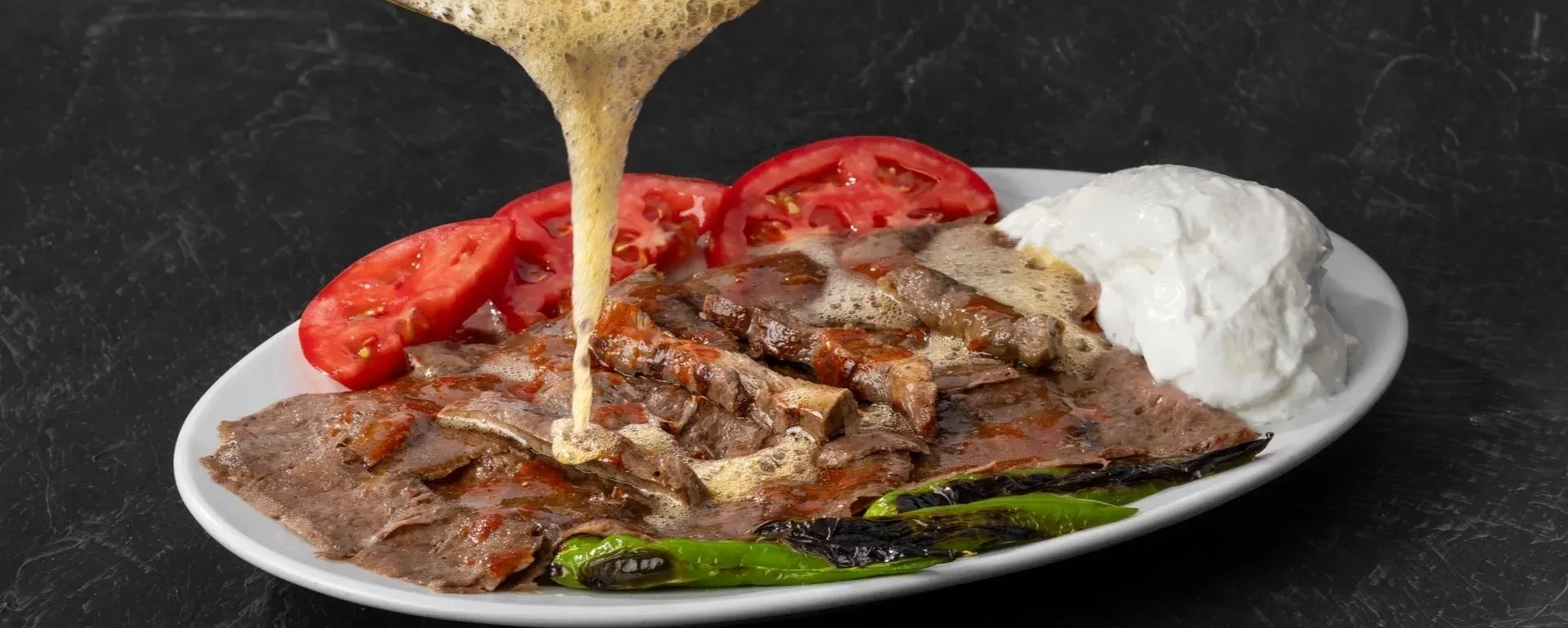
Combine Bursa’s historic centre, Ulu Camii, Koza Han, Ottoman monuments, traditional markets, and regional specialities such as Cevizli Lokum, milk halva, tahini pita, cantık, pideli köfte, and chestnut candy.
Request This Tour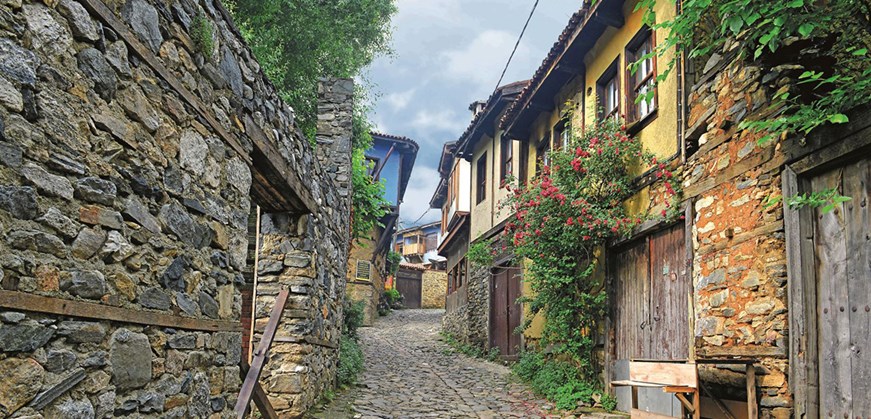
Explore Bursa’s early Ottoman monuments and historic markets before continuing to Cumalıkızık for cobbled streets, traditional houses, village atmosphere, and regional tastes.
Request This TourCombine Bursa with İznik, the Marmara region, or a wider private Türkiye itinerary with flexible routing and carefully selected local experiences.
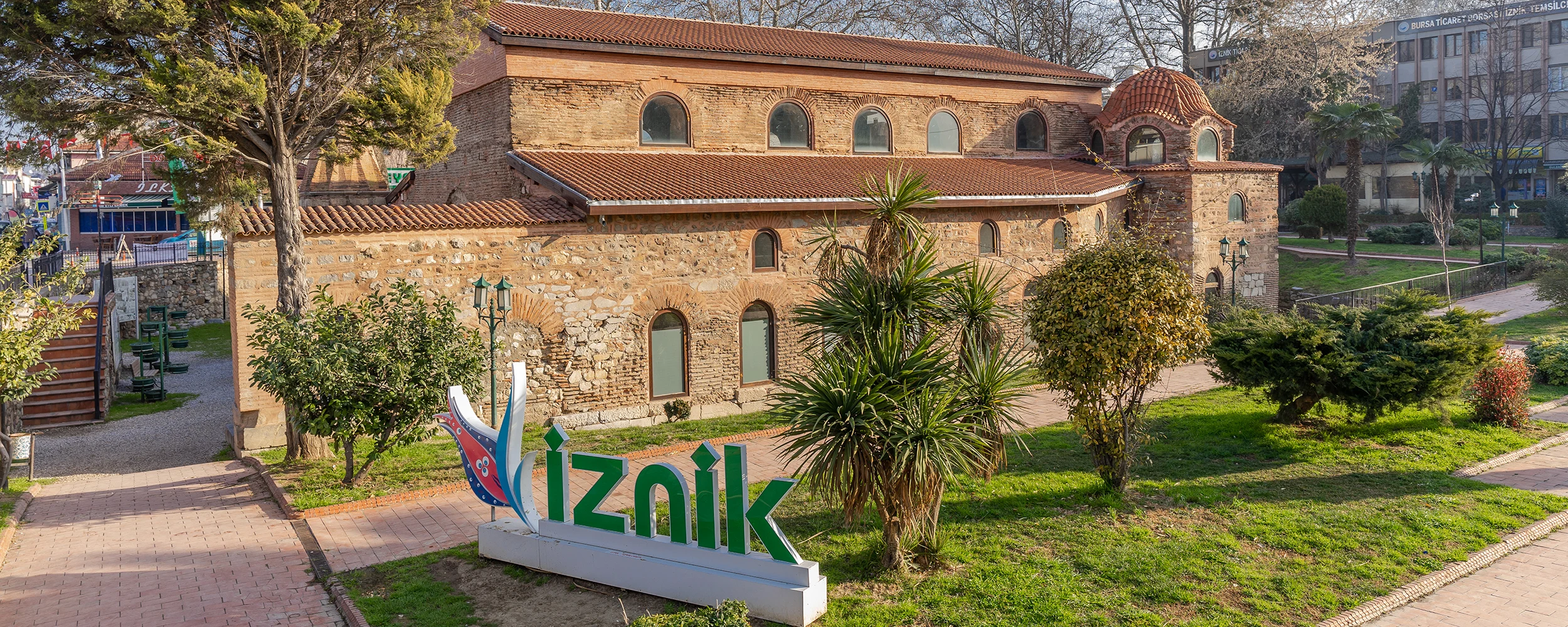
Add İznik to your Bursa journey and explore ancient city walls, Christian council history, Ottoman monuments, tile traditions, and the peaceful shores of Lake İznik.
Explore İznik
Tell us how much time you have and what interests you most. We can combine architecture, food, Ottoman history, villages, silk heritage, thermal culture, and nearby destinations into one private itinerary.
Plan Your Journey