A Historic Non-Alcoholic Drink of Bursa

Bursa Grape Must – Complete Food & Drink Guide

Discover seeded black raisins, deep ruby colour, traditional preparation,
cold service, Bursa food pairings, and a centuries-old local drinking tradition.

Discover Bursa Grape Must

Discover Bursa Üzüm Şırası

Bursa Grape Must, known locally as Bursa Üzüm Şırası, is a traditional non-alcoholic drink associated with the culinary culture of Bursa in northwestern Türkiye. Unlike ordinary fresh grape juice, the registered Bursa preparation is made primarily from seeded black dried grapes and drinking water, with white sugar used optionally. In industrial production, black carrot juice may also be added to help stabilise the characteristic dark colour.

The drink is traditionally served cold and has long accompanied Bursa’s celebratory meals, iftar tables, special occasions, kebabs, and meat dishes. Historical references to vineyards and red grape beverages around Bursa also appear in travel literature associated with the region. This complete guide explains the ingredients, registered production methods, cultural background, flavour, serving traditions, geographical-indication status, food pairings, visitor tips, and the best way to experience one of Bursa’s most distinctive local beverages.

Seeded Black Raisins

The defining ingredient is dark, thin-skinned, seeded dried grapes suitable for producing a rich-coloured drink.

No Spices

One of the registered drink’s distinctive characteristics is that spices are not used in its production.

Two Production Methods

Bursa Üzüm Şırası may be prepared by a traditional fresh method or by a controlled industrial method.

Geographically Indicated

The drink is officially registered by TÜRKPATENT as a Bursa geographical indication.

Know Before You Taste

Bursa Grape Must – Quick Facts

Essential information about Bursa Üzüm Şırası, one of the city’s registered traditional beverages.

📍

Origin

Bursa Province in northwestern Türkiye, where the drink forms part of the city’s established culinary heritage.

Open Bursa on Google Maps
🍇

Main Ingredient

Seeded black dried grapes, particularly dark varieties suitable for drying and rich in colour.

🥤

Drink Type

A non-alcoholic traditional beverage normally served chilled.

🏅

Geographical Indication

Registered by TÜRKPATENT with registration number 838 on 9 August 2021.


A Drink with Deep Local Roots

The Culinary Tradition of Bursa Grape Must

Discover how a dark grape drink became part of Bursa’s festive meals, family tables, and traditional cuisine.

Bursa has been an important agricultural, commercial, and culinary centre for centuries. Its fertile surroundings, historic vineyards, fruit-growing areas, Ottoman court traditions, markets, inns, and long-established food culture helped create a distinctive regional table.

Within this culinary landscape, Bursa Üzüm Şırası developed as a refreshing non-alcoholic grape-based drink. It is especially associated with ceremonial meals, celebrations, iftar tables, family gatherings, and special occasions.

Historical references add another layer to the drink’s identity. Accounts connected with Bursa describe vineyards around Lake Uluabat and mention red grape beverages, showing that grape cultivation and grape-based drinks have long formed part of the region’s food landscape.

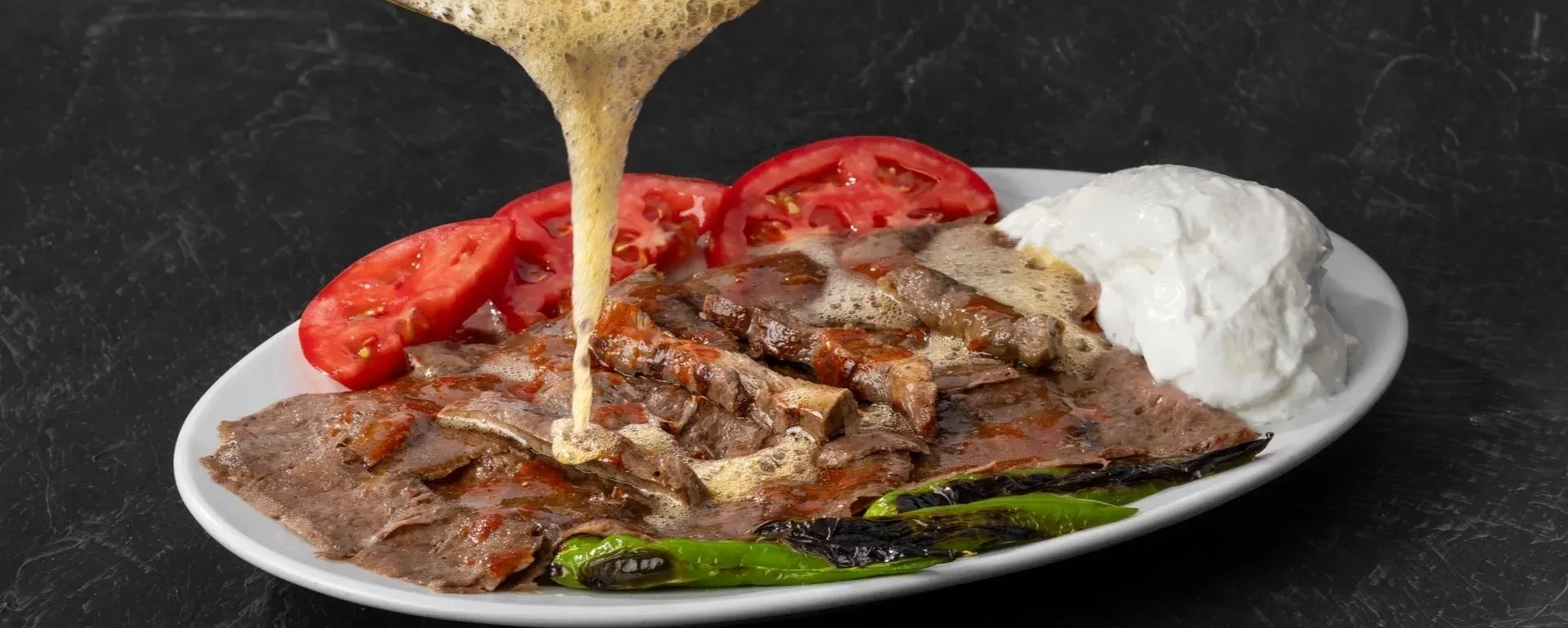
Bursa grape must also has a natural place beside the city’s savoury dishes. It is particularly associated with meals featuring Bursa-style kebabs and pideli köfte, where the cool, sweet-sour character of the drink provides contrast to rich meat, butter, tomato sauce, and toasted bread.

Today, the drink survives in both traditional and industrial forms. The official geographical-indication specification protects its recognised ingredients and preparation principles while allowing production methods suitable for fresh local service as well as bottled commercial distribution.

This continuity between old culinary habits and modern production is one reason Bursa Üzüm Şırası remains more than a simple soft drink. It is part of Bursa’s gastronomic identity and one of the regional products that visitors can seek out while exploring the city.


What Makes It Special

Distinctive Features of Bursa Grape Must

The registered character of Bursa Üzüm Şırası comes from its dark dried grapes, simple ingredient list, deep colour, and carefully controlled preparation.

Seeded Black Dried Grapes

The principal ingredient is dark-coloured dried grapes with large seeds and relatively thin skins. Varieties suitable for drying, including grapes such as Öküzgözü, may be used.

  • Form: Dried grapes rather than freshly pressed grapes
  • Colour: Dark-skinned varieties
  • Feature: Large seeds and thin skins are preferred

Drinking Water

Water is used to extract flavour, colour, and soluble components from the crushed raisins. The amount varies according to whether the drink is produced by the traditional or industrial method.

  • Purpose: Extraction and dilution
  • Quality: Drinking-quality water
  • Result: A refreshing drink rather than a concentrated syrup

Optional White Sugar

White sugar may be added according to the production method and desired balance. The grapes themselves already contribute natural sweetness, so the final sweetness can vary.

  • Ingredient: White sugar
  • Status: Optional
  • Purpose: Adjusts sweetness and body

Black Carrot Juice

In industrial production, a measured amount of black carrot juice may be used as a colour-balancing ingredient, helping preserve the drink’s deep reddish-purple appearance.

  • Used in: Industrial production
  • Function: Colour balancing
  • Character: Supports the dark ruby tone

No Spices

Unlike many Ottoman-inspired sherbets that may contain cinnamon, cloves, rose, or other aromatics, Bursa Üzüm Şırası is distinguished by the absence of spices in the registered production method.

  • Cinnamon: Not used
  • Cloves: Not used
  • Focus: Grape flavour remains dominant

Served Cold

Traditional Bursa grape must is chilled before serving. Cold service makes its fruitiness and sweet-sour character especially pleasant beside rich regional foods.

  • Serving: Chilled
  • Container: Glass or bottle
  • Pairing: Particularly suited to kebabs and pideli köfte

Two Recognised Methods

The registered specification describes both a traditional method intended for fresh consumption and an industrial method using boiling, pasteurisation, and hot filling.

  • Method 1: Traditional fresh production
  • Method 2: Industrial bottled production
  • Shared base: Seeded black dried grapes and water

Deep Colour and Grape Aroma

The drink is recognised for its dark red to purplish colour, fruity aroma, natural grape sweetness, gentle acidity, and refreshing finish.

  • Appearance: Deep red to purple
  • Aroma: Concentrated dried-grape character
  • Finish: Sweet, fruity, and refreshing

Bursa Grape Must’s Geographical Indication

Bursa Üzüm Şırası is officially registered by the Turkish Patent and Trademark Office as a geographically indicated product connected with Bursa Province. Its registration is a Mahreç İşareti, a Turkish geographical-indication category used for products whose reputation, characteristics, or production tradition is associated with a defined geographical area.

Registration Name

The official registered name is Bursa Üzüm Şırası.

Registration Number

The product carries geographical-indication registration number 838.

Registration Date

The registration date is 9 August 2021.

Registered Institution

The applicant and registrant is the Bursa Chamber of Commerce and Industry.

Product Group

The registered product group is non-alcoholic beverages.

Geographical Boundary

The geographical boundary defined in the registration is Bursa Province.


The geographical-indication specification records the drink’s characteristic ingredients, the use of seeded black dried grapes, the absence of spices, and the recognised traditional and industrial production methods.

The registration helps protect the recognised identity of Bursa Üzüm Şırası and strengthens its connection with Bursa’s established culinary culture.

Ingredients Used in Bursa Grape Must

The drink is built around a deliberately simple formula. The flavour should come primarily from the dark dried grapes rather than spices or complicated flavourings.

Seeded Black Raisins

The core ingredient. Traditional production uses approximately 10 kilograms, while larger industrial batches use greater quantities.

Drinking Water

Used to soak, extract, dilute, and balance the concentrated sweetness and flavour of the dried grapes.

White Sugar

Optional. It may be added to bring the final drink to the desired sweetness and density.

Black Carrot Juice

Used in industrial production in controlled quantities as a colour-balancing component.

Citric Acid

Industrial production may use a small amount of citric acid according to the acidity of the raw materials.

No Spices

The registered method specifically distinguishes Bursa Üzüm Şırası from spiced sherbets by excluding spices.


Traditional Batch Proportions

Seeded Black Raisins Approximately 10 kg
Drinking Water Approximately 80–100 litres
White Sugar Approximately 8–10 kg, adjusted according to the desired sweetness
Spices None

How Traditional Bursa Grape Must Is Prepared

The traditional method relies on crushing, soaking, straining, balancing, chilling, and relatively rapid consumption. Cleanliness, cool storage, and careful timing are essential because the drink is not preserved by industrial pasteurisation.

1. Select the Grapes Use suitable seeded black dried grapes with dark colour, large seeds, and relatively thin skins
2. Wash Thoroughly Wash the dried grapes several times and remove damaged or unsuitable berries
3. Crush the Grapes Pass the cleaned raisins through a crusher so that water can extract their flavour and colour more effectively
4. Add Drinking Water Mix the crushed grapes with drinking water
5. Rest for One Day Leave the mixture in a cool environment for approximately one day
6. Strain the Mixture Filter the grape mixture through cheesecloth or a suitable fine cloth to separate the liquid from skins, pulp, and seeds
7. Adjust the Drink Add additional drinking water and, if desired, white sugar until the preferred concentration and sweetness are reached
8. Chill Immediately Store the finished drink in suitable stainless-steel containers at approximately +4 °C
9. Consume Fresh The traditional drink is normally consumed within approximately one to two days
10. Serve Cold Pour chilled into glasses or suitable bottles and enjoy alongside Bursa dishes

The registered traditional method also notes that, if a producer chooses to continue holding the drink after fermentation has begun, flavour is checked daily and the period may extend only briefly. For visitors, the simplest rule is to choose freshly prepared, properly chilled grape must from a reputable establishment.

How Industrial Bursa Grape Must Is Produced

Industrial production follows the same basic identity but adds controlled heating, acidity adjustment, colour balancing, pasteurisation, and hermetic bottling so the product can be stored and distributed more safely.

Larger Batch Size

Industrial batches use larger quantities of seeded black dried grapes, drinking water, and optional sugar.

Crushing and Resting

The raisins are washed, crushed, mixed with water, and left to rest before the liquid is separated from the pulp and seeds.

Boiling Stage

Unlike the fresh traditional method, the strained drink is heated as part of industrial processing.

Colour Balancing

Black carrot juice may be added within the registered range to stabilise and support the dark colour.

Acidity Adjustment

A small amount of citric acid may be used depending on the natural acidity of the raw materials.

Pasteurisation

The finished drink is pasteurised and hot-filled into hermetically sealed bottles before cooling and storage.


The industrial method makes it possible for Bursa Üzüm Şırası to reach consumers beyond restaurants and fresh-production settings while retaining the main characteristics defined by the geographical indication.

Why Are Seeded Black Raisins Used?

The choice of grape is central to the identity of Bursa Üzüm Şırası. The official specification calls for dark-coloured grapes suitable for drying, with relatively large seeds and thin skins.

Concentrated Flavour

Drying concentrates the grape’s natural sugars and aromas, helping create a fuller drink after soaking and extraction.

Deep Natural Colour

Dark grape skins contribute the characteristic red-purple appearance associated with the drink.

Seeded Grapes

The registered specification particularly emphasises seeded black dried grapes rather than seedless raisins.

Resveratrol

Black grape skins and seeds naturally contain resveratrol, one reason specifically noted in the registered product description for using this type of grape.


The presence of resveratrol is part of the product description, but Bursa grape must is best understood as a traditional regional beverage rather than as a health product. Its culinary importance comes from flavour, heritage, preparation, and local identity.

The Role of Black Carrot Juice

Black carrot juice is used only in the industrial method and serves primarily as a colour-balancing ingredient. It helps maintain the deep ruby-purple appearance expected from Bursa Üzüm Şırası.

Colour Support

It reinforces the dark red and purple tones of the grape drink.

Controlled Quantity

The amount is limited within the registered industrial-production formula rather than being added freely.

Not a Spice

Black carrot juice does not change the defining rule that no spices are used in Bursa grape must.

Industrial Use

Traditional fresh production does not depend on black carrot juice in the same way as bottled industrial production.

What Does Bursa Grape Must Taste Like?

Bursa Üzüm Şırası has a concentrated grape character shaped by dark dried fruit, water, natural acidity, and optional added sugar. The exact balance varies between fresh and bottled versions.

Fruity

The dominant flavour is ripe dark grape with the deeper, slightly concentrated character associated with raisins.

Sweet

Natural grape sugars provide sweetness, while some producers add white sugar to reach the desired balance.

Gently Tart

Natural grape acidity prevents the drink from tasting simply sugary and gives it a refreshing finish.

Unspiced

Because cinnamon, cloves, and similar aromatics are absent, the flavour remains focused on the grapes themselves.


When served well chilled, the drink can feel both rich and refreshing. Its sweet-sour fruit character makes it particularly effective beside salty, buttery, tomato-rich, or charcoal-cooked Bursa dishes.

How Bursa Grape Must Is Served

Bursa grape must is generally enjoyed cold. Fresh traditional versions are intended for rapid consumption, while bottled versions may be chilled before opening and serving.

Temperature Serve well chilled for the most refreshing flavour
Glassware Simple drinking glasses are ideal for fresh restaurant service
Bottled Service Industrial versions may be sold in hermetically sealed bottles and refrigerated before drinking
With Food Pair with Bursa kebab, pideli köfte, cantık, grilled meat, or other savoury dishes
Special Occasions Traditionally associated with celebrations, ceremonial meals, iftar tables, and family gatherings

Visitors may encounter different levels of sweetness depending on the establishment and whether the drink is freshly prepared or bottled. If you prefer a less sweet version, ask whether the restaurant makes its own şıra and whether additional sugar is used.

Best Foods to Pair with Bursa Grape Must

One of the pleasures of trying Bursa Üzüm Şırası is tasting it beside the city’s savoury specialities. Its cold fruitiness offers contrast to meat, butter, bread, tomato, and oven-baked flavours.

Bursa Pideli Köfte

Grilled meatballs, diced pita, tomato sauce, butter, and yoghurt create a rich combination that pairs beautifully with chilled grape must.

Bursa Cantık

This round, meat-topped Bursa flatbread is hearty and savoury, making the fruitiness of şıra a refreshing counterpoint.

Bursa Döner Kebab

Thinly sliced roasted meat and the city’s famous kebab tradition are among the classic foods associated with grape must.

Charcoal-Grilled Meat

The cool drink works well with smoky grilled meats, helping refresh the palate between bites.

Rich Bread Dishes

Dishes built around pide, bread, butter, and sauce benefit from the drink’s fruity acidity and cold service.

Celebratory Meals

Şıra can be served as a traditional non-alcoholic table drink during shared family and festive meals.

Traditional vs Industrial Bursa Grape Must

Both production methods are recognised, but they create different drinking experiences. Fresh traditional şıra is closely tied to short-term local consumption, while industrial production is designed for stability, bottling, and wider distribution.

Traditional Method Crushed raisins are soaked, strained, adjusted, chilled, and consumed fresh without a pasteurisation stage
Industrial Method The strained drink is heated, adjusted when necessary, pasteurised, and hot-filled into sealed bottles
Freshness Traditional production is intended for very short refrigerated storage and rapid consumption
Colour Control Industrial production may use black carrot juice to balance and stabilise the dark colour
Shared Identity Both methods rely on seeded black dried grapes and preserve the drink’s unspiced Bursa character

Where to Try Bursa Grape Must

Bursa grape must may be found in traditional restaurants, kebab houses, local food businesses, and shops selling regional products. Availability can vary by season and establishment.

Traditional Kebab Restaurants

Restaurants specialising in Bursa kebab, pideli köfte, and other local meat dishes are natural places to ask for chilled şıra.

Historic Centre

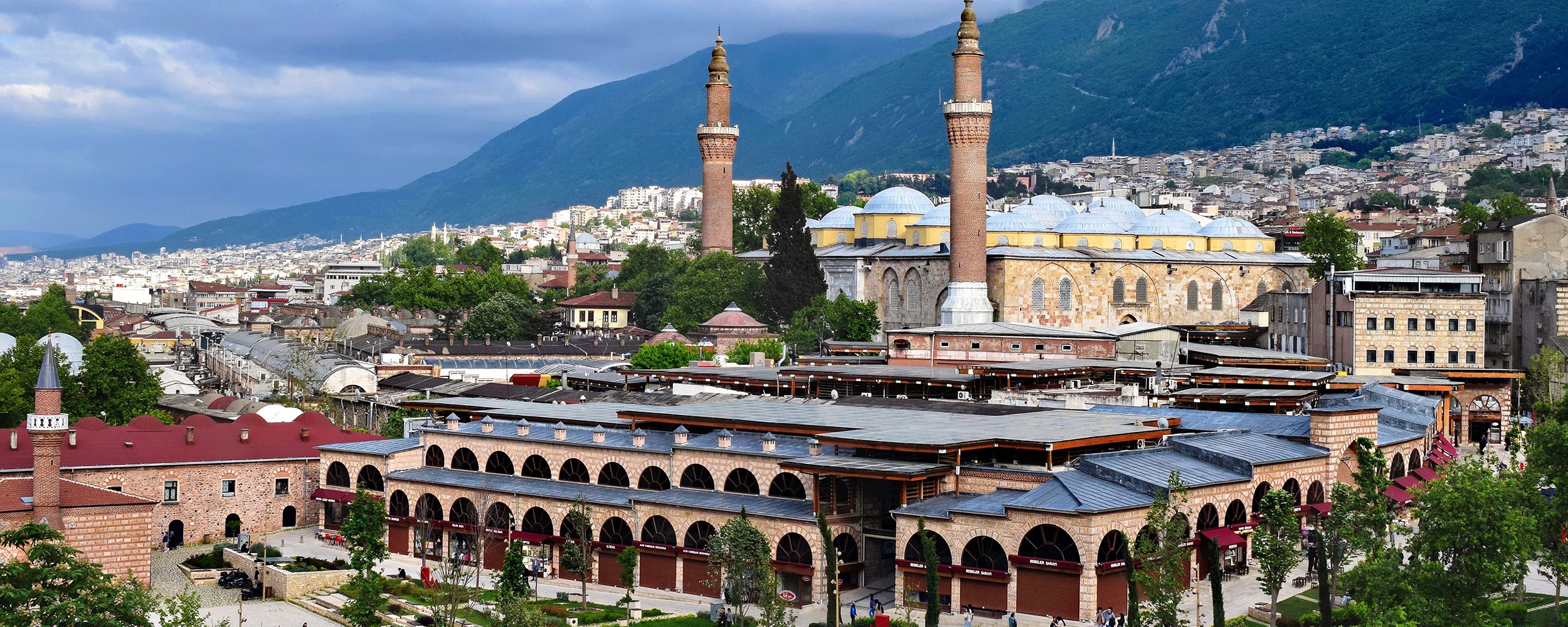
Food establishments around Bursa’s old commercial districts offer a good opportunity to combine sightseeing with regional cuisine.

Local Product Shops

Bottled geographically indicated products may be available from shops specialising in Bursa foods and regional gifts.

Ask for Bursa Üzüm Şırası

Using the Turkish name makes it easier to distinguish the local drink from ordinary bottled grape juice.


If you specifically want a fresh traditional version, ask whether the establishment prepares its own şıra and when the current batch was made. For bottled products, check the label, storage instructions, and geographical-indication marking where applicable.

Bursa Grape Must Visitor Tips

Order It Cold

The drink is most refreshing when properly chilled, particularly beside a hot meat dish.

Ask If It Is Fresh

Traditional şıra has a short refrigerated life, so asking when it was prepared can help you find the best example.

Try It with Pideli Köfte

The combination of cool grape flavour with grilled meatballs, pita, butter, tomato sauce, and yoghurt is particularly satisfying.

Compare Fresh and Bottled

If possible, taste both styles to understand how traditional fresh production differs from pasteurised commercial versions.

Expect Different Sweetness Levels

Because white sugar is optional and may be adjusted, sweetness can vary from one producer to another.

Look for the Local Name

Search for Bursa Üzüm Şırası on menus and product labels rather than relying only on the English phrase “grape must.”

Keep Fresh Şıra Chilled

If you buy a freshly prepared version to take away, follow the producer’s refrigeration and consumption instructions carefully.

Build a Bursa Food Tasting

Combine şıra with cantık, pideli köfte, Bursa kebab, chestnut candy, tahini pide, or milk halva for a broader culinary experience.

Frequently Asked Questions About Bursa Grape Must

What is Bursa grape must?

Bursa grape must, or Bursa Üzüm Şırası, is a traditional non-alcoholic Bursa beverage made primarily from seeded black dried grapes and drinking water, with white sugar used optionally.

What is Bursa grape must called in Turkish?

Its official Turkish name is Bursa Üzüm Şırası.

Is Bursa grape must alcoholic?

The registered product is classified as a non-alcoholic beverage. Fresh traditional şıra should be stored cold and consumed promptly according to the registered preparation guidance.

Is Bursa grape must the same as ordinary grape juice?

Not exactly. The registered Bursa drink is characteristically prepared from seeded black dried grapes soaked and extracted with water rather than simply pressing fresh grapes.

Is Bursa grape must geographically indicated?

Yes. Bursa Üzüm Şırası is registered by the Turkish Patent and Trademark Office as a geographical indication.

What is the registration number?

Its geographical-indication registration number is 838.

When was Bursa Üzüm Şırası registered?

The registration date is 9 August 2021.

Who registered Bursa grape must?

The applicant and registrant is the Bursa Chamber of Commerce and Industry.

What type of grapes are used?

Dark-coloured grapes suitable for drying are used. The official description refers to varieties such as Öküzgözü and emphasises large seeds and relatively thin skins.

Are the grapes fresh or dried?

The defining ingredient is seeded black dried grapes.

Is sugar added?

White sugar is optional. Producers may add it to adjust sweetness and concentration according to the recognised method.

Are spices added?

No. One of the distinctive characteristics of Bursa Üzüm Şırası is that spices are not used in its production.

Why is black carrot juice used?

In industrial production, black carrot juice may be added in a controlled amount to help balance and stabilise the drink’s colour.

How is traditional Bursa grape must made?

The dried grapes are washed, crushed, mixed with drinking water, rested in a cool place, strained, adjusted with additional water and optional sugar, chilled, and served fresh.

How is industrial Bursa grape must different?

Industrial production includes heating, possible colour and acidity adjustment, pasteurisation, and hot filling into hermetically sealed bottles.

How long does fresh Bursa grape must keep?

The registered traditional method is intended for short-term consumption. Freshly prepared şıra is kept chilled at approximately +4 °C and is normally consumed within one to two days.

How is Bursa grape must served?

It is traditionally served cold in glasses or, for commercial versions, from chilled bottles.

What does Bursa grape must taste like?

Expect a fruity, dark-grape flavour with natural sweetness, gentle acidity, and a richer dried-fruit character than ordinary fresh grape juice.

What foods go well with Bursa grape must?

It pairs especially well with Bursa kebab, pideli köfte, cantık, grilled meats, and other savoury regional dishes.

Is Bursa grape must served during Ramadan?

Yes. The drink is associated with iftar tables as well as ceremonial meals, celebrations, and other special occasions in Bursa.

Where can I try authentic Bursa grape must?

Look for traditional Bursa restaurants, kebab houses, local food businesses, and shops selling regional products. Ask specifically for Bursa Üzüm Şırası.

Why is it connected with Bursa?

The drink has a long-standing place in Bursa’s food culture, is mentioned in historical and travel literature associated with the region, and has a registered production tradition linked to Bursa Province.

Is Bursa grape must worth trying?

Yes. It offers an easy and refreshing way to experience Bursa’s culinary heritage and pairs particularly well with the city’s famous savoury dishes.

Best Photos of Bursa Grape Must

The deep colour of the drink, traditional Bursa table settings, copperware, kebab dishes, historic bazaars, and Ottoman architecture can make Bursa Üzüm Şırası especially attractive for food and travel photography.

Ruby-Coloured Glass

Photograph the drink with light passing through the glass to reveal its red-purple tones.

With Pideli Köfte

Frame a chilled glass beside Bursa’s famous meatballs, pita, tomato sauce, yoghurt, and butter.

With Bursa Kebab

Use the contrast between the dark drink, grilled meat, red sauce, bread, and white yoghurt for a classic local-food composition.

Raisins and Ingredients

Include seeded black dried grapes beside the finished beverage to tell the story of how the drink is made.

Traditional Restaurant Table

Capture şıra as part of a complete Bursa meal rather than photographing the glass alone.

Historic Bursa Background

Combine food photography with the city’s hans, bazaars, tilework, stone streets, and Ottoman landmarks.


If photographing inside a restaurant or production area, ask permission before photographing staff, preparation spaces, or other guests.

Bursa Tours and Culinary Experiences

Discover Bursa’s Ottoman heritage, historic bazaars, traditional neighbourhoods, and regional food culture with private arrangements designed around your interests.

Private Bursa Experiences

Combine major landmarks with time for local dishes such as pideli köfte, cantık, Bursa kebab, chestnut candy, milk halva, tahini pide, and chilled Bursa Üzüm Şırası.

Explore More of Bursa

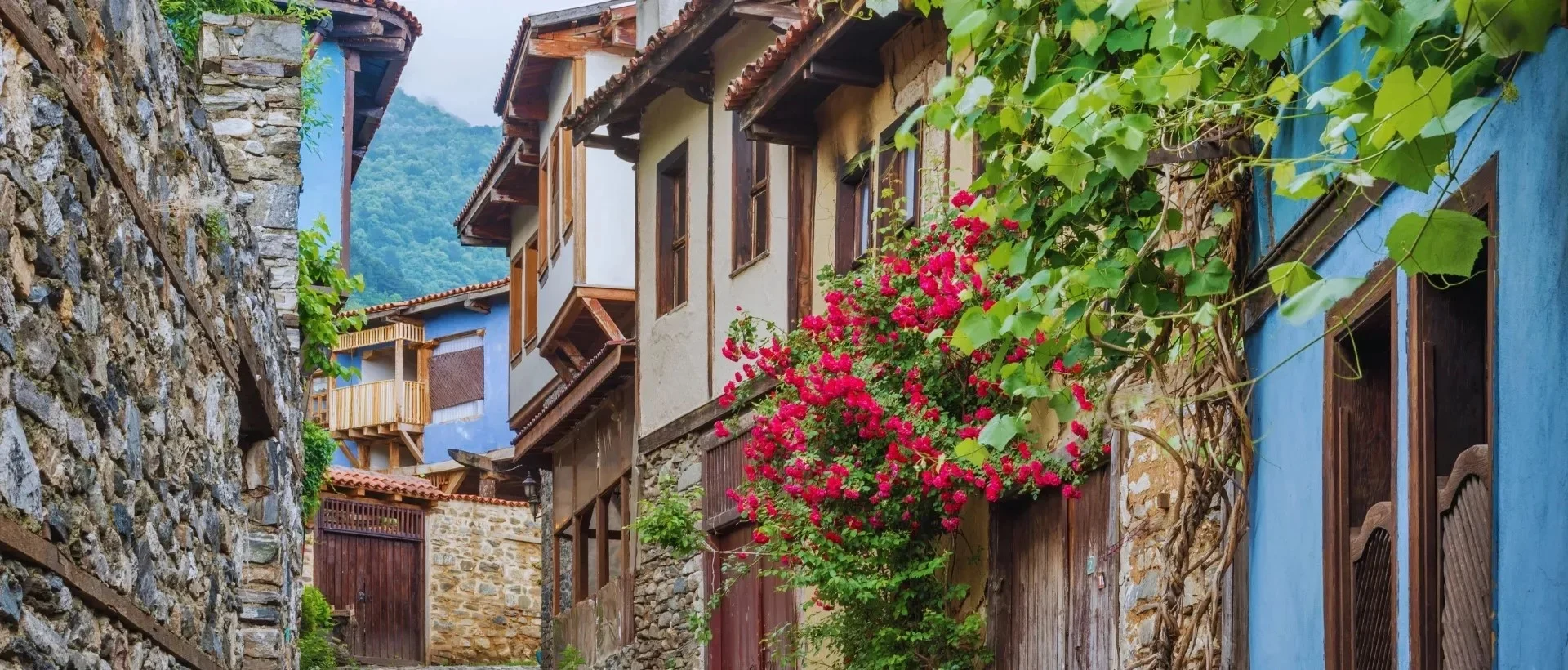
Add Cumalıkızık, İznik, Ottoman monuments, silk-trade history, and regional food experiences to a privately designed Bursa itinerary.