A Traditional Cheese Dessert from Çanakkale

Biga Cheese Dessert – Complete Food Guide

Discover fresh unsalted cheese, golden baked dough, fragrant syrup,
and one of Çanakkale’s most distinctive geographically indicated desserts.

Discover Biga Cheese Dessert

Discover Biga Cheese Dessert

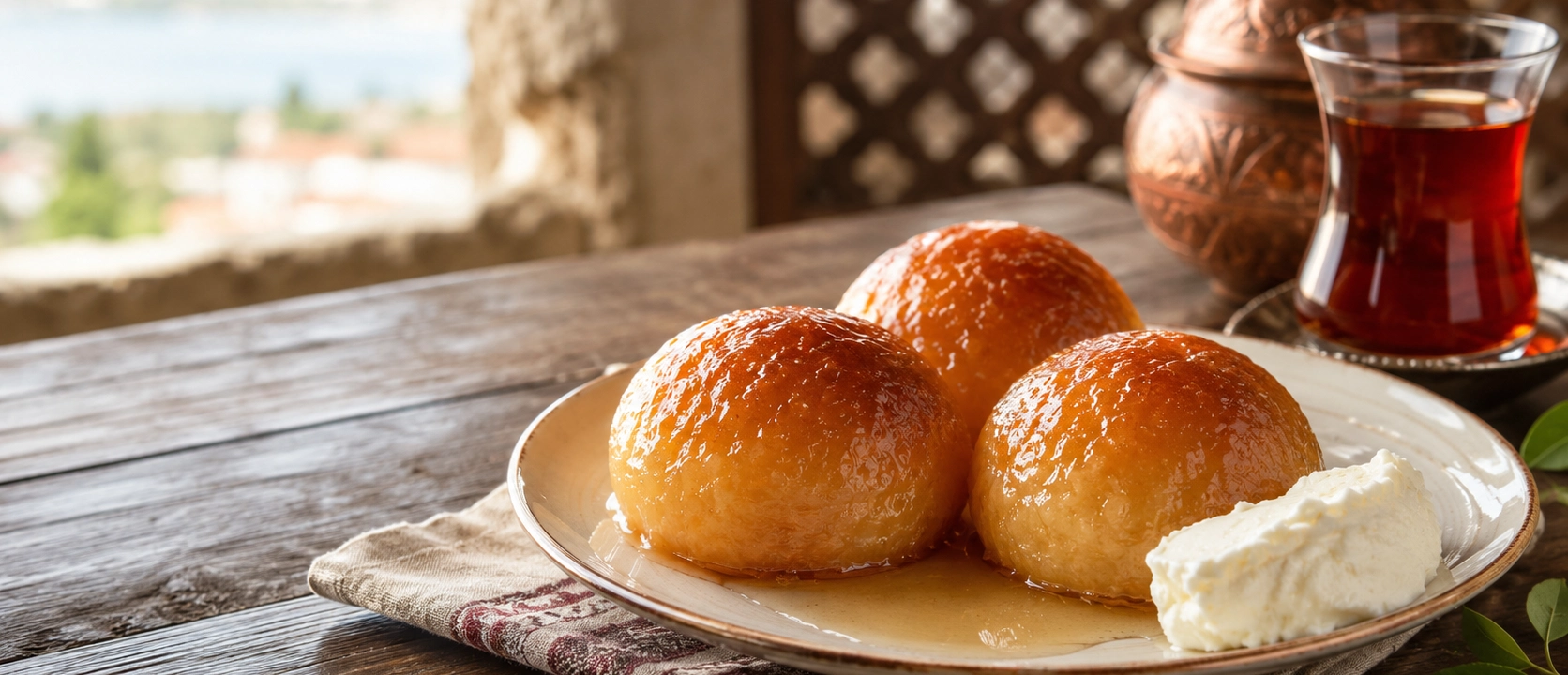
Biga Cheese Dessert, locally known as Biga Peynir Tatlısı, is a traditional speciality associated with Biga and the wider province of Çanakkale. It is prepared from fresh cheese made without salt, special-purpose wheat flour, eggs, water, and baking soda. The dough is shaped into small rounded portions, baked until golden, cooled, and then cooked in sugar syrup until the pieces absorb the syrup and develop their characteristic glossy appearance.

What makes Biga Peynir Tatlısı distinctive is the unusually high proportion of fresh cheese in the dough and the importance of skilled preparation. The finished dessert should have an amber-brown colour, a rounded and swollen form, a noticeable fresh-cheese flavour, and enough structure to remain intact after syruping. It is enjoyed in everyday life as well as at weddings, holidays, festivals, and other special occasions throughout Çanakkale.

Fresh Unsalted Cheese

The registered preparation uses fresh cheese produced without salt, giving the dessert its characteristic dairy-rich flavour.

Golden Baked Dough

The shaped portions are baked until properly coloured before they are cooled and prepared for syruping.

Sweet Syrup

The baked pieces are simmered in sugar syrup until they absorb sweetness while keeping their shape.

Çanakkale Tradition

The dessert is associated with local food culture and is traditionally served both in daily life and on special occasions.

Know Before You Taste

Biga Cheese Dessert – Quick Facts

Essential information about one of Çanakkale’s best-known traditional cheese desserts.

📍

Origin

Biga and the province of Çanakkale in northwestern Türkiye.

Open Biga on Google Maps
🧀

Main Ingredient

Fresh cheese produced without salt, combined with flour, eggs, water, and baking soda.

🍯

Serving Style

Baked cheese-dough pieces are cooked in sugar syrup and may be served with kaymak or ice cream.

🏅

Geographical Indication

Registered by TÜRKPATENT as Biga Peynir Tatlısı with registration number 1312.


A Dessert with Local Identity

The Culinary Tradition of Biga Cheese Dessert

Discover why this cheese-based sweet is closely connected with the food culture of Çanakkale.

Biga lies in the northeastern part of Çanakkale Province, in a region where agriculture, livestock raising, milk production, grains, and local food traditions have long shaped everyday cuisine. Fresh dairy products therefore occupy an important place in the area’s culinary identity.

Biga Peynir Tatlısı transforms fresh unsalted cheese into a sweet baked product. Instead of placing cheese inside a separate pastry shell, the cheese is worked directly into the dough together with flour, egg, water, and baking soda.

After baking, the pieces are cooled and can be stored as a semi-finished product before being sweetened. The final stage takes place when they are simmered in hot sugar syrup, allowing the baked pieces to expand, soften, become glossy, and absorb the syrup.

The dessert is not limited to restaurant menus. Its geographical-indication record specifically connects it with daily meals and with communal occasions such as weddings, holidays, and festivals, showing that it functions as both an everyday sweet and a celebratory food.

Successful production requires experience. The cheese must be prepared correctly, the dough must reach the right soft and homogeneous consistency, the pieces must be shaped evenly, and the baking must create enough structure for the dessert to absorb syrup without breaking apart.

These ingredients, techniques, and established regional reputation led to the official registration of Biga Peynir Tatlısı as a geographically indicated product associated with Çanakkale.


What Makes It Special

Distinctive Features of Biga Cheese Dessert

The character of the dessert comes from its fresh cheese, soft dough, controlled baking, syruping technique, and final texture.

Fresh Unsalted Cheese

Fresh cheese is the defining ingredient. The registered preparation requires cheese made without salt, allowing its clean dairy flavour to remain noticeable even after baking and syruping.

  • Average proportion: 40%
  • Character: Fresh and unsalted
  • Role: Dominant flavour and soft texture

Special-Purpose Wheat Flour

Wheat flour provides the structure needed to hold the cheese-rich mixture together during shaping, baking, cooling, and syrup absorption.

  • Average proportion: 35%
  • Function: Structure and body
  • Importance: Helps prevent breakage after syruping

Egg and Water

Egg and water help bind and soften the mixture. They are incorporated as part of a carefully controlled dough-making process.

  • Water: Approximately 18%
  • Egg: Approximately 6%
  • Result: Soft, workable dough

Baking Soda

A small amount of baking soda contributes to the dessert’s characteristic raised and rounded appearance during baking.

  • Average proportion: 1%
  • Purpose: Supports expansion
  • Appearance: Rounded, swollen surface

Amber-Brown Colour

Properly baked Biga cheese dessert should develop an attractive amber-brown colour and should not appear burnt, overly dark, or pale and underbaked.

  • Ideal colour: Amber-brown tones
  • Surface: Glossy after syruping
  • Goal: Even, complete baking

Rounded Shape

Before baking, the dough is formed into small rounded, outwardly convex, semi-spherical portions that retain their recognizable shape after cooking.

  • Form: Semi-spherical
  • Profile: Rounded and convex
  • Finished look: Raised and swollen

Syrup Absorption

The baked pieces are simmered in hot syrup until they absorb sweetness and become glossy while remaining intact.

  • Syrup base: Sugar and water
  • Optional: Lemon juice or citric acid
  • Key quality: Should not break apart

Skill and Timing

The dessert depends on experienced handling at several stages, particularly creating a homogeneous dough, judging its softness, baking evenly, and controlling syrup absorption.

  • Key skill: Dough consistency
  • Challenge: Balanced baking
  • Final goal: Soft but structurally intact dessert

Biga Cheese Dessert’s Geographical Indication

Biga Peynir Tatlısı is officially registered by the Turkish Patent and Trademark Office as a geographically indicated product associated with Çanakkale Province.

Registration Name

The official registered name is Biga Peynir Tatlısı.

Registration Number

The product carries geographical-indication registration number 1312.

Registration Date

The registration was completed on 11 January 2023.

Type

The geographical indication is registered as a Mahreç İşareti.

Registered Institution

The registration holder is the Biga Chamber of Commerce and Industry.

Geographical Boundary

The defined geographical boundary is the entire province of Çanakkale.


The registration defines the dessert’s principal ingredients, production ratios, shaping, baking, storage, syruping, presentation, and physical characteristics. It also records the established reputation linking Biga Peynir Tatlısı with the culinary culture of Çanakkale.

According to the registration, all stages of production must take place within the defined geographical boundary.

Ingredients Used in Biga Cheese Dessert

The registered preparation uses a relatively short ingredient list. Its distinctive character comes from the high proportion of fresh cheese and from careful control of dough consistency, baking, and syruping.

Fresh Cheese

Approximately 40% fresh cheese produced without salt.

Wheat Flour

Approximately 35% special-purpose wheat flour.

Water

Approximately 18% water is incorporated into the dough.

Egg

Approximately 6% egg helps bind and enrich the dough.

Baking Soda

Approximately 1% baking soda is used in the mixture.


Traditional Syrup

Water Water forms the liquid base of the syrup
White Granulated Sugar Provides the sweetness absorbed by the baked cheese pieces
Optional Lemon Juice A small quantity may be added to the syrup
Optional Citric Acid May be used instead of lemon juice according to the registered method

How Biga Cheese Dessert Is Prepared

Traditional production follows a precise sequence. The order of the ingredients, dough texture, baking, cooling, and syruping all influence the finished dessert.

1. Prepare the Cheese Grind or break the fresh unsalted cheese into small pieces before mixing it into the dough
2. Add the Egg Place the egg into a sufficiently large mixing vessel as the first ingredient
3. Add the Cheese Incorporate the prepared fresh cheese into the egg
4. Add the Flour Add the special-purpose wheat flour to begin creating the body of the dough
5. Add Baking Soda Mix in the measured baking soda
6. Add Water Add water and continue kneading until the dough reaches the desired soft consistency
7. Knead Until Homogeneous Work the mixture carefully so that the cheese and other ingredients are evenly distributed
8. Shape the Pieces Form the dough by hand or equipment into rounded, convex, semi-spherical portions
9. Bake Bake until the pieces are properly cooked and develop their characteristic golden to amber-brown colour
10. Cool Completely Allow the baked pieces to rest and cool before syruping
11. Prepare the Syrup Boil sugar and water, optionally adding lemon juice or citric acid
12. Simmer in Syrup Add the baked cheese desserts to the boiling syrup and cook until they absorb the syrup
13. Serve Transfer to serving plates and offer plain or with optional kaymak, ice cream, or decorative toppings

How Biga Cheese Dessert Is Baked

The geographical-indication specification describes different baking methods depending on the type of oven. The objective is the same: a fully baked, evenly coloured piece with enough structure to survive cooling and later syruping.

Steam Oven

The registered method gives an average baking temperature of 250°C for approximately 20 minutes.

Non-Steam Oven

An alternative method uses approximately 170°C for around 40 minutes.

Optional Double Baking

A second baking stage may be used to extend the shelf life of the semi-finished product.

Cooling

After baking, the pieces are rested until cool, creating the semi-finished form ready for syruping.


The ideal baked piece should be neither burnt nor pale. Proper colour and structure are especially important because the dessert will later spend time simmering in hot syrup.

How Biga Cheese Dessert Is Soaked in Syrup

Syruping transforms the cooled baked product into the finished dessert. During this stage, the pieces absorb the sweet liquid, soften, expand, and develop their glossy surface.

Prepare the Syrup Combine white granulated sugar and water in a large pot and bring the mixture to a boil
Add Optional Acidity Lemon juice or citric acid may be added according to preference and the registered production method
Continue Boiling After the syrup reaches the boil, it is cooked for approximately 10 more minutes
Add the Baked Desserts Place the cooled semi-finished Biga cheese desserts directly into the boiling syrup
Allow Them to Absorb Cook the pieces in the syrup for approximately 20 minutes so they can absorb the liquid
Plate Carefully Transfer the syruped pieces to serving plates without breaking their rounded form

What Should Biga Cheese Dessert Look Like?

The registered description gives Biga Peynir Tatlısı a clear visual identity. Appearance is important because colour, shape, swelling, gloss, and structural integrity all indicate successful preparation.

Colour

Golden to amber-brown tones rather than a pale, white, or burnt exterior.

Shape

A rounded, convex, semi-spherical form with a raised profile.

Surface

The finished dessert should look swollen and become attractively glossy after syruping.

Structure

A well-prepared piece should absorb the syrup without collapsing or breaking apart.

What Does Biga Cheese Dessert Taste Like?

Biga cheese dessert combines dairy richness with the sweetness of syrup. Unlike many syrup desserts in which the pastry itself has a neutral flavour, the fresh cheese remains an important and noticeable part of the finished taste.

Fresh Cheese

The dominant flavour is mild, fresh dairy rather than salty or aged cheese.

Baked Dough

Baking creates a lightly toasted aroma and enough structure to support the syrup.

Syrup

The sugar syrup provides sweetness and moisture while giving the surface a glossy finish.

Optional Toppings

Kaymak adds extra creaminess, while ice cream introduces a cool contrast to the syrup-soaked dessert.


Visitors who enjoy Turkish syrup desserts but want something with a stronger dairy character will find Biga Peynir Tatlısı especially interesting.

How Biga Cheese Dessert Is Served

Once the pieces have absorbed the syrup, they are transferred to serving plates. They can be enjoyed simply with their own syrup or accompanied by richer dairy toppings.

Plain Served directly after syruping so the cheese flavour remains the main focus
With Kaymak Turkish clotted cream adds a rich, cool, and creamy contrast
With Ice Cream A scoop of ice cream can be served beside the dessert for temperature and texture contrast
Decorated Some presentations include optional decorative toppings according to the establishment

Serving styles may vary between bakeries, restaurants, homes, and festivals, but the essential element remains the syruped cheese-based dessert itself.

Biga Cheese Dessert at Weddings, Holidays and Festivals

Biga Peynir Tatlısı has a social role as well as a culinary one. The official registration specifically records its preparation and consumption during special occasions in Çanakkale.

Daily Meals

The dessert can be enjoyed as part of ordinary local dining and is not restricted to ceremonial occasions.

Weddings

It has traditionally been prepared and offered during wedding celebrations and shared gatherings.

Religious and Public Holidays

Sweet foods play an important role in hospitality, and Biga cheese dessert may be served during holiday periods.

Festivals

The dessert also appears in local festivals and events celebrating the culinary identity of Biga and Çanakkale.

Storage and the Semi-Finished Product

One unusual feature of Biga cheese dessert is that it can be produced and stored before the syruping stage. After baking and cooling, the pieces are considered a semi-finished product ready to be sweetened later.

Cool Environment

The baked semi-finished product should be kept in an appropriately cool environment.

Dry Conditions

Storage areas should be free from excessive moisture.

Away from Odours

The product should be protected from strong surrounding odours that could affect its flavour.

No Direct Sunlight

Direct sunlight should be avoided during storage.


Commercially produced semi-finished pieces may be packaged in food-safe materials or supplied in bulk in accordance with applicable food regulations. The syruping stage can then be completed before service.

Where to Try Biga Cheese Dessert

The most natural place to look for Biga Peynir Tatlısı is in Biga itself and elsewhere in Çanakkale Province. Traditional bakeries, dessert shops, restaurants, local markets, and regional food events are the most likely places to encounter it.

Biga Town Centre

Local bakeries and sweet shops in Biga offer the strongest connection with the dessert’s place-name and regional identity.

Çanakkale City

Regional-product shops and restaurants in central Çanakkale may also offer locally produced Biga cheese dessert.

Traditional Bakeries

Look for businesses selling the baked semi-finished product as well as ready-syruped portions.

Festivals and Local Events

Regional festivals can be an excellent opportunity to taste the dessert together with other Çanakkale products.


Availability can change by season and establishment. If tasting Biga Peynir Tatlısı is an important part of your trip, confirm availability locally before making a special journey.

Biga Cheese Dessert Visitor Tips

Try It in Biga

Tasting the dessert in the district whose name it carries gives the strongest sense of place and culinary context.

Ask If It Is Freshly Syruped

Freshly prepared portions can show the contrast between the baked structure and the warm, absorbed syrup particularly well.

Compare Plain and Kaymak

Try one bite plain before adding kaymak so you can notice the characteristic fresh-cheese flavour.

Do Not Expect Cheesecake

This is a Turkish syrup dessert with cheese worked into the dough, not a creamy Western-style cheesecake.

Look at the Colour

A good piece should have a golden to amber-brown appearance rather than looking pale or heavily burnt.

Notice the Shape

The dessert should remain rounded and intact after syruping rather than collapsing into the syrup.

Ask About Takeaway Packs

Some producers may sell the baked semi-finished dessert so that the syruping stage can be completed later.

Pair It with Tea

Turkish tea provides a pleasantly unsweetened contrast after a rich syrup dessert.

Other Local Foods to Discover in Çanakkale

Biga cheese dessert is one part of a broader regional food culture shaped by dairy farming, olive cultivation, grains, fruit, coastal produce, and local agricultural traditions.

Bayramiç Tahini Halva

Discover a geographically indicated sesame-based sweet associated with the Bayramiç district of Çanakkale.

Ezine Cheese

Explore one of Türkiye’s most celebrated regional cheeses, closely associated with the Ezine area of Çanakkale.

Biga Rice

Another geographically indicated product connected with the agricultural traditions of the Biga district.

Çanakkale Tomato

A celebrated regional tomato known for its flavour and strong association with local agriculture.

Frequently Asked Questions About Biga Cheese Dessert

What is Biga cheese dessert?

Biga cheese dessert is a traditional Çanakkale speciality made from fresh unsalted cheese, wheat flour, water, egg, and baking soda. The dough is shaped, baked, cooled, and then cooked in sugar syrup before serving.

What is Biga cheese dessert called in Turkish?

It is called Biga Peynir Tatlısı.

Where does Biga cheese dessert come from?

It is associated with Biga and the wider province of Çanakkale in northwestern Türkiye. Its registered geographical boundary is Çanakkale Province.

Is Biga cheese dessert geographically indicated?

Yes. Biga Peynir Tatlısı is registered by the Turkish Patent and Trademark Office with registration number 1312.

When was Biga cheese dessert registered?

Its geographical-indication registration was completed on 11 January 2023.

Who registered Biga Peynir Tatlısı?

The registration holder is the Biga Chamber of Commerce and Industry.

What type of cheese is used?

The registered preparation uses fresh cheese produced without salt. The cheese is ground or broken into small pieces before being incorporated into the dough.

How much cheese is in the dough?

The registered average ingredient ratio is approximately 40% fresh cheese.

What other ingredients are used?

The dough also contains special-purpose wheat flour, water, egg, and baking soda.

Is Biga cheese dessert baked or fried?

It is baked. The shaped dough portions are cooked in an oven before they are cooled and later simmered in syrup.

Why is the dessert cooled before syruping?

Cooling creates the semi-finished baked product and allows the pieces to develop enough structure before they are placed into hot syrup.

How is the syrup prepared?

Sugar and water are boiled together. Lemon juice or citric acid may optionally be added before the baked cheese pieces are placed into the hot syrup.

How long is Biga cheese dessert cooked in syrup?

The registered method describes simmering the pieces in syrup for approximately 20 minutes so they can absorb the liquid.

What should the finished dessert look like?

It should have a glossy appearance, amber-brown colour, rounded semi-spherical form, and a raised or swollen surface.

What does Biga cheese dessert taste like?

It is sweet and syrupy but has a noticeable fresh-cheese flavour that distinguishes it from many other Turkish syrup desserts.

Is Biga cheese dessert salty?

No. The registered recipe specifically uses fresh cheese produced without salt.

Is Biga cheese dessert served with kaymak?

Yes. It may be served plain or accompanied by kaymak, Turkish clotted cream.

Can it be served with ice cream?

Yes. Ice cream is also listed as an optional accompaniment.

Is Biga cheese dessert eaten on special occasions?

Yes. It is associated with weddings, holidays, festivals, and other communal occasions as well as everyday meals.

Can Biga cheese dessert be sold before syruping?

Yes. The baked and cooled dessert can be handled as a semi-finished product before the syrup is added.

Where can I try Biga cheese dessert?

Look for traditional bakeries, dessert shops, restaurants, and regional-product sellers in Biga and elsewhere in Çanakkale Province.

Is Biga cheese dessert worth trying?

Yes. It offers a distinctive combination of fresh dairy flavour, baked dough, syrup, and regional culinary heritage that is quite different from better-known Turkish desserts.

Best Photos of Biga Cheese Dessert

The dessert’s golden colour, glossy syrup, rounded shape, creamy accompaniments, and connection with the rural landscapes of Çanakkale make it an attractive subject for food and travel photography.

Freshly Baked Pieces

Photograph the dessert before syruping to show its rounded shape and golden baked surface.

Into the Syrup

Capture the moment the baked pieces are added to the hot syrup and begin absorbing the liquid.

Glossy Finished Surface

Close-up photographs work especially well once the dessert has become shiny and amber-coloured.

With Kaymak

The contrast between amber syrup and white kaymak creates a strong traditional food composition.

With Turkish Tea

A tea glass beside the dessert helps create a recognisably Turkish table setting.

Biga and Çanakkale Context

Combine food photography with local markets, agricultural landscapes, traditional shops, and regional architecture.


Ask permission before photographing bakery staff, producers, or other guests, especially in small local businesses.

Çanakkale Tours and Regional Experiences

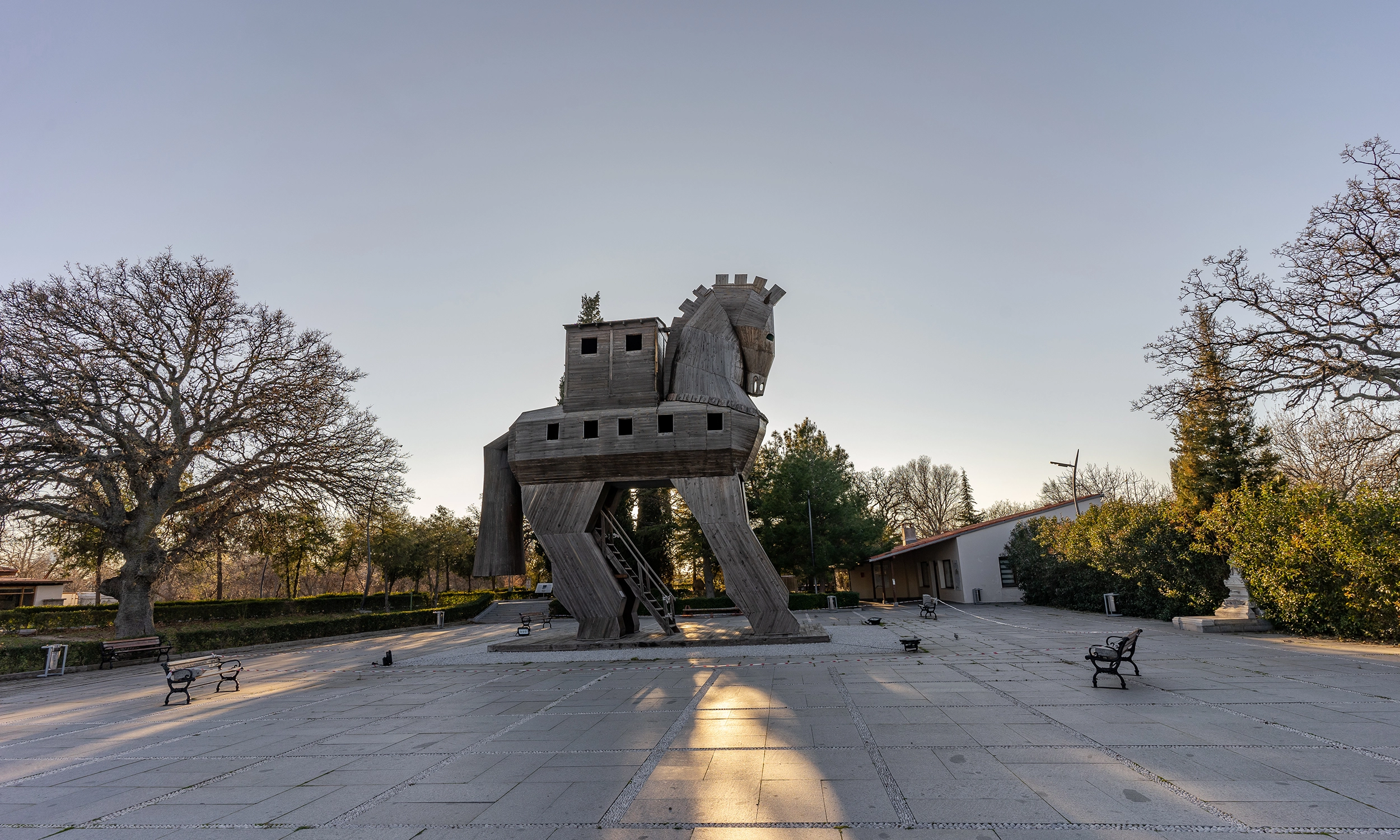
Combine Çanakkale’s local flavours with Troy, Gallipoli, Assos, the Dardanelles, traditional towns, and the landscapes of the northern Aegean.

Private Çanakkale Experiences

Custom-designed journeys can include archaeological sites, memorial landscapes, villages, local markets, and regional food stops according to your interests.