Stale Bread
Papara is traditionally associated with using bread that has lost its freshness but is still perfectly suitable for cooking.
- Role: Main base
- Preparation: Cut or broken into pieces
- Tradition: Helps avoid food waste






Papara is one of the traditional dishes associated with Yalova’s local cuisine. Yalova Municipality includes Papara among the province’s characteristic foods and describes it as a dish enriched with yogurt and butter.
Other published descriptions of Yalova Papara explain its practical home-kitchen character: stale bread is softened with broth, then commonly finished with yogurt and a buttery or tomato-based sauce. The result sits somewhere between a bread-based casserole, a soft tirit-style dish and deeply comforting home cooking.
Papara is closely associated with making good use of bread that is no longer fresh.
Broth moistens the bread and creates the soft, spoonable texture typical of the dish.
Yalova Municipality specifically highlights yogurt and butter as characteristic elements of Papara.
Its appeal comes from transforming modest ingredients into a warm and satisfying meal.
Essential information about one of Yalova’s traditional bread-based dishes.
Papara is included in Yalova Municipality’s official presentation of the city’s gastronomy.
Open Yalova on Google MapsPublished descriptions of Yalova Papara commonly begin with stale bread cut or broken into pieces.
Broth is traditionally used to soften the bread and bring the components together.
Yogurt and butter are among the defining accompaniments highlighted in Yalova’s municipal gastronomy description.
Papara reflects a traditional way of turning everyday bread into a complete, warming meal.
Papara belongs to a broad family of Anatolian and Balkan-influenced bread dishes in which yesterday’s bread is softened and transformed rather than wasted. In Yalova, it has become part of the city’s recognised culinary identity.
Yalova Municipality describes the province’s food culture as a meeting point of Balkan, Black Sea and Anatolian traditions, shaped in part by migration. Within that wider culinary landscape, Papara appears alongside dishes such as Yaprak Pidesi, Milföylü Yalova Kebabı, Termal Çorbası, Pavli, Tavuklu Mantı and Ispanaklı Yalova Böreği.
Published local-food descriptions emphasise the dish’s thrifty purpose: stale bread is cut or broken up and then softened with broth. Earlier home preparations are often described as using bread warmed or toasted on a stove, while modern versions may use a pan or oven.
The softened bread is then enriched with accompaniments such as yogurt, butter and a savoury sauce. Some versions add garlic to the yogurt, tomato paste or red pepper to the butter, and occasionally minced meat or cheese.
Because Papara is fundamentally a household dish rather than a rigid restaurant formula, exact proportions and toppings can differ from one kitchen to another. The consistent idea is simple: bread, moisture, richness and a savoury finish.
Its identity comes from softened bread, warm broth, yogurt and a buttery savoury topping.
Papara is traditionally associated with using bread that has lost its freshness but is still perfectly suitable for cooking.
Warm broth is poured over the bread so that it softens without simply becoming plain soaked bread.
Yogurt adds coolness, acidity and creaminess to the warm bread and broth.
Butter gives Papara its rich finish and can carry red pepper or tomato paste in some preparations.
Some Yalova descriptions mention a tomato-paste sauce served with Papara for extra colour and savoury depth.
Garlic may be mixed into the yogurt, creating a familiar Turkish combination with butter and pepper.
The bread should absorb enough broth to become tender while still retaining some structure.
Some versions may include minced meat, cheese, herbs or different pepper-based finishes.
Unlike some of Yalova’s officially published recipes, Papara does not appear on the current Provincial Directorate of Culture and Tourism recipe list with fixed ingredient measurements. The most consistent Yalova descriptions identify stale bread, broth, yogurt and butter as the central elements, with tomato paste, red pepper, garlic and other toppings appearing in different versions.
The foundation of the dish and the ingredient that gives Papara its traditional waste-conscious character.
Used to soften the bread and give it a savoury, comforting flavour.
Adds creaminess and acidity and is specifically associated with Yalova Papara.
Provides richness and is commonly warmed before being poured over the finished dish.
A common optional addition to the butter for a deeper red, savoury sauce.
Pul biber or another red-pepper seasoning may be bloomed in butter for extra warmth.
Frequently paired with yogurt in Turkish-style versions of this bread dish.
Some household variations add minced meat or cheese, but these should not be treated as universal.
Recipe note: Papara is best understood as a traditional preparation method rather than one absolutely fixed formula. The balance of bread, broth, yogurt and butter can be adjusted according to the bread’s dryness and the preferred final texture.
Published descriptions of Yalova Papara suggest a straightforward method: stale bread is prepared in pieces, warmed or lightly toasted if desired, softened with hot broth and then finished with yogurt and a buttery savoury topping.
Papara is closely associated with the practical tradition of using stale bread instead of discarding it. Bread that has dried slightly can absorb broth while still retaining enough body to create a satisfying texture.
Slightly dry bread absorbs hot broth more readily than very fresh, soft bread.
The dish turns leftover bread into the foundation of a complete savoury meal.
Toasting can help the bread retain some structure after broth is added.
Papara demonstrates how traditional home cooking builds flavour from simple pantry staples.
One of Papara’s most appealing features is the contrast between the warm, savoury broth-soaked bread and the cool creaminess of yogurt. Yalova Municipality specifically identifies yogurt as part of the dish’s character, while other local-food descriptions mention broth as the element used to soften the bread.
Yalova Municipality highlights butter as a characteristic part of Papara. In many preparations, butter is heated separately and poured over the dish just before serving. Some versions add red pepper or tomato paste to the butter, producing a fragrant, colourful sauce.
The simplest finish adds richness without changing the basic flavour of bread, broth and yogurt.
A little pul biber can be warmed briefly in butter for colour and gentle heat.
Tomato paste creates a deeper savoury sauce and is mentioned in published descriptions of Yalova Papara.
The warm butter should reach the table while aromatic and freshly spooned over the yogurt.
Papara has a soft, savoury and deeply comforting flavour profile. The bread absorbs the broth, yogurt brings tang and creaminess, and butter adds richness. If tomato paste or red pepper is used, the dish gains a warmer, slightly spiced finish.
Warm softened bread and broth give Papara the character of classic home cooking.
Yogurt cuts through the richness and keeps the dish from feeling too heavy.
Melted butter provides aroma and richness in the final layer.
Broth, tomato paste, garlic or red pepper can deepen the flavour without overwhelming the bread.
Papara is generally served in a shallow bowl, tray or plate so that the softened bread can be covered evenly with yogurt and sauce. It is most enjoyable shortly after assembly, before the bread loses all of its structure.
The heart of Papara is not elaborate technique but resourcefulness. Bread is one of the most valued staples of the Turkish table, and traditional dishes that reuse yesterday’s loaf reflect a longstanding household instinct to avoid unnecessary waste.
Stale bread should be dry or firm but free from mould or off aromas.
Evenly sized bread pieces absorb broth at a similar rate and give a better final texture.
If the bread is still relatively fresh, a brief toast can help it behave more like traditional stale bread.
You can always add more liquid, but over-soaked bread is difficult to correct.
Papara is well suited to using good-quality broth already prepared for another meal.
Assemble the final yogurt and butter layers shortly before serving for the best texture.
A sturdy loaf usually holds its shape better after broth is added.
Hot broth is absorbed quickly and brings the dish to serving temperature.
The aim is tender bread with some body, not a completely liquid mixture.
Add the yogurt near the end so its cool, creamy character remains distinct.
Pour the melted butter over the dish soon after heating it.
If using pul biber, warm it gently in butter and avoid scorching the spice.
Garlic is a variation rather than an absolute requirement, so season according to preference.
The contrast of warm bread, cool yogurt and hot butter is part of Papara’s appeal.
Yalova Municipality includes Papara among the city’s prominent local foods and describes the wider cuisine as a meeting point of Balkan, Black Sea and Anatolian influences. This culinary diversity reflects Yalova’s layered social history and the traditions carried by communities that settled in the region.
Papara is named on Yalova Municipality’s official gastronomy page among characteristic local dishes.
Its simple method and flexible proportions are typical of dishes passed through everyday household cooking.
The dish is built around transforming leftover bread rather than preparing a separate dough from scratch.
Broth, yogurt and butter turn a modest bread base into a complete savoury plate.
For Yalova Municipality’s overview of the city’s gastronomy, see Yalova Gastronomy .
Papara is strongly connected with home cooking, so it may not appear every day on standard restaurant menus. If tasting it is important to your visit, ask esnaf lokantaları, traditional restaurants and home-style kitchens whether Papara is available that day.
Use the Turkish name “Papara” when checking menus or speaking with local restaurants.
Places specialising in daily Turkish dishes are more likely to prepare traditional bread-based foods.
If dietary restrictions matter, confirm whether the bread is softened with meat broth or another liquid.
Traditional dishes may be rotating daily specials rather than permanent menu items.
Papara is not meant to stay crisp after broth is added; its characteristic texture is moist and tender.
The texture changes as the bread continues absorbing liquid, so freshly assembled Papara is best.
Cool yogurt against warm bread and butter is one of the dish’s most distinctive sensations.
Some preparations use garlic yogurt while others keep the yogurt plain.
Do not assume the dish is vegetarian simply because no meat pieces are visible.
Minced meat, cheese, herbs or different sauces may appear in household and restaurant versions.
Papara is best appreciated as humble, warming home cooking rather than elaborate restaurant cuisine.
Pair Papara with other Yalova dishes to understand the province’s diverse culinary heritage.
Traditional Papara generally contains wheat bread, yogurt and butter. Broth is also commonly used and may be meat-based. Additional ingredients can include garlic, tomato paste, red pepper, minced meat or cheese depending on the recipe.
Standard bread contains wheat and is not suitable for a gluten-free diet.
Yogurt and butter are characteristic elements of the Yalova version described by the municipality.
Meat broth is commonly mentioned, and some variations may add minced meat.
Always confirm ingredients and cross-contact directly if you have an allergy, intolerance or strict dietary requirement.
This information describes common published versions of Yalova Papara only. It should not be treated as a guarantee that every restaurant or household uses identical bread, broth, dairy products, seasonings or preparation surfaces.
A strong photograph should make Papara immediately recognisable as a traditional bread-based dish. The bread pieces should remain visible beneath creamy yogurt and a glossy butter or red-pepper sauce rather than appearing as an indistinct soup.
Show enough structure to communicate that bread is the foundation of the dish.
A generous but natural yogurt layer helps distinguish Papara visually.
A warm glossy drizzle adds colour, richness and visual contrast.
A restrained red-pepper finish creates an appetising traditional look without over-styling.
Soft side lighting brings out the contrast between toasted bread, white yogurt and melted butter.
Papara should look like genuine home cooking rather than a highly engineered fine-dining plate.
A traditional-food stop can easily be combined with Yalova’s thermal heritage, museums, Atatürk landmarks and botanical attractions.
Explore the city’s history and local identity before discovering its regional cuisine.
Discover Yalova’s historic thermal waters, spa tradition and forest setting.
Add an important republican-era heritage stop to your Yalova itinerary.
Visit one of Yalova’s best-known Atatürk landmarks on the Marmara coast.
Explore one of Türkiye’s significant privately established botanical collections.
Continue with another distinctive Yalova attraction dedicated to miniature living trees.
Papara sits within a wider Yalova food culture that includes meat dishes, soups, pastries, stuffed preparations, cornmeal dishes, sweets and regional agricultural products.
Discover Yalova’s thick cornmeal dish served with savoury toppings or butter and molasses.
Explore Yalova’s savoury lamb preparation served in a baked puff-pastry shell.
Explore thin beef wrapped around a mushroom-and-onion filling and finished with tomato.
Try Yalova’s vegetable-rich soup finished with a yogurt, flour and egg-yolk terbiye.
Discover coiled yufka pastry filled with spinach, white cheese and yogurt.
Explore a substantial stuffed sheep-rib preparation filled with seasoned meat-and-rice pilaf.
Discover Yalova’s oven-browned mantı filled with chicken offal and rice and finished with chicken broth.
Finish with Armutlu’s spiral-fried syrup dessert, also known as Çatal Tatlısı.
Explore Yalova’s tangy okra dish with miniature rice meatballs and tomato-paste broth.
Explore Yalova’s geographically indicated forest honey connected with chestnut woodlands.
Papara is a traditional bread-based dish in which stale bread is softened with broth and commonly served with yogurt and a buttery savoury topping.
Yes. Yalova Municipality includes Papara among the characteristic foods presented in its official overview of Yalova gastronomy.
Stale bread is the main base in commonly published descriptions of the dish.
Slightly dry bread absorbs broth well and allows leftover bread to be turned into a new meal instead of being wasted.
It can be. Some descriptions mention older preparations using bread warmed on a stove, while modern home versions may toast it in a pan or oven.
Broth is commonly used to soften the bread and give it savoury flavour.
Yes. Yalova Municipality specifically describes Papara as being enriched with yogurt and butter.
It can be. Garlic yogurt is a common variation, but recipes differ and plain yogurt may also be used.
Yes. Butter is one of the characteristic elements highlighted in Yalova’s municipal gastronomy description.
Some Yalova descriptions mention a tomato-paste sauce, but this should be treated as a common variation rather than a universal requirement.
Not necessarily. Some versions add pul biber or another red pepper to the butter, so the level of heat depends on the cook.
Yes. Meat broth is commonly used, and some household variations may also add minced meat.
Some versions include cheese, but it is not required in every preparation.
The bread should be moist, tender and spoonable while ideally retaining some structure rather than becoming completely liquid.
It is better described as a bread-based dish. Although broth is used, the bread remains the main body of the preparation.
Not automatically. Many versions use meat broth, so the broth and any additional toppings should be checked before assuming it is vegetarian.
Traditional Yalova descriptions include yogurt and butter, so standard Papara is not vegan.
No. Standard Papara is made with wheat bread unless a specifically gluten-free bread is used.
Because it is simple, filling home cooking, Papara can be eaten at different times of day rather than being restricted to one formal meal.
Ask traditional restaurants, esnaf lokantaları and home-style kitchens and confirm availability in advance, because Papara may appear as a rotating daily dish rather than a permanent menu item.
The strongest hero image should clearly show rustic pieces of bread softened with broth, topped with creamy yogurt and finished with glossy butter and a restrained red-pepper or tomato-paste sauce.
This makes the bread pieces, yogurt layer and sauce visible at the same time.
Do not make the dish look like a smooth soup; individual softened pieces should still be visible.
The creamy white layer creates the strongest visual contrast with the bread and butter.
A modest butter-and-pepper or tomato-paste drizzle gives the image an appetising focal point.
Soft directional light gives the bread texture and makes melted butter look fresh.
Keep the composition rustic and believable, with no unrelated garnish or fine-dining decoration.
Turn a traditional-food stop into a wider journey through Yalova’s thermal landscapes, museums, Atatürk heritage and local flavours.
Pair your food journey with two of the province’s characteristic cultural and wellness attractions.

Explore Yalova’s history, social memory and local identity before continuing into the province’s traditional cuisine.
Discover Yalova City Museum
Discover Yalova’s historic mineral waters and spa culture as part of a wider route combining regional food, nature and heritage.
Discover Termal Hot SpringsCombine Yalova city, Termal, Atatürk heritage, gardens, countryside and regional-food stops in a personalised route.

Create a personalised day combining Yalova city, Termal, Atatürk heritage, botanical gardens, waterfalls and local cuisine.
Request a Private Journey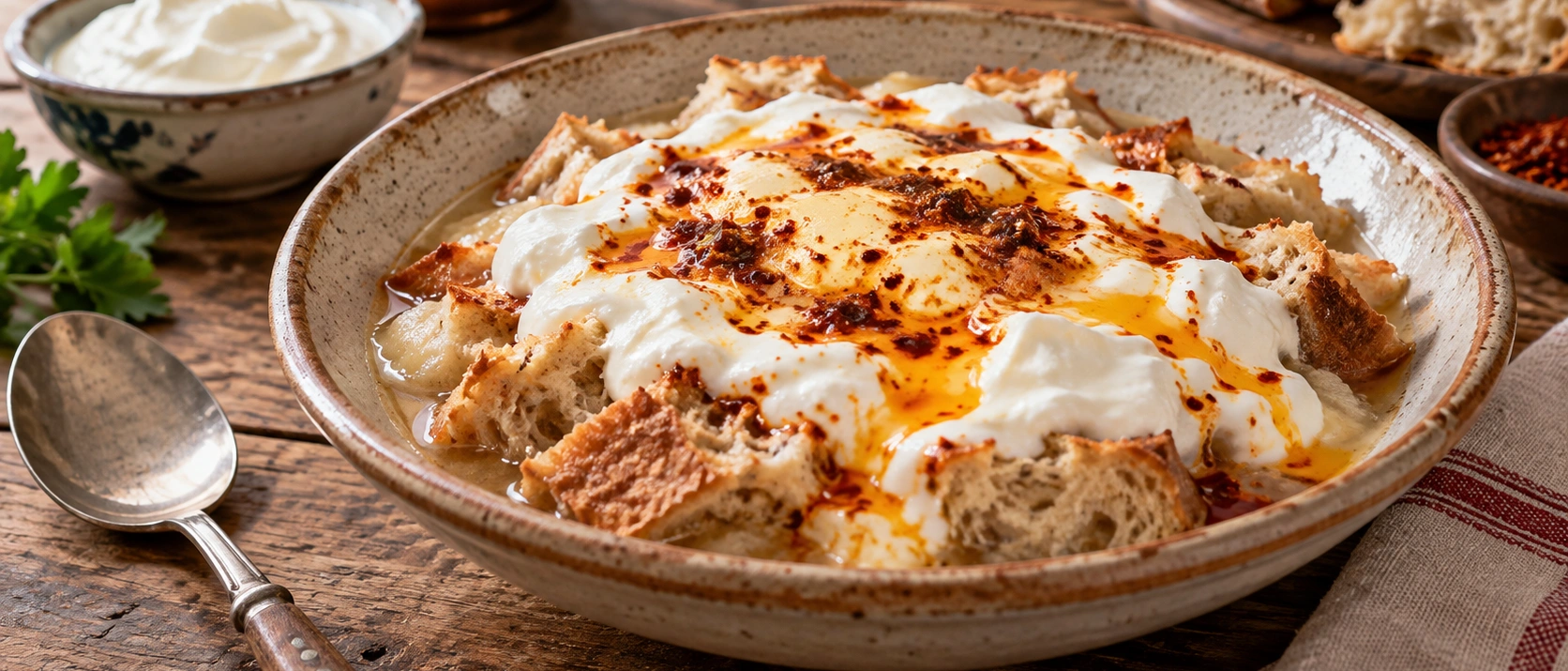
Build a food-focused route around Papara, Kaçamak, Milföylü Yalova Kebabı, Termal Çorbası, Tavuklu Mantı and other regional specialities.
Ask About Custom Options