Thinly Pounded Beef
Beef steak is divided into portions and pounded thin enough to roll around the filling.
- Main ingredient: Beef steak
- Official quantity: 120 g
- Preparation: Divided and pounded thin






Termal Sarma is a traditional meat dish associated with Yalova and named after the province’s famous Termal district. Its defining technique is straightforward but elegant: beef steaks are pounded thin, filled with sautéed onion and cultivated mushrooms, rolled into neat parcels and secured before being browned in a pan.
Türkiye’s Culture Portal records the dish as part of Yalova’s traditional cuisine, using a recipe supplied by the Yalova Provincial Directorate of Culture and Tourism. The documented version is seasoned simply with salt and black pepper, cooked with margarine and finished with a sauce made in the same pan used to brown the beef.
Steak is pounded thin so it can be wrapped neatly around the savoury filling.
Sautéed cultivated mushrooms and onion form the simple traditional centre.
The filled steaks are rolled and held together with toothpicks before cooking.
The rolls are browned in a non-stick pan and completed with a sauce prepared from the cooking pan.
Essential information about one of Yalova’s most distinctive regional meat dishes.
Termal Sarma takes its name from Termal district and is documented as part of Yalova’s traditional cuisine.
Open Termal on Google MapsThe traditional recipe is built around thinly pounded beef steak.
Onion and cultivated mushrooms are sautéed before being placed inside the beef.
The filled beef rolls are secured with toothpicks, browned in a pan and finished with sauce.
A regional beef dish combining a simple mushroom-and-onion filling with classic pan cooking.
Termal Sarma is closely associated with Termal, the Yalova district famous for its thermal springs, wooded setting and long spa tradition. Educational material prepared in Yalova describes the dish as taking its name from Termal district and as a well-known food identified with the province.
Türkiye’s Culture Portal also records Termal Sarma among Yalova’s traditional foods and identifies the Yalova Provincial Directorate of Culture and Tourism as the source of the published recipe. The portal classifies it among meat dishes, reflecting the central role of thinly prepared beef.
The documented recipe is notably concise. Beef is pounded thin; onion and cultivated mushrooms are sautéed in margarine; the filling is seasoned with salt and black pepper; and a spoonful is placed onto each steak before the meat is rolled and secured with a toothpick.
The rolls are then browned in a non-stick pan. Afterward, sauce is prepared in the same pan, taking advantage of the flavour left behind by the meat. The browned rolls are returned to the sauce and briefly brought to a boil before serving.
The official serving suggestion gives the dish a restaurant-style presentation: Termal Sarma is accompanied by potato croquettes and spaghetti dressed with butter and tomato sauce. Home and restaurant interpretations may vary, but this combination is the version preserved in Yalova’s official culinary documentation.
The identity of the dish comes from thin beef, a savoury mushroom filling and careful rolling before pan cooking.
Beef steak is divided into portions and pounded thin enough to roll around the filling.
Chopped onion is sautéed to soften it and create the savoury base of the filling.
Mushrooms are sautéed with the onion and placed inside the flattened steak.
A spoonful of filling is placed on the beef, which is then wrapped into a compact roll.
The rolls are browned in margarine in a non-stick pan before the finishing sauce is added.
The official recipe keeps seasoning restrained so the beef, onion and mushroom remain central.
Sauce is prepared in the same pan used for browning the beef, making use of the cooking flavours left behind.
The documented serving suggestion pairs the rolls with potato croquettes and tomato-sauced spaghetti.
Türkiye’s Culture Portal publishes a compact Termal Sarma recipe sourced from the Yalova Provincial Directorate of Culture and Tourism. The ingredient list is short, putting the emphasis on beef, mushroom, onion and pan cooking rather than a complicated spice mixture.
120 g of steak, divided into two pieces, forms the outer layer of the rolls.
50 g is used in the documented preparation for sautéing and pan cooking.
100 g of onion is sautéed with the mushrooms to create the filling.
30 g of mushrooms are cooked with the onion before the beef is filled.
2 g of black pepper adds the main spice note to the traditional recipe.
Salt is added as needed to season the mushroom-and-onion filling and the dish overall.
A useful recipe note: modern versions sometimes replace margarine with butter or another cooking fat, but the official Yalova recipe specifically lists margarine. If you want to reproduce the documented version as closely as possible, keep the ingredient list simple.
The traditional method depends on preparing the beef thinly enough to roll without tearing and cooking the onion-and-mushroom filling before it goes inside. Once filled and secured, the rolls are browned and then finished with sauce.
Unlike leaf-based sarma, where vegetables such as grape or cabbage leaves form the wrapper, Termal Sarma uses beef itself as the outer layer. The steak is pounded thin, turning it into a flexible sheet that can be wrapped around the cooked filling.
Pounding makes the beef easier to wrap and gives the finished roll a more even shape.
The beef performs the same structural role that a leaf or pastry might play in other stuffed dishes.
A thin exterior can colour efficiently in the pan while the filling is already cooked.
Browning the beef creates cooking juices and browned flavours that can contribute to the finishing sauce.
The traditional filling is intentionally uncomplicated. Cultivated mushrooms and onion are sautéed together in margarine and seasoned with salt and black pepper before being spooned onto the beef.
Cooking softens the onion and develops a mellow savoury sweetness inside the roll.
Mushrooms bring an earthy flavour that complements the beef without overwhelming it.
The vegetables are sautéed before rolling, so the centre is already softened when it meets the beef.
Salt and black pepper are the only seasonings listed in the official recipe.
The word sarma refers to something wrapped or rolled. In Termal Sarma, the action is literal: a portion of mushroom-and-onion filling is placed onto the flattened beef, and the meat is wrapped around it to make a compact parcel.
The official method does not treat browning and saucing as completely separate stages. After the beef rolls are cooked, the same pan is used to prepare the finishing sauce. This is a classic way to preserve the flavour created during browning.
The exterior of the beef develops colour before the saucing stage begins.
Using the same pan allows the sauce to pick up some of the browned flavour left behind.
The sauce is added to the browned beef so the rolls can finish together with it.
The documented preparation calls for bringing the sauced rolls briefly to a boil before plating.
Termal Sarma has a deeply savoury profile built from beef, browned cooking fat, mushrooms and onion. The mushroom filling adds earthiness, softened onion brings mild sweetness, and black pepper gives a warm seasoning note. The final pan sauce makes the dish moister and ties the flavours together.
Thinly pounded beef is the dominant flavour and structure of the dish.
Cultivated mushrooms add a mellow savoury depth to the filling.
The generous onion component gives the centre softness and sweetness after sautéing.
Black pepper provides the traditional recipe’s main spice note without making the dish heavily spiced.
The Culture Portal recipe gives a particularly specific serving suggestion. Once the rolls have been browned, sauced and briefly cooked together, they are placed on the serving plate with potato croquettes and spaghetti dressed with butter and tomato sauce.
Work gradually so the steak becomes thin without tearing into holes that could release the filling.
Sauté the onion and mushrooms before rolling so they are softened and flavourful.
Mushrooms release water as they cook; allowing some of it to evaporate helps prevent a watery filling.
A small spoonful is easier to enclose and keeps the beef roll compact during browning.
Use toothpicks as in the traditional method, or another food-safe method that prevents the seam from opening.
A crowded pan can reduce browning, so leave enough space around each roll.
The browned cooking residue can add extra savoury flavour to the final sauce.
Cheese, cream, garlic or extra vegetables may work in modern variations, but they are not listed in the official Yalova recipe.
Termal is one of Yalova’s best-known destinations, celebrated for thermal waters, historic spa culture and a forested landscape. The local dish that carries its name adds a culinary dimension to that identity and gives visitors another way to connect with the district beyond its baths and historic buildings.
Local educational material explicitly describes the dish as taking its name from Termal district.
Türkiye’s Culture Portal records Termal Sarma within Yalova’s traditional food heritage.
The official portal categorises Termal Sarma as a meat dish rather than a vegetable-leaf sarma.
A Termal visit can naturally combine hot springs, historic sites, forest scenery and regional cuisine.
Termal Sarma is officially documented as a Yalova speciality, but traditional regional dishes are not necessarily prepared every day by every restaurant. If tasting the dish is important to your visit, contact restaurants in Termal or central Yalova in advance and ask whether it is currently on the menu.
Restaurants around Yalova’s thermal district are a natural first place to enquire about a dish carrying the Termal name.
Restaurants specialising in regional Yalova cuisine may also prepare it or offer it on request.
Ask whether the version uses thin beef filled with sautéed onion and mushrooms if you want the documented preparation.
Menu availability can change, especially for dishes that require individual preparation and rolling.
Despite the word sarma, the wrapper in this dish is beef steak rather than vine or cabbage leaves.
The traditional centre combines sautéed cultivated mushrooms with onion.
Beef, cooking fat, sauce and the traditional potato-and-pasta accompaniments make it a substantial dish.
The official recipe uses margarine, but restaurants may substitute butter or another fat.
The Culture Portal recipe mentions a finishing sauce but does not give a detailed separate ingredient list for it.
The traditional preparation uses toothpicks to secure the rolls, so they should be removed before eating.
The dish fits naturally into a day exploring the thermal baths, Atatürk Mansion and forest landscapes around Termal.
Compare it with Yalova Köftesi, Milföylü Yalova Kebabı, Yaprak Pidesi and the province’s local desserts.
The official Termal Sarma recipe contains beef, margarine, onion, cultivated mushrooms, black pepper and salt. The recommended accompaniments include potato croquettes and spaghetti with buttered tomato sauce, whose ingredients can vary. Anyone with an allergy, intolerance or strict dietary requirement should confirm the preparation used by the individual restaurant.
Beef steak is the main ingredient, so traditional Termal Sarma is not vegetarian or vegan.
The official recipe lists margarine, but individual kitchens may use butter or other fats.
The documented filling is vegetable-based but enclosed inside beef.
Croquettes, spaghetti and sauces may introduce wheat, dairy, egg or other allergens depending on the kitchen.
This information describes the published traditional preparation and should not be treated as a guarantee of the recipe used by every restaurant, hotel or household.
The most informative Termal Sarma photograph should clearly show that the dish is a beef roll rather than a leaf-wrapped sarma. A cut roll, visible mushroom filling and glossy pan sauce immediately communicate the structure of the dish.
Slice one piece cleanly so the mushroom-and-onion centre is visible.
A slight angle reveals the browned exterior and makes the beef look more dimensional.
A light coating or spoonful of sauce helps show the final stage of the traditional preparation.
Potato croquettes and tomato-sauced spaghetti can make the photograph closer to the documented serving style.
Side lighting can reveal the texture of the beef, mushrooms and sauce without harsh reflections.
The dish benefits from a clean plate and restrained garnish rather than excessive decoration.
Because the dish carries the Termal name, it fits especially well into a day built around Yalova’s thermal district, historic Atatürk heritage, gardens, forests and nearby waterfalls.
Experience the mineral waters and historic spa landscape that make Termal one of Yalova’s signature destinations.
Visit an important republican-era landmark associated with Atatürk’s stays in Yalova.
Add a scenic nature stop to a day exploring the forests and countryside around Termal.
Explore one of Yalova’s important botanical collections and its rich variety of trees and ornamental plants.
Continue into Yalova’s wooded landscapes for walking, viewpoints and a broader nature experience.
Discover one of Yalova’s best-known Atatürk landmarks beside the Marmara Sea.
Learn more about the province’s history and local identity before or after exploring its traditional cuisine.
Add a distinctive plant-focused museum to a wider Yalova itinerary.
Termal Sarma is one part of a surprisingly varied regional food story. Yalova’s cuisine includes meat dishes, vegetable-based specialities, milk desserts, fruit-filled sweets and distinctive agricultural products.
Discover Yalova’s unusual grape-leaf and cornmeal pan pide with yogurt, fresh onion and mint.
Explore a distinctive local meat preparation with a filled centre and oven-baked finish.
Try a regional meat dish combining lamb, puff pastry and kaşar cheese.
Continue the Termal theme with a crêpe-based dessert filled with apple marmalade and pistachio.
Discover Yalova’s chilled milk-soaked layered pastry and its delicate dessert profile.
Explore a geographically indicated forest honey connected with Yalova’s chestnut woodlands.
Learn about a protected regional agricultural product grown in the province’s productive orchards.
Meet the dark-purple berry that has become an important part of Yalova’s modern agricultural identity.
Termal Sarma is a traditional Yalova meat dish made by filling thinly pounded beef steak with sautéed onion and cultivated mushrooms, rolling it, securing it and cooking it in a pan.
It is associated with Yalova in northwestern Türkiye and takes its name from Yalova’s Termal district.
The name links the dish with Termal district, while sarma refers to the rolled or wrapped preparation.
The official Culture Portal recipe lists beef steak, margarine, dry onion, cultivated mushrooms, black pepper and salt.
No. Unlike vine-leaf sarma, the wrapper in Termal Sarma is thinly pounded beef.
The documented filling is made from onion and cultivated mushrooms sautéed in margarine and seasoned with salt and black pepper.
The official recipe specifies beef steak.
The steaks are divided into portions and pounded thin before the filling is added.
The traditional instructions secure the rolled beef with toothpicks before pan cooking.
The rolls are browned in margarine in a non-stick pan. A finishing sauce is then prepared using the same pan, added to the beef and briefly brought to a boil.
Not in the official Culture Portal preparation. The documented version is cooked in a pan.
The official ingredient list uses black pepper and salt rather than a large mixture of spices.
Yes. Cultivated mushrooms are a defining part of the traditional filling.
Yes. Dry onion is sautéed with the mushrooms before the filling is rolled inside the beef.
No. Beef steak is the main ingredient.
The official main-roll ingredient list does not list wheat flour, but the traditional accompaniments and restaurant sauces can contain gluten. Anyone with coeliac disease or strict gluten restrictions should confirm ingredients and cross-contamination directly with the kitchen.
The official roll recipe lists margarine rather than milk or yogurt, but restaurant versions may use butter or other dairy ingredients. The side dishes can also vary, so confirm directly if dairy matters.
The official Yalova recipe recommends potato croquettes and spaghetti with buttered tomato sauce.
It is a savoury beef dish with earthy mushroom, softened onion, black pepper and browned pan flavours.
Yes. Türkiye’s Culture Portal publishes the dish as part of Yalova’s traditional cuisine and identifies the Yalova Provincial Directorate of Culture and Tourism as its source.
Ask restaurants in Termal and central Yalova that serve regional cuisine, and confirm availability in advance because local specialities may not appear on the menu every day.
Yes. The official preparation uses a short ingredient list and straightforward pan-cooking technique, although careful pounding and rolling of the beef are important.
A strong image should make the construction of Termal Sarma immediately clear. Show the browned beef roll from the outside, then reveal the mushroom-and-onion centre in at least one cut piece.
A slightly elevated angle shows both the shape of the rolls and the accompaniments on the plate.
The filling is central to the identity of the dish, so expose it clearly in the foreground.
A small amount of glossy sauce around or over the rolls makes the finishing technique visible.
Side light helps reveal the golden-brown surface produced during pan cooking.
Potato croquettes and tomato-sauced spaghetti help communicate the documented Yalova serving style.
Let the beef, mushroom filling and sauce remain the visual focus rather than hiding them beneath herbs.
Turn a regional-food stop into a wider day through Termal’s thermal landscape, Atatürk heritage and Yalova’s green countryside.
Pair the dish named for Termal with two of the district’s best-known visitor experiences.
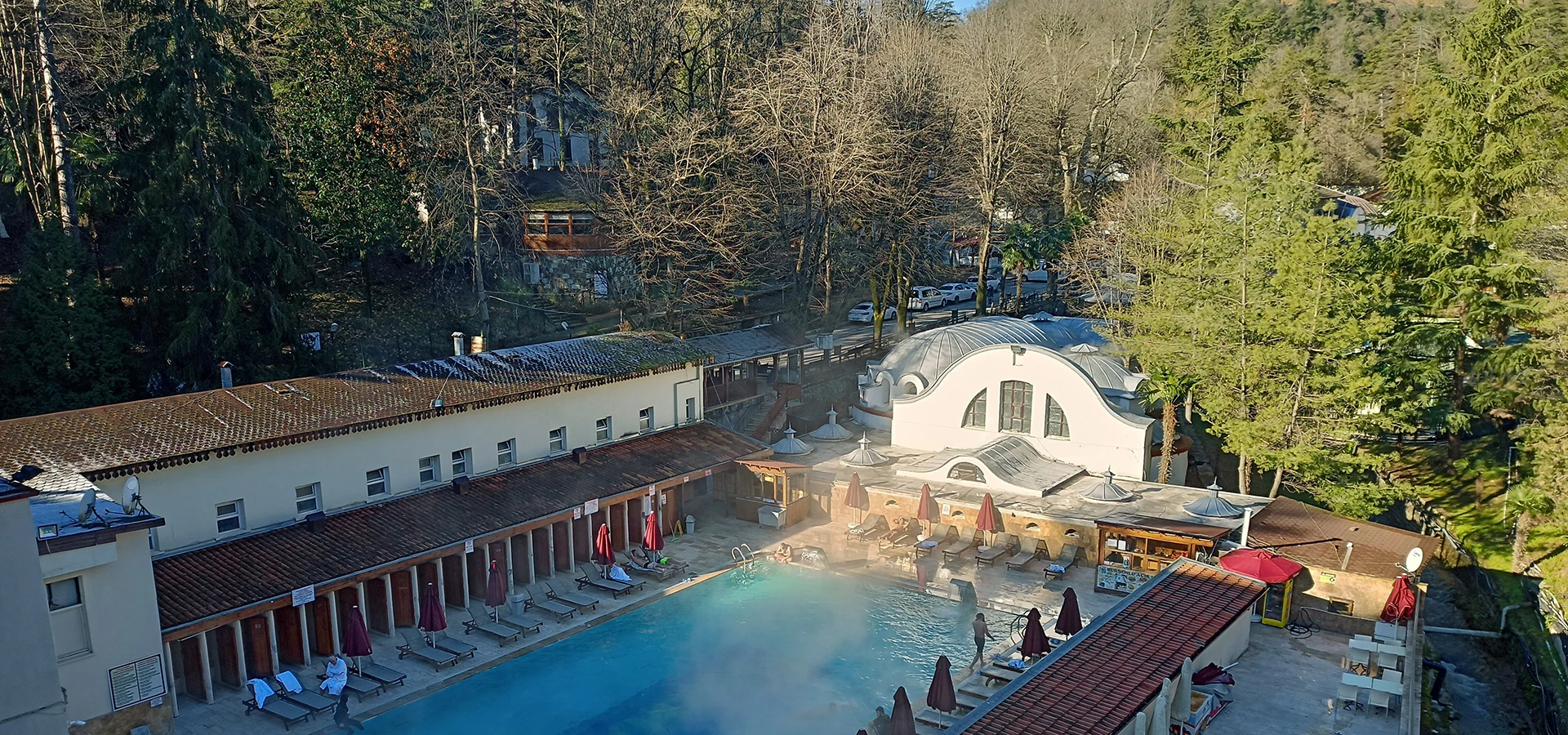
Explore the thermal waters, historic bathing culture and forest setting that made Termal famous long before tasting the regional dish carrying its name.
Discover Termal Hot Springs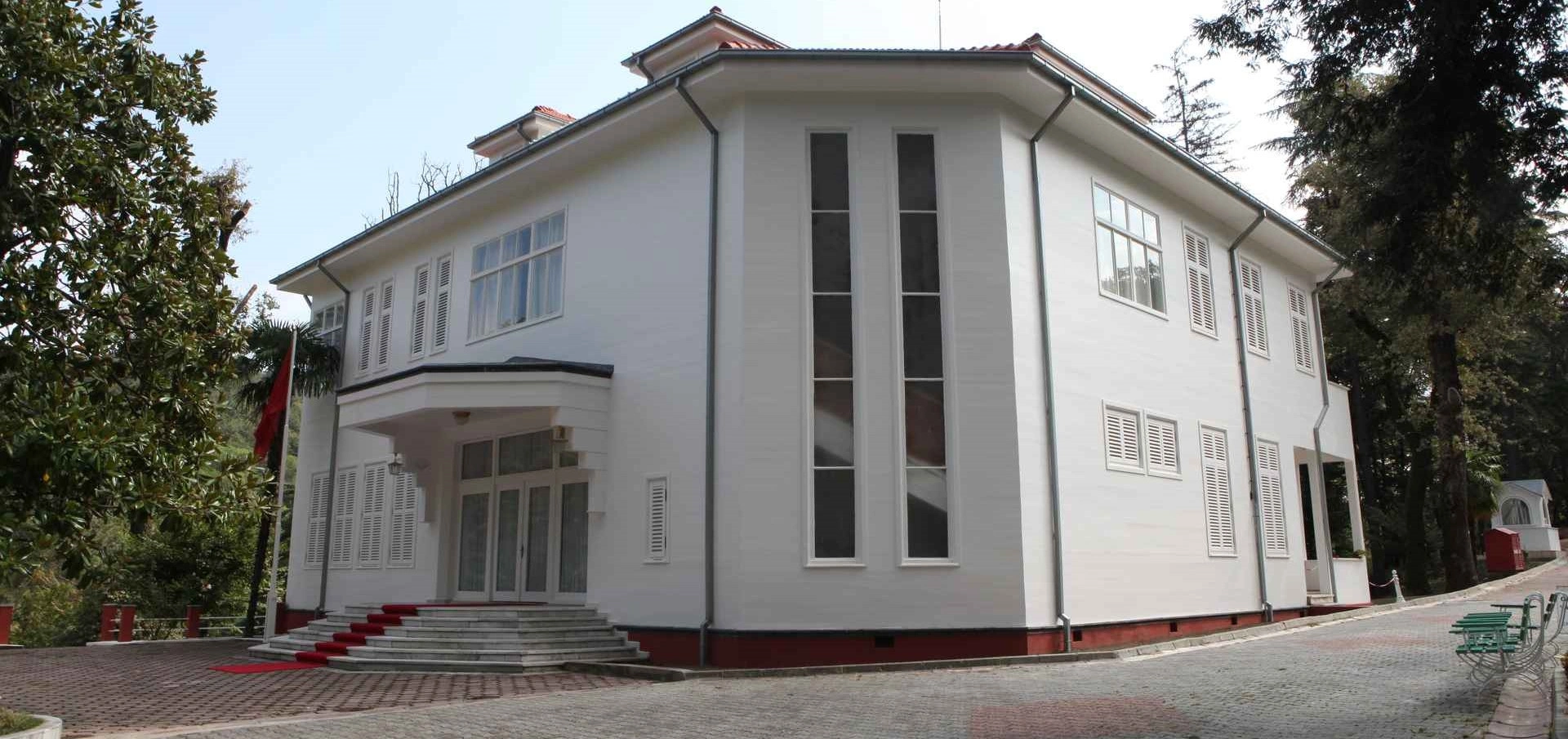
Add an important republican-era heritage site to a day combining Termal’s history, spa culture, forest scenery and regional food.
Explore Termal Atatürk MansionCombine Termal, central Yalova, historic landmarks, gardens, waterfalls and regional-food stops in a personalised route.

Create a personalised day combining Yalova city, Termal, Atatürk heritage, botanical gardens, waterfalls and local cuisine.
Request a Private Journey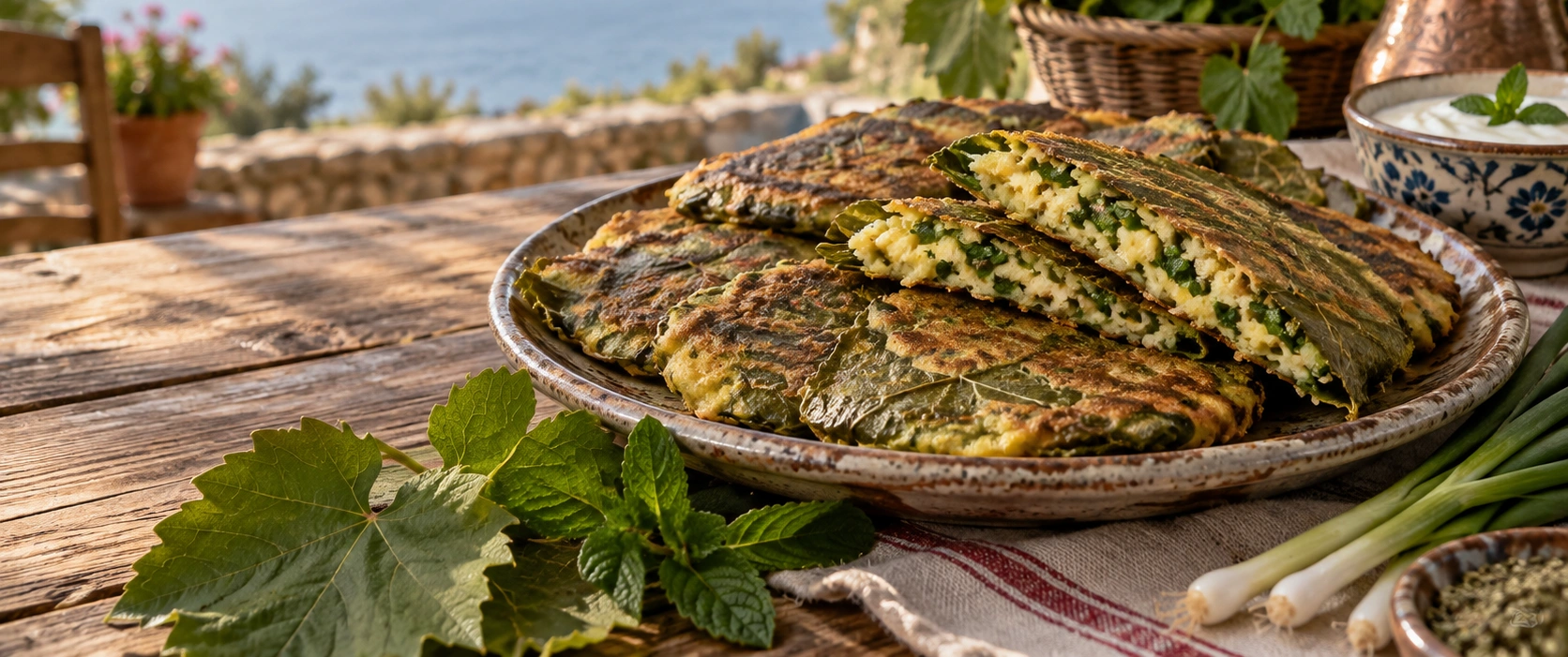
Build a food-focused route around Termal Sarma, Yaprak Pidesi, Yalova Köftesi, local desserts and regional agricultural products.
Ask About Custom Options