Forest, Flowers and Beekeeping
The Story of Chestnut Honey in Yalova
How Yalova’s wooded landscape and beekeeping tradition came together in a protected local product.
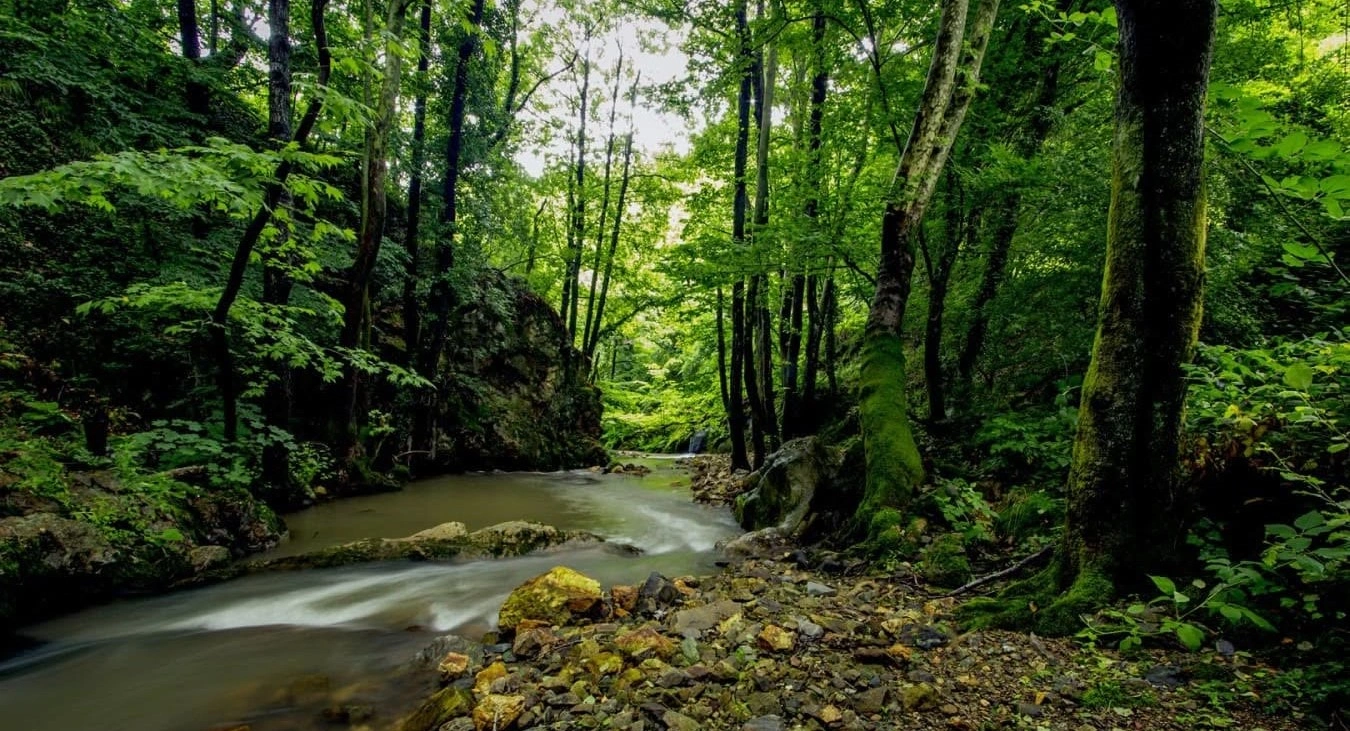
Yalova may be compact in size, but much of its landscape is shaped by forest. The steep southern parts of the province are particularly wooded, and broad-leaved trees form an important part of this vegetation. Chestnut, linden, hornbeam, oak and other species create a rich seasonal forage environment for bees.
Chestnut flowering is especially important for local beekeepers. Colonies that have spent the colder months in warmer areas are brought back to Yalova in spring and positioned close to chestnut forests before the main flowering season. The official geographical-indication specification requires production colonies to be established in their production areas by mid-May.
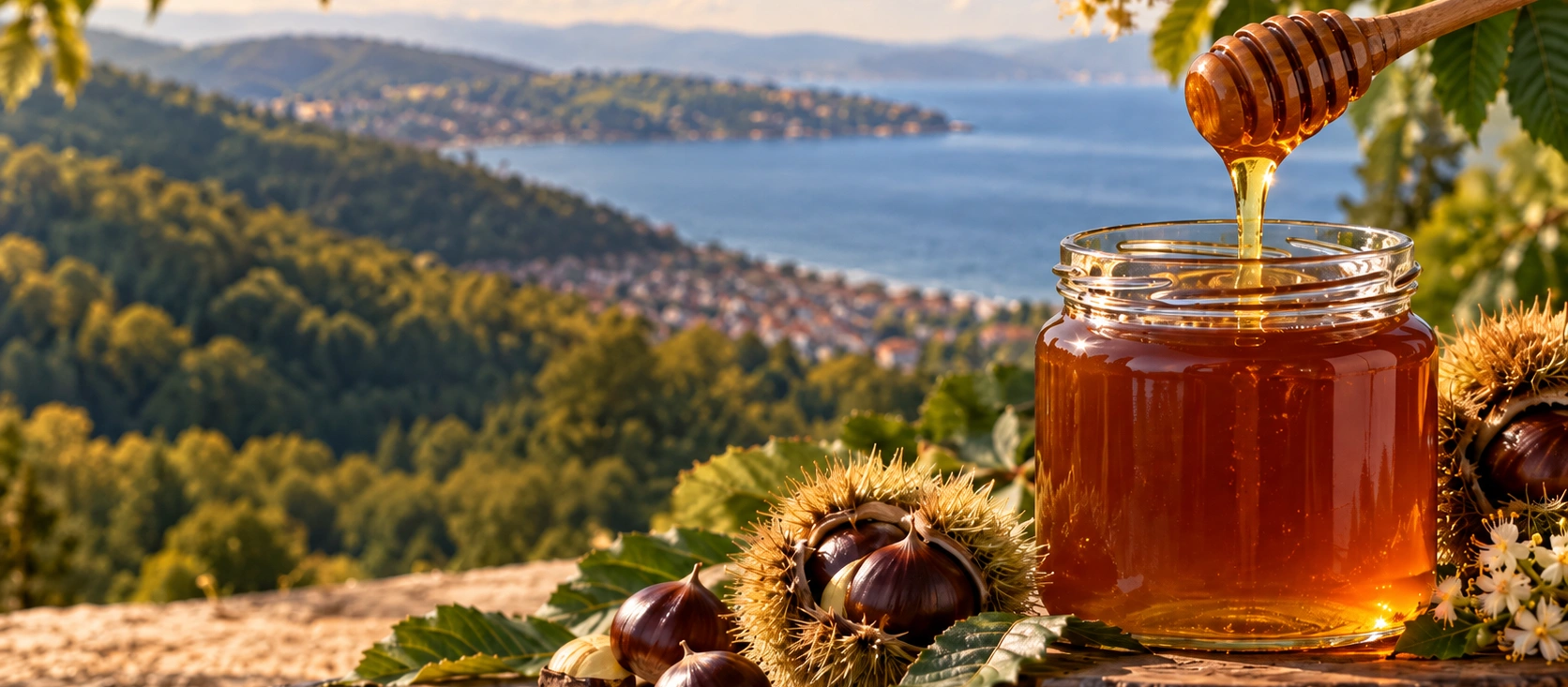
During early summer, bees collect nectar and pollen from the chestnut-dominated forest flora. The resulting honey is characterised not only by its strong connection with sweet chestnut but also by smaller traces of other plants, including linden. Local agricultural authorities frequently highlight this combination when describing the comparatively smooth character of Yalova’s chestnut honey.
Yalova’s beekeeping sector has also developed around seasonal hive movement, organised production areas, honey extraction, filtration, resting, packaging, quality control, producer cooperation, and projects supporting safer and more sustainable apiculture.
The product’s reputation and its connection with the province were formally recognised when Yalova Kestane Balı was registered by the Turkish Patent and Trademark Office on 23 January 2024. The registration protects a honey whose identity is inseparable from Yalova’s chestnut forests and local production practices.