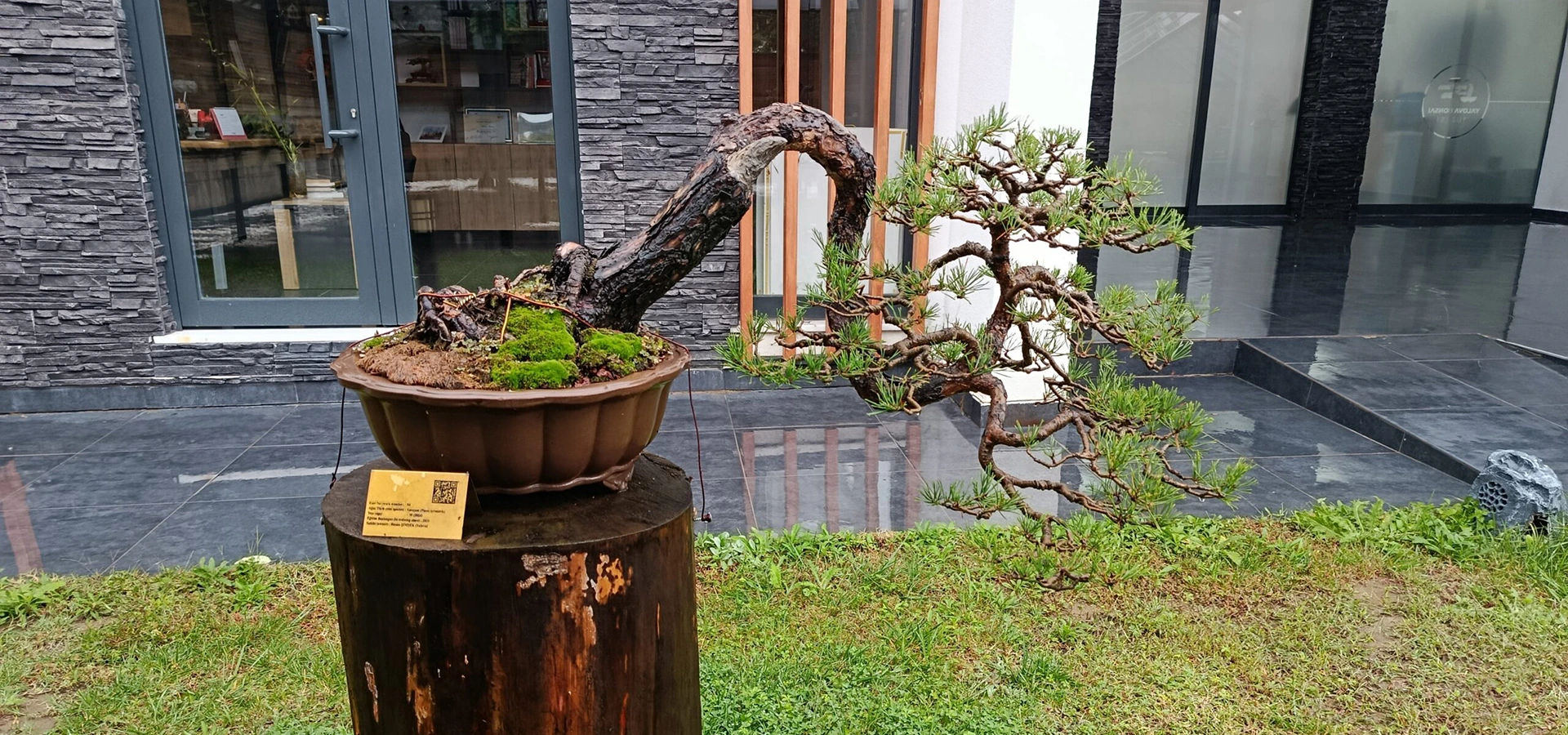
Private Bonsai Museum & Yalova Garden Experience
Ask us about a tailor-made excursion combining the Bonsai Museum, Karaca Arboretum, Termal and selected historical or natural attractions across Yalova Province.
Request a Custom Tour





The Yalova Bonsai Museum is one of the most unusual cultural attractions in northwestern Türkiye. Located in Kadıköy, just outside central Yalova on the road toward Termal, it brings together miniature trees, horticultural knowledge, artistic design and long-term plant care in a museum where the exhibits are alive.
The museum opened on 23 March 2024 and was dedicated to the 100th anniversary of diplomatic relations between Türkiye and Japan. Official local sources describe it as Türkiye’s first bonsai museum, and Yalova authorities have also promoted the institution as one of Europe’s most important large-scale bonsai museum projects.
Unlike a conventional collection of objects, the museum changes continuously. Leaves emerge, flowers open, branches develop, trunks mature and trees respond to the seasons. Recent published figures describe a collection of roughly 180–200 bonsai representing around 70–80+ species, with exact totals naturally changing as a living collection develops.
The museum also includes workshop and educational functions. Visitors can learn that bonsai is not a special species of tree, but a disciplined method of cultivating and shaping suitable trees in miniature form while preserving the visual character of a mature tree in nature.
The Yalova Bonsai Museum opened to visitors on 23 March 2024.
Official local sources identify Yalova as the home of Türkiye’s first museum dedicated to bonsai.
A large and evolving collection of miniature trees changes throughout the seasons.
The opening commemorated 100 years of diplomatic relations between Türkiye and Japan.
Essential information for visiting Türkiye’s pioneering museum of living miniature trees.
Kadıköy, Yalova, on the Yalova–Termal route.
Search on Google MapsBonsai as living art: miniature trees shaped through horticulture, design and long-term care.
The museum opened on 23 March 2024.
Official Yalova sources describe it as Türkiye’s first bonsai museum.
Approximately 180–200 living bonsai, with published counts spanning roughly 70–80+ species.
Educational activities can introduce pruning, shaping, plant care and bonsai aesthetics.
Current visitor information lists Monday as the regular closing day.
Published hours: Tue–Fri 09:30–17:30; Sat–Sun 10:00–17:00. Recheck before travel.
Garden lovers, photographers, families, students, artists and travellers interested in Japanese-influenced living arts.
The exhibits are living trees, so the appearance of the museum changes naturally through the year.
The museum gives Türkiye a permanent public space for an art form that depends on time, observation, botanical knowledge and patient craftsmanship.
Bonsai is sometimes misunderstood as the cultivation of naturally tiny trees. In reality, it is the practice of training ordinary tree and shrub species so that they express the visual character of mature trees in a carefully controlled miniature form. The result depends on horticulture and artistic judgement working together.
That makes a bonsai museum fundamentally different from a gallery of static objects. A ceramic vessel can remain almost unchanged for decades; a bonsai cannot. It must be watered, fed, pruned, repotted, protected from unsuitable weather and continually evaluated as it grows.
The Yalova museum is important because it creates a permanent setting where this long-term process can be understood by the public. Visitors can see not just finished-looking specimens, but a collection whose forms continue to evolve through seasons, maintenance and artistic intervention.
Its location is also especially appropriate. Yalova has a strong identity connected with forests, ornamental horticulture, arboreta, gardens and plant production. The Bonsai Museum therefore fits naturally into a province already known for the close relationship between people and cultivated landscapes.
The museum is located in Kadıköy, Yalova, on the inland route connecting Yalova city with the famous thermal district of Termal. The published address is Kadıköy Beldesi, Kadıköy Mahallesi, Kala Caddesi No:4, Yalova.
This position makes the museum particularly easy to combine with Karaca Arboretum, which is nearby, and with Yalova Termal Hot Springs further along the same general corridor.
Visitors arriving from central Yalova should allow enough time for the short road journey rather than treating the museum as a walkable city-centre attraction. Current navigation is recommended for the final approach.
The word bonsai is associated with the Japanese tradition of cultivating trees in containers and shaping them to evoke the appearance of mature trees in nature. The practice has deep historical connections with earlier Chinese traditions of miniature landscapes and container-grown trees, which later developed in distinctive ways in Japan.
A bonsai is therefore not a genetically miniature species. Many familiar trees can become bonsai when they are suitable for container cultivation and respond well to careful horticultural management. Species may include pines, maples, junipers, olives, figs, flowering shrubs and many other trees.
Artists control scale and composition through techniques such as pruning, root management, wiring, branch selection and repotting. The aim is not simply to make a plant small. A convincing bonsai should suggest age, structure, balance, movement and the forces of nature that shape full-sized trees.
That combination of living material and artistic intention is what makes the museum so interesting: every tree is both a cultivated organism and an evolving artwork.
A painting reaches a point when the artist puts down the brush. A bonsai never reaches quite the same kind of final state. Branches lengthen, leaves change, roots fill the container and the proportions of the composition develop over time.
For that reason, bonsai rewards patience and long observation. The artist works with the tree’s natural growth rather than simply imposing a fixed shape once. A decision made today may only reveal its full visual effect years later.
Age is especially important. A small tree can communicate the impression of a much larger landscape when its trunk, bark, branch structure and exposed roots suggest maturity. The most successful compositions can make viewers imagine wind, mountains, forest edges, cliffs or old solitary trees even though the entire scene fits on a display bench.
This is why the museum is worth visiting slowly. The trees are small, but the visual ideas behind them are not.
Yalova is one of Türkiye’s most horticulturally distinctive small provinces. Its mild Marmara climate, forest cover, ornamental plant production and long gardening tradition have made plant cultivation part of the area’s modern identity.
The province also contains important tree and garden destinations, including Karaca Arboretum and the landscaped thermal environment around Termal. Against this background, a museum devoted to miniature living trees feels less like an isolated attraction and more like part of a wider Yalova plant-culture route.
Local bonsai activity had already developed before the museum opened. Yalova bonsai practitioners organized exhibitions, workshops and private collections, helping build the knowledge and material base that later supported the permanent museum project.
The museum therefore represents both an international art tradition and a very local story: a global practice taking root in a province already strongly connected with trees.
The institutional project began with a decision of the Yalova Provincial General Assembly on 6 April 2021 to carry out the work required for creating a bonsai museum in the province.
A technical team formed by the Yalova Provincial Special Administration examined international examples. Research visits included bonsai museums and specialists in Madrid and Barcelona, where the team studied subjects such as species selection, climate, irrigation-water quality, watering systems, fertilization, equipment and display styles.
Kadıköy Municipality allocated part of a municipal property for the project, and the museum was developed by the Yalova Provincial Special Administration. Published sources describe the site as approximately 1,700–1,800 square metres, including both outdoor exhibition space and a smaller enclosed component.
The museum officially opened on 23 March 2024. Its opening was linked symbolically with the centenary of diplomatic relations between Türkiye and Japan, adding an international cultural dimension to a project rooted in Yalova’s local horticultural identity.
The core of the museum is its collection of living bonsai trees. Recent published figures vary because the collection continues to change, but sources describe roughly 180–200 trees representing about 70–80+ species.
That diversity allows visitors to compare how different species respond to miniature cultivation. A pine can communicate rugged age through bark and branch structure, while a deciduous tree may be most expressive through fine winter ramification, spring leaves or autumn colour. Flowering and fruiting species introduce another seasonal layer.
Pines and other evergreen species can emphasize age, bark, movement and compact foliage structure.
Leafless winter silhouettes reveal branch architecture that summer foliage can partly hide.
Seasonal flowers introduce colour and make timing an important part of the viewing experience.
Locally familiar species show that bonsai is not limited to imported Japanese trees.
Older trees demonstrate how many years of cultivation can create character and visual maturity.
The container is part of the composition, complementing rather than competing with the tree.
Stone appreciation and display can accompany bonsai and expand the visual language of miniature landscapes.
The museum never looks exactly the same throughout the year because the collection is alive.
One of the most interesting dimensions of the collection is its connection with Hayrettin Karaca, the environmentalist and plant collector closely associated with nearby Karaca Arboretum.
Museum representatives have stated that around a dozen trees associated with Karaca entered the Yalova bonsai collection. This creates an unusually direct connection between the museum and Yalova’s broader history of plant collecting, conservation and horticultural education.
Among the best-known specimens discussed publicly is an old old pine bonsai originating from the Taurus Mountains. It was reportedly collected with Karaca and companions in 1974 and later underwent many years of bonsai development.
For travellers already planning to visit Karaca Arboretum, this connection gives the two attractions a natural thematic relationship: one presents a broad botanical collection, while the other shows how individual trees can be shaped into long-term living artworks.
In 2025, the museum gained international attention at The Trophy, a major bonsai exhibition held in Genk, Belgium. A ceramic display representing the Yalova Bonsai Museum won recognition in the bonsai-pot category.
The winning vessel combined bonsai display culture with Turkish decorative tradition. Its design used a rich red colour and Ottoman-inspired İznik tile aesthetics, showing how the museum can interpret an international art form without losing a distinct local cultural identity.
That achievement is important because bonsai presentation is not only about the tree. The pot, display stand, accompanying stone or accent plant and surrounding empty space all influence how a composition is read.
For visitors, the museum therefore offers more than botany. It also introduces the idea that successful bonsai display can bring together horticulture, ceramics, design and cultural symbolism.
You do not need to know formal bonsai vocabulary to enjoy the museum, but recognizing a few common visual ideas can make the collection more interesting. Different trees are trained to suggest different natural conditions and growth histories.
A straight, stable trunk creates a calm and balanced impression similar to a tree growing in open conditions.
The trunk curves as it rises, creating movement while maintaining an overall upright composition.
The tree leans strongly in one direction, suggesting wind, light competition or difficult terrain.
Branches descend below the rim of the pot, recalling trees growing from cliffs or steep slopes.
Multiple trunks create the impression of a miniature woodland rather than a single isolated tree.
Branches visually move in one direction, suggesting long exposure to strong prevailing winds.
Visible roots can create drama and suggest erosion, age or survival in difficult conditions.
A slender, minimal composition emphasizes line, movement and empty space rather than dense foliage.
The Yalova Bonsai Museum is intended to function as more than a display garden. Educational and workshop activities help visitors understand how bonsai are created and maintained.
Depending on the programme, activities may introduce subjects such as species selection, pruning, wiring, root work, repotting, soil structure, watering and seasonal care. Even watching a demonstration can make the collection easier to understand because visitors begin to see the practical decisions behind each tree’s shape.
Bonsai work is highly seasonal. Heavy root work, structural pruning, shoot management and wiring are not all carried out at the same time of year. For that reason, the museum may offer different practical experiences depending on the season and the needs of the trees.
One of the best reasons to return to a bonsai museum is that the same tree can look completely different several months later. The collection follows the natural rhythm of growth and dormancy.
Fresh leaves, flowers and new growth make spring one of the most visibly dynamic periods in the collection.
Dense foliage emphasizes canopy shape, health and the miniature scale of mature-looking trees.
Deciduous species may develop warm seasonal colours, changing the visual mood of the displays.
Leafless deciduous bonsai reveal branch ramification, trunk movement and structural details especially clearly.
Visitors interested mainly in flowers and fresh growth may prefer spring, while photographers who enjoy branch structure can find winter equally rewarding. There is no single “correct” season because each period reveals a different part of the art.
A visit is closer to walking through a carefully curated living garden than entering a conventional history museum. The main experience is visual: comparing trunks, roots, branch structures, leaf size, containers and the overall balance of each composition.
Because the trees are displayed individually, the museum rewards slow looking. Stand back to understand the silhouette, then move closer to study bark, roots, pruning scars, wiring decisions and the relationship between the tree and its pot.
Visitors who arrive knowing almost nothing about bonsai can still enjoy the collection simply as a garden of unusual miniature trees. Those with gardening experience often notice another layer: how difficult it is to keep a plant healthy while controlling its size and visual proportions for many years.
The atmosphere is especially appealing to garden lovers, artists, photographers and families who prefer a calm attraction rather than a crowded monument or large archaeological site.
Current visitor information lists the Yalova Bonsai Museum as closed on Monday. Published hours are 09:30–17:30 from Tuesday to Friday and 10:00–17:00 on Saturday and Sunday.
Admission is paid. A fee schedule published in late 2025 listed 80 TL general admission, 50 TL for public employees and 20 TL for students, but ticket prices can change and should be reconfirmed before visiting.
The museum’s official website announced a temporary renovation closure through 1 September 2026. That date has now passed, but travellers planning a special journey should still confirm current opening conditions directly because maintenance, seasonal work or special events can affect access.
The museum can be interesting throughout the year, but the best season depends on what you want to see. Because bonsai are living plants, seasonality is part of the collection rather than an inconvenience.
Spring is particularly attractive for fresh growth, flowers and active horticultural work. Autumn can bring changing foliage, while winter reveals the branch architecture of deciduous specimens with exceptional clarity.
For a broader Yalova itinerary, spring and autumn are especially pleasant because the Bonsai Museum can be combined with Karaca Arboretum, Termal and other outdoor attractions without the strongest summer heat.
Whenever you visit, try to avoid rushing. The museum is small enough to understand in a single visit but detailed enough to reward close observation.
The museum can work very well for families because the central idea is easy to grasp: How can a tree stay small and still look old? That question naturally leads into biology, art, patience and plant care.
Children can compare leaf sizes, trunk shapes, roots and different containers. They can also learn that bonsai are not “baby trees” kept from growing by accident; they are carefully maintained plants whose health must always come before appearance.
Useful questions to ask younger visitors include: Why are some trunks straight and others twisted? Why are the roots visible on some trees? Why would an artist choose a shallow pot? What changes between summer and winter?
The most important family rule is simple: do not touch the trees. Branches, new shoots and carefully positioned roots can be far more fragile than they appear.
Current educational visitor information identifies the museum as offering accessible access and guidance services. The purpose-built setting is generally more practical than many historic ruins or steep natural attractions in the province.
Because bonsai displays are spread through a landscaped museum area, visitors with specific mobility requirements should confirm the current route, parking arrangement, rest facilities and workshop access before travel.
This is especially useful for organized groups, older visitors and families using wheelchairs or pushchairs, because temporary exhibitions or maintenance work can alter circulation through a living collection.
For most independent visitors, allow around 45–60 minutes to walk through the collection comfortably and examine the main specimens without rushing.
Garden enthusiasts, photographers or visitors who enjoy reading tree information may prefer 60–90 minutes. If you are attending a workshop or demonstration, allow substantially longer according to the programme.
The museum fits particularly well into a half-day Yalova horticulture route with Karaca Arboretum, or a longer day that continues into Termal.
A quick overview of the living collection and its main displays.
A comfortable visit for most travellers seeing the museum for the first time.
Better for photographers, gardeners and visitors who want to study individual trees closely.
Combine the museum with nearby Karaca Arboretum and the road toward Termal.
Notice how curves, taper and surface texture create the impression of age and natural history.
Strong visible roots can make a miniature tree look firmly anchored and much older.
Look at how major branches are spaced and how smaller branches build a believable canopy.
Small leaves, fine twigs and carefully proportioned containers help maintain the illusion of a full-sized tree.
On some species, controlled deadwood can suggest age, weather damage and survival in harsh conditions.
Ask why a particular colour, shape and depth was chosen for that tree rather than viewing the pot separately.
Empty areas between branches are part of the composition and help define rhythm and movement.
Flowers, fruit, new shoots, autumn colour or bare branches can completely change how the same tree is read.
Fine branches, buds, roots and wired sections can be damaged very easily.
Respect barriers and designated circulation around sensitive plant displays.
Follow current museum rules designed to protect plant health and visitor areas.
Young visitors should stay close to adults around low display benches and fragile trees.
Avoid blocking pathways or disturbing workshops while taking close-up images.
Living collections sometimes require temporary closures, maintenance zones or seasonal care.
The museum is in Kadıköy Beldesi, a short road journey inland from Yalova city centre. It is most convenient by private car, taxi or local transport serving the Kadıköy / Termal corridor.
If arriving in Yalova by ferry, continue from the terminal through the city toward Kadıköy and Termal. Use current navigation for the final approach to Kala Caddesi.
Travellers coming from Istanbul can reach Yalova by ferry or road, while visitors from Bursa can approach via the road network north of the Samanlı Mountains. The museum is especially convenient for those already planning a day in Termal or Karaca Arboretum.
Travel inland toward Kadıköy and the Termal road; follow navigation to Kala Caddesi.
Continue through Yalova toward Kadıköy by taxi, local transport or private vehicle.
Travel back toward Yalova through the Kadıköy corridor and follow local signs or navigation.
Approach Yalova from the south, then continue toward Kadıköy rather than the city waterfront.
Begin at the Yalova Bonsai Museum and spend around an hour studying miniature living trees, bonsai display and the connection between horticulture and art.
Continue to Karaca Arboretum, where the scale changes completely: instead of miniature trees in carefully designed containers, you encounter a broad botanical collection growing through a landscaped garden environment.
Then continue toward Yalova Termal Hot Springs and Termal Atatürk Mansion for thermal history, Republican heritage and the distinctive green landscape of the Termal district.
The museum sits on one of Yalova’s most rewarding inland sightseeing corridors, with gardens, thermal heritage and forest attractions all within easy reach by road.
Continue the tree theme through one of Türkiye’s best-known private botanical collections.
Travel onward for historic thermal waters, spa architecture and forested scenery.
Explore one of Yalova’s important Republican-era heritage sites in the thermal district.
Move from carefully cultivated miniature trees to broad woodland landscapes and waterfalls.
Add another unusual Yalova museum focused on paper, printing and traditional production.
Discover Yalova’s famous Atatürk story connecting architecture with respect for a living plane tree.
Discover hot springs, forests, museums, waterfalls, wetlands and historic sites across the province.
It is in Kadıköy, Yalova, on the route between Yalova city and Termal, at Kala Caddesi No:4.
Yes. Official Yalova sources describe it as Türkiye’s first museum dedicated specifically to bonsai.
The museum opened on 23 March 2024.
The opening commemorated the 100th anniversary of diplomatic relations between Türkiye and Japan.
Bonsai is the art and horticultural practice of cultivating trees in containers and shaping them so they suggest mature trees in miniature scale.
No. Bonsai is a method of cultivation and artistic training, not a single tree species. Many suitable species can be used.
Published figures vary as the living collection develops, but recent sources describe approximately 180–200 trees.
Recent published counts range around 70 to more than 80 species, reflecting a collection that continues to change.
Yes. The museum collection consists of living trees requiring continuous horticultural care.
No. Visitors should not touch the trees because branches, roots, buds and carefully trained sections can be extremely fragile.
Yes. The museum has an educational and workshop role, but specific programmes and participation conditions should be confirmed in advance.
Depending on the programme, topics may include pruning, wiring, repotting, species selection, watering and seasonal bonsai care.
Current published information lists Tuesday–Friday 09:30–17:30 and Saturday–Sunday 10:00–17:00, with Monday closed. Always recheck before travel.
No. The museum uses paid admission. Because ticket prices can change, confirm the current fee before visiting.
Normally no reservation is required for an ordinary independent visit, but groups and workshop participants should contact the museum in advance.
Allow around 45–60 minutes for a normal visit, or longer if you are a gardener, photographer or workshop participant.
Yes. It is a good place to introduce children to plant biology, art, patience and environmental care, provided they understand that the trees must not be touched.
Current educational visitor information identifies the site as having accessible access. Visitors with specific needs should confirm current arrangements before travel.
Museum representatives have reported that the collection includes a group of trees associated with Hayrettin Karaca, linking the museum with Yalova’s wider botanical heritage.
Public reporting has highlighted an old pine associated with Hayrettin Karaca, said to have originated from the Taurus Mountains and to have been collected in 1974.
Yes. In 2025, a Turkish ceramic bonsai pot displayed for the Yalova Bonsai Museum received first-place recognition at The Trophy in Belgium.
There is no single best season. Spring brings fresh growth and flowers, autumn can bring colour, and winter reveals branch structure especially clearly.
Excellent combinations include Karaca Arboretum, Yalova Termal Hot Springs, Termal Atatürk Mansion and Yalova City Forest.
For travellers interested in gardens, trees, Japanese-influenced arts, horticulture, photography or unusual museums, it is one of Yalova’s most distinctive modern cultural attractions.
Combine the Yalova Bonsai Museum with Karaca Arboretum, Termal, historic mansions and selected natural attractions through a private itinerary designed around your interests and pace.
Discover living bonsai, botanical collections, thermal heritage and Yalova’s green landscapes in one tailor-made private route.
Ask us about a tailor-made excursion combining the Bonsai Museum, Karaca Arboretum, Termal and selected historical or natural attractions across Yalova Province.
Request a Custom Tour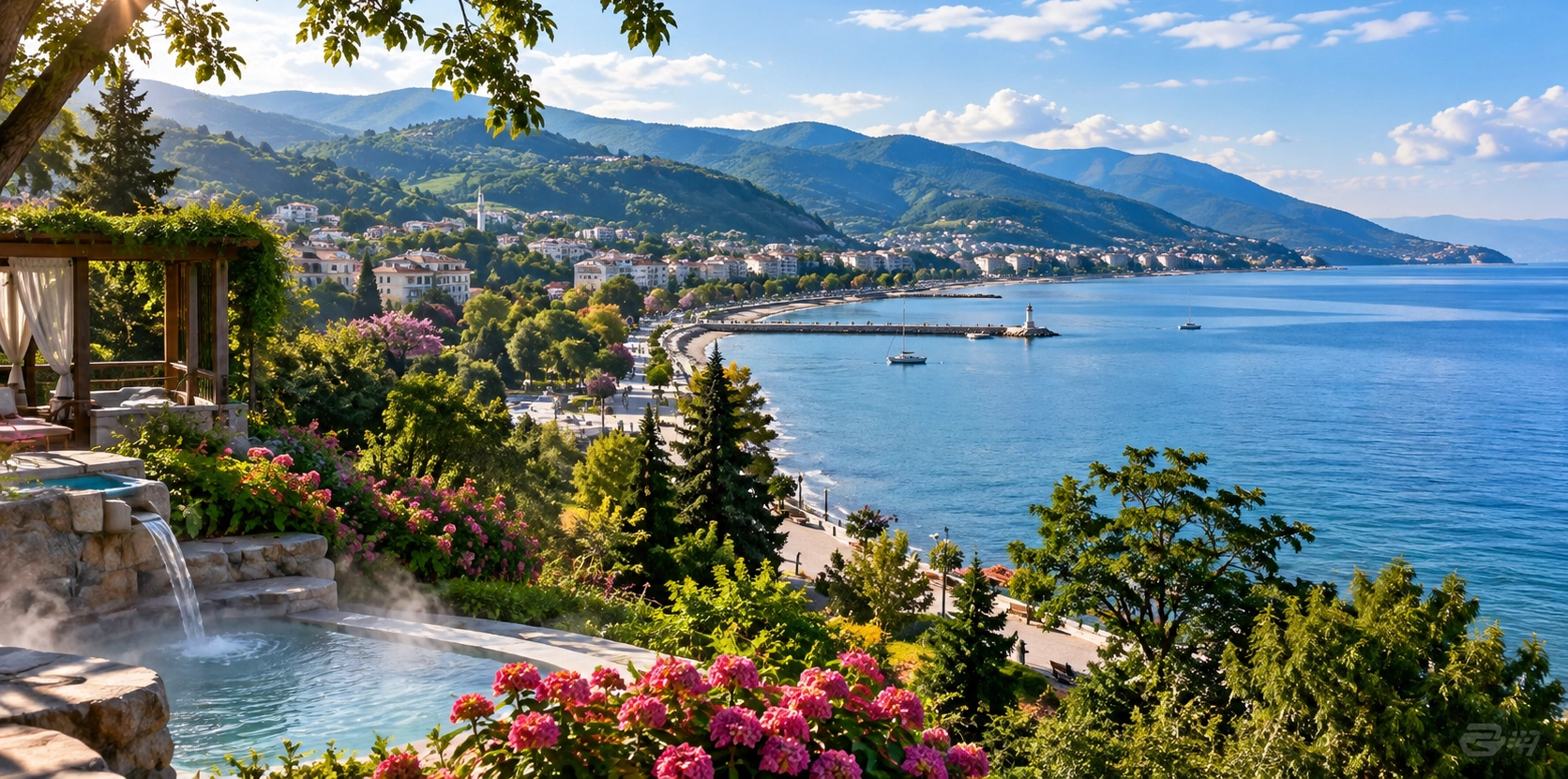
Discover botanical gardens, museums, historic mansions, thermal springs, waterfalls, wetlands and forest landscapes throughout Yalova Province.
View Yalova GuidePair the Bonsai Museum with places that reveal Yalova’s botanical heritage, thermal culture and historic landscapes.
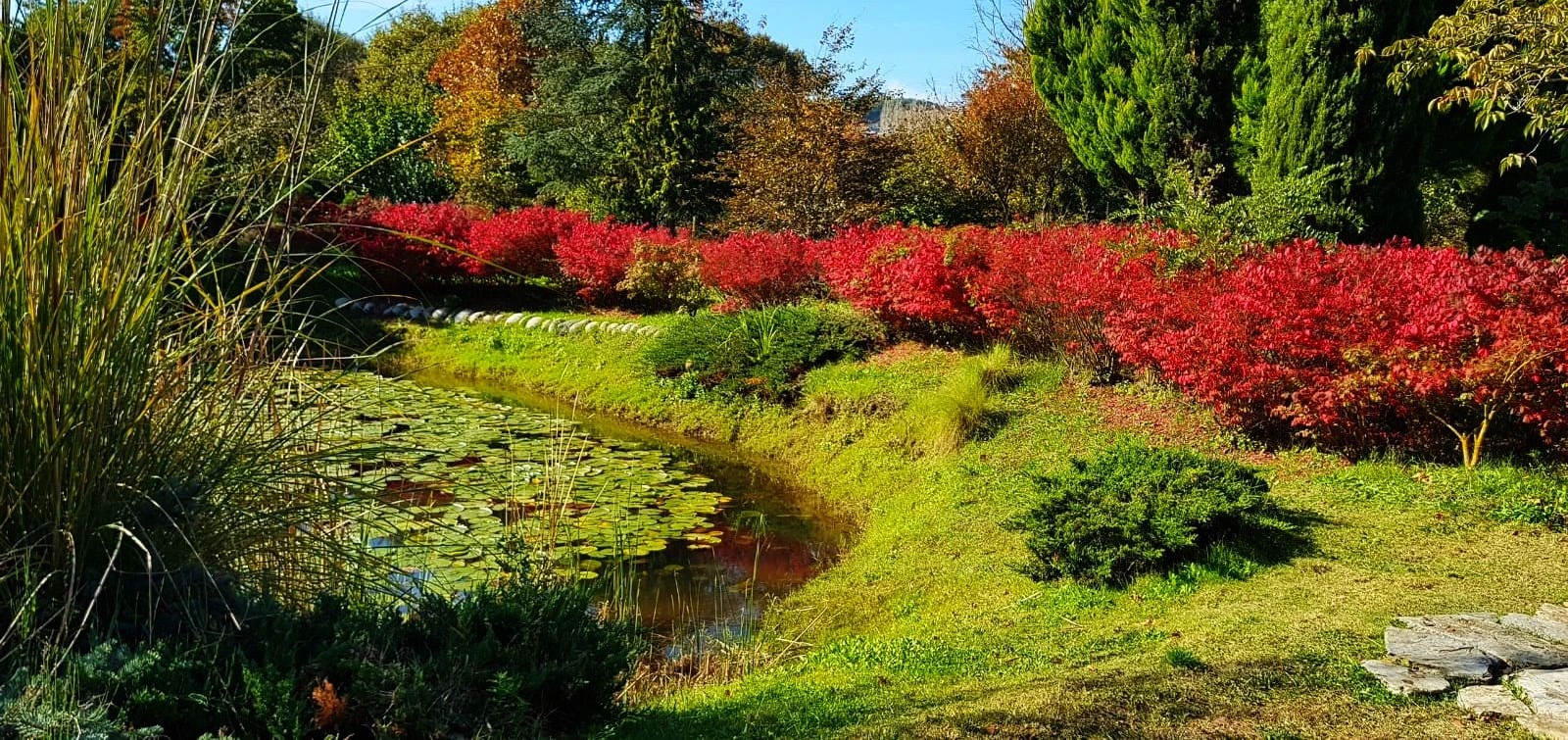
Continue from miniature living trees to a broad botanical collection connected with Hayrettin Karaca’s horticultural legacy.
Explore Karaca Arboretum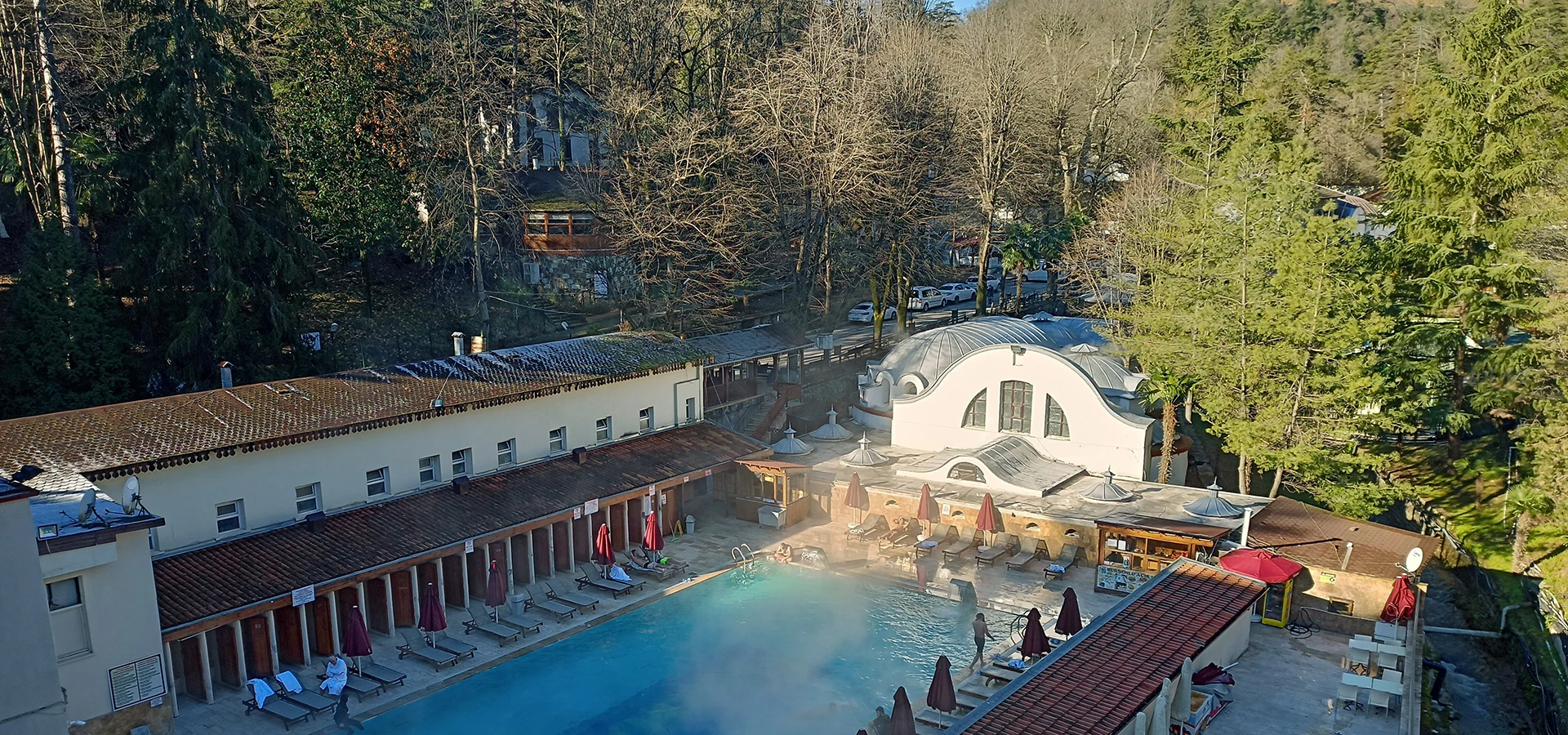
Continue along the same inland corridor for historic thermal waters, spa heritage and forest scenery.
Explore Yalova Termal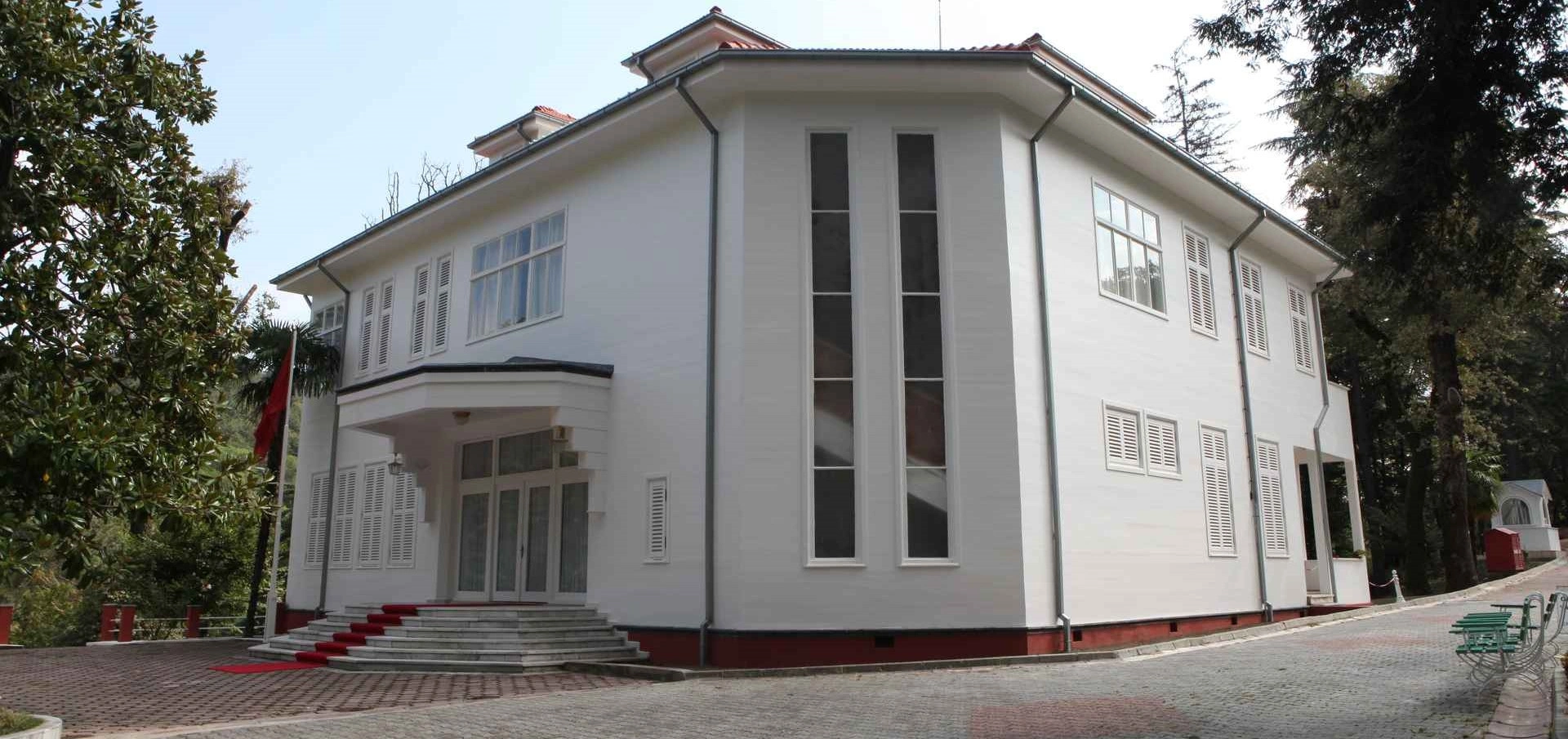
Add Republican history and architecture to a day focused on Yalova’s gardens, forests and thermal landscapes.
Explore Termal Atatürk Mansion