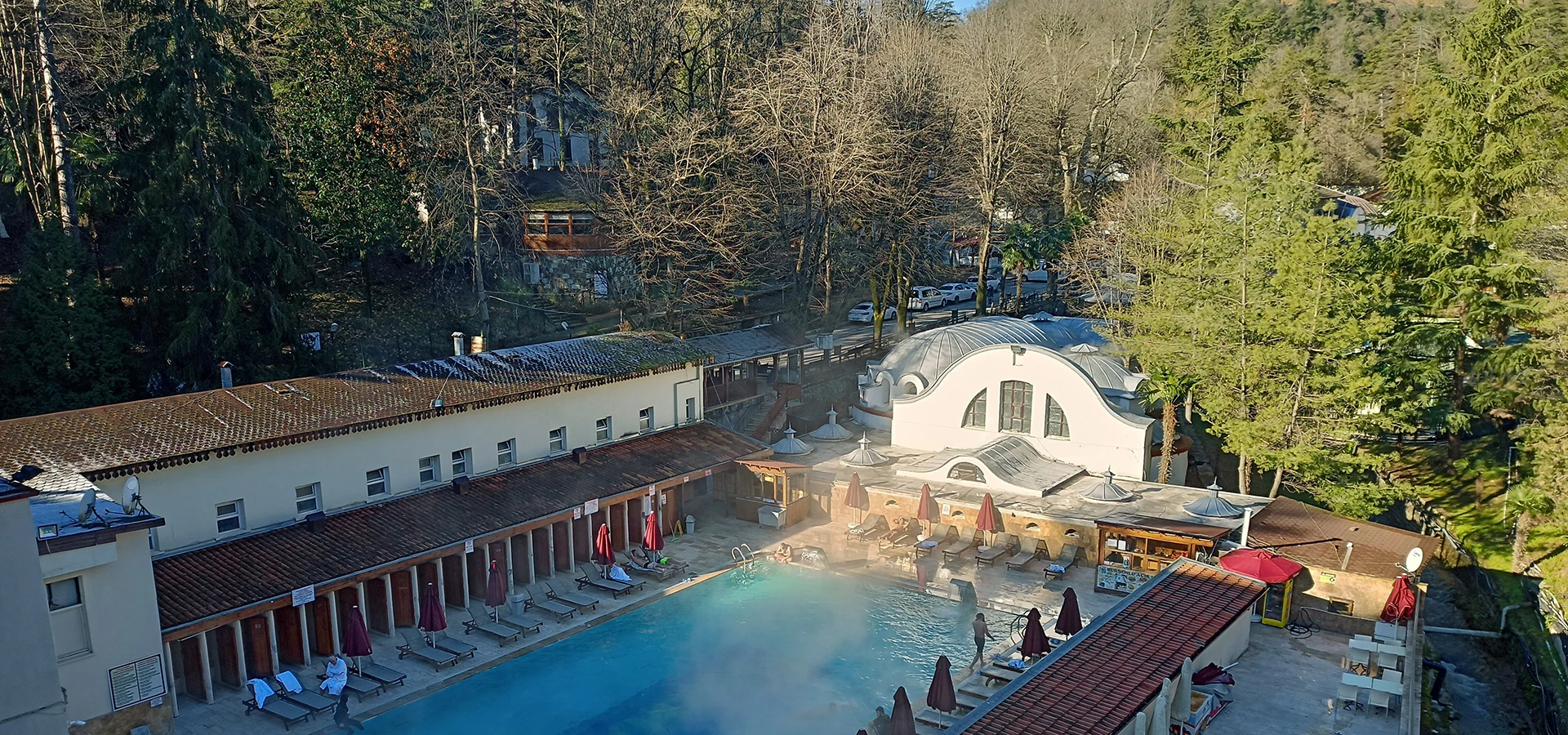
Private Yalova Thermal & Heritage Experience
Ask us about a tailor-made route combining Yalova Termal, Atatürk heritage, historic baths, Sudüşen Waterfall and selected cultural or natural places across the province.
Request a Custom Tour





Yalova Termal Hot Springs are among the best-known thermal destinations in northwestern Türkiye. Located in the green district of Termal, approximately 12 kilometres from Yalova city centre, the springs have attracted visitors for centuries because of their naturally hot mineral waters, historic bath buildings and wooded setting.
The thermal area was known in antiquity as Pythia Therma and developed through Roman and Byzantine periods before later receiving renewed attention under the Ottomans. Today, the historic spa landscape still contains layers of this long story, including old bath structures, monumental trees, landscaped parks and buildings associated with the early Turkish Republic.
Geological studies of the Yalova thermal field record spring temperatures of roughly 57–66°C at source. The water is naturally cooled or managed before use in bathing facilities, pools and private thermal units.
The experience is about much more than entering a hot pool. A visit can combine thermal bathing, heritage architecture, forest walks, Atatürk history and slow travel in one compact destination. It also fits naturally into a wider journey through Yalova’s coast, waterfalls, gardens and historic sites.
Termal lies approximately 12 kilometres from Yalova city centre.
The springs were known by this name in antiquity and have been used for centuries.
Geological studies report this approximate source-temperature range in the thermal field.
Historic baths, parks, thermal facilities and early Republican heritage remain part of the same landscape.
Essential information for understanding one of Yalova’s most important thermal and historical destinations.
Termal district, approximately 12 km south-west of central Yalova.
Search on Google MapsHistoric thermal spring complex with baths, pools, accommodation and landscaped grounds.
The thermal area was known in antiquity as Pythia Therma.
Geological studies report thermal waters emerging at approximately 57–66°C.
A wooded valley landscape on the northern side of the Samanlı Mountains.
Kurşunlu Hamamı and Valide Hamamı are among the best-known historic bathing structures.
The springs were restored and developed during different periods of Ottoman rule.
Mustafa Kemal Atatürk visited Termal repeatedly and helped renew its importance in the early Republic.
The area can be experienced as a day trip or as an overnight thermal stay.
People with medical conditions should seek professional advice before using very hot thermal facilities.
Termal brings together geology, bathing culture, imperial history, early Republican heritage and forest scenery in one unusually layered destination.
Many thermal destinations are visited primarily for modern spa facilities. Yalova Termal is different because the thermal water is only one part of a much larger cultural landscape.
The springs were known in antiquity, monumental bath traditions developed under Byzantine rule, Ottoman rulers restored and expanded the area, and the district later became closely associated with Mustafa Kemal Atatürk during the early years of the Turkish Republic.
The result is a place where visitors can move between historic bathhouses, old trees, landscaped parks, thermal pools, walking routes and heritage buildings without leaving the central spa zone.
For travellers interested in Yalova itself, Termal is also essential because the province’s identity is deeply connected with its hot springs. The thermal waters helped make Yalova known far beyond the Marmara coast long before modern resort tourism developed.
The hot springs of Termal are part of an active geological landscape in northwestern Türkiye. Studies by Türkiye’s mineral-research authorities describe the emergence of the hot waters as being controlled by east–west trending fault systems in the Yalova thermal field.
Measured spring temperatures in the main thermal area have been reported at approximately 57–66°C. That is significantly hotter than comfortable bathing temperature, so thermal water used in visitor facilities must be managed appropriately before contact.
Hydrogeological classification has described the waters as containing sodium, calcium and sulfate components. The exact composition, temperature and operating conditions can vary by spring and facility.
For visitors, the most important point is simple: this is naturally heated groundwater rather than conventionally heated pool water. Its long journey underground is what gives the area both its mineral character and its historic importance.
The springs emerge naturally hot from the geothermal system beneath the Termal area.
A geological study reported this approximate range for the principal Yalova Kaplıcası waters.
Regional fault structures help create pathways through which the heated waters rise toward the surface.
The water contains naturally dissolved minerals acquired during its underground circulation.
The thermal waters of Yalova were known in the ancient world and are commonly identified with Pythia Therma. The wider region belonged at different times to the cultural and political worlds of Bithynia, Rome and the Eastern Roman Empire.
Hot springs carried a special importance in antiquity. They were valued not only for bathing, but also as places of rest, ritual, social life and healing traditions. At Termal, the natural steam, hot water and unusual landscape helped create a setting that inspired stories as well as architecture.
Official regional sources preserve traditions linking the springs with ancient rulers and visitors. Although some details belong to later historical memory rather than firmly documented events, the archaeological evidence makes clear that the thermal district had an important Byzantine phase.
For modern travellers, this long history means that Termal should not be understood simply as a twentieth-century spa resort. Its identity reaches much further back into the thermal culture of the eastern Mediterranean.
The Byzantine period left some of the most important historical layers in the Termal spa landscape. Official cultural sources describe archaeological finds including columns carrying the monogram of Emperor Justinian, as well as remains associated with religious and bathing structures.
Justinian’s reign in the sixth century was a major period of architectural activity throughout the Eastern Roman Empire. Thermal sites were particularly valued because they combined infrastructure, public bathing and imperial patronage.
The historic structure known today as Kurşunlu Hamamı is traditionally associated with the Byzantine era and later restoration. Its survival, rebuilding and continued use make it one of the clearest places where visitors can sense the depth of Termal’s bathing history.
Archaeological discoveries in the twentieth century also revealed that the spa zone contained more than bath buildings alone. Religious and funerary remains show that the historic thermal settlement was part of a broader cultural environment.
After the Ottoman expansion into northwestern Anatolia, the hot springs continued to attract interest. Different official histories connect the thermal area with restoration or patronage under several Ottoman rulers.
The most visible legacy today comes from the late Ottoman revival of the springs. By the nineteenth century, the area was again being developed as an organized health and leisure destination. Medical interest in the waters increased, accommodation improved and older bath structures were repaired.
The name Valide Hamamı is associated with the use of the baths by the mother of Sultan Abdülmecid, while Kurşunlu Hamamı underwent important restoration under Sultan Abdülhamid II.
These interventions did not erase the older Byzantine landscape. Instead, the Ottoman period added another architectural and cultural layer to a spa tradition that had already existed for centuries.
Ottoman rulers renewed interest in the springs and supported restoration and development.
A historic bath whose present name reflects its association with the Ottoman royal family.
An older bath structure restored during the late Ottoman period and still central to the spa complex.
Scientific study, accommodation and organized bathing helped revive Termal as a major destination.
Official Yalova sources record that the thermal waters received major international recognition in Rome in 1911, where the springs were awarded a first-place or gold-medal distinction in a thermal-water evaluation.
The exact wording of the historical competition is presented differently across modern local sources, so the safest way to understand the event is as evidence of the reputation Termal had already acquired by the early twentieth century.
This recognition is still an important part of the identity of the modern spa complex. The official thermal administration continues to highlight Termal’s historic gold-medal status in its visitor information.
Mustafa Kemal Atatürk developed a close relationship with Yalova in the late 1920s and 1930s. When he first came to Yalova in August 1929, Termal was among the places he visited.
He returned repeatedly and helped bring national attention to the district. Termal became associated not only with rest and bathing, but also with the modern planning and public-health ambitions of the young Republic.
The most important surviving landmark from this period is Termal Atatürk Köşkü, a historic residence set within the thermal landscape. It complements the story of Yürüyen Köşk in central Yalova and helps visitors understand how strongly Atatürk’s life in Yalova was connected with both nature and modern development.
For travellers interested in early Republican history, Termal is therefore one of the key destinations in the province rather than simply a spa stop.
Kurşunlu Hamamı is one of the signature historic buildings of Yalova Termal. Official sources connect its origins with the Byzantine period and the age of Emperor Justinian.
Over time, earthquakes, conflict and neglect affected the building. It was later recovered and restored during the Ottoman era under Sultan Abdülhamid II.
Its Turkish name comes from the lead-covered roof — “kurşun” means lead. The historic exterior and domed bathing character make the building visually distinct from a modern spa facility.
Today, Kurşunlu Hamamı remains part of the active thermal complex. Because operating arrangements, session lengths and access conditions can change, visitors should check the current official information before arrival.
One of the principal structures linking modern Termal with its older bathing traditions.
The lead covering is the origin of the name “Kurşunlu Hamamı.”
The bath is traditionally associated with the Byzantine era and Justinianic building activity.
The structure was restored during the reign of Sultan Abdülhamid II.
Valide Hamamı is another historic bath within the Termal complex. Official visitor information describes the building as having much older Byzantine origins before later Ottoman restoration.
The name “Valide” refers to the mother of the sultan. The bath became associated with Bezm-i Âlem Valide Sultan, the mother of Sultan Abdülmecid, who is recorded in local tradition as having used the thermal waters here.
The building’s layered history is typical of Termal: an older structure was not simply abandoned, but adapted and reused by later generations.
Visitors should remember that Valide Hamamı is not merely a preserved monument. It forms part of an active bathing tradition, so practical access is governed by the current operation of the thermal complex.
Visitors who prefer a more private experience can look at the thermal complex’s Sultan Banyo and private bathing units rather than using only communal bath areas.
The official facility describes Sultan Banyo as a collection of private family bathing rooms, including units with marble tubs, basins and larger suite-style spaces.
This can be useful for couples, families or travellers who are unfamiliar with traditional communal bath culture. Private units also allow visitors to control their bathing session more comfortably.
Prices, time limits, capacity and availability can change, so check the current tariff and rules before planning a specific unit.
The historic complex also includes an outdoor thermal pool, which creates a different experience from the enclosed hamams.
Bathing outdoors allows visitors to combine warm water with fresh air and the green surroundings of Termal. In cooler weather, the contrast between the heated water and forest atmosphere can be especially memorable.
The outdoor pool should still be treated as a thermal facility rather than an ordinary leisure swimming pool. Stay aware of water temperature, session duration and your own physical comfort.
Children, older visitors and anyone with cardiovascular or other significant health conditions should follow current facility guidance and seek professional medical advice when appropriate.
One of the pleasures of Yalova Termal is that the experience extends beyond the bathhouses. The official complex includes walking paths, landscaped park areas and several named water points that form part of the traditional spa environment.
Names encountered around the grounds include Mide Suyu, Göz Suyu, Ayak Suyu and the spring-and-steam area known as Memba ve Astım Buharı. These names reflect long-standing local beliefs and historic ways of using the waters.
Visitors should not treat every historic name as a medical instruction. Only drink water from points specifically designated for drinking, and follow current signage because water access and health guidance can change.
The walking routes are also a good way to appreciate how Termal was designed as a complete landscape of water, greenery, rest and architecture rather than as a single bath building.
A traditional named spring point within the historic thermal grounds.
Another named thermal water point found along the visitor route.
A warm-water stop associated with the walking circuit through the grounds.
Forest and park routes connect the thermal experience with the natural landscape.
Termal is famous not only for hot water but also for its lush vegetation. The district lies in a moist, green landscape influenced by the northern slopes of the Samanlı Mountains.
Historic descriptions of the spa emphasize its rich collection of trees, shrubs and ornamental plants. Hydrangeas are especially associated with the area, while mature plane trees and parkland reinforce the sense of an established garden resort.
This greenery changes the atmosphere of a thermal visit. Even travellers who are not planning a long bathing session can enjoy the district as a place for walking, photography and slow exploration.
Spring and early summer bring especially fresh vegetation, while autumn creates softer colours and a quieter atmosphere around the historic buildings.
Thermal bathing has a long history in Türkiye, and official spa information describes the waters as being used in balneotherapy and rehabilitation contexts. However, hot-spring use is not appropriate for every person or every medical condition.
Very warm water can affect circulation, blood pressure and hydration. People who are pregnant, have serious cardiovascular conditions, active infections, fever or other significant health concerns should obtain medical advice before using thermal baths.
Even healthy visitors should avoid treating a thermal pool like an ordinary swimming pool. Shorter sessions, adequate hydration and rest between baths are generally more sensible than remaining in hot water for prolonged periods.
Never use historic claims about “healing water” as a substitute for diagnosis or medical treatment. If you are visiting specifically for therapeutic reasons, consult an appropriate physician or qualified health professional first.
Yalova Termal offers a different visual character from coastal Yalova. The best compositions combine historic architecture, mature trees, water and landscaped parkland.
Kurşunlu Hamamı and the older spa buildings are strong architectural subjects, while tree-lined paths and seasonal vegetation create softer landscape images.
Cold weather can produce visible steam around outdoor thermal water, although visitors should never enter restricted operational areas simply to obtain a photograph.
Photography inside bathing areas requires particular sensitivity. Respect privacy at all times and never photograph other bathers without clear permission.
Look for domes, stonework, inscriptions and the contrast between old architecture and greenery.
Use mature trees and landscaped routes to show the broader spa environment.
Cooler weather can create atmospheric steam around outdoor thermal areas.
Bathing facilities are private spaces first and photographic subjects second.
Yalova Termal can be visited throughout the year, and each season creates a different balance between thermal bathing, walking and outdoor sightseeing.
Spring is excellent for greenery, hydrangeas, mild temperatures and longer walks through the park areas. It is one of the best seasons for combining thermal bathing with outdoor exploration.
Summer brings warm weather and longer daylight. The forest setting can still feel pleasant, but hot thermal bathing may be less appealing during the warmest hours of the day.
Autumn creates softer light and seasonal colour around the mature trees. It is especially attractive for visitors interested in photography and quiet walking.
Winter offers the classic hot-spring contrast of cool air and warm water. Rain and occasional cold conditions may limit walking, but the thermal experience can feel particularly atmospheric.
The historic thermal complex is operated by the T.C. Ministry of Health Yalova Termal Kaplıcaları İşletme İdaresi and includes accommodation, bath units, an outdoor pool and landscaped visitor areas.
Daily visitors can use selected thermal facilities without staying overnight, while accommodation guests can build a longer spa experience around the thermal grounds.
Operating hours, admission prices, session lengths and temporary maintenance arrangements can change. Check the official thermal complex website shortly before travelling rather than relying on older travel-blog information.
Bring appropriate swimwear, sandals, a change of clothes and drinking water. Some traditional bath areas may have their own specific requirements, so follow the instructions given at reception.
Bring suitable swimwear for pools or bathing units unless you are certain your chosen facility provides another arrangement.
Wet thermal areas can be slippery, so secure footwear is useful.
Staying hydrated is important before and after hot-water bathing.
Comfortable dry clothing makes walking around the grounds more pleasant after bathing.
Forest weather can change quickly, especially outside summer.
Keep valuables secure and bring only what you need into bathing areas.
The Termal district includes modern visitor facilities as well as historic baths, sloping paths and older buildings. Accessibility therefore varies from one part of the complex to another.
Visitors who require step-free entry, pool lifts, accessible changing rooms or assistance should contact the relevant facility before travelling. Do not assume that a historic hamam has the same accessibility features as a modern spa building.
The landscaped grounds can still be enjoyable for visitors who do not plan to enter the baths, but some walking routes may include gradients, wet surfaces or steps.
Termal lies approximately 12 kilometres from Yalova city centre and is connected by the main Yalova–Termal road.
Visitors arriving in Yalova by ferry or intercity bus can continue to Termal by local minibus, taxi or private vehicle. The route climbs gradually away from the coast into greener foothill scenery.
For navigation, search “Yalova Termal Kaplıcaları” or the specific bath or hotel you plan to use. This is better than searching only “Termal,” which refers to the wider district as well as the historic spa complex.
Travel times can increase on busy weekends, public holidays and popular thermal-travel periods. If you have a scheduled bath session or hotel check-in, leave a comfortable margin.
Approximately 12 km by the Yalova–Termal road.
Local services connect Yalova with Termal; confirm the current departure point and schedule locally.
A practical option from the ferry terminal, bus station or central Yalova.
Follow signs toward Termal and use designated parking areas within or near the thermal district.
For a first visit without an overnight stay, 3–5 hours is a comfortable range for exploring the grounds, seeing the historic baths and enjoying one thermal session.
A shorter visit of 1.5–2.5 hours can work if your main goal is a single bath or pool session with a brief walk afterward.
Allow a full day if you want to combine thermal bathing with Atatürk Köşkü, photography, lunch and a longer walk through the district.
An overnight stay is worthwhile for travellers who want the slower rhythm of a traditional thermal resort rather than a quick sightseeing stop.
One thermal session plus a short walk around the central grounds.
A balanced first visit with bathing, historic baths and park exploration.
Add Atatürk heritage, lunch, photography and longer walking routes.
Best for visitors who want repeated thermal sessions and a more relaxed spa experience.
Begin with a slow walk through the central thermal grounds. This gives you a sense of the landscape before you focus on any single bath building.
Continue toward Kurşunlu Hamamı and study the architecture from outside before your bathing session. If accessible during your visit, compare it with Valide Hamamı and the newer private-bath facilities.
Choose one thermal experience rather than trying to use every bath in a single day. A pool, hamam or private bath session is usually enough for a first visit.
After bathing, rest and rehydrate before walking toward Atatürk Köşkü, the park areas and the named spring points. The thermal landscape makes more sense when you experience both its historical and natural sides.
Finish with a relaxed meal or continue back toward Yalova for Yürüyen Köşk and the waterfront.
Termal is close enough to central Yalova to combine with several cultural and natural attractions in the same day.
Explore one of the most important early Republican heritage sites inside the thermal district.
Visit Atatürk’s famous “Walking Mansion” on the Yalova waterfront and discover the story of the plane tree.
Combine thermal heritage with one of the best-known natural attractions in the Termal area.
Explore an important botanical collection near Yalova and continue the province’s strong nature theme.
Walk the waterfront, visit museums and enjoy the compact coastal centre before or after Termal.
Continue across the province for waterfalls, beaches, forests, historic mansions, villages and thermal landscapes.
Visitors who want more than a day trip can stay in the Termal district and build their schedule around multiple short bathing sessions, walks and heritage visits.
The official thermal administration lists accommodation within the historic complex, while the wider district also contains independent hotels and pensions. Options range from traditional spa accommodation to more contemporary thermal properties.
When comparing hotels, check whether thermal water is available inside the property, only in selected rooms, in shared spa areas or through access to the historic complex. The phrase “thermal hotel” can describe very different arrangements.
Also confirm whether bath access is included in the room rate or charged separately. This can make a noticeable difference to the total cost of a thermal stay.
Never photograph or film other bathers without their clear permission.
Thermal baths may have time limits and temperature-related guidance for visitor safety.
Do not touch inscriptions, climb on structures or enter closed heritage areas.
Stay on established routes through landscaped and wooded areas.
Never add soaps, oils or other products to natural water points unless a facility specifically permits them.
Use bins and leave parks, picnic areas and walking routes free of litter.
Do not damage mature trees, flowers or natural vegetation for photographs or souvenirs.
Thermal water is a natural resource; follow the facility’s conservation and hygiene rules.
They are in Termal district, approximately 12 kilometres from Yalova city centre in northwestern Türkiye.
It is famous for its natural hot mineral waters, historic bathhouses, forested spa grounds and connection with Atatürk.
The springs are commonly associated with the ancient name Pythia Therma.
Geological research on the Yalova thermal field reports spring temperatures of approximately 57–66°C. Water used by visitors is managed before bathing.
Yes. Selected bath and pool facilities are available for day use, subject to current operating rules and tariffs.
The best-known historic baths include Kurşunlu Hamamı and Valide Hamamı.
It is a historic bath associated with the Byzantine period and later Ottoman restoration. Its name refers to its lead-covered roof.
It is another historic bath in the complex, named through its association with the Ottoman imperial family and Bezm-i Âlem Valide Sultan.
Yes. The complex includes private bathing units, including Sultan Banyo, in addition to communal facilities.
Yes. An outdoor thermal pool forms part of the modern visitor experience, subject to current operating conditions.
Yes. Atatürk visited Yalova and Termal repeatedly, and Termal Atatürk Köşkü remains one of the district’s major heritage sites.
Official Yalova sources record that the thermal waters received a major first-place or gold-medal recognition in Rome in 1911.
Thermal waters are used in balneotherapy and rehabilitation traditions, but suitability depends on the individual. Do not use travel information as medical advice; consult a qualified health professional if you have a medical condition or are seeking therapeutic treatment.
Pregnant visitors and people with significant cardiovascular conditions, fever, active infection or other serious health concerns should seek medical advice before bathing.
Follow the facility’s current guidance and your own comfort level. Thermal water is hotter than an ordinary swimming pool, so repeated short sessions are generally more sensible than prolonged exposure.
Only drink from water points that are specifically designated for drinking and follow current onsite guidance. Do not drink directly from an unknown thermal source.
They are traditional named water points found around the thermal grounds. Their historic names reflect long-standing local use and beliefs about the springs.
Hours can change by season, facility and maintenance schedule. Check the official Yalova Termal Kaplıcaları information shortly before visiting.
Bath, pool and private-room tariffs change over time and may differ between weekdays, weekends and holidays. Verify the current official price list before travelling.
Some general bath and pool services may accept day visitors without advance booking, while accommodation and certain private services can require planning. Check current rules before your visit.
Bring swimwear, non-slip sandals, drinking water and a change of clothes. A light outer layer is useful outside summer.
Allow around 3–5 hours for a balanced first visit with one thermal session, historic baths and a walk through the grounds.
Families can visit, but children should be closely supervised around hot water and slippery surfaces. Ask the facility about current age and temperature rules before using thermal pools.
Accessibility varies because the district combines modern facilities with historic buildings and sloping paths. Visitors needing step-free access should confirm arrangements in advance.
Yes. Winter can be especially atmospheric because of the contrast between cool air and warm thermal water, although rain and cold weather may limit outdoor walking.
Yes. Termal and Yürüyen Köşk work very well together in a full-day Yalova itinerary focused on Atatürk, history and nature.
Good combinations include Termal Atatürk Köşkü, Sudüşen Waterfall, Karaca Arboretum, Yürüyen Köşk and central Yalova.
Yes. The historic baths, parks, Atatürk heritage, mature trees and walking routes make the district interesting even without a thermal session.
Combine Yalova Termal with Atatürk heritage, forest scenery, waterfalls, gardens and selected historical places through a private itinerary designed around your interests and pace.
Discover the famous Termal district, historic bath architecture, Atatürk heritage and selected natural attractions in a tailor-made private day.
Ask us about a tailor-made route combining Yalova Termal, Atatürk heritage, historic baths, Sudüşen Waterfall and selected cultural or natural places across the province.
Request a Custom Tour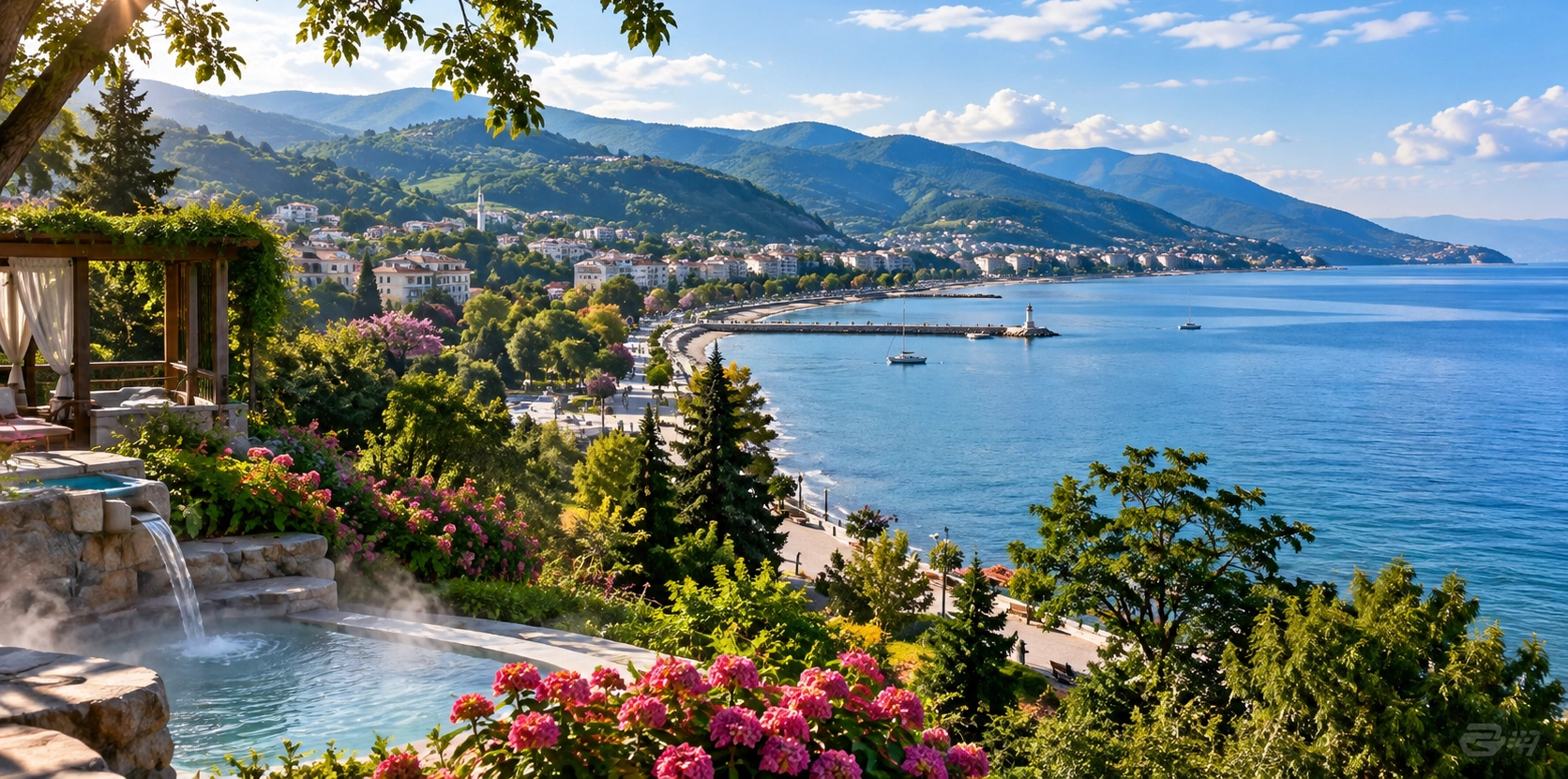
Discover hot springs, waterfalls, forests, historic mansions, coastal towns, gardens and cultural attractions throughout Yalova Province.
View Yalova GuidePair the thermal springs with places that reveal Yalova’s connection with Atatürk, Marmara landscapes and the green foothills of the Samanlı Mountains.
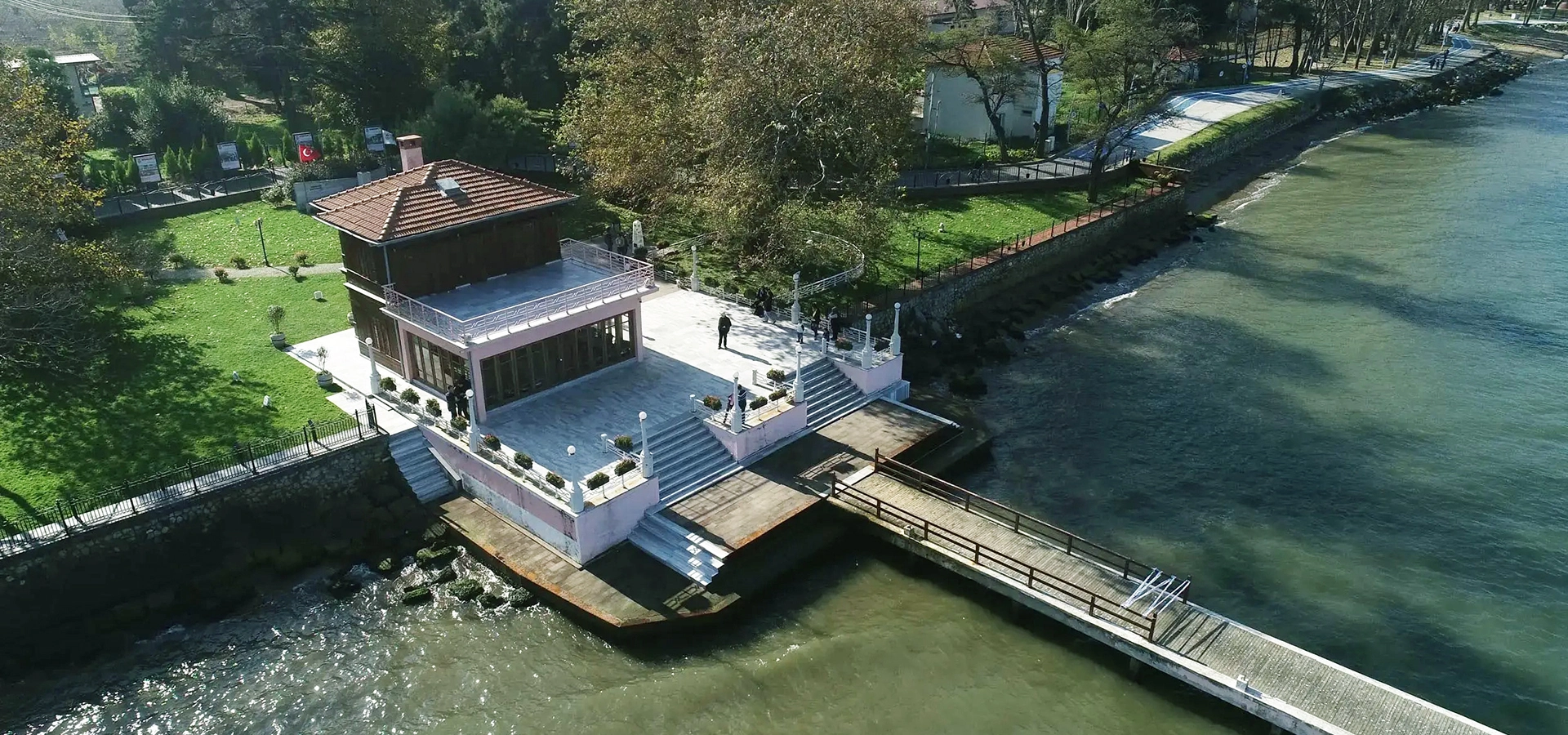
Continue the Atatürk story at the famous waterfront mansion that was moved on rails to protect an old plane tree.
Explore Yürüyen Köşk
Combine Termal’s historic spa landscape with forests, waterfalls and relaxed sightseeing depending on the season.
Request a Custom Day
Continue exploring beaches, thermal springs, waterfalls, museums, historic buildings, forests and coastal scenery across Yalova Province.
Explore Yalova