Spinach
Finely chopped spinach provides the fresh vegetable base and the deep green colour of the filling.
- Role: Main filling
- Preparation: Chopped, salted and drained
- Character: Fresh and savoury






Spinach Yalova Börek, or Ispanaklı Yalova Böreği, is one of the regional dishes associated with Yalova’s local cuisine. Its filling combines finely chopped spinach with white cheese, yogurt, egg, oil, black pepper, salt and a small amount of powdered sugar. The filling is wrapped in triangular pieces of yufka, rolled like a thin pastry and then coiled into a compact spiral.
The official recipe published by the Yalova Provincial Directorate of Culture and Tourism finishes the shaped börek with fat and milk before baking it in a hot oven until lightly browned. The result brings together crisp baked yufka, a moist spinach-and-cheese centre and the comforting character of a classic Turkish tray pastry.
Fresh spinach forms the heart of the filling and gives the börek its distinctive colour and vegetable character.
White cheese and yogurt enrich the spinach mixture with saltiness, softness and gentle tang.
Each piece of yufka is rolled and then curled inward, producing the characteristic individual spiral shape.
The börek is baked until lightly golden and is traditionally served hot while the pastry remains crisp.
Essential information about one of Yalova’s best-known regional börek preparations.
Ispanaklı Yalova Böreği is documented as part of the traditional cuisine of Yalova in northwestern Türkiye.
Open Yalova on Google MapsSpinach is mixed with white cheese, yogurt, egg, oil and seasonings.
Yufka is cut into portions, filled, rolled and curled into individual spiral-shaped börek.
The shaped pastries are brushed with a milk-and-fat mixture and baked until lightly browned.
A regional börek built around spinach, cheese, yufka and a distinctive coiled form.
Ispanaklı Yalova Böreği appears in official Yalova culinary material as one of the dishes associated with the province. Yalova’s food culture reflects a meeting point of Marmara, Balkan, Black Sea and Anatolian influences, with vegetables, pastries and home-style dishes all playing important roles.
The Yalova Provincial Directorate of Culture and Tourism records a detailed preparation using yufka, spinach, white cheese, yogurt, eggs, oil, black pepper, salt and a small amount of powdered sugar. Milk and melted fat are used on the pastry before baking.
What makes the preparation especially recognisable is its shaping method. The yufka is divided into triangular pieces, the spinach filling is placed along the wide edge, and each piece is first rolled before being curled inward. This creates small spiral pastries rather than one large tray börek.
The spinach is not simply placed into the pastry raw and wet. It is finely chopped, lightly salted and rubbed, then drained before being mixed with the remaining ingredients. This helps control moisture and keeps the pastry from becoming unnecessarily soggy.
Modern spinach börek recipes can vary widely across Türkiye, but the official Yalova version is notable for the combination of spinach, white cheese, yogurt, egg and the surprising small addition of powdered sugar, followed by a milk-and-fat finish before baking.
Its identity comes from the moist spinach-and-cheese filling, thin yufka layers and neatly coiled individual shape.
Finely chopped spinach provides the fresh vegetable base and the deep green colour of the filling.
Turkish white cheese adds saltiness and richness while pairing naturally with spinach.
Yogurt is mixed directly into the filling, helping give the spinach mixture a softer and more cohesive texture.
Egg enriches the filling and helps bind the spinach, cheese and yogurt mixture as it bakes.
A small quantity of powdered sugar appears in the official Yalova recipe, adding only a subtle balancing sweetness.
Ready yufka forms the pastry shell and becomes crisp and flaky around the moist filling in the oven.
After being rolled, each pastry is curled inward to create an individual rose-like or spiral form.
A mixture of milk and fat is applied before baking, helping the surface colour and keeping the pastry tender beneath its crisp exterior.
The official recipe published by the Yalova Provincial Directorate of Culture and Tourism gives a clear ingredient framework: three yufka, margarine and milk for the pastry, with a filling of spinach, white cheese, yogurt, eggs, oil, powdered sugar, black pepper and salt.
3 sheets form the thin pastry wrappers.
1 kg provides the main vegetable filling.
150 g adds saltiness and creamy savoury flavour.
3 tablespoons are mixed into the spinach filling.
2 eggs enrich and bind the filling.
A small coffee-cup measure of vegetable oil is mixed into the filling.
2 teaspoons provide a subtle balancing note without making the pastry sweet.
Simple seasoning keeps the spinach and cheese at the centre of the flavour.
The official recipe uses 500 g milk and 125 g margarine for the pastry and its baked finish.
Modern kitchen note: some home cooks may prefer butter or another baking fat in place of margarine. That can be a practical adaptation, but the ingredient list above reflects the official Yalova recipe rather than every modern variation.
The traditional process has two important stages: first preparing a relatively dry spinach filling, and then shaping each piece of yufka into a rolled spiral. Careful draining of the spinach helps preserve the texture of the pastry.
The official preparation gives Ispanaklı Yalova Böreği a distinctive individual form. Rather than layering all of the yufka and filling in one large tray, each triangular piece is rolled around the filling and then coiled from the outside toward the centre.
Cutting the round yufka into wedges creates a wide edge that is easy to fill and roll.
A neat roll keeps the spinach mixture inside without compressing the pastry too tightly.
The long roll is curled inward while keeping enough looseness for the yufka to bake evenly.
The spirals are moved carefully to the tray so their rounded form remains visible after baking.
The filling is more than plain spinach. White cheese brings savoury richness, yogurt adds softness and tang, egg helps bind the mixture, and black pepper provides a gentle aromatic warmth. A small quantity of sugar appears in the traditional recipe as a balancing element.
Spinach naturally contains a great deal of water, so draining it helps keep the yufka from becoming soggy.
Small pieces of white cheese distribute evenly and create pockets of savoury flavour.
A moderate spoonful makes each yufka wedge easier to roll and helps prevent splitting.
White cheese can already be salty, so taste the filling before adding too much extra salt.
The official Yalova recipe includes two teaspoons of powdered sugar in the spinach filling. This does not turn the börek into a sweet pastry. The amount is small compared with the quantity of spinach, cheese and other ingredients, so it works as a subtle flavour-balancing element.
Spinach Yalova Börek is savoury, vegetal, mildly tangy and gently peppery. The spinach remains the dominant flavour, while white cheese contributes salinity and yogurt softens the filling. The baked yufka provides the contrast: crisp at the edges, tender closer to the filling and richer where the milk-and-fat mixture has soaked into the pastry.
Thin yufka develops brittle, golden edges in the oven.
Spinach, yogurt and egg keep the centre soft without making it soupy when properly drained.
White cheese, spinach, salt and black pepper give the pastry its main flavour profile.
Yogurt and white cheese add a mild cultured-dairy freshness.
The official recipe specifies serving the börek hot. That is when the contrast between the crisp outer pastry and moist spinach filling is at its best. Because each piece is individually coiled, it also works naturally as a portion for breakfast, a tea table, a light lunch or part of a larger regional meal.
Spinach can hold soil between the leaves, so wash it in several changes of water if necessary.
Starting with well-drained leaves reduces excess moisture in the final filling.
After salting and rubbing the spinach, drain it thoroughly before adding cheese and yogurt.
White cheese can be quite salty, so season only after taking the cheese into account.
Yufka that bends without cracking is easier to roll and coil into neat spirals.
Too much filling makes the rolls difficult to close and may cause leakage during baking.
Keep the spiral secure but not excessively tight so the pastry layers can bake through.
The goal is a crisp, cooked pastry with a lightly browned surface rather than a dark or dry crust.
Yalova Municipality describes the province’s cuisine as a meeting point of Balkan, Black Sea and Anatolian influences, with a strong place for seasonal vegetables, home cooking and recipes shaped by migration. Ispanaklı Yalova Böreği fits naturally into that culinary landscape: a vegetable-based filling enclosed in one of Turkish cuisine’s most familiar pastry forms.
The dish has its own recipe page on the Yalova Provincial Directorate of Culture and Tourism website.
Yalova Municipality includes Ispanaklı Yalova Böreği among the province’s characteristic foods.
The recipe reflects the prominent place of vegetables in Yalova’s regional cooking.
Simple ingredients become distinctive through careful filling, rolling, coiling and baking.
Ispanaklı Yalova Böreği is a documented regional speciality, but that does not mean every bakery or restaurant prepares the traditional version every day. If tasting it is important to your visit, ask local bakeries, restaurants serving Yalova cuisine, hotel kitchens and home-style eateries whether it is currently available.
Local bakeries and restaurants are the natural first places to enquire about the regional börek.
Traditional dishes are often more likely to appear in establishments focused on regional cooking.
The documented Yalova version is rolled and coiled into individual spiral pastries.
Börek selections can change by day, so advance confirmation is useful when seeking a specific local speciality.
The small amount of sugar in the traditional recipe does not make the börek a dessert.
The filling should clearly combine green spinach with small pieces of white cheese.
Individual rolled coils are one of the most recognisable features of the official Yalova preparation.
The pastry is at its best when the yufka is still crisp from the oven.
Börek fits naturally into a Turkish breakfast alongside tea, cheese, olives and fresh vegetables.
A spiral or two with salad and ayran can form a satisfying midday meal.
Yalova Sütlüsü or Termal Tatlısı can follow the savoury pastry as part of a regional food experience.
Yürüyen Köşk, Yalova City Museum and Termal make natural additions to a food-focused visit.
The traditional recipe contains wheat-based yufka, white cheese, yogurt, egg, milk and fat. It is therefore not suitable for vegan, dairy-free, egg-free or standard gluten-free diets. Ingredient choices can also vary among home cooks and commercial kitchens, so anyone with allergies or strict dietary requirements should confirm the exact preparation before eating.
Traditional yufka is made from wheat flour.
White cheese, yogurt and milk all appear in the official recipe.
Egg is mixed into the spinach filling.
The documented recipe contains no meat, but strict vegetarians may wish to confirm the type of cheese used.
This information describes the documented traditional preparation and should not be treated as a guarantee of the ingredients used by every bakery, restaurant, hotel or household.
A strong photograph should immediately show the qualities that distinguish the dish: individually coiled pastries, crisp golden yufka and a visible green spinach-and-white-cheese filling. Natural styling works better than elaborate decoration for this home-style regional food.
A three-quarter angle makes the rolled layers and rounded form easy to recognise.
Cut one pastry open so the spinach and white cheese are visible inside.
Soft side light brings out the texture and thin baked edges of the yufka.
A simple ceramic serving plate supports the traditional, homemade character of the börek.
A small tea glass in the background can provide a natural cultural context without distracting from the pastry.
The golden pastry and green filling should remain the visual focus.
A regional-food stop can easily be combined with Yalova’s Atatürk heritage, thermal culture, botanical collections and green landscapes.
Visit one of Yalova’s best-known Atatürk landmarks beside the Marmara Sea.
Discover the province’s history, urban development and local identity before exploring its cuisine.
Experience the thermal waters, historic spa buildings and green surroundings of Yalova’s famous Termal district.
Add an important republican-era heritage site to a day combining Termal and local gastronomy.
Explore one of Yalova’s important botanical collections and its remarkable variety of plants.
Continue into Yalova’s wooded landscapes for walking, scenery and fresh air.
Add a distinctive plant-focused museum to a wider Yalova itinerary.
Discover Yalova’s connection with the history of paper production and printing culture.
Spinach Yalova Börek is one part of a much wider regional food story. Yalova’s cuisine includes soups, meat dishes, vegetable preparations, pastries, milk desserts and locally important agricultural products.
Discover Yalova’s vegetable-rich soup finished with a yogurt, flour and egg-yolk terbiye.
Explore thinly pounded beef rolled around a savoury onion-and-mushroom filling.
Try Yalova’s unusual grape-leaf and cornmeal pan pide with yogurt, fresh onion and mint.
Discover another distinctive savoury speciality associated with Yalova.
Explore a rich local dish combining sautéed meat, puff pastry and cheese.
Continue with a crêpe-based dessert filled with apple marmalade and pistachio.
Finish with Yalova’s chilled milk-soaked layered pastry dessert.
Explore a geographically indicated forest honey connected with Yalova’s chestnut woodlands.
Spinach Yalova Börek, or Ispanaklı Yalova Böreği, is a regional Yalova pastry made by filling yufka with spinach, white cheese, yogurt, egg, oil and seasonings, then rolling and coiling each piece before baking.
It is associated with Yalova in northwestern Türkiye and is documented by the Yalova Provincial Directorate of Culture and Tourism.
The official filling contains spinach, white cheese, yogurt, eggs, oil, powdered sugar, black pepper and salt.
The documented recipe uses yufka, the thin sheets commonly used for many Turkish börek preparations.
Yufka is cut into triangular portions, filled along the wide edge, rolled and then curled inward into individual spirals.
Salting and gently rubbing the spinach softens the leaves and helps release moisture that can then be drained away.
Yes. The official Ispanaklı Yalova Böreği recipe includes white cheese.
Yes. Yogurt is mixed into the spinach filling.
Yes. Eggs are included in the traditional filling.
The official recipe includes a small amount—two teaspoons—which provides a subtle balancing note while the börek remains clearly savoury.
No. It is a savoury spinach-and-cheese pastry; the small amount of sugar is only one minor element in the filling.
The documented recipe contains no meat, although strict vegetarians may wish to confirm the type of cheese used.
No. The traditional recipe contains white cheese, yogurt, eggs and milk.
No. Traditional yufka is made from wheat flour and should not be assumed to be gluten-free.
Yes. White cheese, yogurt and milk are all part of the documented recipe.
The official method applies a mixture of the remaining fat and milk to the shaped pastries before they go into the hot oven.
It is traditionally served hot, when the baked yufka is crisp and the spinach filling remains moist.
Many home cooks may choose butter as a modern variation, but the official Yalova recipe specifically records margarine.
Ask bakeries, restaurants and home-style eateries that prepare regional Yalova cuisine, and confirm availability in advance because börek selections may change daily.
Yes. The key points are draining the spinach well, keeping the filling balanced, rolling the yufka neatly and coiling each piece without crushing the pastry layers.
The best image should instantly communicate a freshly baked Turkish pastry with a Yalova identity: golden spiral yufka, a visible spinach-and-white-cheese centre and a warm, natural table setting.
A slightly elevated view shows both the spiral form and the height of each pastry.
A sliced piece reveals the green spinach filling and white cheese inside the crisp yufka.
Soft side light creates attractive highlights along the flaky pastry edges.
A traditional Turkish tea glass can suggest breakfast or afternoon serving without overwhelming the composition.
Simple natural fabric supports the homemade character of the dish.
The pastry itself should remain the focus, with perhaps a few fresh spinach leaves used only as subtle context.
Turn a local-food stop into a wider day through Yalova’s historic landmarks, thermal landscape, gardens and green countryside.
Pair a regional food experience with two of Yalova’s most distinctive visitor attractions.
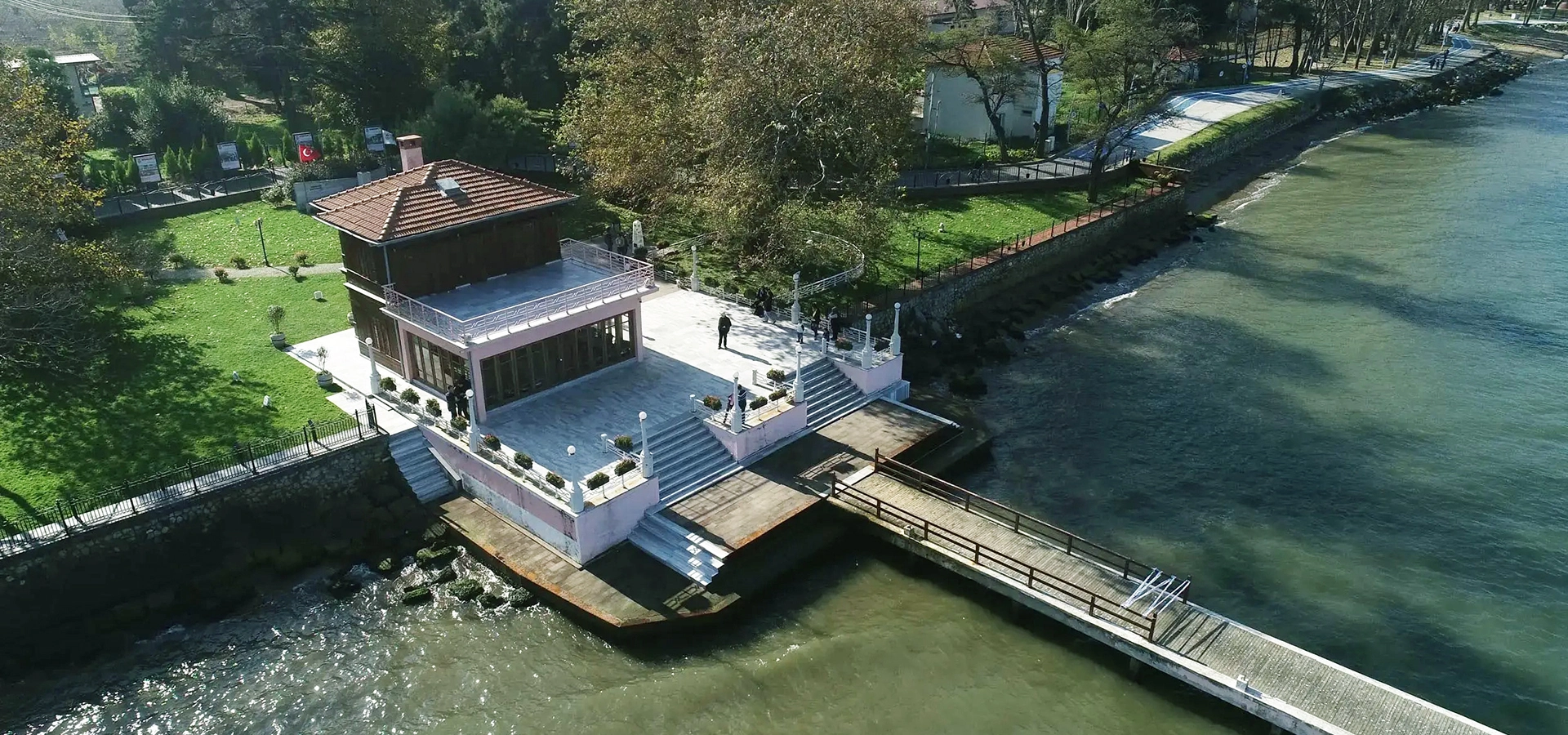
Visit one of Yalova’s best-known Atatürk landmarks and combine coastal heritage with a tasting of the province’s regional dishes.
Discover Yürüyen Köşk
Explore the mineral waters, historic spa culture and forest setting of Termal before or after discovering Yalova’s local cuisine.
Discover Termal Hot SpringsCombine Yalova city, Termal, Atatürk heritage, gardens, waterfalls and regional-food stops in a personalised route.

Create a personalised day combining Yalova city, Termal, Atatürk heritage, botanical gardens, waterfalls and local cuisine.
Request a Private Journey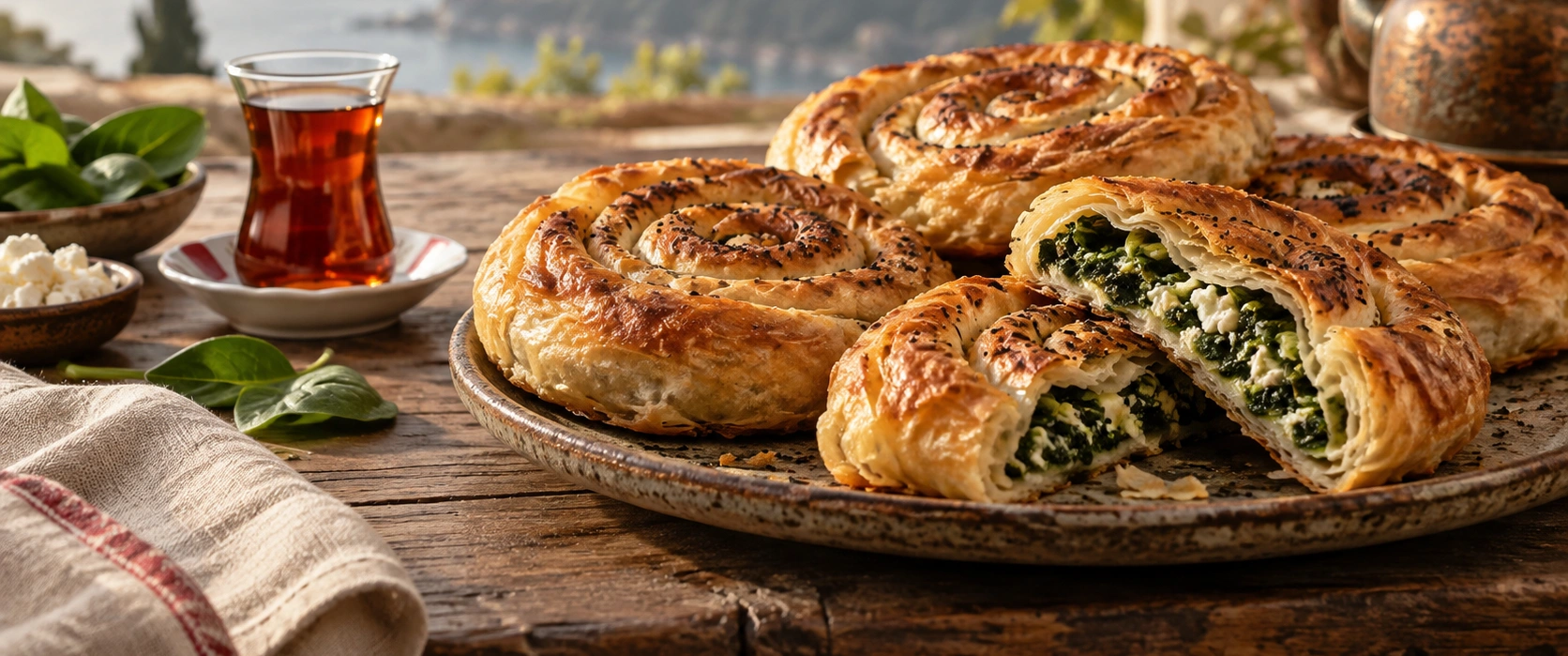
Build a food-focused route around Spinach Yalova Börek, Termal Soup, Yaprak Pidesi, Yalova Köftesi, local desserts and regional agricultural products.
Ask About Custom Options