Fine Yufka Layers
Thin sheets of pastry are cut to fit the tray and arranged one by one to create the dessert’s layered structure.
- Base: Thin yufka
- Form: Layered
- Shape: Tray-baked squares






Yalova Sütlüsü is one of the best-known sweet specialities associated with Yalova in northwestern Türkiye. At first glance it may recall a pale baklava because it is assembled from fine layers of yufka with nuts between them, but its character is very different: instead of being deeply browned and drenched with a conventional sugar syrup, the pastry is gently cooked, kept light in colour and finished with a milk-based sweetening mixture.
Türkiye’s official Culture Portal records a preparation using yufka, milk, sugar, coconut, fat and a choice of nuts such as pistachios, hazelnuts, almonds or walnuts. After gentle oven cooking, sweetened vanilla milk is poured over the pastry, which is then rested and thoroughly chilled before serving, traditionally with seasonal fruit.
The finished pastry absorbs a warm mixture of milk, sugar and vanilla instead of a conventional clear sugar syrup.
The traditional method specifically avoids strong browning, preserving the dessert’s characteristic light appearance.
Coconut and a choice of nuts create texture and richness between the delicate pastry layers.
After soaking and resting, the dessert is refrigerated before being served cold with seasonal fruit.
Essential information about one of Yalova’s signature regional desserts.
Closely associated with Yalova and officially presented among the province’s traditional foods.
Open Yalova on Google MapsMilk is used both in the preparation and in the sweet mixture absorbed by the baked pastry.
Coconut is paired with pistachios, hazelnuts, almonds, walnuts or another preferred nut.
The dessert is rested after soaking, chilled thoroughly and traditionally served with seasonal fruit.
A layered pastry dessert that became closely identified with the city of Yalova.
Yalova Sütlüsü occupies an interesting place between Türkiye’s pastry and milk-dessert traditions. Its layered yufka construction can remind visitors of baklava, yet the finished dessert is deliberately pale, softly soaked with milk and eaten cold rather than crisp, deeply browned and syrup-heavy.
The Yalova Governorate describes the dessert as a flavour representing the city and identifies it as Yalova’s first registered sweet speciality. The producer most closely associated with the name states that its story began in 2005 as a special recipe developed by Yalova’s first baklava shop.
Türkiye’s Culture Portal provides the clearest official recipe reference. It records thin pastry sheets layered in a tray, coconut and nuts placed through the centre, gentle oven cooking and a milk, sugar and vanilla mixture poured over the pastry after baking.
One of the most distinctive instructions is that the dessert should come from the oven without browning. This pale finish separates it visually from ordinary baklava and supports the softer, milk-based character suggested by its name.
Today, Yalova Sütlüsü is promoted not merely as a recipe but as one of the edible symbols of the city. Travellers exploring Yalova’s local food culture will frequently encounter it alongside regional meat dishes, pastries and agricultural products.
Its identity comes from fine pastry layers, coconut and nuts, gentle baking, milk soaking and cold service.
Thin sheets of pastry are cut to fit the tray and arranged one by one to create the dessert’s layered structure.
A warm mixture of milk, sugar and vanilla is poured over the pastry after it comes from the oven.
Coconut is part of the recognised preparation and is used with the nut filling between the pastry layers.
The official ingredient list allows pistachios, hazelnuts, almonds or walnuts, giving the dessert room for variation.
Unlike many pastries that depend on deep golden colour, Yalova Sütlüsü is intentionally removed from the oven while still pale.
The dessert is allowed time to absorb the milk mixture before being transferred to a very cold refrigerator.
The recognised preparation is served chilled, giving it a refreshing character despite its pastry and nut content.
The official method specifically mentions seasonal fruit as a serving accompaniment.
Türkiye’s Culture Portal publishes a reference ingredient list for Yalova Sütlüsü. The quantities below describe a large tray-style preparation and help explain the balance between pastry, milk, nuts and coconut that defines the dessert.
700 g of thin pastry forms the layered body of the dessert.
2 litres are listed in total, with milk used in the preparation and for the sweet soaking mixture.
600 g sweetens the milk mixture poured over the gently baked pastry.
50 g adds a distinctive aroma and texture to the filling.
400 g of pistachios, hazelnuts, almonds or walnuts are included in the official ingredient list.
200 g of fat is added to the cut pastry before the covered oven stage.
Vanilla perfumes the dough and the milk mixture, reinforcing the dessert’s delicate sweet aroma.
Fresh fruit is used at serving time to add colour, freshness and acidity to the chilled dessert.
The official wording leaves room for choice in the nut filling, so different versions may taste noticeably different. The constant identity is the layered pastry, coconut, milk-based soak, pale baking and chilled finish.
The traditional method is more patient than difficult. The pastry is assembled carefully, gently heated without browning, soaked with sweet vanilla milk and then rested until completely chilled.
The milk finish is what most clearly separates Yalova Sütlüsü from a standard baklava-style pastry. Instead of using a clear syrup made mainly from water and sugar, the dessert absorbs sweetened milk scented with vanilla.
Milk gives the soak body, softness and a gentle dairy flavour that becomes part of every pastry layer.
Sugar is dissolved directly into the milk, creating sweetness without the glassy texture of a conventional syrup.
A small amount of vanilla adds fragrance without overwhelming the coconut and nut filling.
Resting time is essential because the pastry needs time to take in the milk evenly before chilling.
One of the most unusual instructions in the official preparation is that the pastry should leave the oven without browning. That light colour is not an accident; it is part of the visual and textural identity of the dessert.
The pastry is cooked slowly in a warm oven environment rather than exposed to aggressive high heat.
Baking paper and foil help protect the surface during the extended oven stage.
A pale bake prepares the pastry to absorb milk and become tender rather than remaining dry and brittle.
The final light colour makes Yalova Sütlüsü immediately different from deeply browned baklava.
Expect a soft, milky and nutty dessert with gentle vanilla and coconut aromas. The pastry still provides layers, but after soaking and chilling the texture is much more tender than a crisp baklava. Nuts add richness and bite, while fresh fruit can make the overall plate feel brighter and lighter.
The sweetened milk soak is central to the flavour and gives the dessert its soft finish.
Pistachio, hazelnut, almond or walnut can each give the filling a different personality.
Vanilla and coconut create fragrance without relying on heavy spice.
Cold service and seasonal fruit provide a refreshing contrast to the pastry and nuts.
The traditional preparation is allowed to rest after the milk is added and is then chilled before serving. This resting period is important: it gives the pastry time to absorb the sweet milk and lets the flavours settle into a unified dessert.
Arrange the pastry carefully so the dessert cooks and absorbs milk consistently from edge to centre.
The recognised method aims for a pale dessert, so strong golden colour means the oven stage has gone too far.
Baking paper and foil help protect the surface and support the gentle cooking style described in the traditional method.
Because nuts form a major part of the filling, freshness has a noticeable effect on flavour and aroma.
Warm the milk gently and stir until the sugar is completely dissolved before pouring it over the pastry.
Do not rush directly from soaking to serving; resting allows the milk to penetrate the pastry layers.
The dessert develops its characteristic serving texture only after sufficient refrigeration.
Use fresh seasonal fruit just before serving so it stays bright, fresh and visually appealing.
Yes. The official Culture Portal already allows several different nuts in the filling, while contemporary producers have developed flavoured versions. The business most closely associated with the dessert currently presents varieties including tahini, mastic and chocolate alongside the classic version.
The familiar version focuses on milk, delicate pastry, coconut and nuts.
A modern variation adds the roasted sesame depth of tahini to the dessert’s milk-and-pastry character.
A mastic-flavoured version introduces the distinctive resinous aroma familiar from several Turkish milk desserts.
Chocolate versions combine cocoa richness with the dessert’s soft milk-soaked layers.
For travellers trying Yalova Sütlüsü for the first time, the classic version gives the clearest sense of the dessert’s original identity before exploring flavoured variations.
Yalova’s culinary culture brings together influences from different communities that settled in the region, while the province’s modern food identity also includes distinctive locally developed recipes. Yalova Sütlüsü has become one of the city’s most recognisable sweet specialities and provides a useful contrast to the savoury dishes for which the province is also known.
A filled, oven-baked meat dish associated with Yalova’s regional cuisine.
A distinctive lamb preparation served with puff pastry and kaşar cheese.
A thin local pide showing the importance of dough and bakery traditions in the province.
A spinach-filled pastry representing another savoury side of the local table.
A protected forest product associated with Yalova’s chestnut woodlands and beekeeping.
Two important agricultural products that add a fresh fruit dimension to Yalova’s food identity.
The dessert is strongly associated with central Yalova and is sold by specialist pastry businesses as well as appearing in the wider local food scene. Because recipes and availability can change, it is sensible to confirm the current menu before making a special journey specifically to taste it.
The city centre is the natural place to begin looking for the dessert and other regional food specialities.
Use the full local name so the staff understand that you want the city’s specific layered milk dessert.
The original-style version makes it easiest to understand the balance of milk, pastry, coconut and nuts.
Fresh dessert production can vary, so calling ahead is useful if tasting Yalova Sütlüsü is a priority.
Its layered construction may look familiar, but the milk soak, pale colour and chilled service create a very different experience.
The recognised preparation is deliberately chilled after soaking and resting.
The official recipe allows several types of nuts, so the flavour can change from one preparation to another.
A traditional-style serving should be noticeably paler than deeply baked baklava.
The traditional dessert contains milk, wheat pastry and tree nuts; exact recipes should always be confirmed directly.
Seasonal fruit is part of the documented serving method and gives a fresh counterpoint to the sweet pastry.
Turkish coffee or tea makes an easy accompaniment to a chilled slice of the dessert.
Try Yalova Köftesi or Milföylü Yalova Kebabı first, then finish your local-food journey with Yalova Sütlüsü.
The traditional documented preparation contains milk, wheat-based pastry and tree nuts. Exact recipes can vary between producers, so travellers with allergies, intolerances or strict dietary requirements should always confirm the ingredients of the specific version being served.
Milk is a defining ingredient in the traditional preparation and soaking mixture.
The layered yufka is ordinarily made from wheat flour and is therefore not gluten-free.
Pistachio, hazelnut, almond or walnut may be used, and cross-contact is possible in pastry kitchens.
Coconut is part of the recognised recipe and should be considered by anyone who needs to avoid it.
This information describes the published traditional preparation and is not a guarantee of the ingredients used by every bakery, café or restaurant.
Yalova Sütlüsü is visually distinctive because it does not depend on the deep amber colour of ordinary baklava. Good photography should show the pale layered pastry, creamy milk-soaked texture, nut filling and colourful fruit garnish.
A slightly elevated angle shows the layered square while still revealing the top and fruit garnish.
Focus on the fine pastry sheets and the nut-and-coconut centre.
Fresh berries, citrus or other seasonal fruit add colour against the dessert’s pale surface.
Gentle window light prevents the milk-soaked surface from looking harsh or overly glossy.
A clean side view makes the layered structure much easier to understand.
A properly chilled slice keeps its shape better and gives the most characteristic presentation.
A dessert stop in central Yalova can easily be combined with museums, waterfront heritage, botanical collections, thermal springs and the green countryside surrounding the city.
Explore the city’s history and cultural identity before continuing into its regional food traditions.
Visit one of Yalova’s best-known Atatürk heritage landmarks on the Marmara waterfront.
Discover Yalova’s horticultural character through an unusual collection of carefully cultivated miniature trees.
Walk through a remarkable botanical collection reflecting the province’s strong horticultural identity.
Combine local cuisine with historic thermal baths, mineral waters and forest scenery.
Add an important republican-era heritage stop while exploring the Termal district.
Continue into the countryside for forest scenery and one of Yalova’s popular waterfall excursions.
Experience the lush landscapes that give the province much of its green character.
Yalova Sütlüsü is one part of a wider local food story. Regional meat dishes, pastries, protected agricultural products and specialty honey all add different flavours to a Yalova culinary itinerary.
Discover Yalova’s distinctive oven-baked meatballs with a creamy milk-and-kaşar centre.
Explore an unusual local meat dish combining lamb sauté, puff pastry and kaşar cheese.
A geographically indicated forest honey linked with chestnut woodlands and local beekeeping.
A protected regional agricultural product grown in the province’s favourable orchard conditions.
A dark-purple berry that has become an important part of Yalova’s agricultural identity.
A thin regional pide representing another side of Yalova’s dough and bakery traditions.
Yalova Sütlüsü is a layered regional dessert associated with Yalova, prepared with thin yufka, milk, sugar, coconut and nuts, gently baked without strong browning, soaked with sweetened milk and served chilled.
Milk is one of its defining ingredients, but structurally it is also a layered pastry dessert rather than a pudding or custard.
It shares the idea of layered pastry and nuts, but it differs through its pale baking, milk-based soak, softer texture and chilled serving style.
The official Culture Portal recipe lists yufka, milk, sugar, coconut, fat and a selection of nuts including pistachios, hazelnuts, almonds or walnuts.
The published ingredient list allows pistachios, hazelnuts, almonds or walnuts, so versions can vary.
Yes. Coconut is included in the documented traditional recipe and is used with the nut filling.
The traditional method specifically instructs that it should be removed from the oven without browning, preserving its light colour.
Cold. After the milk mixture is added, the dessert is rested and then chilled before serving.
Its sweetening liquid is based on milk, sugar and vanilla rather than the typical water-and-sugar syrup associated with many baklava-style desserts.
Yes. Vanilla appears in the documented preparation and adds a gentle aromatic note to the milk mixture.
The layered pastry is covered and kept in a gently heated oven environment, with the aim of cooking it without developing a strongly browned surface.
The recognised method uses baking paper and foil, helping protect the pastry while it cooks gently and remains pale.
The official method describes an extended process that includes resting after the milk is poured over the pastry and further chilling before service.
The published ingredient list does not include meat. However, strict vegetarians should confirm the type of fat and all bakery ingredients used in the specific version being served.
No traditional version is vegan because milk is a defining ingredient.
Normally no. The yufka is made from wheat flour and therefore contains gluten.
Yes. Nuts are a major element of the documented recipe, so people with tree-nut allergies should avoid it unless a safe alternative is specifically confirmed.
Yes. Türkiye’s Culture Portal specifically describes serving the chilled dessert with seasonal fruit.
The Yalova Governorate describes it as Yalova’s first registered dessert and presents it as a sweet speciality representing the city.
The producer associated with the dessert states that its modern story began in 2005. The official Culture Portal has listed the dish as part of Yalova’s traditional cuisine since at least 2013.
Yes. Alongside the classic style, contemporary versions include flavours such as tahini, mastic and chocolate.
Its combination of fine pastry, milk soaking, coconut, nuts, pale baking and cold service gives it a character somewhere between a pastry dessert and a chilled milk sweet.
Look for specialist pastry shops and local-food businesses in Yalova city and check current availability before making a special journey.
Tea, Turkish coffee, lemonade or fresh fruit drinks can all work well with the chilled, milky dessert.
The strongest visual story is the contrast between its pale pastry layers, nut filling and colourful fruit. Unlike baklava photography, deep caramel browning is not the goal; the light, milk-soaked appearance is part of the dessert’s identity.
Photograph a clean cut edge so the fine pastry sheets and filling remain visible.
Avoid heavy editing that makes the dessert look artificially golden like baklava.
Seasonal berries or sliced fruit make the white and cream tones stand out beautifully.
This angle captures the square portion, its garnish and the surrounding plate together.
A close detail of the centre reveals the contrast between soft pastry and textured nuts.
A cold slice holds its shape neatly and gives the most representative appearance.
Turn a local dessert stop into a wider Yalova journey through museums, gardens, hot springs, forests and the Marmara coast.
Pair Yalova Sütlüsü with the city’s cultural landmarks and other distinctive regional foods.

Explore Yalova’s social and cultural history, then continue the story through the flavours associated with the province.
Explore Yalova City Museum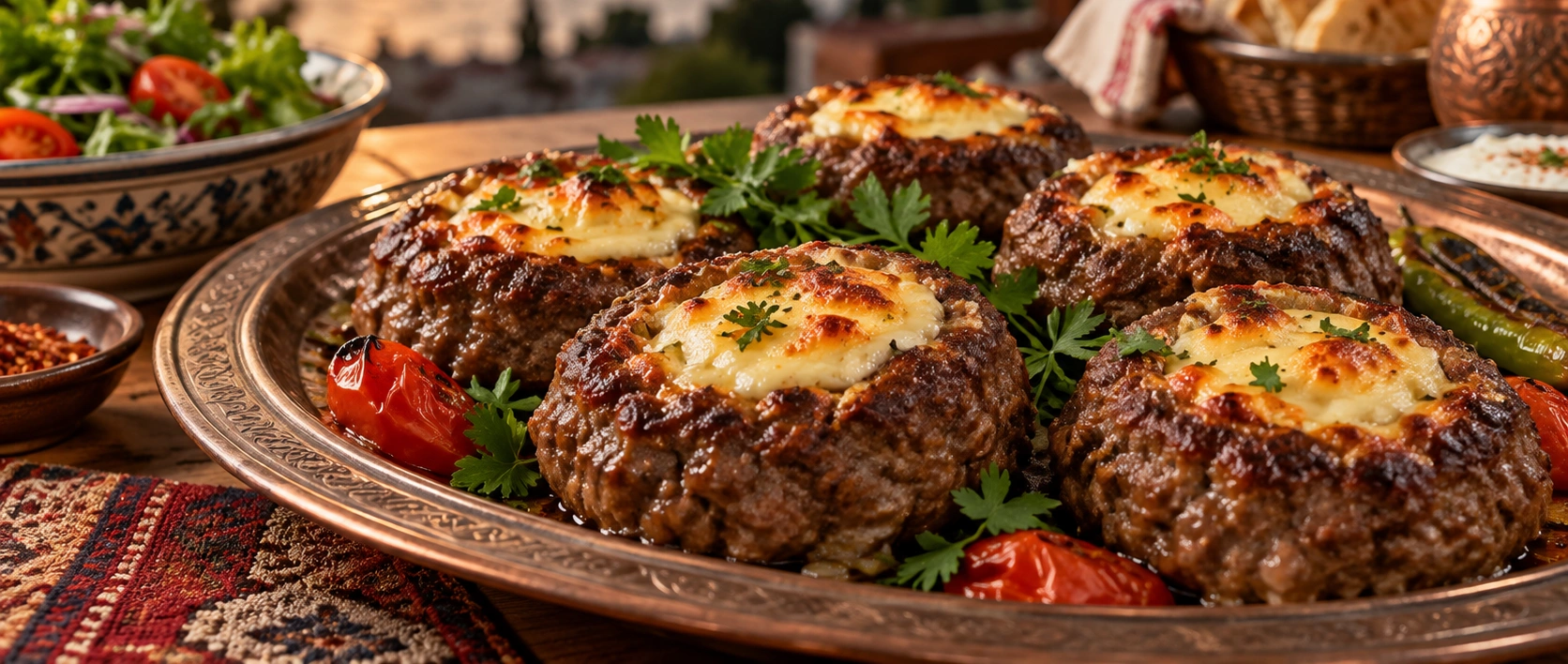
Compare Yalova’s best-known sweet speciality with a distinctive local savoury dish of filled, oven-baked meatballs.
Discover Yalova KöftesiCombine Yalova city, Termal, countryside scenery, museums and regional-food stops in a personalised route.

Create a personalised day combining Yalova’s museums, waterfront, Termal, botanical gardens, waterfalls and local flavours.
Request a Private Journey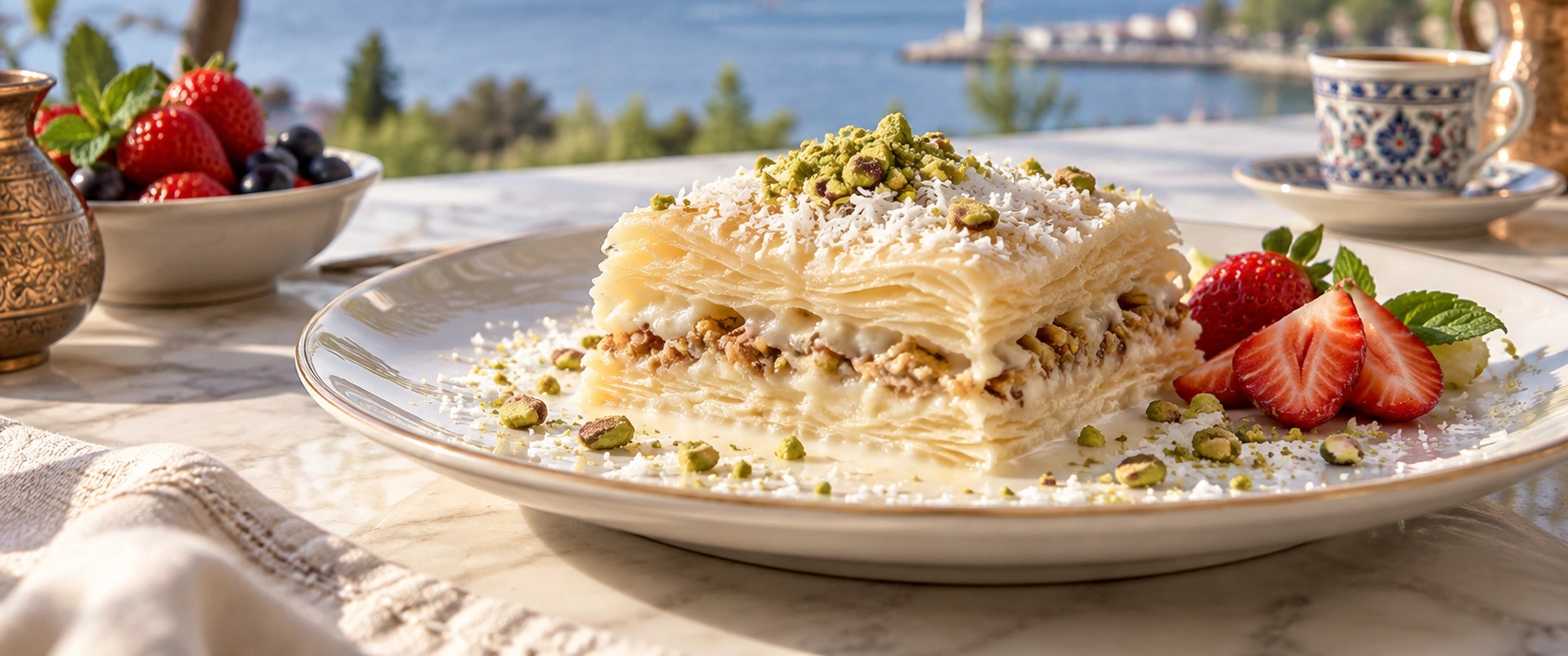
Build a food-focused route around Yalova’s local dishes, traditional sweets, protected agricultural products and countryside.
Ask About Custom Options