Private Bilecik Gastronomy Discovery
Explore Bilecik's traditional dishes, local sweets, regional products and culinary heritage on a flexible private food-focused route.
Request This Tour





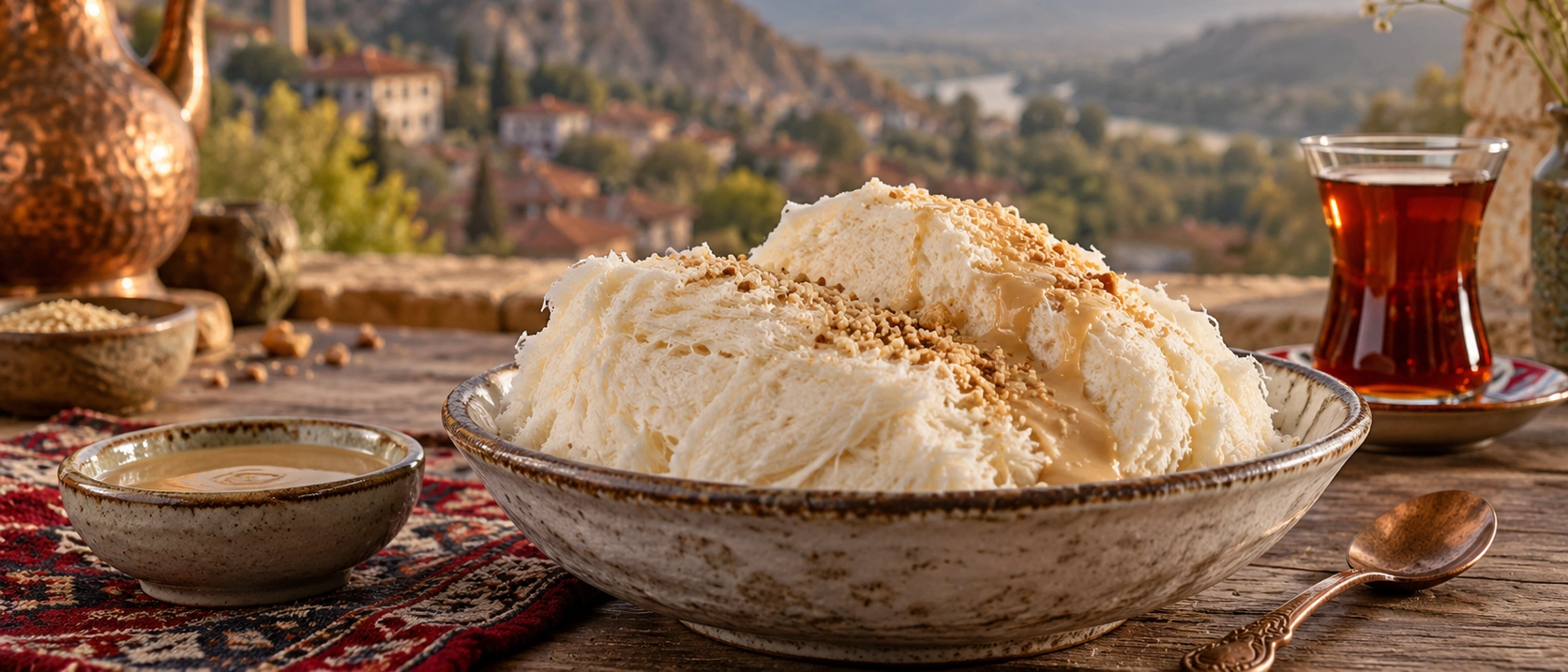
Köpük helvası, literally “foam halva,” is one of the traditional sweets remembered and consumed in Bilecik Province. Unlike dense tahini halva, its identity comes from a soft, aerated and creamy texture.
The classic style is based on a sweet syrup combined with çöven — soapwort root or its extract. When the çöven liquid is beaten, naturally occurring saponins help create the characteristic foam that gives the dessert its name.
The finished sweet is generally pale to white, smooth, light on the spoon and noticeably different from crumbly sesame-based halva. Depending on the producer and regional tradition, its exact sweetness, firmness and serving style can vary.
Köpük helvası is known in several parts of Türkiye, so it should not be understood as exclusive to Bilecik. What makes it important here is its place within the province's living food culture, where official cultural sources include it among traditional foods prepared and eaten in Bilecik.
For travellers, it offers a useful glimpse into an older confectionery tradition in which patience, repeated mixing and the unusual foaming power of a plant root transform very simple ingredients into a distinctive regional sweet.
Köpük helvası is listed among the traditional foods prepared and consumed in Bilecik Province.
Soapwort-root liquid can be whipped into foam thanks to naturally occurring saponins.
The dessert is known for a light, smooth texture rather than the dense, crumbly body of tahini halva.
Some traditional serving styles balance the sweetness with a drizzle or spoonful of tahini.
Essential information about one of the traditional sweets associated with Bilecik's local food culture.
Prepared and consumed as part of the traditional food culture of Bilecik Province.
Open Bilecik on Google MapsSoft, aerated and creamy sugar confection traditionally associated with çöven.
Çöven, or soapwort root, whose extract helps create the characteristic foam.
Pale or white with a smooth, fluffy and spoonable texture.
A traditional confection that connects Bilecik with a wider Anatolian culture of sugar, çöven and handcrafted sweets.
Bilecik's traditional cuisine is broader than its meat dishes and handmade dough foods. The province also preserves a varied sweet-making culture that includes helvas, fruit products, syrup-based desserts and festive preparations.
Köpük helvası appears within this local culinary landscape as one of the sweets traditionally prepared and consumed in the province.
Its technique belongs to a wider Anatolian confectionery tradition. The key is çöven, a plant whose root can be boiled to obtain a liquid that becomes foamy when vigorously beaten.
That foam is then combined with a cooked sweet mixture. Repeated mixing transforms the ingredients into a pale, creamy confection that feels much lighter than its sugar-rich composition might suggest.
Because köpük helvası also exists in other parts of Türkiye, the Bilecik story is best understood as a regional tradition within a much larger culinary family rather than as a sweet unique only to the province.
Today, discovering it beside Bilecik's other helvas, boza, handmade pastries and fruit-based sweets helps travellers see the province not simply as a historical destination, but also as a place with an active and varied food heritage.
Köpük helvası is a traditional Turkish confection whose name refers directly to its foamy texture. In its classic çöven-based form, a sweet syrup is combined with whipped soapwort-root liquid to produce a white, light and creamy sweet.
The dessert is very different from the dense blocks of sesame-based tahini halva familiar to many visitors. Köpük helvası can be soft enough to scoop with a spoon and may have an almost whipped, marshmallow-like or cream-like appearance.
Recipes are not identical everywhere. Commercial or regional versions may vary in sweeteners, acidity regulators, proteins or flavourings, so travellers with dietary restrictions should always ask about the exact ingredients.
Provides the main sweetness and structure of the confection.
Forms the base of both the syrup and the traditional çöven preparation.
Soapwort root or its extract is traditionally responsible for the distinctive foam.
Beating incorporates air and activates the foaming character of the çöven liquid.
A cooked sugar mixture gives the foam body, sweetness and stability.
The finished sweet is generally much softer and airier than tahini halva.
Official Bilecik cultural sources include köpük helvası among the foods traditionally made and consumed in the province.
That does not mean the sweet exists only in Bilecik. Variations are known in different regions of Türkiye, each with its own local habits, proportions, names or serving traditions.
For a Bilecik food guide, its importance lies in the fact that it remains part of the province's remembered culinary repertoire and sits naturally beside other local helvas, desserts, fermented drinks and handmade foods.
The sweet appears in descriptions of the province's traditional cuisine.
Köpük helvası belongs to a wider Turkish and Anatolian confectionery tradition.
Bilecik preserves several different sweets and helva traditions rather than a single style.
Its appeal comes from an old preparation technique rather than modern pastry styling.
Tasting it introduces a lesser-known side of Turkish sweet culture beyond baklava and lokum.
Ask producers how their own version is prepared, served and stored.
The basic çöven-style sweet depends on only a small number of ingredients, but the transformation of those ingredients requires careful boiling and repeated mixing.
Exact formulas differ by producer. The ingredients below describe the traditional framework rather than a single legally fixed Bilecik recipe.
The principal sweetener in many modern preparations and the foundation of the cooked syrup.
Used to extract the çöven and prepare the sugar mixture.
Provides the natural foaming action associated with the classic style.
Some recipes use citric acid or a similar ingredient when preparing the sugar syrup.
Commercial or household versions may introduce flavourings depending on local preference.
Tahini may be poured over or served beside the sweet, but it is not necessarily mixed into the base.
Çöven is the Turkish name used for soapwort-type plants whose roots contain naturally occurring compounds called saponins.
When a traditional çöven preparation is boiled, strained and then beaten, those compounds help create and sustain foam. This is the technical feature that makes the plant so useful in certain Turkish confectionery traditions.
The same general principle is also associated with the production of some forms of tahini halva, where a foamed sugar mass is eventually worked with sesame paste.
The root is traditionally used to prepare the foaming liquid.
Naturally occurring compounds help the liquid foam when it is vigorously beaten.
The root preparation is cooked in water before solids are removed.
Mechanical beating introduces air and creates the light base for the sweet.
Çöven can contribute a subtle characteristic aroma in addition to texture.
Its importance comes from function as much as flavour: it helps build structure without turning the sweet dense.
There is no single Bilecik geographical-indication specification fixing one official recipe. However, traditional çöven-based köpük helvası generally follows a recognisable sequence.
The characteristic body of köpük helvası is not created simply by stirring sugar. The crucial difference is the foaming action of the çöven preparation.
Saponins have both water-friendly and fat-like molecular regions. In water, this helps them gather around air bubbles and support the formation of foam when the liquid is beaten.
Once the sweet syrup is incorporated, the mixture gains sweetness and body while the air already introduced into the çöven foam contributes the dessert's light structure.
Whipping physically introduces tiny air bubbles into the çöven liquid.
The natural compounds in soapwort help bubbles form and persist.
The cooked sugar mixture gives the aerated mass sweetness and structural weight.
Too little or uneven mixing can produce an inconsistent texture.
Air changes the eating experience even though sugar remains the principal ingredient.
“Köpük” means foam in Turkish, directly referring to the sweet's most recognisable feature.
Köpük helvası is primarily a sweet sugar confection, but its sensory character is different from hard candy or dense halva because the foamy structure changes how quickly it dissolves and spreads across the palate.
Traditional çöven can contribute a subtle herbal or aromatic note, while tahini served alongside introduces roasted sesame depth and a slightly bitter, nutty counterpoint.
Sugar is central, so sweetness is the dominant first impression.
The aerated structure makes each spoonful feel less dense than many other helvas.
Traditional çöven may contribute a subtle plant-derived aroma.
The confection tends to dissolve or melt away rather than requiring much chewing.
Roasted sesame flavour can balance the sweetness and add richness.
Sweetness and aroma vary considerably from one producer to another.
Aeration is the defining characteristic and the source of the Turkish name.
Well-made versions can look and feel almost like a dense whipped cream.
Unlike block-style tahini halva, köpük helvası can be easy to scoop with a spoon.
Careful straining and mixing help avoid coarse plant particles or crystallised sugar.
Numerous small bubbles reduce the sense of heaviness in each mouthful.
Some producers make a more flowing cream, while others prefer a slightly firmer confection.
The dessert is often recognised by its white or very pale cream colour. That appearance comes from both the light-coloured ingredients and the many tiny air bubbles created during whipping.
Because air scatters light through the mixture, the finished sweet can appear brighter and whiter than the unwhipped syrup from which it begins.
Whipped çöven liquid becomes visibly pale as air is incorporated.
A clear or pale sugar syrup helps preserve the bright final appearance.
Tiny bubbles contribute to the characteristic white visual effect.
Unlike tahini halva, the basic foam does not depend on beige sesame paste.
Ingredients and production choices can shift the finished sweet from snow-white to creamy ivory.
A golden-beige tahini drizzle looks especially striking against the pale foam.
The word helva covers many different sweets in Turkish cuisine. Köpük helvası and tahini halva share a name family, but their texture and composition can be very different.
Foam is central to its appearance and mouthfeel.
Tahini gives classic block halva its nutty flavour, beige colour and dense body.
Many versions are soft enough to scoop rather than slice.
Its compact, fibrous structure is substantially firmer.
Tahini may be poured over köpük helvası to balance intense sweetness with sesame richness.
Despite their differences, careful syrup control and mixing are important to both traditions.
One of the most memorable ways to eat köpük helvası is with tahin, the smooth sesame paste widely used in Turkish cooking.
The pairing works because the two ingredients pull in opposite directions: köpük helvası is very sweet and airy, while tahini is rich, nutty and slightly bitter.
Tahini's gentle bitterness softens the impression of concentrated sugar.
The nutty fragrance gives the simple foam more complexity.
Silky tahini flows over the lighter, aerated confection.
Golden-beige sesame paste stands out against the white sweet.
Each person can add a small or generous amount depending on taste.
Travellers with sesame allergies should avoid tahini and confirm how the sweet has been served.
Traditional sweets often survive because they fit many settings: they can be purchased from specialist producers, shared with visitors, served after a meal or brought home as a nostalgic taste.
Köpük helvası belongs to this type of food memory. Its unusual texture makes it memorable, while its simple ingredients connect it with older methods of confectionery.
A small portion can complete a meal without requiring elaborate plating.
Traditional sweets are a natural accompaniment to tea, coffee and conversation.
Producers and confectioners help preserve techniques that are difficult to reproduce casually at home.
Food fairs and local celebrations can introduce traditional sweets to new audiences.
Its value lies not only in flavour but also in maintaining an older way of making confectionery.
Visitors are often surprised that a plant root can be responsible for such a light foam.
Because the sweet is concentrated, köpük helvası is usually best appreciated in small portions. It may be spooned into a dish, spread lightly on bread or paired with tahini depending on the producer and local habit.
A shallow dish makes the creamy structure easy to see and spoon.
A thin drizzle offers a classic sweet-and-nutty contrast.
Unsweetened tea refreshes the palate between sweet mouthfuls.
Strong unsweetened coffee can provide another useful counterpoint.
Soft versions may be spread on a small piece of bread or plain biscuit.
The airy appearance can hide how concentrated the sugar content actually is.
Traditional çöven-based köpük helvası can have a very short ingredient list, but recipes are not standardised across all producers.
Some commercial confectionery methods may include glucose syrup, flavourings, citric acid or protein ingredients. Tahini may also be added during serving. For this reason, visitors with allergies or dietary restrictions should check the label or ask the producer directly.
The foam itself may be sesame-free, but tahini is a common accompaniment and is made from sesame.
Some commercial recipes may use additional proteins, so vegan travellers should always confirm ingredients.
The basic sugar-and-çöven formula does not inherently require wheat, but cross-contact or added ingredients can vary.
The light texture does not mean the sweet is low in sugar.
Commercial versions provide the clearest guide to additives and allergens.
Traditional sweet shops can explain whether tahini or other ingredients have already been added.
Köpük helvası is a traditional food rather than a dessert travellers should assume will appear on every restaurant menu every day.
The most useful places to ask are local sweet shops, helva producers, traditional food stores, markets and regional gastronomy events. Availability can change, so local advice is especially valuable.
Using the Turkish name helps shopkeepers understand exactly which style of helva you are looking for.
Helva and confectionery specialists are more likely to recognise the product than general restaurants.
This helps distinguish a traditional soapwort-based preparation from other whipped sweets.
Some producers recommend tahini, while others prefer the sweet plain.
Festivals and gastronomy gatherings can be good places to discover less common regional products.
Guides and hotel teams may know which shops currently stock traditional Bilecik sweets.
The texture is light but the sweetness can be intense.
Look for a smooth, aerated body rather than a grainy or block-like structure.
Taste the sweet by itself before adding tahini so you can understand the çöven character.
The sesame paste completely changes the balance and is worth comparing side by side.
Tea gives your palate a clean break between spoonfuls.
Local makers may use different syrup proportions, textures and finishing techniques.
Compare it with Pazaryeri halva, Linga dessert, quince sweets and pomegranate products.
Bilecik's cuisine fits naturally into a day exploring Söğüt, Ottoman heritage and the countryside.
Show the pale helva piled softly in a simple ceramic or copper serving bowl.
Lift a spoonful to reveal the soft peaks and aerated consistency.
Capture golden tahini flowing across the white surface for dramatic contrast.
Photograph the dried root beside the finished dessert to explain the unusual ingredient visually.
Show the foamy çöven mixture developing before the sweet syrup is fully incorporated.
Pair the helva with tulip-shaped tea glasses, a small spoon and understated regional tableware.
Bilecik's culinary landscape includes meat dishes, soups, handmade dough foods, fermented drinks, helvas, fruit sweets and agricultural products.
Köpük helvası represents the confectionery side of this broader identity. Its light texture provides an especially interesting contrast with the province's hearty savoury dishes and denser traditional sweets.
A traditional rice-and-meat main dish associated with communal tables and oven cooking.
A protected regional speciality that reveals the province's strong meat-cooking traditions.
A rustic soup that represents the simple, comforting side of Bilecik home cooking.
A fermented grain drink associated with the Pazaryeri district.
Another traditional sweet for comparing different textures within Bilecik's helva culture.
Pomegranate and quince traditions reveal the agricultural side of Bilecik gastronomy.
Start with a savoury Bilecik classic built around rice, tender meat, broth and covered oven cooking.
Discover a geographically indicated Bilecik meat speciality before moving on to traditional sweets.
Explore one of the comforting traditional soups found in Bilecik's home-style food culture.
Compare köpük helvası with another sweet belonging to Bilecik's traditional dessert repertoire.
Continue your helva journey with another traditional sweet associated with Bilecik Province.
Try a traditional fermented grain drink whose gentle acidity offers a fascinating contrast to sweet helva.
Discover one of southern Bilecik's characteristic agricultural products.
Finish with a fruit-based confection inspired by Osmaneli's long quince-growing tradition.
Explore the archaeological and cultural history of the province before or after discovering its cuisine.
Visit one of Bilecik's important historical landmarks as part of a city-centre itinerary.
Add a peaceful countryside and waterside stop to your gastronomy journey.
Combine regional food culture with an important historical stop in Bozüyük.
Continue toward Söğüt and the landscapes associated with the formative period of Ottoman history.
Ask us to combine Bilecik cuisine, Ottoman heritage, villages and countryside into a private itinerary.
Köpük helvası is a traditional foamy confection generally made from a sweet syrup combined with a whipped çöven, or soapwort-root, preparation.
Köpük means “foam.” The name refers to the dessert's light, aerated texture.
Yes. Bilecik cultural sources include köpük helvası among the traditional foods prepared and consumed in the province.
No. Variations are known in several parts of Türkiye. Bilecik is one of the places where the sweet forms part of local food culture.
This page does not present Bilecik köpük helvası as a registered Bilecik geographical indication. Its importance here is based on its documented place in the province's traditional cuisine.
Çöven is the Turkish name used for soapwort-type plants whose roots contain natural saponins that help liquids foam when beaten.
Its natural foaming properties help create the dessert's characteristic light, white and aerated structure.
Traditional versions are generally white or pale cream, although the exact colour can vary with ingredients and production method.
It is clearly sweet, soft and light, sometimes with a subtle aromatic note from the çöven preparation.
It is generally soft, creamy, aerated and easier to scoop than dense block-style tahini halva.
No. Tahini halva contains sesame paste and is typically dense and sliceable. Köpük helvası is much lighter and may be spoonable.
Tahini adds roasted sesame flavour and gentle bitterness, creating a rich contrast with the intense sweetness of the white foam.
The basic çöven-and-sugar foam does not necessarily contain sesame, but tahini is a common accompaniment. Anyone with a sesame allergy should always confirm before eating.
A simple sugar, water and çöven version can be plant-based, but some commercial recipes may use protein ingredients. Check the label or ask the producer.
The basic traditional ingredients do not inherently require wheat, but recipes, processing and cross-contact can vary. Travellers with coeliac disease should verify with the producer.
It can be spooned into a small bowl and eaten plain or served with tahini. Unsweetened Turkish tea or coffee pairs well with its concentrated sweetness.
Ask local confectioners, helva shops, traditional food stores and market sellers. Availability can vary, so local recommendations are useful.
Packaged versions may be suitable for taking home, but follow the producer's storage instructions and check the use-by date before travelling.
Continue with Linga Dessert, Pazaryeri Halva, Osmaneli Quince Delight and İnhisar Pomegranate Delight.
Pazaryeri Boza offers an interesting regional contrast, while unsweetened Turkish tea and coffee also work well.
Yes. A private food-focused journey can combine local sweets with traditional dishes, markets, Ottoman heritage, villages and countryside experiences.
Bilecik combines protected dishes, traditional soups, handmade pastries, fermented drinks, helvas, fruit traditions and agricultural products with important Ottoman heritage and peaceful rural landscapes.
The strongest visual sequence should explain why this sweet looks so different: show the çöven root, the developing foam, the pale finished helva and finally the contrast created by a golden tahini drizzle.
Begin with a clean hero image of the pale, softly peaked sweet in a traditional bowl.
Show the unusual plant ingredient beside a small pot or wooden preparation surface.
Capture the liquid becoming white and airy during vigorous mixing.
Use a close-up spoonful to reveal the creamy, aerated texture.
Photograph a thin golden stream of tahini falling across the white foam.
Finish with the dessert beside Turkish tea, a small spoon and simple local-style tableware.
Combine Bilecik's traditional cuisine with Ottoman heritage, village culture, local agricultural products and peaceful countryside on a private journey designed around your interests.
Custom-designed private journeys with flexible timing, private transportation and opportunities to explore regional food traditions, historical sites, agricultural landscapes and lesser-known corners of Bilecik Province.
Explore Bilecik's traditional dishes, local sweets, regional products and culinary heritage on a flexible private food-focused route.
Request This Tour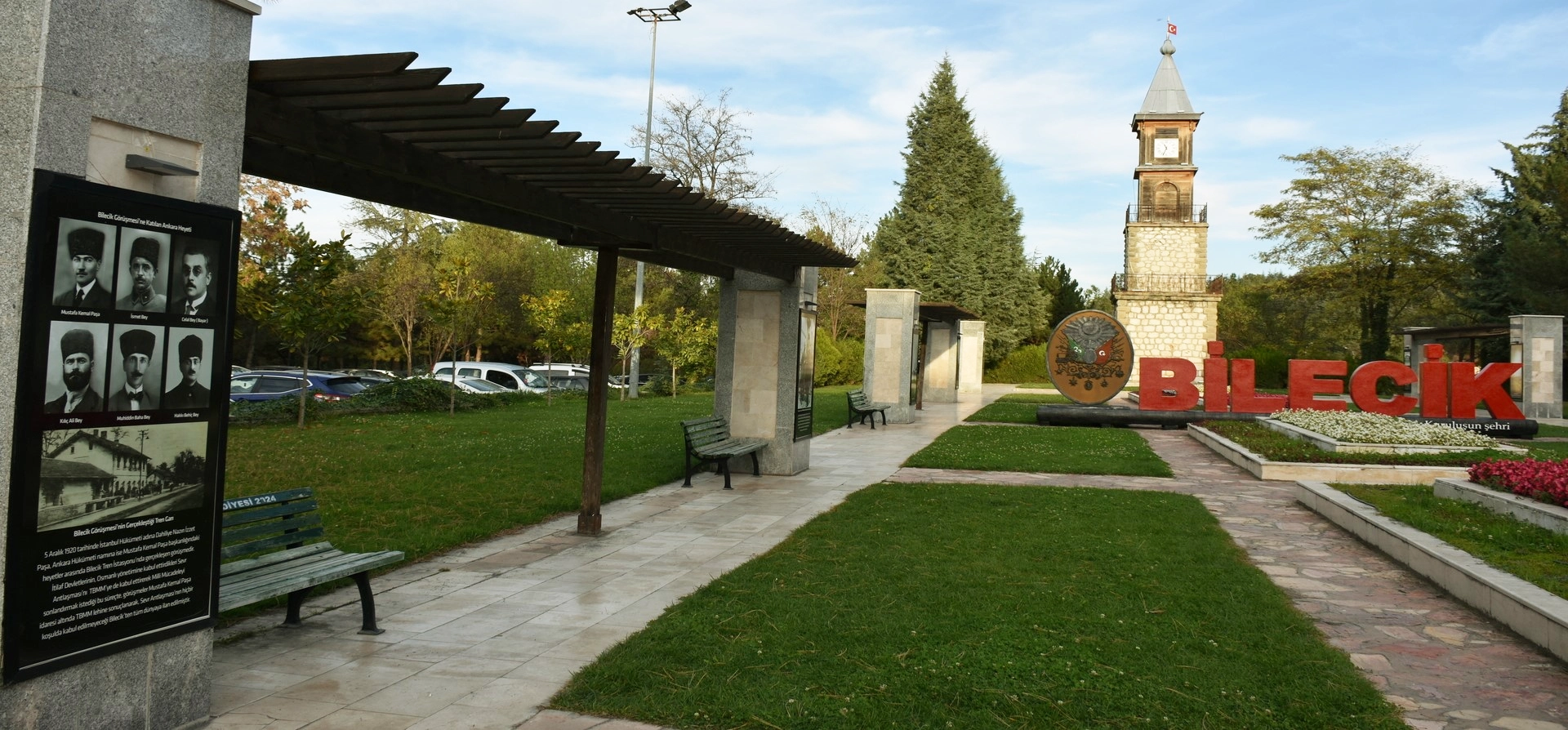
Combine Bilecik city, Söğüt, Bozüyük, Pazaryeri, Osmaneli, İnhisar and the surrounding countryside on a private route linking history, local cuisine, landscapes and village culture.
Request This Tour