Private Bilecik Museum & Heritage Experience
Ask us about a tailor-made route combining Bilecik Museum with early Ottoman monuments and selected cultural attractions across the province.
Request a Custom Tour





Bilecik Museum is the principal archaeology and ethnography museum of Bilecik Province, Türkiye. Located in the provincial center, it brings together archaeological finds from Bilecik and its surroundings with objects that illuminate regional traditions, domestic life and the cultural landscape of the early Ottoman heartland.
The archaeological displays follow a broadly chronological presentation, with material representing the Paleolithic, Neolithic, Bronze Age, Hellenistic, Roman, Byzantine and Ottoman periods. The Roman era is particularly prominent, reflecting the rich archaeological heritage of the region and the many ancient settlements that once occupied this part of northwestern Anatolia.
The ethnography galleries shift the focus from ancient objects to people, customs and everyday life. Displays include representations connected with the foundation period of the Ottoman state, scenes of camp and household life, traditional weapons, ceramic and metal vessels, regional clothing, ornaments and visual material documenting examples of Bilecik's historic civil architecture.
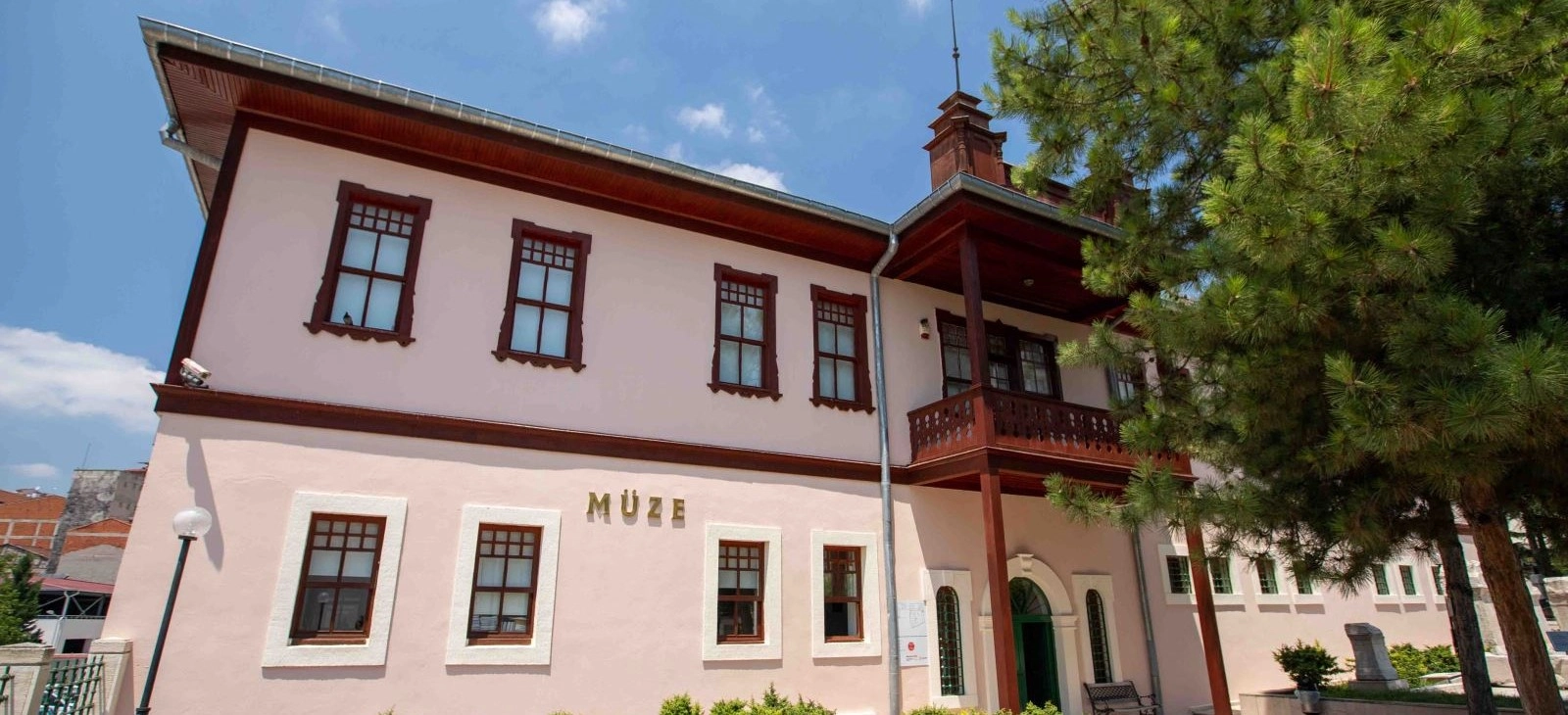
The museum building adds another layer to the visit. Its story begins with a gendarmerie building constructed in 1794. The structure was destroyed during the 1921–1922 occupation years, rebuilt after the Turkish War of Independence and later served for decades as a courthouse and prison. After restoration, it opened as Bilecik Museum on 20 April 2007.
That combination makes the museum especially valuable: you are not only looking at objects from Bilecik's past, but also walking through a building that carries its own late Ottoman, wartime, judicial and institutional history.
For a wider journey through the province, continue with our Bilecik visitor guide, Şeyh Edebali Tomb, Ertuğrul Gazi Tomb in Söğüt and Osmaneli Historic Houses.
Collections span periods from prehistory through Hellenistic, Roman, Byzantine and Ottoman Anatolia.
Ancient finds are displayed alongside regional clothing, household objects, weapons, crafts and cultural reconstructions.
The building itself has served as a gendarmerie facility, courthouse and prison before becoming a museum.
Official Turkish Museums information currently lists Bilecik Museum as free to visit.
Essential information for visiting Bilecik's main archaeology and ethnography museum.
İstiklal Mahallesi, Ali Rıza Özkay Caddesi No:25, Bilecik Merkez, Türkiye.
Open on Google MapsArchaeology and ethnography museum presenting the history and culture of Bilecik and its surroundings.
Opened to visitors as Bilecik Museum on 20 April 2007.
The site traces its institutional history to a two-storey gendarmerie building constructed in 1794.
Archaeological and ethnographic material ranging from prehistory to the Ottoman period.
Official Turkish Museums information currently lists the museum as free of charge.
The museum connects ancient archaeology, regional culture, early Ottoman memory and the dramatic history of its own building.
Bilecik is usually introduced to travelers through the story of the foundation of the Ottoman state. That history is essential, but the museum reveals that the province's past reaches much further back. Its archaeological material places the early Ottoman frontier within a landscape already inhabited for thousands of years.
The displays move across a long sequence: prehistory, the Bronze Age, the Hellenistic world, Roman Anatolia, Byzantium and the Ottoman period. For visitors traveling through several historic sites in Bilecik, the museum helps connect individual monuments to a broader chronology.
The ethnography collection adds the human dimension. Weapons, vessels, clothing, ornaments and reconstructions help explain how people lived, dressed, worked and organized domestic life, rather than presenting history only through rulers and battles.
The building itself also rewards attention. A museum housed in a former courthouse and prison complex creates a very different atmosphere from a purpose-built modern gallery. Its courtyards, circulation spaces and historic fabric are part of the experience.
For travelers interested in Bilecik as the landscape in which early Ottoman history developed, the museum is therefore an excellent orientation stop before or after visiting Şeyh Edebali Tomb and Ertuğrul Gazi Tomb in Söğüt.
The history of the museum building begins in 1794, when a two-storey structure was built for use as a gendarmerie building. The lower level was later adapted for prison use, creating the institutional character that would remain associated with the site for much of its later history.
During the 1921–1922 Greek occupation of Bilecik, the building was burned and reduced to ruins. After the Turkish War of Independence, it was reconstructed on its foundations. The upper floor then served judicial functions, while the lower part continued to be used as a prison.
The prison complex contained six wards, four rooms, three workshops, three storage areas, three solitary cells and a bath. It also had two courtyards, one associated with convicted prisoners and another with defendants awaiting trial. These details make the building itself an unusually evocative historical document.
The courthouse and prison functions continued until 1995. After these institutions moved elsewhere, the building was transferred for use as a museum. Restoration work began in 1997 and was completed by the end of 2006.
On 20 April 2007, the restored complex opened as Bilecik Museum, initially as a unit connected to the Söğüt Museum Directorate. In 2010, Bilecik Museum began operating as its own museum directorate.
A two-storey building was constructed for gendarmerie use.
The building was destroyed during the occupation years and left in ruins.
It was rebuilt on its foundations and used as a courthouse and prison.
Its long judicial and prison use came to an end when those functions moved elsewhere.
Restoration transformed the historic complex for museum use.
Bilecik Museum officially opened to visitors.
The archaeological galleries introduce the long settlement history of Bilecik and the surrounding region. The displays use a chronological approach, allowing visitors to move through successive periods of Anatolian history.
The sequence includes material associated with the Paleolithic and Neolithic periods, followed by the Bronze Age. These early objects help establish the depth of human activity in a region that later became strategically important between the Marmara basin, central Anatolia and the Sakarya corridor.
The collection then continues into the Hellenistic period, when northwestern Anatolia was shaped by the political and cultural transformations that followed the conquests of Alexander the Great.
The Roman period forms an especially important part of the archaeological display. Roman-era material reflects the dense network of settlements, roads, rural communities and urban centers that occupied the wider Bilecik landscape.
The transition into the Byzantine period shows the continuity of settlement before the region became part of the Turkish and later Ottoman political world. Ottoman-period archaeological material then completes the long chronological sequence.
Objects representing the earliest phases of human activity form the beginning of the museum's chronology.
Early settled life and prehistoric material culture continue the archaeological story.
Finds reflect the complex prehistoric societies of Anatolia before the classical world.
The galleries include material from the centuries shaped by Hellenistic culture and kingdoms.
Roman-period objects form a particularly strong component of the museum's archaeological displays.
Later finds connect the classical past with medieval and Ottoman Bilecik.
One of the most useful features of Bilecik Museum is its chronological display method. Rather than presenting isolated objects without context, the galleries encourage visitors to understand each artifact as part of a much longer historical sequence.
Official provincial information describes three archaeological display halls. The order helps visitors compare changing materials, artistic styles and technologies, while also seeing how the same geographic region passed through very different cultural periods.
This is especially helpful for travelers who have already visited ruins, tombs or historic towns elsewhere in the province. A fragment of pottery, a funerary stone or a sculptural element becomes easier to understand when placed within the wider timeline of Bilecik's settlement history.
Allow time to read labels carefully. The museum is relatively compact compared with the major national museums of Istanbul or Ankara, but its regional focus gives it a clear strength: almost every object contributes directly to the story of Bilecik and its immediate cultural landscape.
The ethnography section turns from ancient archaeology toward the social history of Bilecik. Official museum information describes ten ethnographic display halls, giving this part of the museum substantial space.
Some displays present representations connected with the foundation of the Ottoman state. For a province so closely associated with Ertuğrul Gazi, Osman Gazi and Şeyh Edebali, these scenes help place the museum within Bilecik's strongest historical identity.
Other displays recreate aspects of oba life and domestic life, helping visitors imagine the rhythms of settlement, family organization and daily work. These reconstructions are particularly useful for younger visitors or travelers who want more visual context than individual objects alone can provide.
The collections include weapons, ceramic vessels, metal household objects, regional clothing and ornaments. Together, they show how practical objects could also communicate status, craftsmanship, identity and local taste.
Panels also document examples of civil architecture from Bilecik and its districts, connecting the museum's indoor displays with surviving historic townscapes such as Osmaneli's traditional houses.
Interpretive scenes connect the museum with Bilecik's role in the formative landscape of the Ottoman state.
Displays evoke aspects of nomadic and semi-nomadic social life associated with regional memory.
Household scenes and objects help explain everyday routines rather than only elite history.
Historic arms form part of the material culture displayed in the ethnography galleries.
Regional garments and ornaments preserve details of local identity and craftsmanship.
Panels introduce examples of historic architecture from Bilecik and its districts.
Do not end your visit when you finish the indoor galleries. Bilecik Museum also uses its front garden and interior courtyards as exhibition areas for larger archaeological pieces.
These open-air displays include material dating mainly to the Roman and Byzantine periods. Among the most noticeable objects are limestone funerary stelae, which preserve an important part of the region's funerary culture.
Visitors can also see column capitals, column bases and pithoi — large storage vessels that immediately communicate the physical scale of ancient daily life.
The outdoor collection further includes sculptural material and baptismal fonts. Official provincial information specifically records two baptismal fonts, adding a clear connection with the Christian history of Byzantine Bilecik.
Because many of these objects are architectural or monumental in scale, the courtyards allow them to be appreciated differently from smaller items displayed behind glass. Their weathered surfaces, inscriptions, carving and proportions are often easier to study in natural light.
Mostly limestone grave markers provide evidence for Roman and Byzantine funerary traditions.
Architectural fragments help visitors recognize the decorative vocabulary of ancient buildings.
Large stone bases communicate the scale and construction of monumental architecture.
Large storage jars illustrate practical aspects of ancient food and material storage.
A smaller number of sculptural works add another dimension to the courtyard collection.
Two baptismal fonts preserve a tangible connection with the Christian history of the Byzantine period.
Bilecik Museum is unusual because its architectural story can compete with the collection itself. As you move through the building, remember that these spaces once formed part of a working courthouse and prison complex.
The historic layout included wards, individual cells, workshops, storage rooms, a bath and separate courtyards. Although restoration adapted the structure for museum use, the original institutional logic still helps explain the building's circulation and enclosed outdoor spaces.
A visit therefore rewards two kinds of observation. Look at the objects in the showcases, but also look at walls, passages, doorways, courtyard relationships and the building's overall mass. The museum itself is a survivor of Bilecik's difficult 20th-century history.
This architectural layer is especially meaningful when you know that the earlier structure was destroyed during the occupation years and then rebuilt after the War of Independence. The present museum thus represents both loss and reconstruction.
Bilecik Museum is best approached as a regional history museum rather than a blockbuster collection built around one world-famous masterpiece. Its strength is the way it brings many periods of local history together in one manageable visit.
The archaeological galleries create the long chronological foundation, while the ethnography displays make the story more personal through dress, household objects, weapons, reconstructions and local traditions.
The garden and courtyards then change the pace of the visit. Larger stone pieces can be examined in open air, and the historic former prison architecture becomes much easier to appreciate.
For travelers doing a deeper Bilecik itinerary, the museum works especially well near the beginning of the day. It provides historical context before you continue to Şeyh Edebali Tomb, old Bilecik, Söğüt or Osmaneli.
Visitors interested in archaeology, Ottoman origins, regional dress, traditional life, historic prisons or local architecture will probably spend longer here than those making a brief sightseeing stop.
Enough for a fast walk through the principal archaeological and ethnographic displays.
A good minimum for most visitors, including the main indoor galleries and courtyard pieces.
Recommended if you enjoy archaeology and want time to read labels and inspect the open-air collection.
Ideal for museum lovers who also want to study the building's former prison architecture in detail.
Combine the museum with Şeyh Edebali Tomb and the historic landscape of Bilecik city.
Add Söğüt, Ertuğrul Gazi Tomb or another destination within Bilecik Province.
According to the official Turkish Museums listing, Bilecik Museum is currently open every day from 08:30 to 17:30, with the ticket desk closing at 17:00.
The same official listing notes that the museum is closed to visitors between 12:30 and 13:00. If you are building the museum into a wider Bilecik itinerary, avoid arriving just before this midday interval.
Admission is currently listed as free of charge. Because museum schedules and access policies can change, it is always sensible to check the official Turkish Museums listing shortly before your visit.
The museum is located at Ali Rıza Özkay Caddesi, İstiklal Mahallesi No:25, Bilecik Merkez. It is in the city rather than in a remote archaeological area, so it works well as part of a walking or short-driving itinerary through central Bilecik.
Because most of the collection is indoors, Bilecik Museum is an easy year-round attraction. It can be particularly useful on days when rain, summer heat or winter cold make outdoor sightseeing less comfortable.
Spring is excellent for combining the museum with Şeyh Edebali Tomb, city walks and a longer drive through the green landscapes of Bilecik Province.
Summer makes the museum a welcome indoor break during the hotter part of the day. Remember, however, that the official schedule currently includes a short closure from 12:30 to 13:00.
Autumn is one of the easiest seasons for a full heritage itinerary, with comfortable weather for combining indoor galleries with nearby historic monuments.
Winter can be especially suitable for the museum because the main galleries are sheltered, though snow or icy conditions may affect travel elsewhere in the province.
Excellent for combining the museum with outdoor monuments and countryside stops.
A useful indoor cultural stop during the warmest part of a Bilecik sightseeing day.
Comfortable for a museum visit followed by walking and road-trip exploration.
A strong all-weather choice when outdoor conditions are less predictable.
Good for seeing the museum first and continuing to other Bilecik attractions afterward.
Convenient after lunch, provided you allow enough time before the 17:30 closing time.
Bilecik Museum offers several different photographic subjects: archaeological objects, ethnographic reconstructions, traditional clothing, large stone monuments and the historic museum building itself.
The front garden and courtyard displays can be particularly rewarding because natural light reveals the surface texture of grave stelae, column fragments, pithoi and carved stone.
Inside the galleries, avoid using flash unless current museum rules explicitly permit it. Flash can be disruptive and may be restricted around sensitive objects.
Tripods, professional equipment and commercial photography can be subject to separate rules. If photography is important to your visit, confirm the current policy with museum staff on arrival.
The building exterior is also worth photographing. Its restrained historic façade provides context for the museum's former courthouse and prison identity, while the courtyards help tell the institutional story of the complex.
Look for inscriptions, carving, weathering and tool marks on Roman and Byzantine stone pieces.
Use wider compositions to show large artifacts in relation to the former prison architecture.
Reconstructed domestic and cultural displays can create strong documentary images.
Regional garments and ornaments contain useful details of color, craft and local identity.
Follow all posted instructions and staff guidance concerning indoor photography.
Tripods and professional shoots may require permission even when casual photography is allowed.
Bilecik Museum occupies a historic multi-level building rather than a purpose-built contemporary museum. Visitors should therefore avoid assuming that every exhibition room, level or courtyard has identical step-free access.
The official museum information reviewed for this guide does not provide detailed public specifications for wheelchair routes, lifts, accessible toilets or assistance services. Visitors for whom these features are essential should contact the museum in advance.
The outdoor courtyards may also include historic paving, thresholds or changes of level. Take extra care in wet weather and when moving between indoor and outdoor exhibition areas.
For current accessibility information, contact Bilecik Museum directly before your visit and explain any specific mobility requirements.
The building predates modern accessibility standards and has been adapted from earlier institutional uses.
Confirm access between floors if step-free movement is essential.
Outdoor exhibition areas may include thresholds or uneven historic surfaces.
Check current facilities directly with museum staff before traveling if required.
The museum's official telephone number is +90 228 212 80 81.
A slower visit makes it easier to manage transitions between rooms and courtyards comfortably.
Bilecik Museum is located in İstiklal Mahallesi in central Bilecik, at Ali Rıza Özkay Caddesi No:25. Its city-center position makes it considerably easier to reach than many archaeological sites in rural Anatolia.
Official provincial tourism information notes that the museum can be reached by urban transportation. Visitors arriving by car can use digital navigation for “Bilecik Müzesi” and then follow local parking regulations around the center.
If you are already visiting Şeyh Edebali Tomb, the museum makes a logical second stop in a broader city-history itinerary. Together, the two places show very different dimensions of Bilecik: one spiritual and foundational, the other archaeological and cultural.
Travelers continuing beyond the city can then drive toward Söğüt and Ertuğrul Gazi Tomb or north toward Osmaneli.
Use “Bilecik Müzesi” or the full Ali Rıza Özkay Caddesi address in your navigation app.
Official tourism information states that the museum can be reached by city transportation.
If you are already exploring central Bilecik, the museum can be incorporated into a city sightseeing route.
Combine the museum with Bilecik's most important early Ottoman spiritual landmark.
Drive onward to the memorial landscape associated with Ertuğrul Gazi and the Ottoman foundation story.
Head north for traditional houses, old-town architecture and a different side of Bilecik heritage.
Begin with the archaeological galleries and follow the chronological order. This gives you the clearest introduction to the region's long history, from prehistoric settlement through Roman, Byzantine and Ottoman periods.
Spend extra time with the Roman-era material, which is one of the strongest components of the archaeological collection. Look for differences in stonework, ceramics and object types as you move between periods.
Continue into the ethnography galleries. Here the story becomes more immediate through clothing, household objects, weapons and reconstructed scenes of everyday life.
Then move into the front garden and inner courtyards for the larger Roman and Byzantine stone pieces. The change from indoor cases to open-air monuments is one of the most enjoyable transitions in the museum.
Before leaving, take a few minutes to look at the building itself. Think of the courtyards and rooms not only as museum space, but as parts of a former courthouse and prison complex rebuilt after the destruction of the occupation years.
The museum is an excellent starting point for understanding the province. For a wider regional itinerary, see our complete Bilecik visitor guide.
Visit Bilecik's most important spiritual landmark associated with the foundation era of the Ottoman state.
Continue to Söğüt and explore the memorial landscape linked with Ertuğrul Gazi and early Ottoman tradition.
Walk through Old Lefke's timber houses and discover Bilecik's traditional civil architecture and silk heritage.
Explore the provincial capital and use it as a base for a wider journey through early Ottoman history and regional culture.
Explore the historic terrain around the city to better understand the destruction and rebuilding that shaped modern Bilecik.
Make a wider heritage excursion to the town most closely associated with Ertuğrul Gazi and early Ottoman memory.
Bilecik Museum is located at Ali Rıza Özkay Caddesi, İstiklal Mahallesi No:25, Bilecik Merkez, Türkiye.
It is an archaeology and ethnography museum presenting finds and cultural material from Bilecik and its surroundings.
The restored building opened as Bilecik Museum on 20 April 2007.
Yes. Its institutional history reaches back to a gendarmerie building constructed in 1794, later rebuilt and used as a courthouse and prison.
Yes. The complex served for decades as a courthouse and prison before being restored for museum use.
The earlier building was burned during the 1921–1922 occupation years and was later rebuilt on its foundations.
The building continued in courthouse and prison use until 1995, after which those functions moved elsewhere.
Restoration work began in 1997 and was completed by the end of 2006 before the museum opened in 2007.
The displays include material from the Paleolithic, Neolithic, Bronze Age, Hellenistic, Roman, Byzantine and Ottoman periods.
Official museum descriptions state that the archaeological galleries are particularly strong in Roman-period material.
Official provincial museum information describes three archaeological exhibition halls.
Official provincial information describes ten ethnographic exhibition halls.
Displays include weapons, ceramic and metal household objects, traditional regional clothing, ornaments and scenes of domestic and oba life.
Yes. The ethnography displays include representations related to the foundation period of the Ottoman state.
Yes. The front garden and inner courtyards contain large Roman and Byzantine stone objects.
Outdoor displays include funerary stelae, column capitals, column bases, pithoi, sculpture and baptismal fonts.
Yes. Byzantine-period objects are represented, and the courtyard collection includes baptismal fonts.
The official Turkish Museums listing currently gives 08:30–17:30, with the ticket desk closing at 17:00.
No regular weekly closure is currently listed. The official Turkish Museums page states that the museum is open every day.
Yes. The official listing currently states that the museum is closed to visitors from 12:30 to 13:00.
The official Turkish Museums listing currently states that admission is free.
Because admission is currently listed as free, a Museum Pass is not normally required for entry. Check current official information before visiting.
Allow around 45–90 minutes for a relaxed visit, or longer if you want to study the building and courtyard exhibits in detail.
Yes. The chronological galleries and reconstructed scenes of domestic and cultural life can make regional history easier to understand for younger visitors.
Photography rules can change. Follow posted instructions and staff guidance, avoid flash unless permitted, and ask about tripods or professional equipment.
The museum occupies a historic multi-level building. Detailed accessibility specifications are not provided in the official information reviewed for this guide, so contact the museum in advance if step-free access is essential.
The official Turkish Museums listing gives +90 228 212 80 81.
Yes. The museum and Şeyh Edebali Tomb make an excellent combined Bilecik history itinerary.
Yes. Continue to Ertuğrul Gazi Tomb in Söğüt for a deeper early Ottoman route.
Yes. Osmaneli Historic Houses add traditional architecture and silk heritage to a broader Bilecik road trip.
It brings together archaeology, ethnography, Ottoman foundation memory and the history of a former courthouse and prison in one compact regional museum.
Keep a safe distance from artifacts unless a display is clearly designed for interaction.
Respect all restrictions on flash, tripods and professional photography.
Do not cross ropes or enter closed rooms, cells, courtyards or staff areas.
Do not sit on, lean against or climb on outdoor archaeological objects.
A calm museum environment helps everyone read, observe and enjoy the displays.
Courtyard objects and historic architectural features can be fragile despite their size.
Food and drinks should only be consumed where museum rules specifically allow them.
Museum policies can change; follow the instructions given by staff on the day of your visit.
Combine Bilecik Museum with Şeyh Edebali Tomb, Söğüt, Osmaneli and selected heritage sites through a private itinerary designed around your interests and travel pace.
Build a flexible route around archaeology, early Ottoman history, regional culture and the historic landscapes of Bilecik Province.
Ask us about a tailor-made route combining Bilecik Museum with early Ottoman monuments and selected cultural attractions across the province.
Request a Custom Tour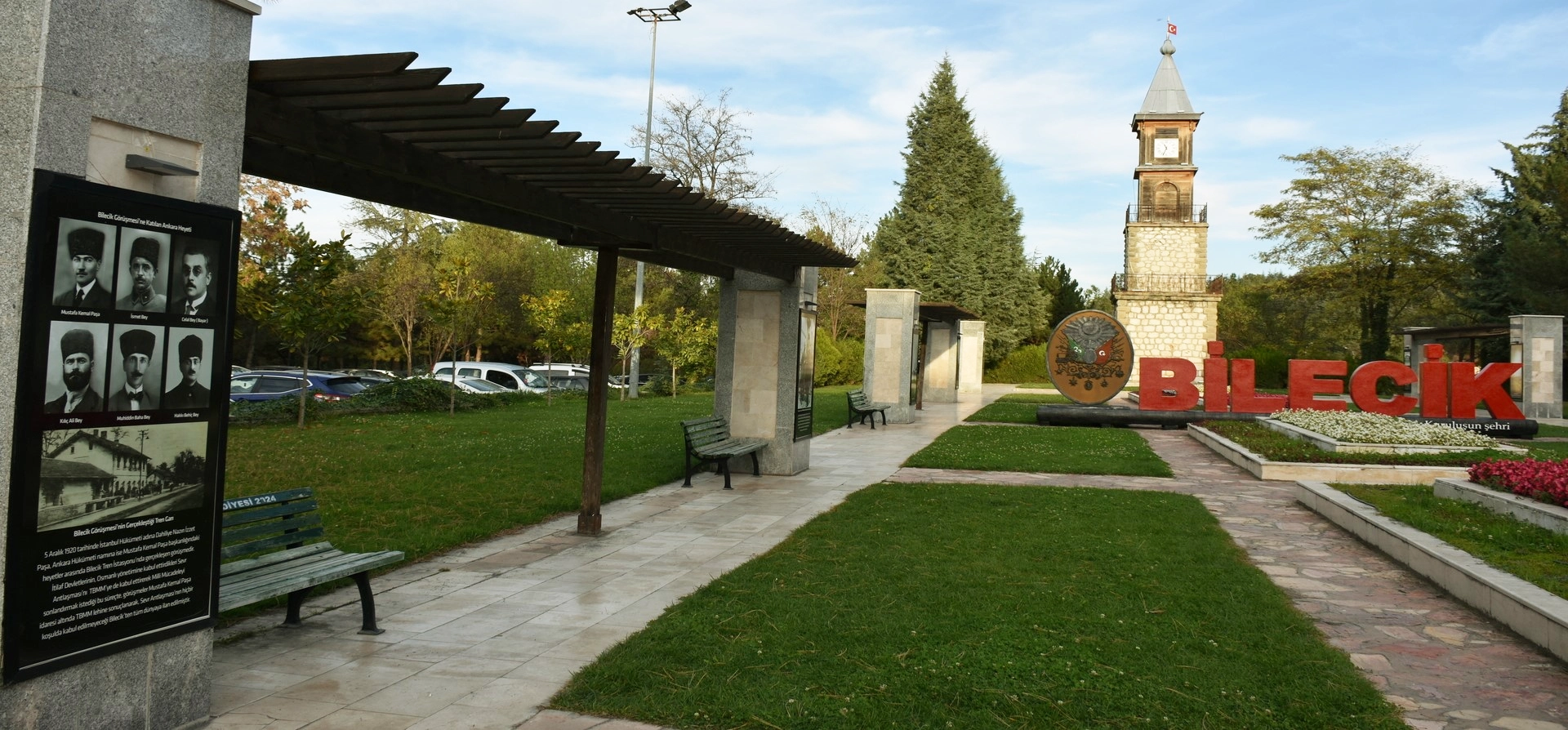
Discover early Ottoman heritage, traditional towns, museums and landscapes across one of northwestern Anatolia's most historic provinces.
View Bilecik GuideUse the museum as the historical foundation for a wider journey through the province's Ottoman monuments and traditional towns.
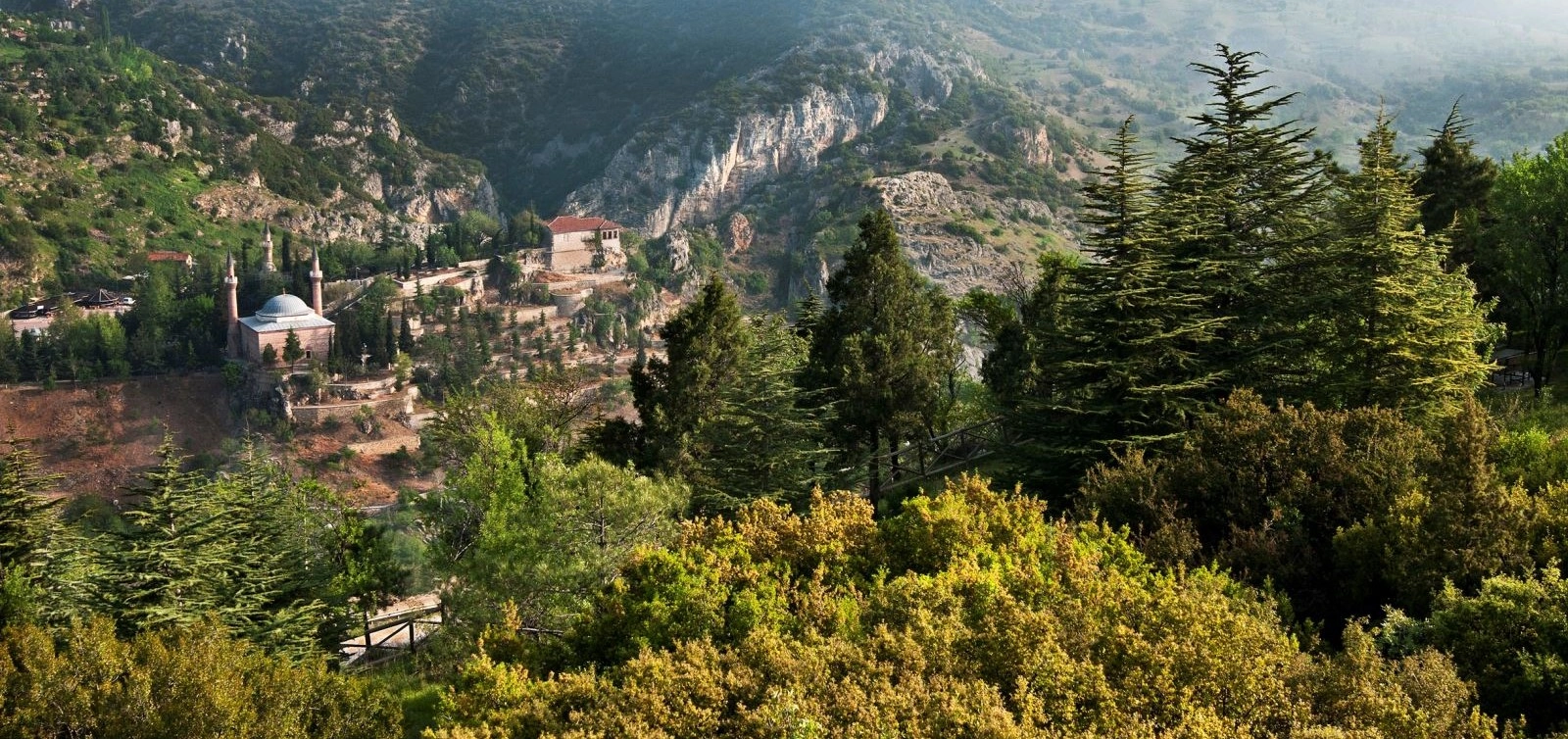
Visit Bilecik's most important spiritual monument associated with the foundation era of the Ottoman state.
Explore Şeyh Edebali Tomb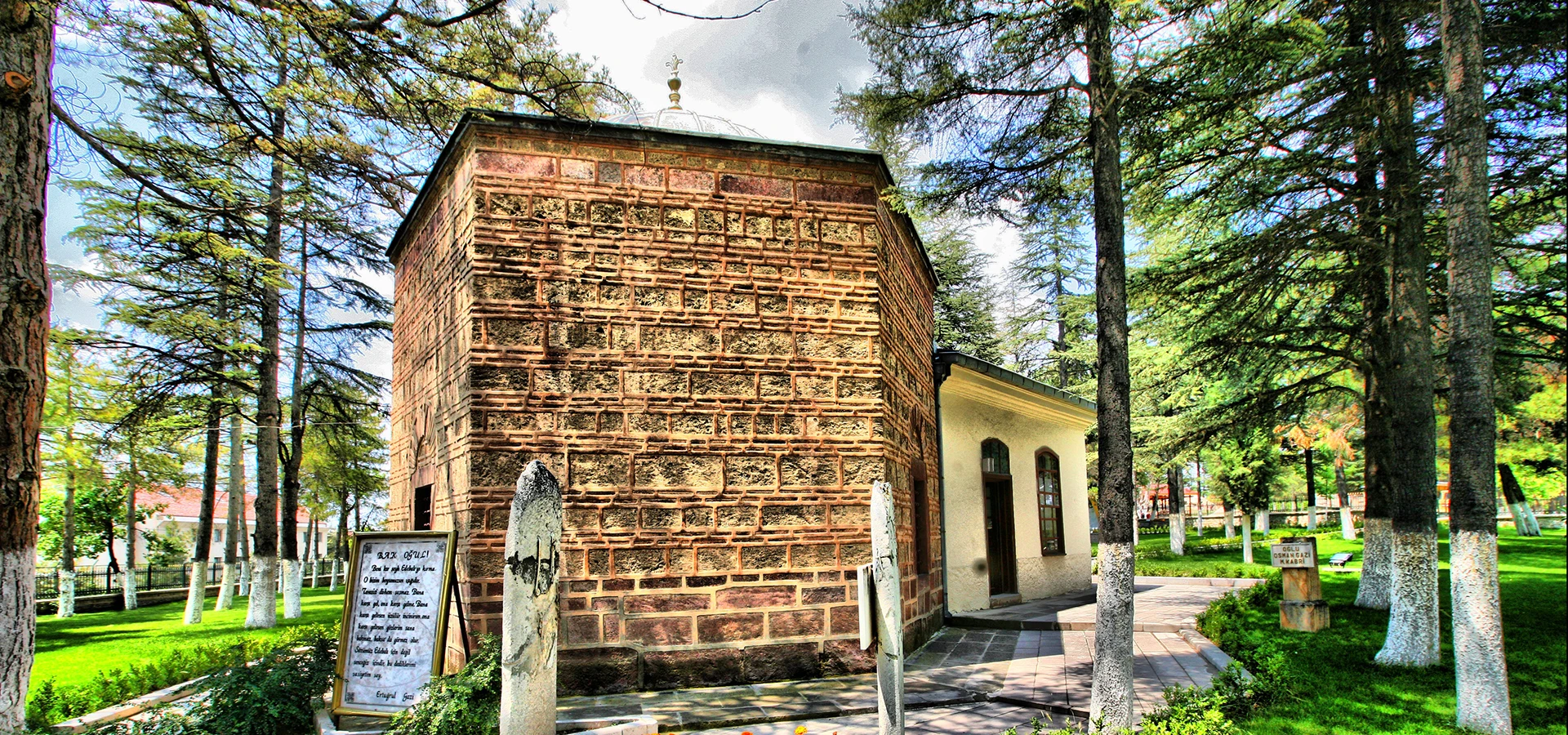
Continue to Söğüt and visit the memorial complex of Ertuğrul Gazi, father of Osman Gazi.
Explore Ertuğrul Gazi Tomb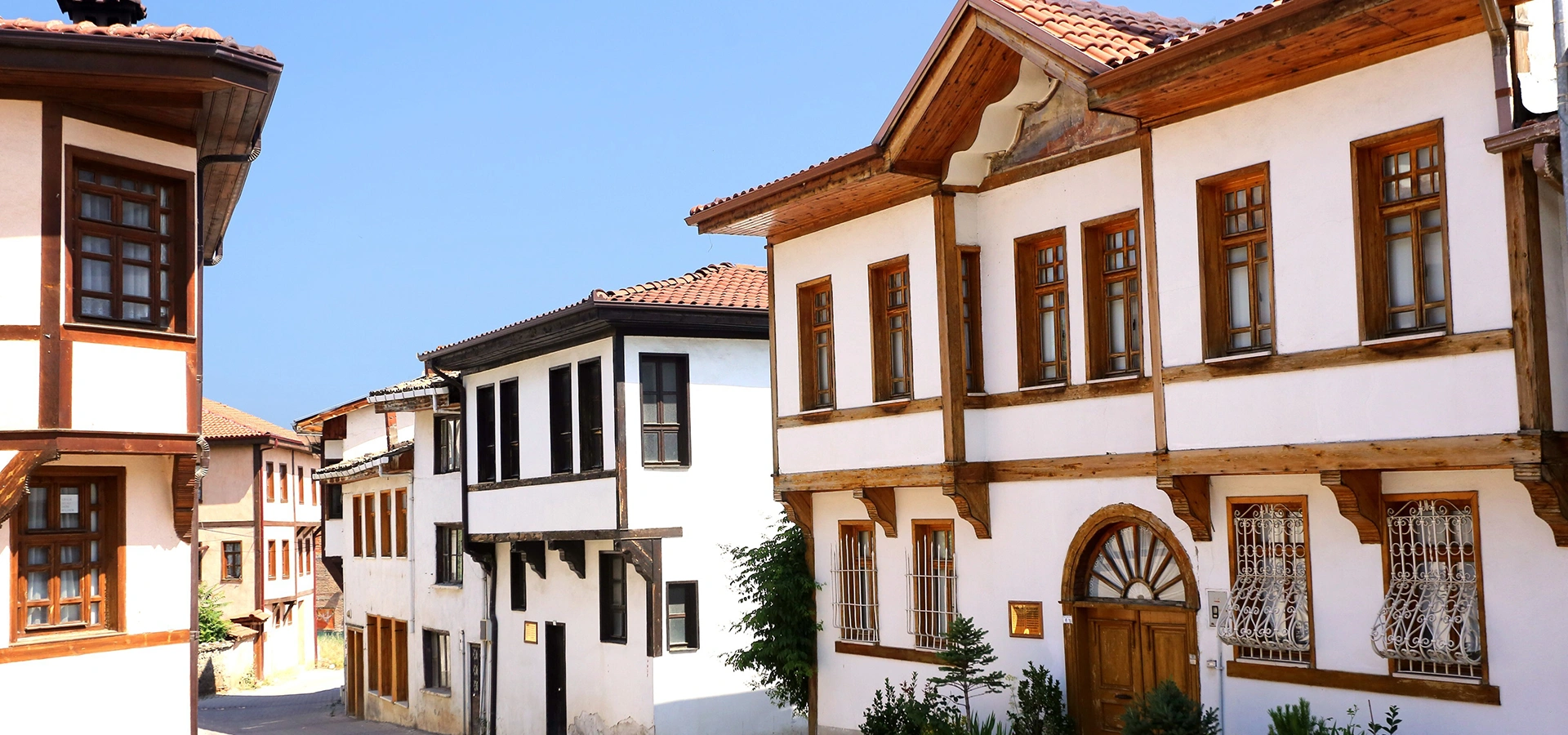
Discover Old Lefke's timber architecture, historic streets and the domestic heritage shaped by Osmaneli's silk culture.
Explore Osmaneli Historic Houses