Private Bilecik Early Ottoman Heritage Experience
Ask us about a tailor-made day combining Orhan Gazi Mosque, Şeyh Edebali Tomb, Söğüt and selected Ottoman foundation sites.
Request a Custom Tour





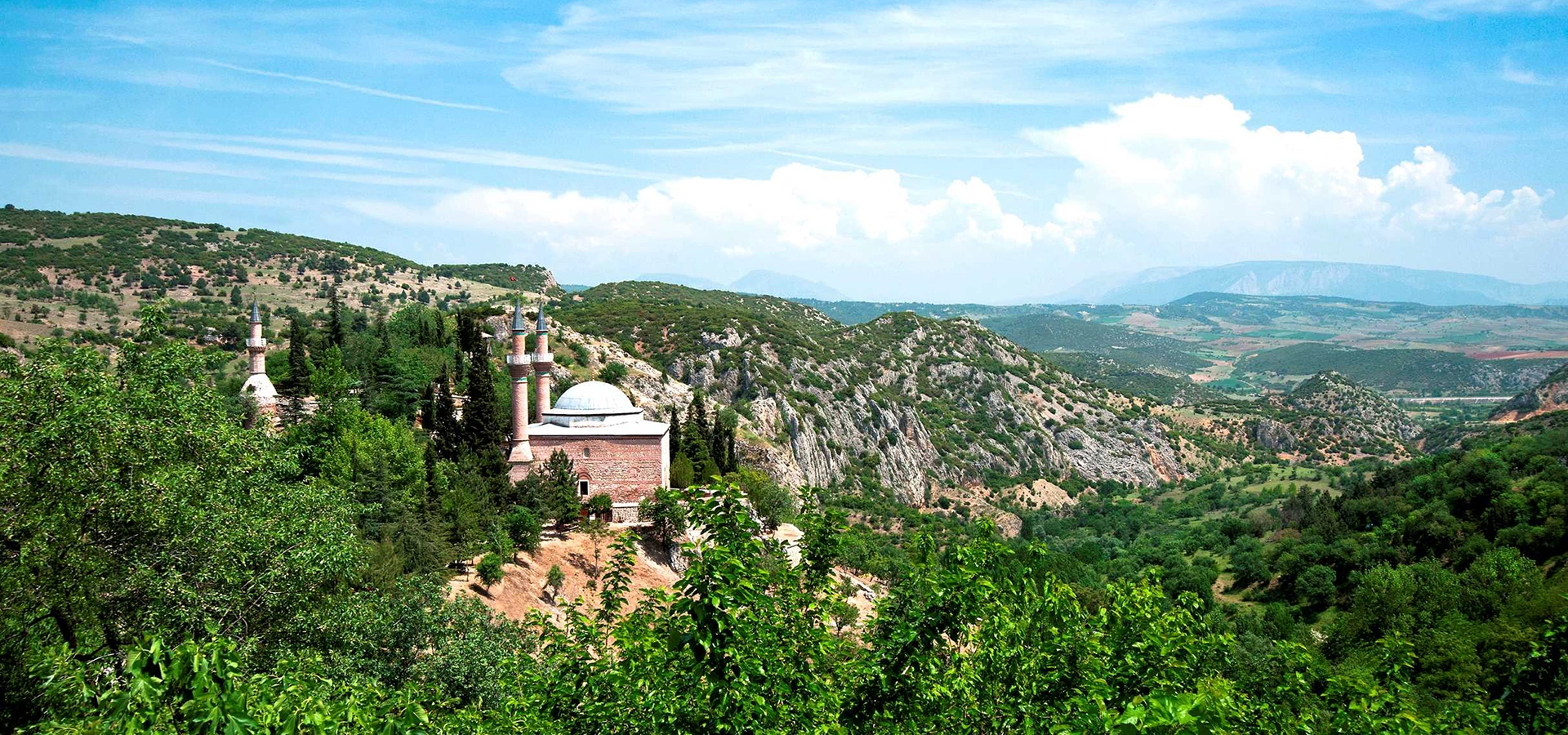
Orhan Gazi Mosque stands in the historic landscape of Eski Bilecik, close to the tomb of Şeyh Edebali, one of the spiritual figures most closely associated with the foundation story of the Ottoman state.
The exact date of the mosque’s first construction is not completely certain. Official Bilecik tourism sources place it in the early fourteenth century, while major architectural scholarship generally accepts a date of 1331, during the reign of Orhan Gazi. This makes the mosque one of the most important surviving monuments from the formative decades of Ottoman architecture.
The building is particularly significant because it represents an early experiment with a large domed prayer hall. Its nearly square interior, massive supporting walls and broad central dome belong to the period when Ottoman builders were beginning to transform the architectural vocabulary inherited from Seljuk, Byzantine and regional Anatolian traditions into a distinctive imperial style.
One feature immediately distinguishes the mosque from almost every later Ottoman mosque: its oldest minaret stands approximately 30 metres away from the main building, on a separate rocky platform. Later minarets were added to the mosque façade during the late Ottoman period, creating a fascinating visual record of different architectural phases.
The mosque is also widely known as Kurşunlu Camii — the “Leaded Mosque” — because its dome was covered with lead during restoration. Today it remains a functioning place of worship as well as one of the most important historical stops in Bilecik.
For the strongest historical context, visit the mosque together with Şeyh Edebali Tomb, Bilecik Museum and our Bilecik visitor guide.
The mosque belongs to the formative period of Ottoman architecture and is generally associated with the reign of Orhan Gazi.
The oldest minaret rises on a rocky platform around 30 metres away from the mosque — one of the building’s most unusual features.
The mosque is regarded as an important early example in the development of monumental domed Ottoman religious architecture.
The mosque forms part of the historic spiritual landscape surrounding Şeyh Edebali’s tomb and Old Bilecik.
Essential information for visiting one of the most important surviving monuments of early Ottoman Bilecik.
İstiklal Mahallesi, beside the Şeyh Edebali Tomb complex, Bilecik city centre, Türkiye.
Open on Google MapsHistoric Ottoman mosque and active place of worship.
Early 14th century; architectural scholarship commonly accepts 1331, while the exact original construction date remains uncertain.
Traditionally associated with Orhan Gazi, the second ruler of the Ottoman dynasty.
Nearly square prayer hall, massive walls, octagonal drum and a broad central dome approximately 9.5 metres in diameter.
The oldest minaret stands on a separate rocky platform roughly 30 metres north of the mosque.
Kurşunlu Camii, referring to the lead covering applied to the dome during restoration.
Remove shoes before entering, dress respectfully and avoid sightseeing during congregational prayers.
The mosque is important not only as a place of worship, but as evidence of how early Ottoman architecture was beginning to develop its monumental language.
When the Ottoman principality emerged in north-western Anatolia, its earliest religious buildings were generally modest compared with the great imperial mosques that would later define Bursa, Edirne and Istanbul. Orhan Gazi Mosque in Bilecik belongs to this experimental beginning.
Its broad dome, heavy supporting walls and carefully controlled interior space show builders working toward a more unified and monumental prayer hall. The structure therefore helps visitors understand the architectural journey that eventually produced the large centralized mosques of the classical Ottoman age.
The mosque is equally important because of its location. It stands within the historic environment of Old Bilecik and the Şeyh Edebali complex, a landscape closely connected with the memory of Osman Gazi, Orhan Gazi and the early Ottoman frontier.
Its later repairs also reveal how successive Ottoman generations valued the building. Major work took place during the reigns of Mahmud II and Abdülhamid II, followed by twentieth- and twenty-first-century restoration campaigns. The mosque visitors see today is therefore a layered monument rather than a structure frozen in a single century.
The precise first construction date of Orhan Gazi Mosque is not documented beyond dispute. Official Bilecik tourism material describes the mosque as an early fourteenth-century foundation associated with Orhan Gazi.
Architectural scholarship, drawing on earlier historical sources and Ottoman architectural studies, commonly accepts 732 AH / 1331 CE as the most likely date. That places the monument firmly in the reign of Orhan Gazi and within the first major generation of Ottoman architectural expansion.
Some later local traditions and modern secondary accounts give different dates. Because of these inconsistencies, the most responsible description is that the mosque belongs to the early Ottoman period and is generally dated to around 1331, rather than presenting a single date as absolutely certain.
Orhan Gazi was the son and successor of Osman Gazi and ruled during the period when the small frontier principality expanded into a far more organized regional power. His reign is traditionally dated from 1324/1326 to 1362.
Under Orhan, Ottoman territory expanded substantially in north-western Anatolia. The capture and development of Bursa provided a major urban centre, while new institutions, religious foundations and charitable complexes helped turn conquest into permanent administration.
Architecture became one of the clearest expressions of this transformation. Mosques, imarets, baths, commercial structures and religious institutions were established across the growing Ottoman territory. The Bilecik mosque attributed to Orhan belongs to this world of early state formation, urbanization and pious patronage.
Seen in this context, Orhan Gazi Mosque is not simply a memorial to one ruler. It is evidence of the moment when the Ottoman polity was beginning to develop the civic and religious institutions of a durable state.
Orhan inherited the frontier principality founded by Osman Gazi and greatly expanded its territory and institutions.
Bursa became the most important early Ottoman urban centre and a laboratory for new architectural and charitable complexes.
Mosques, soup kitchens, religious institutions and commercial buildings helped stabilize newly incorporated towns.
The period produced multiple building types that later evolved into characteristic Ottoman forms.
To understand the mosque properly, visitors should imagine a very different Bilecik from the modern city around them. The monument belonged to Eski Bilecik — Old Bilecik, a settlement spread through the steep valley and rocky slopes below the present urban centre.
The historic quarter developed around religious foundations, homes, workshops and roads adapted to the difficult terrain. The Şeyh Edebali complex, Orhan Gazi Mosque and the Orhan Gazi Imaret formed important anchors within this early Ottoman landscape.
War, fire, rebuilding and the movement of the modern city gradually altered the area. Large parts of the old settlement no longer survive in their earlier form, which makes the remaining monuments especially valuable for reconstructing the topography of Ottoman Bilecik.
The mosque should therefore be viewed not as an isolated historic building, but as a surviving piece of a larger religious and urban environment that once filled the valley.
The mosque has a nearly square rectangular plan measuring approximately 17.35 × 16.50 metres. Its exterior is relatively restrained, particularly when compared with later Ottoman imperial mosques.
The prayer hall is covered by a broad dome supported by thick corner masses and pointed arches. The dome sits on a narrow octagonal drum and measures approximately 9.5 metres in diameter.
One of the most interesting features of the interior is the treatment of the heavy surrounding walls. The inner faces are recessed to create deep, iwan-like spaces approximately 2.4 metres deep. This both expands the usable interior and reduces the visual weight of the massive masonry.
The transition from the square lower space toward the dome is comparatively simple. Rather than the highly elaborate structural systems seen in later Ottoman architecture, the mosque uses triangular transition surfaces, revealing the experimental character of this early period.
The mosque is close to square in plan, creating a compact and unified prayer hall.
The broad, shallow dome forms the dominant architectural element of the building.
A narrow eight-sided drum supports the dome above the massive masonry below.
Iwan-like recesses cut into the interior faces of the walls visually enlarge the prayer space.
Large pointed arches help transfer the weight of the dome onto the heavy corner masses.
The restrained outer appearance contrasts with the architectural ambition of the domed interior.
Official tourism descriptions identify Orhan Gazi Mosque as an important early experiment in domed Ottoman religious architecture. That statement becomes more meaningful when the mosque is placed within the long development of Ottoman building design.
Later Ottoman architecture became famous for enormous domes, complex semi-domes and precisely balanced centralized interiors. In Bilecik, visitors see an earlier stage: a compact building using heavy masonry and a single dominant dome to create a unified worship space.
The design is not yet the architecture of the great sixteenth-century imperial mosques. Its importance lies precisely in that difference. It shows the architectural problem being explored: how could builders place a major dome over a spacious congregational interior while controlling weight, thrust and visual unity?
For anyone interested in architectural history, Orhan Gazi Mosque provides a valuable bridge between the smaller religious buildings of the Anatolian frontier and the later monumental tradition of the Ottoman capital cities.
The most memorable feature of Orhan Gazi Mosque is the old minaret standing approximately 30 metres north of the mosque. Instead of rising directly from the main structure, it occupies its own rocky platform.
The surviving historic minaret has a low, thick and polygonal body. Architectural descriptions note a balcony zone with saw-tooth or stalactite-like detailing, giving the structure a strongly archaic appearance.
Its physical separation from the prayer hall makes the minaret particularly striking. From certain viewpoints, the rock, minaret and mosque read as separate architectural elements distributed across the steep Bilecik landscape.
Visitors should distinguish this older detached minaret from the later pair of minarets associated with the mosque façade. Historical photographs from 1882 reportedly do not show those façade minarets, and architectural scholarship therefore connects them with late nineteenth-century work, probably around the reign of Abdülhamid II.
In Bilecik, visitors may hear the building called Kurşunlu Camii as well as Orhan Gazi Camii. The word kurşunlu refers to lead covering.
According to official tourism information, the mosque became associated with this name after lead sheeting was applied over the dome during restoration. Lead roofing has long been used on important Ottoman domes because it provides a durable weather-resistant surface.
The name is therefore architectural rather than dynastic. “Orhan Gazi Mosque” identifies the building with its traditional patron, while “Kurşunlu Mosque” highlights the appearance and material of its restored dome.
The interior atmosphere is dominated less by elaborate decoration than by the relationship between the broad dome, heavy walls and recessed side spaces. This architectural simplicity is one reason the building is so important for understanding early Ottoman design.
The mihrab is described in architectural studies as simple and semi-cylindrical in form, with a raised platform area in front. The interior therefore directs attention toward proportion, masonry and spatial organization rather than overwhelming surface ornament.
Because the mosque has undergone repeated repairs over many centuries, visitors should not assume that every visible surface belongs to the original fourteenth-century phase. Restoration is part of the building’s history.
When entering, allow your eyes a few moments to adjust and look upward. The best way to understand the design is to notice how the square lower space is gradually transformed into the circular geometry of the dome.
A building used for nearly seven centuries inevitably develops a long conservation history. Orhan Gazi Mosque has undergone multiple major interventions, and these phases are essential to understanding its present appearance.
Architectural scholarship records an important repair in 1814 during the reign of Sultan Mahmud II. The mosque later received further work under Sultan Abdülhamid II, with the pair of façade minarets generally connected with the late nineteenth century, probably around 1889.
Official Bilecik tourism information states that the mosque was repaired and restored in 1973. This period is also associated with the lead covering of the dome that helped popularize the name Kurşunlu Camii.
Further work took place in the twenty-first century. After a short closure connected with work around the last-congregation area, the mosque reopened for worship on 26 May 2023.
Across the historic landscape from the mosque are the remains of the Orhan Gazi Imaret. An imaret was a charitable institution that could provide food, hospitality and other services, often functioning as part of a larger religious foundation.
The Bilecik imaret is extremely important for early Ottoman architectural history, even though much of it is now ruined. Research identifies it as a zaviye or tabhane-type structure, a building form associated with early Ottoman religious, social and hospitality functions.
Only parts of the original complex survive. Architectural studies describe two principal spaces on the central axis, while the former side rooms and much of the entrance or congregation area have disappeared.
The surviving fabric includes stone and brick construction, with some reused antique and Byzantine material. Alternating masonry bands and traces of decorative plaster help reveal the complexity of the original building.
For visitors, the imaret transforms the interpretation of the mosque. It shows that the foundation was not only a prayer space: religion, charity, hospitality and community life were physically connected.
Imarets supported travelers, religious communities and the poor through food and hospitality.
The Bilecik structure belongs to the zaviye/tabhane architectural tradition of the formative Ottoman period.
Large parts of the original side spaces and entrance composition no longer survive.
The building used mixed masonry and included some reused earlier architectural material.
Orhan Gazi Mosque stands only a short walk from Şeyh Edebali Tomb. Official tourism sources place the distance at roughly 50 metres, making the two monuments a natural combined visit.
Şeyh Edebali occupies a central place in Ottoman foundation tradition. He is remembered as the father-in-law and spiritual adviser of Osman Gazi, and his tomb became one of Bilecik’s most important places of memory and pilgrimage.
The proximity of the tomb and mosque gives the area a special character. Visitors move between dynastic history, Sufi tradition, early Ottoman architecture and the dramatic topography of Old Bilecik within a very small area.
For this reason, the mosque should rarely be visited alone. The most meaningful experience is to treat both monuments as parts of one connected historical landscape.
Explore Şeyh Edebali TombBilecik occupies an unusual place in Ottoman history. The region lies close to the landscape where the early Ottoman principality emerged along the Byzantine frontier.
The city’s foundation narratives connect Osman Gazi, Orhan Gazi and Şeyh Edebali with a network of nearby settlements including Söğüt. Although later tradition sometimes simplifies this complex history, the surviving monuments make Bilecik one of the strongest places to explore the physical environment of the early dynasty.
Orhan Gazi Mosque represents the institutional side of this story. A mosque and associated charitable building indicate permanent settlement, patronage, worship, hospitality and social organization. Architecture helped turn political control into an enduring community.
A Bilecik itinerary therefore works especially well when paired with Ertuğrul Gazi Tomb in Söğüt and other early Ottoman monuments across the province.
The mosque offers unusual photographic opportunities because the composition extends beyond the building itself. The most distinctive images often include the detached old minaret, rocky terrain and surrounding slope.
From wider viewpoints, the relationship between the mosque and the Şeyh Edebali complex becomes clearer. The valley setting helps explain why the monuments of Old Bilecik feel dramatically different from mosques built on flat urban sites.
For architectural photographs, the dome and façade work best in soft morning or late-afternoon light. A slightly wider lens is useful, but avoid extreme distortion that makes the minarets or vertical walls lean unnaturally.
Interior photography should always remain secondary to worship. If prayers are taking place, put the camera away. Never photograph worshippers closely without permission.
Include the old minaret and its rocky platform to show what makes the mosque unique.
Capture the mosque together with the slopes and the wider Old Bilecik landscape.
Look for the lead-covered dome that gave the building its Kurşunlu name.
A functioning mosque is first a sacred space; photography must never disturb prayer.
Orhan Gazi Mosque remains an active place of worship. This is important because visitor access works differently from a conventional ticketed museum.
Non-Muslim visitors can generally appreciate historic mosques respectfully when the building is open, but access may be limited during daily prayers, Friday congregational prayer, funerals, religious holidays or special events.
No permanent tourist entrance fee is normally associated with visiting an active mosque, but operational arrangements can change. Do not treat online visitor information as a substitute for instructions given by mosque staff on the day.
The most comfortable sightseeing time is usually between prayer periods. If you arrive while a service is beginning, explore the exterior and Şeyh Edebali complex first, then return afterward.
Shoes are removed before entering the carpeted prayer area. Use the designated shoe storage space where provided.
Shoulders and knees should be covered. Women should carry or borrow a headscarf when entering the prayer area.
A mosque is a quiet sacred space even when no formal prayer is taking place.
Avoid walking directly in front of someone who is praying.
Do not photograph people at prayer without permission and respect any posted restrictions.
Friday around midday is especially busy; plan sightseeing for another time if possible.
The Şeyh Edebali and Old Bilecik area is defined by sloping terrain, stairs, retaining walls and historic circulation routes. Visitors should not assume that every viewpoint or monument is step-free.
The mosque itself has seen modern visitor improvements, but exact accessibility may depend on the route used, temporary arrangements and which section of the complex you want to reach.
If wheelchair access or reduced-mobility access is essential, confirm current conditions locally before your visit and ask specifically about parking, gradients, entrance thresholds and the route between the mosque and Şeyh Edebali Tomb.
The mosque is located in İstiklal Mahallesi, beside the Şeyh Edebali Tomb area in central Bilecik. The official Culture Portal lists the address as A. Refik Öztürk Cd. No:81, Bilecik Merkez.
Official tourism information states that urban transport can be used to reach the area. Taxis are also practical, especially for visitors arriving at the bus station or combining several city sites.
Drivers should navigate toward “Orhan Gazi Camii Bilecik” or “Şeyh Edebali Türbesi”. Because the mosque and tomb form part of the same historic visitor zone, signage for either landmark may help.
If you are exploring the wider province, Bilecik can easily be combined by road with Söğüt, Bozüyük and Osmaneli, allowing a full-day route through Ottoman foundation history and later regional heritage.
İstiklal Mahallesi, Bilecik Merkez.
Search “Orhan Gazi Camii Bilecik” or “Şeyh Edebali Türbesi.”
Official visitor information states that city transportation services reach the area.
A convenient option for visitors with limited time or reduced mobility.
Useful if continuing toward Söğüt, Bozüyük, Osmaneli or other provincial sites.
The mosque is only a short distance from Şeyh Edebali Tomb.
For the mosque alone, 20–30 minutes is enough to see the exterior, detached minaret and interior respectfully when access is possible.
A better visit allows 45–60 minutes. This gives time to study the building’s unusual architecture, understand the minaret phases and walk around the immediate historic setting.
Because Şeyh Edebali Tomb is so close, most travelers should allow 1.5–2 hours for both monuments and the surrounding viewpoint areas.
A half day works well if you add Bilecik Museum and additional city-centre heritage stops.
Quick mosque exterior, detached minaret and short interior visit.
Better for architecture, photography and understanding the site in context.
Combine the mosque with Şeyh Edebali Tomb and the immediate historical landscape.
Add Bilecik Museum and other monuments in the city centre.
Begin outside the mosque and resist the temptation to enter immediately. First identify the main prayer hall, the lead-covered dome and the surrounding slope.
Next, locate the detached historic minaret on its separate rocky platform. Its distance from the mosque is one of the most important clues to the building’s unusual history.
Then move toward the façade and look for evidence of later architectural phases, including the late Ottoman minaret additions and restored last-congregation area.
Enter the mosque only when worship conditions allow. Inside, focus on the broad dome, thick wall masses and deep recesses that enlarge the prayer space.
Finish by walking to Şeyh Edebali Tomb and looking back across the valley. From this wider context, the mosque becomes part of a complete early Ottoman cultural landscape rather than a single isolated monument.
Orhan Gazi Mosque is one of the best starting points for a route through Bilecik’s Ottoman foundation heritage, museums and historic towns. For wider planning, see our complete Bilecik visitor guide.
Visit the nearby tomb complex associated with Osman Gazi’s spiritual adviser and father-in-law.
Explore archaeological and ethnographic collections covering the wider history of Bilecik Province.
Continue to Söğüt for one of the most important memorial sites connected with the origins of the Ottoman dynasty.
See ethnographic collections and material related to Söğüt’s historical identity.
Add a different layer of Bilecik’s multicultural architectural history in nearby Osmaneli.
Walk through one of the province’s most atmospheric historic townscapes.
The mosque is in İstiklal Mahallesi in central Bilecik, beside the Şeyh Edebali Tomb historical area.
The exact first construction date is uncertain. Official tourism sources place it in the early 14th century, while major architectural scholarship commonly accepts 1331.
The mosque is traditionally associated with Orhan Gazi, son of Osman Gazi and the second ruler of the Ottoman dynasty.
It is one of the key surviving monuments of early Ottoman religious architecture and an important experiment in monumental domed mosque design.
Yes. The mosque is also known as Kurşunlu Camii because its dome was covered with lead during restoration.
Architectural studies give its plan as approximately 17.35 × 16.50 metres.
The principal dome is approximately 9.5 metres in diameter.
The historic minaret stands on its own rocky platform roughly 30 metres north of the main building. This detached arrangement is one of the mosque’s most distinctive features.
They appear to be later additions. Architectural research notes that they are absent from photographs dated 1882 and associates them with late 19th-century restoration.
Yes. Official and architectural sources record an important restoration during the reign of Abdülhamid II.
Yes. Architectural scholarship records a significant repair in 1814 during the reign of Sultan Mahmud II.
Yes. Official tourism information records repair and restoration in 1973, and additional work took place in the 21st century.
The mosque underwent work around the last-congregation area and reopened for worship on 26 May 2023.
Yes. It is a living mosque and active place of worship, not only a historical monument.
Historic mosques in Türkiye are generally visitable respectfully when open, but avoid prayer times and follow any instructions given by mosque staff.
Yes. Shoes should be removed before entering the carpeted prayer area.
Women should cover their hair inside the prayer area. It is best to carry a light scarf in case loan scarves are not available.
Men should dress respectfully, with shoulders and knees covered.
It is better not to sightsee during the main Friday congregational prayer. Visit before or afterward.
Photography may be possible when it does not disturb worship, but do not photograph people praying without permission and obey any posted restrictions.
Official tourism information places the tomb roughly 50 metres from the mosque.
It is the ruined charitable building associated with the wider early Ottoman foundation, historically connected with hospitality and social support.
Remains survive in the historic landscape, but the structure is heavily ruined and should be appreciated as an archaeological and architectural monument rather than a complete building.
It belongs to the early Ottoman architectural tradition, before the fully developed classical imperial mosque style.
The mosque uses deep recesses cut into the thick inner walls, helping create a more spacious and unified prayer hall beneath the dome.
Allow 20–30 minutes for a quick visit or 45–60 minutes for a more complete architectural experience.
Allow around 1.5–2 hours for both monuments and the surrounding historical area.
Official visitor information states that the area can be reached by urban transportation. Taxi or private car is also convenient.
Search for “Orhan Gazi Camii Bilecik” or “Şeyh Edebali Türbesi.”
The Culture Portal lists the mosque beside Şeyh Edebali Tomb at İstiklal Mahallesi, A. Refik Öztürk Cd. No:81, Bilecik Merkez.
Because the historic area includes slopes and changes in level, do not assume that every route is step-free. Confirm current access conditions locally if mobility assistance is essential.
Combine the mosque with Şeyh Edebali Tomb, Bilecik Museum and, if you have more time, Söğüt.
It brings together early Ottoman history, architectural experimentation, a remarkable detached minaret and the spiritual landscape of Şeyh Edebali in one compact site.
Do not walk through prayer lines, speak loudly or continue sightseeing during congregational worship.
Use modest clothing suitable for an active mosque and cover hair where requested.
Do not touch, scratch, climb on or lean equipment against old stonework, walls or architectural details.
View the detached historic minaret from safe visitor areas and do not climb onto protected rock or masonry.
Prioritize privacy and worship over getting a photograph.
Use bins and never leave food, bottles or other waste around the mosque and tomb complex.
Conservation or religious operations may temporarily change visitor routes.
Ruined archaeological fabric is fragile; do not climb on walls or remove stones.
Combine Orhan Gazi Mosque with Şeyh Edebali Tomb, Söğüt, Ottoman foundation monuments and Bilecik’s wider historical landscape through a private itinerary designed around your interests and travel pace.
Build a private route connecting Bilecik and Söğüt with the people, architecture and landscapes associated with the emergence of the Ottoman state.
Ask us about a tailor-made day combining Orhan Gazi Mosque, Şeyh Edebali Tomb, Söğüt and selected Ottoman foundation sites.
Request a Custom Tour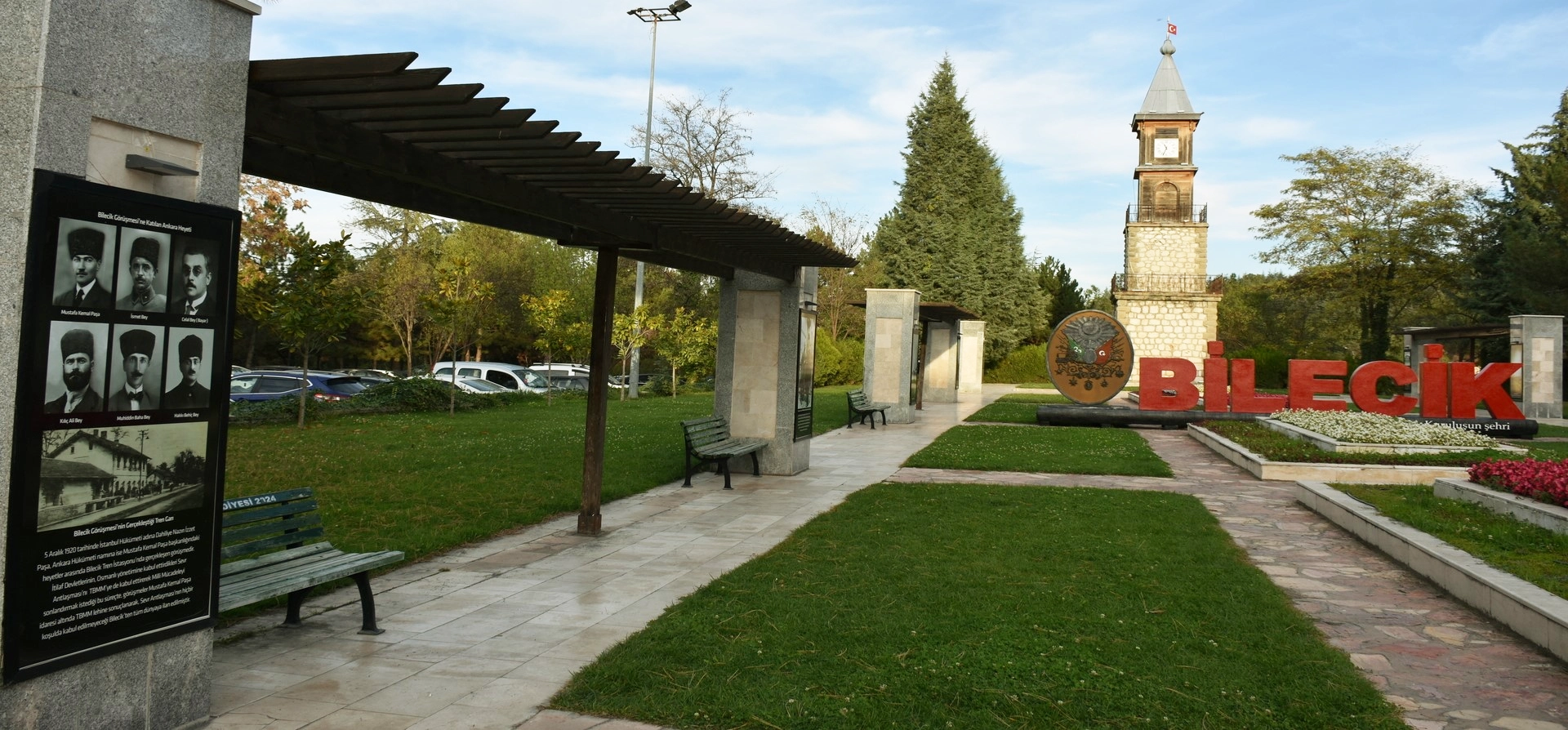
Discover Ottoman foundation history, museums, historic towns, War of Independence landscapes and natural areas across the province.
View Bilecik GuideConnect the mosque with the people and places that shaped Bilecik’s early Ottoman story.
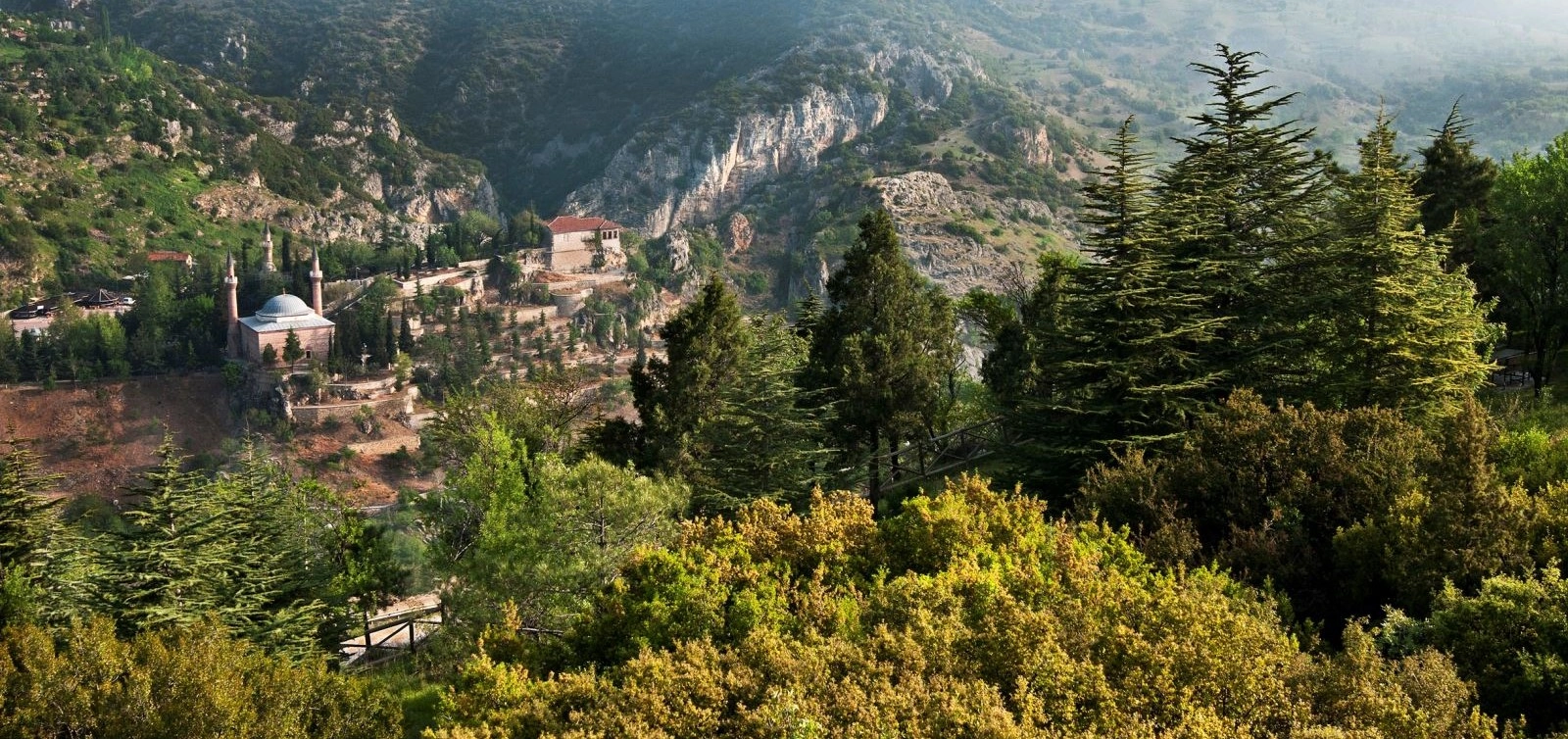
Visit the nearby spiritual and historical landmark associated with Osman Gazi’s adviser and father-in-law.
Explore Şeyh Edebali Tomb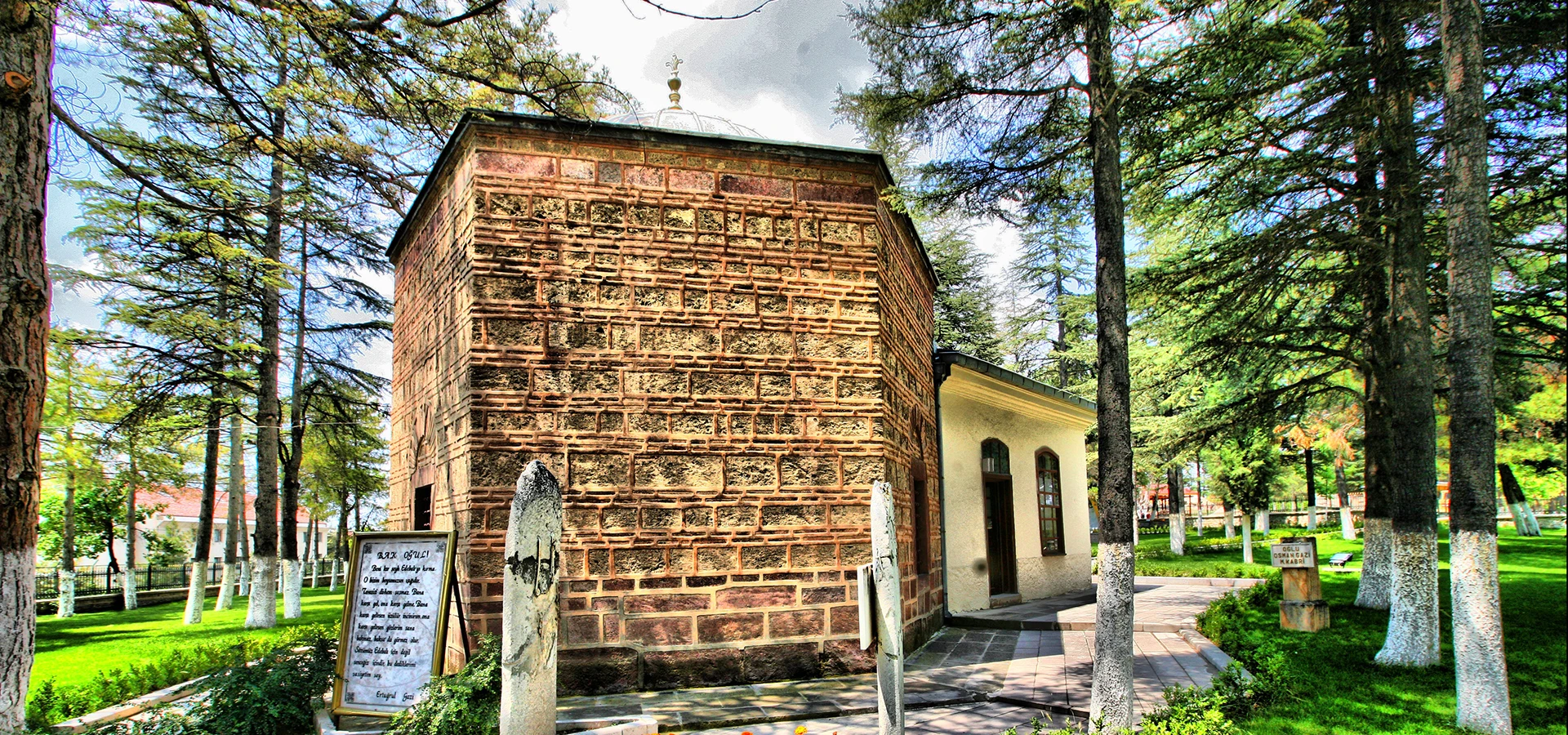
Continue to Söğüt for one of the most important memorial landscapes connected with Ottoman origins.
Explore Ertuğrul Gazi Tomb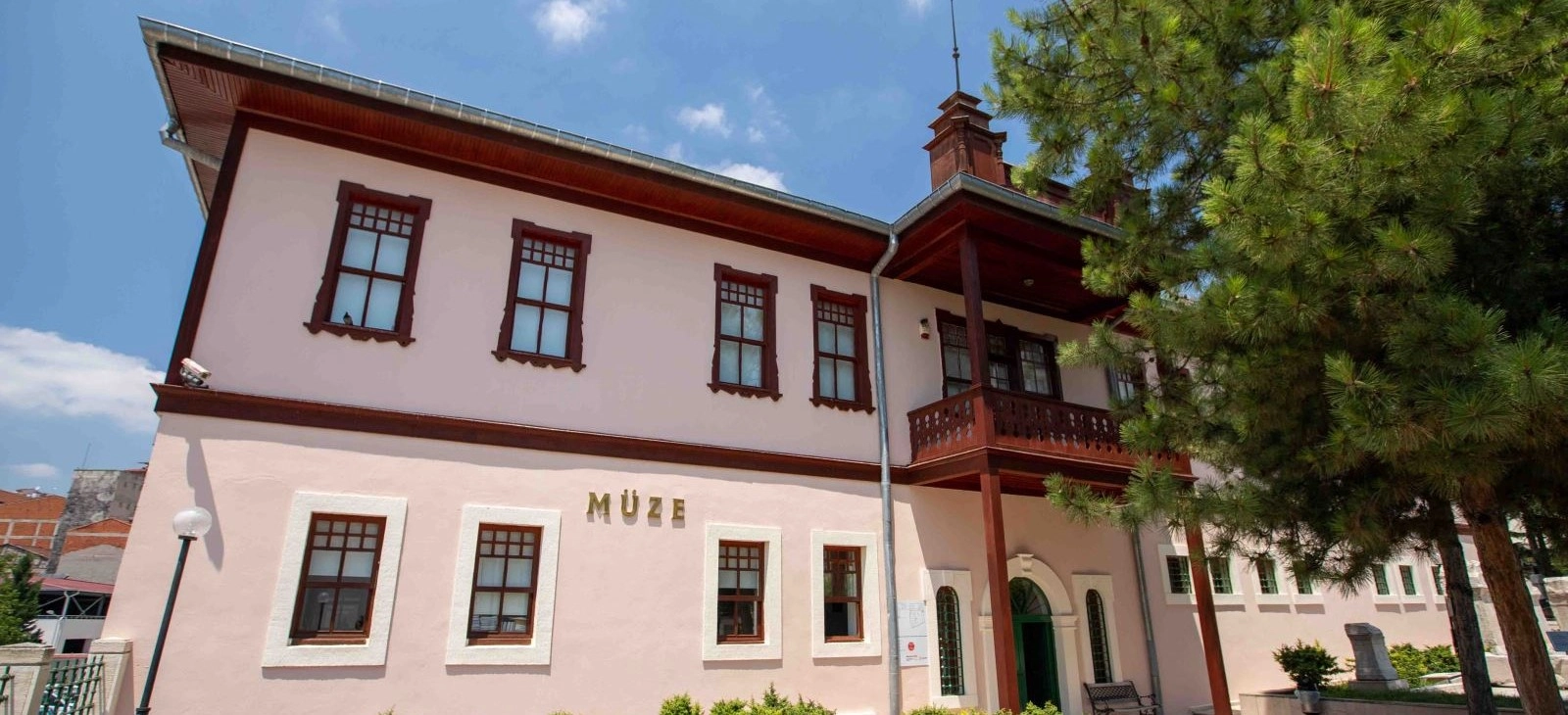
Explore archaeological and ethnographic collections covering the wider history of Bilecik Province.
Explore Bilecik Museum